The best cycling routes in J.N. "Ding" Darling National Wildlife Refuge
4.3
(93)
502
riders
26
rides
Touring cycling in J.N. "Ding" Darling National Wildlife Refuge offers routes through one of the largest undeveloped mangrove ecosystems in the United States. The terrain is generally flat, characterized by mangrove forests, submerged seagrass beds, and cordgrass marshes. Dedicated pathways, such as the Wildlife Drive, provide access to diverse habitats and wildlife viewing opportunities. This environment supports a variety of flora and fauna, making it suitable for leisurely cycling.
Best touring cycling routes in J.N. "Ding" Darling National Wildlife Refuge
…Last updated: May 4, 2026
4.8
(43)
36
riders
16.7km
00:57
10m
10m
Easy bike ride. Great for any fitness level. Mostly paved surfaces. Suitable for all skill levels.
4.8
(5)
25
riders
Easy bike ride. Great for any fitness level. Mostly paved surfaces. Suitable for all skill levels.

Sign up for free
15
riders
Easy bike ride. Great for any fitness level. Mostly paved surfaces. Suitable for all skill levels.
13
riders
8.44km
00:31
10m
10m
Easy bike ride. Great for any fitness level. Mostly paved surfaces. Suitable for all skill levels.
6
riders
Easy bike ride. Great for any fitness level. Mostly paved surfaces. Suitable for all skill levels.
Get access to more routes and recommendations from other explorers.
Sign up for free
Already have an account?
Our route recommendations are based on thousands of hikes, rides, and runs completed by other people on komoot.
Start today with a free account
Your next adventure awaits.
Login or Signup
Popular around J.N. "Ding" Darling National Wildlife Refuge
Tips from the Community

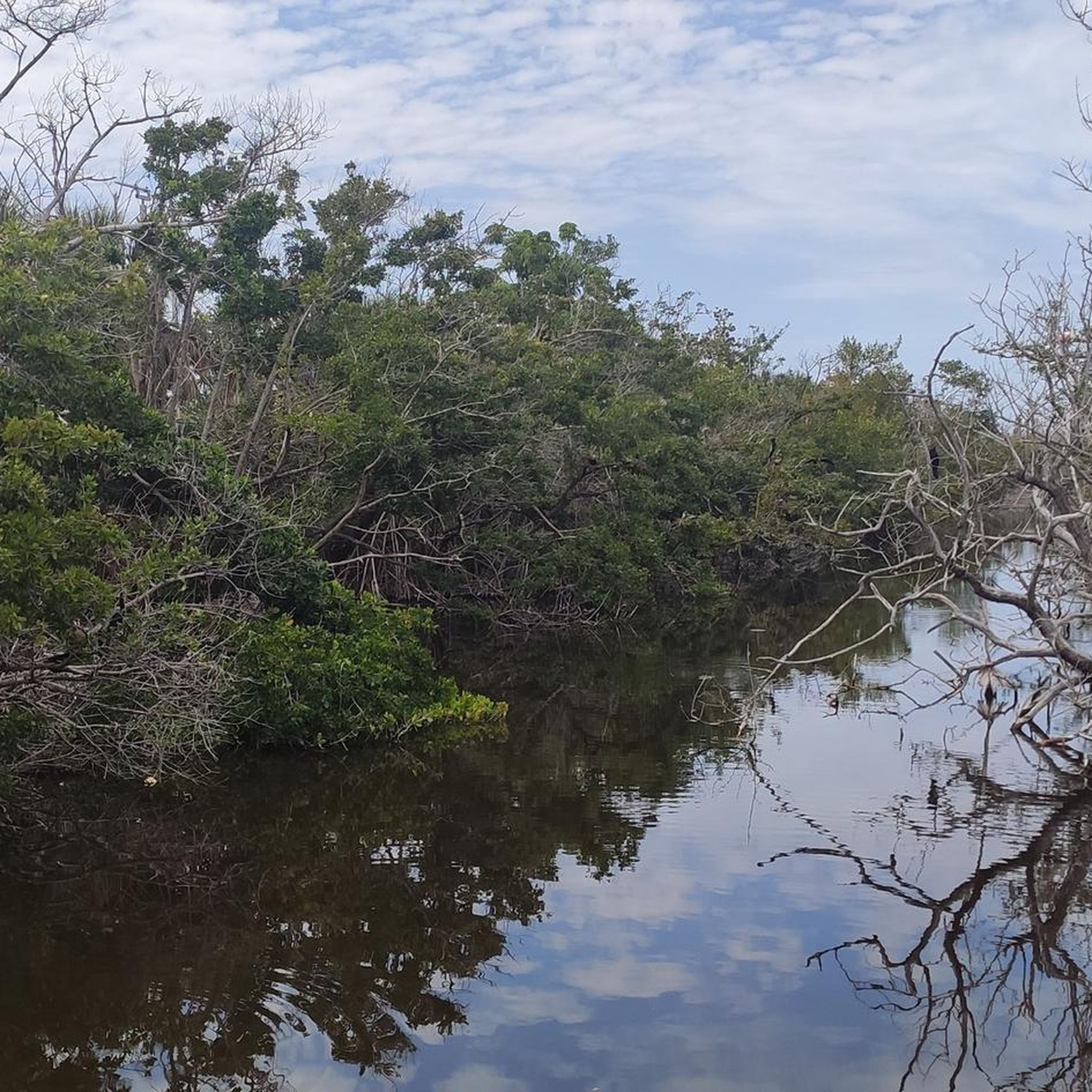
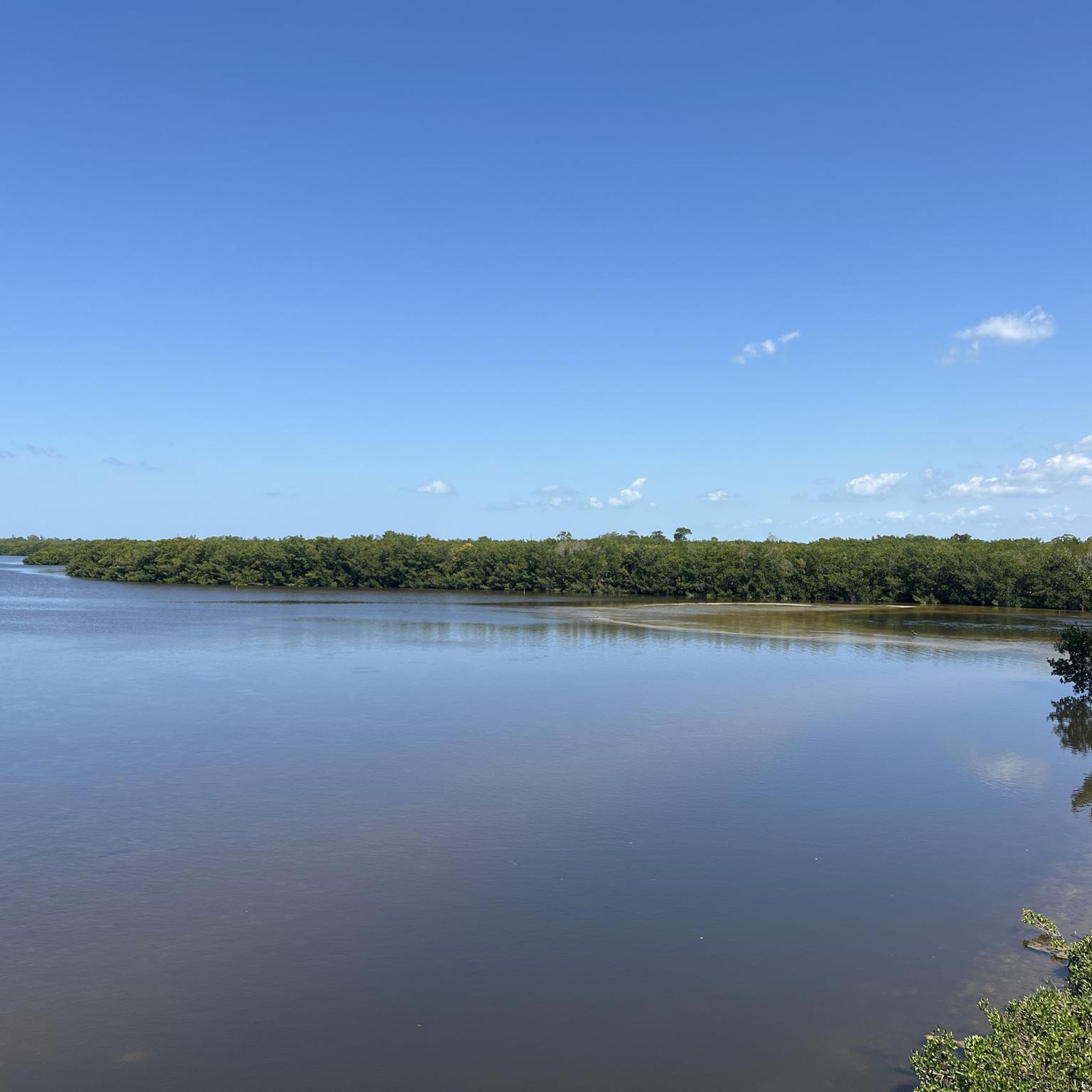
The Wildlife Drive runs right through the nature reserve and is one of the absolute highlights on Sanibel. Sometimes you drive right along the water, other times there are short access points to viewing platforms that offer views into the mangroves. I've seen all sorts of animals along the road: alligators, manatees, snakes, raccoons, turtles, flamingos, all sorts of other birds, fish... The one-way street has a speed limit of 15 mph (25 km/h), which makes driving here very pleasant.
2
0

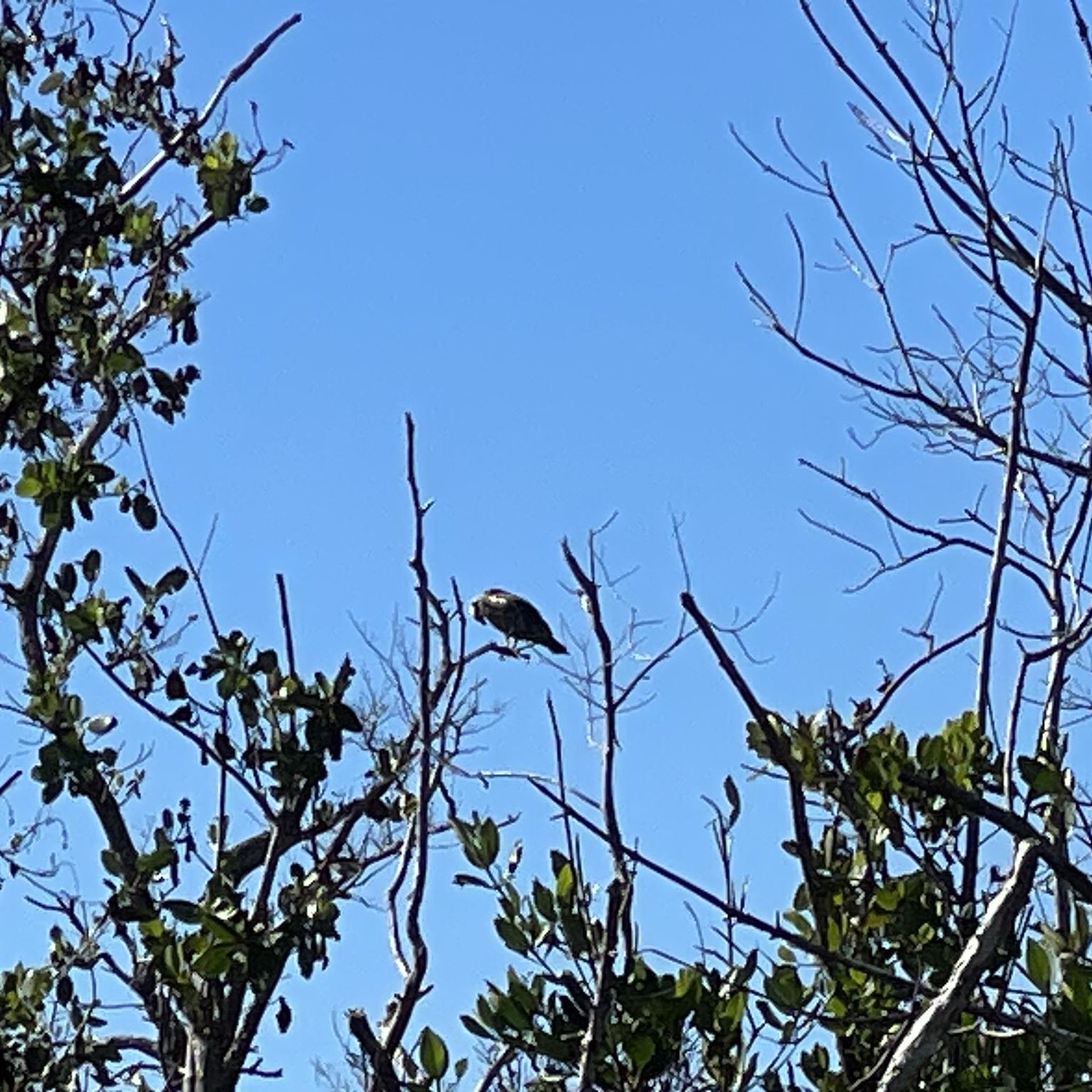
this bird is the tourist attraction
0
1
spacious street but with few attractions
1
1
very beautiful building complex, access to the individual buildings is only possible between Thursday and Sunday
0
0
well-developed network of cycle paths
0
0

Unlike some sprawling preserves, Frannie's Preserve is a cozy 27-acre haven. This makes it perfect for a quick and refreshing nature fix or a relaxing afternoon stroll. Originally dominated by invasive Australian pine trees, the preserve has undergone a remarkable transformation. Restoration efforts have led to the planting of over 5,000 native trees and shrubs, creating a flourishing tropical hardwood hammock.
1
0
Frequently Asked Questions
What kind of terrain can I expect when touring cycling in J.N. "Ding" Darling National Wildlife Refuge?
The terrain in the refuge is predominantly flat, making it ideal for touring cyclists. You'll cycle through diverse landscapes including extensive mangrove forests, submerged seagrass beds, and cordgrass marshes. Dedicated pathways like the 4-mile Wildlife Drive offer smooth riding surfaces for a leisurely experience.
Are there many easy touring cycling routes in the refuge?
Yes, J.N. "Ding" Darling National Wildlife Refuge is excellent for easy touring cycling. Out of approximately 25 routes available, 22 are classified as easy. An example is the Mangrove Overlook Deck – Wildlife Drive loop from Silver Key, an easy 10.4-mile path that provides access to the prominent Wildlife Drive.
What are some notable natural features or viewpoints to see along the cycling routes?
The refuge is rich in natural features. Cyclists can enjoy the vast mangrove ecosystems, which are among the largest undeveloped in the U.S. Key viewpoints include the Observation Tower at J.N. "Ding" Darling National Wildlife Refuge and the Mangrove Overlook Deck, both offering elevated perspectives for wildlife watching. The Bailey Tract also features unique freshwater plants and wildlife.
What kind of wildlife can I expect to see while cycling?
J.N. "Ding" Darling National Wildlife Refuge is world-renowned for its abundant wildlife. You can expect to see over 245 species of birds, including roseate spoonbills, reddish egrets, and bald eagles. The refuge is also home to mammals like marsh rabbits and raccoons, and various reptiles and amphibians such as alligators and turtles. Manatees are occasionally spotted in the waters.
Are there any circular touring cycling routes available?
Yes, many routes in the refuge are designed as loops, offering a convenient circular experience. For instance, the Grassy Road – Shell Mound Trail loop from Bailey Tract is an easy 13.8-mile circular route that takes you through diverse natural areas.
Is there a visitor center or facilities available for cyclists?
Yes, the J.N. "Ding" Darling National Wildlife Refuge Visitor & Education Center serves as an excellent starting point. It offers interactive exhibits, information, brochures, and a nature store. It's a great place to learn about the refuge's ecosystems and the work of Jay Norwood "Ding" Darling before or after your ride.
What is the best time of year to go touring cycling in the refuge?
The refuge is particularly popular during the cooler, drier months from November to April, which coincides with the peak migratory bird season. This period offers pleasant cycling weather and the best opportunities for wildlife viewing. Summer months can be hot and humid with more frequent rain showers.
What do other touring cyclists enjoy most about cycling in J.N. "Ding" Darling National Wildlife Refuge?
The area is highly rated by the komoot community, with an average score of 4.7 stars from over 100 reviews. Reviewers often praise the serene natural setting, the abundance of wildlife viewing opportunities, and the well-maintained, flat pathways that make for an enjoyable and accessible cycling experience.
Are there any longer touring cycling routes for a more extended ride?
For those seeking a longer ride, the Blind Pass Bridge – Bowman's Beach loop from naturalist garden is a moderate 22.9-mile route. It offers diverse coastal scenery and takes approximately 2 hours and 8 minutes to complete, providing ample time to explore and observe the surroundings.
Can I cycle to Sanibel Island's coastal areas from the refuge?
Yes, some routes connect the refuge to other parts of Sanibel Island. For example, the Gulfside City Park – Sanibel Island Northern Beach loop from Billy's Bikes is an 11.8-mile trail that leads through coastal areas of Sanibel Island, offering a blend of refuge and island scenery.
Are there specific trails within the refuge that are good for cycling?
Beyond the main Wildlife Drive, cyclists can explore trails like the Indigo Trail, which is a 4-mile round trip leading to the Wildlife Education Boardwalk. The Shell Mound Trail and Mangrove Head Pond Trail also offer unique cycling experiences within the refuge's diverse ecosystems.
Is there a fee or permit required to cycle on the Wildlife Drive?
Yes, there is an entrance fee to access the Wildlife Drive. This fee contributes to the maintenance and conservation efforts of the refuge. For the most current information on fees and any permit requirements, it's advisable to check the official J.N. "Ding" Darling National Wildlife Refuge website at fws.gov before your visit.
Most popular routes in J.N. "Ding" Darling National Wildlife Refuge
Most popular attractions in J.N. "Ding" Darling National Wildlife Refuge

Get inspired with the komoot mobile app


Explore more
Browse the best Cycling routes in other regions.
