Arthur R. Marshall Loxahatchee National Wildlife Refuge
Arthur R. Marshall Loxahatchee National Wildlife Refuge
The best cycling routes in Arthur R. Marshall Loxahatchee National Wildlife Refuge
5.0
(3)
35
riders
8
rides
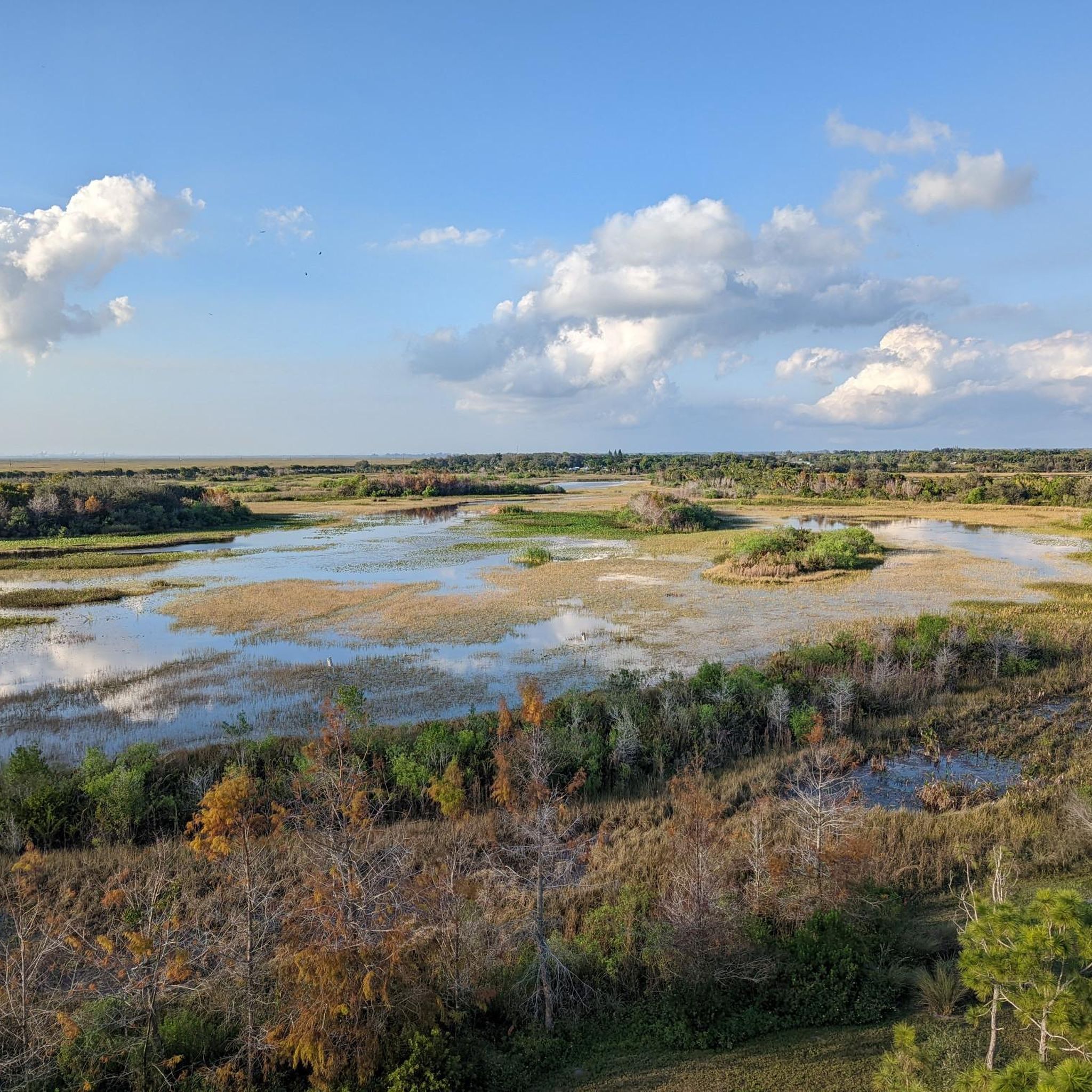
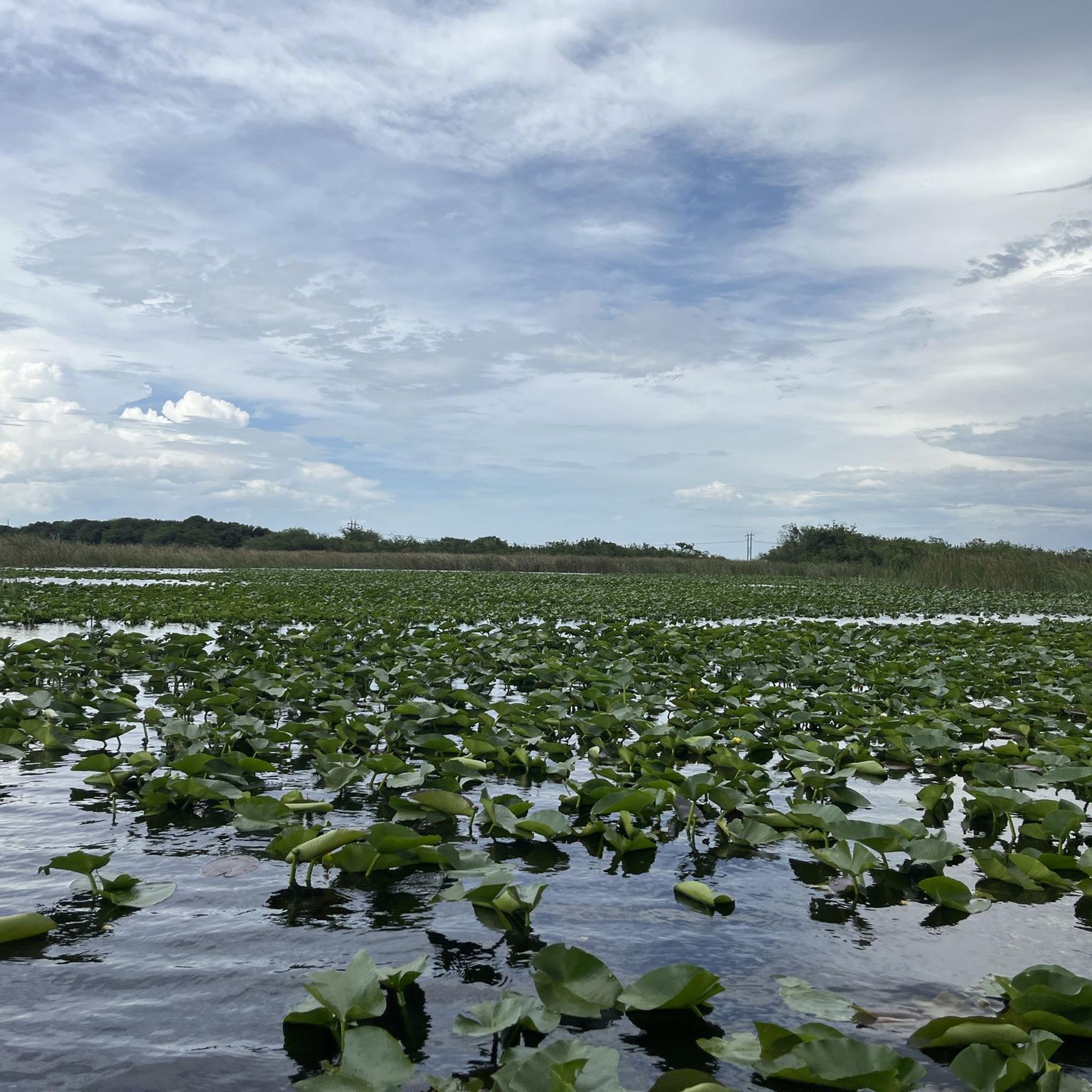
Touring cycling in Arthur R. Marshall Loxahatchee National Wildlife Refuge offers routes through a significant portion of the northern Everglades ecosystem. The landscape is characterized by extensive levee trails, wet prairies, sawgrass ridges, and tree islands, including a 400-acre cypress swamp. Trails primarily consist of crushed gravel and grass, providing a unique environment for observing wildlife. The terrain is generally flat, with minimal elevation changes across the refuge's vast 145,000 acres.
Best touring cycling routes in Arthur R. Marshall Loxahatchee National Wildlife Refuge
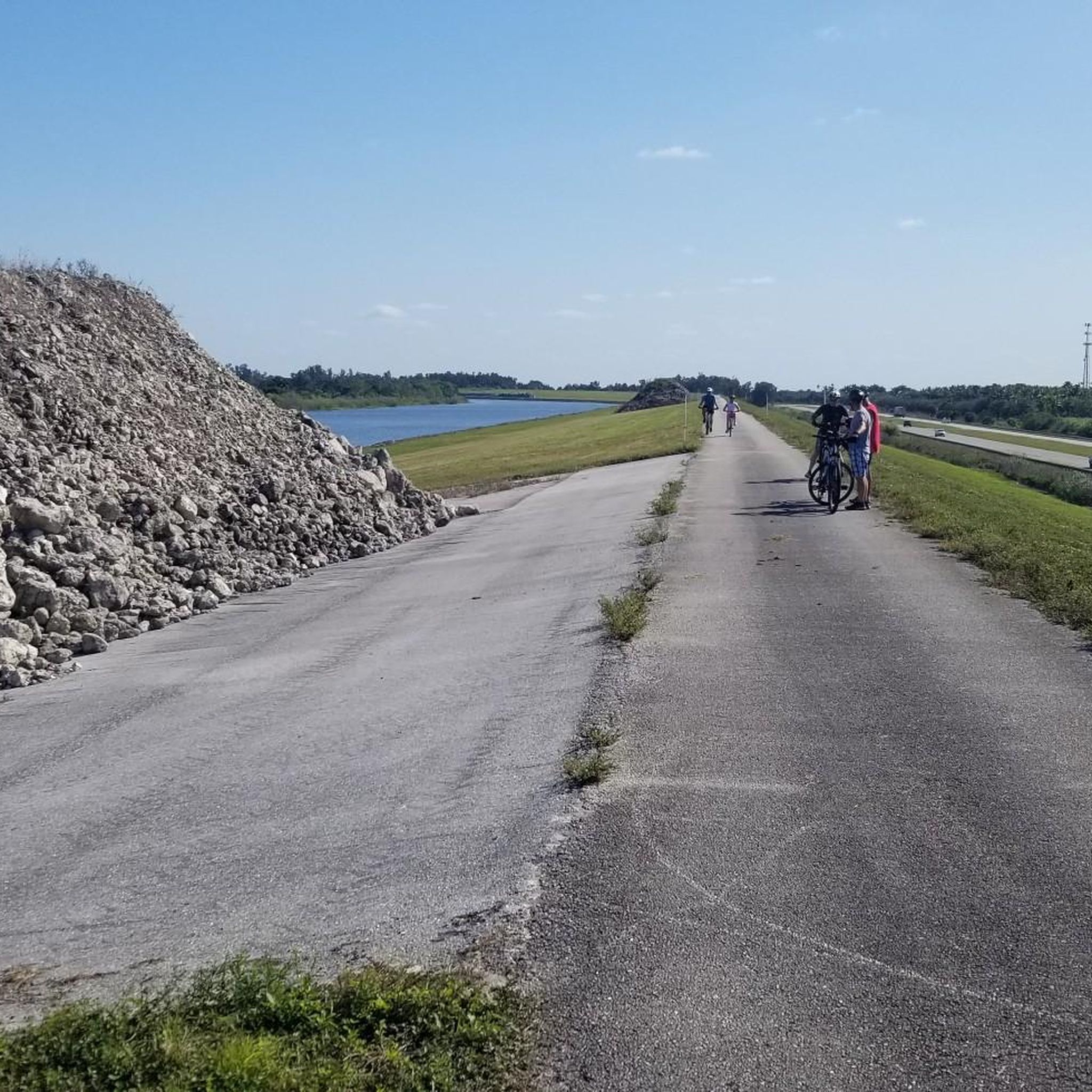
- The most popular touring cycling route is L-40 Levee Trail, a 26.5 miles (42.6 km) trail that takes 3 hours 31 minutes to complete. This route follows a levee, offering continuous views of the diverse Everglades habitats.
- Another top favourite among local touring cyclists is Water Conservation Area loop from Wellington Environmental Preserve, a difficult 62.2 miles (100.1 km) path. This extensive loop navigates through the broader conservation area, showcasing the expansive Everglades ecosystem.
- Local touring cyclists also love the Daggerwing Nature Center via South County Regional Park, a 7.8 miles (12.6 km) trail leading through a regional park and towards a nature center, often completed in about 43 minutes.
- Touring cycling in Arthur R. Marshall Loxahatchee National Wildlife Refuge is defined by levee trails, wet prairies, and cypress swamps. The network offers options for easy, moderate, and difficult routes.
- The routes in Arthur R. Marshall Loxahatchee National Wildlife Refuge are highly rated by the komoot community with an average score of 5.0 stars from over 3 reviews. More than 40 touring cyclists have used komoot to explore Arthur R. Marshall Loxahatchee National Wildlife Refuge's varied terrain.
Last updated: May 10, 2026
5.0
(1)
18
riders
42.6km
03:32
0m
0m
Moderate bike ride. Good fitness required. Mostly paved surfaces. Suitable for all skill levels.
7
riders
Hard bike ride. Very good fitness required. Mostly paved surfaces. Suitable for all skill levels.

Sign up for free
1
riders
12.6km
00:43
10m
10m
Easy bike ride. Great for any fitness level. Mostly paved surfaces. Suitable for all skill levels.
5.0
(2)
4
riders
13.5km
01:01
0m
0m
Easy bike ride. Great for any fitness level. Mostly paved surfaces. Suitable for all skill levels.
11.4km
00:40
10m
10m
Easy bike ride. Great for any fitness level. Mostly paved surfaces. Suitable for all skill levels.
Get access to more routes and recommendations from other explorers.
Sign up for free
Already have an account?
Our route recommendations are based on thousands of hikes, rides, and runs completed by other people on komoot.
Start today with a free account
Your next adventure awaits.
Login or Signup
Popular around Arthur R. Marshall Loxahatchee National Wildlife Refuge
Tips from the Community

The Wellington Environmental Preserve offers 365 acres of nature trails and educational centers. In addition, the rainwater storage area includes a 3.6-mile equestrian trail. Definitely worth a visit!
0
0
A lovely stretch of path following the border of the Arthur R. Marshall Loxahatchee National Wildlife Refuge. Partially paved, partially gravel, this service road is flat and offers great nature views!
1
0

Green Cay offers amazing views of the natural Florida wetlands. You can see birds, turtles, snakes, and more! In the nature center building you can read about the area and see species they have in live tanks.
1
0

The Wellington Environmental Preserve offers 365 acres of nature trails and educational centers. In addition, the rainwater storage area includes a 3.6-mile equestrian trail. Definitely worth a visit!
1
0
Daggerwing Nature Center is a 3,000 square foot building with live animals and interactive exhibits. There are also classroom facilities for children, a laboratory, art gallery, reading area, butterfly garden, and an elevated boardwalk through a swamp.
0
0
South County Regional Park built in 2005 on swamp land offers an array of land and aquatic activities. The treelined roads offer a great place to escape from the sun for a moment, and escape from traffic. Be careful around the water with pets and small children as alligators are present.
0
0
Daggerwing Nature Center is a 3,000 sq. ft. exhibit hall with live animals and interactive exhibits, classroom facilities for children, a laboratory, art gallery, reading area, butterfly garden, and an elevated boardwalk which takes you on a journey through a swamp.
0
0
This park is a paved figure-eight trail that is great for running, walking, or riding your bike. There isn't any shade, so be prepared for sunny conditions.
0
0
Frequently Asked Questions
What is the typical terrain like for touring cycling in the Arthur R. Marshall Loxahatchee National Wildlife Refuge?
The refuge's touring cycling trails are primarily on the Perimeter Levee and consist mainly of crushed gravel and/or grass. These routes can be rough, rocky, and unpaved in sections, so a mountain or hybrid bike is recommended. The terrain is generally flat with minimal elevation changes, but there is limited shade or shelter along most routes.
Are there any easy touring cycling routes suitable for beginners or families?
Yes, the refuge offers several easy touring cycling routes. For instance, the Daggerwing Nature Center via South County Regional Park is an easy 7.8-mile path. Another accessible option is Green Cay Nature Center and Wetlands, which is 7.1 miles long. These routes are generally flat and offer a good introduction to cycling in the area.
What kind of wildlife can I expect to see while cycling in the refuge?
The refuge is a haven for diverse wildlife. Cyclists frequently spot American alligators, bobcats, white-tailed deer, and a wide array of birds, including sandhill cranes, herons, egrets, and wood storks. It's also a crucial wintering ground for migratory birds. The levee trails offer continuous views of the varied habitats where these animals reside.
Are there any notable natural features or attractions to look out for along the cycling routes?
Absolutely. The refuge protects a significant portion of the Everglades ecosystem, featuring wet prairies, sawgrass ridges, tree islands, and a 400-acre cypress swamp. You can explore the Marsh Trail and utilize the Observation Tower for panoramic views of the expansive landscape and wildlife spotting. The Cypress Swamp Boardwalk also offers an immersive experience into this unique habitat.
Are dogs allowed on the cycling trails in the Arthur R. Marshall Loxahatchee National Wildlife Refuge?
The refuge's general policy for pets typically requires them to be on a leash and restricts them from certain areas to protect wildlife. It's best to check the official refuge website for the most current and specific regulations regarding dogs on cycling trails before your visit. You can find more information on the refuge's visitor information page.
What are the parking options and access points for cyclists?
The refuge provides various access points to its levee trails. Parking is available at designated areas, such as near the Headquarters Area for access to the L-40 levee, and near the Hillsboro Area for the L-40 and L-39 levees. Cyclists should check the official refuge map for specific parking locations and entry points.
What is the best time of year to go touring cycling in the refuge?
The cooler, drier months from late fall through spring (roughly November to April) are generally considered the best time for cycling in South Florida. During this period, temperatures are more comfortable, and there are fewer mosquitoes. Summer months can be very hot and humid, with a higher chance of afternoon thunderstorms.
Are there any circular touring cycling routes available?
Yes, the refuge offers circular routes. The Bike loop from L-36 is an easy 8.4-mile loop. Additionally, the Water Conservation Area loop from Wellington Environmental Preserve offers a more challenging and extensive 62.2-mile circular path through the broader conservation area.
How many touring cycling routes are available in the Arthur R. Marshall Loxahatchee National Wildlife Refuge?
There are 8 touring cycling routes available in the Arthur R. Marshall Loxahatchee National Wildlife Refuge, ranging in difficulty from easy to difficult. These routes offer diverse experiences across the refuge's unique Everglades landscape.
What do other touring cyclists enjoy most about cycling in the refuge?
The area is highly rated by the komoot community, with an average score of 5.0 stars. Reviewers often praise the unique opportunity to cycle through the Everglades ecosystem, the abundance of wildlife viewing opportunities, and the expansive, flat levee trails that offer continuous scenic views.
Are there any entrance fees for cyclists at the refuge?
No, entrance fees are waived for visitors entering the Arthur R. Marshall Loxahatchee National Wildlife Refuge on foot, bicycle, or horseback. This makes it an accessible destination for touring cyclists.
What kind of bike is recommended for the trails in the refuge?
Due to the rough, rocky, and often unpaved nature of the trails, which consist mainly of crushed gravel and/or grass, a mountain bike or a hybrid bike is highly recommended for touring cycling in the refuge. Road bikes are generally not suitable for these conditions.
Most popular routes in Arthur R. Marshall Loxahatchee National Wildlife Refuge
Most popular attractions in Arthur R. Marshall Loxahatchee National Wildlife Refuge

Get inspired with the komoot mobile app


Explore more
Browse the best Cycling routes in other regions.
