Wallkill River National Wildlife Refuge
Wallkill River National Wildlife Refuge
The best road cycling routes in Wallkill River National Wildlife Refuge
34
riders
24
rides
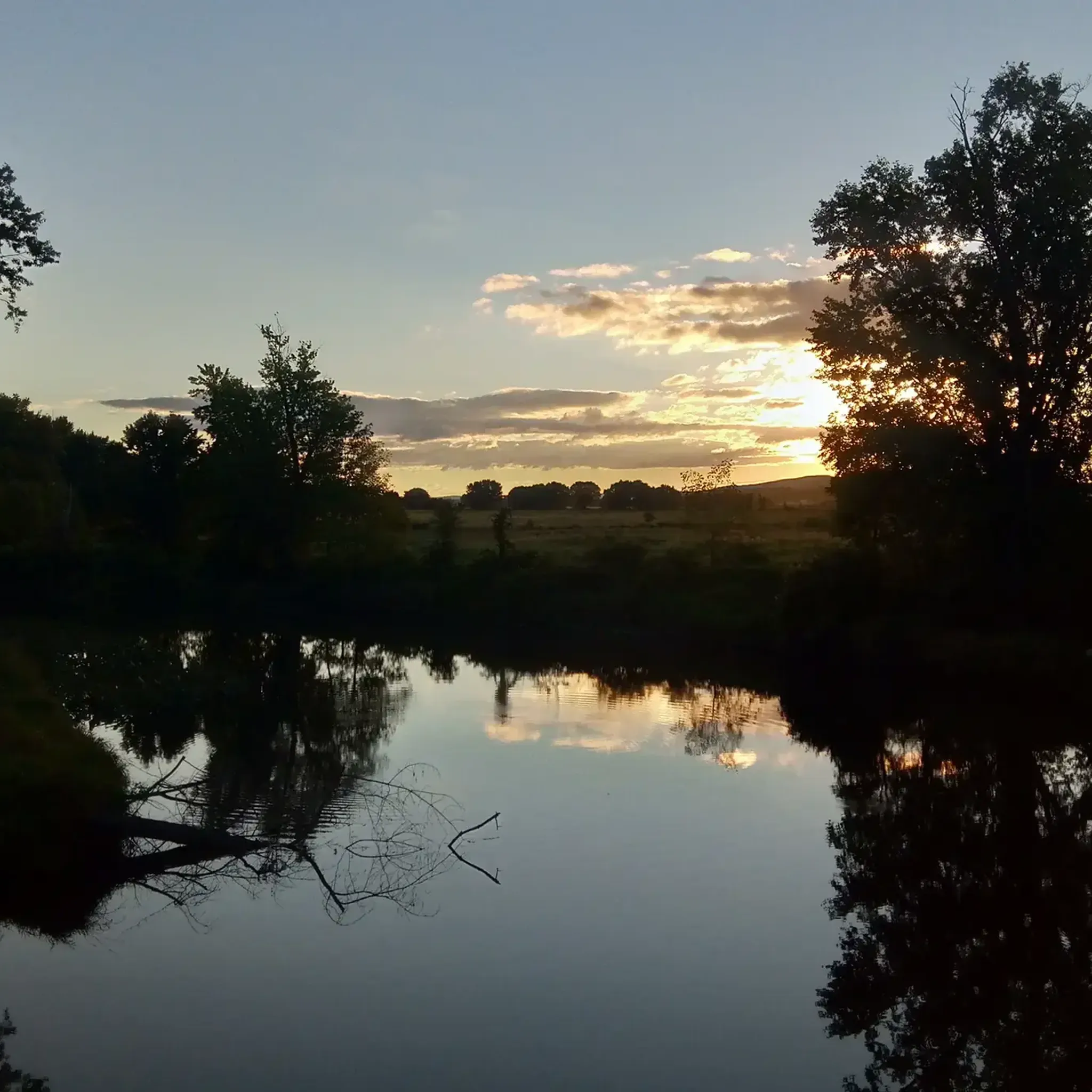
Road cycling in Wallkill River National Wildlife Refuge offers routes on public roads surrounding the protected area, as direct cycling within the refuge's designated trails is not permitted. The region is characterized by the northward-flowing Wallkill River, extensive freshwater wetlands, grasslands, and hardwood forests. Cyclists can experience varied topography, including views across the Wallkill Valley and the distant Kittatinny Ridge. These routes provide opportunities to observe the diverse ecosystems from the perimeter of the refuge.
Best road cycling routes in…
Last updated: May 4, 2026
3
riders
47.9km
02:20
420m
420m
Moderate road ride. Good fitness required. Some segments of this route may be unpaved and difficult to ride.
6
riders
104km
05:13
1,520m
1,520m
Hard road ride. Very good fitness required. Mostly well-paved surfaces and easy to ride.

Sign up for free
3
riders
34.1km
01:37
260m
260m
Moderate road ride. Great for any fitness level. Some segments of this route may be unpaved and difficult to ride.
3
riders
33.5km
01:50
440m
440m
Moderate road ride. Good fitness required. Mostly well-paved surfaces and easy to ride.
5
riders
38.0km
01:58
360m
360m
Moderate road ride. Good fitness required. Mostly well-paved surfaces and easy to ride.
Get access to more routes and recommendations from other explorers.
Sign up for free
Already have an account?
Our route recommendations are based on thousands of hikes, rides, and runs completed by other people on komoot.
Start today with a free account
Your next adventure awaits.
Login or Signup
Popular around Wallkill River National Wildlife Refuge

Tips from the Community


Approx. 1-mile loop through the residential lake community. There’s a beach where you can take a dip.
0
0
Frequently Asked Questions
Are bikes allowed on trails within the Wallkill River National Wildlife Refuge?
No, direct cycling within the refuge's designated trails is not permitted to protect wildlife and prevent trail erosion. The refuge explicitly states that "bicycling... are not allowed on refuge trails." However, the surrounding public roads offer ample opportunities for road cycling.
Where can I find road cycling routes near the Wallkill River National Wildlife Refuge?
While cycling is restricted on refuge trails, you can find numerous road cycling routes on public roads surrounding the refuge. These routes provide scenic rides through the Wallkill Valley, often with views of the refuge's diverse ecosystems from its perimeter. komoot offers over 25 such routes in the area.
What kind of terrain can I expect on road cycling routes in the Wallkill River National Wildlife Refuge area?
The region offers varied topography. You can expect routes alongside the northward-flowing Wallkill River, through agricultural lands, and with views of the Kittatinny Ridge. Some routes, like the Hawks Nest – Lake Wallkill loop from Vernon Center, feature significant elevation gain, while others, such as sections of the Barn on Garrison Road – Paulinskill Valley Trail loop from Sussex County, are known for their gentle gradients.
Are there road cycling routes suitable for beginners or families?
Yes, the area offers routes for various ability levels. While specific 'family-friendly' designations for road cycling can vary, routes with less elevation gain and lower traffic roads would be more suitable. For example, the Barn on Garrison Road – Paulinskill Valley Trail loop from Sussex County includes sections with gentle gradients, which might be a good starting point.
Are there challenging road cycling routes for experienced cyclists?
Absolutely. For experienced cyclists seeking a challenge, the Hawks Nest – Lake Wallkill loop from Vernon Center is a difficult 73.2-mile (117.7 km) path featuring substantial elevation gain, offering a demanding ride with rewarding views of Lake Wallkill and the surrounding landscapes.
Can I find loop routes for road cycling in the Wallkill River National Wildlife Refuge area?
Yes, many of the road cycling routes in the region are designed as loops, allowing you to start and end at the same point. Examples include the Barn on Garrison Road – Paulinskill Valley Trail loop from Sussex County and the Sussex Branch Trail loop from Crooked Swamp Cave.
What natural features and views can I expect to see while road cycling in this region?
Road cycling routes in the Wallkill River National Wildlife Refuge area offer diverse scenery. You can expect views across the Wallkill Valley, glimpses of the Kittatinny Ridge, and rides alongside the unique northward-flowing Wallkill River. The landscape includes extensive freshwater wetlands, grasslands, and hardwood forests, providing a rich natural backdrop.
Is it possible to spot wildlife while road cycling near the refuge?
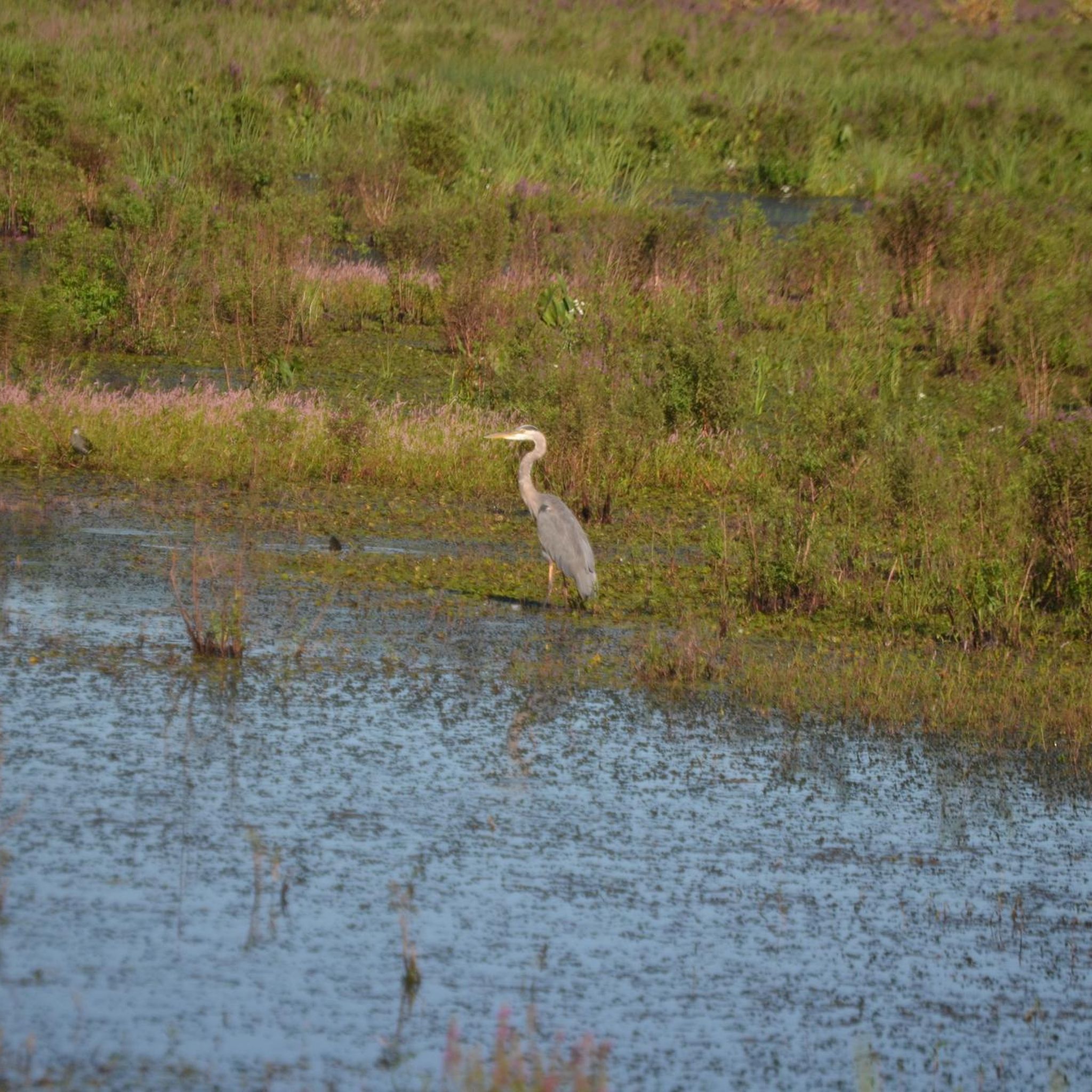
While cycling on public roads, you may still have opportunities to observe wildlife, especially birds, from the perimeter of the refuge. The Wallkill River National Wildlife Refuge is a haven for over 225 bird species, including waterfowl and raptors, as well as various other wildlife. Early mornings or late afternoons often provide the best chances for sightings.
What is the best time of year for road cycling in the Wallkill River National Wildlife Refuge area?
Spring and fall are generally considered the best times for road cycling in the Wallkill River National Wildlife Refuge area. The weather is typically milder, and the changing seasons offer beautiful scenery, from spring blossoms to vibrant autumn foliage. These seasons also coincide with significant bird migrations, enhancing wildlife viewing opportunities.
Are there any specific policies regarding dogs on road cycling routes or nearby trails?
While road cycling routes on public roads don't have specific dog policies from the refuge, it's important to note that dogs are generally not allowed on most refuge trails to protect wildlife. The only exception within the refuge is the Liberty Loop Trail, where leashed dogs are permitted for hiking. Always ensure your dog is leashed and follow local regulations on public roads.
Where can I find parking for road cycling routes in the Wallkill River National Wildlife Refuge area?
Parking for road cycling routes is typically available at various public access points or trailheads surrounding the refuge, depending on your chosen starting point. Many routes begin from towns or designated parking areas that serve the broader Wallkill Valley region. Always check the specific route details on komoot for recommended parking locations.
Are there any nearby amenities like cafes or places to stop during a ride?
The road cycling routes in the Wallkill River National Wildlife Refuge area often pass through or near small towns and communities. These areas may offer cafes, convenience stores, or other amenities where you can refuel and rest. It's advisable to plan your route and check for available services beforehand, especially on longer rides.
Most popular routes in Wallkill River National Wildlife Refuge

Get inspired with the komoot mobile app


Explore more
Browse the best Road cycling routes in other regions.
