The best road cycling routes in Blackwater National Wildlife Refuge
5.0
(2)
241
riders
8
rides
Road cycling in Blackwater National Wildlife Refuge features flat terrain, characterized by coastal plains, marshlands, and forested areas. The region's routes offer minimal elevation changes, with the highest climbs typically under 60 meters. Cyclists can expect to traverse scenic landscapes alongside waterways and through protected wildlife habitats. These conditions make the area suitable for long-distance rides without significant gradients.
Best road cycling routes in Blackwater National Wildlife Refuge
- The most popular road cycling route is Blackwater Wildlife Refuge – Harriet Tubman State Park loop from Smithville, a 22.3 miles (35.9 km) trail that takes 1 hour 31 minutes to complete. This easy route explores both the wildlife refuge and a state park.
- Another top favourite among local road cyclists is Blackwater Wildlife Refuge – Blackwater National Wildlife loop from Blackwater National Wildlife Refuge, a moderate 26.3 miles (42.3 km) path. This route offers views of the refuge's diverse ecosystems.
- Local road cyclists also love the Taylors Island – Blackwater National Wildlife loop from Taylors Island, a 31.9 miles (51.4 km) trail leading through coastal and wildlife areas, often completed in about 2 hours 2 minutes.
- Road cycling in Blackwater National Wildlife Refuge is defined by flat coastal plains, marshlands, and forested sections. The network offers options for different ability levels, primarily featuring easy to moderate routes.
- More than 130 road cyclists have used komoot to explore Blackwater National Wildlife Refuge's varied terrain.
Last updated: October 5, 2026
44
riders
Moderate road ride. Good fitness required. Mostly well-paved surfaces and easy to ride.
17
riders
Easy road ride. Great for any fitness level. Mostly well-paved surfaces and easy to ride.

13
riders
Easy road ride. Great for any fitness level. Mostly well-paved surfaces and easy to ride.
7
riders
Moderate road ride. Good fitness required. Mostly well-paved surfaces and easy to ride.
36
riders
32.2km
01:16
40m
40m
Easy road ride. Great for any fitness level. Mostly well-paved surfaces and easy to ride.
Get access to more routes and recommendations from other explorers.
Already have an account?
Our route recommendations are based on thousands of hikes, rides, and runs completed by other people on komoot.
Start today with a free account
Your next adventure awaits.
Popular around Blackwater National Wildlife Refuge
Tips from the Community


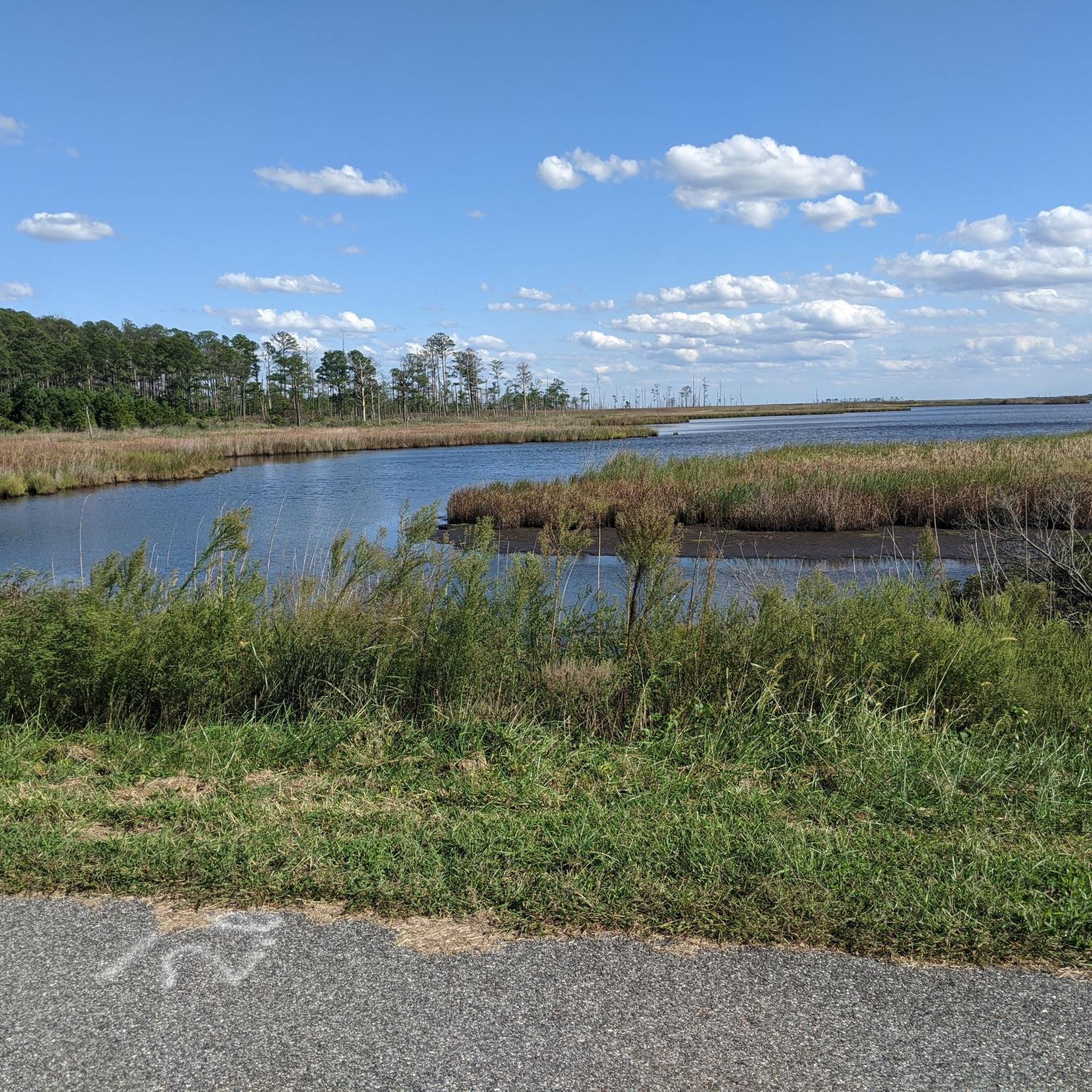
This refuge was set up as early as 1933 to protect birds that migrate along the Atlantic Flyway migration highway. The area covers over 28,000 acres (11,330 ha) of important habitats: wetlands, fields and forests. The Blackwater River flows through the park. It's named after its tea-like color. The water darkens as it drains through peat soil and picks up tannins.
0
0
This park celebrates Harriet Tubman, an abolitionist and Underground Railroad activist. You can learn about her life and work at a museum and enjoy the nature of the Blackwater National Wildlife Refuge nearby afterward. The park is open from 10am until 4pm Tuesday until Sunday.
0
0
Taylors Island is made up of wonderful untouched tidal marches, forests and fields. You can spot lots of wildlife here such as bald eagles, osprey, elk, muskrats and otters.
0
0

I recommend, if you are passing through, to plan a visit to the visitor centre.
0
0
Here, since 1933, the area has been protected as a refuge for migratory birds. It is now a beautiful place to cycle.
0
0

Beautiful natural area on the eastern shore.
0
0

Learn something about history
0
0
Frequently Asked Questions
What is the general difficulty level of road cycling routes in Blackwater National Wildlife Refuge?
The road cycling routes in Blackwater National Wildlife Refuge are predominantly easy to moderate. The terrain is largely flat, characterized by coastal plains and marshlands, with minimal elevation changes, typically under 60 meters. There are no difficult routes listed, making it accessible for a wide range of cyclists.
Are there any family-friendly road cycling routes in Blackwater National Wildlife Refuge?
Yes, the flat terrain and easy routes make Blackwater National Wildlife Refuge suitable for family cycling. Routes like the Blackwater Wildlife Refuge – Harriet Tubman State Park loop from Smithville are classified as easy and offer a pleasant experience for families.
What are the typical distances for road cycling routes in the refuge?
Road cycling routes in Blackwater National Wildlife Refuge vary in length, generally ranging from approximately 32 kilometers (20 miles) to over 70 kilometers (45 miles). For example, the Chesapeake Forest loop from Church Creek is about 32 kilometers, while the Taylors Island – Beautiful, flat area loop from Church Creek extends to nearly 74 kilometers.
Are permits required for cycling within Blackwater National Wildlife Refuge?
Generally, a permit is not required for cycling on the public roads and designated trails within Blackwater National Wildlife Refuge. However, standard refuge regulations apply, and it's always advisable to check the official refuge website for any specific or temporary requirements before your visit.
What is the best time of year for road biking in Blackwater National Wildlife Refuge?
Spring and fall are often considered the best times for road biking in Blackwater National Wildlife Refuge. These seasons offer milder temperatures, fewer insects, and excellent opportunities for wildlife viewing, especially during bird migrations. Summers can be hot and humid, while winters are generally mild but can be chilly.
Where can I find parking for road biking in Blackwater National Wildlife Refuge?
Parking is available at various access points and visitor centers within and around Blackwater National Wildlife Refuge. Many routes, such as the Blackwater Wildlife Refuge – Blackwater National Wildlife loop from Blackwater National Wildlife Refuge, often start from locations with dedicated parking facilities. Check the specific route details on komoot for recommended starting points and parking information.
Are there opportunities for wildlife viewing while road cycling in the refuge?
Absolutely. Blackwater National Wildlife Refuge is renowned for its diverse wildlife, particularly migratory birds. Cycling routes often traverse marshlands, forests, and waterways, providing excellent opportunities to observe bald eagles, ospreys, various waterfowl, and other species in their natural habitat. Early mornings and late afternoons are often the best times for sightings.
Are there any loop road cycling routes available?
Yes, many of the road cycling routes in Blackwater National Wildlife Refuge are designed as loops, offering a continuous scenic experience without retracing your path. Examples include the Taylors Island – Blackwater National Wildlife loop from Taylors Island and the Chesapeake Forest loop from Church Creek.
What amenities, like cafes or restrooms, are available near the bike trails?
While the refuge itself is primarily a natural area, you can find amenities such as restrooms at the Blackwater National Wildlife Refuge Visitor Center. For cafes and restaurants, you would typically need to cycle to nearby towns like Cambridge, which offers various dining options and services for cyclists.
What do other road cyclists enjoy most about road cycling in Blackwater National Wildlife Refuge?
Cyclists frequently praise the peaceful, flat terrain and the abundant wildlife viewing opportunities. The scenic beauty of the marshlands and coastal areas, combined with the minimal traffic on many roads, creates a relaxing and immersive cycling experience. Many appreciate the chance to see bald eagles and other unique bird species.
Are there any routes suitable for advanced road cyclists looking for a longer ride?
While the terrain is generally flat, advanced cyclists can combine routes or choose longer options to increase their distance. The Taylors Island – Beautiful, flat area loop from Church Creek, at nearly 74 kilometers, offers a substantial ride. The lack of significant climbs means longer distances are achievable at a good pace.
What kind of scenery can I expect along the road cycling routes?
You can expect diverse and picturesque scenery, including expansive marshlands, dense forested sections, and views of the Chesapeake Bay tributaries. The routes often follow waterways, offering glimpses of coastal ecosystems and the chance to observe the refuge's rich biodiversity.
Most popular routes in Blackwater National Wildlife Refuge

Get inspired with the komoot mobile app


Explore more
Browse the best Road cycling routes in other regions.
