Attractions and Places To See in Giant Mountain Wilderness - Top 5
Best attractions and places to see in Giant Mountain Wilderness, located within New York's Adirondack Forest Preserve, offers a rugged and scenic landscape. Spanning 23,100 acres, the area is characterized by mountainous terrain, dense forests, and open rocky summits. It provides expansive views and opportunities for outdoor activities like hiking. The wilderness is primarily valued for its natural attributes and recreational opportunities.
Best attractions and places to see in Giant Mountain Wilderness
- The most popular attraction is Giant Mountain Summit…
Last updated: July 6, 2026
Giant Mountain Summit View
Highlight • Summit
Tip by

Ridge Trail
Highlight (Segment) • Trail
Tip by

Sign up now to discover places like this
Get recommendations on the best single tracks, peaks, & plenty of other exciting outdoor places.
Sign up for free
Owl Head Lookout
Highlight • Summit
Tip by

Roaring Brook Falls
Highlight • Waterfall
Tip by
Hopkins Mountain
Highlight • Summit
Tip by
Sign up for free to discover even more attractions in Giant Mountain Wilderness.
Sign up for free
Already have an account?
Start today with a free account
Your next adventure awaits.
Login or Signup
Popular around Giant Mountain Wilderness
Tips from the Community

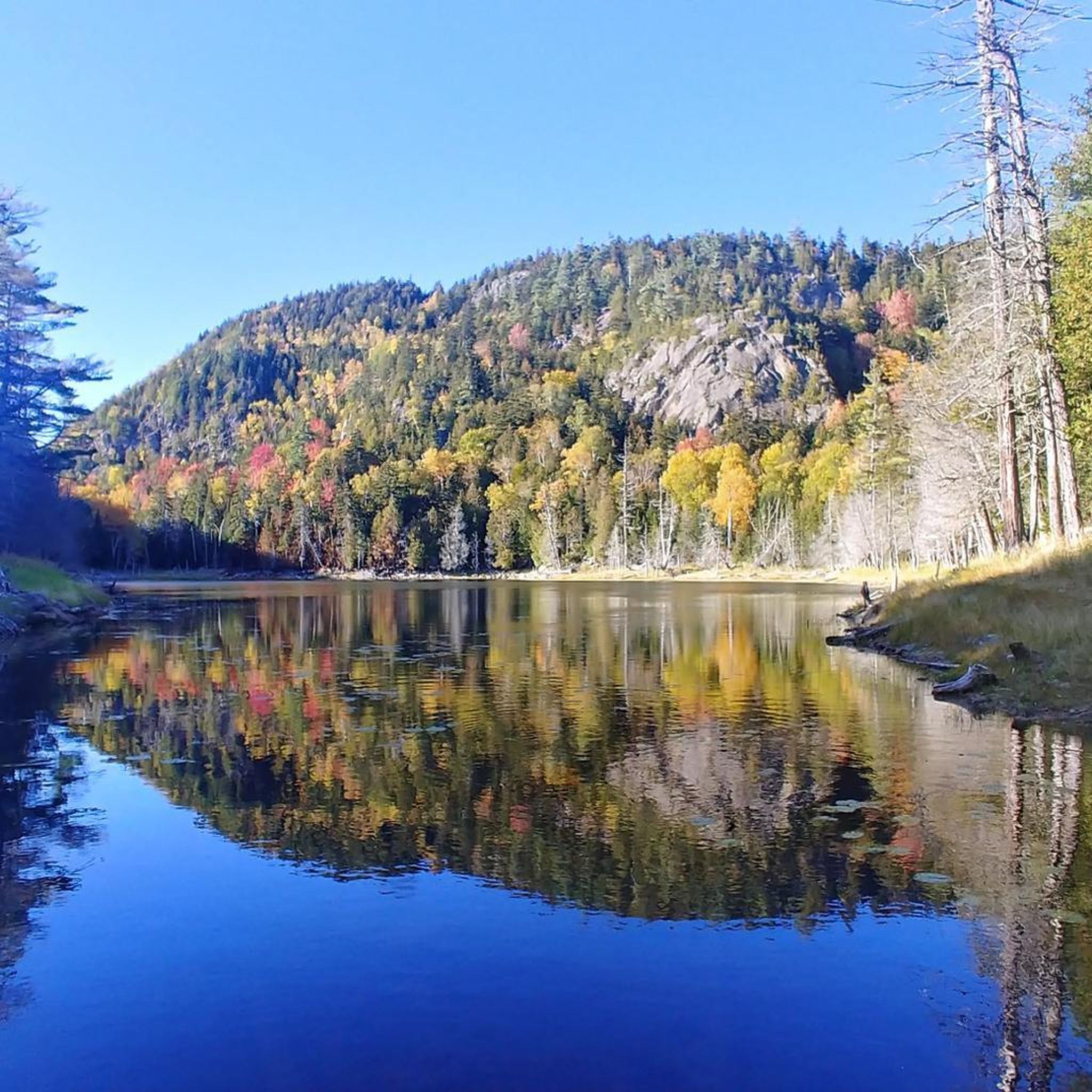
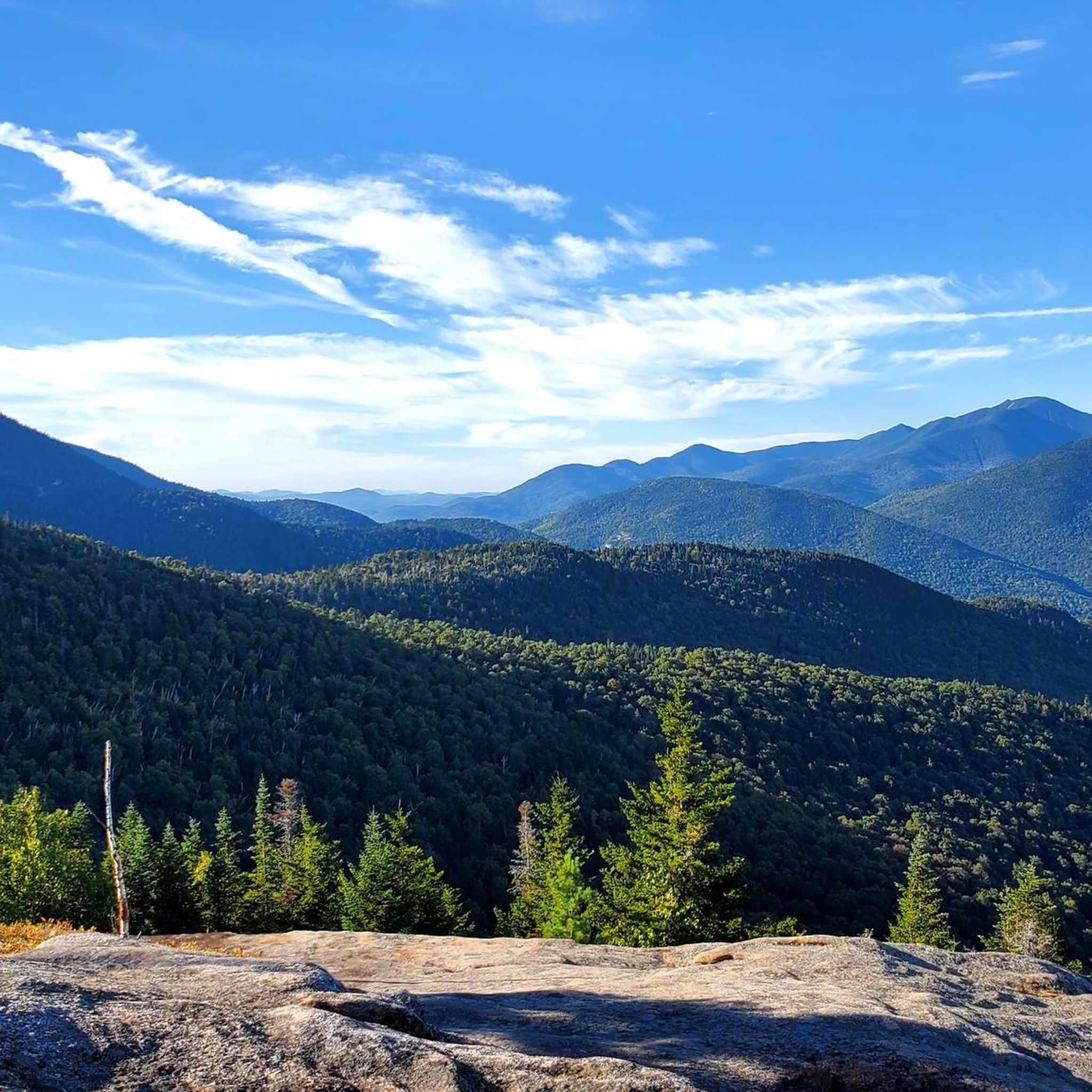
Nestled within the Adirondack Forest Giant Mountain is the twelfth highest peak in New York State, and one of the 46 High Peaks of the Adirondacks. The views from the summit are incredible, and invite you to stay ever longer to admire your surroundings.
0
0
Tumbling 290 feet down from Giant Mountain, Roaring Brook Falls is one of the tallest waterfalls in the Ausable River watershed. While you can see it from the road, its definitely worth your time to take the short trails and explore the falls a little closer.
0
0

The bald summit yield panoramic views over Green Mountain to the east, Tripod Mountain to the north, and the Giant Mountain Wilderness to the southeast.
0
0
There is an open rocky vista at the summit where you get great view of Giant Mountain, Rocky Peak Ridge, and Hurricane Mountain.
1
0

Ridge Trail in High Peaks Wilderness is a true haven for anyone seeking to be immersed in peaceful, lush forestry.
0
0


The summit offers beautiful views of the Keene Valley and of the surrounding mountains.
0
0
Frequently Asked Questions
What natural features can I explore in Giant Mountain Wilderness?
The wilderness is rich in natural beauty. You can visit prominent peaks like Giant Mountain Summit View, offering 360-degree panoramic views, and Hopkins Mountain with its bald summit providing expansive vistas. Don't miss Roaring Brook Falls, a prominent roadside waterfall, or the tranquil Giant Washbowl pond, known for fishing. The area also features unique old-growth hemlock trees, some dating back to the sixteenth century.
Are there any historical or cultural points of interest in the Giant Mountain Wilderness?
While primarily known for its natural attributes, the Giant Mountain Wilderness has a rich history of exploration and conservation. It was the site of the first recorded ascent of any of the 46 Adirondack High Peaks in 1797 by Charles Brodhead. Later, in 1866, the first hiking trail to Giant Mountain's summit was cut by Orson Schofield Phelps. The area's journey from extensive logging in the 19th century to its designation as a wilderness area in 1972 also highlights its significant preservation history.
What are some popular viewpoints in Giant Mountain Wilderness?
Beyond the main summit of Giant Mountain, several spots offer incredible views. Owl Head Lookout provides great views of Giant Mountain, Rocky Peak Ridge, and Hurricane Mountain. Another excellent spot is View of Giant Mountain, Giant’s Washbowl, and the High Peaks Wilderness from Nubble Peak, a rocky knob on the southwest ridge of Giant Mountain.
What outdoor activities can I do near these attractions?
The Giant Mountain Wilderness is a prime destination for outdoor enthusiasts. Hiking is very popular, with trails leading to summits, waterfalls, and scenic lookouts. You can find various hiking options, from moderate to difficult, including routes like the Ridge Trail to Giant Mountain and Rocky Peak Ridge. The area also supports activities such as hunting, fishing, trapping, and rock and ice climbing. For specific hiking routes, explore the Hiking in Giant Mountain Wilderness guide.
Are there easy hiking trails suitable for beginners or families?
Yes, while many trails in the wilderness are challenging, there are options for easier hikes. For example, the Baxter Mountain Trail and Phelps Trail are considered easy and offer a great way to experience the area's beauty without extreme difficulty. You can find more details and routes in the Easy hikes in Giant Mountain Wilderness guide.
What is the best time to visit Giant Mountain Wilderness?
The best time to visit largely depends on your preferred activities. Summer and fall offer ideal conditions for hiking, with vibrant foliage in autumn. Spring can be beautiful but may involve muddy trails and black flies. Winter provides opportunities for snowshoeing and ice climbing, but requires appropriate gear and experience due to challenging conditions. Always check weather forecasts before your visit.
Can I go rock climbing in Giant Mountain Wilderness?
Yes, the wilderness is renowned for some of the best rock climbing in the Adirondacks. The multi-pitch cliffs known as the Upper and Lower Washbowls, located southwest of Giant Mountain's summit and overlooking Route 73, are particularly popular. Notable climbs include Heistation, Prelude to Overture, and Partition on the Upper Washbowl.
Are there options for overnight stays or camping in the wilderness?
Yes, for those looking to extend their adventure, there are designated tent camping sites available. You can find these near Roaring Brook Falls, Giant Washbowl, and Marie Louis Pond. Additionally, there is a lean-to located on the North Trail to Giant Mountain, offering another option for primitive camping.
What do visitors enjoy most about Giant Mountain Wilderness?
Visitors consistently praise the incredible panoramic views from the summits, especially from Giant Mountain Summit View, which invites them to linger and admire the surroundings. The scenic beauty of Roaring Brook Falls is also a highlight, with many recommending taking the short trails to explore it up close. The challenging yet rewarding hiking experiences and the sense of rugged wilderness are also highly valued.
Are there any specific trails for waterfall viewing?
Yes, Roaring Brook Falls is a prominent waterfall easily accessible via the Roaring Brook Trail. This waterfall tumbles 290 feet down from Giant Mountain and is a beautiful sight. For more waterfall-focused hikes, you can consult the Waterfall hikes in Giant Mountain Wilderness guide.
What is the terrain like in Giant Mountain Wilderness?
The Giant Mountain Wilderness is characterized by rugged, mountainous terrain with dense forests and open rocky summits. Elevations vary significantly, with Giant Mountain itself reaching 4,627 feet. The landscape includes steep ascents, exposed ridges, and some areas of old-growth forest. The bare rock summits on Giant Mountain and Rocky Peak Ridge are a result of past forest fires and a major storm, contributing to the expansive views.
Most popular attractions in Giant Mountain Wilderness

Get inspired with the komoot mobile app


Explore more
Still not found the Highlight you’re looking for? See guides of the top attractions in other regions:
