The best walks and hikes in Wapack National Wildlife Refuge
4.8
(14)
176
hikers
18
hikes
Hiking in Wapack National Wildlife Refuge is characterized by routes that traverse the slopes of North Pack Monadnock Mountain. The landscape features diverse terrain, including dense woodlands, rocky inclines, wetlands, and open fields. Hikers can observe old rock walls, remnants of historical sheep pastures, along some trails. The refuge protects various habitat types, including northern hardwood-conifer and spruce-fir forests, offering a comprehensive outdoor experience.
Best hiking trails in Wapack National Wildlife Refuge
- The most popular hiking route is Pack Monadnock…
Last updated: May 28, 2026
2
hikers
5.08km
01:49
400m
140m
Moderate hike. Good fitness required. Easily-accessible paths. Suitable for all skill levels.
5.0
(3)
31
hikers
4.66km
01:37
260m
260m
Easy hike. Great for any fitness level. Easily-accessible paths. Suitable for all skill levels.

4.19km
01:28
340m
10m
Moderate hike. Good fitness required. Easily-accessible paths. Suitable for all skill levels.
4.7
(3)
42
hikers
8.73km
02:51
380m
380m
Moderate hike. Good fitness required. Easily-accessible paths. Suitable for all skill levels.
2
hikers
7.29km
02:10
210m
260m
Moderate hike. Good fitness required. Easily-accessible paths. Suitable for all skill levels.
Get access to more routes and recommendations from other explorers.
Already have an account?
Our route recommendations are based on thousands of hikes, rides, and runs completed by other people on komoot.
Start today with a free account
Your next adventure awaits.



Tips from the Community

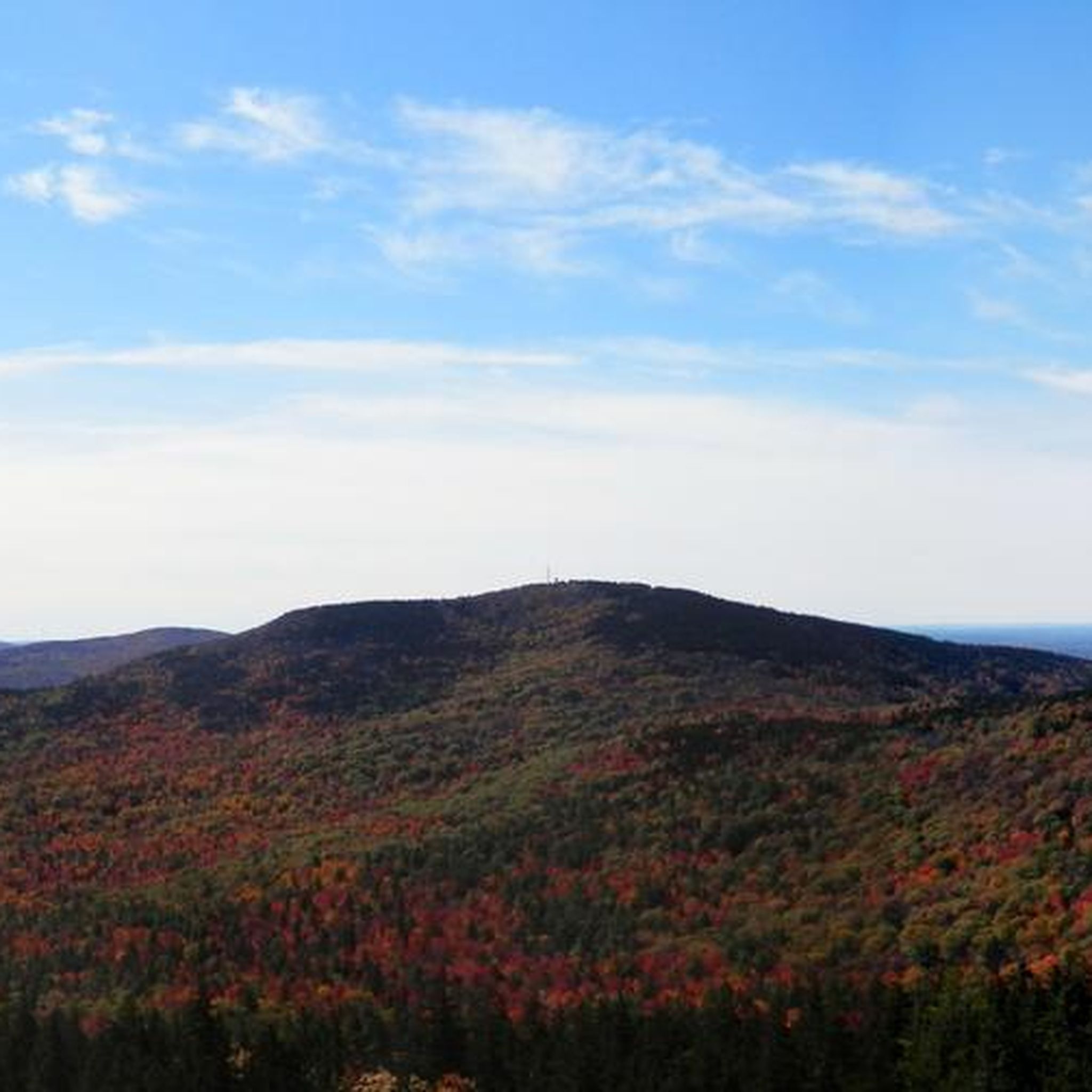
Great view from Temple Mountain of Pack Monadnock Mountain and the surrounding area. It is a great place for a break to enjoy the peaceful setting.
1
0

The views from the top are worth it after the steep climb. Enjoy the wonderful panorama.
0
0
Incredible views of Pack Monadnock from Temple Mountain. Ideal time for a rest to enjoy what you have achieve.
0
0
Frequently Asked Questions
Can I bring my dog hiking in Wapack National Wildlife Refuge?
Yes, dogs are welcome on the trails throughout the refuge. However, they must be kept on a leash at all times to protect the area's sensitive habitats and diverse wildlife.
Are there any family-friendly hikes in the refuge?
While many trails feature rocky and steep sections, there are easier options suitable for families. For a shorter, less strenuous outing, consider the Pack Monadnock Mountain loop via the Wapack Trail & Marion Davis Trail, which is one of the easier walks in the area.
What is the best time of year to visit for hiking?
The refuge offers a great experience year-round, but autumn is particularly spectacular due to the vibrant fall foliage. Spring and summer are excellent for birdwatching, especially during the hawk migration season. Winter hiking is also possible, but be prepared for snow and ice on the trails, requiring appropriate gear like microspikes.
How many hiking trails are in Wapack National Wildlife Refuge?
There are over 15 marked trails and routes to explore within the refuge and its immediate surroundings. These range from moderate mountain ascents to easier woodland walks, offering options for various fitness levels.
What do other hikers think of the trails in this area?
The hiking routes in Wapack National Wildlife Refuge are highly regarded by the komoot community, with an average rating of 4.7 stars. Hikers often praise the stunning panoramic views from the summits and the well-maintained, classic New England trails that wind through beautiful forests.
Are there any circular hiking routes available?
Yes, there are several excellent loop hikes. A popular choice that showcases the area's varied terrain is the North Pack Monadnock Mountain loop from Greenfield. This moderate route combines different trails to take you up to the summit and back down.
What are the parking options at the trailheads?
Parking is available at the trailheads, but the lots are small and can fill up quickly, especially on weekends and during peak season. It's a good idea to arrive early to secure a spot.
Is there an entrance fee for the refuge?
There is no fee to enter and hike within Wapack National Wildlife Refuge itself. However, be aware that some trails, like the Wapack Trail, pass through the adjacent Miller State Park, which does require an entrance fee.
How long is the section of the Wapack Trail within the refuge?
The historic Wapack Trail runs for approximately four miles through the refuge. This section includes the ascent over the summit of North Pack Monadnock, offering some of the best views in the area.
What kind of wildlife might I see?
The refuge is a sanctuary for a wide variety of wildlife. It's a significant hawk migration corridor, making it a prime spot for birdwatching. You might also spot migratory songbirds, deer, coyote, and occasionally even bear or fisher. Always observe wildlife from a safe distance.
Are there any historical points of interest on the trails?
Yes, hikers can discover remnants of the region's past. Along the trails, particularly the Wapack Trail, you can find old stone walls and cellar holes, which are the remains of past settlements and homesteads from over a century ago.
Most popular routes in Wapack National Wildlife Refuge

Get inspired with the komoot mobile app


Explore more
Browse the best Hikes in other regions.
