Sinkyone Wilderness State Park
Sinkyone Wilderness State Park
Attractions and Places To See in Sinkyone Wilderness State Park - Top 11
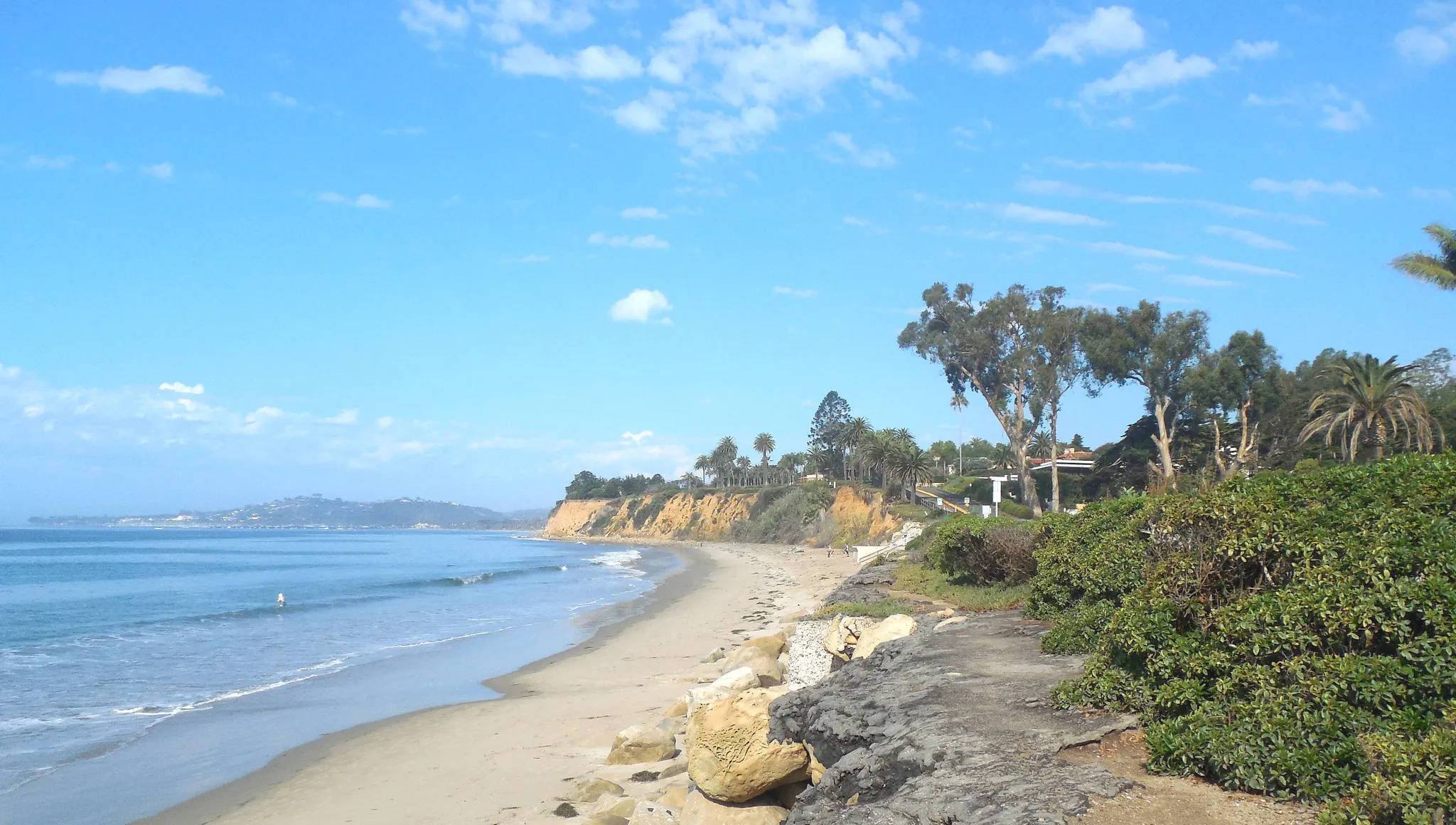
Best attractions and places to see in Sinkyone Wilderness State Park include its rugged coastal wilderness, part of California's "Lost Coast." This remote area features dramatic landscapes with coastal bluffs, deep canyons, dense forests, and dark sand beaches. The park preserves ancestral lands of the Sinkyone Indians and offers insights into their traditional practices. It is characterized by its untouched beauty and wild character, providing a unique natural experience.
Best attractions and places to see in Sinkyone Wilderness State Park
- The most popular attractions is Lost Coast, Section 5: Anderson Gulch to Usal (Southern Trailhead), South End of Sinkyone Wilderness, a trail that covers the southernmost part of the Lost Coast Trail. This section is part of a 60-mile stretch of wilderness, offering challenging terrain and remote coastal views.
- Another must-see spot is Lost Coast, Section 3: Horse Mountain Creek (Kings Range)-Shelter Cove-Jones Beach (Sinkyone Wilderness), a challenging trail combining the King Range National Conservation Area with Sinkyone Wilderness State Park. Visitors can expect diverse landscapes, including beaches, forests, and viewpoints, along this rugged coastal route.
- Visitors also love Sinkyone Wilderness State Park Visitor Center, a facilities highlight that serves as a gateway to the park's landscapes and cultural history. It provides information on park history, trail maps, wildlife, and the Indigenous people who lived in the area for millennia.
- Sinkyone Wilderness State Park is known for its challenging trails, secluded beaches, and significant cultural sites. The park offers a variety of attractions to see and explore, from natural formations to historical points of interest.
- The attractions in Sinkyone Wilderness State Park are appreciated by the komoot community, with 1 highlight upvote and 9 highlight photos available.
Last updated: July 16, 2026
Lost Coast, Section 5: Anderson Gulch to Usal (Southern Trailhead), South End of Sinkyone Wilderness
Highlight (Segment) • Trail
1: komoot.de/tour/8418519 Mattole to Randall Creek
2: komoot.de/tour/8420255 Randall Creek to Horse Mtn Creek
3: komoot.de/tour/8420259 Horse Mtn Creek-Shelter Cove-Jones Beach (Sinkyone Wilderness State Park)
4: komoot.de/tour/8442837 Sinkyone Wilderness SP -Anderson Gulch
5: komoot.de/tour/8442963 Anderson Gulch to Usal (Southern End)
6: komoot.de/tour/8420215 Car shuttle back to Mattole
The Lost Coast is a mostly natural and development-free area of the California North Coast in Humboldt and Mendocino Counties, which includes the King Range. It was named the "Lost Coast" after the area experienced depopulation in the 1930s. In addition, the steepness and related geo-technical challenges of the coastal mountains made this stretch of coastline too costly for state highway or county road builders to establish routes through the area, leaving it the most undeveloped and remote portion of the California coast.
Note: most of the trail in this and the 3rd section going off from Shelter Cove Road all the way down south to Usal trailhead is not yet on Open Street Map (which is the base for Komoot) as of the date we hiked here in April 2016. So download this tour to your komoot app or the gpx file to your preferred GPS/app. Sinkyone Wilderness State Park lies on the southern portion of the Lost Coast, a 60-mile stretch of wilderness comprising the park and the King Range National Conservation Area.
parks.ca.gov/?page_id=429
Tip by

Lost Coast, Section 3: Horse Mountain Creek (Kings Range)-Shelter Cove-Jones Beach (Sinkyone Wilderness)
Highlight (Segment) • Trail
So it combines the Kings Range National Conservation Area with the Sinkyone Wilderness State Park.
Note that the trailhead and most of the trail in this and the next two sections going off from Shelter Cove Road all the way down south to Usal trailhead is not even yet on Open Street Map (which is the base for Komoot) as of the date we hiked here in April 2016. So make sure to download this tour to your komoot app or the gpx file to your preferred GPS/app.
Sinkyone Wilderness State Park lies on the southern portion of the Lost Coast, a 60-mile stretch of wilderness comprising the park and the King Range National Conservation Area.
For thousands of years before the first Europeans arrived, the Sinkyone Indians lived on this part of the coast. They occupied permanent villages beside streams and rivers, and moved out in family groups to hunt and forage in the hills during the summer. They fished, gathered seaweed and shellfish, hunted seals and sea lions, and harvested the occasional dead whale washed on shore. All kinds of fish were caught, but the seasonal salmon run was especially important.
Today, the Lost Coast Trail follows the whole length of the rugged Sinkyone coastline. Gray whales pass by during the winter and early spring. Roosevelt elk roam the grasslands. Sea lions and harbor seals hang out in rocky coves. It’s an arresting landscape, with canyons, arches, tide pools, sea stacks, seasonal wildflowers, waterfalls, and dark sand beaches. On a sunny day, the sea looks turquoise, giving the park tropical feeling.
Some aspects of the Sinkyone keep crowds away. Its trails are steep and its campgrounds are primitive. There’s no potable water, and you have to haul out your own trash. When wet, the park’s twisting dirt roads are impassable for passenger cars. More than a few visitors have had to stay an extra day or two because a mudslide or fallen tree closed their route home. “The Sinkyone lets you go when it wants to let you go,” a park ranger says. In other words, it’s a real wilderness.
parks.ca.gov/?page_id=429
Tip by
Sign up now to discover places like this
Get recommendations on the best single tracks, peaks, & plenty of other exciting outdoor places.
Sign up for free
Lost Coast, Section 4: Sinkyone Wilderness State Park—Jones Beach to Anderson Gulch
Highlight (Segment) • Trail
The Lost Coast is a mostly natural and development-free area of the California North Coast in Humboldt and Mendocino Counties, which includes the King Range. It was named the "Lost Coast" after the area experienced depopulation in the 1930s. In addition, the steepness and related geo-technical challenges of the coastal mountains made this stretch of coastline too costly for state highway or county road builders to establish routes through the area, leaving it the most undeveloped and remote portion of the California coast. Without any major highways, communities in the Lost Coast region such as Petrolia, Shelter Cove, and Whitethorn are isolated from the rest of California.
State Route 1, California's Pacific Coast Highway, was originally planned to continue up the coast through the region. In 1984, admitting that such construction was not feasible, Caltrans re-routed the northern segment of Highway 1 from Rockport to Leggett and renumbered the portion that was built from Ferndale to Fernbridge as State Route 211.
Without any major highways or county thoroughfares in the area, the secluded communities within the Lost Coast are only accessible by land via small mountain roads. Mattole Road runs south from Ferndale to Petrolia, while Shelter Cove and Briceland Thorn Roads form the main route connecting Shelter Cove with US 101 to the east.
Note: most of the trail in this and the 3rd section going off from Shelter Cove Road all the way down south to Usal trailhead is not yet on Open Street Map (which is the base for Komoot) as of the date we hiked here in April 2016. So make sure to download this tour to your komoot app or the gpx file to your preferred GPS/app. Sinkyone Wilderness State Park lies on the southern portion of the Lost Coast, a 60-mile stretch of wilderness comprising the park and the King Range National Conservation Area.For thousands of years before the first Europeans arrived, the Sinkyone Indians lived on this part of the coast. They occupied permanent villages beside streams and rivers, and moved out in family groups to hunt and forage in the hills during the summer. They fished, gathered seaweed and shellfish, hunted seals and sea lions, and harvested the occasional dead whale washed on shore. All kinds of fish were caught, but the seasonal salmon run was especially important.Today, the Lost Coast Trail follows the whole length of the rugged Sinkyone coastline. Gray whales pass by during the winter and early spring. Roosevelt elk roam the grasslands. Sea lions and harbor seals hang out in rocky coves. It’s an arresting landscape, with canyons, arches, tide pools, sea stacks, seasonal wildflowers, waterfalls, and dark sand beaches. On a sunny day, the sea looks turquoise, giving the park tropical feeling.Some aspects of the Sinkyone keep crowds away. Its trails are steep and its campgrounds are primitive. There’s no potable water, and you have to haul out your own trash. When wet, the park’s twisting dirt roads are impassable for passenger cars. More than a few visitors have had to stay an extra day or two because a mudslide or fallen tree closed their route home. “The Sinkyone lets you go when it wants to let you go,” a park ranger says. In other words, it’s a real wilderness.
parks.ca.gov/?page_id=429
Tip by
Sinkyone Wilderness State Park Visitor Center
Highlight • Rest Area
Tip by

Roosevelt elk 🐏
Highlight • Natural
They ranged from San Francisco to British Columbia. In 1848, populations began declining due to market hunting with the gold rush and settlement. Legislation passed in 1872 to restrict hunting and selling. Beginning around the 1880s, many elk were killed for their tusks (upper canine teeth). The situation got so bad that hunting became illegal in 1899. Numbers recovered somewhat and limited permit hunting of some elk species resumed in the 1960s.
In 1982, 17 Roosevelt elk were translocated from Gold Bluffs Beach, Humboldt County, to King Range and separated into herds along the coast as far South as Fort Bragg. About 60 elk, cows and calves in several groups, and single males, roam from Shelter Cove south to Sinkyone Wilderness State Park.
blm.gov/ca/st/en/prog/wildlife/watchable/areas/shelter.print.html
The elk or wapiti (Cervus canadensis) is one of the largest species within the deer family, Cervidae, in the world, and one of the largest land mammals in North America and eastern Asia. This animal should not be confused with the larger moose (Alces alces), to which the name "elk" applies in the British Isles and Eurasia.
Early European explorers in North America, who were familiar with the smaller red deer of Europe, thought that the larger North American animal resembled a moose, and consequently gave it the name elk, which is the common European name for moose. The word elk is related to Scandinavian elg/älg and German Elch, all of which refer to the animal known in North America as the moose.
en.wikipedia.org/wiki/Elk
Roosevelt elk grow to 3m in length and stand 1.5 m tall at the shoulder.Elk bulls generally weigh between 300–500 kg, while cows weigh 260–285 kg.
Some mature bulls from Raspberry Island in Alaska have weighed nearly 1300 lb (600 kg).
Tip by
Sign up for free to discover even more attractions in Sinkyone Wilderness State Park.
Sign up for free
Already have an account?
Start today with a free account
Your next adventure awaits.
Login or Signup
Popular around Sinkyone Wilderness State Park

Other adventures in Sinkyone Wilderness State Park

Tips from the Community

The Sinkyone Wilderness State Park Visitor Center serves as a gateway to the park's rugged landscapes and rich cultural history. Located in a remote area, the center offers information on park history, trail maps, wildlife, and the Indigenous people who have lived in this area for millennia. There are exhibits on the local ecosystem, conservation efforts, and Sinkyone heritage. Basic amenities like restrooms are available.
1
0

The Roosevelt elk (Cervus canadensis roosevelti), is the largest of the four surviving subspecies of elk in North America. They ranged from San Francisco to British Columbia. In 1848, populations began declining due to market hunting with the gold rush and settlement. Legislation passed in 1872 to restrict hunting and selling. Beginning around the 1880s, many elk were killed for their tusks (upper canine teeth). The situation got so bad that hunting became illegal in 1899. Numbers recovered somewhat and limited permit hunting of some elk species resumed in the 1960s. In 1982, 17 Roosevelt elk were translocated from Gold Bluffs Beach, Humboldt County, to King Range and separated into herds along the coast as far South as Fort Bragg. About 60 elk, cows and calves in several groups, and single males, roam from Shelter Cove south to Sinkyone Wilderness State Park. http://www.blm.gov/ca/st/en/prog/wildlife/watchable/areas/shelter.print.html The elk or wapiti (Cervus canadensis) is one of the largest species within the deer family, Cervidae, in the world, and one of the largest land mammals in North America and eastern Asia. This animal should not be confused with the larger moose (Alces alces), to which the name "elk" applies in the British Isles and Eurasia. Early European explorers in North America, who were familiar with the smaller red deer of Europe, thought that the larger North American animal resembled a moose, and consequently gave it the name elk, which is the common European name for moose. The word elk is related to Scandinavian elg/älg and German Elch, all of which refer to the animal known in North America as the moose. https://en.wikipedia.org/wiki/Elk Roosevelt elk grow to 3m in length and stand 1.5 m tall at the shoulder.Elk bulls generally weigh between 300–500 kg, while cows weigh 260–285 kg. Some mature bulls from Raspberry Island in Alaska have weighed nearly 1300 lb (600 kg).
0
0
Sinkyone Wilderness State Park lies on the southern portion of the Lost Coast, a 60-mile stretch of wilderness comprising the park and the King Range National Conservation Area. The visitor center is a wooden building with a small museum and ranger information near Needle Rock Beach where the Lost Coast Trail merges with Bear Harbor Road (often not drivable, call for conditions). For thousands of years before the first Europeans arrived, the Sinkyone Indians lived on this part of the coast in permanent villages beside streams and rivers, and moved out in family groups to hunt and forage in the hills during the summer. They fished, gathered seaweed and shellfish, hunted seals and sea lions, and harvested the occasional dead whale washed on shore. All kinds of fish were caught, but the seasonal salmon run was especially important. Today, the Lost Coast Trail follows the whole length of the rugged Sinkyone coastline. Gray whales pass by during the winter and early spring. Roosevelt elk roam the grasslands. Sea lions and harbor seals hang out in rocky coves. https://www.parks.ca.gov/?page_id=429
0
0
This is the southermost of five sections hiking the entire Lost Coast Trail from North (Mattole Beach) to South (Usal): 1: https://www.komoot.de/tour/8418519 Mattole to Randall Creek 2: https://www.komoot.de/tour/8420255 Randall Creek to Horse Mtn Creek 3: https://www.komoot.de/tour/8420259 Horse Mtn Creek-Shelter Cove-Jones Beach (Sinkyone Wilderness State Park) 4: https://www.komoot.de/tour/8442837 Sinkyone Wilderness SP -Anderson Gulch 5: https://www.komoot.de/tour/8442963 Anderson Gulch to Usal (Southern End) 6: https://www.komoot.de/tour/8420215 Car shuttle back to Mattole The Lost Coast is a mostly natural and development-free area of the California North Coast in Humboldt and Mendocino Counties, which includes the King Range. It was named the "Lost Coast" after the area experienced depopulation in the 1930s. In addition, the steepness and related geo-technical challenges of the coastal mountains made this stretch of coastline too costly for state highway or county road builders to establish routes through the area, leaving it the most undeveloped and remote portion of the California coast. Note: most of the trail in this and the 3rd section going off from Shelter Cove Road all the way down south to Usal trailhead is not yet on Open Street Map (which is the base for Komoot) as of the date we hiked here in April 2016. So download this tour to your komoot app or the gpx file to your preferred GPS/app. Sinkyone Wilderness State Park lies on the southern portion of the Lost Coast, a 60-mile stretch of wilderness comprising the park and the King Range National Conservation Area. http://parks.ca.gov/?page_id=429
0
0
This is the 4th of five sections hiking the entire Lost Coast Trail from North (Mattole Beach) to South (Usal). The Lost Coast is a mostly natural and development-free area of the California North Coast in Humboldt and Mendocino Counties, which includes the King Range. It was named the "Lost Coast" after the area experienced depopulation in the 1930s. In addition, the steepness and related geo-technical challenges of the coastal mountains made this stretch of coastline too costly for state highway or county road builders to establish routes through the area, leaving it the most undeveloped and remote portion of the California coast. Without any major highways, communities in the Lost Coast region such as Petrolia, Shelter Cove, and Whitethorn are isolated from the rest of California. State Route 1, California's Pacific Coast Highway, was originally planned to continue up the coast through the region. In 1984, admitting that such construction was not feasible, Caltrans re-routed the northern segment of Highway 1 from Rockport to Leggett and renumbered the portion that was built from Ferndale to Fernbridge as State Route 211. Without any major highways or county thoroughfares in the area, the secluded communities within the Lost Coast are only accessible by land via small mountain roads. Mattole Road runs south from Ferndale to Petrolia, while Shelter Cove and Briceland Thorn Roads form the main route connecting Shelter Cove with US 101 to the east. Note: most of the trail in this and the 3rd section going off from Shelter Cove Road all the way down south to Usal trailhead is not yet on Open Street Map (which is the base for Komoot) as of the date we hiked here in April 2016. So make sure to download this tour to your komoot app or the gpx file to your preferred GPS/app. Sinkyone Wilderness State Park lies on the southern portion of the Lost Coast, a 60-mile stretch of wilderness comprising the park and the King Range National Conservation Area.For thousands of years before the first Europeans arrived, the Sinkyone Indians lived on this part of the coast. They occupied permanent villages beside streams and rivers, and moved out in family groups to hunt and forage in the hills during the summer. They fished, gathered seaweed and shellfish, hunted seals and sea lions, and harvested the occasional dead whale washed on shore. All kinds of fish were caught, but the seasonal salmon run was especially important.Today, the Lost Coast Trail follows the whole length of the rugged Sinkyone coastline. Gray whales pass by during the winter and early spring. Roosevelt elk roam the grasslands. Sea lions and harbor seals hang out in rocky coves. It’s an arresting landscape, with canyons, arches, tide pools, sea stacks, seasonal wildflowers, waterfalls, and dark sand beaches. On a sunny day, the sea looks turquoise, giving the park tropical feeling.Some aspects of the Sinkyone keep crowds away. Its trails are steep and its campgrounds are primitive. There’s no potable water, and you have to haul out your own trash. When wet, the park’s twisting dirt roads are impassable for passenger cars. More than a few visitors have had to stay an extra day or two because a mudslide or fallen tree closed their route home. “The Sinkyone lets you go when it wants to let you go,” a park ranger says. In other words, it’s a real wilderness. parks.ca.gov/?page_id=429
0
0
This section combines the beach-level northern Lost Coast Trail (most people only do the northern part) with the beautiful Wilderness of the southern Lost Coast Trail. So it combines the Kings Range National Conservation Area with the Sinkyone Wilderness State Park. Note that the trailhead and most of the trail in this and the next two sections going off from Shelter Cove Road all the way down south to Usal trailhead is not even yet on Open Street Map (which is the base for Komoot) as of the date we hiked here in April 2016. So make sure to download this tour to your komoot app or the gpx file to your preferred GPS/app. Sinkyone Wilderness State Park lies on the southern portion of the Lost Coast, a 60-mile stretch of wilderness comprising the park and the King Range National Conservation Area. For thousands of years before the first Europeans arrived, the Sinkyone Indians lived on this part of the coast. They occupied permanent villages beside streams and rivers, and moved out in family groups to hunt and forage in the hills during the summer. They fished, gathered seaweed and shellfish, hunted seals and sea lions, and harvested the occasional dead whale washed on shore. All kinds of fish were caught, but the seasonal salmon run was especially important. Today, the Lost Coast Trail follows the whole length of the rugged Sinkyone coastline. Gray whales pass by during the winter and early spring. Roosevelt elk roam the grasslands. Sea lions and harbor seals hang out in rocky coves. It’s an arresting landscape, with canyons, arches, tide pools, sea stacks, seasonal wildflowers, waterfalls, and dark sand beaches. On a sunny day, the sea looks turquoise, giving the park tropical feeling. Some aspects of the Sinkyone keep crowds away. Its trails are steep and its campgrounds are primitive. There’s no potable water, and you have to haul out your own trash. When wet, the park’s twisting dirt roads are impassable for passenger cars. More than a few visitors have had to stay an extra day or two because a mudslide or fallen tree closed their route home. “The Sinkyone lets you go when it wants to let you go,” a park ranger says. In other words, it’s a real wilderness. http://www.parks.ca.gov/?page_id=429
0
0
Frequently Asked Questions
What are the main hiking trails in Sinkyone Wilderness State Park?
The primary hiking experience is the challenging Lost Coast Trail, which spans 22 miles within the Sinkyone Wilderness section. Notable segments include Lost Coast, Section 5: Anderson Gulch to Usal, covering the southernmost part, and Lost Coast, Section 3: Horse Mountain Creek (Kings Range)-Shelter Cove-Jones Beach, which combines the King Range National Conservation Area with the park. Day hike options are also available, such as an easy 1.2-mile roundtrip from Needle Rock to Jones Beach.
What unique natural features can I explore in Sinkyone Wilderness State Park?
The park is renowned for its dramatic coastal landscapes. You can discover Needle Rock, a distinctive formation with a natural arch, and the black sands of Usal Beach, which features a seasonal waterfall at low tide. The area also boasts old-growth redwoods, secluded beaches, rocky coves perfect for tidepooling, and arresting coastal bluffs, canyons, and waterfalls.
What kind of wildlife can I expect to see in Sinkyone Wilderness State Park?
Sinkyone Wilderness State Park is a haven for diverse wildlife. Visitors frequently spot herds of Roosevelt elk grazing in the grasslands. Sea lions and harbor seals can be observed in rocky coves, and gray whales pass offshore during their winter and early spring migrations. Patient observers might also encounter mule deer, foxes, porcupines, black bears, or mountain lions, while birdwatchers can spot various pelagic species.
What is the historical significance of Sinkyone Wilderness State Park?
The park is named after the Sinkyone Indians, who inhabited these lands for thousands of years, utilizing the abundant resources of the ocean and forest. The Sinkyone Wilderness State Park Visitor Center, housed in a 1920s-era home, provides valuable information about the park's natural and cultural history, including its significance to Indigenous peoples and its logging past.
Are there any easy or family-friendly hiking options in the park?
While many trails are challenging, an easy 1.2-mile roundtrip hike from Needle Rock to Jones Beach offers a more accessible option for families or those seeking a less strenuous walk. This allows visitors to experience a portion of the stunning coastal scenery without committing to a multi-day trek.
How challenging is the Lost Coast Trail in Sinkyone Wilderness State Park?
The Lost Coast Trail within Sinkyone Wilderness State Park is considered challenging. It's a multi-day backpacking route known for its steep trails, rugged terrain, and remote coastal views. Hikers should be prepared for primitive conditions and varying landscapes, including beaches, forests, and viewpoints.
What is the best time of year to visit Sinkyone Wilderness State Park?
The park's remote nature means access can be challenging, especially during wet weather when unpaved dirt roads can become impassable. Generally, drier months offer easier access. Winter and early spring provide opportunities to see gray whales migrating offshore. Always check current road conditions before planning your visit.
How do I access Sinkyone Wilderness State Park, and what should I know about the roads?
Access to Sinkyone Wilderness State Park is challenging due to steep, narrow, and unpaved dirt roads. These roads can be impassable during wet weather, which contributes to the park's untouched and wild character. It's advisable to check road conditions with the park service before traveling, especially if you do not have a high-clearance or 4x4 vehicle.
Are there facilities available in Sinkyone Wilderness State Park?
The Sinkyone Wilderness State Park Visitor Center near Needle Rock is the only public building along this section of the Lost Coast Trail. It offers information, exhibits, restrooms, and potable water. Campgrounds within the park are primitive, and visitors are generally expected to pack out their own trash.
Where can I see old-growth redwoods in Sinkyone Wilderness State Park?
Sinkyone Wilderness State Park is home to some of California's last remaining stands of old-growth redwoods that have never been logged. While many redwoods in the park are second-growth, you can find old-growth specimens along various trails, particularly near the Hotel Gulch Trail and north of Wheeler Beach.
Are permits required for camping or hiking in Sinkyone Wilderness State Park?
Camping in Sinkyone Wilderness State Park is primitive. While the provided data mentions permits for camping in the context of fan-out queries, it's crucial to verify the latest requirements directly with California State Parks for any specific permits needed for overnight stays or certain sections of the Lost Coast Trail. You can find more information on the official California State Parks website: parks.ca.gov/Sinkyone.
Most popular routes in Sinkyone Wilderness State Park

Get inspired with the komoot mobile app


Explore more
Still not found the Highlight you’re looking for? See guides of the top attractions in other regions:
