The best cycling routes in Tualatin River National Wildlife Refuge
4.5
(49)
356
riders
45
rides
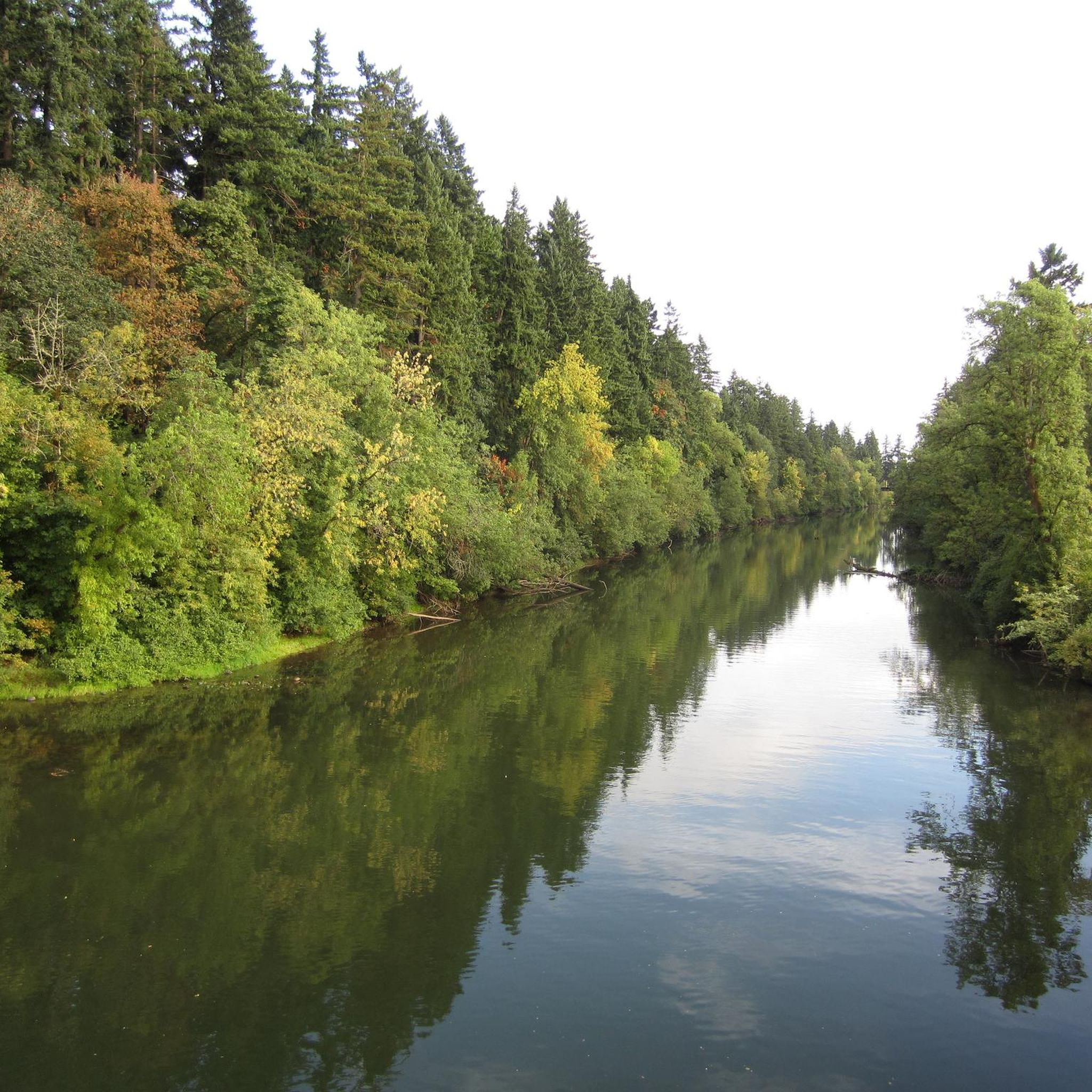
Touring cycling in Tualatin River National Wildlife Refuge offers routes through a landscape characterized by 1,856 acres of wetlands and lowlands. The region features diverse ecosystems including forested areas, seasonal wetlands, oak and pine grasslands, and riparian zones along the Tualatin River. These varied habitats provide a backdrop for cycling, with routes often traversing flat to gently rolling terrain. The area's natural features include the Tualatin River and its floodplain, contributing to a rich environment for outdoor exploration.
Best touring…
Last updated: November 9, 2026
5.0
(2)
9
riders
30.0km
01:47
170m
170m
Moderate bike ride. Good fitness required. Mostly paved surfaces.
4.0
(1)
5
riders
Moderate bike ride. Good fitness required. Mostly paved surfaces.

29.4km
01:57
450m
450m
Embark on the Graham Oaks Nature Park & Parrett Mountain Road loop, a difficult touring cycling route that spans 18.3 miles (29.4 km) and challenges you with 1481 feet (451…
5.0
(2)
4
riders
90.7km
05:27
620m
620m
Hard bike ride. Very good fitness required. You may need to push your bike for some segments of this route.
5.0
(1)
6
riders
8.27km
00:32
40m
40m
Easy bike ride. Mostly paved surfaces.
Get access to more routes and recommendations from other explorers.
Already have an account?
Our route recommendations are based on thousands of hikes, rides, and runs completed by other people on komoot.
Start today with a free account
Your next adventure awaits.
Popular around Tualatin River National Wildlife Refuge
Tips from the Community

Once a former railroad spur, the very short three-quarter-mile Tigard Heritage Trail is now a culture pathway. It celebrates its local heritage by way of historic and cultural landmarks.
0
0

Paved trails through park that are wide and allow for walkers, runners, and bicyclists to use together. Bicyclist will need to slow for pedestrians and either use a bell or audible signal when approaching. Lots of good nature views. Occasional deer and other wildlife sitings.
0
0

Henry Hagg Lake is surrounded by 2,500-acre Scoggins Valley Park, which has more than 14 miles of multi-use trails. But you might enjoy riding the road that wraps around the lake, swooping in and out of the trees as you play peekaboo with views of the water.
0
0

Cook Park, a haven of play structures, soft and hard trails, and the enchanting Tupling Butterfly Garden. Nestled along the riverfront, it's a gateway to scenic waterways for boaters. The park features picnic shelters, soccer fields, and ball fields. A late-summer visit to the Tupling Butterfly Garden is a must, where blooms start in May with pinks, purples, and blues and culminate in September with gold, yellow, and white hues.
0
0

Fanno Creek Park, open daily from 7 a.m. to 6 p.m., spans over 30 acres, providing riders with a calm and relaxing atmosphere away from the hustle and bustle of the city. The park offers the Fanno Creek Trail, viewpoints of the Fanno Creek and wetlands, gazebos, picnic areas, and more.
0
0
If you ride the Tualatin Valley Scenic Bikeway you’ll enjoy scenic views of coastal mountains, dairy farms, vineyards and natural reserves. You will enjoy all of this whilst negotiating the Tualatin River and the surrounding river basin. You can pick up a segment anywhere along the way. The Bikeway is essentially in two pieces, the northern section being the Banks-Vernonia Trail.
0
0

You gain a lovely view of the reservoir in open grassland from the road. Keep your eyes peeled for the various bird species and wildlife that inhabit the area around the pond.
0
0
Cook Park, a haven of play structures, soft and hard trails, and the enchanting Tupling Butterfly Garden. Nestled along the riverfront, it's a gateway to scenic waterways for boaters. The park features picnic shelters, soccer, and ball fields. A late-summer visit to the Tupling Butterfly Garden is a must, where blooms start in May with pinks, purples, and blues, and culminate in September with gold, yellow, and white hues.
0
0
Frequently Asked Questions
How many touring cycling routes are available in the Tualatin River National Wildlife Refuge area?
There are over 35 touring cycling routes available in and around the Tualatin River National Wildlife Refuge. These routes offer a diverse range of experiences, from easy loops suitable for beginners to more challenging rides with significant elevation changes.
What are the typical difficulty levels for touring cycling routes in this region?
The routes in the Tualatin River National Wildlife Refuge area cater to various skill levels. You'll find a good mix, with 11 easy routes perfect for a relaxed ride, 14 moderate routes offering a balanced challenge, and 11 difficult routes for experienced cyclists seeking more demanding terrain and ascents.
Are there any family-friendly or beginner touring cycling routes?
Yes, there are several easy routes suitable for families and beginners. For instance, the Durham City Park – Tualatin River loop from Durham is a relatively flat, 5.1-mile (8.2 km) trail that takes you through urban parks and along the Tualatin River, making it a great option for a relaxed outing.
Can I cycle directly within the Tualatin River National Wildlife Refuge?
While the Tualatin River National Wildlife Refuge is a fantastic destination for outdoor enthusiasts, bicycles are generally not permitted on the refuge's internal walking trails. However, cyclists are welcome to bike to the refuge, and bicycle parking is available near the Visitor Center. The surrounding area offers excellent regional cycling routes that lead to or near the refuge, allowing you to enjoy the journey and then explore the refuge's natural wonders on foot.
What kind of landscapes and natural features can I expect to see while cycling in the area?
The region is characterized by 1,856 acres of wetlands and lowlands, offering diverse ecosystems. As you cycle, you'll encounter forested areas, seasonal wetlands, oak and pine grasslands, riparian zones along the Tualatin River, and mixed deciduous and coniferous forests. The Tualatin River and its floodplain are central to the area's ecological significance, providing a lush backdrop for your ride.
Are there any notable natural attractions or viewpoints along the cycling routes?
While cycling, you'll experience the varied natural beauty of the Tualatin Valley. The Graham Oaks Nature Park & Parrett Mountain Road loop, for example, takes you through Graham Oaks Nature Park, which features the paved Tonquin Trail and Coyote Way meandering through oak woodlands. The Tualatin River National Wildlife Refuge itself has an observation deck overlooking seasonal ponds, which you can access after parking your bike.
What is the best time of year to go touring cycling in the Tualatin River National Wildlife Refuge area?
The Tualatin River National Wildlife Refuge is a vital stopover point for migratory birds along the Pacific Flyway. While cycling is enjoyable year-round, visiting during spring and fall offers excellent opportunities for birdwatching. The refuge's seasonal walking trails are open from May 1 to September 30, which could influence your visit if you plan to combine cycling with walking within the refuge.
Are there any long-distance or scenic bikeways accessible from the Tualatin River National Wildlife Refuge area?
Yes, the Tualatin River National Wildlife Refuge is situated within an area offering broader cycling opportunities. The Tualatin Valley Scenic Bikeway – Fernhill Wetlands loop from Hazeldale is a significant route that provides scenic views of coastal mountains, dairy farms, vineyards, and natural reserves. Additionally, the Fanno Creek Greenway Trail, a 15-mile multi-use trail, connects communities and meanders through the region, potentially offering routes to or near the refuge.
What do other touring cyclists enjoy most about cycling in Tualatin River National Wildlife Refuge?
The area is highly rated by the komoot community, with an average score of 4.5 stars from over 40 reviews. Touring cyclists often praise the diverse wetland landscapes, river floodplains, and the connections to regional multi-use trails. Many appreciate the variety of routes available, catering to different ability levels, and the opportunity to experience the region's rich natural environment.
Are there any circular touring cycling routes in the area?
Yes, many of the touring cycling routes in the Tualatin River National Wildlife Refuge area are designed as loops, allowing you to start and end at the same point. An example is the Fanno Creek Park – Fanno Creek Trail loop from Tualatin, which offers a moderate 18.6-mile (30 km) ride through parks and along the Fanno Creek Trail.
Is parking available for cyclists near the routes?
Yes, parking is generally available at various access points for the cycling routes. For instance, if you plan to visit the Tualatin River National Wildlife Refuge, bicycle parking is provided near the Visitor Center. Many parks and trailheads in the surrounding area also offer parking facilities for visitors.
What kind of wildlife can I expect to see while cycling or visiting the refuge?
The Tualatin River National Wildlife Refuge is a haven for wildlife. While cycling in the surrounding areas, you might spot deer, coyotes, or various bird species. Once you access the refuge on foot, you can observe nearly 200 species of birds, including Canada Geese, Wood Ducks, Great Blue Herons, and Bald Eagles. Mammals like river otters, beaver, red fox, and raccoons also inhabit the area.
Most popular routes in Tualatin River National Wildlife Refuge

Get inspired with the komoot mobile app


Explore more
Browse the best Cycling routes in other regions.
