The best walks and hikes around Inchenhofen
4.5
(1574)
5,883
hikers
24
hikes
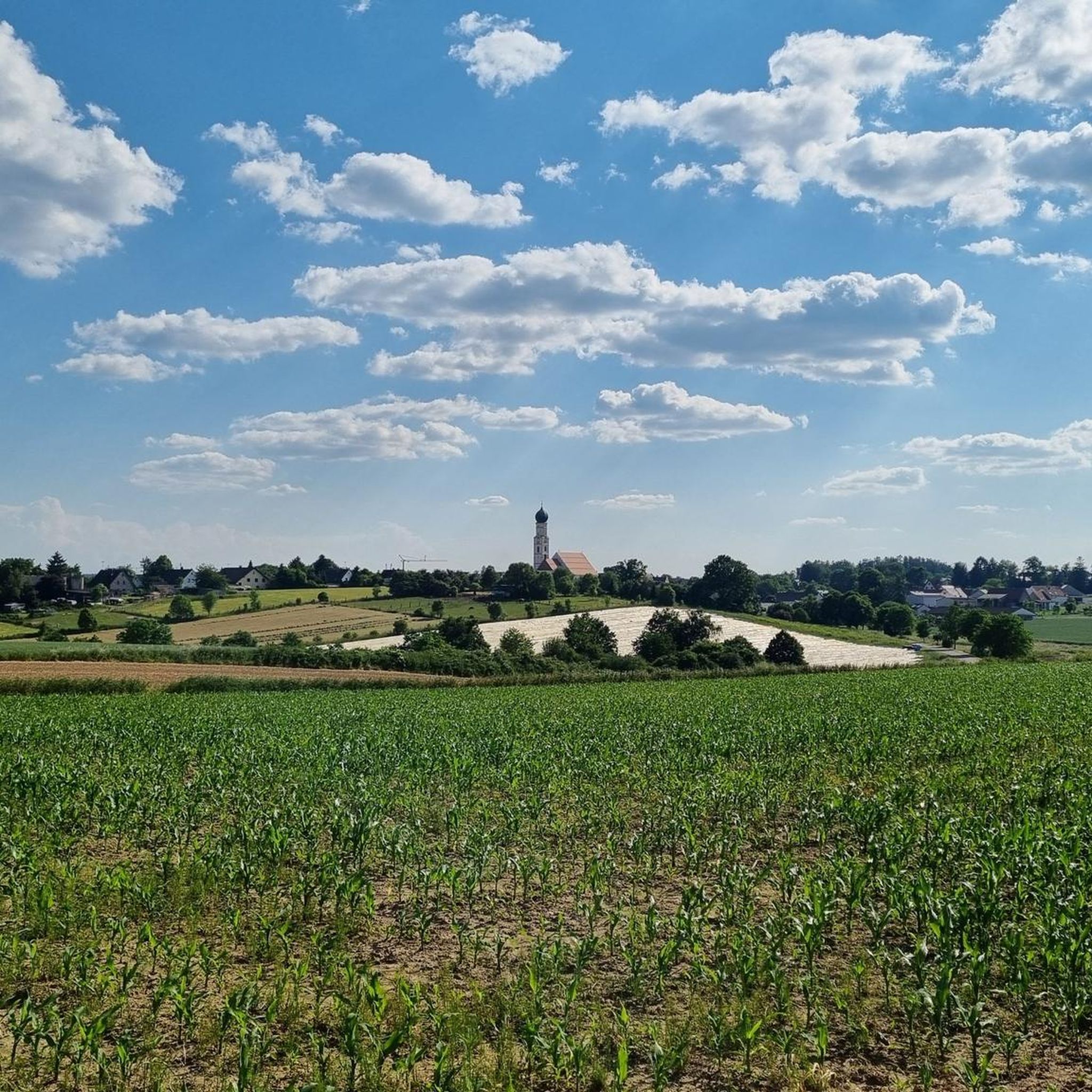
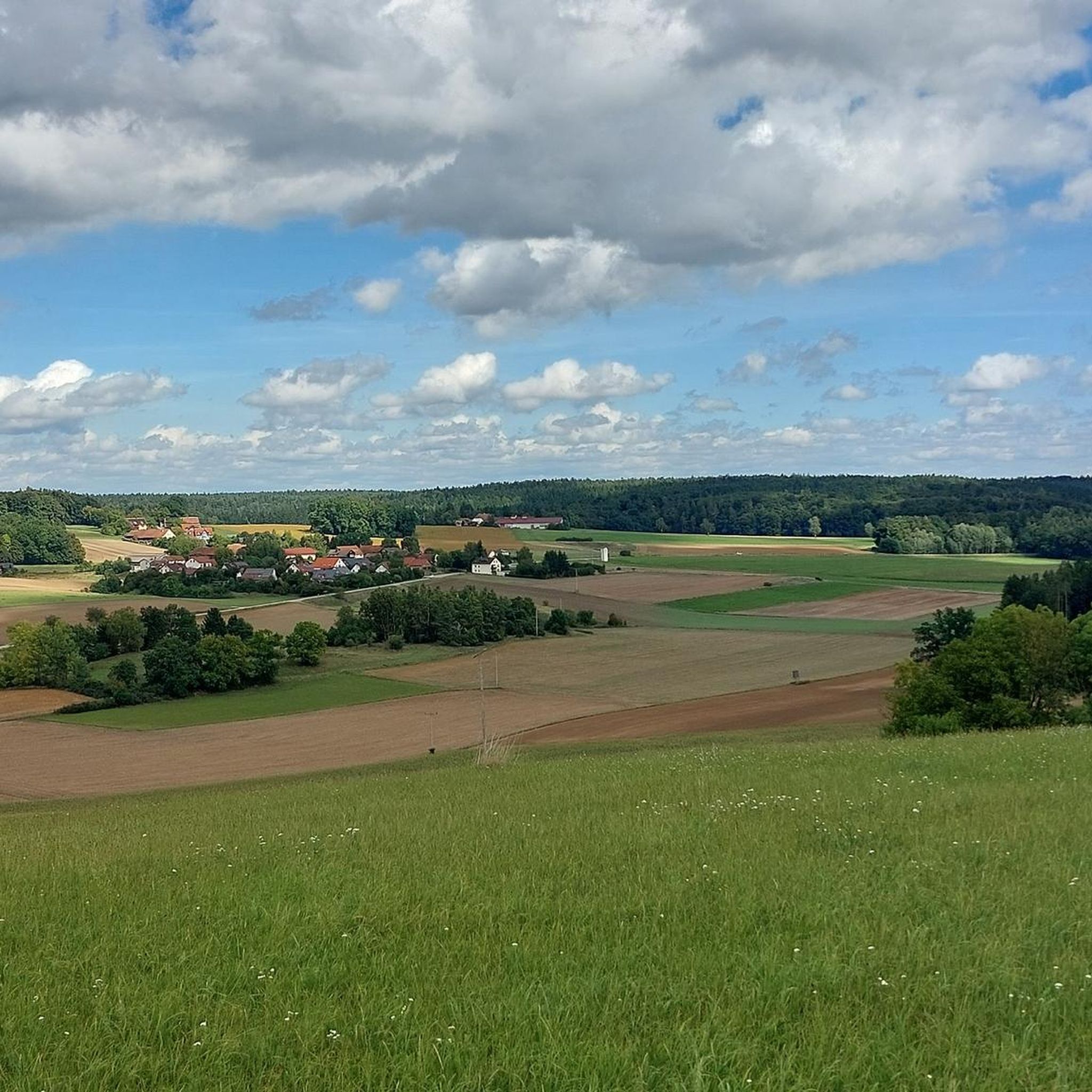
Hiking around Inchenhofen offers varied landscapes, characterized by green fields, forests, and riverine environments. The region features the Roßmoos, a large low moorland area that has undergone renaturation, supporting diverse wet meadow species. For elevated perspectives, the 485-meter-high Fuchsberg provides views of Inchenhofen and its surroundings. Situated on a ridge between the Donaumoos and the Paartal, the area includes the idyllic Paar river, contributing to its varied topography.
Best hiking trails around Inchenhofen
- The most popular hiking route is Wayside…
Last updated: July 4, 2026
4.3
(9)
33
hikers
Moderate hike. Good fitness required. Easily-accessible paths. Suitable for all skill levels.
5.0
(5)
16
hikers
Easy hike. Great for any fitness level. Easily-accessible paths. Suitable for all skill levels.

Sign up for free
5.0
(1)
6
hikers
7.96km
02:04
50m
50m
Moderate hike. Good fitness required. Easily-accessible paths. Suitable for all skill levels.
5
hikers
3.06km
00:48
20m
20m
Easy hike. Great for any fitness level. Easily-accessible paths. Suitable for all skill levels.
2
hikers
3.99km
01:03
30m
30m
Easy hike. Great for any fitness level. Easily-accessible paths. Suitable for all skill levels.
Get access to more routes and recommendations from other explorers.
Sign up for free
Already have an account?
Our route recommendations are based on thousands of hikes, rides, and runs completed by other people on komoot.
Start today with a free account
Your next adventure awaits.
Login or Signup
Other adventures around Inchenhofen

Tips from the Community

Lakeside restaurant in the evening and sausage house during the day when the weather is nice.
1
0

The pilgrimage church of St. Leonhard is located in the Inchenhofen district of the Inchenhofen municipality in the Aichach-Friedberg district of Bavaria. It is one of the most important pilgrimage sites in the region and was one of the most important pilgrimage sites in all of Europe in the 14th century. History: The origins of the pilgrimage date back to the 12th century. The church is dedicated to St. Leonhard, who is venerated as the patron saint of animals, especially cattle. In the 14th century, the pilgrimage church was one of the most important pilgrimage sites in Europe. Architecture: The church is characterized by its Gothic architecture. The baroque high altar from 1740 is particularly noteworthy. The church has an impressive ceiling fresco that amazes visitors. Current use: Today, the pilgrimage church of St. Leonhard serves as a place of devotion and prayer. It is a popular destination for pilgrims and visitors who want to experience the historical atmosphere and spiritual significance of the place. The church is open to visitors during the summer months.
1
0
The wayside shrine in Roßmoos is a historical monument that is maintained by the Weißensee Shooting Club. It is located in Roßmoos, a low moor area south of Inchenhofen in the Aichach-Friedberg district, Bavaria. The wayside shrine was built in 1992 by a citizens' initiative as a protest against the planned construction of a waste disposal site in Roßmoos. The chapel is lovingly furnished and is a popular destination for hikers. The Weißensee Shooting Club was founded in 1902 and is dedicated not only to shooting sports, but also to maintaining traditions and community. The Weißensee Shooting Club, located in the rural idyll of Roßmoos, has served as a cultural center and venue for social gatherings for many years.
1
0
The Rossmoos Chapel is located in Roßmoos, a low moor area south of Inchenhofen in the Aichach-Friedberg district, Bavaria. It was built in 1992 by a citizens' initiative as a protest against the planned construction of a waste disposal site in Roßmoos. The chapel is lovingly furnished and is a popular destination for hikers.  At over 160 hectares, Roßmoos is the largest contiguous low moor in the region and offers a diverse range of flora and fauna. Since the 1990s, various renaturation measures have been carried out to preserve and promote the ecosystem.  The chapel not only serves as a place of reflection, but also as a symbol of the citizens' successful resistance to the landfill plans and for the preservation of this unique natural area.
2
0
The pilgrimage church of St. Leonhard in Inchenhofen, Bavaria, is an important religious and cultural building with a history spanning over 700 years. Originally built in the 13th century, the church was replaced by a new late Gothic building in the 15th century. In the 17th and 18th centuries it underwent baroque and rococo renovations, which shape its current magnificent appearance. The church was once the center of one of the most important pilgrimages in Europe, especially to St. Leonhard, the patron saint of prisoners and livestock. Today it is a popular destination for pilgrims and visitors who appreciate the artistic furnishings and spiritual atmosphere. A special highlight is the Leonhardiritt, which takes place every year in November and is considered the oldest of its kind in Bavaria and attracts numerous visitors. The pilgrimage church of St. Leonhard is therefore an important testimony to Bavarian history and culture that appeals to both believers and art lovers.
1
0
In 1283, Cistercians from Fürstenfeld took over the pilgrimage, which had been insignificant until then, and which flourished within a few decades. This was preceded by the donation of the parish of Hollenbach, to which Inchenhofen belonged at the time, to the Fürstenfeld monastery by Duke Ludwig the Strict in 1266. Eight clergymen were each in the "branch monastery" of Inchenhofen and looked after the pilgrimage. The former and current churches, as well as the priory to the north of the church, were built under the supervision of the abbots. After secularization in 1803, the work of the Cistercians in Inchenhofen ended. The Cistercian Order emerged from the Benedictine Order in the 11th/12th century. Its name is derived from the French town of Citeaux (Cistercium). Saint Bernard of Clairvaux entered the reform monastery in 1113. He made a decisive contribution to the rise of the new religious order: with the founding of numerous new monasteries, the strict order quickly spread throughout Europe. The Cistercian monks in the Inchenhofen priory not only acted as pastors for the local believers, but above all for the ever-increasing number of pilgrims. In addition to the solemn design of the liturgy, the well-being of the many people was particularly important to them. The miracle books they wrote show how many people experienced salvation and healing here through the intercession of Saint Leonard.
1
0
The Roßmoos Chapel is located in the Roßmoos near Inchenhofen, a fen area in the Aichach-Friedberg district, Bavaria. This area is known for its diverse flora and fauna and offers hikers a special nature experience. The chapel was built in 1992 by committed citizens to prevent the construction of a waste disposal site in the Roßmoos. This initiative was successful and the chapel has served as a symbol of the preservation of nature in this region ever since. Today the Roßmoos Chapel is a popular destination for hikers and pilgrims. A pilgrimage route of a good seven kilometers leads from the pilgrimage church of St. Leonhard in Inchenhofen through the Roßmoos and offers insights into the natural beauty of the fen. The chapel is lovingly furnished and is regularly visited by visitors who appreciate the peace and contemplation of this place. It stands as a testament to the local community's commitment to protecting its natural environment.
1
0
The Roßmoos is an important fen area in the district of Aichach-Friedberg, Bavaria, and extends over more than 160 hectares. It is one of the largest contiguous fens in the region. It owes its existence to high groundwater levels and springs in the valley of the Inchenhofener Moosgraben and the Schreierbach. In the 1990s, various renaturation measures were carried out to improve the overall ecological situation of the Roßmoos and to create a habitat for rare plants and animals. Today, the area is a natural paradise with rare animal and plant species and offers the perfect backdrop for long walks. A popular circular hiking trail is the tour “Over the Kreuzberg through the Roßmoos”, which leads on mostly asphalted paths through the beautiful Roßmoos and around the pilgrimage site of Inchenhofen. The Roßmoos is therefore a valuable natural area that is valued both for its ecological importance and for its scenic beauty.
0
0
Frequently Asked Questions
How many hiking trails are available in Inchenhofen?
Inchenhofen offers a good selection of hiking routes, with 24 trails available. These range from easy strolls to more moderate excursions, ensuring options for various fitness levels.
What kind of terrain can I expect on hikes around Inchenhofen?
The hiking trails around Inchenhofen feature diverse landscapes, including green fields, forests, and riverine environments. You'll encounter the renatured Roßmoos low moorland area, which supports unique wet meadow species, and the idyllic Paar river. For elevated perspectives, the 485-meter-high Fuchsberg provides views of the surrounding area.
Are there easy hiking options for beginners or casual walkers?
Yes, Inchenhofen is very suitable for beginners and casual walkers. Out of the 24 available routes, 16 are classified as easy. A great option is the Protest Chapel of Inchenhofen – Roßmoos Chapel loop from Inchenhofen, an easy 7.2 km path that takes about 1 hour 52 minutes to complete and explores the ecological transformation of the Roßmoos.
Are there any longer, more challenging hikes for experienced hikers?
While Inchenhofen doesn't feature technically difficult trails, there are 8 moderate routes that offer a longer distance and duration. For example, the Wayside shrine in Roßmoos – Roßmoos Chapel loop from Inchenhofen is a moderate 12.3 km trail that typically takes around 3 hours 12 minutes to complete, exploring the Roßmoos area.
What interesting landmarks or attractions can I see along the hiking trails?
Many trails incorporate points of interest. You might pass by the historic Castle Church and Castle Hill Oberwittelsbach, an impressive site with a high tower, or the Lower Gate, Aichach. The Blumenthal Castle Beer Garden is also a popular spot combining gastronomy with the natural setting.
Are there any circular hiking routes in Inchenhofen?
Yes, many of the routes around Inchenhofen are designed as loops, offering convenient starting and ending points. For instance, the Voglbräu – Lake Radersdorf loop from Inchenhofen is a popular 8.0 km circular trail that leads through the scenic Lake Radersdorf.
Can I hike with my dog in Inchenhofen?
Generally, Inchenhofen's natural landscapes are welcoming for dogs. Most trails are suitable for walking with your canine companion, but it's always advisable to keep dogs on a leash, especially in areas with wildlife or near agricultural land, and to respect local regulations.
Are there family-friendly hiking trails in Inchenhofen?
Absolutely. With 16 easy routes, Inchenhofen offers plenty of options for families. The varied terrain, including the Roßmoos and the Paar river, provides interesting sights for children. The Protest Chapel of Inchenhofen – Roßmoos Chapel loop from Inchenhofen is an easy, shorter option perfect for a family outing.
What do other hikers enjoy the most about hiking in Inchenhofen?
The hiking routes in Inchenhofen are highly rated by the komoot community, with an average score of 4.5 stars from over 1500 reviews. Hikers often praise the varied terrain, the peaceful natural surroundings, and the well-maintained paths that make exploring the low moorland, riverine landscapes, and hills a pleasant experience.
Are there any lakes or water features to see on the hikes?
Yes, the region features several beautiful lakes. The Lake Radersdorf is a significant natural feature, offering opportunities for relaxation and refreshment, and is often incorporated into hiking routes, such as the Voglbräu – Lake Radersdorf loop from Inchenhofen. Other nearby lakes include Paarer Pond and Mandlachsee.
Is there parking available at the trailheads?
While specific parking details for every trailhead are not listed, Inchenhofen is generally well-equipped for visitors. Many popular starting points for hikes, especially those near the town center or known attractions like Lake Radersdorf, typically offer designated parking areas. It's advisable to check local signage upon arrival.
Most popular routes around Inchenhofen
Most popular attractions around Inchenhofen

Get inspired with the komoot mobile app


Explore more
Browse the best Hikes in other regions.
