Top 20 Natural Monuments around Belm
Natural monuments around Belm, a municipality in the district of Osnabrück, Germany, are situated on the southern slope of the Wiehengebirge. The area features green forests and rolling hills, offering diverse natural features. These landmarks provide opportunities for exploring the region's natural beauty. Many popular hiking trails around Belm Germany traverse these natural sites.
Best natural monuments around Belm
- The most popular natural monuments is Nette Valley at Bramheide, a river that offers a path through mixed forests and…
Last updated: October 13, 2026
Rubbenbruch Lake
Highlight • Lake
Translated by Google •
Tip by

Nette Valley at Bramheide
Highlight • River
Translated by Google •
Tip by

Sign up now to discover places like this
Get recommendations on the best single tracks, peaks, & plenty of other exciting outdoor places.
Piesberg Quarry
Highlight • Natural Monument
Translated by Google •
Tip by

Everseiche on the Haseuferweg
Highlight • Natural Monument
Translated by Google •
Tip by

Hase Lake
Highlight • Lake
Translated by Google •
Tip by

Sign up for free to discover even more natural monuments around Belm.
Already have an account?
Start today with a free account
Your next adventure awaits.
Popular around Belm
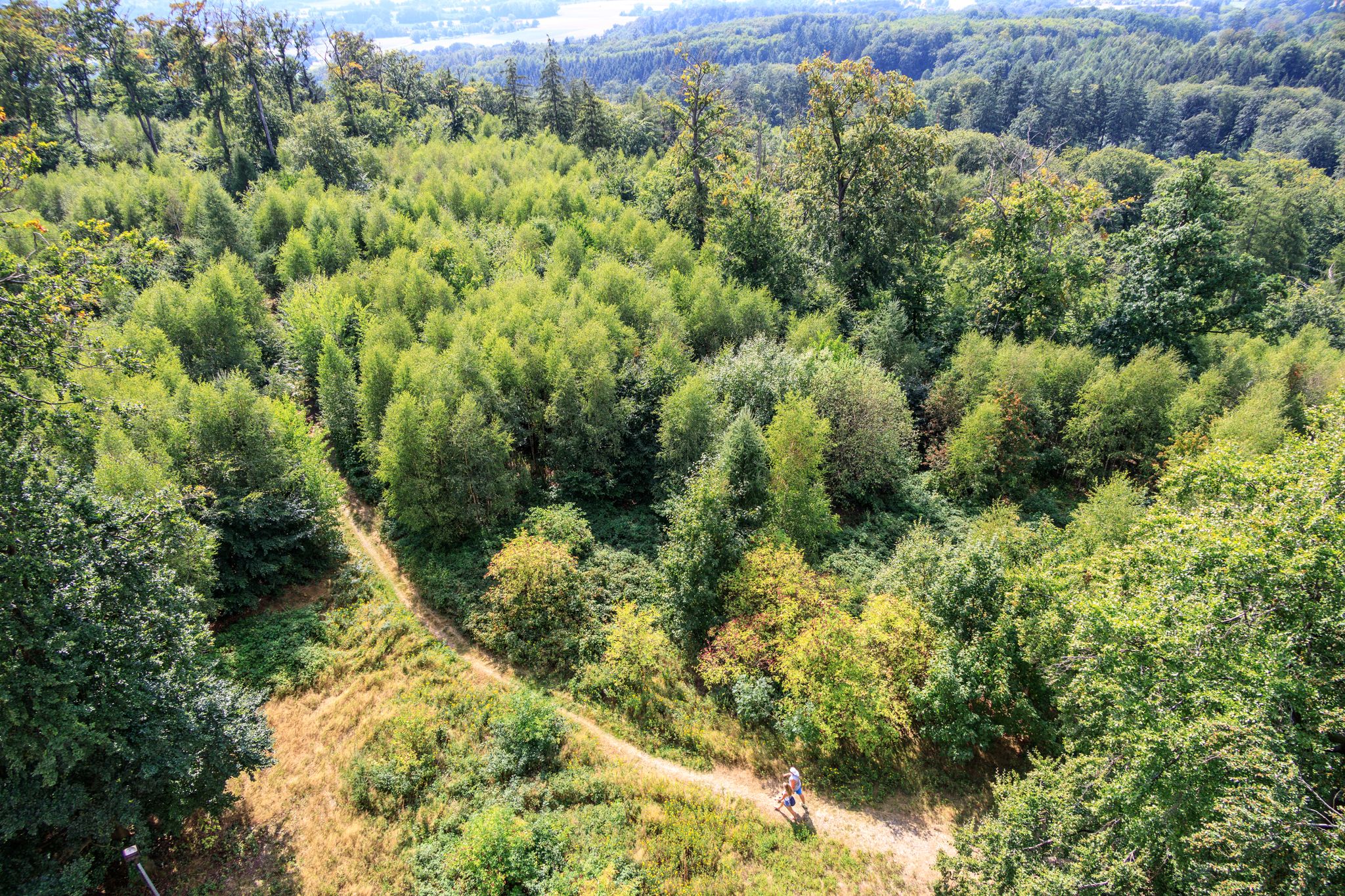
Forest, water, hiking pleasure — Germany’s Osnabrück Land
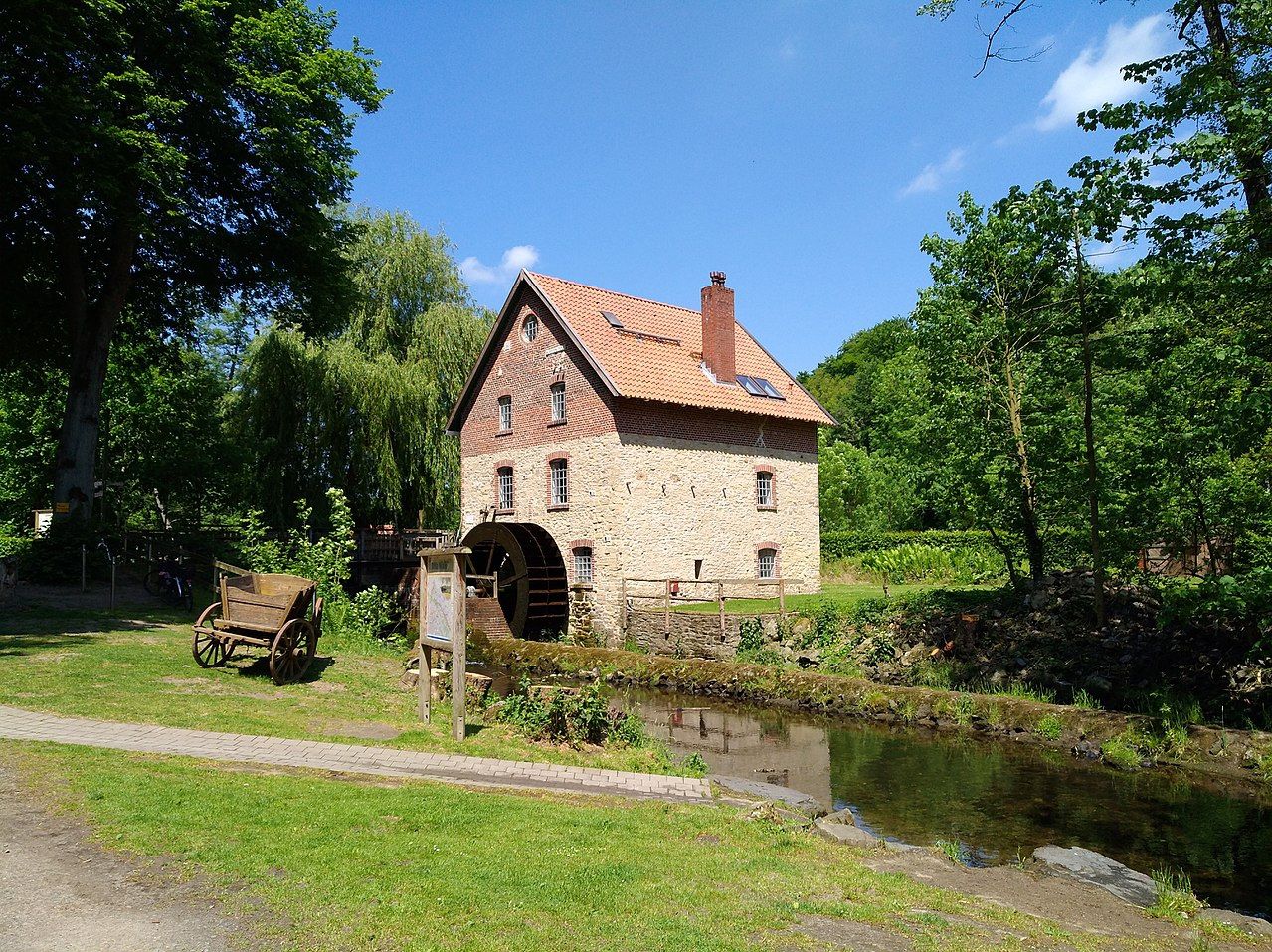
Hiking the Mill Way through the Wiehen Hills near Osnabrück
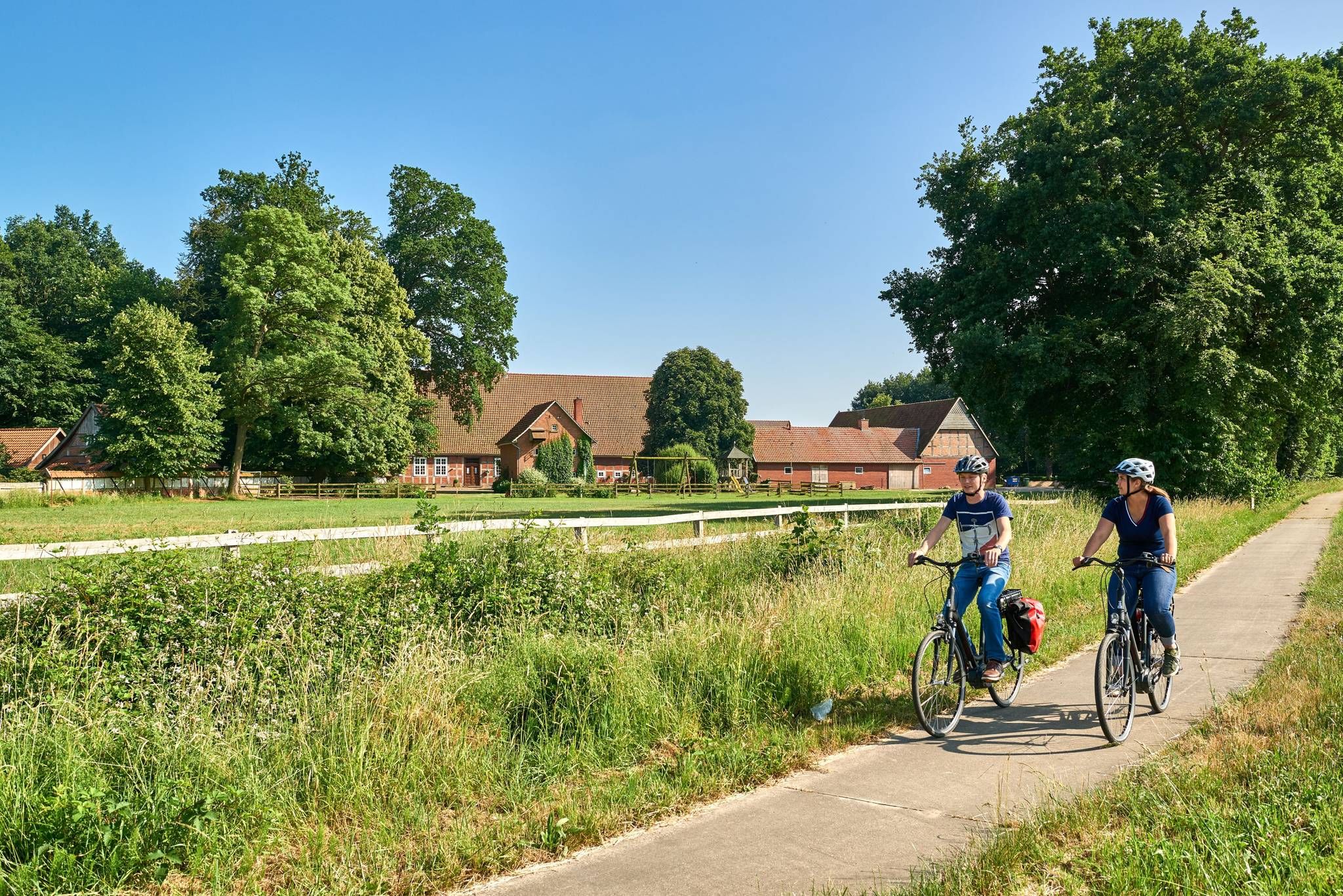
Castles, mills & timber-framed houses – Osnabrück Land
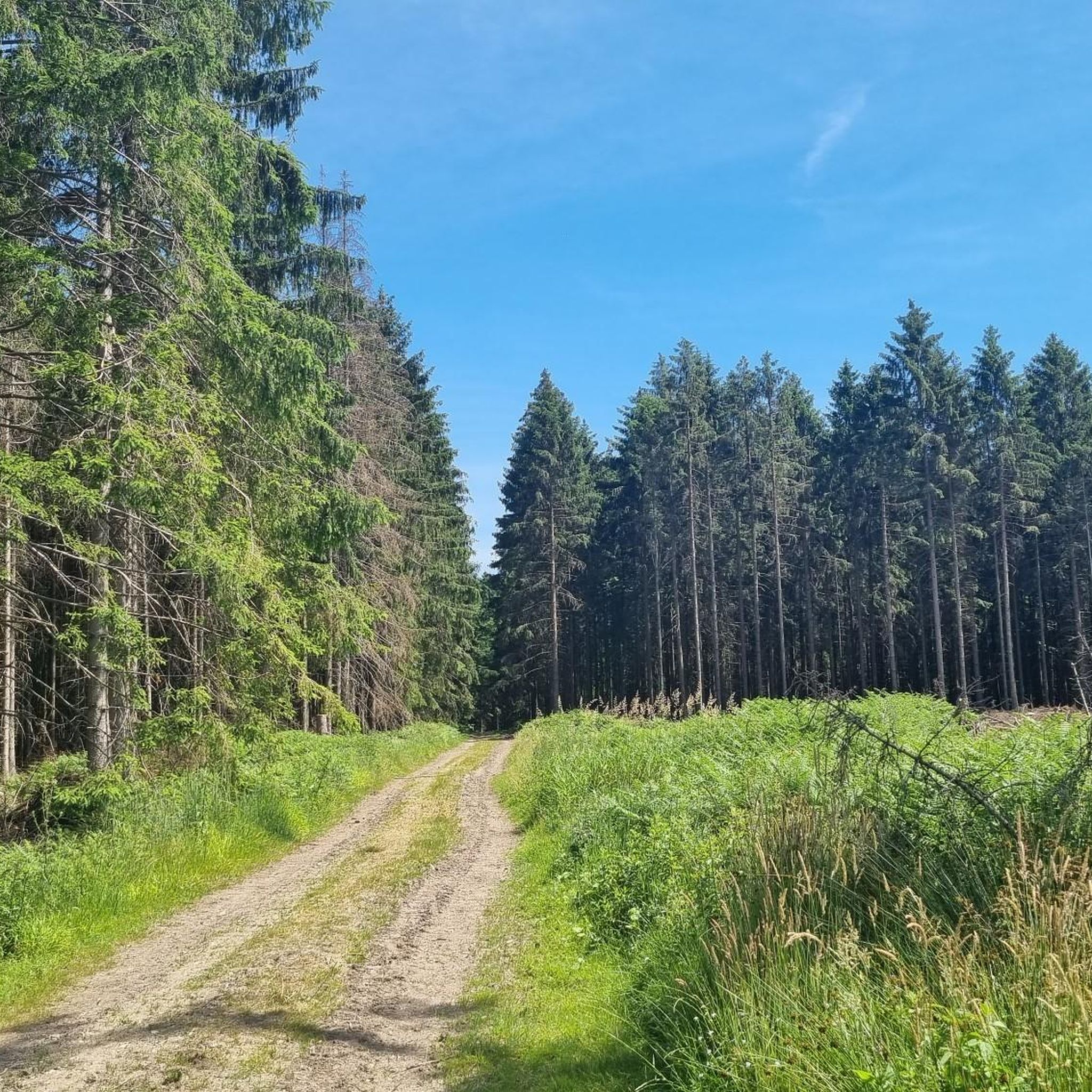
Hiking around Belm
Cycling around Belm
Gravel biking around Belm
Running Trails around Belm
Road Cycling Routes around Belm
MTB Trails around Belm
Other adventures around Belm


Tips from the Community

The Everseiche stands on a green area next to the Hase in Osnabrück. The area is the former Gut Eversburg and is the former Hofeiche of the Everskotten. (Source: https://www.monumentale-eichen.de/niedersachsen/osnabr%C3%BCck/)
2
0


The 800-year-old Ever oak is Osnabrück’s oldest tree.
1
0

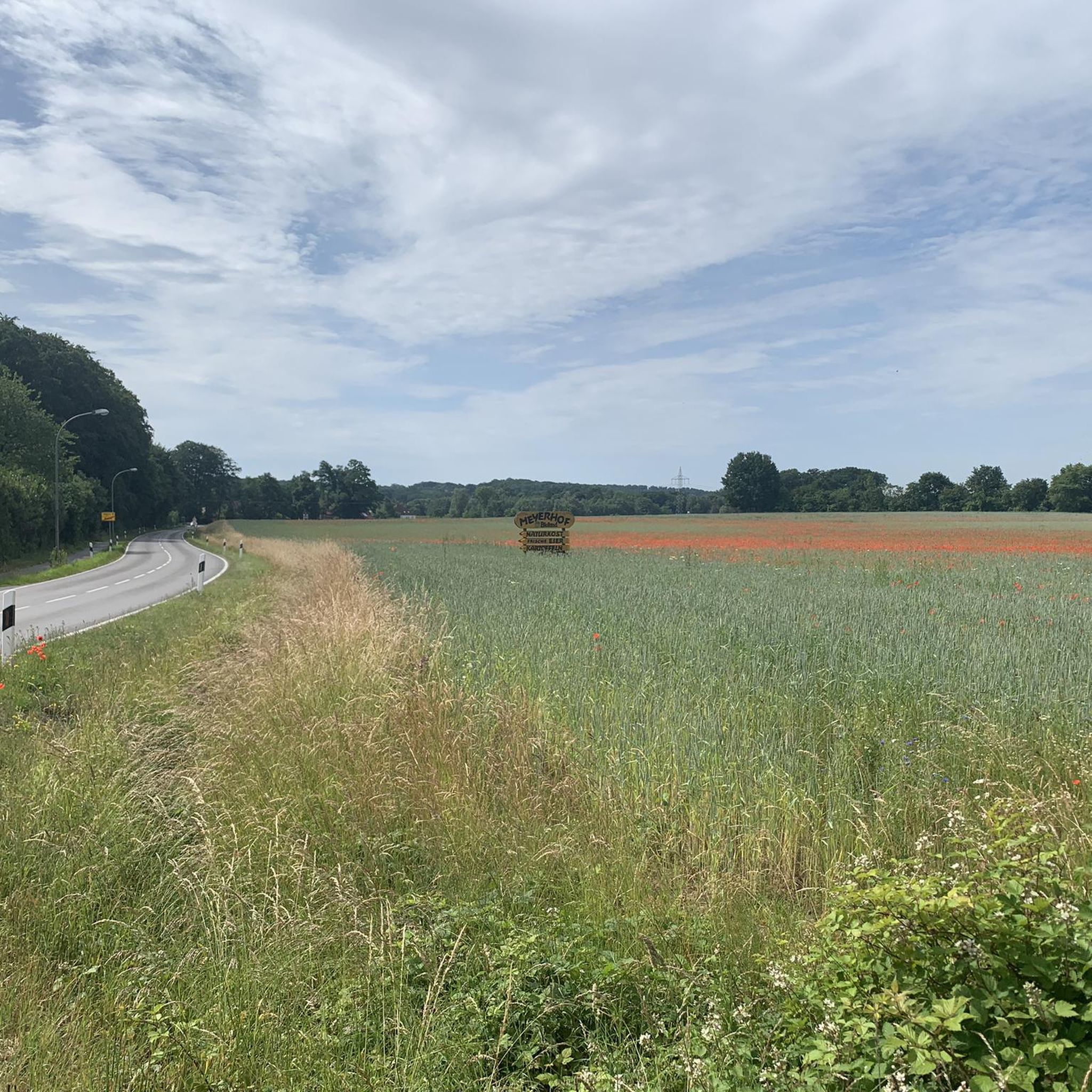
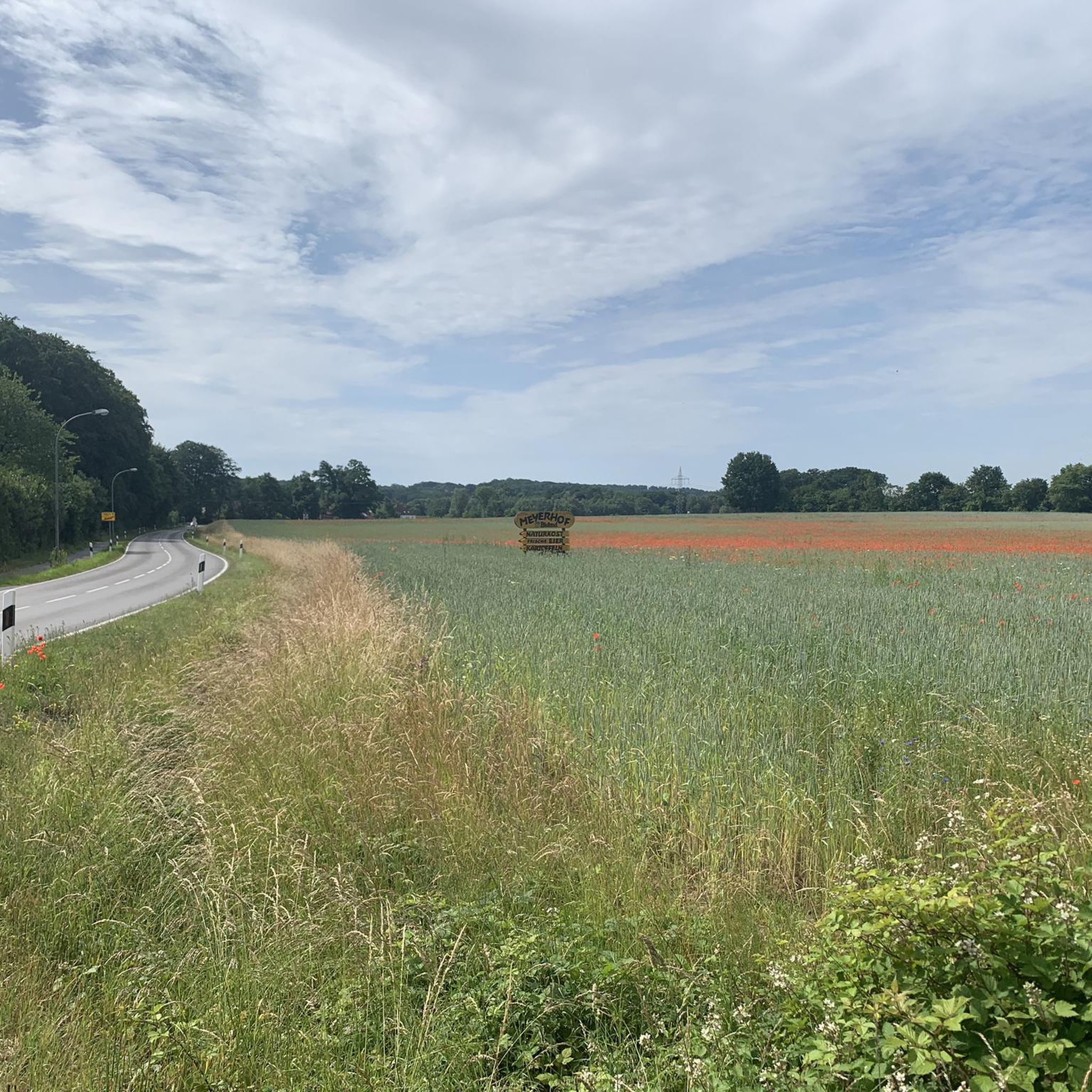
When you come out of the town: At the entrance to the Meyerhof in Oestringen, to the left are the meadows up to the Nette. On the right side it climbs quite steeply, somewhere along the way you will see the ruins of the Wittekindsburg.
2
1

A small section is cordoned off with flagging tape. Perhaps to detect earth movements.
1
0
Unfortunately, it is true - most of the old tree seems to have died. But there are still several green branches at the back. April 2024: We were very shocked at how much had died.
0
0

Cheated: Rubben are an amphibious freshwater fish species related to coelacanths that only survived the great extinction of the sauropsids at the beginning of the Cretaceous period in a few so-called Bruchsee lakes in central and northern Europe. This was possible due to the special acidic conditions of the so-called Bruchsee lakes created by forest breakage. Due to their amphibious characteristics, Rubben are able to survive for a long time outside of the water and their habitat. As an omniform species, they are able to suck out all possible sources of food, living or dead, with their strong sucking mouths, which is why only pedal boating is recommended here in the Rubbenbruchsee, not swimming. ;-)
8
1
Frequently Asked Questions
What are some of the most popular natural monuments to visit around Belm?
Visitors frequently enjoy the Nette Valley at Bramheide, known for its beautiful paths along the Nette river through mixed forests and pastures. Another favorite is Rubbenbruch Lake, a well-preserved excursion point with a circular path. The Piesberg Quarry is also highly regarded for showcasing the earth's history.
What unique natural features can I explore near Belm?
The region around Belm offers a diverse range of natural features. You can explore river valleys like the Nette Valley at Bramheide, serene lakes such as Rubbenbruch Lake and Hase Lake, and even geological sites like the Piesberg Quarry where the history of the earth is visible. There are also impressive trees like the Everseiche on the Haseuferweg.
Are there family-friendly natural monuments around Belm?
Yes, several natural monuments are ideal for families. Rubbenbruch Lake offers a well-signposted circular path and opportunities for boating. The Nette Valley at Bramheide provides easy cycling paths without significant altitude changes, perfect for a relaxed family outing. The Hase Lake also features a paved path suitable for walks and bikes.
What hiking opportunities are available near Belm's natural monuments?
Belm is surrounded by excellent hiking opportunities. You can find trails that lead through the Nette Valley at Bramheide, around Rubbenbruch Lake, and to viewpoints like Haseschleife and Dörenberg. For more detailed routes, explore the various options in the Hiking around Belm guide, which includes trails like the Nette River Path loop.
Can I go cycling near the natural monuments in Belm?
Absolutely! The region is very cyclist-friendly. The Nette Valley at Bramheide is particularly noted for its paths suitable for cycling without major elevation changes. You can also cycle along the Haseuferweg. For more cycling routes, check out the Cycling around Belm guide, which features routes like the Nette Valley at Bramheide – Vehrter Mile loop.
Are there any historical or geological natural sites in the Belm area?
Yes, the Piesberg Quarry is a significant natural monument where the history of the earth is visibly preserved. It's an old quarry located directly along a circular path. Additionally, the Gattberg, though not a towering peak, is known for its numerous sights that blend earth and cultural history.
What is the best time of year to visit the natural monuments around Belm?
The natural monuments around Belm are beautiful year-round. Spring is particularly appealing when nature is in bloom, especially along routes like the one to Haseschleife. Summer offers pleasant conditions for activities around lakes like Rubbenbruchsee. Autumn provides stunning foliage, and even winter can be picturesque for a quiet walk, though some paths might be muddy.
Where can I find scenic viewpoints around Belm?
For breathtaking panoramic views, the Haseschleife viewpoint offers expansive vistas over the Osnabrück region, extending to the Teutoburg Forest. The Dörenberg also provides fantastic views of the surrounding countryside from its summit. The Piesberg Quarry also offers interesting perspectives.
Can I bring my dog to the natural monuments in Belm?
Many natural areas and trails around Belm are dog-friendly, making them great for walks with your canine companion. However, it's always advisable to keep dogs on a leash, especially in nature reserves or areas with wildlife, and to respect local regulations. For example, swimming is not permitted for dogs in Rubbenbruch Lake.
Are there any circular walks among the natural monuments?
Yes, several natural monuments feature well-maintained circular paths. The Rubbenbruch Lake has a popular circular path that leads through varied terrain. The Kalkriese-Evinghausen Circular Route is also highly regarded, taking you through fields and forests and touching the edge of the Great Moor.
What kind of wildlife can I expect to see near Belm's natural monuments?
The diverse landscapes around Belm, including forests, meadows, and wetlands, support various wildlife. You might spot common forest animals like deer, foxes, and various bird species. The Nette Valley and lake areas are particularly good for birdwatching and observing aquatic life.
What are the typical terrain and difficulty levels of trails around Belm's natural monuments?
The terrain varies from easy, flat paths suitable for cycling and leisurely walks, such as those in the Nette Valley at Bramheide and around Rubbenbruch Lake, to more moderate ascents in areas like the Dörenberg or the Wiehengebirge. Many trails are well-maintained, but some can involve natural forest paths or gravel sections.
Most popular routes around Belm
Most popular attractions around Belm

Get inspired with the komoot mobile app


Explore more
Extend your search for the best caves by checking out these guides of the top ones around Belm:
