Attractions and Places To See in Dinosaur National Monument - Top 20
Best attractions and places to see in Dinosaur National Monument include a landscape rich in geological history and paleontological discoveries. This region spans the border of Utah and Colorado, featuring dramatic canyons carved by the Green and Yampa Rivers. It is renowned for its extensive fossil beds, particularly those containing dinosaur remains from the Late Jurassic period. The monument offers a unique opportunity to explore ancient ecosystems and observe exposed rock layers that reveal millions of years of Earth's past.
…Last updated: July 20, 2026
Quarry Exhibit Hall
Highlight • Monument
Tip by

Quarry Visitor Center
Highlight • Rest Area
Tip by
Sign up now to discover places like this
Get recommendations on the best single tracks, peaks, & plenty of other exciting outdoor places.
Sign up for free
Morrison Formation
Highlight • Natural Monument
Tip by
Harpers Corner Trail
Highlight • Trail
Tip by
Fossil Discovery Trailhead (Quarry)
Highlight • Trail
Tip by
Sign up for free to discover even more attractions in Dinosaur National Monument.
Sign up for free
Already have an account?
Start today with a free account
Your next adventure awaits.
Login or Signup


Tips from the Community

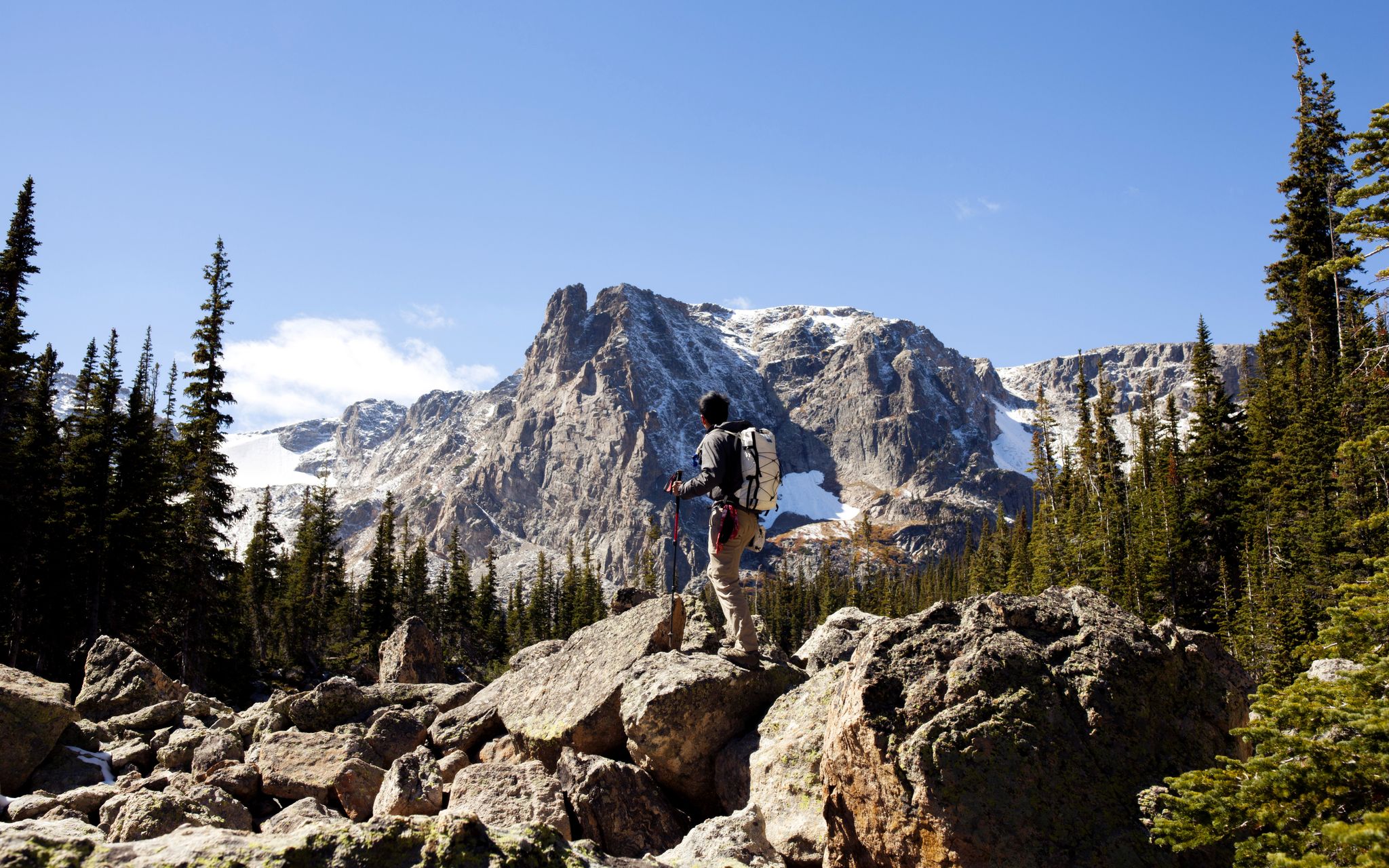
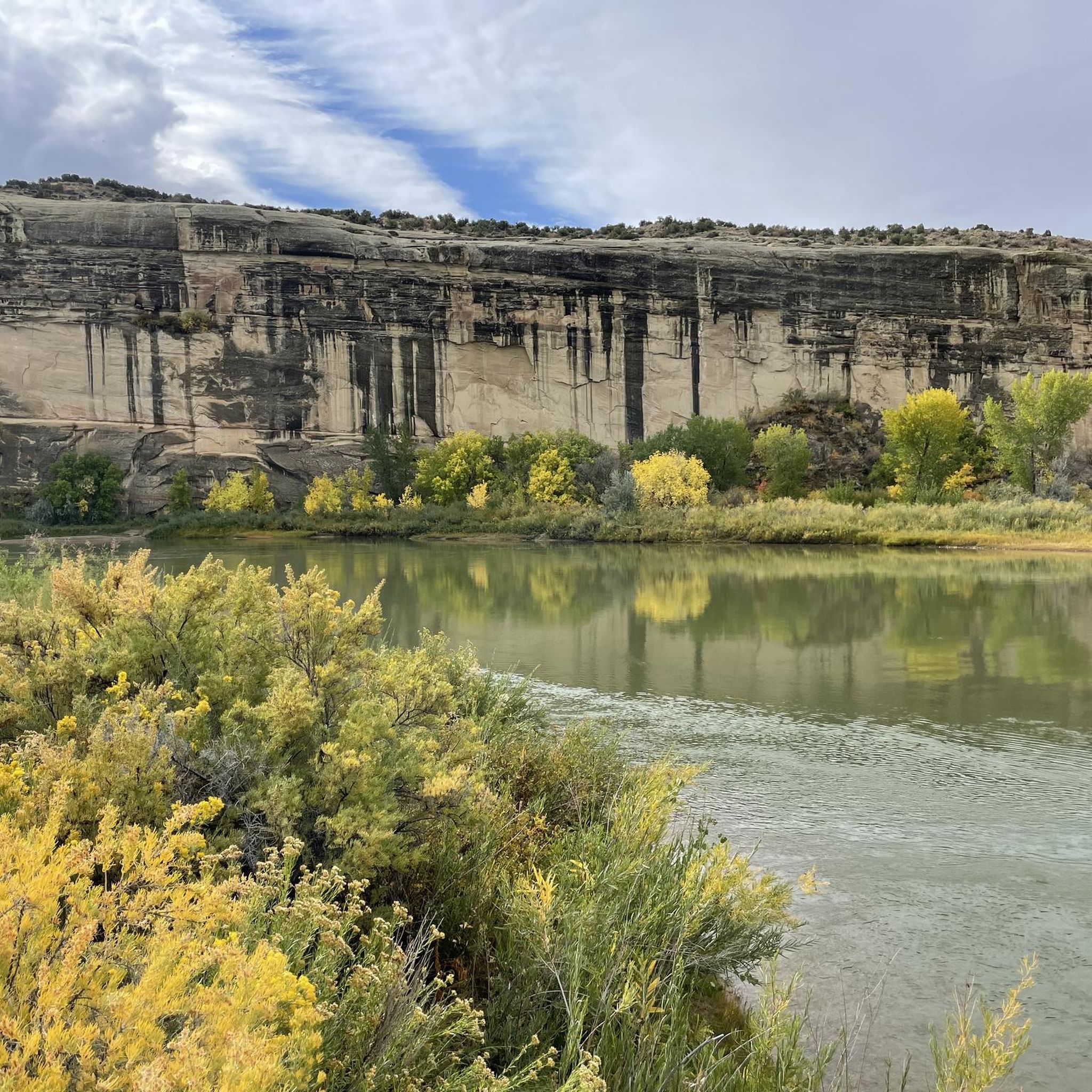
The Harpers Corner Trail is a 2-mile roundtrip along a scenic ridge that leads to an overlook with stunning views over the remote canyons. Juniper tree and pinyon pines offer much needed shade on hot summer days while the Green River is flowing through Whirlpool Canyon over 2,500 feet below you.
2
0
The Fossil Discovery Trail starts at the Quarry Exhibit and ends down at the Quarry Visitor Center. Over 1.2 miles (one way) it takes you to different formations that are exposed in rock layers where you can find dinosaur bones and other fossils from the Jurassic to Cretaceous era. To get to this trailhead, you can take the shuttle from the Visitor Center instead of hiking both directions.
2
0
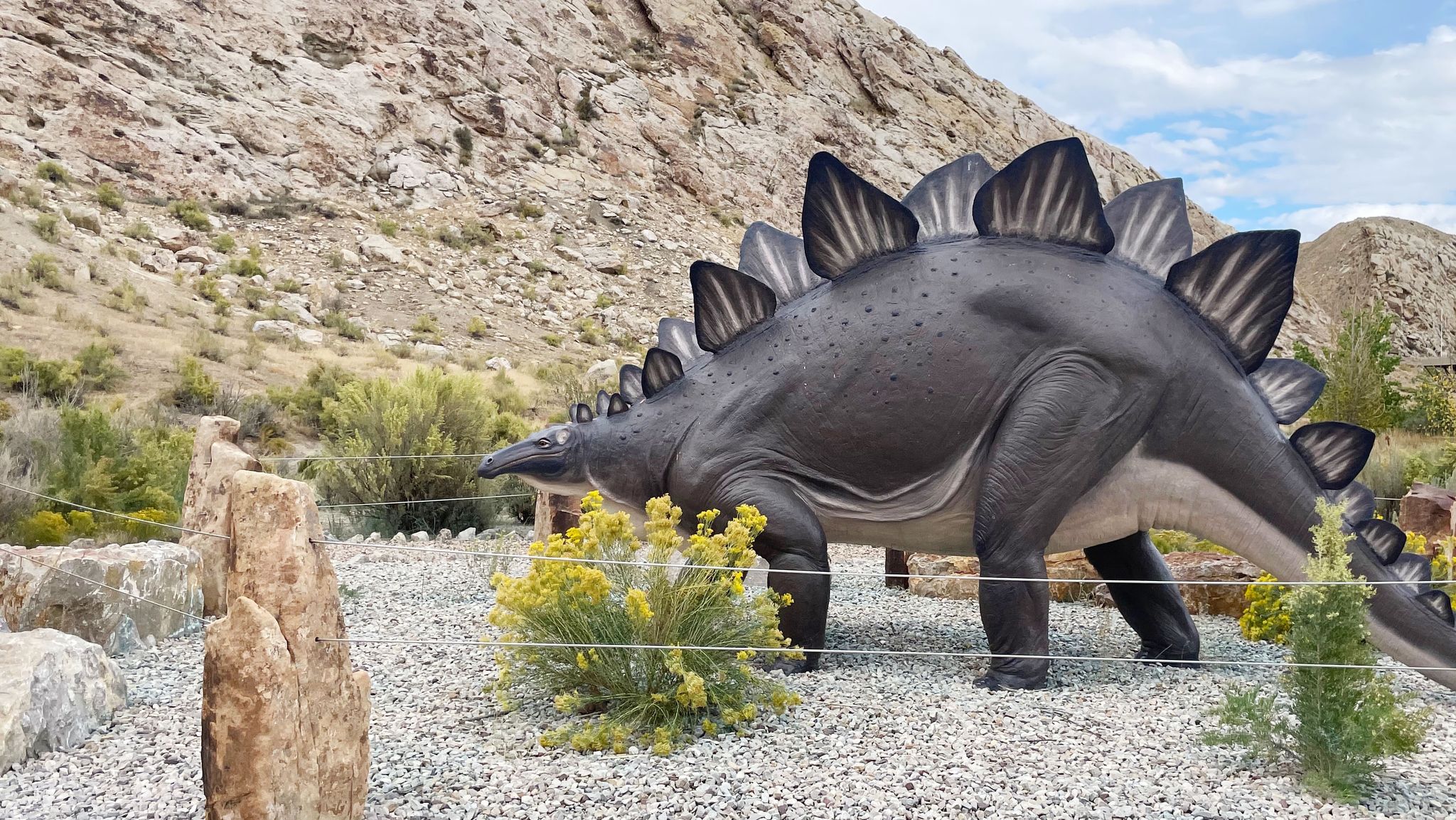
The Quarry Exhibit is without a question THE place to visit when you are in Dinosaur National Monument. Not only will you find a lot of interesting information, you will also discover a huge rock wall containing approximately 1,500 dinosaur bones! There are different species from the Late Jurassic period like Allosaurus, Stegosaurus and Diplodocus. You are even allowed to touch some of the real 150 million year old dinosaur bones. To get to the Quarry Exhibit, you can either take the shuttle from the Visitor Center that leaves on a regular basis or hike the Fossil Discovery Trail. I recommend taking the shuttle up and hiking down the trail.
4
0
The Morrison Formation is part of the Fossil Discovery Trail and probably the most special one: walk up the rocky stairs and examine the cliff wall next to you. Look closely to find some petrified dinosaur bones, big and small. About ten feet above you, you can see eight vertebrae. The cliff is estimated to be about 151 million years old! More than ten species of dinosaurs have been found in the Morrison Formation.
3
0
The Quarry Visitor Center is located at the Utah side of Dinosaur National Monument. It offers some great information, exhibits and a little souvenir shop. You can get maps and books, talk to the rangers about trails and conditions and also take the shuttle that leaves for the Quarry Exhibit on a regular basis. Both are open year-round. This is also the trailhead for the Fossil Discovery Trail that ends at the Quarry Exhibit.
3
0
Frequently Asked Questions
Are there wheelchair-accessible attractions in Dinosaur National Monument?
Yes, several key attractions are wheelchair-accessible. The Quarry Exhibit Hall, where you can see a wall of dinosaur bones, is accessible. The Quarry Visitor Center, which provides information and shuttle services, is also accessible.
What are some family-friendly activities in Dinosaur National Monument?
Families will enjoy exploring the Quarry Exhibit Hall to see and even touch real dinosaur bones. The Fossil Discovery Trail offers an easy walk where you can spot petrified dinosaur bones in the cliff walls, making it an engaging experience for all ages. The visitor centers also offer educational exhibits.
Are there easy hiking trails in Dinosaur National Monument?
Yes, Dinosaur National Monument offers several easy hiking trails. The Fossil Discovery Trail is an easy 1.2-mile (one way) path from the Quarry Exhibit to the Visitor Center. Other easy options include the Harpers Corner Trail (2-mile roundtrip), Sound of Silence Trail, Desert Voices Trail, and the River Trail.
What geological features and fossil discoveries can I see in Dinosaur National Monument?
The monument is famous for its rich geological history and paleontological finds. You can observe a huge rock wall containing approximately 1,500 dinosaur bones at the Quarry Exhibit Hall. The Morrison Formation, visible along the Fossil Discovery Trail, showcases petrified dinosaur bones embedded in 151 million-year-old cliff walls, where over ten species of dinosaurs have been discovered.
Are there scenic drives in Dinosaur National Monument?
Yes, the monument offers scenic drives that provide stunning views of its dramatic canyons and landscapes. The Harpers Corner Road, for instance, leads to overlooks with panoramic vistas of the Green and Yampa Rivers carving through the terrain. You can find more details on scenic drives within the Hiking in Dinosaur National Monument guide.
What is the best time of year to visit Dinosaur National Monument?
Spring (April-May) and Fall (September-October) are generally considered the best times to visit. Temperatures are mild, making outdoor activities like hiking more comfortable. Summer can be very hot, while winter brings colder temperatures and potential snow, though it offers a unique, quieter experience.
Are dogs allowed on trails in Dinosaur National Monument?
Pets are generally allowed in developed areas such as campgrounds, picnic areas, and along paved roads, but they are typically not permitted on hiking trails or inside buildings like the Quarry Exhibit Hall. Always keep pets on a leash and clean up after them. Check the official park website for the most current pet regulations.
Are there any permit requirements for visiting Dinosaur National Monument?
No specific permits are generally required for day-use entry to Dinosaur National Monument, beyond the standard entrance fee. However, if you plan to do backcountry camping or certain river trips, specific permits may be necessary. Always check the official National Park Service website for the latest information on fees and permits before your visit.
What can I do in Dinosaur National Monument during winter?
During winter, the monument offers a quieter experience. While some roads or facilities may close due to snow, the Quarry Exhibit Hall and Quarry Visitor Center typically remain open. Winter activities can include snowshoeing or cross-country skiing on accessible trails, wildlife viewing, and enjoying the stark beauty of the snow-covered landscape. Always check road conditions before visiting.
Are there any lesser-known or unique attractions to explore in Dinosaur National Monument?
Beyond the main fossil sites, consider exploring the more remote areas of the monument, particularly on the Colorado side, for unique experiences. The scenic drives offer access to less-trafficked viewpoints and trailheads. Look for ancient petroglyphs and pictographs left by Fremont people at various sites, offering a glimpse into the region's human history.
Where can I find visitor information and facilities within Dinosaur National Monument?
The primary source for visitor information is the Quarry Visitor Center on the Utah side. Here you can find maps, exhibits, a souvenir shop, and speak with rangers about current conditions and trails. Restrooms and water are available at visitor centers and some campgrounds. Food services are limited within the monument, so it's advisable to bring your own provisions.
What other outdoor activities are available in Dinosaur National Monument besides hiking?
Beyond hiking, Dinosaur National Monument offers opportunities for scenic drives, stargazing in its dark night skies, and wildlife viewing. The Green and Yampa Rivers also provide options for rafting and kayaking, though these often require permits and can be seasonal. For more detailed information on outdoor activities, refer to the Hiking in Dinosaur National Monument guide.
Most popular routes in Dinosaur National Monument
Most popular attractions in Dinosaur National Monument

Get inspired with the komoot mobile app


