The best walks and hikes in East Canyon State Park
5.0
(1)
63
hikers
13
hikes
If you've ever tried planning hiking in East Canyon State Park, you know how quickly the options can feel overwhelming. With so many trails, it's hard to tell which East Canyon State Park hiking routes are genuinely worth your time and effort. That's where we come in: our komoot community has explored, mapped, and reviewed these trails, giving you a curated shortlist of the best East Canyon State Park popular trails, saving you the guesswork.
Hiking in East Canyon State…
Last updated: May 10, 2026
5.48km
01:50
340m
50m
If you're seeking a hike with a rich past and incredible views, the Big Mountain via Great Western Trail is a fantastic option. The route starts with a challenging climb…
5.0
(1)
1
hikers
2.53km
00:45
0m
230m
The Mormon Pioneer Trail - West Upper Segment offers a unique blend of natural beauty and historical significance. As you traverse this moderate 1.6-mile (2.5 km) route, you'll find yourself…

Sign up for free
48.5km
15:51
1,360m
1,440m
Embark on a journey through history and rugged landscapes with the Donner Reed Party and Mormon Pioneer Trail, a challenging route that blends natural beauty with profound historical significance. As…
5.0
(1)
13
hikers
8.17km
02:38
340m
340m
The Great Western Trail to Big Mountain offers a fantastic blend of natural beauty and historical significance, making it a truly unique hike. As you ascend this moderate 5.1-mile (8.2…
4
hikers
14.2km
05:15
430m
430m
Embark on a journey through history and challenging terrain with the Donner Reed Party and Mormon Pioneer Trail, a difficult 8.8-mile (14.2 km) hike. This route takes you through dramatic…
Get access to more routes and recommendations from other explorers.
Sign up for free
Already have an account?
Our route recommendations are based on thousands of hikes, rides, and runs completed by other people on komoot.
Start today with a free account
Your next adventure awaits.
Login or Signup

Tips from the Community

This 7,420-foot pass isn't just great for the views: It's also a nice spot for a restroom break as you hop on or off the nearby Great Western Trail.
0
0

Big Mountain Pass sits at an elevation of 7,420 feet and is the saddle of Big Mountain. The pass stands as one of the highest points along the California, Pony Express, and Mormon Pioneer National Historic Trails.
0
0

At an elevation of 7,420 feet, this is one of the highest points on the Mormon Pioneer National Historic Trail, first crossed in 1846. It serves as a great stopping point with stunning views and restroom facilities.
0
0
This is part of the route used by early Mormons making their way toward the Salt Lake Valley. Of particular note, this is the only section of trail where dogs are allowed (due to a nearby watershed). Dogs are not allowed from Big Mountain Pass onward, so if you have a dog along you'll need to turn around and hike back to your starting point.
1
0
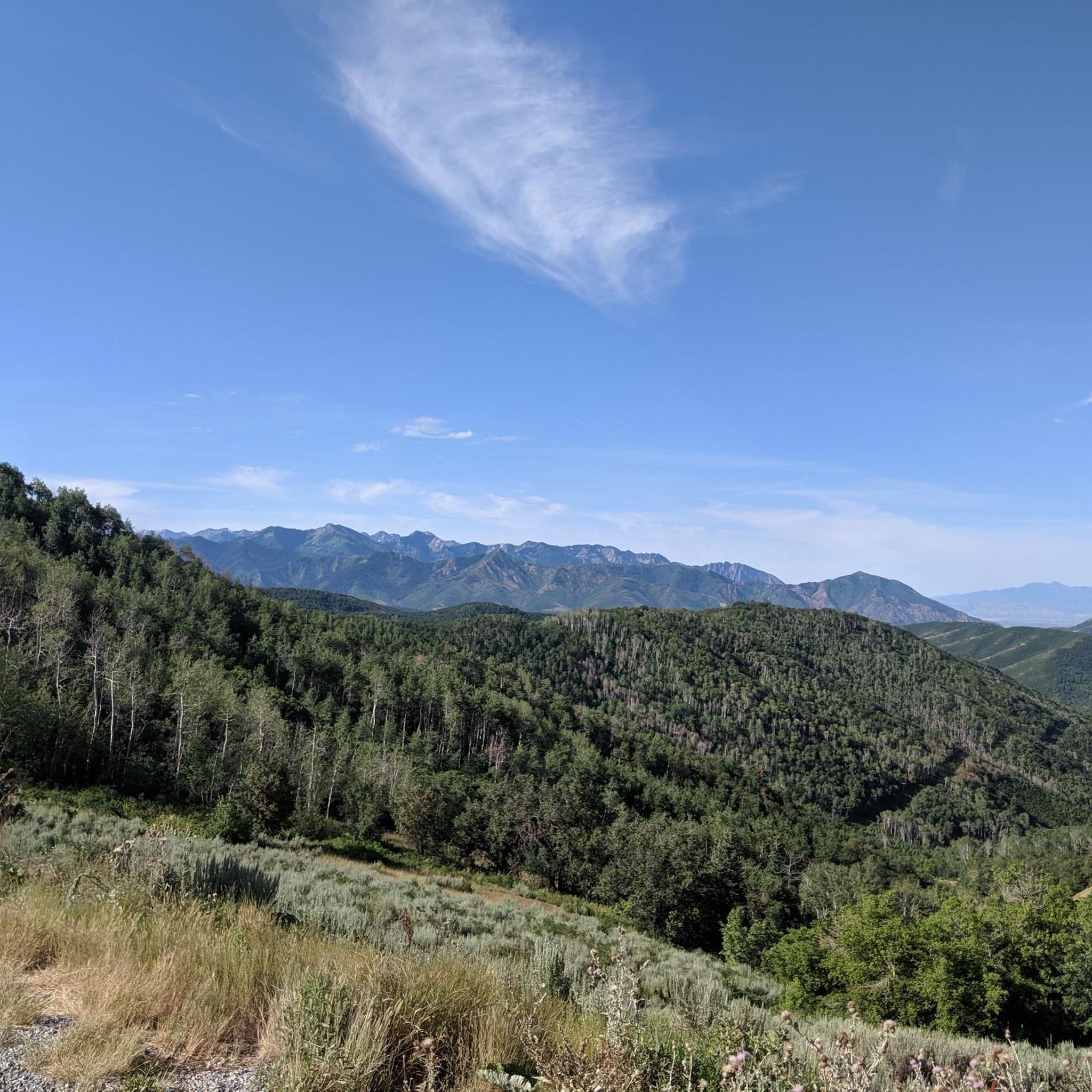
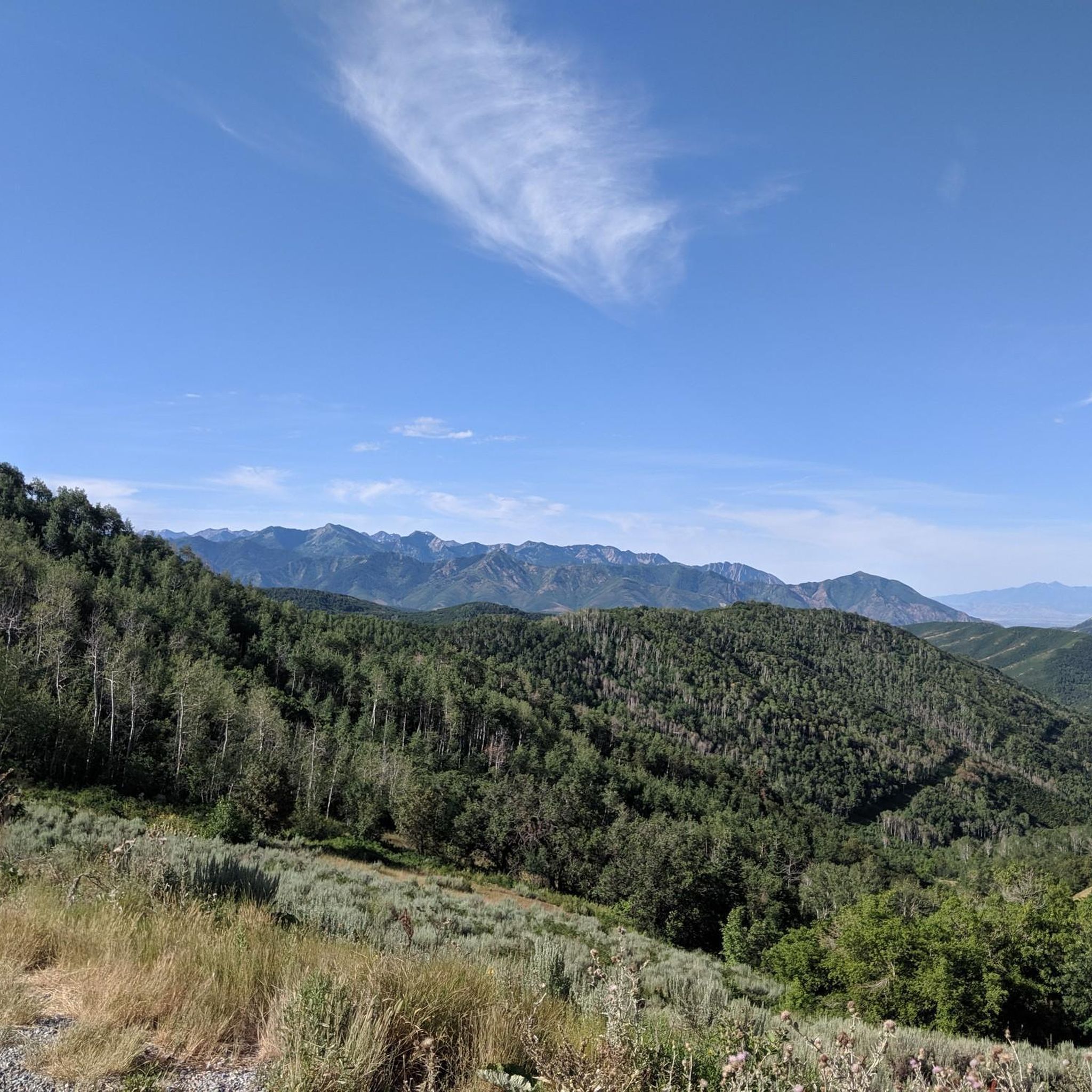
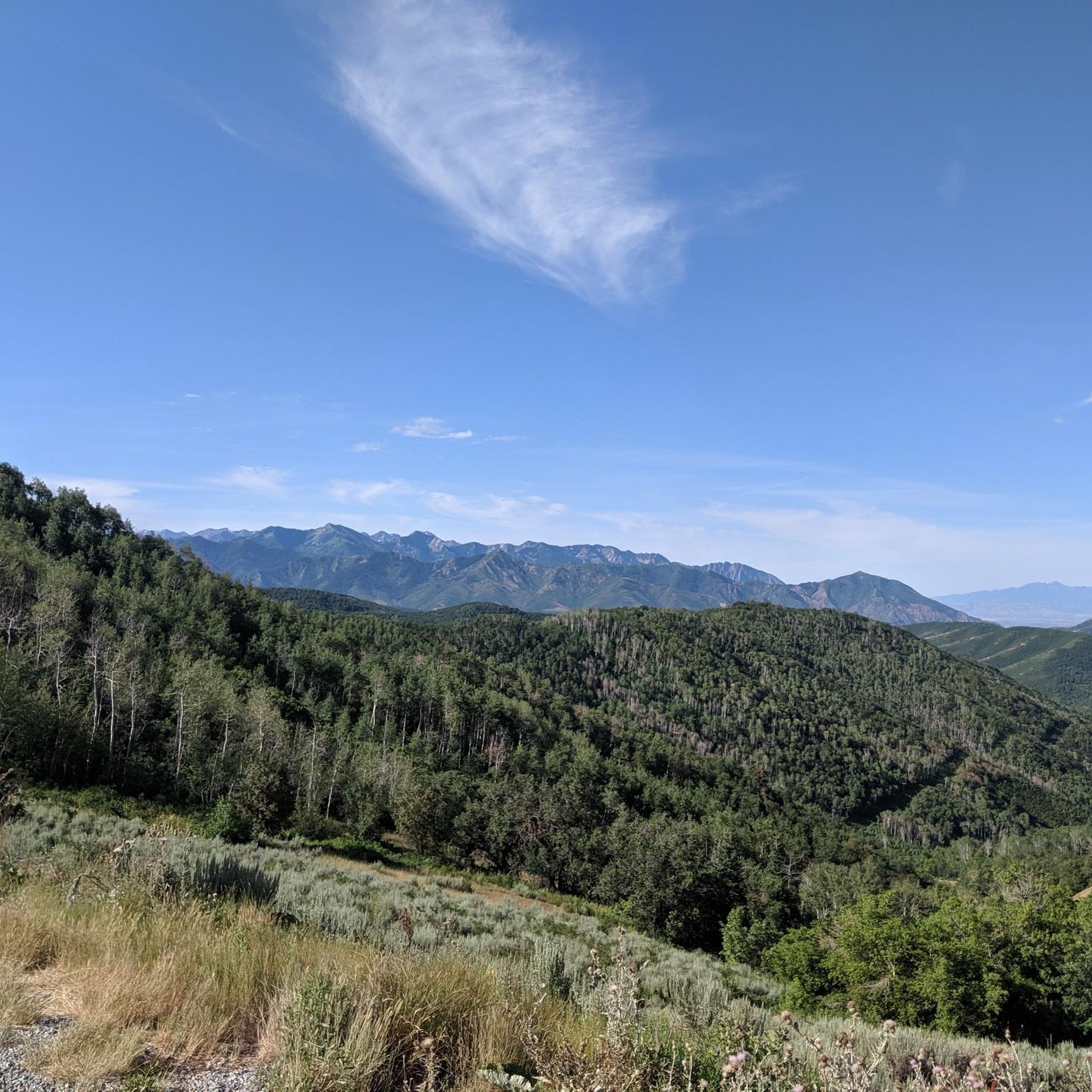
If you've ever wanted to stand on top of the mountain and scream "I'm the queen (or king) of the world!" this is probably the place to do it. The views are spectacular and while there are a few steep grades, especially in the first mile or so of trail, it is imminently doable.
1
0

Pass between Morgan and Summit county. Calm and remote in the winter. In the winter, you'll mostly see bicycles and trucks with boats on their way to East Canyon Reservoir.
0
0
Frequently Asked Questions
How many hiking trails are available in East Canyon State Park?
East Canyon State Park offers a selection of 8 hiking trails, catering to various skill levels. You'll find 5 moderate routes and 3 more challenging options to explore the park's diverse terrain.
What is the best time of year to hike in East Canyon State Park?
The best time to hike in East Canyon State Park is typically from late spring through early autumn. During these months, the weather is generally mild and pleasant, and the trails are clear of snow. Summer offers warm conditions, ideal for combining hiking with water activities on the reservoir, while spring and fall provide cooler temperatures and vibrant foliage.
Are there any family-friendly hiking options in East Canyon State Park?
While the guide primarily lists moderate to difficult trails, many sections of the park's trails can be enjoyed by families looking for shorter, less strenuous walks. For a moderate experience, consider parts of the Big Mountain from Big Mountain Pass — East Canyon route, which offers scenic views without extreme elevation changes throughout its entirety.
Are dogs allowed on the hiking trails in East Canyon State Park?
Yes, dogs are generally welcome on trails in East Canyon State Park, but they must be kept on a leash. Always remember to clean up after your pet to help maintain the park's natural beauty for all visitors.
What kind of natural features or viewpoints can I expect to see while hiking?
Hikers in East Canyon State Park can expect to encounter diverse natural features, including rolling hills, varied vegetation, and panoramic views of the East Canyon Reservoir. Trails like Bald Mountain via Great Western Trail — East Canyon offer a mix of forested sections and open ridges, leading to scenic overlooks.
Are there any historical trails in the park?
Yes, East Canyon State Park is home to historical routes. The Mormon Pioneer Trail (Mormon Flat to Big Mountain Pass) — Little Emigration Canyon is a notable example, leading through landscapes with significant historical context.
What is the typical difficulty level of hikes in East Canyon State Park?
The hiking trails in East Canyon State Park range from moderate to difficult. Out of the 8 available routes, 5 are rated as moderate, featuring steady climbs and varied terrain, while 3 are considered difficult, often involving longer distances and more significant elevation gains.
Is there parking available at the trailheads?
Yes, East Canyon State Park provides designated parking areas for visitors. Specific trailhead parking information can often be found on detailed route descriptions or by checking the official park website before your visit. It's always advisable to arrive early during peak seasons to secure a spot.
Are there any fees or permits required to hike in East Canyon State Park?
East Canyon State Park typically requires an entrance fee per vehicle, which covers access to the park's amenities, including hiking trails. Specific permit requirements for certain activities or overnight stays should be verified with the park's official channels.
What do other hikers say about East Canyon State Park?
The hiking experiences in East Canyon State Park are highly regarded by the komoot community, with an average rating of 5.0 stars. Hikers often praise the diverse landscapes, reservoir views, and the opportunity to explore historical routes.
Can I find loop trails in East Canyon State Park?
While many trails in East Canyon State Park are out-and-back or point-to-point, some routes or combinations of trails can be adapted to create loop experiences. It's recommended to consult detailed maps on komoot for specific routes to identify potential loop options that suit your preferences.
Are there any long-distance or challenging hikes for experienced trekkers?
Absolutely. For experienced trekkers seeking a challenge, routes like Lookout Peak — Emigration Canyon, spanning over 13 km with significant elevation gain, or the longer Mormon Pioneer Trail (Little Dell Reservoir to Big Mountain Pass) — East Canyon at over 18 km, offer demanding and rewarding experiences.

Get inspired with the komoot mobile app


Explore more
Browse the best Hikes in other regions.
