Attractions and Places To See around Oldendorf (Luhe) - Top 20
Attractions and places to see around Oldendorf (Luhe) offer a blend of historical sites, cultural experiences, and natural beauty. The region is situated on the picturesque River Luhe, winding through meadows, villages, and forests. It features significant prehistoric burial sites and extensive nature parks like the Lüneburger Heide Nature Park. This area provides opportunities to explore ancient history and diverse natural landscapes.
Best attractions and places to see around Oldendorf (Luhe)
- The most popular attractions is Schwindebach Spring, a…
Last updated: June 22, 2026
Heathland Panorama in Lüneburger Heide Nature Park
Highlight • Viewpoint
Translated by Google •
Tip by

Schwindebach Spring
Highlight • Natural Monument
Further information: de.wikipedia.org/wiki/Schwindebach
Translated by Google •
Tip by

Sign up now to discover places like this
Get recommendations on the best single tracks, peaks, & plenty of other exciting outdoor places.
Sign up for free
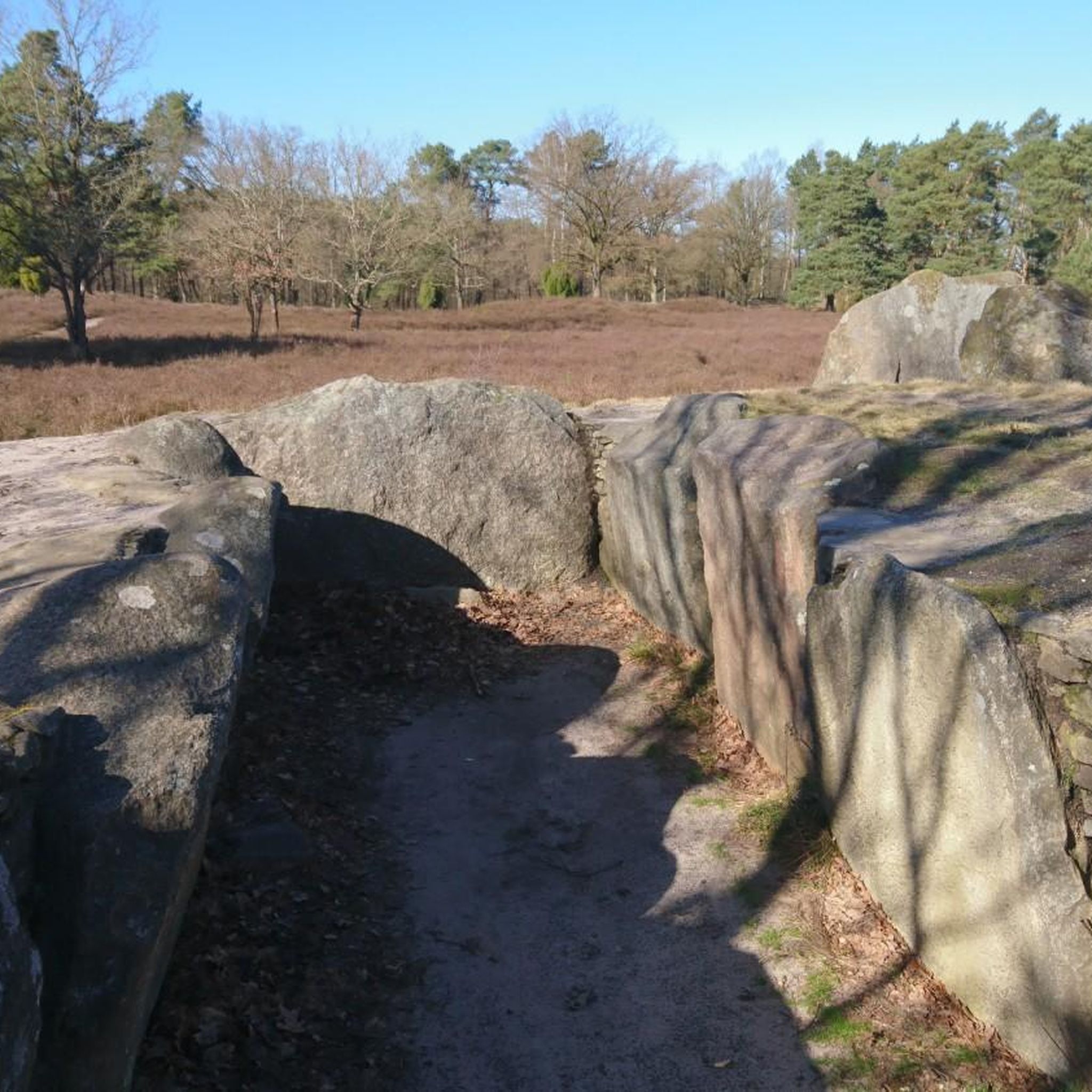
Oldendorf (Luhe): Mystical Oldendorfer Burial Ground
Highlight • Historical Site
Translated by Google •
Tip by

Woodland trail along the Ilmenau River
Highlight • Trail
If you bring patience and have leisure, you can sometimes catch fauna and flora.
Translated by Google •
Tip by
St. Stephanus Church, Egestorf
Highlight • Religious Site
Translated by Google •
Tip by

Sign up for free to discover even more attractions around Oldendorf (Luhe).
Sign up for free
Already have an account?
Start today with a free account
Your next adventure awaits.
Login or Signup
Tips from the Community

During our visit, the heath wore a white dress. Absolutely beautiful.
0
0

"Classic" heathland near the parking lot
0
0

The "Legendary Hünenweg" also runs along this path. All information about the circular trail can be found at the following link: https://www.lueneburger-heide.de/natur/touren/14004/oldendorf-luhe-wanderweg-sagenhafter-huenenweg-rundweg-13-km.html (as of September 4, 2025).
1
1

The heather is worth visiting now from October to the end of September as it is now in its flowering season
0
0

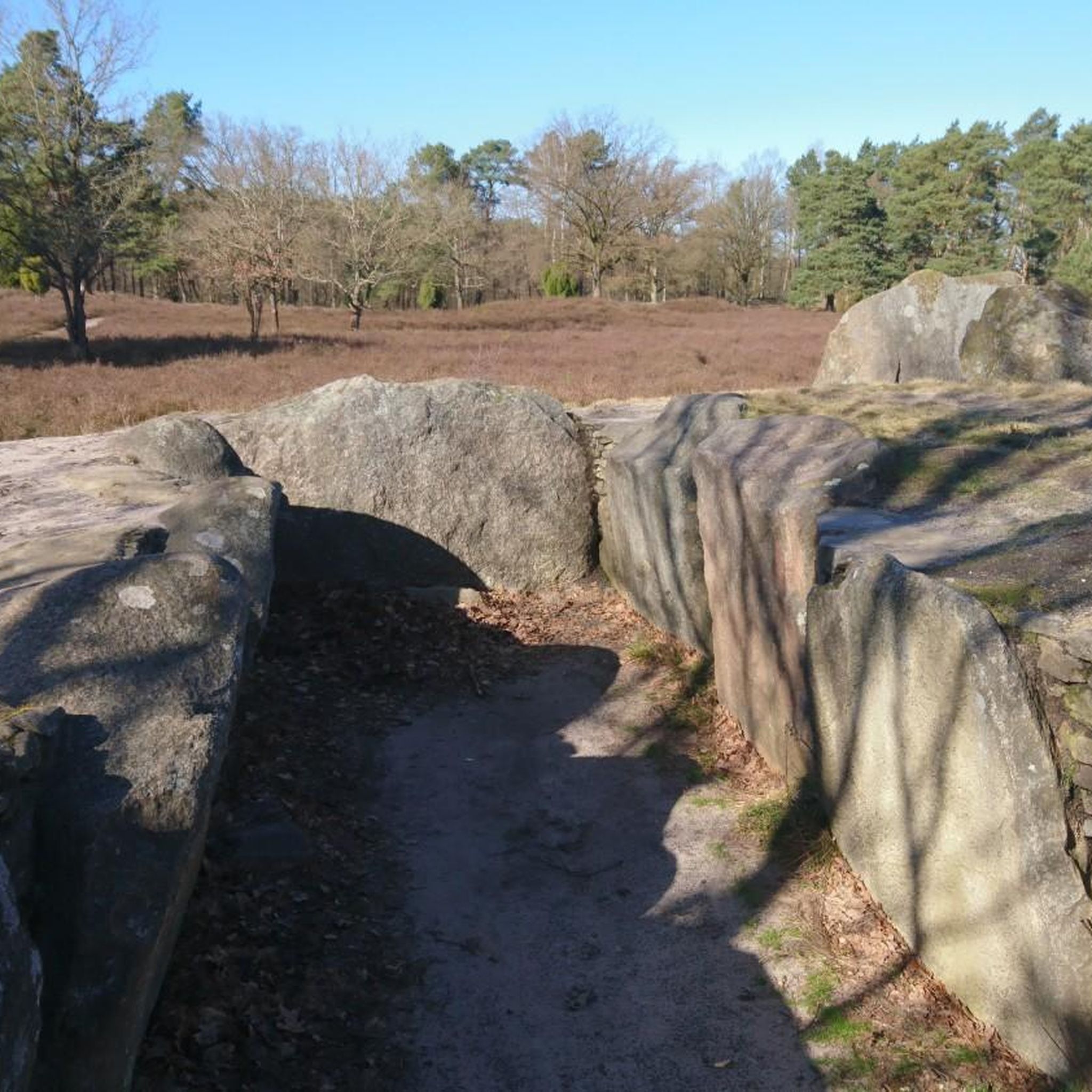
I'll save myself the copy-key, which is largely done here - and with such frequency that it makes you sick. Oldendorfer Totenstatt is an old large stone grave in the countryside of Oldendorf (Luhe). Mighty boulders form a burial chamber here, which has been used several times over the centuries. A picnic area invites you to take a break. The unusual shape of the valley immediately catches the eye. It is believed that this valley was formed by a river at the end of the Ice Age and therefore received its shape. From here you can easily get to Kronsbergheide. The Heath Queen of Amelinghausen has been elected there since 1950. Heather Blossom Festival takes place every year in the 3rd week of August. Totenstatt is a RAD-free zone! MTB and gravel cyclists should pay particular attention...the Totenstatt is not a lawless area
8
1

Idyllic path through the deciduous forest along the water.
0
0

"The" heath doesn't really exist. Although the Lüneburg Heath has the largest contiguous heath areas in Europe, these are more of individual, large areas that are spread over the entire width of the Lüneburg Heath. An exception is the large Lüneburg Heath nature reserve with its huge heath areas. Due to the different locations, sometimes on a slope, sometimes on the south side, the heath areas bloom at different times, and the beginning is almost never the same. This ensures that you can find blooming heather as early as the end of July and the last blossoms can sometimes still be seen in October. The heath areas are all named, e.g. Kronsbergheide. They are all part of the Lüneburg Heath and thus make orientation easier. The heather plant that is primarily found in the Lüneburg Heath and characterizes its landscape is the common heather - "Calluna vulgaris". It is also often referred to as heather. The bell heather (Erica tetralix) usually flowers a short time before the common heather and prefers swampy areas such as raised bogs. The rule of thumb for the heather blossom is 08.08. to 09.09., but of course that always depends on the overall weather conditions. In the last two years, the heather blossoms have already started in the last days of July. The large sea of flowers arises from about the 3rd-4th week, so around the middle/end of August. The heather needs rain and sun at certain times to sprout well. The first forecasts about the heather blossom can be made in June.
1
2

St. Stephen's Church is picturesquely surrounded by linden trees.
3
0
Frequently Asked Questions
What historical sites can I explore around Oldendorf (Luhe)?
Oldendorf (Luhe) is rich in history. A must-see is the Oldendorfer Totenstatt Megalithic Tombs, a significant prehistoric burial site with six mounds and megalithic tombs dating back to the Neolithic and Bronze Ages. You can also visit the Archaeological Museum Oldendorf/Luhe, housed in the historic "Schemmes Hus," which displays finds from the Totenstatt. Further afield, consider the charming Heiligenthal Chapel and the historic St. Stephanus Church in Egestorf, known for its interior and a bronze plaque dedicated to Martin Luther.
Are there any natural landmarks or scenic viewpoints in the area?
Absolutely. The Schwindebach Spring is a captivating natural monument, being the second strongest spring in Lower Saxony, where you can witness water emerging from the ground at 60 liters per second. For expansive views, head to the Heathland Panorama in Lüneburger Heide Nature Park. The picturesque River Luhe also winds through lush meadows and forests, and the Ilmenauniederung Nature Reserve is considered one of the most beautiful spots year-round.
What kind of outdoor activities can I do near Oldendorf (Luhe)?
The region is ideal for outdoor enthusiasts. You can enjoy hiking and cycling through the extensive nature parks. For specific routes, explore the easy hikes around Oldendorf (Luhe), or for more challenging options, check out the running trails. Cycling is also popular, with many scenic routes available in the cycling guide for Oldendorf (Luhe).
Are there family-friendly attractions around Oldendorf (Luhe)?
Many attractions in the area are suitable for families. The Schwindebach Spring offers an engaging natural spectacle for all ages. Exploring the ancient Oldendorfer Totenstatt Megalithic Tombs can be an educational adventure. Additionally, the Marxener Paradies, with its moated pond, is perfect for family picnics and gentle walks. The Lopausee near Amelinghausen is another popular spot for families to start or end their outdoor excursions.
When is the best time to visit Oldendorf (Luhe) for outdoor activities?
The region is beautiful year-round, but late summer is particularly special. The annual Heather Blossom Festival takes place in August in Kronsbergheide, culminating in the crowning of the Heath Queen of Amelinghausen. This period offers stunning purple landscapes. However, the Ilmenauniederung Nature Reserve is worth visiting throughout the year, and the constant 9-degree Celsius water temperature of the Schwindebach Spring means it never freezes, providing reliable access for wildlife even in winter.
Where can I find unique natural landscapes like heathlands?
Oldendorf (Luhe) is surrounded by beautiful heathlands. The Heathland Panorama in Lüneburger Heide Nature Park provides expansive views of these unique landscapes. Other notable heathland areas include Marxener Paradies, featuring a moated pond, and Kronsbergheide, famous for the annual Heather Blossom Festival. These areas are part of the larger Lüneburger Heide Nature Park, offering abundant opportunities for hiking and cycling.
Are there any interesting bridges or unique man-made structures to see?
Yes, the Craftsmen's Bridge in Lüneburg's Tiergarten is a unique sight. This covered wooden bridge was built using traditional tools and handicraft techniques by around fifty artisans from various countries, without the use of modern machinery. It's a testament to traditional craftsmanship and provides a charming crossing over the Hasenburger Bach.
What kind of hiking trails are available around Oldendorf (Luhe)?
There are numerous hiking trails catering to different preferences. The "Sagenhafter Hünenweg" is a recommended circular hiking trail that combines cultural history with scenic views, passing through the Oldendorfer Totenstatt, Kronsbergheide, and Marxener Paradies. You can find a variety of options, including easy hikes, in the dedicated komoot guides for the region.
What do visitors enjoy most about the attractions in Oldendorf (Luhe)?
Visitors particularly appreciate the blend of ancient history and natural beauty. For instance, at the Oldendorfer Totenstatt Megalithic Tombs, people enjoy the mystical atmosphere and the detailed information panels. The Schwindebach Spring is praised for its captivating natural spectacle and the peaceful setting with benches to relax. The expansive views from the Heathland Panorama are also highly rated for their tranquility and beauty.
Are there any castles or monasteries within easy reach of Oldendorf (Luhe)?
While not directly in Oldendorf (Luhe), several significant historical sites are within easy reach. These include Bleckede Castle, a 14th-century fortress that now houses a museum, and the Ebstorf Monastery, a 12th-century monastery renowned for its Romanesque basilica and historical museum. Both offer fascinating insights into the region's past.
Can I find places for cycling around Oldendorf (Luhe)?
Yes, the region is very well-suited for cycling. The Luhe cycle path is a popular choice, winding through picturesque landscapes. You can explore various routes, from easy to moderate, by checking the cycling guide for Oldendorf (Luhe), which includes options like the Wohlenbüttel Watermill loop or longer tours to Lüneburg.
What is the River Luhe like and what can I do there?
The River Luhe is a picturesque feature of Oldendorf (Luhe), flowing through lush green meadows, charming villages, and dense forests. It's an ideal setting for leisurely strolls along its banks and exploration of the surrounding natural beauty. The river contributes significantly to the scenic character of the area, making it perfect for relaxed walks and enjoying nature.
Most popular routes around Oldendorf (Luhe)
Most popular attractions around Oldendorf (Luhe)

Get inspired with the komoot mobile app


Explore more
Still not found the Highlight you’re looking for? See guides of the top attractions in other regions:
