The best walks and hikes in Eagle Mountain Wilderness Study Area
4.5
(6)
233
hikers
25
hikes
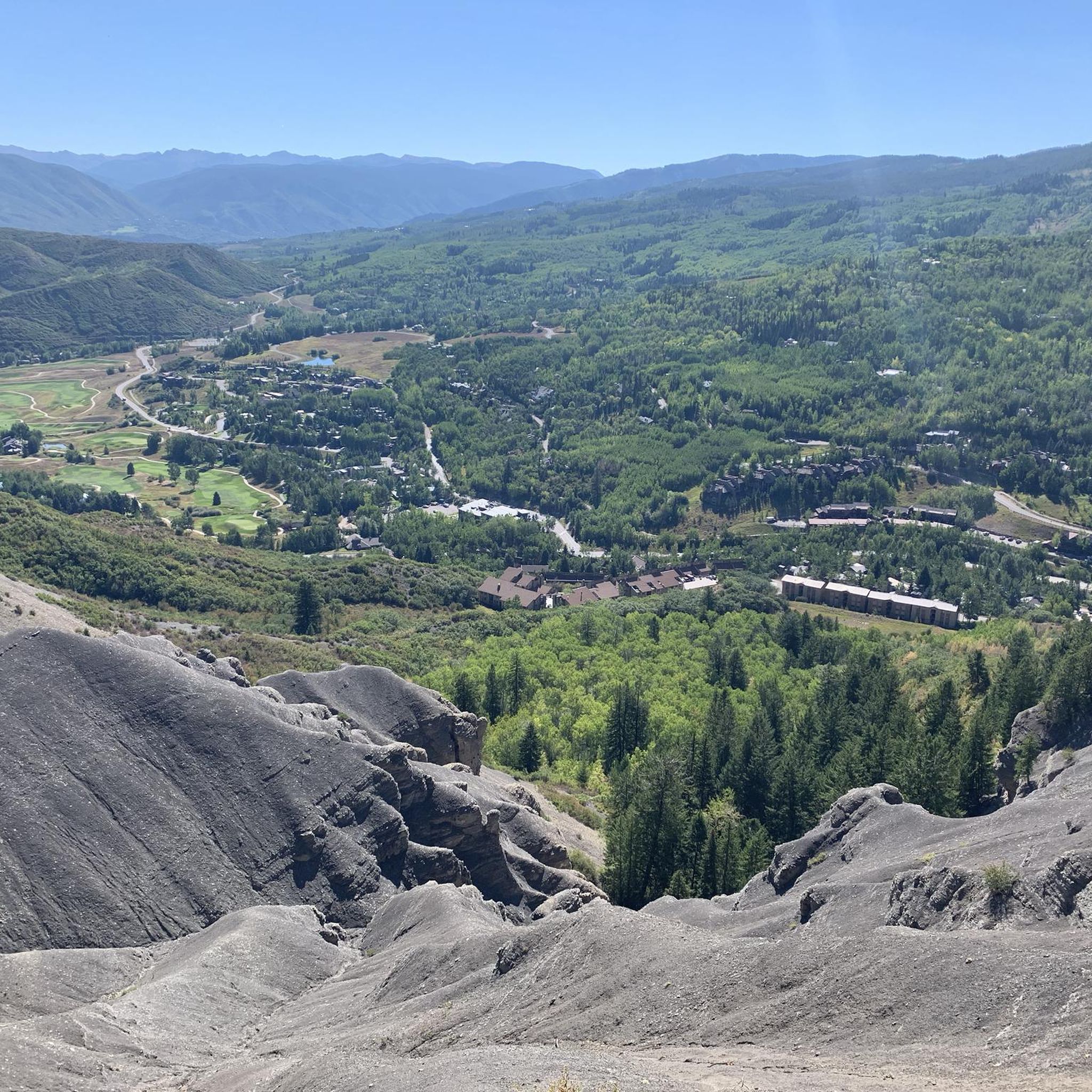
Hiking trails in Eagle Mountain Wilderness Study Area traverse a landscape characterized by rugged mountainous terrain and varied elevations. The region features natural valleys, forested slopes, and open areas, offering diverse environments for exploration. These trails often involve significant elevation changes, providing panoramic views of the surrounding wilderness. The area's geology contributes to its distinct natural features, making it a destination for those seeking undeveloped outdoor experiences.
Best hiking trails in Eagle Mountain Wilderness Study Area
- The most popular hiking…
Last updated: July 8, 2026
30
hikers
15.4km
06:21
1,230m
50m
The Snowmass Lake via Maroon-Snowmass Trail is a demanding 9.6-mile (15.4 km) hike that takes you deep into the Maroon Bells-Snowmass Wilderness, offering a true alpine adventure. You'll journey through…
1
hikers
3.28km
00:58
120m
30m
Embark on an easy hike along the Ditch Trail, a scenic route that winds through light forest and open clearings. You will enjoy wonderful views of the surrounding mountains, including…

Sign up for free
12
hikers
27.6km
10:18
920m
920m
Hike the difficult 17.1-mile Maroon-Snowmass Trail through the Maroon Bells-Snowmass Wilderness, gaining 3017 feet to Snowmass Lake.
4
hikers
27.8km
09:31
1,520m
1,520m
Hike the challenging 17.3-mile East Snowmass Trail through Maroon Bells-Snowmass Wilderness, gaining 4994 feet to Willow Lake Basin.
4.0
(1)
4
hikers
2.13km
00:41
170m
0m
The Rim Trail South to Spiral Point offers an easy hike, covering 1.3 miles (2.1 km) with a gain of 552 feet (168 metres). You can expect to complete this…
Get access to more routes and recommendations from other explorers.
Sign up for free
Already have an account?
Our route recommendations are based on thousands of hikes, rides, and runs completed by other people on komoot.
Start today with a free account
Your next adventure awaits.
Login or Signup



Tips from the Community

Located in a beautiful glaciated basin, it's surrounded by towering peaks. It's quite a challenge to get here, but you will likely find more solitude here compared to Crater Lake.
0
0

Spiral Point is a viewing area in Snowmass Village. It provides incredibly scenic 360 degree views of the surrounding valleys and snow-tipped peaks of Mount Daly and Capital Peak.
0
0

This junction can lead you towards Spiral Point, which is a good spot for a lookout and shorter day hike, or to continue along the Rim Trail for a longer loop hike.
0
0
Spiral Point is a viewing area in Snowmass Village. It's a short walk from Ridge Wilcat Drive and provides incredibly scenic 360 degree views of the surrounding valleys and snow-tipped peaks of Mount Daly and Capital Peak.
1
0

Spiral Point, also known as the Yin Yang or Snowmass Labyrinth, is an overlook with panoramic views of mountain peaks and a reservoir below.
0
0

By leaving the official trail and heading towards this lake, you multiply the chances of meeting the iconic Colorado wild goat, which can be recognized by its entirely white fleece and its curved horns.
0
0
Frequently Asked Questions
How many hiking trails are available in Eagle Mountain Wilderness Study Area?
There are over 20 hiking trails in the Eagle Mountain Wilderness Study Area, offering a range of options from easy walks to challenging multi-day treks. The komoot community has explored 24 routes in total.
Are there easy or beginner-friendly hikes in the area?
Yes, the Eagle Mountain Wilderness Study Area features 7 easy trails suitable for beginners. A great option is the Ditch Trail, an easy 2.0-mile (3.3 km) path offering a gentle walk alongside a waterway. Another accessible choice is the Rim Trail South to Spiral Point, a 1.3-mile (2.1 km) trail.
What are the best trails for families with children?
For families, the easier trails are generally the most suitable. The Ditch Trail is an excellent choice, providing a relatively flat and short walk. The Rim Trail South to Spiral Point is also a good option for a shorter outing with scenic views.
Are dogs allowed on the hiking trails?
Regulations regarding dogs in Wilderness Study Areas can vary. While many allow leashed dogs, it's always best to check specific local rules and signage at trailheads before heading out. Always practice Leave No Trace principles and clean up after your pet.
What is the best time of year to hike in Eagle Mountain Wilderness Study Area?
The best time to hike generally depends on the specific trail and elevation. Given the mountainous terrain, late spring through early fall typically offers the most favorable conditions, with less snow and milder temperatures. Always check weather forecasts before your trip, especially for higher-elevation routes.
What kind of terrain can I expect on the trails?
The Eagle Mountain Wilderness Study Area is characterized by rugged mountainous terrain, natural valleys, and forested slopes. Trails often involve significant elevation changes, providing panoramic views. You can expect a mix of rocky paths, dirt trails, and potentially some exposed areas, depending on the route.
Are there any challenging or difficult hikes for experienced hikers?
Yes, for experienced hikers seeking a challenge, the area offers several difficult routes. The Snowmass Lake via Maroon-Snowmass Trail is a difficult 9.6-mile (15.4 km) trail with a significant ascent to a high-altitude alpine lake. Other challenging options include the longer Maroon-Snowmass Trail and East Snowmass Trail.
What do other hikers enjoy most about hiking here?
The Eagle Mountain Wilderness Study Area is highly rated by the komoot community, with an average score of 4.5 stars from over 6 reviews. Hikers frequently praise the diverse terrain, from forested valleys to open wilderness, and the rewarding panoramic views offered by the mountainous routes.
Are there any loop trails available?
While many trails are out-and-back, some routes can be combined or are designed as loops. For instance, the Maroon-Snowmass Trail, though long, offers a substantial journey through varied landscapes, and can be part of larger loop considerations for multi-day trips.
What should I wear or bring for a hike in this area?
Given the rugged and mountainous nature of the area, it's essential to wear sturdy hiking boots with good ankle support. Layered clothing is recommended to adapt to changing weather conditions and elevation. Always bring plenty of water, snacks, a map or GPS device, sun protection, and a first-aid kit, especially for longer or more challenging routes.
Is winter hiking possible in Eagle Mountain Wilderness Study Area?
Winter hiking can be challenging due to snow and ice, especially at higher elevations. While some lower-elevation trails might be accessible, many routes will require specialized gear like snowshoes or microspikes. Always check current conditions, avalanche forecasts, and be prepared for colder temperatures and shorter daylight hours if planning a winter excursion.
Are there good viewpoints along the trails?
Yes, the significant elevation changes and mountainous terrain of the Eagle Mountain Wilderness Study Area provide numerous opportunities for breathtaking panoramic views. Trails like the Rim Trail South to Spiral Point offer scenic vistas, and many of the more difficult routes reward hikers with expansive wilderness landscapes from higher altitudes.
Most popular routes in Eagle Mountain Wilderness Study Area

Get inspired with the komoot mobile app


Explore more
Browse the best Hikes in other regions.
