Attractions and Places To See in Behind The Rocks Wilderness Study Area - Top 8
Attractions and places to see in Behind The Rocks Wilderness Study Area include a rugged landscape characterized by massive Navajo sandstone formations, challenging trails, and scenic vistas. This region, located south of Moab, Utah, features dramatic geological formations such as towering sandstone domes, fins, and cliffs. Visitors can explore natural arches, hidden valleys, and cultural sites with petroglyphs. The area offers a wild experience with opportunities for hiking and exploring unique natural features.
Best attractions and places to see in Behind The Rocks Wilderness Study Area
- The most popular attractions is Hidden Valley, a gorge that features a wide valley tucked between sandstone cliffs and rounded domes. This peaceful spot contains a flat, sandy floor with grass and juniper trees, and an amazing panel of petroglyphs at the base of nearby cliffs.
- Another must-see spot is Pritchett Canyon, a canyon known as a challenging 4x4 route and part of the Moab Trail Marathon course. Visitors can expect to be surrounded by towering sandstone cliffs and towers while exploring this long trail.
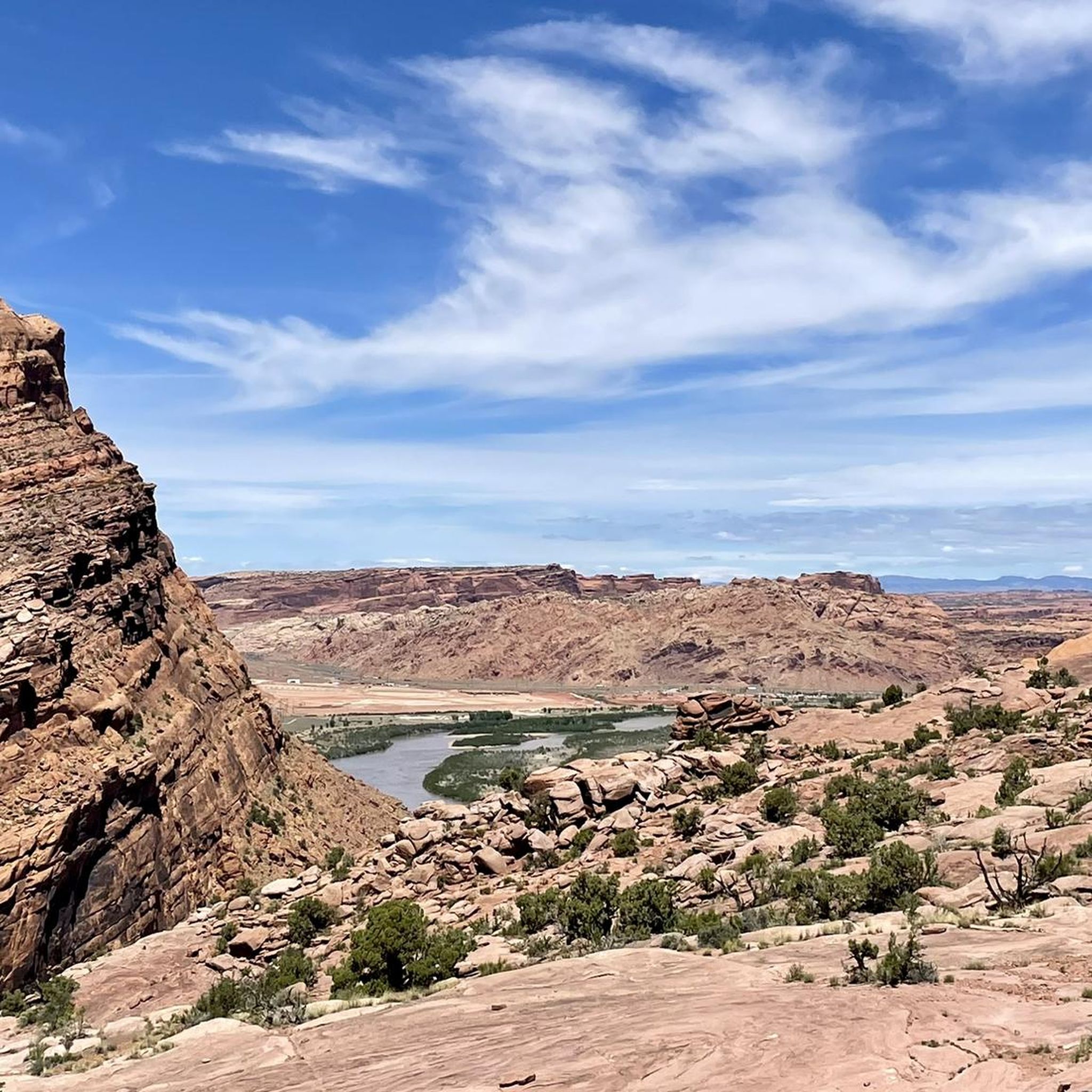
- Visitors also love The Stairmaster, a section of the Moab Rim Trail. This trail gains over 900 feet in the first 1 km, offering views of the Colorado River and the sandstone cliffs over Potash Road.
- Behind The Rocks Wilderness Study Area is known for its canyons, gorges, and viewpoints. The region offers a variety of natural monuments and trails to see and explore.
- The attractions in Behind The Rocks Wilderness Study Area are appreciated by the komoot community, with 6 upvotes and 23 photos shared across the highlights.
Last updated: May 9, 2026
Hidden Valley
Highlight (Segment) • Gorge
Tip by

Pritchett Canyon
Highlight (Segment) • Canyon
Tip by
Sign up now to discover places like this
Get recommendations on the best single tracks, peaks, & plenty of other exciting outdoor places.
Sign up for free
Hidden Valley Trail (steep section)
Highlight (Segment) • Trail
Tip by
The Stairmaster
Highlight (Segment) • Trail
Tip by
Views of the Colorado River
Highlight • Viewpoint
Tip by

Sign up for free to discover even more attractions in Behind The Rocks Wilderness Study Area.
Sign up for free
Already have an account?
Start today with a free account
Your next adventure awaits.
Login or Signup
Popular around Behind The Rocks Wilderness Study Area
Tips from the Community

I think the photo says it all. If you don't want to hike here...
0
0

Although the Pritchett Canyon Trail is perhaps better known as a difficult, popular 4x4, Jeeping route, it is an excellent trail running route and a part of the famous Moab Trail Marathon course! This trail starts at the Kane Creek Trailhead - the lot can fill up so be sure to get there early, which you might want to do anyway to beat the intense desert heat! At the beginning of Pritchett Canyon there is a $1 fee to cross private property. Once on the trail, you will be surrounded by towering sandstone cliffs and towers as you run. As mentioned, this is a very, very popular Jeeping route too, so be aware as you explore this fantastic, long trail.
0
0

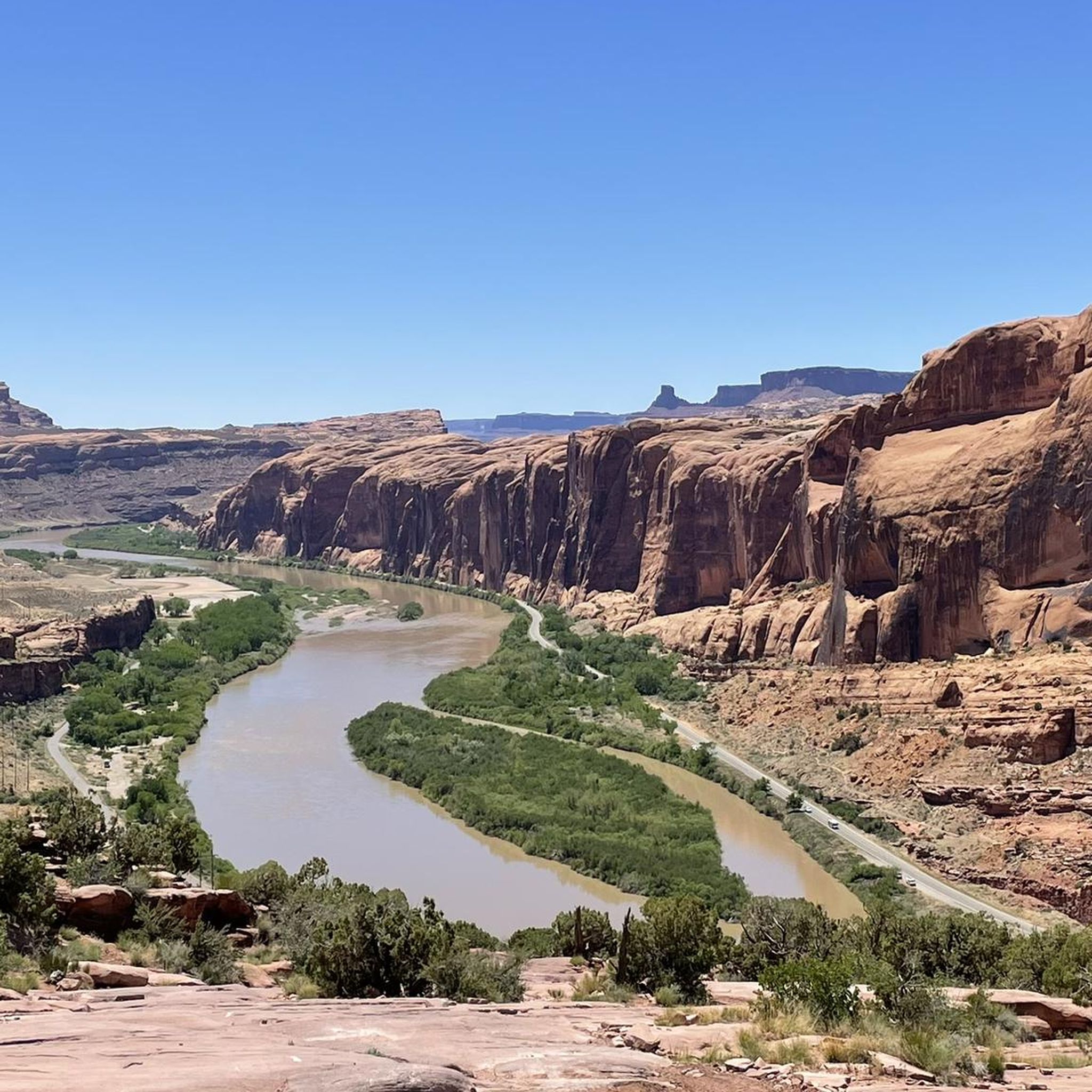
From the 4x4 trail you can see beautiful views on the Colorado River. Do not be afraid to be surprised by the 4x4 as first they are noisy and second it is a very difficult portion for them and they are going very very slowly…
0
0
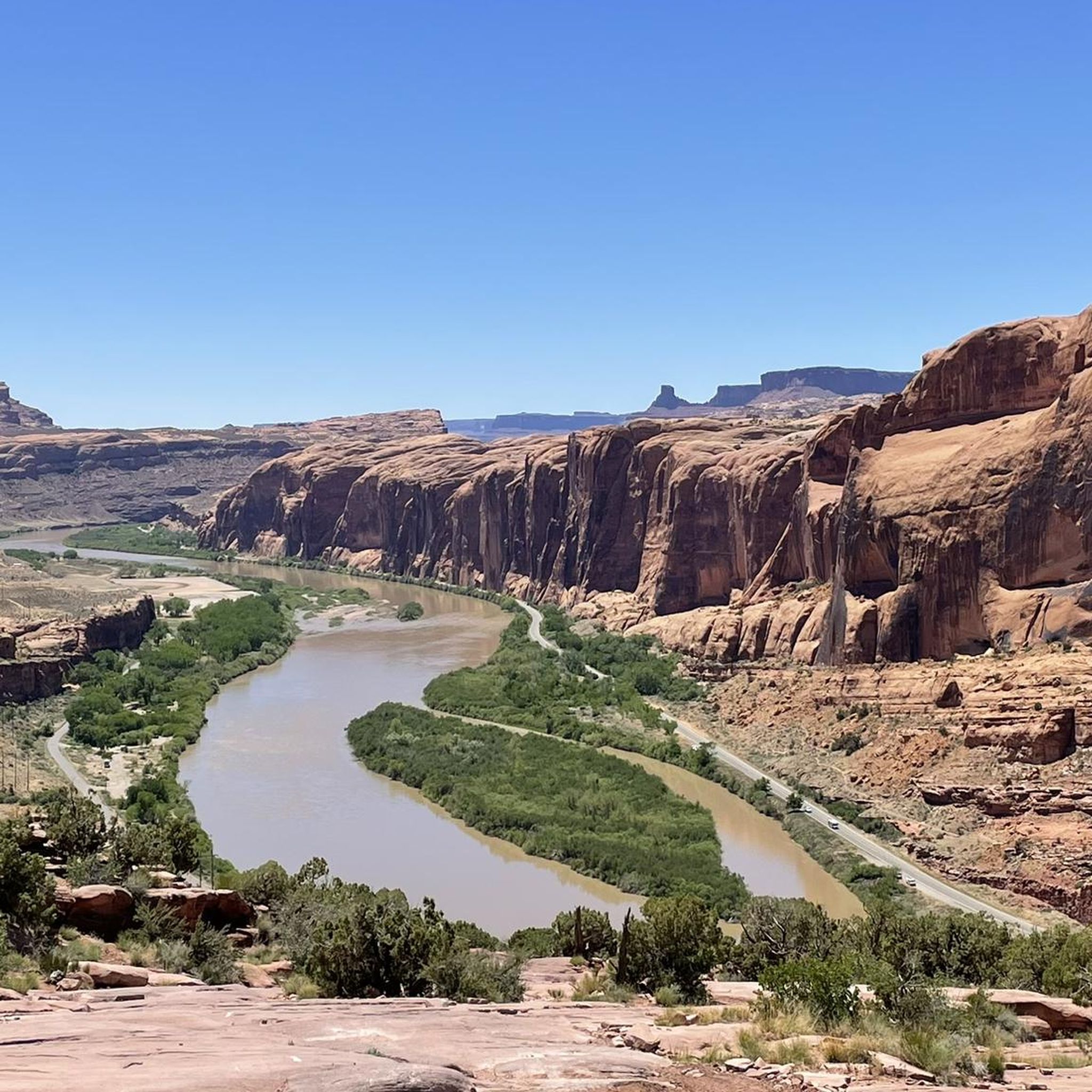
The "Stairmaster" trail (a section of the Moab Rim Trail) gets its name from the fact that you gain over 900 feet in the first mile of hiking! As you climb up the trail you get fantastic views of the Colorado River and the towering sandstone cliffs that loom over Potash Road. This is a great challenging trail that is best done either in the cooler months or with an early start to beat the heat!
1
0
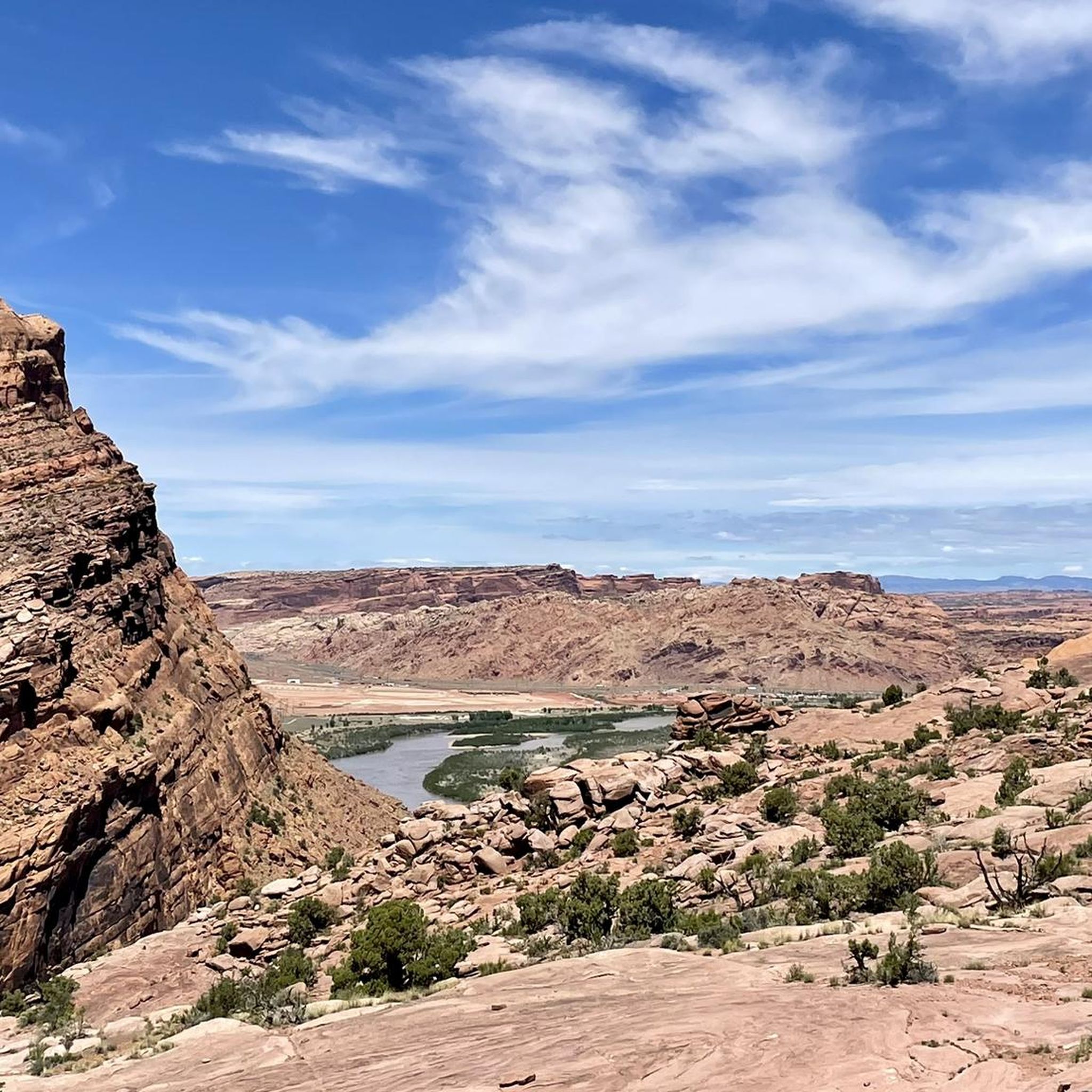
The first half mile or so of the Hidden Valley Trail from the Spanish Valley Trailhead is the toughest. Short switchbacks and sandstone stairs take you up the rocky hillside to the Hidden Valley. Be sure to bring plenty of water and wear sunscreen because this portion of trail has little shade during the day and can be quite hot.
0
0
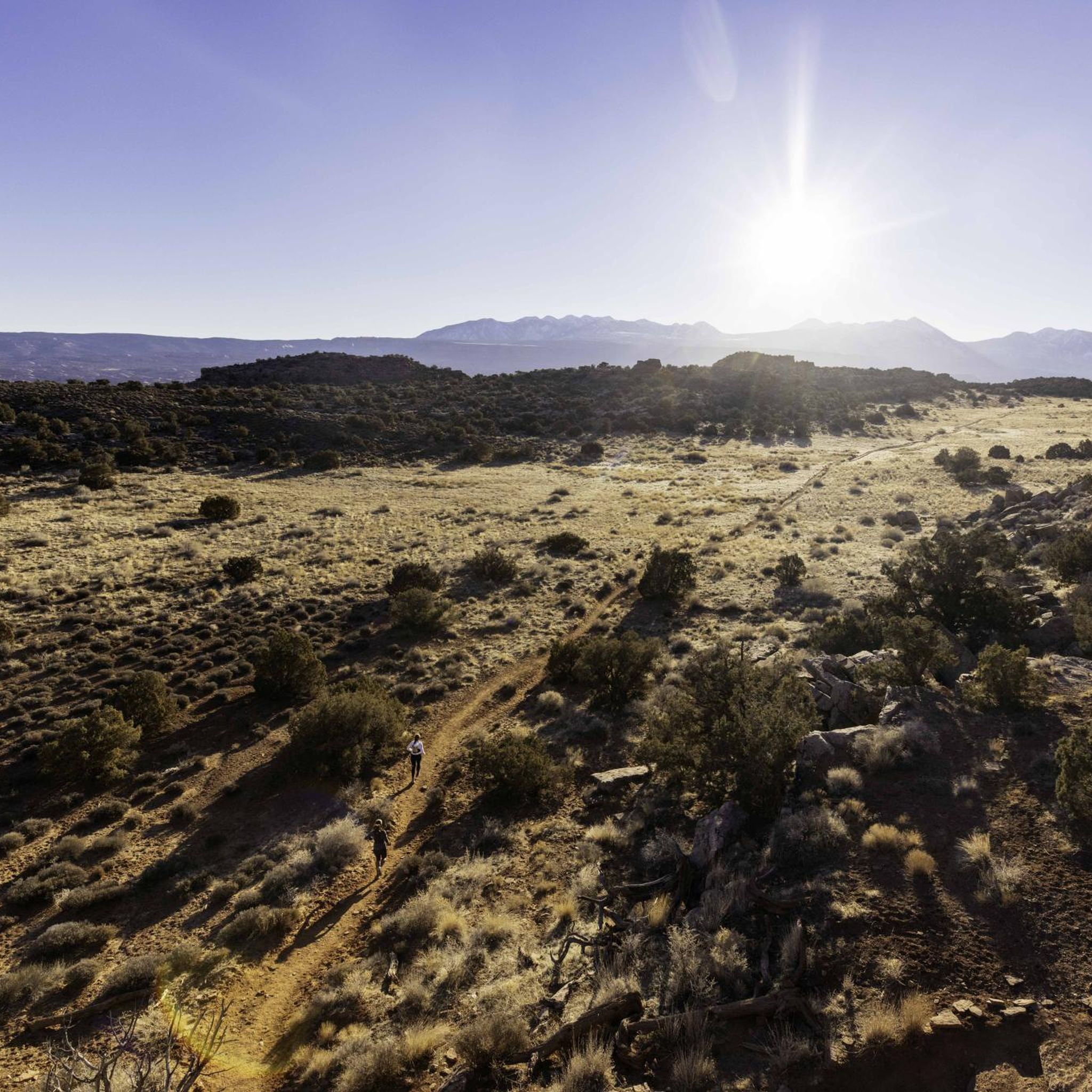
This section of the popular Hidden Valley Trail takes you through the beautiful, wide valley that gives the trail its name. Tucked back in between sandstone cliffs, capped by rounded domes composed of Navajo Sandstone, this peaceful spot feels far further than it actually is from the town of Moab. The flat sandy valley floor is covered in grass and juniper trees and there is an amazing panel of petroglyphs at the base of nearby cliffs to the west.
3
0

Frequently Asked Questions
What unique natural features can I explore in Behind The Rocks Wilderness Study Area?
The area is renowned for its dramatic geological formations, including towering Navajo sandstone domes, sharp fins, and steep cliffs. You can also find a significant concentration of natural arches, such as Pritchett Arch, Otto Arch, Balcony Arch, and Picture Frame Arch. Another notable feature is Hidden Valley, a peaceful, wide valley tucked between sandstone cliffs.
Where can I find impressive viewpoints of the Colorado River or surrounding landscapes?
Various points within the Wilderness Study Area offer stunning vistas. The Stairmaster section of the Moab Rim Trail provides fantastic views of the Colorado River and the towering sandstone cliffs over Potash Road. Other 4x4 trails also offer beautiful views of the river and the dramatic desert landscape, often with the snow-capped La Sal Mountains in the distance.
Are there any natural arches to see in the area?
Yes, Behind The Rocks is home to a significant number of natural arches. Notable named arches include Pritchett Arch, Otto Arch, Balcony Arch, and Picture Frame Arch. Moab Rim Arch and Tukuhnikivista Arch are also present, offering unique formations for exploration and photography.
Can I see any ancient cultural sites or petroglyphs?
Yes, the area features several cultural sites. An amazing panel of petroglyphs can be found at the base of cliffs to the west in Hidden Valley. Additionally, the Hurrah Pass Trail passes Native American petroglyphs, including the notable 'Birthing Rock'.
What kind of wildlife might I encounter in Behind The Rocks Wilderness Study Area?
The area supports a variety of wildlife. You might spot mule deer, coyotes, bobcats, cottontails, and even desert bighorn sheep. The cliff faces provide nesting habitats for raptors such as red-tailed hawks, great horned owls, prairie falcons, and occasionally golden eagles and peregrine falcons.
What are some challenging trails for experienced hikers or 4x4 enthusiasts?
For those seeking a challenge, Pritchett Canyon is well-known as a difficult 4x4 route and is also part of the Moab Trail Marathon course. The Stairmaster, a section of the Moab Rim Trail, is another challenging option, gaining over 900 feet in the first mile with rewarding views.
What outdoor activities are available near these attractions?
Beyond exploring the attractions, the region offers various outdoor activities. You can find numerous cycling routes, including options for touring bicycles and road cycling, such as the 'La Sal Mountains Lookout Point – La Sal Loop Road' or the 'Courthouse Wash – Bridge over the Colorado River' loops. There are also waterfall hikes available, like the 'Mural "The Delicate Arch" – Mill Creek Waterfall loop'. For more details, explore the nearby cycling, waterfall hikes, and road cycling guides.
What is the best time of year to visit Behind The Rocks Wilderness Study Area?
The extreme topography and desert climate mean that the cooler months are generally best for visiting. Early mornings are also recommended during warmer periods to avoid intense heat. Spring and fall offer more moderate temperatures for hiking and exploring.
Do I need permits for hiking or camping in the area?
For general hiking, permits are typically not required. However, for specific activities or areas, it's always best to check. Dispersed camping is available in designated spots along Behind The Rocks Road. For the most up-to-date information on permits and regulations, it is advisable to consult the official Bureau of Land Management website for the area: blm.gov/visit/behind-rocks.
Are there family-friendly hiking options in the Wilderness Study Area?
While many trails can be challenging, areas like the flat, sandy floor of Hidden Valley offer a more gentle experience suitable for families. When planning, consider the length and elevation gain of trails, and always carry plenty of water, especially with children.
Are dogs allowed on trails in Behind The Rocks Wilderness Study Area?
The Wilderness Study Area is generally dog-friendly, but it's crucial to keep dogs on a leash and pack out all waste. Be mindful of the rugged terrain, potential wildlife, and extreme temperatures, especially during summer, which can be dangerous for pets. Always ensure your dog has access to plenty of water.
Where can I find amenities like food or lodging near the area?
The Behind The Rocks Wilderness Study Area is located just south of Moab, Utah. Moab serves as the primary hub for amenities, offering a wide range of accommodation options, restaurants, grocery stores, and outdoor gear shops. It's the closest town to stock up on supplies before heading into the wilderness.
Most popular routes in Behind The Rocks Wilderness Study Area

Get inspired with the komoot mobile app


Explore more
Still not found the Highlight you’re looking for? See guides of the top attractions in other regions:
