The best running trails in Bears Ears National Monument
4.5
(3)
212
runners
18
runs
Jogging in Bears Ears National Monument offers routes through a landscape characterized by dramatic canyons, towering mesas, and ancient natural bridges. The region's terrain features varied elevations, from desert floors to rim trails, providing diverse running experiences. Runners can explore paths that wind through unique rock formations and along the edges of deep gorges.
Best jogging routes in Bears Ears National Monument
- The most popular jogging route is Sipapu Bridge – View of Owachomo Bridge loop from Natural Bridges National…
Last updated: May 12, 2026
6
runners
Hard run. Good fitness required. Sure-footedness, sturdy shoes and alpine experience required.
4
runners
Hard run. Good fitness required. Sure-footedness, sturdy shoes and alpine experience required.

Sign up for free
5.0
(2)
33
runners
9.11km
01:15
310m
300m
Prepare for a challenging jogging experience on the East and West Rim Trail Loop, where you'll navigate a difficult 5.7-mile (9.1 km) route. This trail demands a significant effort, with…
5
runners
4.88km
00:36
100m
100m
Moderate run. Good fitness required. Mostly paved surfaces. Suitable for all skill levels.
7
runners
15.9km
02:03
320m
320m
Hard run. Very good fitness required. Mostly paved surfaces. Suitable for all skill levels.
Get access to more routes and recommendations from other explorers.
Sign up for free
Already have an account?
Our route recommendations are based on thousands of hikes, rides, and runs completed by other people on komoot.
Start today with a free account
Your next adventure awaits.
Login or Signup
Popular around Bears Ears National Monument

Tips from the Community

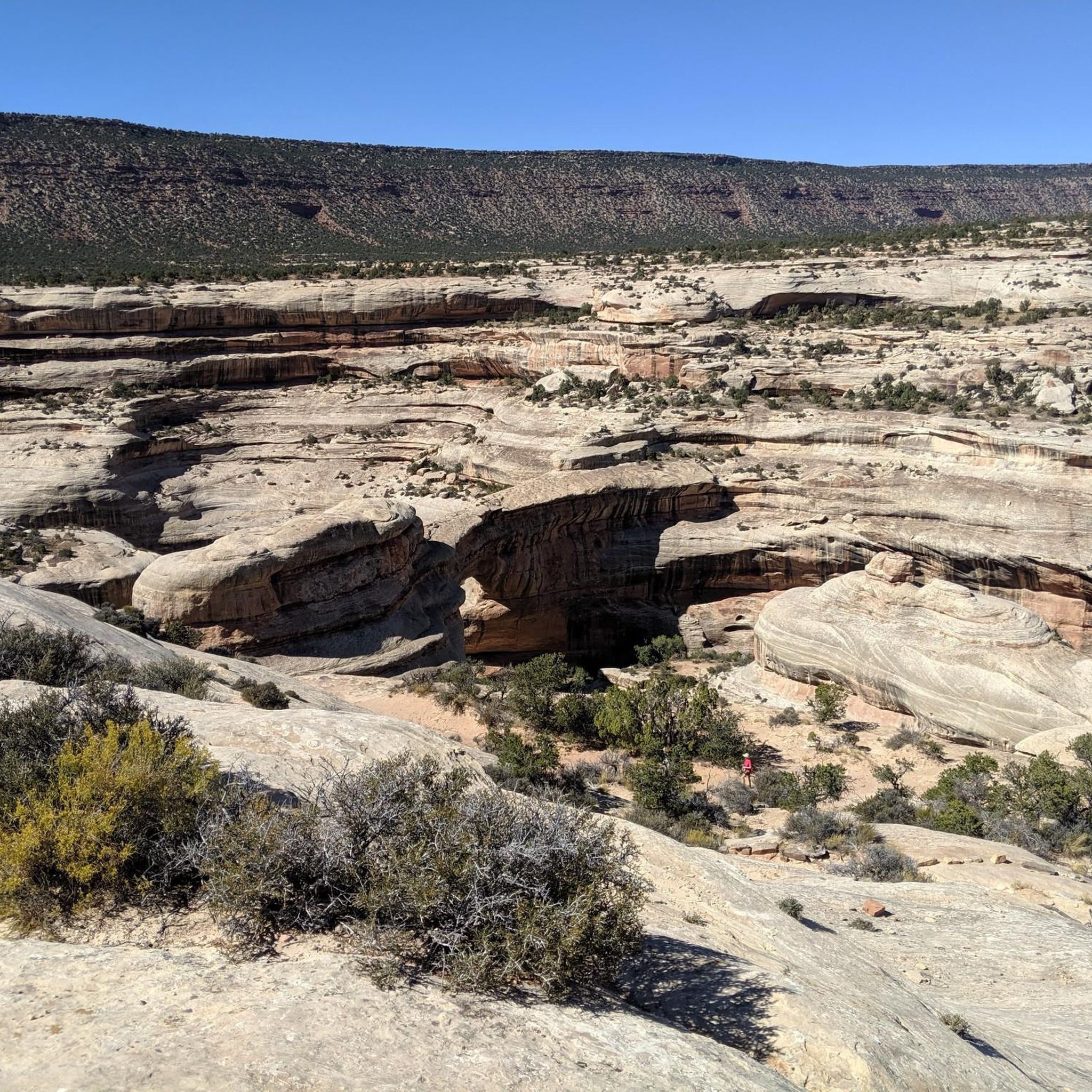
The narrow rock bridge stands out little from its surroundings in terms of shape and color, making it not immediately recognizable from the vantage point.
1
0

Dead Horse Point State Park sits 2,000 feet above the Colorado River and offers amazing red rock canyon views. Though the park is relatively small, some highlights include the iconic Dead Horse Point Overlook, the East and West Rim Trails, scenic stops like Basin and Meander Overlooks, and a campground for overnight stays.
1
0

Lovely walk in the afternoon sun, plenty of shade and great underfoot.
1
0

The Meander Overlook gets its name from the fact that you get an amazing view of a horseshoe bend in the Colorado River, 2,000-feet below. This majestic spot is the perfect place to take photographs of this unique geological feature.
0
0
Owachomo Bridge is likely the oldest natural bridge in the park. This delicate bridge was named for the large rock mound on its left side; Owachomo is a Hopi word for “rock mound.”
1
0
The iconic Dead Horse Point offers stunning panoramic views of the Colorado River and Canyonlands National Park. This overlook is situated on the rim of the mesa with a sheer, 2,000-foot drop down into the canyon below. Although there is a rock and cement wall, please use caution by the edge. The name supposedly comes from the 19th century when cowboys used it as a natural corral, where horses often died of exposure. There are picnic tables and a large parking area behind the overlook where you can eat lunch and enjoy the majestic vista.
0
0
The Rim Overlook is down another slightly longer spur trail off of the West Rim Trail. From here you get phenomenal views of the surrounding mesa and buttes, but cannot see the Colorado River as well from here. Regardless, this is still a stunning spot and worth the short detour, especially if you are a photographer.
0
0
This overlook is down a spur trail off of the West-Rim Trail. This amazing overlook gives you views between a wide notch into Shafer Canyon thousands of feet below you. You can see the green Colorado River, which contrasts with the red and orange stone above.
0
0
Frequently Asked Questions
How many running routes are available in Bears Ears National Monument?
There are 18 dedicated running routes in Bears Ears National Monument documented on komoot, offering a variety of experiences through its unique landscape.
Are there any easy jogging trails suitable for beginners in Bears Ears National Monument?
The running routes in Bears Ears National Monument are generally quite challenging. Currently, there are no routes classified as easy; most are rated as difficult or moderate, often featuring significant elevation changes and rugged terrain.
What are some challenging long-distance running trails in Bears Ears National Monument?
For experienced runners seeking a challenge, the Spring Lake loop from Needles District Viewpoint is a demanding 28.4 km (17.6 miles) route with substantial elevation gain. Another option is the Confluence Overlook loop from Needles District, which spans 15.9 km (9.9 miles) and is also rated difficult.
Are there any loop running trails in Bears Ears National Monument?
Yes, many routes in the monument are loops, allowing you to start and end at the same point. Examples include the Spring Lake loop from Needles District Viewpoint and the Confluence Overlook loop from Needles District, both offering extensive circular paths.
What kind of scenic viewpoints can I expect along the running routes?
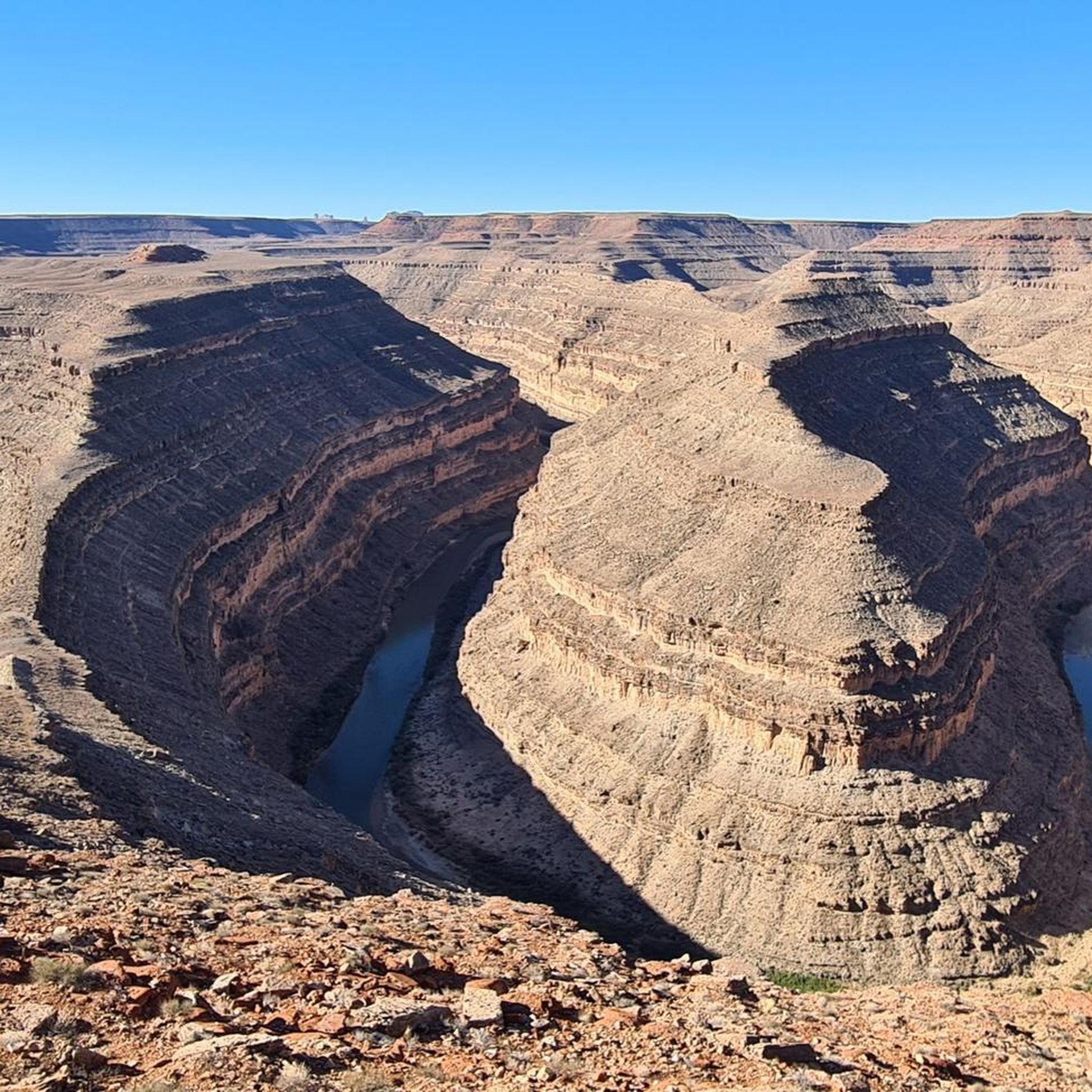
Bears Ears National Monument offers breathtaking vistas. Along many routes, you can find viewpoints overlooking dramatic canyons, expansive desert landscapes, and unique rock formations. Notable viewpoints include Goosenecks State Park Viewpoint and Needles Overlook, which provide stunning panoramic views.
What historical sites or landmarks can I see while running in Bears Ears National Monument?
The monument is rich in cultural history. Runners can encounter ancient Puebloan cliff dwellings and rock art. For example, the House on Fire / Mule Canyon offers a glimpse into ancestral Puebloan architecture, and Newspaper Rock Petroglyphs features a large panel of ancient rock carvings.
What is the best time of year to go running in Bears Ears National Monument?
Spring and fall generally offer the most pleasant running conditions with milder temperatures. Summers can be very hot, especially in lower elevations, making early morning or late evening runs preferable. Winters can bring cold temperatures and occasional snow, particularly at higher elevations, requiring appropriate gear.
What should I wear for jogging in Bears Ears National Monument during the summer?
During summer, it's crucial to wear lightweight, breathable clothing, a wide-brimmed hat, and sunglasses to protect against intense sun exposure. Hydration is paramount, so carry plenty of water or a hydration pack. Sunscreen is also highly recommended.
What do other runners enjoy most about jogging in Bears Ears National Monument?
The komoot community rates the routes in Bears Ears National Monument highly, with an average score of 4.5 stars. Runners often praise the unique geological features, the sense of solitude, and the opportunity to explore ancient cultural sites amidst stunning natural beauty.
Is it possible to spot wildlife while running in Bears Ears National Monument?
Yes, Bears Ears National Monument is home to diverse wildlife. While running, you might spot mule deer, bighorn sheep, various bird species, and smaller desert animals. Early mornings and late evenings are often the best times for wildlife viewing.
Are there any specific considerations for parking when accessing running trails?
Parking availability varies by trailhead. Many popular trailheads have designated parking areas, but it's always advisable to check specific route details or park information before you go, especially for less-trafficked areas. Arriving early can help secure a spot during peak seasons.
Most popular routes in Bears Ears National Monument
Most popular attractions in Bears Ears National Monument

Get inspired with the komoot mobile app


Explore more
Browse the best Running Trails & Routes in other regions.
