Vermilion Cliffs National Monument
Vermilion Cliffs National Monument
Attractions and Places To See in Vermilion Cliffs National Monument - Top 9
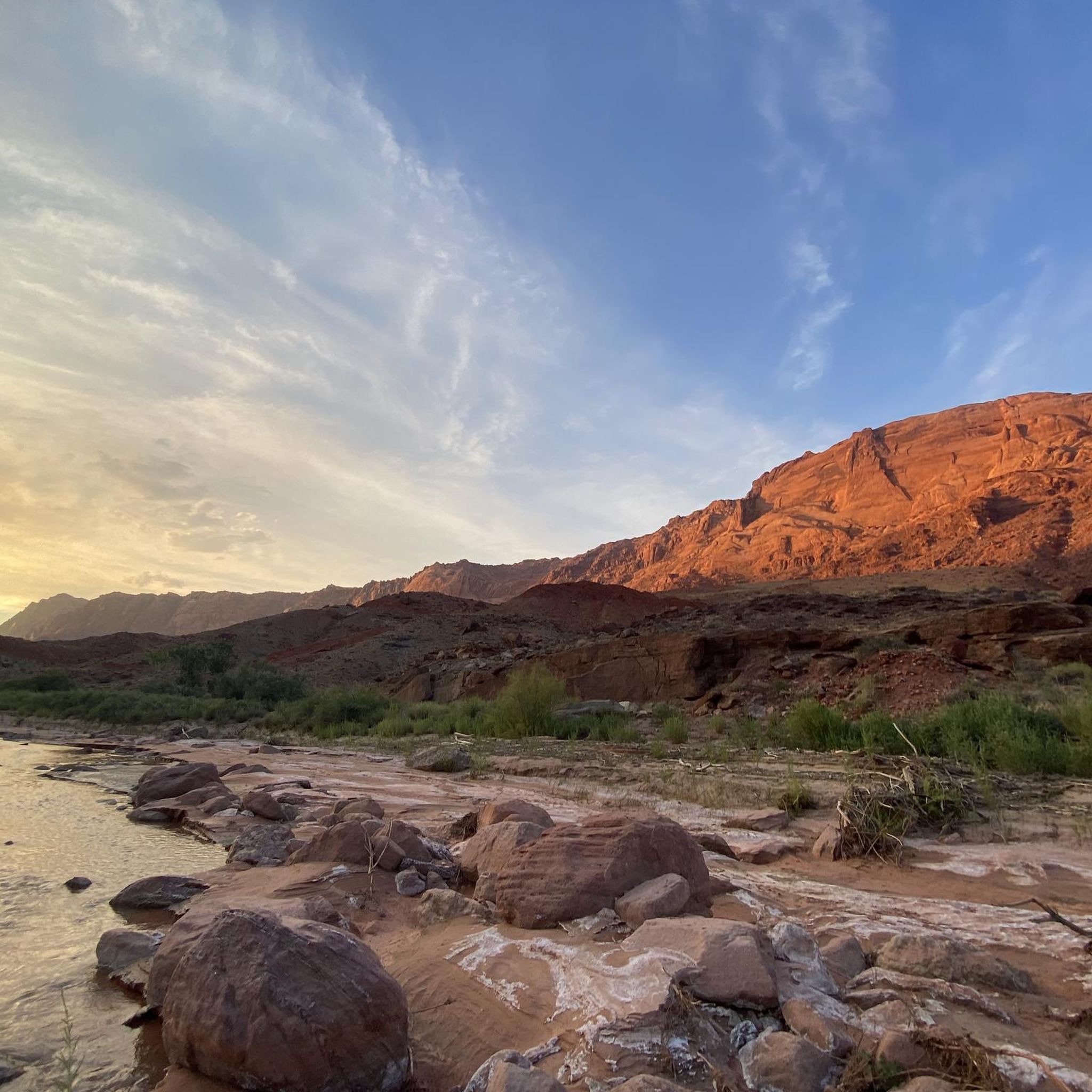
Best attractions and places to see in Vermilion Cliffs National Monument include a 280,000-acre expanse in northern Arizona. This remote landscape features towering red cliffs, winding slot canyons, and unique sandstone formations. The monument is a geological marvel, offering diverse natural features and cultural sites. It provides opportunities for exploring its rugged terrain and rich history.
Best attractions and places to see in Vermilion Cliffs National Monument
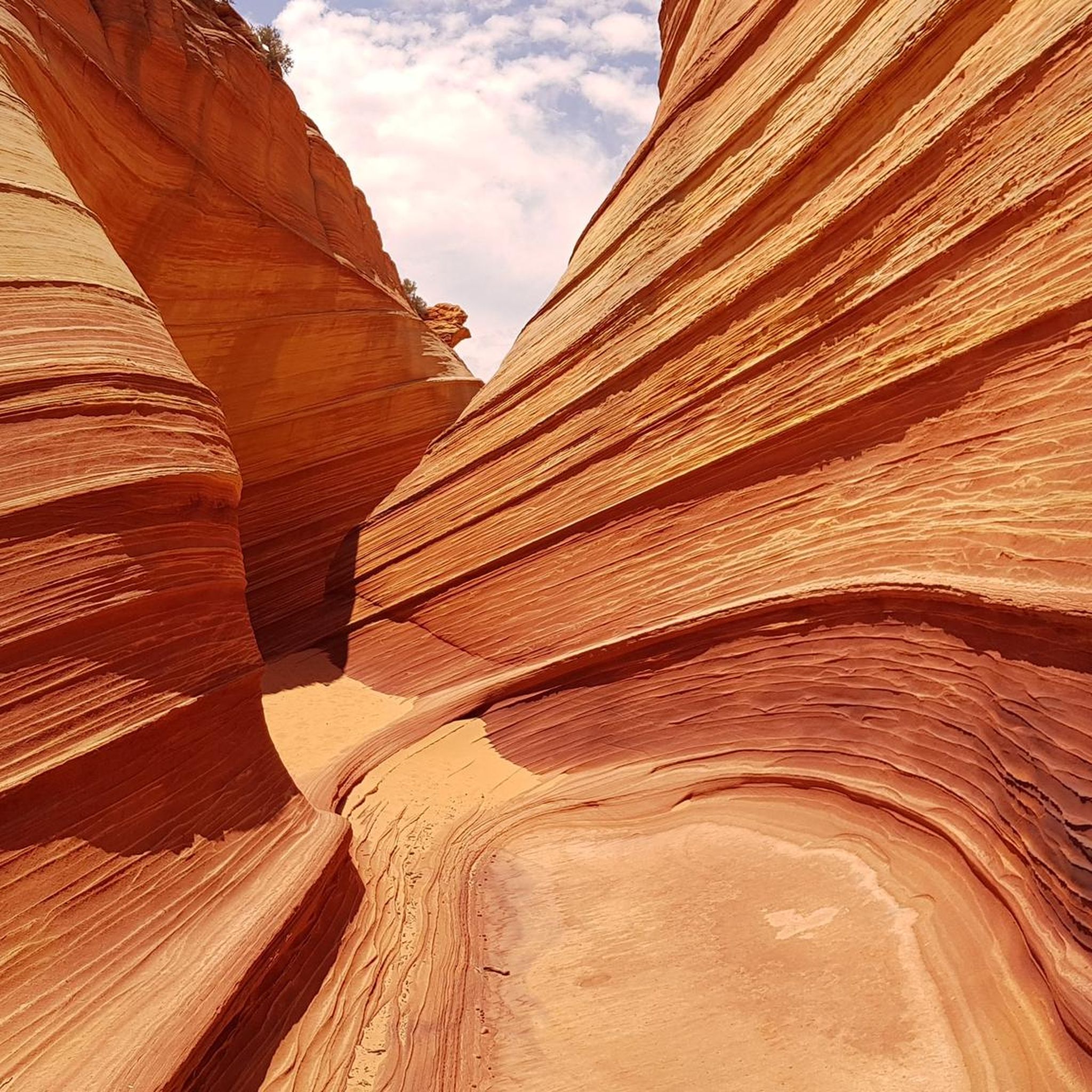
- The most popular attractions is The Wave, a natural monument that is a famous stunning sandstone formation in the middle of Coyote Buttes. Access is strictly limited to protect the area, requiring a permit obtained through a lottery system.
- Another must-see spot is Coyote Buttes South (Brain Rocks), a natural monument featuring colorful and unique rock formations. Petroglyphs can be seen around the area, and access requires a permit and a 4x4 vehicle.
- Visitors also love The Swirl, a natural monument known for its unique shape and layers of color. This rock formation offers a feast for the eyes with its vibrant hues and distinct patterns.
- Vermilion Cliffs National Monument is known for its towering red cliffs, winding slot canyons, and unique sandstone formations. The area offers a variety of attractions for hikers, photographers, and nature enthusiasts to explore.
- The attractions in Vermilion Cliffs National Monument are appreciated by the komoot community, with 22 upvotes and 13 photos shared.
Last updated: July 19, 2026
The Wave
Highlight • Natural Monument
If you did not get a permit, there is still a chance to get one on short notice since a number of walk-in permits are available every day. Therefore you have to be at the Grand Staircase Escalante National Monument Visitors Center one day before you want to go to The Wave as early as possible. The Visitors Center opens at 8 a.m., lottery is done at 9 a.m.
Tip by

White Pocket Trailhead
Highlight • Trail
Tip by

Sign up now to discover places like this
Get recommendations on the best single tracks, peaks, & plenty of other exciting outdoor places.
Sign up for free
Coyote Buttes South (Brain Rocks)
Highlight • Natural Monument
Tip by
The Swirl
Highlight • Natural Monument
Tip by
Cow Path
Highlight (Segment) • Natural Monument
Tip by
Sign up for free to discover even more attractions in Vermilion Cliffs National Monument.
Sign up for free
Already have an account?
Start today with a free account
Your next adventure awaits.
Login or Signup
Popular around Vermilion Cliffs National Monument
Tips from the Community


be aware, my phone was constantly jumping from one time zone to another, so it was difficult to have a right time if you hike with friends and split at some point
0
0
Permit Area, difficult access, 4 wheels high clearance needed. We played lottery to be able to win the access permit. The BLM Office gave us a detailed description of the access. We took a House Rock Valley Road (BLM 1065) and then Red Pocket Road till Cottonwood Cove Access Point. We couldn't drive fast, so it took un about 2h30 by 4X4 to get at the Trailhead. FUN Fact: the coyote buttes are situated very close to the border between UTAH and ARIZONA. The mobile phone was constantly jumping from UTAH timezone to Arizona Time zone + 1h -1h. so if you hike with friends and give an appointment be aware of the timezone!
0
0

This trailhead is a little more off the beaten path but leads to some amazing up close views of stunning rock formations without the crowds. The road leading to the trailhead is very rugged so make sure you do your research on road conditions and have a 4x4 vehicle with enough clearance to get here as it is far from the main road and somewhat isolated. There is a short path leading up the "trail" from here but it quickly blends into the surrounding rocks and leads to a freeform exploration of some very cool formations.
0
0
These are some more amazing rock formations on the south end of the National Monument. These Brain Rock formations are colorful and there are plenty of petroglyphs to be seen around as well.
0
0
Frequently Asked Questions
What permits are required to visit popular attractions in Vermilion Cliffs National Monument?
Access to highly sought-after areas like The Wave (Coyote Buttes North) and Coyote Buttes South (Brain Rocks) is strictly limited and requires a permit obtained through a lottery system. Day-use permits are also required for Buckskin Gulch, and competitive permits are needed for overnight trips in Paria Canyon. It's crucial to plan ahead due to the limited availability of these permits.
What kind of vehicle do I need to explore Vermilion Cliffs National Monument?
Many areas within the monument are remote and feature unpaved roads with deep sand. A high-clearance, four-wheel-drive (4x4) vehicle is often necessary to access attractions like White Pocket and Coyote Buttes South (Brain Rocks). Always research road conditions before your visit.
Are there any less crowded alternatives to The Wave with similar geological formations?
Yes, White Pocket is an excellent alternative. It offers equally stunning and colorful swirling sandstone patterns without the stringent permit requirements of The Wave. While remote and generally requiring a 4x4 vehicle to access, it provides a unique and less crowded experience. You can start your exploration from the White Pocket Trailhead.
What are the notable slot canyons in Vermilion Cliffs National Monument?
The monument is home to several incredible slot canyons within the Paria Canyon-Vermilion Cliffs Wilderness. These include Buckskin Gulch, one of the longest slot canyons in the world, and Paria Canyon, a popular backpacking destination with towering sandstone walls. The Paria River Trail follows the perennial Paria River through the canyon.
What historical and cultural sites can be found in the area?
Vermilion Cliffs National Monument is rich in history. You can find rock art and village remnants from the prehistoric Ancestral Puebloan (Anasazi) culture, with many petroglyphs believed to be among the oldest in the United States. The area also holds significance for Mormon pioneer history, with remnants of homesteads and the historic 'Honeymoon Trail'.
Can I see California condors in Vermilion Cliffs National Monument?
Yes, the monument is a critical site for the reintroduction of the endangered California condor. An interpretive viewing area along House Rock Valley Road provides an excellent opportunity to see these magnificent birds in their natural habitat.
What are some easy hiking options for beginners in Vermilion Cliffs National Monument?
While many trails can be challenging, there are some easier options. For instance, the White Pocket Trail is rated as easy. You can find more easy hikes in the region by exploring the Easy hikes in Vermilion Cliffs National Monument guide, which includes routes like Cathedral Wash Trail.
What outdoor activities can I do near the attractions in Vermilion Cliffs National Monument?
Beyond exploring the unique geological formations, the monument offers excellent opportunities for hiking and running. You can find various routes, from moderate to difficult, including the Sunset Butte and Cottonwood Teepees Loop for hiking, or the Wire Pass Trailhead – Wire Pass Slot Canyon loop for running. Explore more options in the Hiking in Vermilion Cliffs National Monument and Running Trails in Vermilion Cliffs National Monument guides.
What should I pack for a visit to Vermilion Cliffs National Monument?
Given the remote and rugged nature of the monument, it's essential to be prepared. Always carry extra water, food, and a spare tire, as services are limited. For hiking, well-ventilated trail runners with gusseted tongues and gaiters are recommended, especially for trails like the Paria River Trail where you might wade through water. A GPS with a route or a map and compass is also highly advisable.
Is Vermilion Cliffs National Monument a good place for stargazing?
Absolutely. Due to its remoteness and clear desert skies, Vermilion Cliffs National Monument is an excellent destination for stargazing. The area experiences zero light pollution, offering breathtaking views of the night sky.
What are some of the most visually striking natural features to see?
Beyond The Wave, the monument's namesake Vermilion Cliffs are towering red escarpments rising up to 3,000 feet, showcasing richly colored rock strata. White Pocket and Coyote Buttes South (Brain Rocks) feature unique, colorful, and swirling sandstone formations. Marble Canyon and Navajo Bridge also offer dramatic views of the Colorado River.
What is the best time to visit Vermilion Cliffs National Monument?
The monument can be visited year-round, but spring and fall generally offer the most pleasant temperatures for hiking and exploration. Summers can be extremely hot, and winters can bring cold temperatures, though snow is less common. Always check weather conditions before your visit.
Most popular routes in Vermilion Cliffs National Monument
Most popular attractions in Vermilion Cliffs National Monument

Get inspired with the komoot mobile app


Explore more
Still not found the Highlight you’re looking for? See guides of the top attractions in other regions:
