The best walks and hikes in Agua Fria National Monument
4.3
(7)
24
hikers
12
hikes
Hiking in Agua Fria National Monument features an expansive semi-desert grassland across two prominent mesas, Black Mesa and Perry Mesa, cut by deep canyons. The terrain is generally rough and rocky, with elevations ranging from 2,000 to 4,000 feet. The Agua Fria River flows through the monument, supporting lush riparian ecosystems that contrast with the surrounding desert landscape. This area is also rich in prehistoric archaeological sites, including ancient pueblos and petroglyphs.
Best hiking trails in Agua Fria National Monument
…Last updated: September 28, 2026
38.8km
10:54
1,030m
390m
Hard hike. Very good fitness required. Easily-accessible paths. Suitable for all skill levels.
3.56km
00:56
30m
30m
Easy hike. Great for any fitness level. Easily-accessible paths. Suitable for all skill levels.

34.7km
09:33
500m
700m
Hard hike. Very good fitness required. Easily-accessible paths. Suitable for all skill levels.
54.0km
14:59
940m
1,030m
Hard hike. Very good fitness required. Easily-accessible paths. Suitable for all skill levels.
16.9km
04:47
460m
180m
Moderate hike. Good fitness required. Easily-accessible paths. Suitable for all skill levels.
Get access to more routes and recommendations from other explorers.
Already have an account?
Our route recommendations are based on thousands of hikes, rides, and runs completed by other people on komoot.
Start today with a free account
Your next adventure awaits.
Popular around Agua Fria National Monument
Tips from the Community

The Black Canyon trail segments Hidden Treasure, American Gulch, and Bumble Bee, when hiked or traveled Southbound descend into the Sonoran Desert from the more arrid desert North of it in the highcountry. Many beautiful cacti can be found here, which makes it appear much lusher than people often imagine desert to be. 🏜 The Encyclopaedia Britannica describes it as follows: "The Sonoran Desert has a subtropical climate and receives 3 to 15 inches (75 to 380 mm) of rain per year. Most of it falls during the monsoon season (July–September), when strong, brief thunderstorms bring heavy rain. Lighter winter rainfall occurs in December and January. Frosts are rare. The hottest and driest part of the desert is near the lower Colorado River, where summer temperatures can reach more than 120 °F (49 °C) and rainfall is less than three inches." https://www.britannica.com/place/Sonoran-Desert
0
0

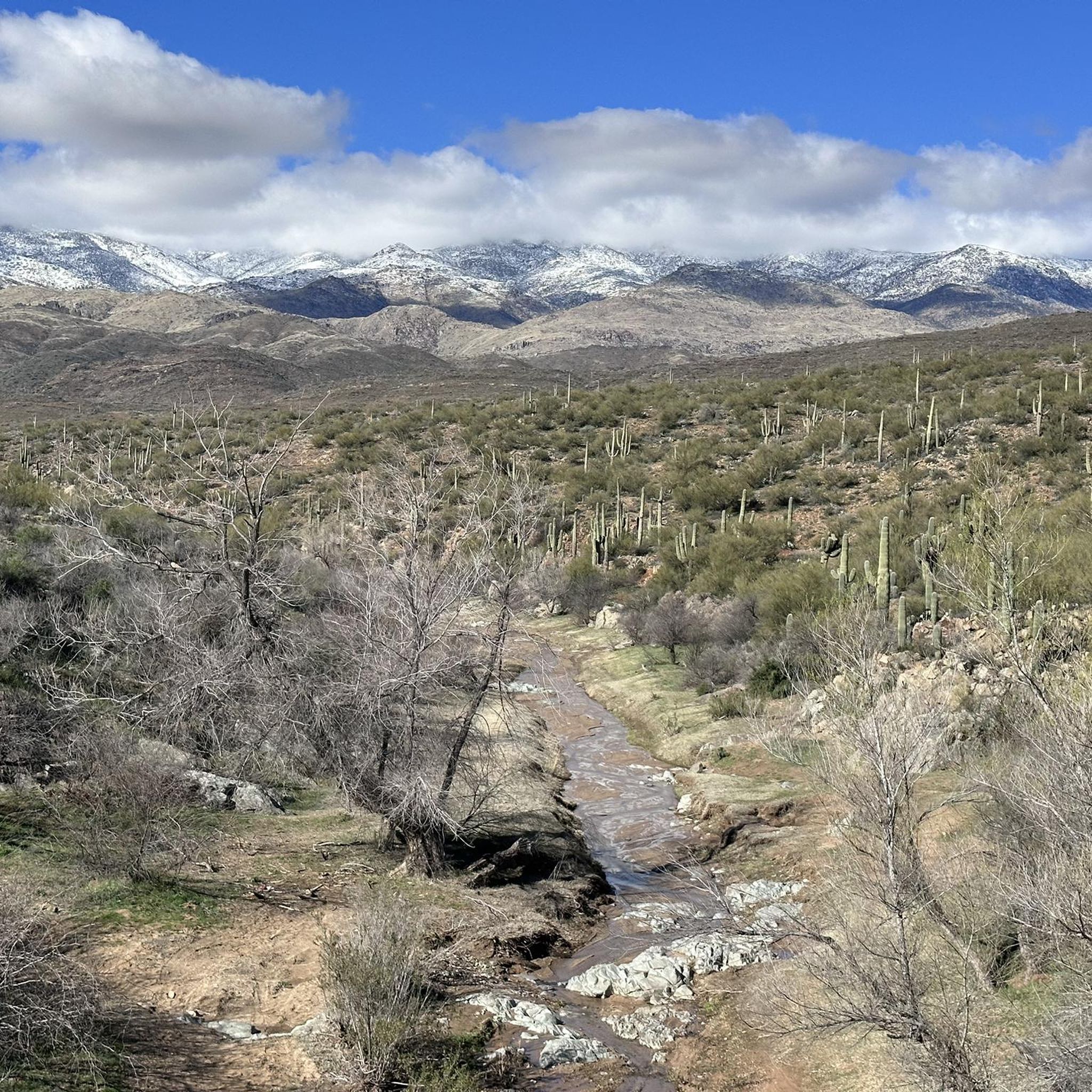
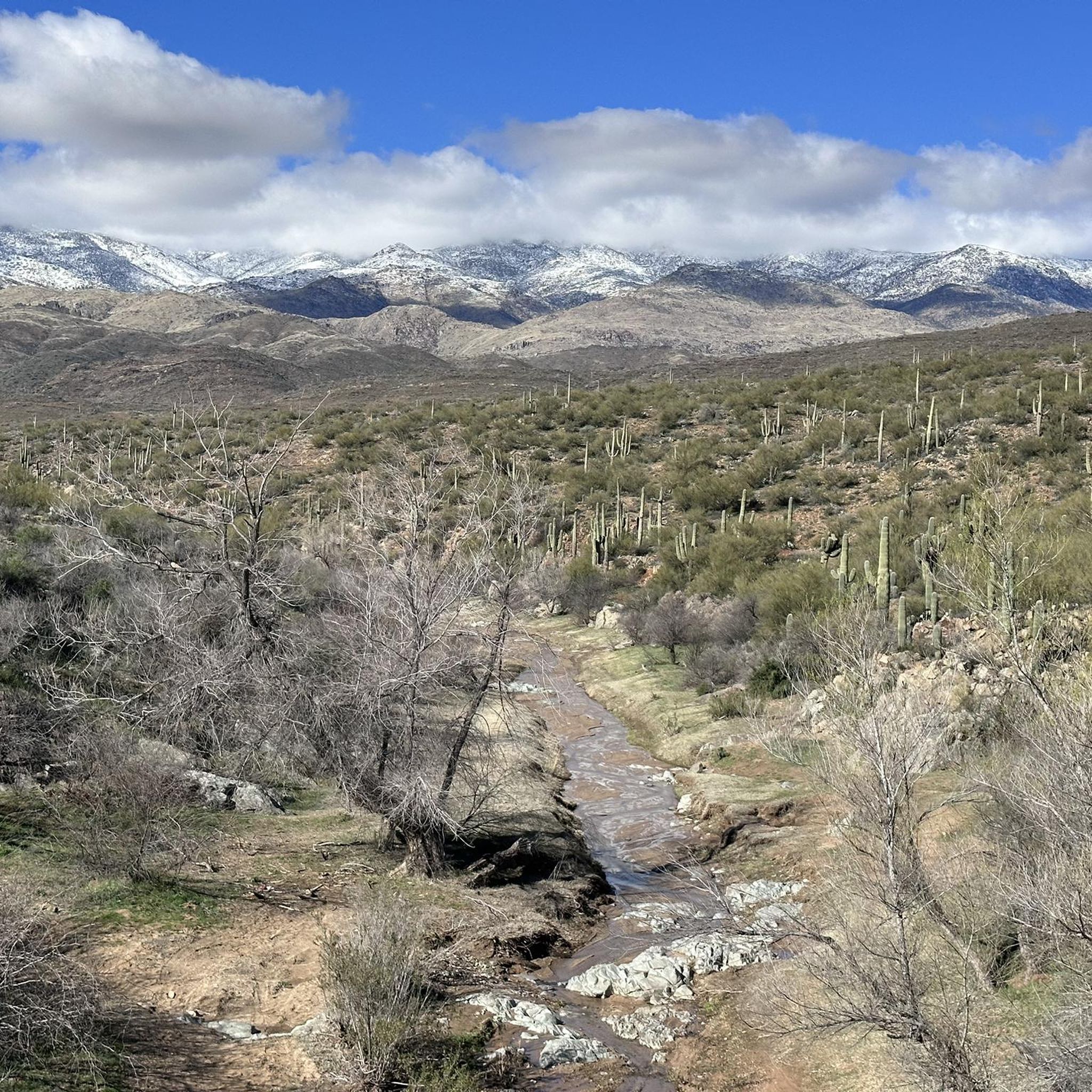
The water level of this creek is dependent on the time of year. Like a lot of the water crossings along the Black Canyon Trail, there are a bunch of shade trees down next to the water that serve as a great resting spot if you're in need.
0
0

You come down off the hills and come to a gorgeous water crossing. The river had to be 50 yards wide. During the rain and snow melt season the river has to be flowing pretty good. Great place to stop, have a snack, and soak in the views.
0
0
Frequently Asked Questions
How many hiking trails are available in Agua Fria National Monument?
Agua Fria National Monument offers a variety of hiking experiences. Our collection features 11 routes, including 4 easy, 1 moderate, and 6 difficult trails, catering to different skill levels and preferences.
What is the typical terrain like for hiking in Agua Fria National Monument?
The monument's terrain is generally rough and rocky, characterized by expansive semi-desert grasslands across Black Mesa and Perry Mesa, cut by deep canyons. Elevations range from 2,000 to 4,000 feet. Along the Agua Fria River and its tributaries, you'll find lush riparian ecosystems, offering a stark contrast to the surrounding desert.
What natural features or historical sites can I see while hiking?
Agua Fria National Monument is rich in both natural beauty and history. You can explore over 450 prehistoric archaeological sites, including large stone masonry pueblos and numerous petroglyphs depicting animals and geometric figures. The Agua Fria River itself, with its riparian areas, is a significant natural feature. A notable informal trail, the Badger Springs Trail, leads to the Agua Fria River, where you can view cultural sites and wildlife, especially at the confluence of Badger Springs Wash and the river.
When is the best time to hike in Agua Fria National Monument?
The monument is accessible year-round, but spring and fall generally offer the most pleasant hiking conditions with milder temperatures. The Agua Fria River flows through early spring, providing opportunities to wade in larger pools. During summer, be prepared for high desert temperatures and carry plenty of water. Winter hiking is also possible, offering cooler weather and a different perspective on the landscape.
Are there any family-friendly hiking options in Agua Fria National Monument?
While many trails are rugged, there are easier options suitable for families. For instance, the Richinbar Mine and Pueblo Trail is an easy route that allows for exploration of historical sites. The informal Badger Springs Trail is also a popular choice for a more accessible experience, winding through a cool desert wetland.
Are dogs allowed on trails in Agua Fria National Monument?
Yes, dogs are generally permitted in Agua Fria National Monument. However, it is crucial to keep them on a leash to protect wildlife and archaeological sites, and to ensure their safety on the rugged terrain. Always carry enough water for both yourself and your dog, especially during warmer months.
What kind of wildlife might I encounter during a hike?
The monument's diverse habitats support a rich array of wildlife. You might spot mammals such as coyotes, bobcats, antelope, mule deer, and javelina. Birdwatchers will appreciate the significant avian population, including eagles and other raptors, as the Agua Fria River is an Important Bird Area. Reptiles like rattlesnakes, Gila monsters, and leopard frogs are also present.
Are there any loop hikes available in the monument?
Yes, for those looking for a circular route, the Turkey Creek and Bumble Bee Road OHV Loop offers a challenging and extensive loop experience, allowing you to explore a significant portion of the monument's diverse landscapes.
What do other hikers enjoy most about hiking in Agua Fria National Monument?
The area is highly rated by the komoot community, with an average score of 4.3 stars. Reviewers often praise the monument's remote and undeveloped nature, offering solitude and an authentic outdoor experience. The unique combination of diverse landscapes, significant historical attractions, and rich natural features, particularly the ancient archaeological sites and the lush riparian areas along the Agua Fria River, are frequently highlighted as major draws.
What should I be aware of regarding parking and access?
Agua Fria National Monument is remote and largely undeveloped, meaning formal parking facilities are limited. Access often involves unpaved roads, and a high-clearance vehicle may be advisable for some areas. Always check current road conditions before heading out. For more detailed information on visiting, you can consult the Bureau of Land Management's official page.
Are there any challenging long-distance trails?
For experienced hikers seeking a challenge, the monument offers several demanding routes. The Crown King OHV Trail is a difficult, long-distance option with significant elevation changes, providing an extensive journey through the rugged landscape. Another challenging route is the Black Canyon Trail: Bumble Bee to Rock Springs, which also covers a substantial distance.
Most popular routes in Agua Fria National Monument

Get inspired with the komoot mobile app


Explore more
Browse the best Hikes in other regions.
