The best running trails in Dorset AONB
4.3
(166)
10,564
runners
754
runs
Jogging in Dorset AONB offers diverse terrain across a protected landscape covering nearly 43% of the county. The region features dramatic coastlines, including the UNESCO World Heritage Jurassic Coast, alongside rolling chalk hills and ancient woodlands. Runners can explore varied environments from cliff-top paths with significant elevation gains to more gentle routes through valleys and heathlands. This area provides an extensive network of trails suitable for various running preferences and fitness levels.
Best jogging routes in Dorset AONB
- The most…
Last updated: May 10, 2026
5.0
(2)
193
runners
23.5km
02:48
450m
450m
Hard run. Very good fitness required. Mostly accessible paths. Some sure footedness required.
4.4
(7)
94
runners
16.0km
01:56
360m
360m
Hard run. Very good fitness required. Mostly accessible paths. Some sure footedness required.

Sign up for free
4.3
(4)
85
runners
16.1km
01:55
340m
350m
Hard run. Very good fitness required. Mostly accessible paths. Some sure footedness required.
3.0
(1)
89
runners
8.75km
01:05
160m
160m
Moderate run. Good fitness required. Mostly accessible paths. Some sure footedness required.
5.0
(2)
61
runners
Moderate run. Good fitness required. Mostly accessible paths. Some sure footedness required.
Get access to more routes and recommendations from other explorers.
Sign up for free
Already have an account?
Our route recommendations are based on thousands of hikes, rides, and runs completed by other people on komoot.
Start today with a free account
Your next adventure awaits.
Login or Signup
Popular around Dorset AONB
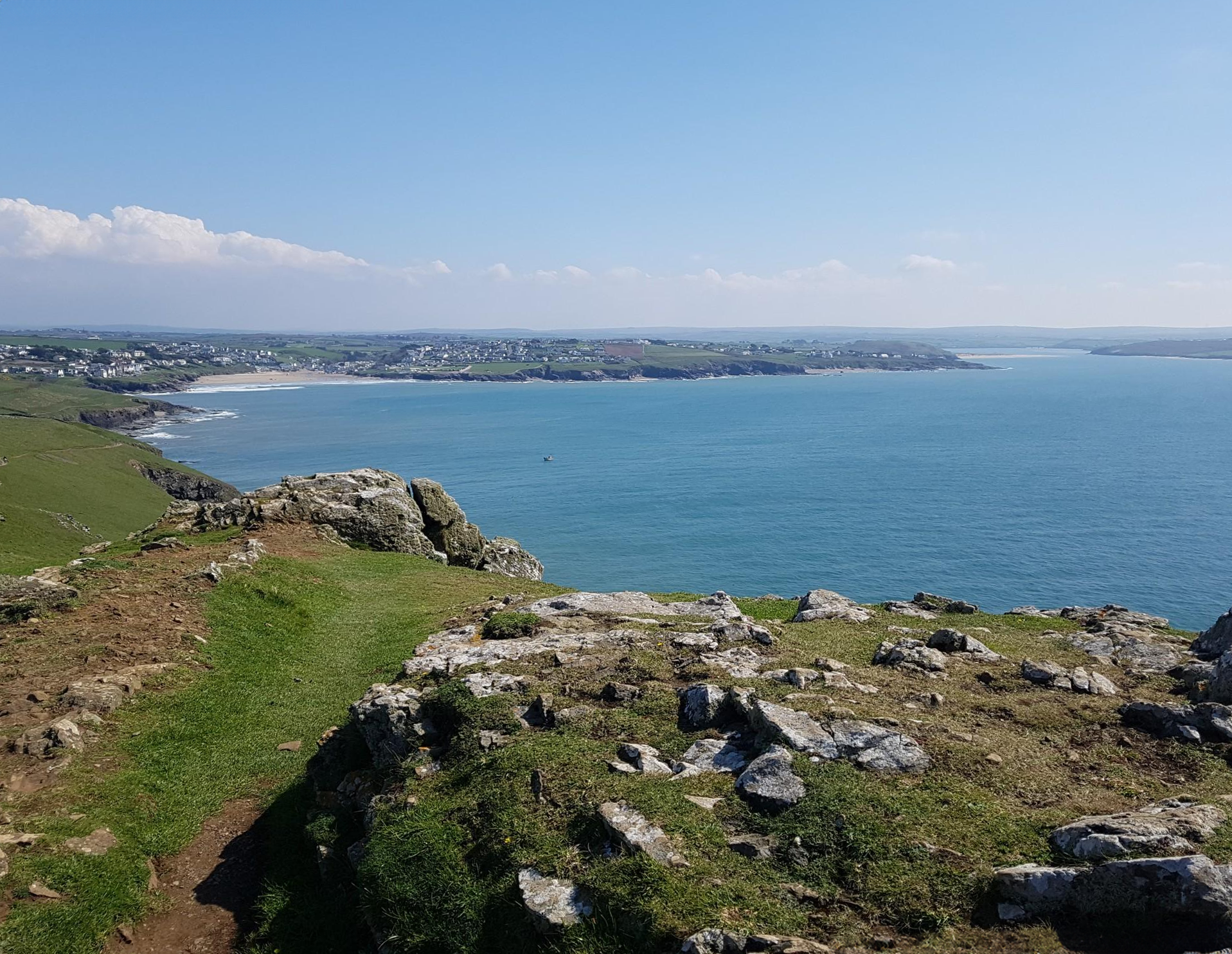
Trust10 – Trail Runs. In nature, for nature.
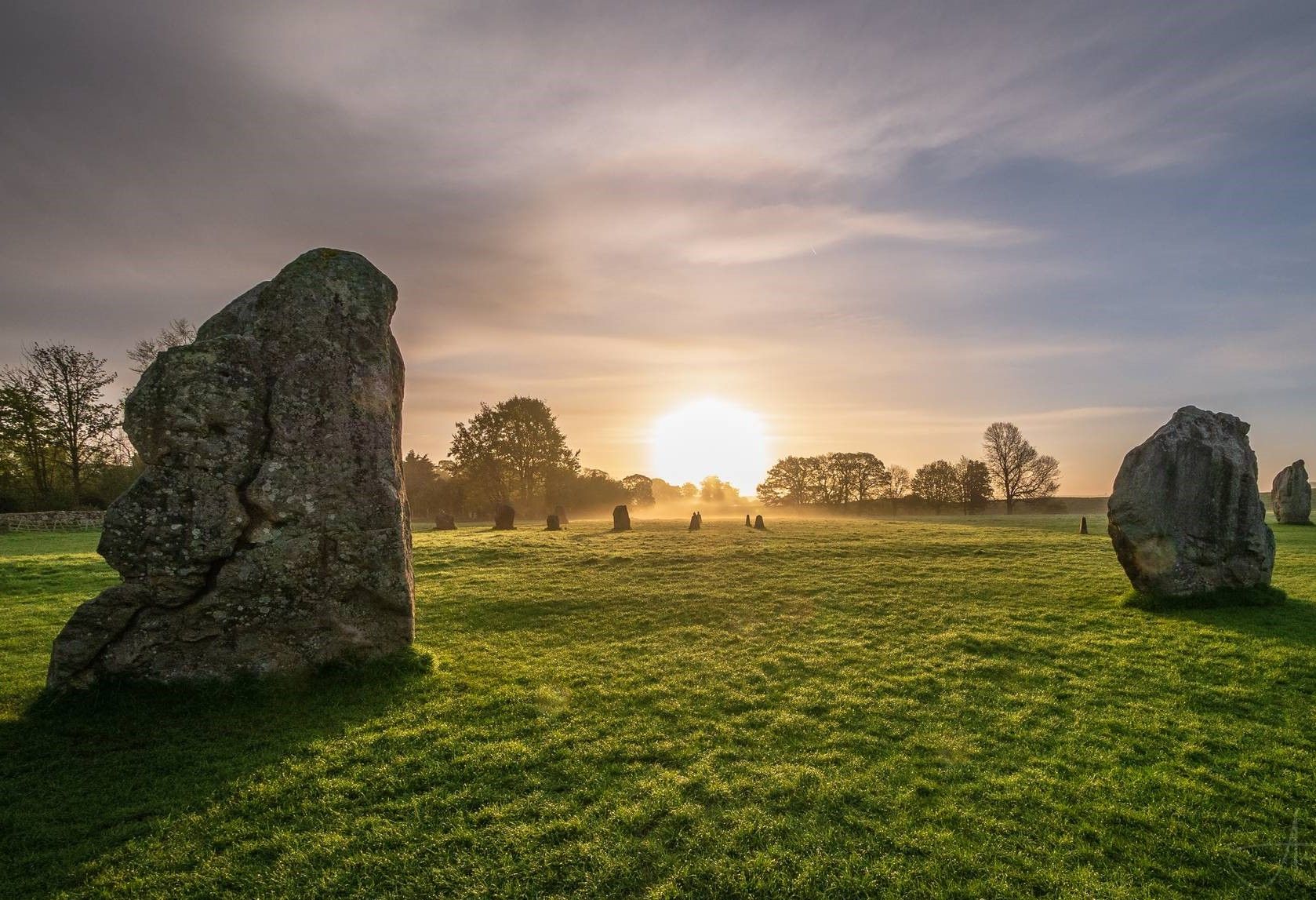
Celtic Way — An epic pilgrimage through prehistory and wild beauty
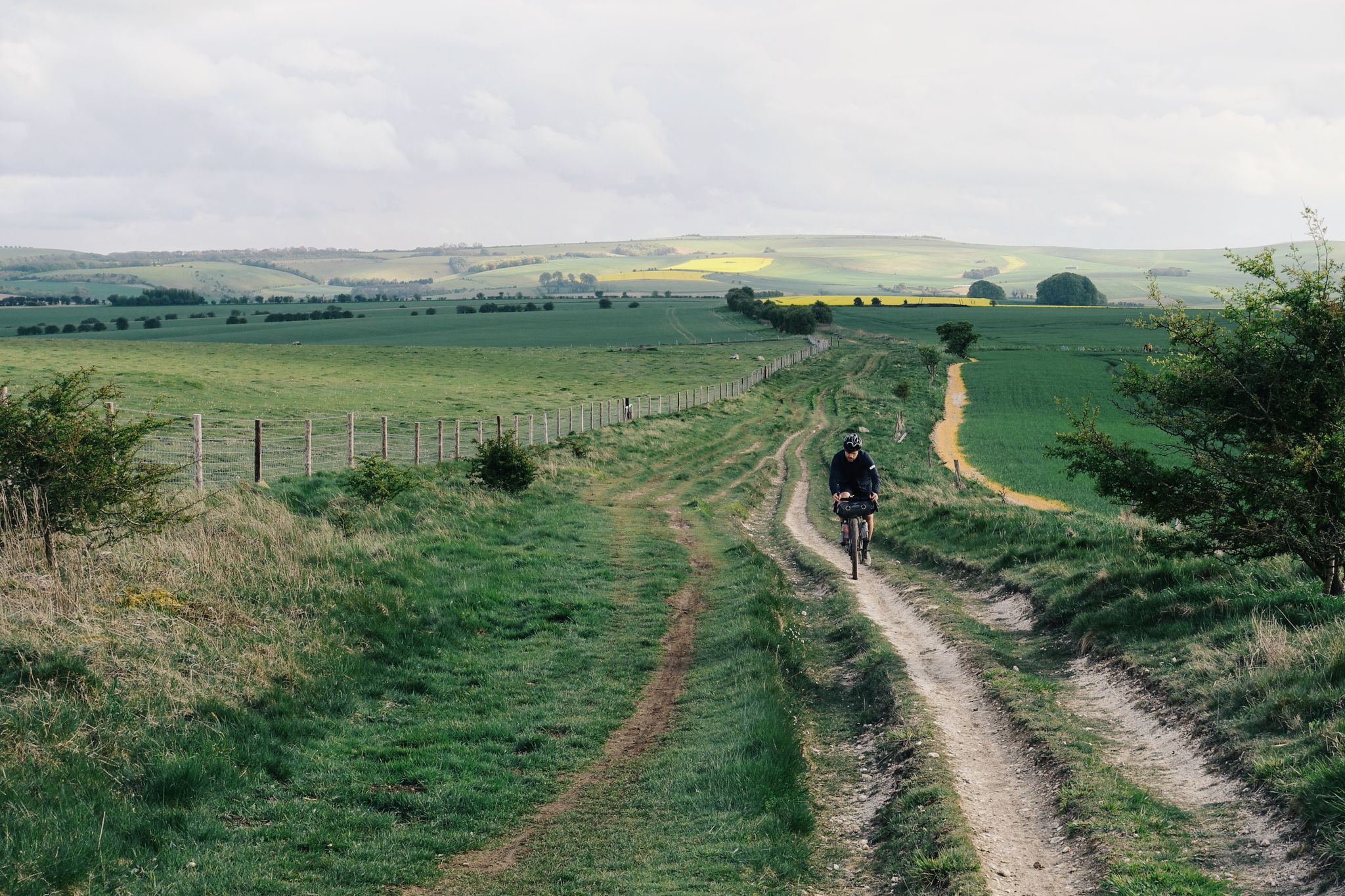
The Old Chalk Way
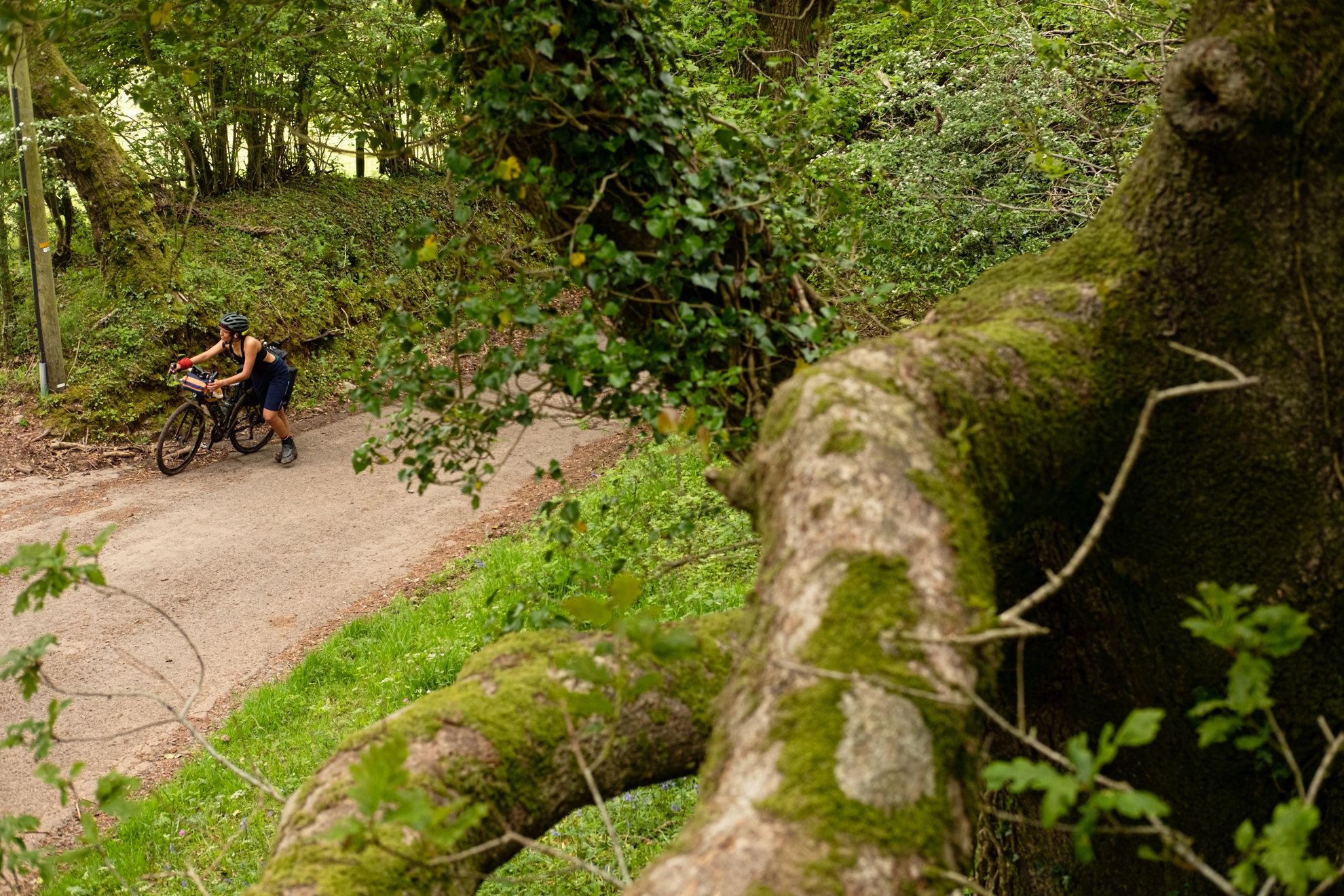
Just Around The Corner — exploring the best of the South West by bike
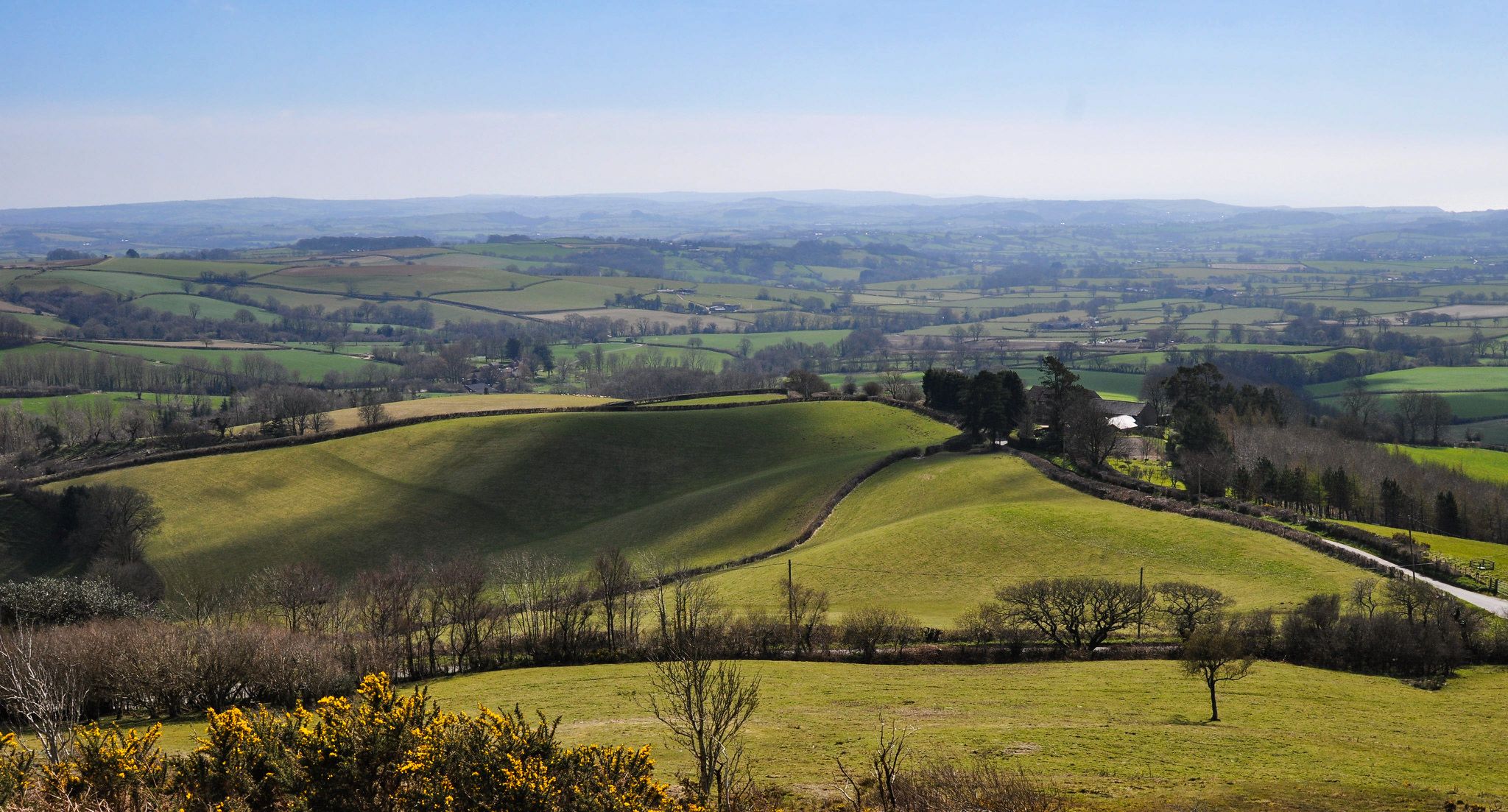
Hiking the Orange Way — Southern England in the footsteps of a king

Cycle the Greater Ridgeway Trail — English Channel to North Sea

Wessex Ridgeway — An ancient and beautiful ridge hike
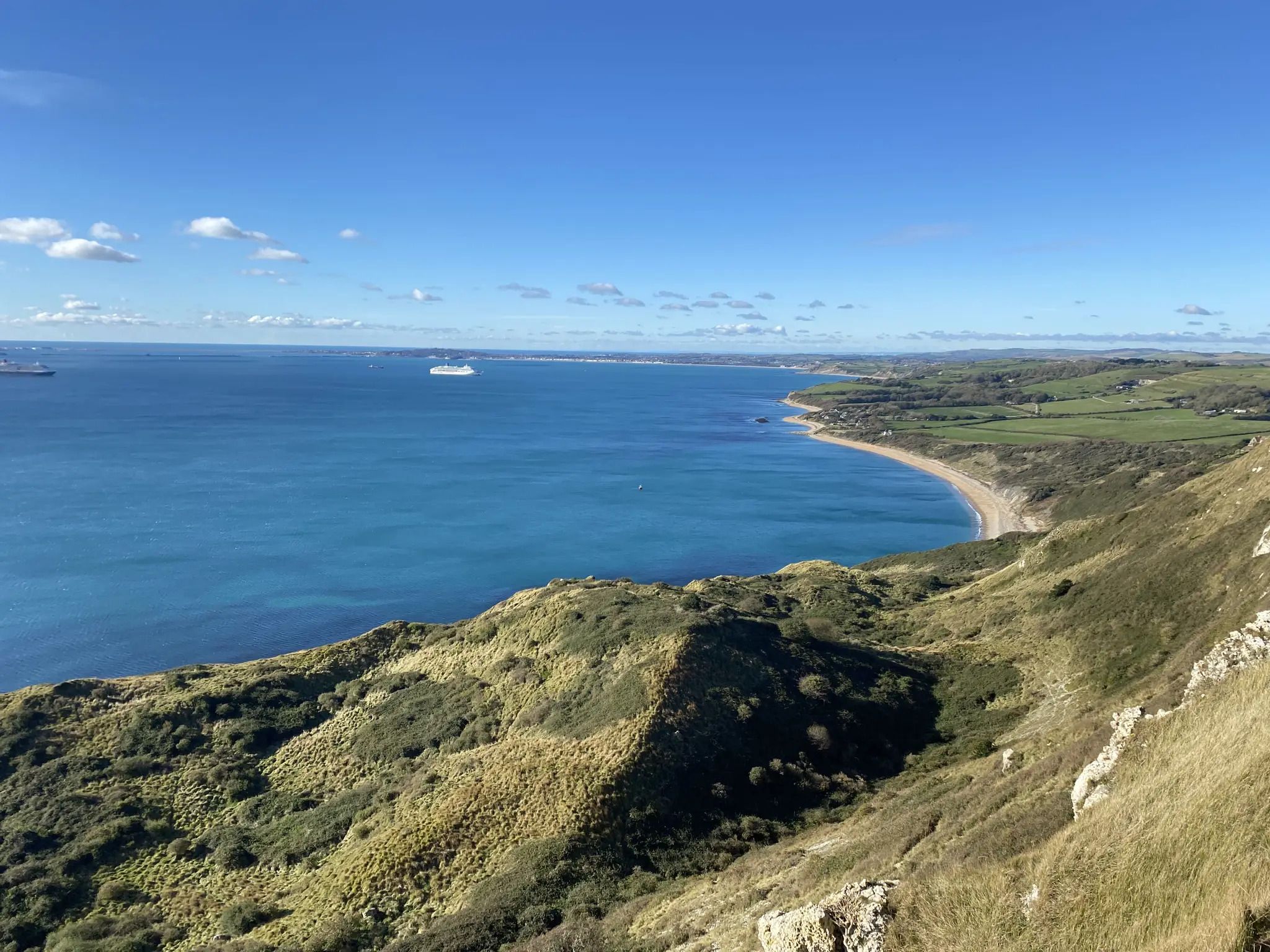
Jurassic Coast – Long Distance Walking in the South of England
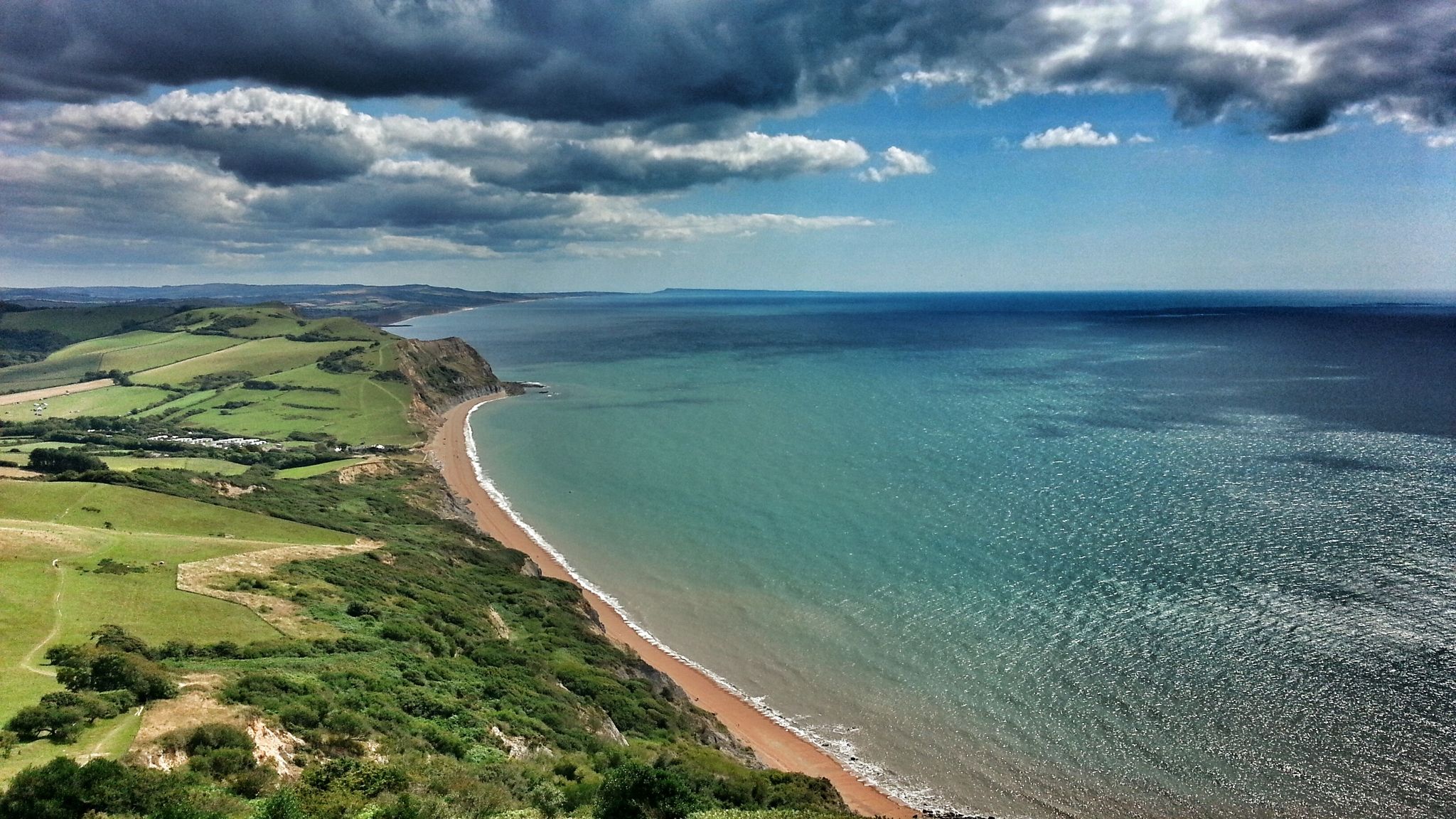
Monarch's Way: Part 3 — Conquer the longest inland trail in England
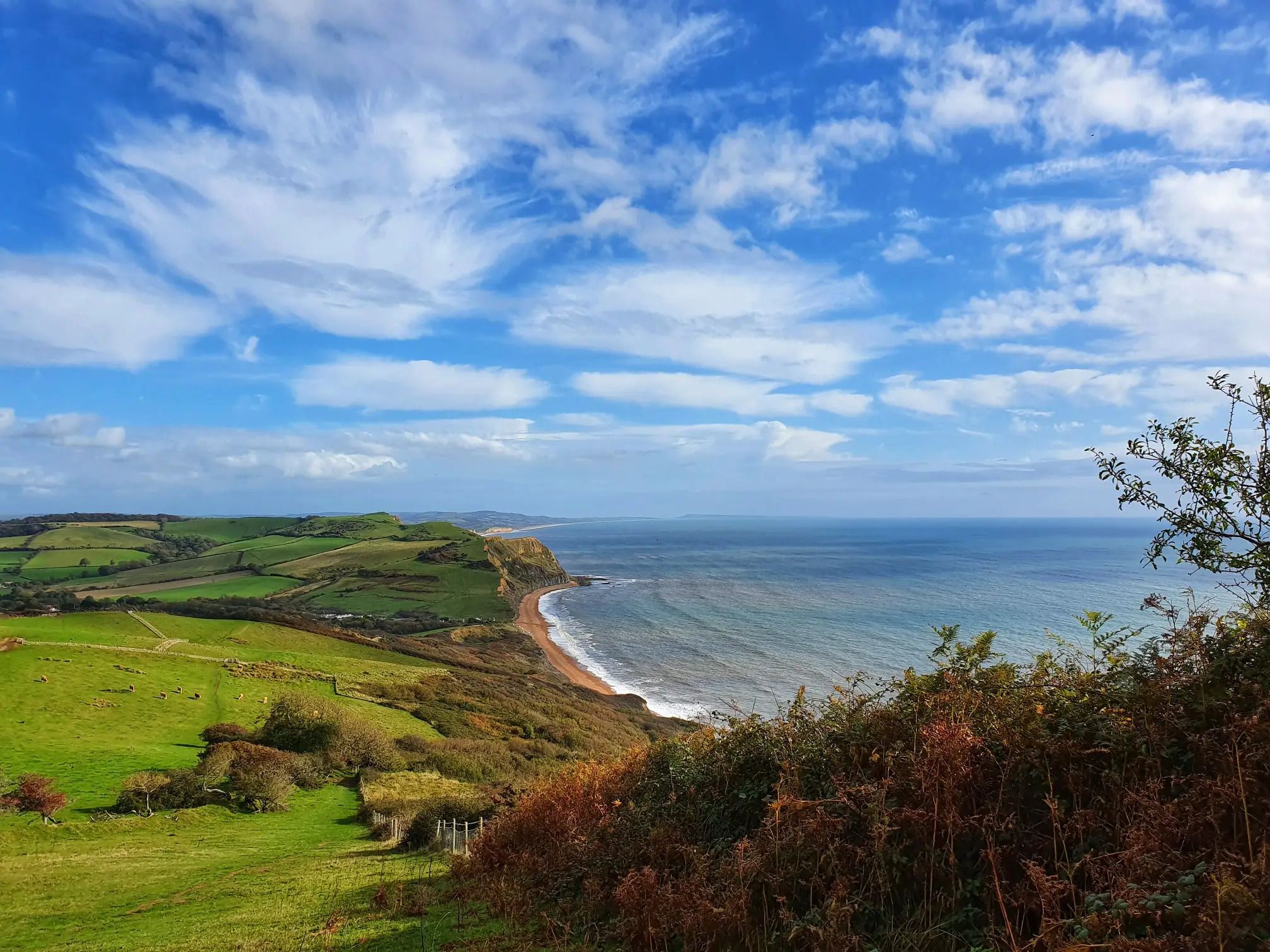
Monarch's Way: Part 2 — Conquer the longest inland trail in England
Other adventures in Dorset AONB


Tips from the Community

The Experience Today Standing next to it today, you realize it’s more than just a pillar; it’s a monument to the connection between London and the Dorset coast. It’s a bit of a "geographic hug"—on one side you have the sweep of Swanage Bay, and on the other, the massive expanse of Poole Harbour. It’s the perfect place to lean against the cold stone, catch your breath, and realise you’re touching a piece of 19th-century London history that just happened to find a better view in Dorset.
0
0
The "Why" Behind the Hill Burt didn't just put it there because it looked nice. He dedicated it to his uncle and mentor, John Mowlem (another massive figure in Swanage history). But there was a practical side, too: A Landmark: It served as a waypoint for ships navigating the tricky waters around Old Harry Rocks. The View: Burt was obsessed with showing off the beauty of his hometown. By placing it on the ridge, he essentially gave people a reason to climb the hill and look down at the town he was helping to build. The Great Disappearing Act (WWII) If you look closely at the obelisk today, it looks remarkably "clean." That’s because the one you see now is a reconstruction. During World War II, the original stone obelisk was considered a "navigational hazard." The British military was worried that German pilots would use the tall, white stone pillar as a landmark to help them find their bearings for bombing raids on nearby Bournemouth or Poole. So, in 1941, they knocked it down. For decades, it lay in pieces in the grass. It wasn't until 1973 that the Encombe Estate and local residents gathered the resources to rebuild it (using a mix of the original stone and some fresh Purbeck masonry) to celebrate "Plant a Tree in '73"—though ironic, as there isn't a tree in sight on that windy ridge!
0
0
If you’ve been hiking those ridges, that lone stone pillar standing guard over Swanage has likely caught your eye. It’s officially known as the Ballard Down Obelisk (or the Burt Memorial), and the story behind it is a classic tale of Victorian pride, a bit of eccentricity, and some very literal "re-gifting." The "Stolen" Monument The obelisk wasn't originally built for the Purbeck Hills. It actually started its life in London. In the mid-1800s, it served as a monument to a man named James Thompson, standing near the entrance to the Vauxhall Bridge. However, when the bridge was being rebuilt in the late 19th century, the obelisk became an "obstruction" and was destined for the scrap heap. Enter George Burt: The Man Who Moved London Swanage looks the way it does today largely because of George Burt, a local businessman who ran a massive masonry firm in London. He had a habit of taking "architectural leftovers" from London and shipping them back to Swanage as ballast on his empty stone boats. When he saw the obelisk was going to be demolished in 1892, he stepped in. He didn't just save it; he dismantled it, shipped it down the coast, and hauled it all the way to the top of Ballard Down.
0
0

A wonderful area. Breathtaking views of the cliffs and the sea; it's worth coming here for hiking and, in the summer, definitely for swimming. I recommend staying at the nearby Durdle Door Holiday Park.
0
0

Kayakers often drive through the small cave. It is beautiful to look at and the colorful kayaks with the turquoise sea make a beautiful photo opportunity
5
0
Studland Bay is dominated by one of the south coast's most famous landmarks - Old Harry. It is part of the Jurassic Coast World Heritage Site and is managed by the National Trust. The chalk formations are popularly known as Old Harry Rocks, but the name Old Harry actually refers to the single chalk rock that stands furthest out to sea. Until 1896 there was another boulder called Old Harry's Wife, but erosion caused it to collapse into the sea, leaving only a stump. https://www.visit-dorset.com/listing/old-harry-rocks/130693301/
8
0
The shop sells seasonal gifts, children’s toys, books and sustainable homewares, as well as outdoor and walking equipment for both you and your four-legged friend. There is an information and visitor reception point next to the shop, where a member of the National Trust team is generally on-hand to assist with any enquiries.
0
0
afraid of heights? don't look over the edge at the point. woooo it's a shear drop to the rocks. Gets the old ticker going that's for sure.
2
0
Frequently Asked Questions
How many running routes are available in Dorset National Landscape?
Dorset National Landscape offers a vast network of over 800 running routes. These routes cater to various preferences, from easy paths to challenging trails with significant elevation changes, allowing runners to explore the diverse terrain of the region.
What kind of terrain can I expect on jogging routes in Dorset National Landscape?
Jogging routes in Dorset National Landscape feature a wide variety of terrain. You can expect dramatic coastlines along the UNESCO World Heritage Jurassic Coast, rolling chalk hills, ancient woodlands, and picturesque valleys. Paths range from bracing cliff tops and winding country lanes to peaceful rural villages and even unique surfaces like the shingle of Chesil Beach.
Are there any easy or beginner-friendly running routes in the area?
Yes, Dorset National Landscape offers routes suitable for beginners and those looking for an easier run. Out of over 800 routes, approximately 40 are classified as easy. While many routes involve varied terrain, you can find more gentle paths through valleys and heathlands, particularly away from the more challenging coastal sections.
What are some notable landmarks or natural features I can see while running in Dorset National Landscape?
The region is rich in iconic landmarks. Along your runs, you might encounter the famous natural limestone arch of Durdle Door, the stunning chalk formations of Old Harry Rocks, or the picturesque Lulworth Cove. For panoramic views, consider routes that pass by Golden Cap Summit, the highest point on the south coast of England, or Pilsdon Pen Summit.
Are there any circular running routes in Dorset National Landscape?
Yes, many running routes in Dorset National Landscape are circular, offering varied scenery without retracing your steps. An example is the moderate Corfe Castle & Knowle Hill loop, which takes you through the Isle of Purbeck. Another option is the Old Harry Rocks & the Purbeck Way loop from Knoll Beach, offering coastal views.
What do other runners enjoy most about jogging in Dorset National Landscape?
The running routes in Dorset National Landscape are highly rated by the komoot community, with an average score of 4.4 stars from over 160 reviews. Runners frequently praise the stunning coastal views, the diverse and challenging terrain, and the opportunity to explore iconic natural landmarks like Durdle Door and Old Harry Rocks. The extensive network of trails also allows for varied experiences, from peaceful woodland runs to invigorating cliff-top paths.
Can I find running routes that combine coastal paths with inland scenery?
Absolutely. Dorset National Landscape is renowned for its blend of coastal and inland landscapes. Routes often transition from dramatic cliff-top trails to rolling chalk hills and ancient woodlands. For instance, the Chaldon Down, Ringstead Bay & Durdle Door loop offers a mix of coastal paths and downland scenery, providing a comprehensive experience of the region's natural beauty.
What is the typical length and difficulty of running trails in Dorset National Landscape?
The running trails vary significantly in length and difficulty. While there are easy routes, the majority (over 560) are classified as moderate, and nearly 200 are difficult. Distances can range from shorter loops of a few kilometers to longer, more challenging runs exceeding 20 kilometers, such as the Old Harry Rocks loop from Corfe Castle, which is over 23 km.
Are there opportunities for wildlife spotting while running in Dorset National Landscape?
Yes, Dorset National Landscape is rich in biodiversity, offering excellent opportunities for wildlife spotting. The diverse habitats, including heathlands, woodlands, and coastal areas, support a variety of species. Keep an eye out for unique birds, insects, and other local fauna, especially in quieter sections of the trails or early in the morning.
Are there any running routes that pass by historical sites or ancient earthworks?
Yes, the region's rich history is visible along many trails. You can find routes that pass by ancient earthworks and Iron Age hill forts like Maiden Castle and Hambledon Hill. These sites often crown the ridges of the chalk downs, providing both historical interest and scenic viewpoints during your run.
What are the best times of year to go running in Dorset National Landscape?
Dorset National Landscape offers great running opportunities year-round, but each season has its charm. Spring brings wildflowers and milder temperatures, while summer provides long daylight hours for coastal runs. Autumn offers beautiful foliage in the woodlands, and even winter can be rewarding with crisp air and fewer crowds, though some coastal paths may be more exposed to the elements. Always check local weather conditions before heading out.
Most popular routes in Dorset AONB
Most popular attractions in Dorset AONB

Get inspired with the komoot mobile app


Explore more
Browse the best Running Trails & Routes in other regions.
