The best waterfall hikes and walks in New Hampshire
4.7
(1361)
20,385
hikers
182
hikes
Waterfall hiking trails in New Hampshire traverse a landscape characterized by the rugged White Mountains, dense forests, and numerous rivers and streams. The region features prominent granite peaks, deep gorges, and extensive woodlands, providing varied terrain for hikers. Franconia Notch State Park and the Kancamagus Highway are notable areas with significant natural features, including waterfalls and cascades. This diverse environment offers a wide range of hiking experiences, from challenging mountain ascents to more accessible riverside paths.
Best waterfall hiking trails in New Hampshire
- The most popular waterfall hiking route is Franconia Ridge Loop, an 8.4 miles (13.6 km) trail that takes 6 hours 50 minutes to complete. This challenging route offers extensive ridge walking and panoramic views, often including views of distant waterfalls.
- Another top favourite among local hikers is Mount Washington via Tuckerman Ravine Trail, a difficult 4.0 miles (6.5 km) path. This trail ascends through a glacial cirque, known for its steep terrain and seasonal cascades.
- Local hikers also love the Mount Cardigan via Manning, Clark, and Holt Trail Loop, a 4.8 miles (7.7 km) trail leading through forested slopes and open summits, often completed in about 3 hours 37 minutes.
- Hiking in New Hampshire is defined by granite peaks, dense forests, and numerous rivers, with options ranging from easy nature walks to challenging summit treks. The extensive trail network provides opportunities for various ability levels.
- The routes in New Hampshire are highly rated by the komoot community with an average score of 4.7 stars from more than 1,400 reviews. More than 22,000 hikers have used komoot to explore New Hampshire's varied terrain.
Last updated: July 21, 2026
4.9
(35)
868
hikers
13.6km
06:54
1,070m
1,050m
The Franconia Ridge Loop is a truly spectacular hike, renowned for its dramatic alpine ridgeline and panoramic views across the White Mountains. You'll navigate diverse terrain, from waterfall-laden paths like the Falling Waters Trail to steep, rocky ascents leading to exposed summits. The highlight is traversing the narrow ridge connecting Little Haystack Mountain, Mount Lincoln, and Mount Lafayette, where you'll feel on top of the world with expansive vistas in every direction.
This difficult 8.4-mile (13.6 km) loop involves a substantial 3499 feet (1067 metres) of elevation gain, typically taking around 6 hours and 54 minutes. Due to its challenging nature and exposed sections, it's best suited for experienced hikers who are prepared for rapidly changing weather conditions. Arrive early, especially on weekends, as the trailhead parking fills up quickly for this popular route.
Part of the world-famous Appalachian Trail, the Franconia Ridge Loop is a classic New Hampshire experience. The route offers the option to visit the Greenleaf Hut, providing a potential stop for amenities. Its unique combination of challenging terrain, significant elevation, and breathtaking scenic viewpoints makes it a must-do for those seeking an unforgettable adventure in the White Mountains.
5.0
(5)
110
hikers
6.46km
03:22
1,280m
0m
Prepare for a difficult hike up Mount Washington via the Tuckerman Ravine Trail, a challenging ascent covering 4.0 miles (6.5 km). You will gain a significant 4202 feet (1281 metres) in elevation, with an estimated duration of 3 hours and 21 minutes to reach the summit. The route begins with pleasant woodland views, passing the picturesque Crystal Cascade waterfall, before the terrain changes dramatically. As you climb, you will enter the impressive Tuckerman Ravine, navigating over boulders on the headwall for increasingly spectacular views above the treeline.
Planning your visit requires careful attention to Mount Washington's famously unpredictable weather. The trail starts at the Appalachian Mountain Club (AMC) Pinkham Notch Visitor Center; it is wise to check current conditions there before you begin. In winter and spring, the Tuckerman Ravine headwall can be impassable and closed due to snow, ice, and avalanche hazards, often requiring technical gear. Even during summer and fall, you should be ready for high winds, low visibility, and rapid temperature changes.
This iconic route is one of the most popular ways to reach the summit from the east side, located within the White Mountain National Forest. While the summit can offer expansive views, be prepared for it to be frequently shrouded in fog and clouds. The dramatic changes in terrain and climate make this a notable experience for those seeking a true mountain challenge.

Sign up for free
42
hikers
28.2km
11:42
1,670m
1,850m
Embark on the challenging Presidential Traverse from Highland Center Lodge to Randolph, a demanding hike that spans 17.5 miles (28.2 km). You will ascend a significant 5487 feet (1672 metres) over an estimated 11 hours and 41 minutes, making this a truly difficult endeavor. The route takes you high above the treeline, offering expansive views of the Great Gulf and the Presidential Range-Dry River areas. Expect to navigate rugged terrain, including rocky paths and granite slabs, especially as you approach landmarks like Mount Madison Summit. The ever-present possibility of rapidly changing weather adds to the adventure, ensuring a memorable experience.
Preparing for this traverse requires careful attention to the weather. You should always check the higher summits forecast before you begin, as conditions can shift quickly and dramatically, even seeing snow and freezing temperatures in any month. Much of the route is exposed above the treeline, so pack layers and be ready for anything. While AMC huts like Mizpah Spring Hut offer places to rest and resupply water, it is wise to secure reservations well in advance. Plan your start time to allow ample daylight for the full 11 hours and 41 minutes of hiking.
This iconic traverse is a true test of endurance for experienced hikers, known for its sustained periods above the treeline. The route provides uninterrupted views across the vast White Mountain National Forest, including the Presidential Range-Dry River areas. You will encounter granite slabs and rocky paths that define the technical northern sections of the trail. The journey culminates near Lake of the Clouds Hut, offering a memorable final stretch before descending towards Randolph.
4.0
(1)
47
hikers
15.7km
06:35
1,300m
1,300m
Embark on the difficult Mount Washington Loop via Tuckerman Ravine and Boott Spur Trail, a challenging hike covering 9.8 miles (15.7 km) with an elevation gain of 4275 feet (1303 metres). This route typically takes around 6 hours and 35 minutes to complete, leading you past the scenic Crystal Cascade and into the dramatic glacial cirque of Tuckerman Ravine. As you climb above the treeline, you will experience rugged alpine conditions and expansive 360-degree views of the Presidential Range, with Harvard Rock offering a direct vantage point into the ravine.
Before you set out, be aware that Mount Washington is known for its rapidly changing and extreme weather, so always check forecasts and prepare for high winds, low visibility, and potential snow, even during summer months. This demanding hike requires proper gear and a realistic assessment of your physical limits. You can begin your adventure from the Appalachian Mountain Club (AMC) Pinkham Notch Visitor Center, which serves as the primary access point for this area.
This loop offers a unique opportunity to experience the raw power of nature in the White Mountain National Forest, traversing a landscape shaped by ancient glaciers. The trail's ascent into Tuckerman Ravine provides a close look at a significant geological feature, while the summit views showcase the vastness of the Presidential Range. It is a notable route for those seeking a strenuous and rewarding alpine hiking experience in New England.
4.5
(2)
46
hikers
16.4km
07:01
1,430m
1,430m
Embark on the Mount Washington via Lion Head and Boott Spur Loop for a truly challenging hiking experience, covering 10.2 miles (16.4 km) with a substantial elevation gain of 4677 feet (1425 metres). This difficult route, estimated to take around 7 hours, transitions from shaded forested paths to exposed alpine environments. You will pass the beautiful Crystal Cascade early on, then ascend to sweeping views of Huntington Ravine and the broader Presidential Range before reaching the iconic Mount Washington Summit.
Planning your visit requires careful consideration due to Mount Washington's notoriously severe and rapidly changing weather conditions, which can include high winds and cold temperatures even in summer. It is crucial to be well-prepared with appropriate gear and to check forecasts before you go. The trail typically starts and ends at the Appalachian Mountain Club (AMC) Pinkham Notch Visitor Center, which offers facilities and serves as a key access point.
This loop offers panoramic vistas into Tuckerman Ravine, especially from Boott Spur, providing a unique perspective on the rugged landscape of White Mountain National Forest. The diverse terrain and the rewarding views from the summit make this a standout adventure for experienced hikers seeking a memorable journey in the region.
Get access to more routes and recommendations from other explorers.
Sign up for free
Already have an account?
Our route recommendations are based on thousands of hikes, rides, and runs completed by other people on komoot.
Start today with a free account
Your next adventure awaits.
Login or Signup
Popular around New Hampshire

Waterfall hikes in Grafton County

Waterfall hikes in Coos County

Waterfall hikes in Carroll County

Waterfall hikes in Hillsborough County
Waterfall hikes in Merrimack County

Waterfall hikes in Belknap County

Waterfall hikes in Cheshire County
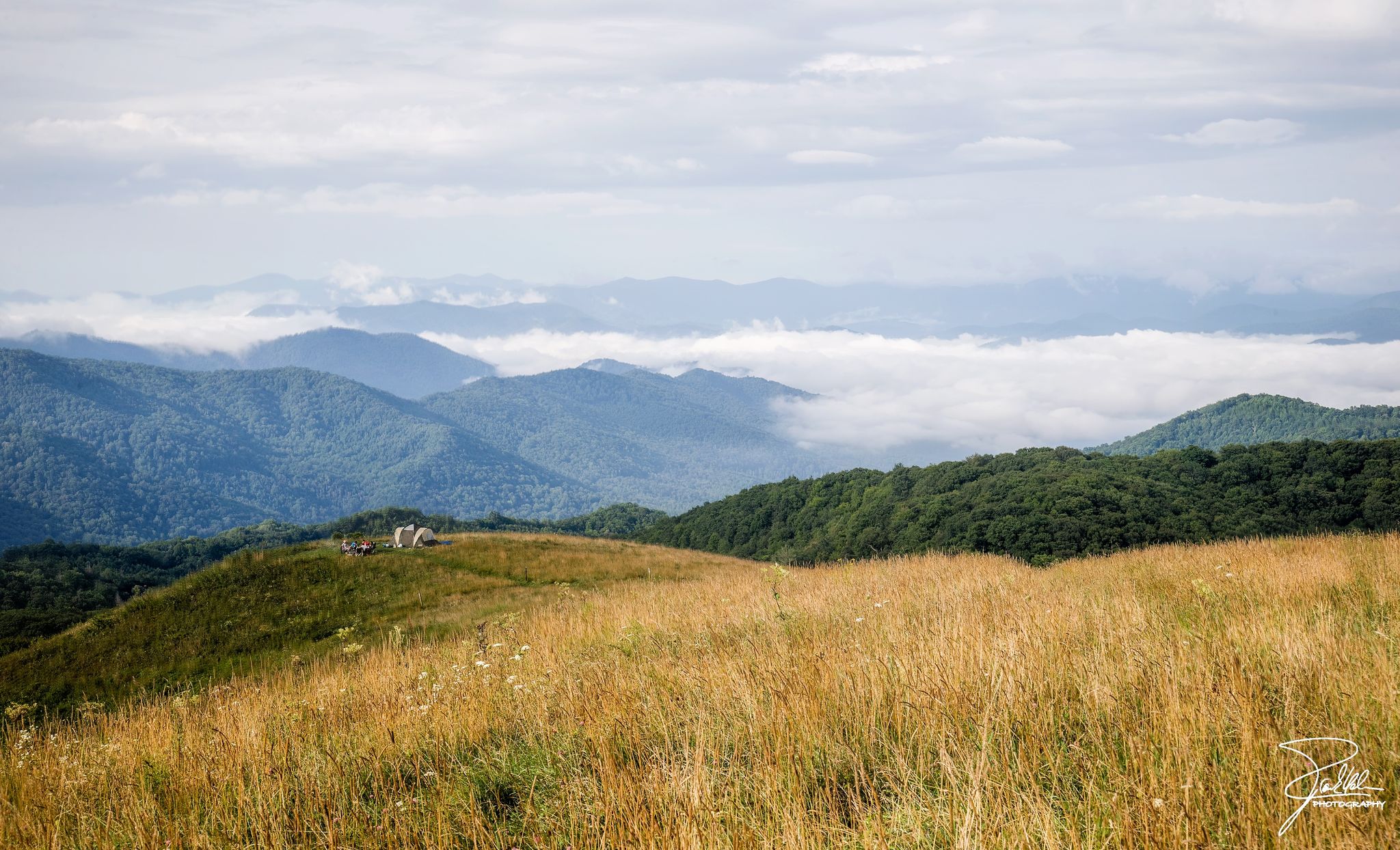
The Appalachian Trail — America's most iconic long-distance hike
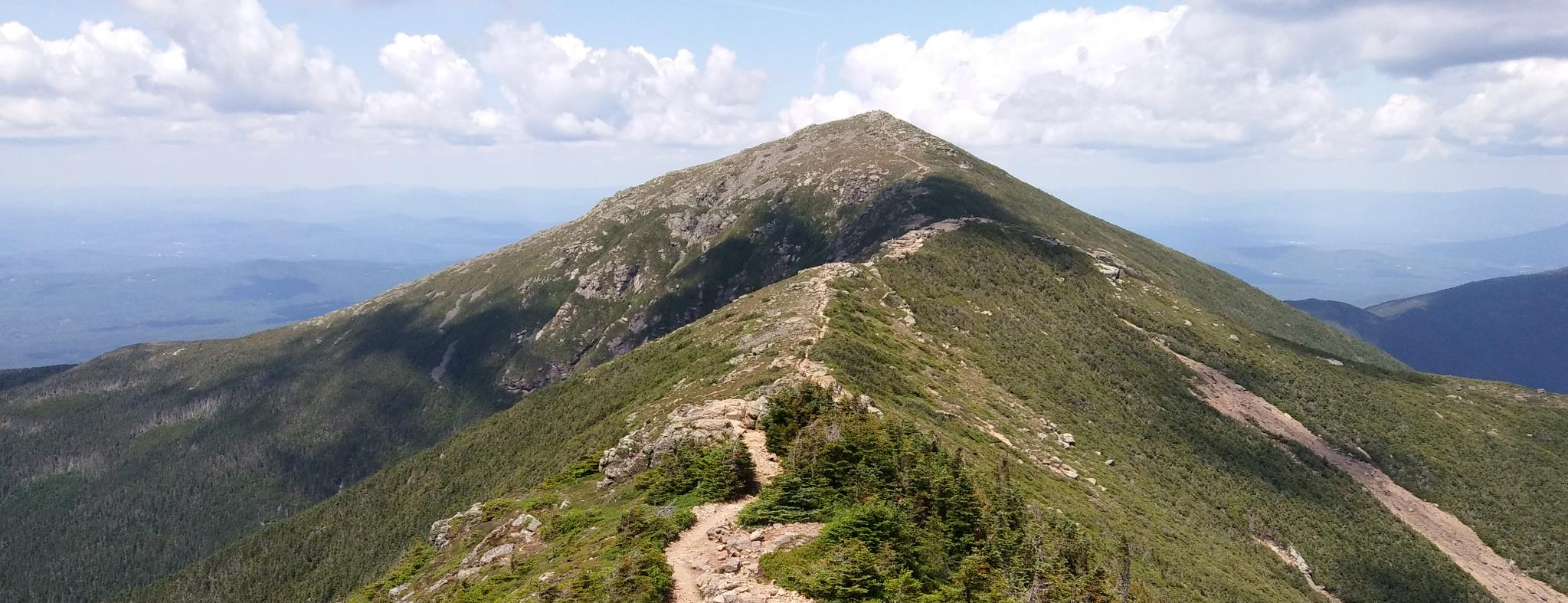
Pemigewasset Loop — A White Mountains classic I keep coming back to
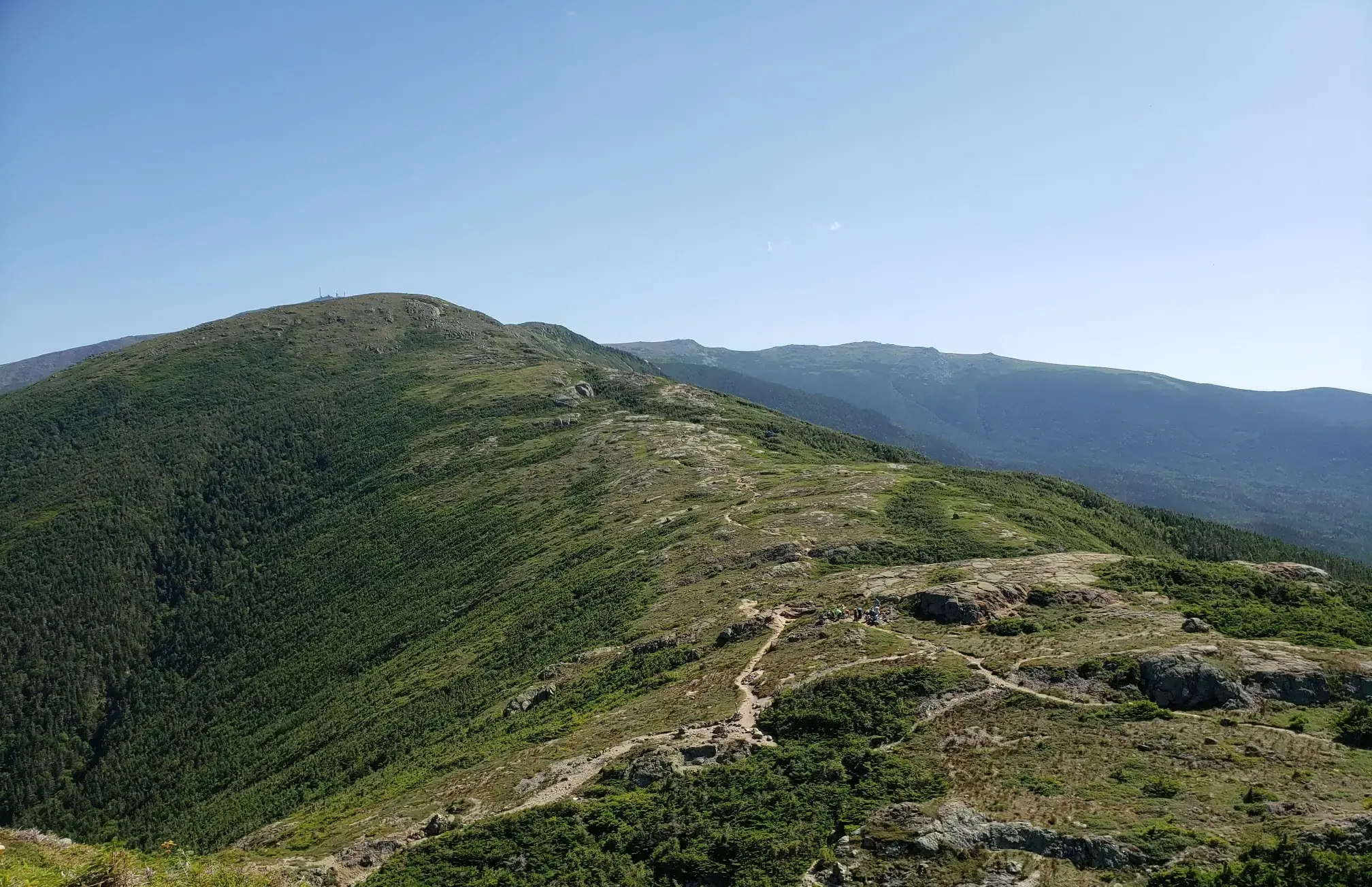
The Presidential Traverse — A classic New Hampshire sandbag
Other adventures in New Hampshire


Tips from the Community


Mount Franklin, at 5,003 feet, sits between Mount Monroe and Mount Eisenhower on the southern Presidential Ridge. Though it doesn't officially count toward the AMC’s 4,000-Footer list due to its lack of prominence, it still offers an alpine experience with sweeping views in all directions. The summit is broad and open, with low vegetation and a windswept feel that makes it a striking spot to pause for a sip of water and a breather between peaks. Most hikers pass over Franklin while on the Crawford Path often without realizing it’s a named summit! Regardless, its still a great summit to tick off, especially if trying to bag all the named peaks within the Presidential Range.
0
0
Mount Pierce stands at 4,310 feet and is toward the southern end of the Presidential Range. From its summit, you get sweeping views north toward Mount Eisenhower and Mount Washington from a mix of alpine scrub and rocky ledges. Named after Franklin Pierce, the only U.S. president from New Hampshire, it’s a must stop if tagging all the peaks along on the Presidential Traverse, or those looking for a challenging day hike.
1
0
Lake of the Clouds Hut is the highest and one of the most iconic of the AMC’s backcountry huts. Perched at 5,012 feet between Mount Monroe and Mount Washington, it offers stunning alpine views, dramatic sunsets, and a front-row seat to the Presidential Range’s famously unpredictable weather. It's a great place to stop and refill water bottles or shelter from the weather on a day hike or an iconic (and popular!) place to spend the night. The hut is full-service during the summer and early fall, with bunk accommodations, family-style dinner and breakfast, potable water, and composting toilets. It sleeps over 90 hikers and is a popular overnight stop for those tackling the Presidential Traverse. Reservations are essential and fill quickly.
1
0

Nestled in the White Mountain National Forest, the Mizpah Spring Hut is a cozy stop for hikers exploring the Presidential Range. Offering bunk accommodations, hearty meals, and potable water, it’s a great place to rest and recharge while enjoying breathtaking views of the surrounding mountains. Whether you're tackling a challenging trail or looking for a serene overnight retreat, this Appalachian Mountain Club hut is a memorable part of any White Mountains adventure.
0
0
At this point in your hike you'll be treated to spectacular, panoramic views of Mount Lafayette to your left, and Mount Lincoln on your right.
0
0
From this point you can take in a lovely view of Mount Lafayette, with even more striking views on a clear day.
0
0

This is a great lookout over the parkway that traverses Franconia Notch, to your west.
0
0
Frequently Asked Questions
How many waterfall hiking trails are available in New Hampshire?
New Hampshire offers a vast network of outdoor adventures, with over 190 hiking trails that feature waterfalls. These routes range from easy strolls to challenging mountain ascents, ensuring there's something for every hiker.
What makes New Hampshire an ideal destination for waterfall hikes?
New Hampshire, often called the 'Granite State,' is renowned for its rugged beauty, particularly the White Mountains and Presidential Range. This region is characterized by towering peaks, deep gorges like the Flume Gorge, and countless rivers and streams that create stunning waterfalls and cascades. The diverse ecosystems, from dense forests to exposed granite paths, provide a picturesque backdrop for exploring these natural wonders.
What do other hikers enjoy most about waterfall hiking in New Hampshire?
The komoot community highly rates New Hampshire's waterfall trails, with an average score of 4.7 stars from over 1,400 reviews. Hikers frequently praise the breathtaking scenery, the variety of trails suitable for all skill levels, and the rewarding views of powerful cascades and tranquil pools. Many appreciate the well-maintained paths and the opportunity to connect with nature in such a vibrant setting.
What is the best time of year to experience New Hampshire's waterfall trails?
While New Hampshire's waterfalls are beautiful year-round, spring and early summer are often considered the best times to visit. Snowmelt from the White Mountains feeds the rivers, resulting in the most powerful and voluminous cascades. Autumn also offers spectacular views with the vibrant fall foliage contrasting against the rushing water, though water levels might be lower.
Are there easy waterfall hikes suitable for beginners in New Hampshire?
Yes, New Hampshire has over 30 easy waterfall hiking trails perfect for beginners or those seeking a more relaxed experience. These routes often feature gentle inclines and well-marked paths, allowing you to enjoy the beauty of the waterfalls without strenuous effort. Look for trails with shorter distances and minimal elevation gain.
What are some challenging waterfall hikes for experienced hikers in New Hampshire?
For experienced hikers, New Hampshire offers numerous challenging trails that incorporate waterfalls. Consider routes like the Presidential Traverse, which, while primarily a ridge walk, offers views of seasonal cascades and requires significant endurance. Another option is the Mount Washington Loop via Tuckerman Ravine and Boott Spur Trail, known for its steep ascent and impressive seasonal water features.
Are New Hampshire's waterfall trails suitable for families with children?
Many of New Hampshire's waterfall trails are family-friendly, offering accessible paths and shorter distances that are enjoyable for all ages. Areas like Franconia Notch State Park often have trails with boardwalks and interpretive signs, making them engaging for children. Always check the specific trail's difficulty and length to ensure it's appropriate for your family's capabilities.
Are dogs allowed on waterfall hiking trails in New Hampshire?
Generally, dogs are welcome on most hiking trails in New Hampshire, including many waterfall routes, provided they are kept on a leash. However, specific parks or protected areas might have restrictions, so it's always best to check the regulations for the particular trail you plan to visit beforehand. Always practice Leave No Trace principles and clean up after your pet.
Where can I find parking for waterfall hikes in New Hampshire?
Parking for waterfall hikes in New Hampshire is typically available at trailheads, state parks, and designated recreation areas. Popular spots like Franconia Notch State Park or areas along the Kancamagus Highway often have well-marked parking lots. During peak seasons, these lots can fill up quickly, so arriving early is advisable. Some areas may require a parking fee or a state park pass.
What other natural attractions can I explore near New Hampshire's waterfall trails?
Beyond the waterfalls, New Hampshire offers a wealth of natural attractions. You can visit the iconic Mount Washington Summit for panoramic views, or explore the tranquil waters of Echo Lake. The state is also home to other impressive summits like Mount Monadnock Summit and Mount Chocorua Summit, offering diverse hiking experiences and stunning vistas.
Are there any places to stay overnight near the waterfall trails in New Hampshire?
Yes, New Hampshire provides various options for overnight stays near its waterfall trails, including several huts and cabins. You can find facilities like the Appalachian Mountain Club (AMC) Pinkham Notch Visitor Center, Greenleaf Hut, and Lake of the Clouds Hut, which offer lodging and amenities for hikers. These provide convenient bases for multi-day adventures or comfortable rest stops.
Are there any circular waterfall hiking trails in New Hampshire?
Yes, New Hampshire features several circular or loop trails that allow you to experience waterfalls without retracing your steps. While the Mount Cardigan via Manning, Clark, and Holt Trail Loop is known for its summit views, many other trails throughout the White Mountains and Franconia Notch offer loop options that incorporate scenic cascades. These routes are ideal for a varied hiking experience.
What kind of gear should I bring for waterfall hiking in New Hampshire?
For waterfall hiking in New Hampshire, it's essential to be prepared for varied terrain and weather. Recommended gear includes sturdy hiking boots with good traction, layers of clothing (even in summer, as mountain weather can change quickly), rain gear, a map and compass or GPS device, plenty of water, snacks, and a first-aid kit. Trekking poles can also be helpful on steeper or rocky sections. Don't forget a camera to capture the beautiful waterfalls!
Most popular routes in New Hampshire
Most popular attractions in New Hampshire

Get inspired with the komoot mobile app


Didn’t find what you were looking for?
Check out more Hikes throughout New Hampshire below and find the perfect route in your destination.
Explore more
Browse the best Hikes in other regions.
