The best walks and hikes around Jaidhof
4.6
(2232)
10,496
hikers
430
hikes
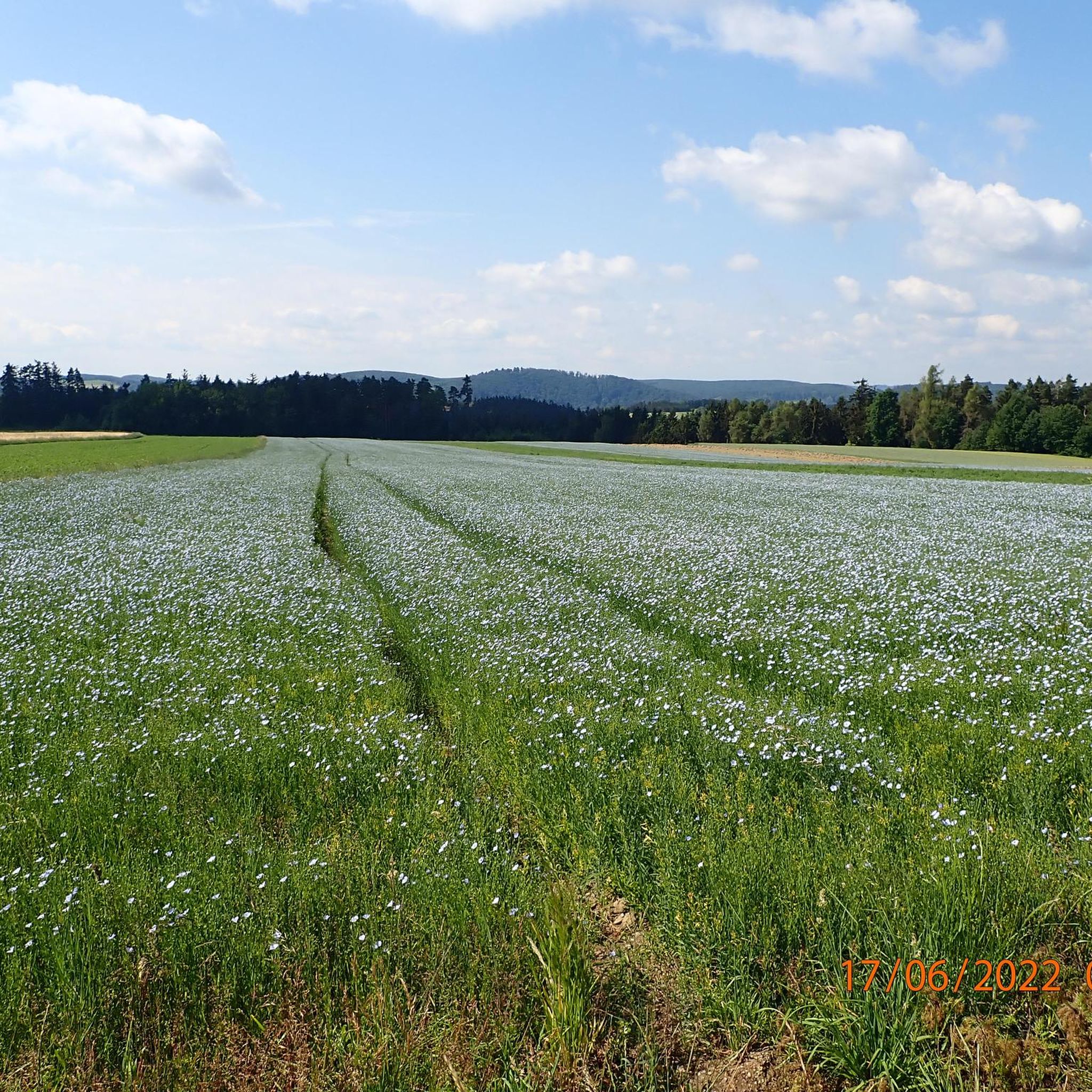
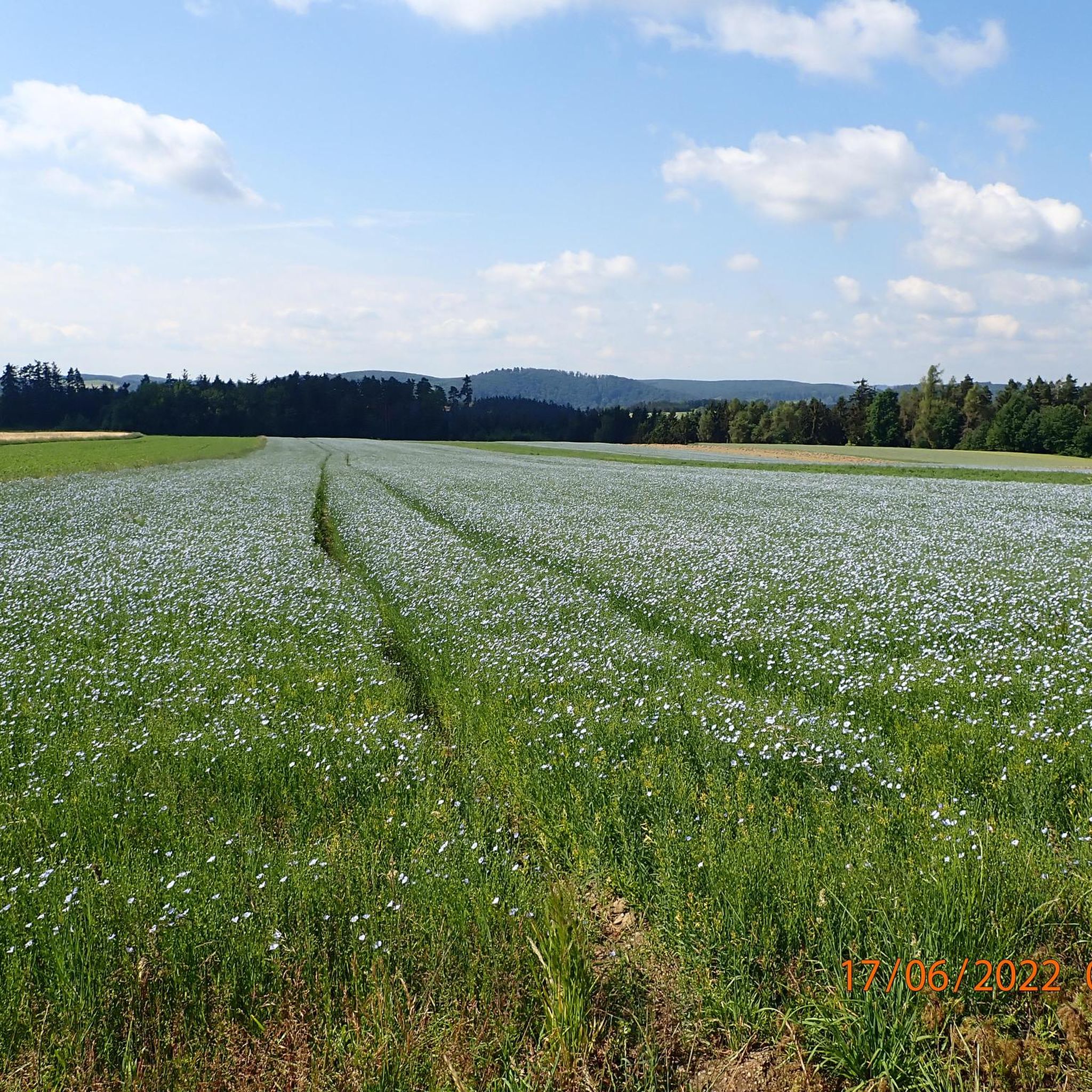
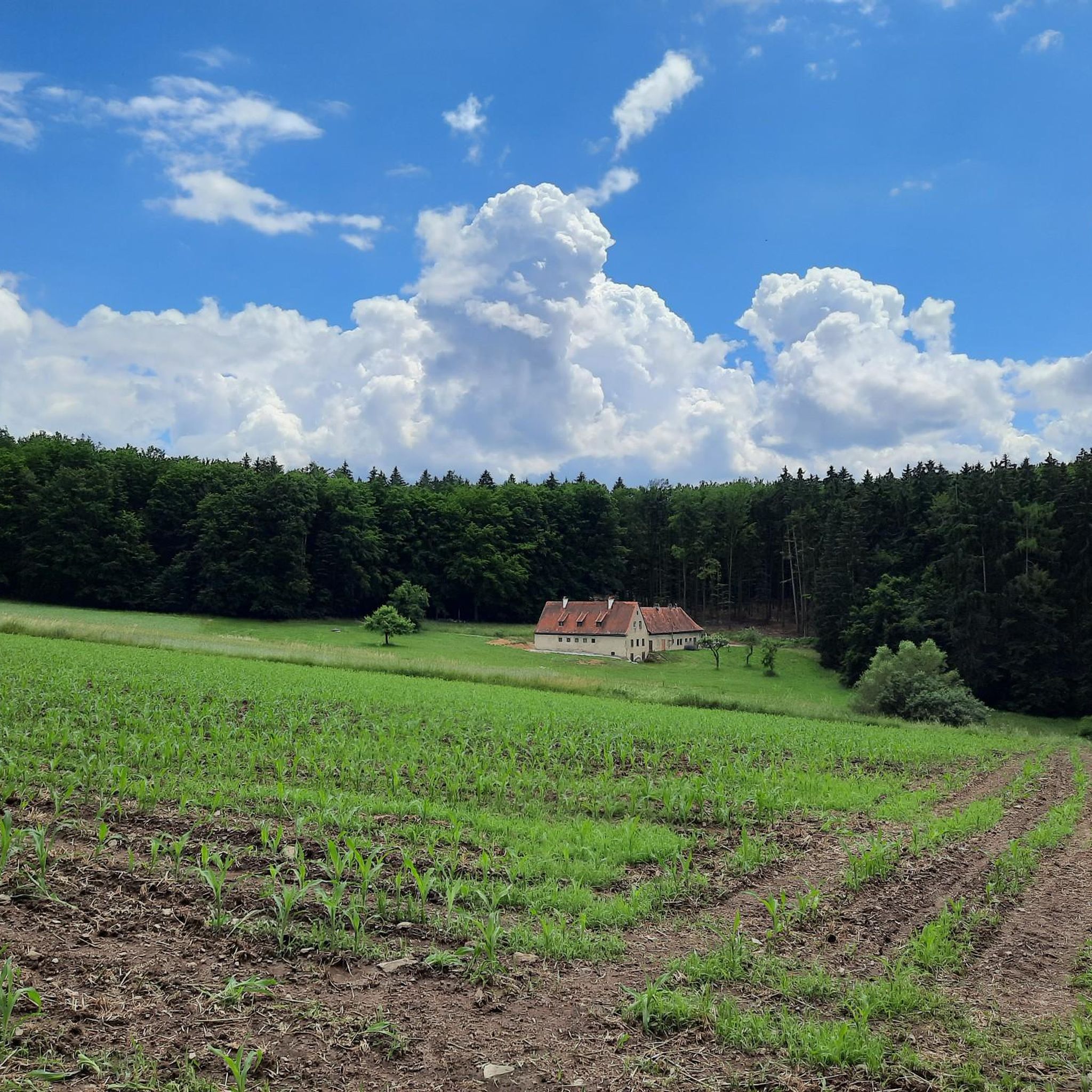
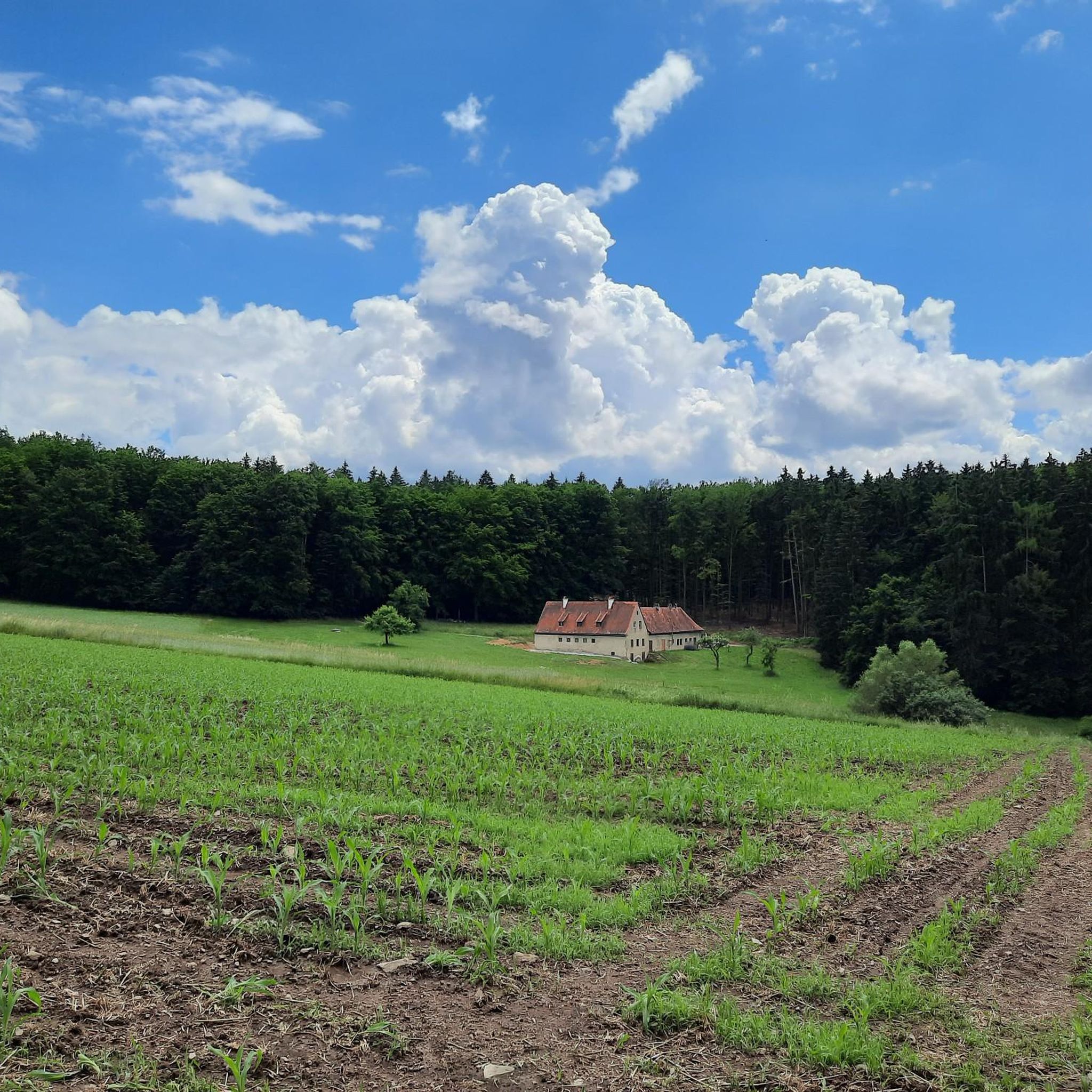
Hiking around Jaidhof offers diverse landscapes within the picturesque Kampseen region of Lower Austria. The area features a mix of fields, forests, and an atypical Waldviertel hill landscape, providing varied scenery for outdoor exploration. This region is characterized by its rolling hills and natural ponds, making it suitable for different types of hiking experiences. The municipal area extends into rural scattered settlements with an agricultural character, adding to the scenic diversity.
Best hiking trails around Jaidhof
- The most popular hiking…
Last updated: November 1, 2026
4.4
(8)
29
hikers
12.8km
03:39
280m
280m
Moderate hike. Good fitness required. Easily walkable paths.
4.6
(7)
23
hikers
4.67km
01:14
50m
50m
Easy hike. Easily walkable paths.

4.6
(17)
33
hikers
5.96km
01:35
60m
60m
Easy hike. Easily walkable paths.
4.3
(6)
9
hikers
7.27km
02:05
180m
180m
Moderate hike. Good fitness required. Easily walkable paths.
4.7
(3)
12
hikers
8.15km
02:13
120m
120m
Moderate hike. Good fitness required. Easily walkable paths.
Get access to more routes and recommendations from other explorers.
Already have an account?
Our route recommendations are based on thousands of hikes, rides, and runs completed by other people on komoot.
Start today with a free account
Your next adventure awaits.

Tips from the Community

Awards Edit ● Großer Österreichischer Staatspreis für Literatur (1958) ● Kulturpreis des Landes Niederösterreich (1965) ● Österreichisches Ehrenkreuz für Wissenschaft und Kunst I. Klasse (1969) ● Preis der Stadt Wien für Literatur (1969) https://de.wikipedia.org/wiki/Imma_Bodmershof
0
0
She was engaged to the Hölderlin scholar Norbert von Hellingrath, through whom she also came into contact with Rainer Maria Rilke and Stefan George. Hellingrath, however, fell in the Battle of Verdun in 1916. In 1924, she married the economist Wilhelm von Bodmershof in Krems, who, like Imma, privately engaged with Indian and Far Eastern religions. Together with her husband, she managed the estate of Rastbach Castle. She also lived in Vienna at times.
0
0
Imma von Bodmershof (born Emma von Ehrenfels; * August 10, 1895 in Graz; † August 26, 1982 at Rastbach Castle in Gföhl, Lower Austria) was an Austrian writer. The daughter of one of the pioneers and precursors of Gestalt theory, Christian von Ehrenfels, and Emma von Hartmann, she grew up in Waldviertel at Lichtenau Castle, but also spent a lot of time in Prague, where her father worked at the university. She studied art history, philosophy, and graphology at the universities in Prague and Munich. From 1937, she published prose texts connected to tradition and homeland. In 1937, her first novel "Der zweite Sommer" was published. In 1939, the novel Die Stadt in Flandern was published and was included in the recommendation list Das Buch, ein Schwert des Geistes (1940 and 1943). Some shorter stories, including well-known ones like Theres Piernagl (1938, 1941), were published primarily in the magazines and anthologies of S. Fischer Verlag.
0
0
The Imma von Bodmershof monument in Gföhl is a memorial stone in honor of the Austrian writer, erected in 1995 on the occasion of her 100th birthday. ● The location is in Sparkassenstraße, 3542 Gföhl (another memorial stone is located in Rastbach). ● The monument was erected in 1995 for Imma von Bodmershof's 100th birthday. ● Imma von Bodmershof (1895–1982) lived and worked at Rastbach Castle near Gföhl and was awarded, among other honors, the Grand Austrian State Prize for Literature.
0
0
Gföhl was first mentioned in documents around 1180 and looks back on a long history as a market town and centre of the Waldviertel. The most important milestones Antiquity and settlement: Prehistoric finds (like from the Bronze Age) prove early traces of humans on the Gföhl plateau. Before German settlement from the 12th century onwards, there was a Slavic presence. First mention (1180): The place name is presumably derived from a topographical depression in the ground. Elevation to market town (1314/1493): In 1314, Gföhl is mentioned as a market town. In 1493, Emperor Frederick III granted the town official market rights and a coat of arms. War hardship and crises: In 1426, the Hussites destroyed the town and church. The population also suffered severely during the Peasants' War (1595) and the Thirty Years' War (1645), as well as from the plague (1679/1681).
0
0
The Hussitenkreuz in Gföhl is a historical, late Gothic wayside shrine (Marterl) on the Niederlage by the B37, commemorating the Hussite Wars of 1426/27.
1
0

A trip to Jaidhof Castle is particularly worthwhile due to the combination of historical architecture, spiritual tranquility, and nature experience.
0
0
A trip to Jaidhof Castle is particularly worthwhile due to the combination of historical architecture, spiritual tranquility, and nature experience.
0
0
Frequently Asked Questions
How many hiking trails are available around Jaidhof?
Jaidhof offers a wide selection of hiking opportunities, with nearly 450 routes available. These range from easy strolls to more challenging paths, catering to various fitness levels.
Are there easy hiking options suitable for beginners or casual walkers?
Yes, Jaidhof has over 200 easy hiking routes. A great option for a relaxed walk is the Schlosspark Pond – Jaidhof Castle loop from Jaidhof, which is just under 5 km and circles the historic Jaidhof Castle and its park.
What kind of landscapes can I expect to see while hiking in Jaidhof?
The region is characterized by its diverse and appealing landscapes, featuring a mix of fields, dense forests, and an atypical Waldviertel hill landscape. You'll encounter rolling hills, natural ponds, and rural agricultural areas, providing varied scenery for exploration.
Are there any circular hiking routes in Jaidhof?
Many of the trails around Jaidhof are circular, offering convenient starting and ending points. For example, the Gföhl – Steinberg Viewpoint loop from Gföhl is a moderate 12.8 km circular path that provides varied terrain and scenic views.
What are some notable landmarks or viewpoints along the hiking trails?
Hikers can discover several interesting points. The historic Jaidhof Castle is a prominent landmark, often integrated into routes. For expansive views, the Kamptalerwarte (Heiligensteinerwarte) offers vistas extending to the Alpine peaks on clear days. While not directly on hiking trails, the broader region also features natural monuments like the Gudenus Cave.
Is Jaidhof a good destination for family-friendly hikes?
Absolutely. Jaidhof offers several routes suitable for families. The Schlosspark Pond – Jaidhof Castle loop is an easy option. Additionally, the Recreational Pond Jaidhof provides a relaxing spot with a playground and pedal boating, making it a great complement to a family outing.
Can I hike in Jaidhof during the winter months?
Yes, the hiking trails in Jaidhof remain accessible and enjoyable throughout the winter months. The varied landscape offers a different kind of beauty when covered in snow, providing opportunities for winter walks.
What do other hikers say about the trails in Jaidhof?
The komoot community highly rates the trails in Jaidhof, with an average score of 4.6 stars from over 1,800 reviews. Hikers often praise the well-marked paths, the diverse scenery, and the peaceful atmosphere of the region's fields, forests, and rolling hills.
Are there any specific natural features to look out for on the trails?
Beyond the unique Waldviertel hill landscape, you'll encounter several natural ponds, such as the Schlosspark Pond and Drescher Pond, which are often part of popular routes. The mix of open fields and dense forests also provides a rich natural experience.
Are there options for moderate hikes for those seeking a bit more challenge?
Yes, Jaidhof has over 200 moderate hiking routes. The Gföhl – Lichtspiele Gföhl - Cinema loop from Gföhl is a moderate 7.3 km trail with some elevation gain, offering a good balance of challenge and scenic beauty.
Are there places to eat or stay near the hiking trails in Jaidhof?
While specific cafes directly on every trail aren't listed, the region offers options. The Strandbar Friedrich by the Recreational Pond Jaidhof is a cozy spot for a post-hike refreshment. The broader Kampseen region and surrounding villages will also have various accommodation and dining choices.
What are the parking and public transport options for accessing the trails?
Many trailheads in and around Jaidhof offer parking facilities, making it convenient for those traveling by car. While specific public transport details for each trailhead are not provided, the area is generally accessible, and local services connect the scattered settlements.
Most popular routes around Jaidhof
Most popular attractions around Jaidhof

Get inspired with the komoot mobile app


Explore more
Browse the best Hikes in other regions.
