Attractions and Places To See around Bad Bibra - Top 20
Best attractions and places to see around Bad Bibra include a blend of historical landmarks, cultural sites, and natural landscapes. This spa town in Saxony-Anhalt, Germany, is known for its long-standing spa heritage and picturesque surroundings. Visitors can explore significant historical sites and enjoy the natural beauty of the Saale-Unstrut-Triasland Nature Park. The area offers a variety of experiences, from ancient castles to scenic vineyards.
Best attractions and places to see around Bad Bibra
- The most popular attractions is Neuenburg…
Last updated: September 27, 2026
Ducal Vineyard below Neuenburg Castle
Highlight • Structure
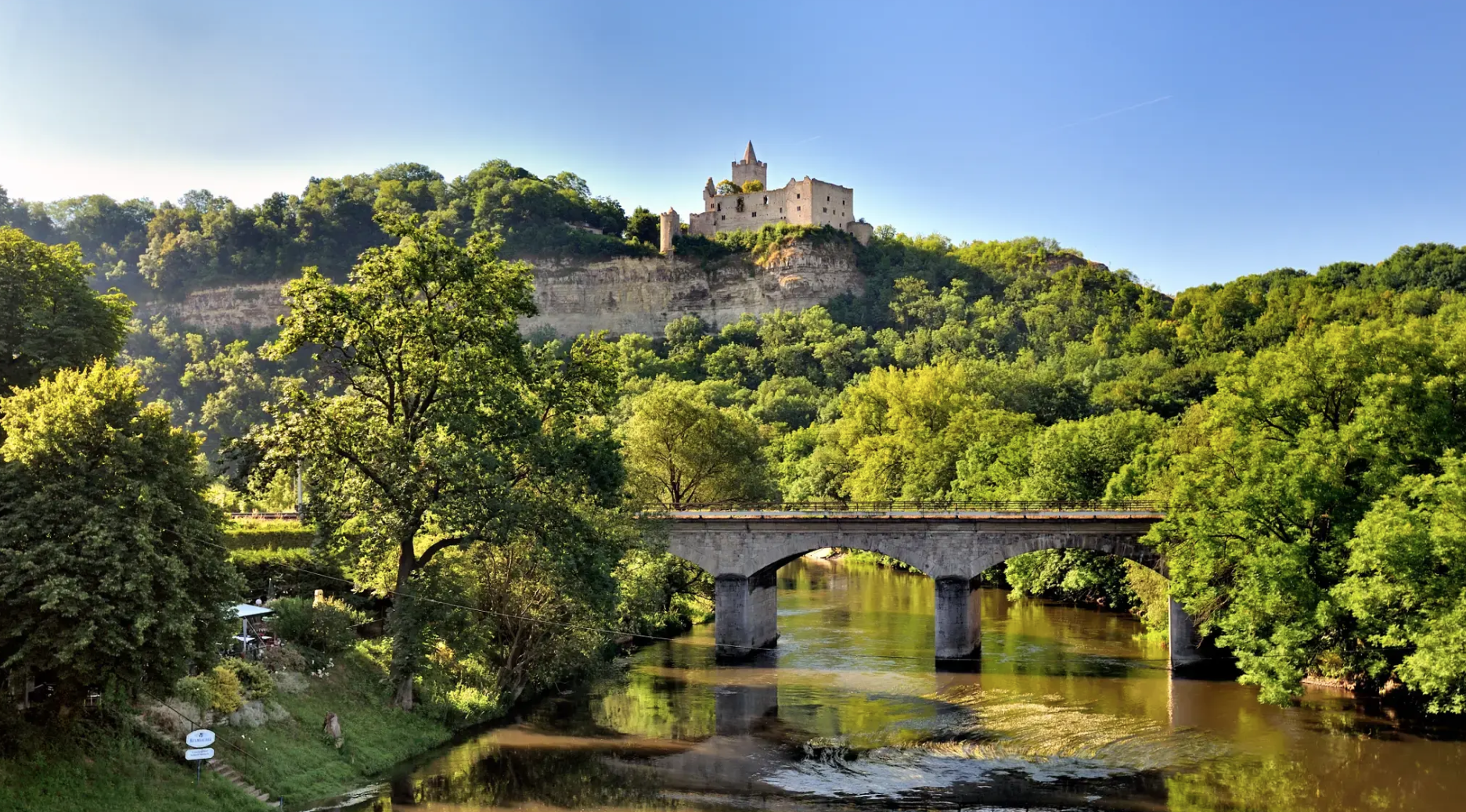
High above the wine-growing town of Freyburg lies Neuenburg, the sister castle of Wartburg, founded around 1090 by the Thuringian Count Ludwig the Springer. The first mighty …
Translated by Google •
Tip by

Vines on the Saalberge
Highlight • Natural
Showing Translation
Tip by

Sign up now to discover places like this
Get recommendations on the best single tracks, peaks, & plenty of other exciting outdoor places.
Neuenburg Castle (Freyburg)
Highlight • Castle
Translated by Google •
Tip by

Saale-Unstrut vineyards
Highlight • Natural
Translated by Google •
Tip by

Bad Kösen Graduation Tower
Highlight • Monument
Translated by Google •
Tip by
Sign up for free to discover even more attractions around Bad Bibra.
Already have an account?
Start today with a free account
Your next adventure awaits.
Other adventures around Bad Bibra

Tips from the Community

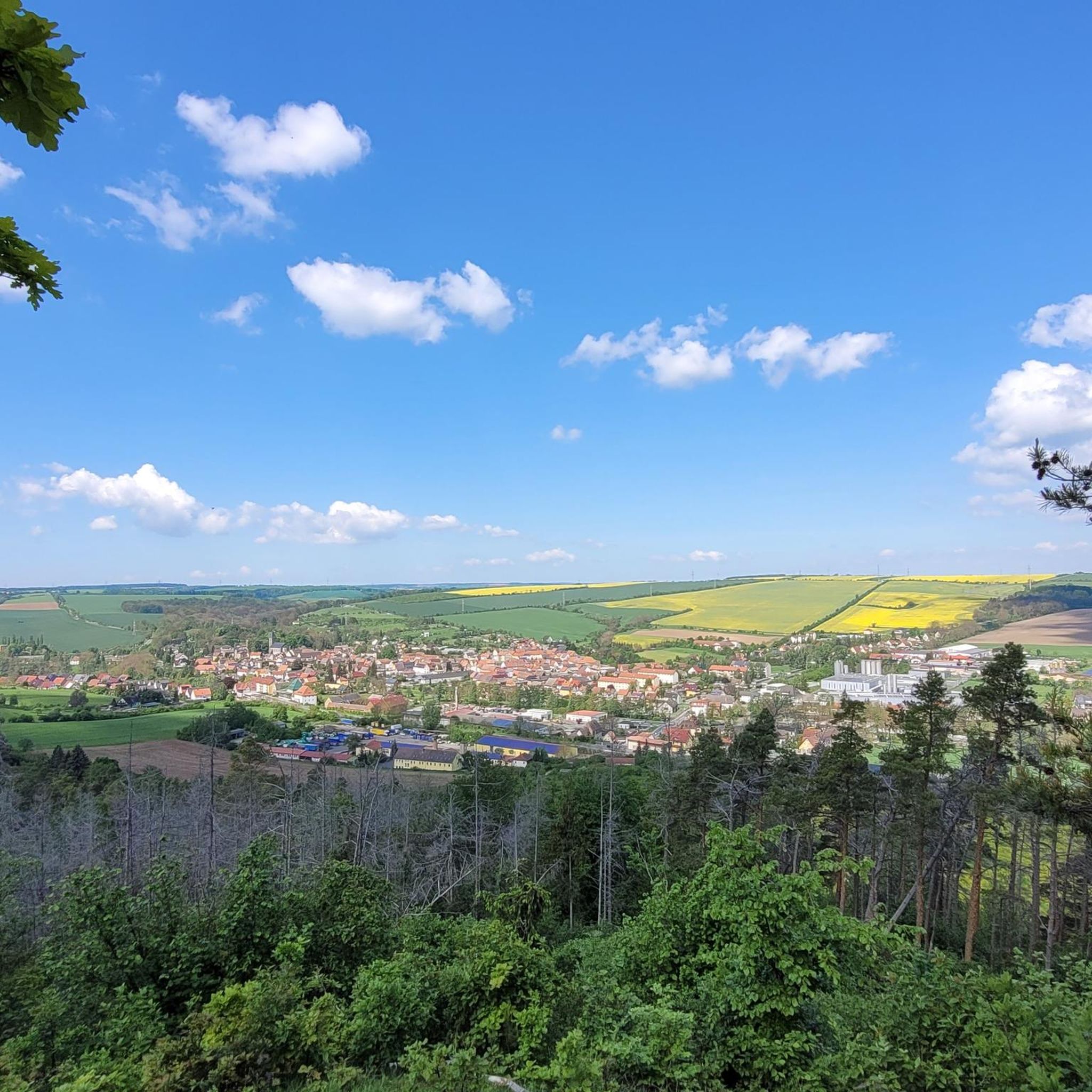
A relaxing stroll along the vineyards offers several places to sit.
0
0

A good road to cycle on (even if it's "only" gravel). The views of the vineyards and the places to stop for refreshments more than compensate for the elevation gain ;-) The latter was manageable, though.
0
0

Wonderful view of the vineyards, the Saale river and a great cycle path 🚴🏻♂️🚴🏻♀️
2
0


The hilltop castle complex of Neuenburg Castle, located on the Romanesque Road, was once the largest castle of the Landgraves of Thuringia. Its construction, under the direction of Count Ludwig von Schauenburg of Ludowingen, known as Ludwig the Springer (1042 to 1123), began around 1090 with the first circular walls, which still stand today up to a height of eight meters in the inner castle. Over the next hundred years, the castle was reinforced and expanded in several stages. From around 1400, the castle underwent extensive rebuilding in the Gothic style, and large parts of the Romanesque structure were lost. After losing its military importance, the castle was converted into a hunting lodge for the Dukes of Saxe-Weissenfels, for which purpose a zoo and pleasure garden were created in the forest to the east. Today, Neuenburg Castle is managed by the Saxony-Anhalt Cultural Foundation.
24
0

I passed by here thanks to the diversion and it was a beautiful route here.
5
0

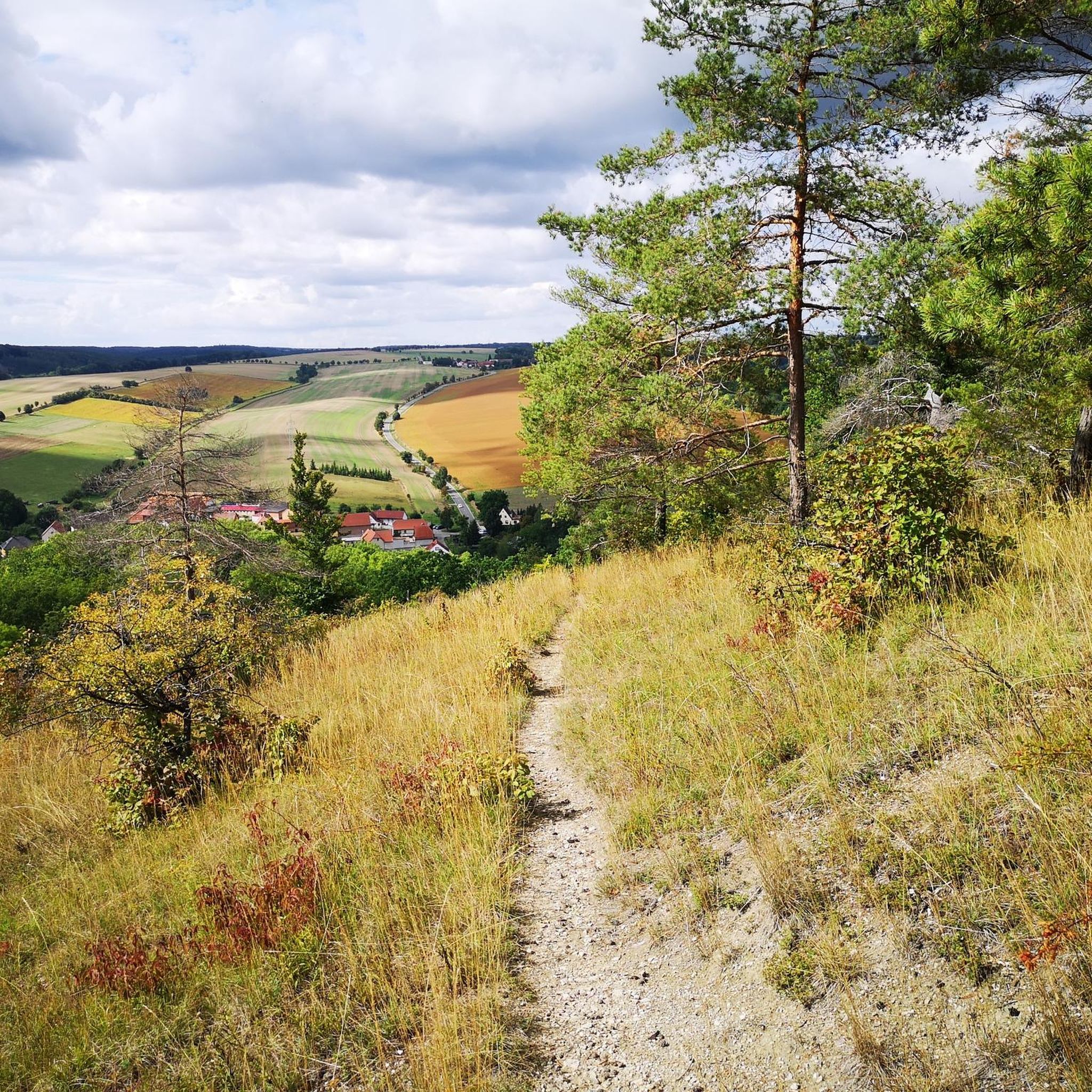
Beautiful section of the route, very suitable for souvenir photos.
2
0

The Saale-Unstrut vineyards are widely known
2
0
Frequently Asked Questions
What historical landmarks can I explore in and around Bad Bibra?
Bad Bibra and its surroundings are rich in history. You can visit the impressive Neuenburg Castle (Freyburg), a well-preserved ring castle with nearly 1000 years of history. Other notable sites include the Stiftskirche Bad Bibra, built on the foundations of an old Augustinian canon monastery, and the Romanesque Margareten-Kirche Steinbach, showcasing late Romanesque architecture. Don't miss the Bad Kösen Graduation Tower, a technical monument historically used for salt production.
What natural attractions are there in the Bad Bibra area?
The region is nestled within the Saale-Unstrut-Triasland Nature Park, known for its outstanding natural scenery, especially for wild orchids in May. You can also explore the picturesque Vines on the Saalberge, offering beautiful vineyard landscapes. Idyllic mills between Kalbitz and Wallroda provide tranquil spots amidst native flora and fauna, perfect for guided hikes.
Are there family-friendly activities available near Bad Bibra?
Yes, several attractions are suitable for families. Neuenburg Castle (Freyburg) offers historical exploration with fantastic views. The Bad Kösen Graduation Tower allows visitors to experience its salty air, which can be an interesting and unique experience for all ages. Additionally, the Medicinal Herb and Apothecary Garden in Saubach provides educational tours and workshops about plants.
What outdoor activities can I do near Bad Bibra?
Bad Bibra is an excellent base for outdoor enthusiasts. You can enjoy hiking on trails like the Finn Hiking Trail or explore numerous routes within the Saale-Unstrut-Triasland Nature Park. For cycling, popular options include the Saale-Unstrut Vineyard Cycle Path, the Unstrut Cycle Route, and the Finne Cycle Route. You can find more detailed routes for hiking, road cycling, and running around Bad Bibra.
When is the best time to visit Bad Bibra for outdoor activities and nature?
The spring and summer months are ideal for outdoor activities. May is particularly special for nature lovers, as it's the best time to see wild orchids in the Saale-Unstrut-Triasland Nature Park. The town also hosts the Finnelauf in May, and the annual Christmas Market features a charming Fairytale Parade, offering seasonal cultural experiences.
Are there any vineyards or wine-related attractions in the area?
Absolutely. The region is known for its wine-growing tradition. You can visit the Ducal Vineyard below Neuenburg Castle, which offers a beautiful combination of vineyards and the historic castle. The Saale-Unstrut Vineyard Cycle Path is a scenic route that allows you to explore the vineyards and enjoy local wines at various rest stops.
What is the significance of the Gesundbrunnen in Bad Bibra?
The Gesundbrunnen, or healing spring, is the emblem of Bad Bibra and central to its spa heritage. First tapped in 1686, its historical importance is marked by an inscription on the Badehausstein (bathing stone) from 1779, highlighting the town's long-standing tradition as a spa destination.
Where can I find scenic viewpoints around Bad Bibra?
For breathtaking views, head to Neuenburg Castle (Freyburg), which offers a fantastic panorama of the valley. The Vines on the Saalberge also provide beautiful vistas of the vineyard landscapes. The Saale-Unstrut Vineyard Cycle Path and the Bad Kösen Graduation Tower are also great spots for scenic appreciation.
Are there any unique cultural sites or art installations to see?
Beyond historical buildings, you can discover interesting sculptures throughout Bad Bibra and in the nearby village of Steinbach. These were created by international artists during a workshop week in Burgheßler, adding a contemporary artistic touch to the local landscape.
What kind of exhibitions can I find in Bad Bibra?
The Altes Rathaus (Old Town Hall) in Bad Bibra hosts the Kneipp-Informationszentrum. It features exhibitions detailing 'Bad Bibra – Fashionable Spa of the Dukes of Saxony-Weißenfels, Baroque Bathing Cultures around 1700,' as well as an exhibition on 'Franz Diener - Boxing Legend from Bad Bibra,' offering insights into local history and culture.
Can I find information about local flora and fauna?
Yes, the Saale-Unstrut-Triasland Nature Park is an excellent place to learn about local flora, especially wild orchids in May. The Medicinal Herb and Apothecary Garden at the Sebastian-Kneipp®-Grundschule in Saubach also teaches about various plant uses and offers guided tours and workshops by appointment.
Most popular routes around Bad Bibra
Most popular attractions around Bad Bibra

Get inspired with the komoot mobile app


Explore more
Still not found the Highlight you’re looking for? See guides of the top attractions in other regions:
