The best gravel rides around Niederkrüchten
4.6
(279)
2,856
riders
200
rides
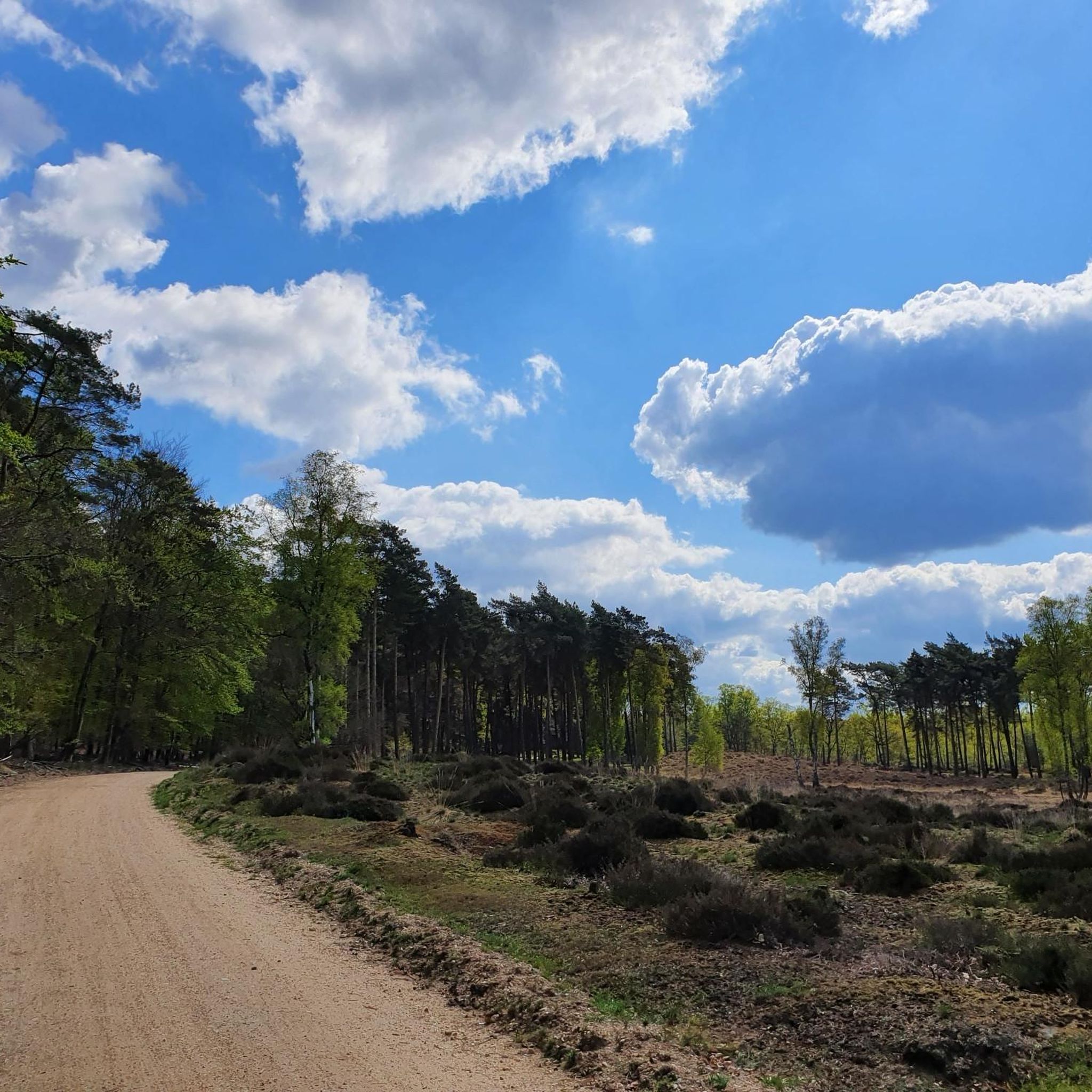
Gravel bike trails around Niederkrüchten traverse a varied landscape within the Maas-Schwalm-Nette Nature Park in western Germany. The region features extensive forests, open meadows, and unique moorlands and heathlands, including the Elmpter Schwalmbruch nature reserve. Numerous lakes such as Hariksee and Venekotensee, along with the meandering Schwalm river, define the area's natural character. The terrain generally presents gentle hills and moderate elevation changes, making it suitable for diverse gravel riding experiences.
Best gravel bike trails around Niederkrüchten
- The most popular…
Last updated: May 20, 2026
4.9
(19)
365
riders
61.6km
04:34
220m
220m
Tackle the difficult 38.3-mile Meinweg and Elmpter Wald gravel biking trail through varied forests and heathlands in Maas-Schwalm-Nette Natu
5.0
(5)
200
riders
90.7km
05:50
420m
420m
Hard gravel ride. Very good fitness required. You may need to push your bike for some segments of this route.

Sign up for free
4.7
(18)
78
riders
39.4km
02:01
100m
100m
Moderate gravel ride. Good fitness required. Mostly paved surfaces. Suitable for all skill levels.
5.0
(2)
25
riders
Moderate gravel ride. Good fitness required. Mostly paved surfaces. Suitable for all skill levels.
4.5
(2)
18
riders
Hard gravel ride. Good fitness required. You may need to push your bike for some segments of this route.
Get access to more routes and recommendations from other explorers.
Sign up for free
Already have an account?
Our route recommendations are based on thousands of hikes, rides, and runs completed by other people on komoot.
Start today with a free account
Your next adventure awaits.
Login or Signup
Popular around Niederkrüchten
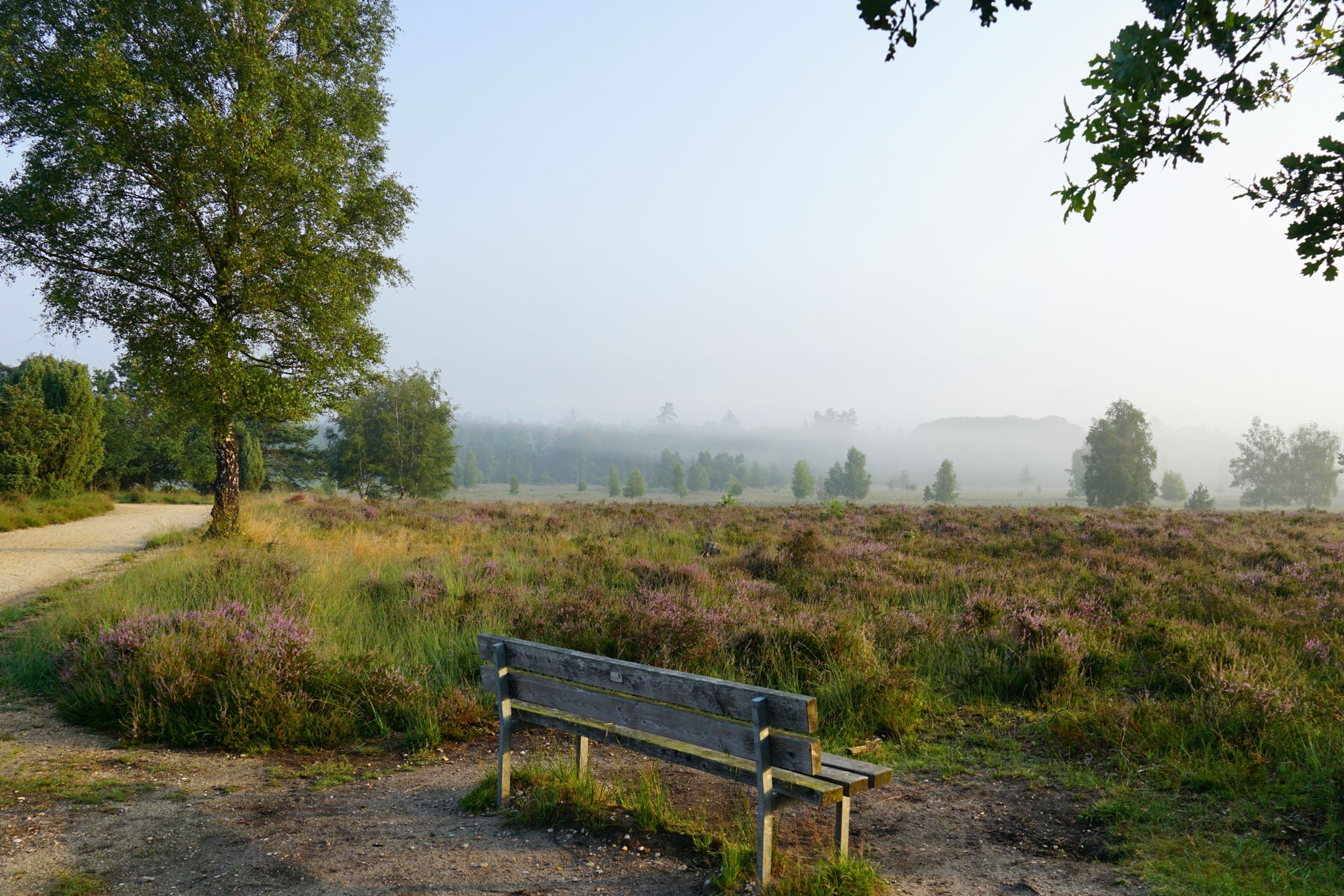
Leichte.Wander.Welt. - 10 barrier-free paths
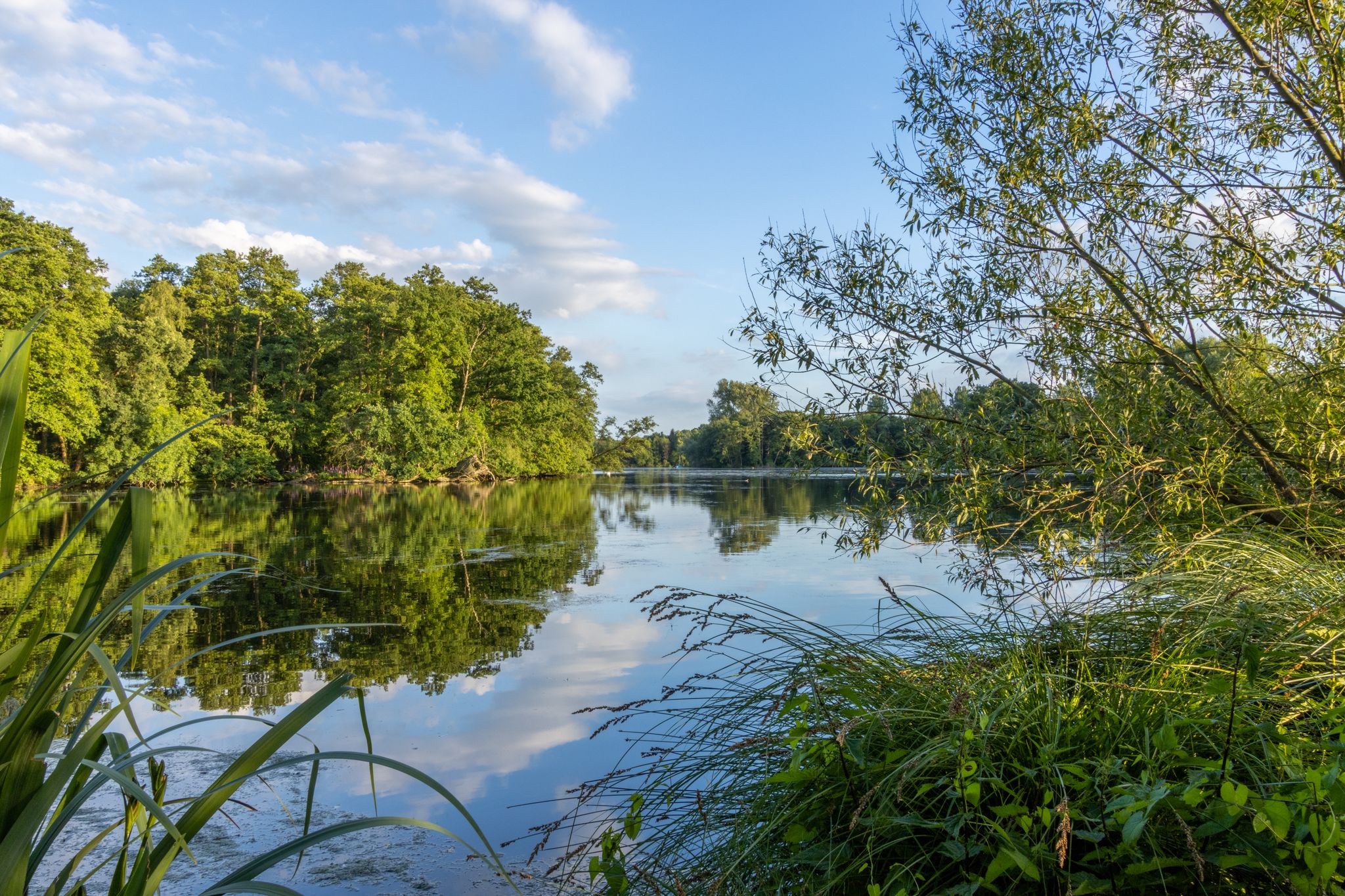
Water.Hike.World. - Premium Hiking Trails
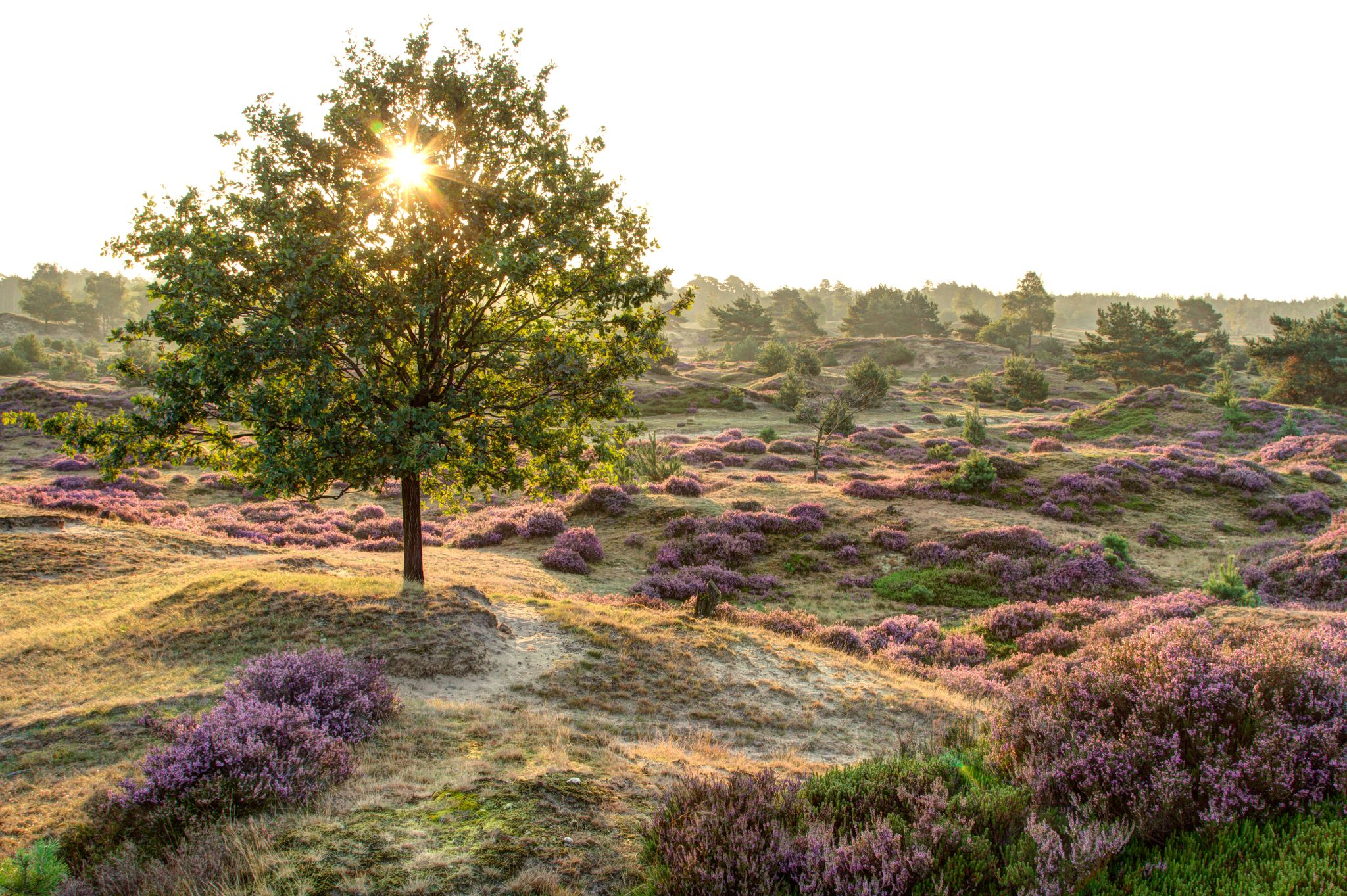
A complete hiking bucket list through every Dutch National Park
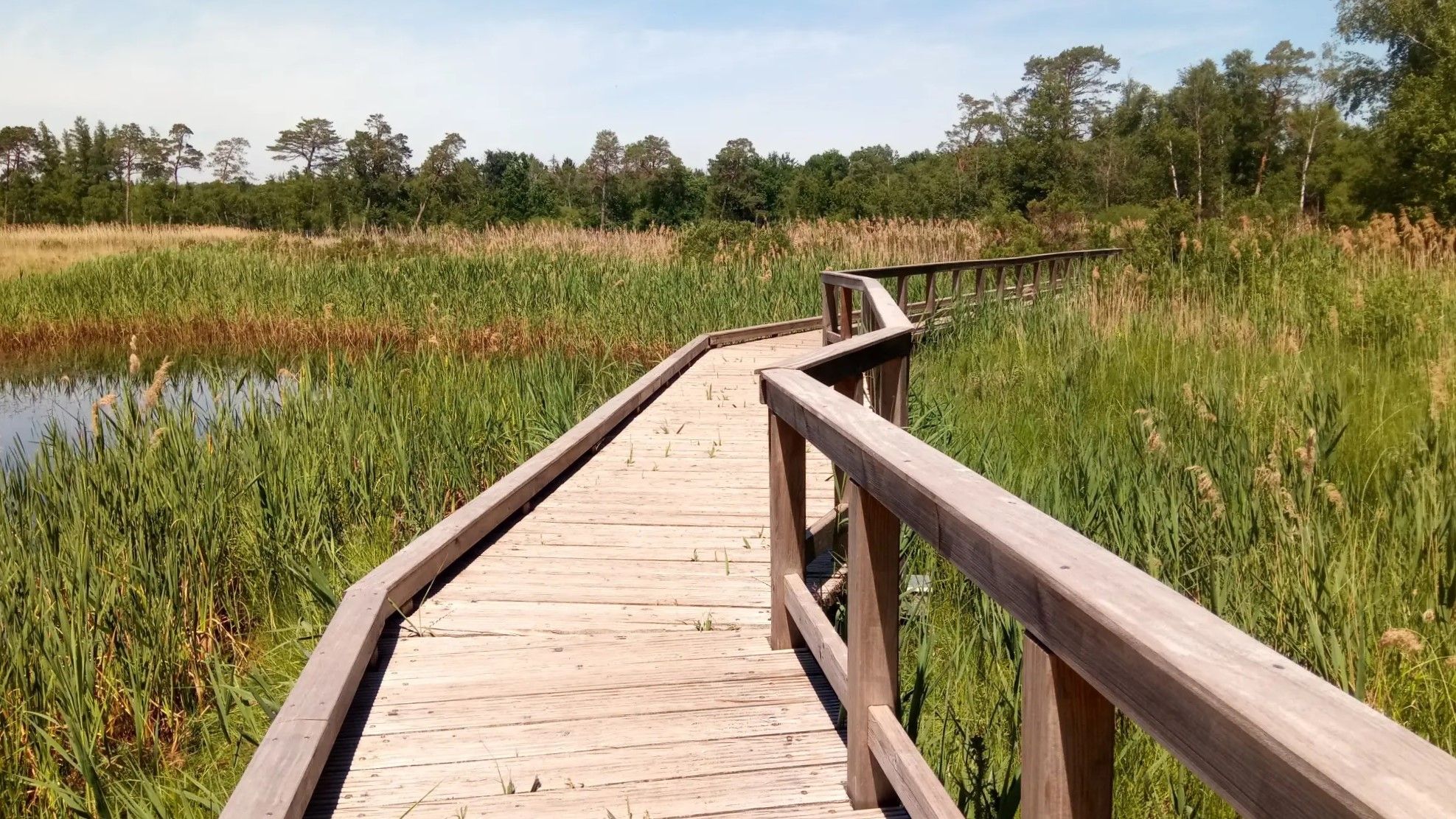
Wasser.Wander.Welt. – Premium-Spazierwanderwege
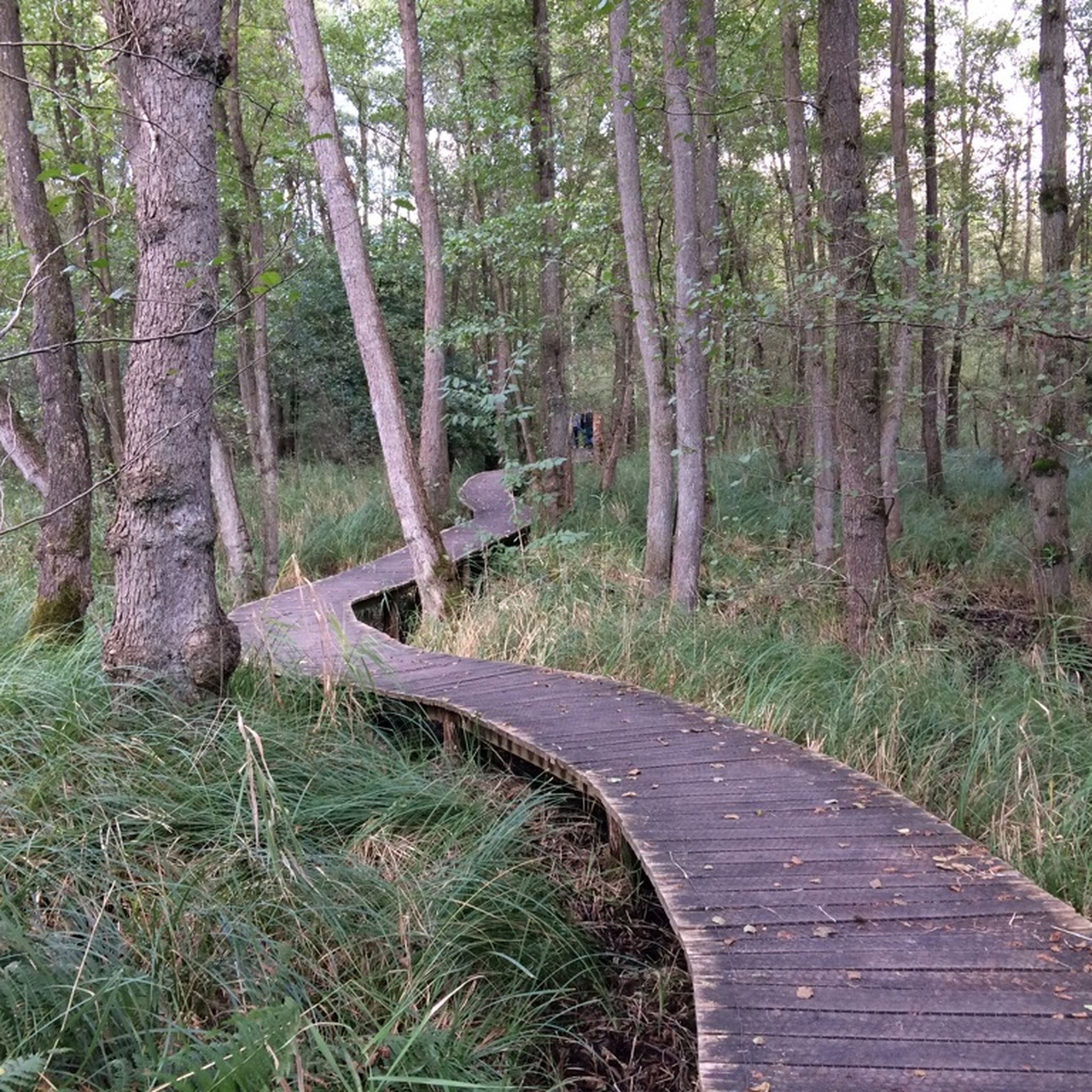
Hiking around Niederkrüchten
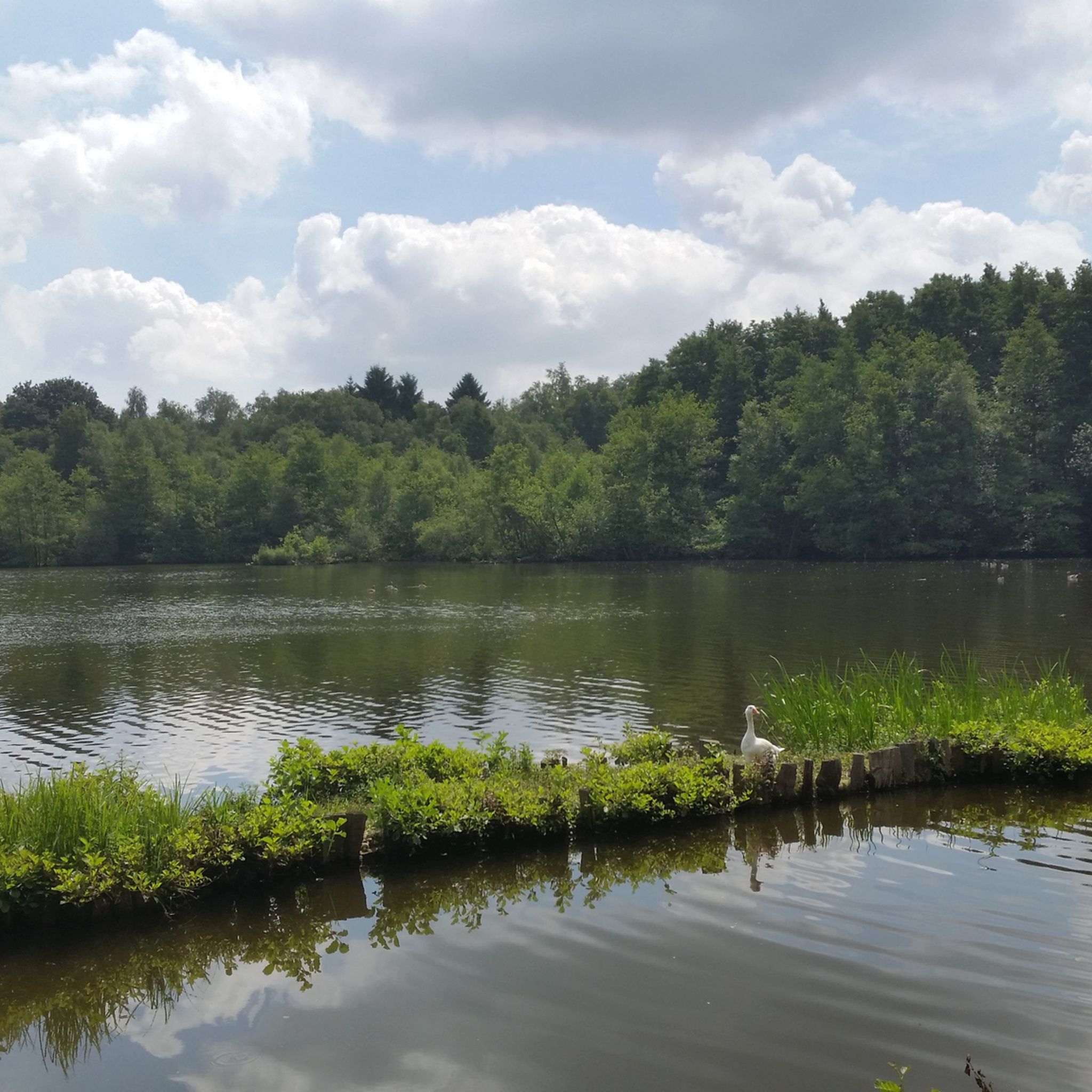
Cycling around Niederkrüchten
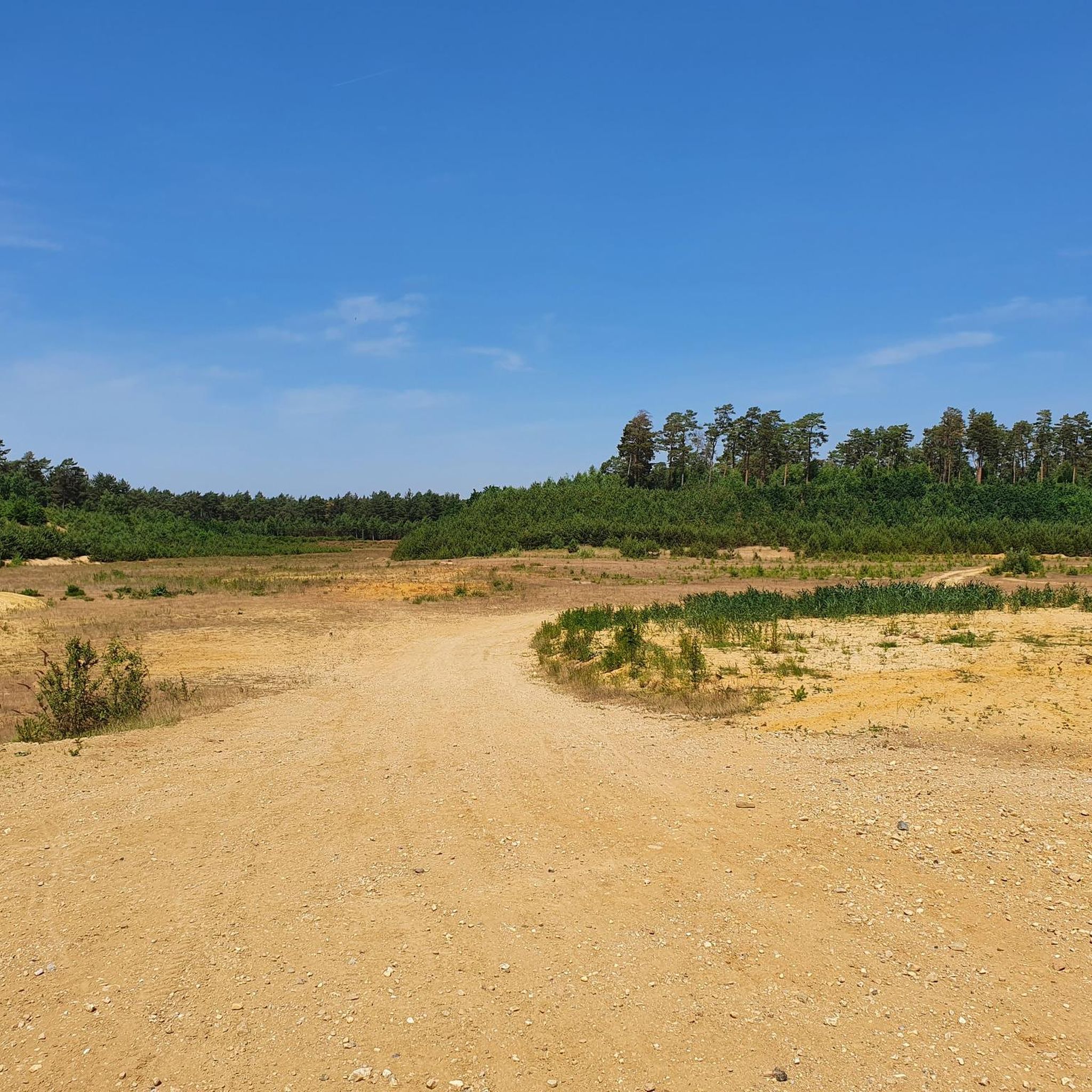
Running Trails around Niederkrüchten
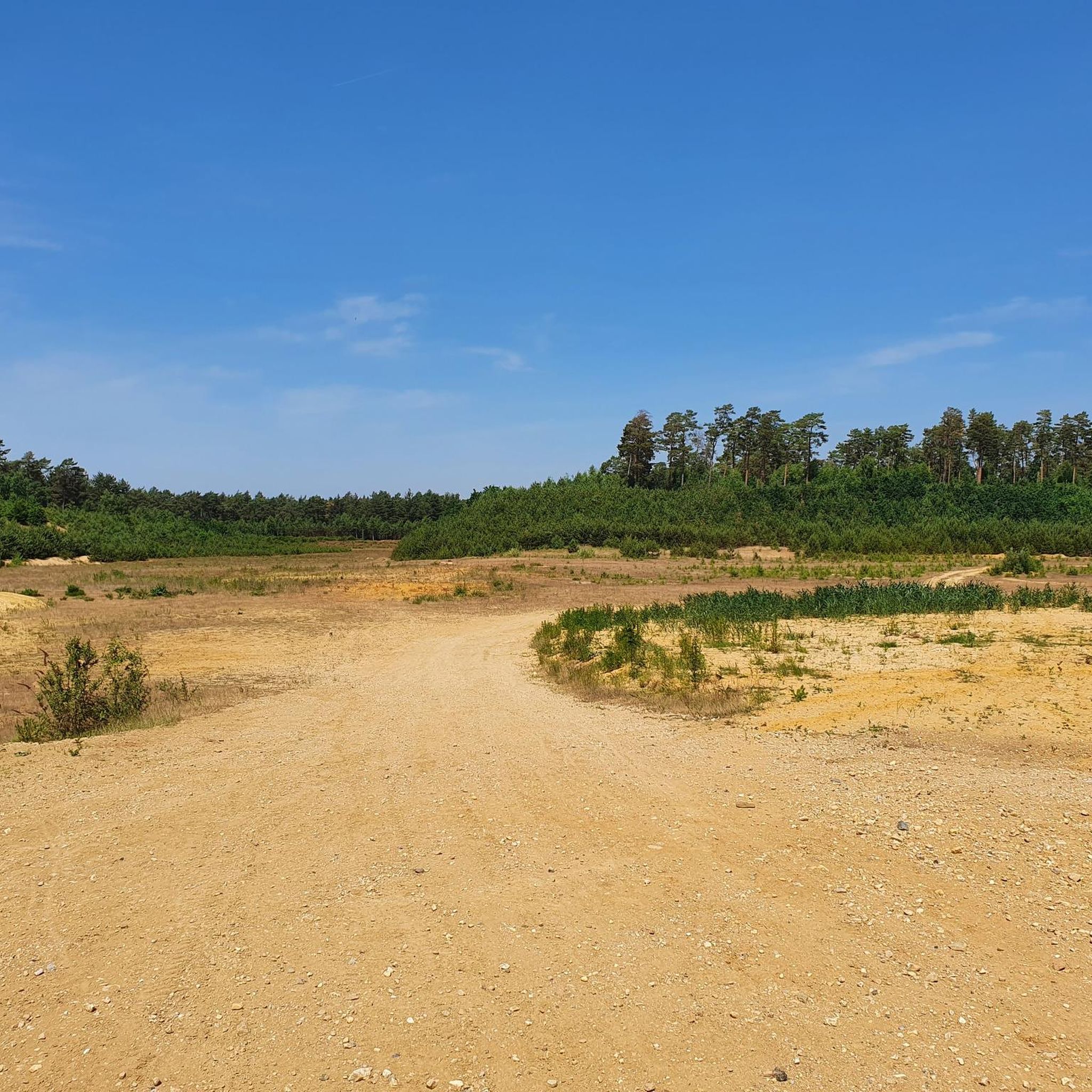
MTB Trails around Niederkrüchten
Road Cycling Routes around Niederkrüchten
Other adventures around Niederkrüchten


Tips from the Community

The forest path through Meinweg National Park gives a nice playful touch to this route, enjoyed!
0
0


I recommend you again and again ☺️
1
0

Very scenic and relaxing environment.
2
0

Many juniper bushes grow on this heath, some of which are several meters tall. The area is known as the largest juniper heath in the Lower Rhine region. This makes it a rare and valuable nature reserve, as this type of heath is scarce nowadays. The juniper heath originated from human use of the landscape in the past. Grazing by sheep and land use created an open heath landscape in which juniper bushes could grow. Nowadays, this landscape is actively maintained, including through grazing by heath sheep, to prevent it from turning into forest. The area is also important for animals. Various bird species, such as the nightjar and the woodlark, live on the heath. In addition, many insects, reptiles, and amphibians are found here. Due to the combination of wet and dry areas, the biodiversity here is very high.
1
0
Keverberg Castle is a historic castle in the village of Kessel in the province of Limburg. The castle stands on an artificial hill along the River Maas and is one of the oldest fortresses in the Netherlands. The castle's origins date back to around the year 1000. At that time, there was initially a watchtower on an artificial hill, a so-called motte. The tower had an important function because it overlooked the Maas and a major trade route between Antwerp and Cologne. Ships and merchants traveling along this route were required to pay tolls. The Counts of Kessel used this site as their residence and a defensive point. From the castle, they governed a large area in North Limburg and parts of present-day Germany. In 1279, the castle was sold to Reinald I, the Count of Gelre. The last Count of Kessel had to sell the territory due to financial problems. As a result, Kessel came under the authority of the Duchy of Gelre. Later, the castle changed owners several more times. Families such as the Van Merwijck and later the Van Keverberg family lived there. Eventually, the last noble resident gave up the castle in the 19th century. Afterward, the building was used by cloister nuns, among others. During the Second World War, the castle was severely damaged. In 1944, retreating German soldiers blew up the castle due to its strategic location. After the war, only a ruin remained for a long time. The castle remained a ruin for decades. It was not until the 21st century that the decision was made to rebuild the castle. It was restored between 2014 and 2015. During this restoration, the old architectural style was combined with modern materials such as glass and steel. As a result, it has become a remarkable castle where history and modern architecture come together.
0
0

Whether by bike or on foot, exploring this region is a true pleasure.
4
0
There are many juniper bushes here. You don't find juniper berries in many places.
0
0
Frequently Asked Questions
How many gravel bike trails are available around Niederkrüchten?
There are over 25 gravel bike trails around Niederkrüchten, offering a variety of experiences for different skill levels. The komoot community has explored more than 3000 gravel biking tours in the area.
What kind of terrain can I expect on gravel bike trails in Niederkrüchten?
The terrain around Niederkrüchten is diverse, featuring extensive forests, open meadows, and unique moorlands and heathlands. You'll encounter gentle hills and moderate elevation changes, with some routes, particularly in areas like the Elmpter Schwalmbruch nature reserve, offering distinct riding experiences through swamp landscapes and heathlands.
Are there any circular gravel bike routes in Niederkrüchten?
Yes, many gravel routes in Niederkrüchten are circular. For example, the Meinweg National Park – De Meinweg National Park loop is a popular circular route covering 54.7 km. Another option is the Borner See viewpoint – Borner Lake loop, which is a moderate 40 km circular ride.
What are some interesting natural features or landmarks to see along the gravel trails?
Niederkrüchten's trails pass by several natural and historical highlights. You can explore the unique heathlands of the Elmpter Schwalmbruch Nature Reserve, enjoy views of the Hariksee (Harik Lake), or discover the Beaver wetland in the Schaagbach Valley. The historic Dalheim Mill is also a notable point of interest.
Are there any easy gravel bike trails suitable for beginners?
Yes, Niederkrüchten offers several easy to moderate gravel routes. While specific 'beginner' routes aren't highlighted, many of the trails have gentle hills and moderate elevation changes, making them accessible. Look for routes marked as 'moderate' difficulty, which typically have less demanding terrain and shorter distances.
What is the best time of year for gravel biking in Niederkrüchten?
The diverse landscapes of Niederkrüchten, with its forests, meadows, and moorlands, are enjoyable throughout much of the year. Spring and autumn offer pleasant temperatures and beautiful scenery, while summer provides longer daylight hours. Even in winter, many trails remain accessible, though conditions might vary, especially in moorland areas.
Are there any challenging gravel bike routes for experienced riders?
Yes, experienced riders will find challenging options. For instance, the Brachter Wald Nature Reserve – Cycle Path Along the Schwalm loop is rated as 'difficult' and covers 46.2 km. Another demanding route is the Cycle Path Along the Schwalm – Confluence of the Wurm and Rur rivers loop, a 62.9 km ride with significant elevation gain.
Can I find places to stop for food or drinks along the gravel routes?
Yes, the region has various options for breaks. The town of Niederkrüchten itself offers cafes and pubs. Routes often pass by or near villages and attractions like the Dalheim Mill or the Hariksee, where you might find refreshment stops. Planning your route with komoot can help identify specific points of interest for breaks.
Is it possible to combine gravel biking with public transport in Niederkrüchten?
Niederkrüchten is part of the Viersen district, which has public transport connections. While specific details for bike transport on local buses or trains would need to be checked with regional transport providers, planning routes that start and end near train stations or bus stops can facilitate combining your ride with public transport.
What do other gravel bikers enjoy most about gravel biking in Niederkrüchten?
The area is highly rated by the komoot community, with an average score of 4.6 stars. Reviewers often praise the diverse landscapes, including the extensive forests and unique moorlands, as well as the well-maintained trails that offer a mix of natural beauty and engaging riding experiences.
Are there any gravel bike routes that are suitable for families?
While specific 'family-friendly' routes are not explicitly detailed, the region's generally gentle hills and moderate elevation changes mean that many of the easier and shorter gravel paths could be suitable for families. Routes along the Schwalm river or around lakes like Hariksee often provide flatter, more accessible terrain. Always check the route's difficulty and distance to ensure it matches your family's capabilities.
Are dogs allowed on the gravel bike trails in Niederkrüchten?
Many natural areas and trails in Germany, including those within the Maas-Schwalm-Nette Nature Park, are generally dog-friendly, often requiring dogs to be kept on a leash to protect wildlife. It's always advisable to check specific regulations for nature reserves or protected areas you plan to visit, as rules can vary.
Most popular routes around Niederkrüchten
Most popular attractions around Niederkrüchten

Get inspired with the komoot mobile app


Explore more
Browse the best Gravel rides in other regions.
