The best gravel rides around Fischingen
4.4
(54)
495
riders
66
rides
Gravel biking around Fischingen offers a diverse landscape characterized by river valleys, rolling hills, and forested sections. The region features routes along the Thur and Töss rivers, providing varied terrain for gravel cyclists. Elevations typically involve moderate climbs, with some routes reaching over 500 meters of ascent. The area's trails often navigate through natural reserves and offer views of the surrounding countryside.
Best gravel bike trails around Fischingen
- The most popular gravel bike trail is View of Gampen – Narrow…
Last updated: November 16, 2026
5.0
(1)
24
riders
34.9km
02:29
530m
530m
Hard gravel ride. Very good fitness required. Mostly paved surfaces.
4.5
(4)
40
riders
42.8km
02:30
360m
360m
Moderate gravel ride. Good fitness required. Mostly paved surfaces.

4.4
(5)
37
riders
43.1km
02:33
520m
520m
Hard gravel ride. Very good fitness required. Mostly paved surfaces.
3.5
(2)
13
riders
20.7km
01:12
110m
110m
Easy gravel ride. Mostly paved surfaces.
4.3
(3)
19
riders
96.2km
06:36
1,920m
1,920m
Hard gravel ride. Very good fitness required. Mostly paved surfaces.
Get access to more routes and recommendations from other explorers.
Already have an account?
Our route recommendations are based on thousands of hikes, rides, and runs completed by other people on komoot.
Start today with a free account
Your next adventure awaits.
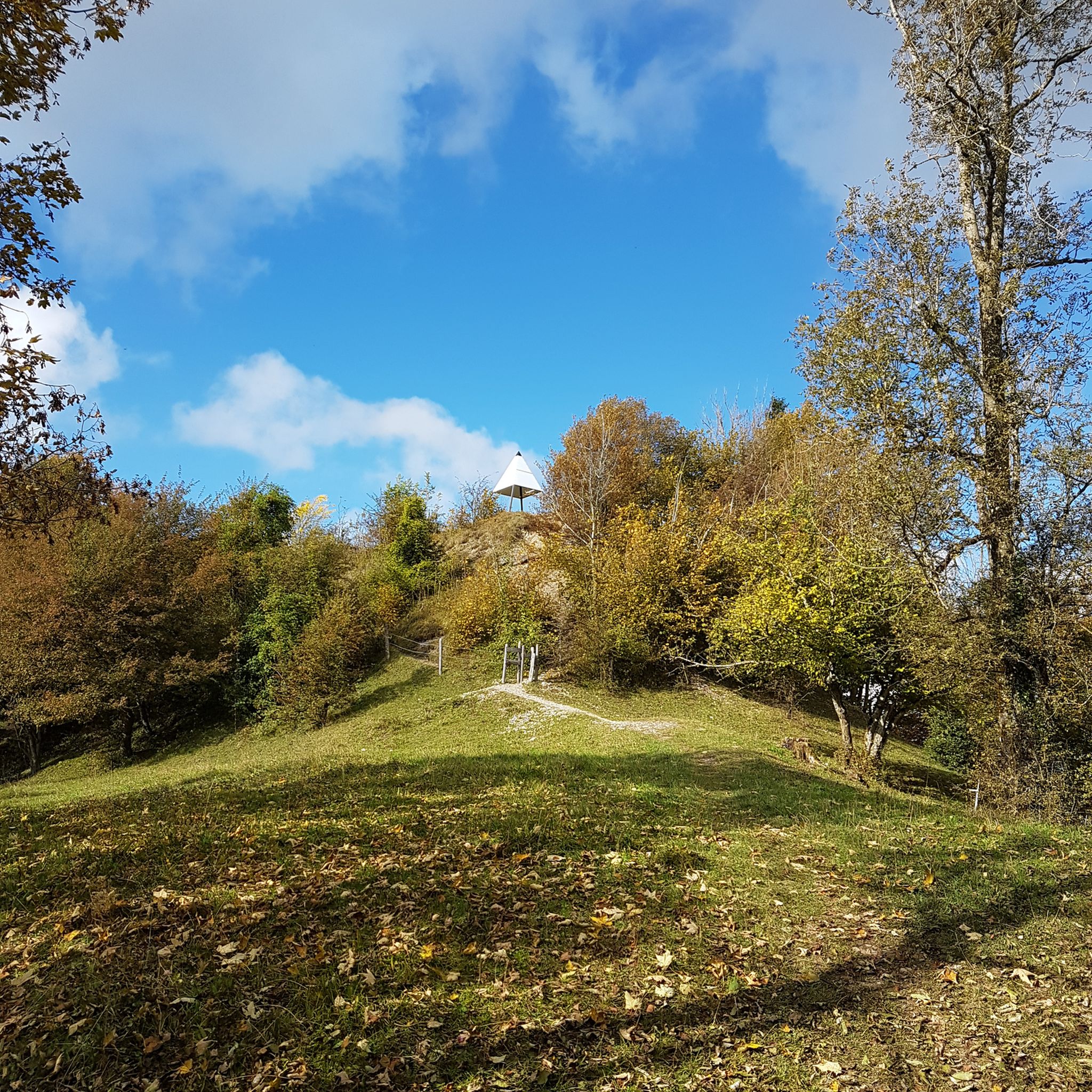
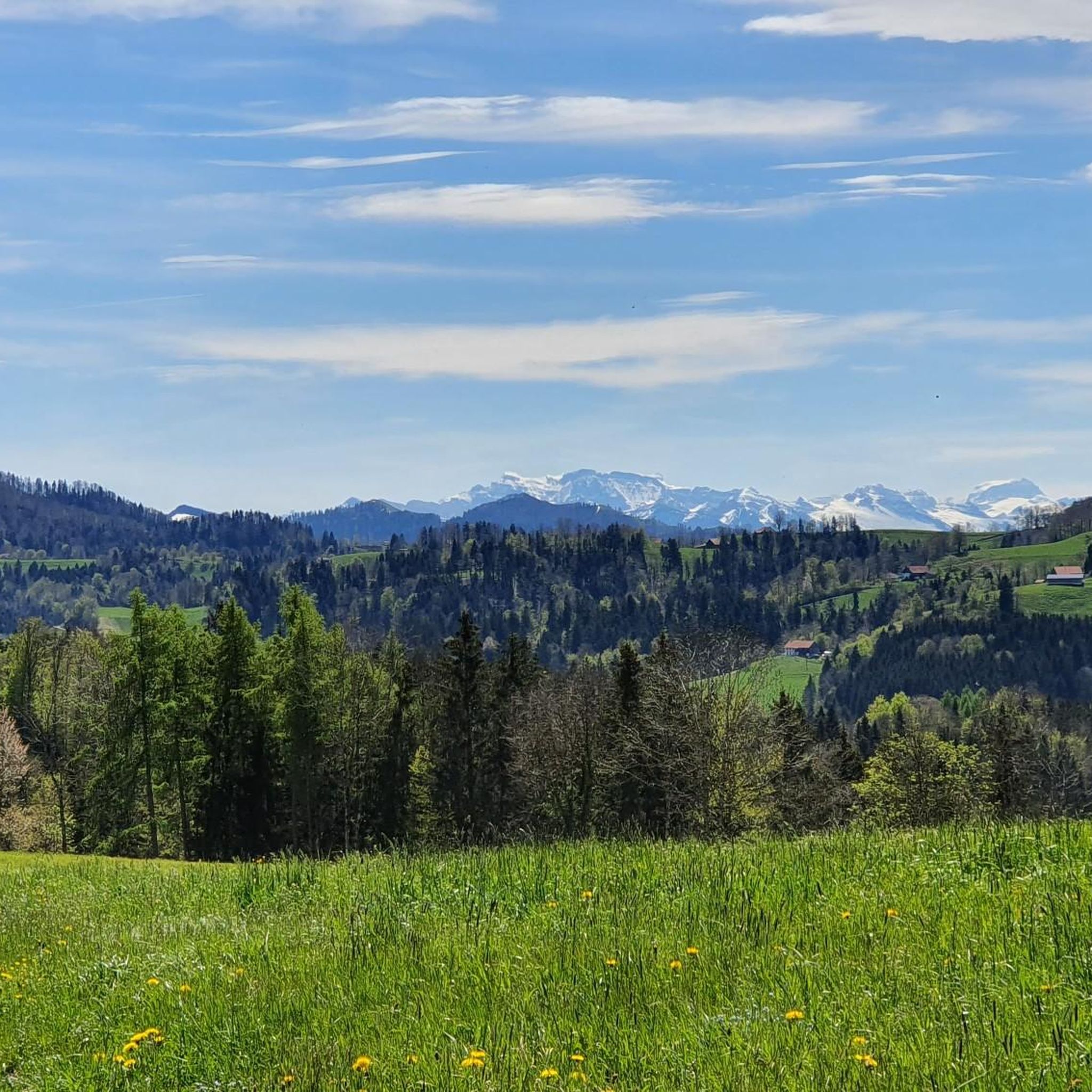
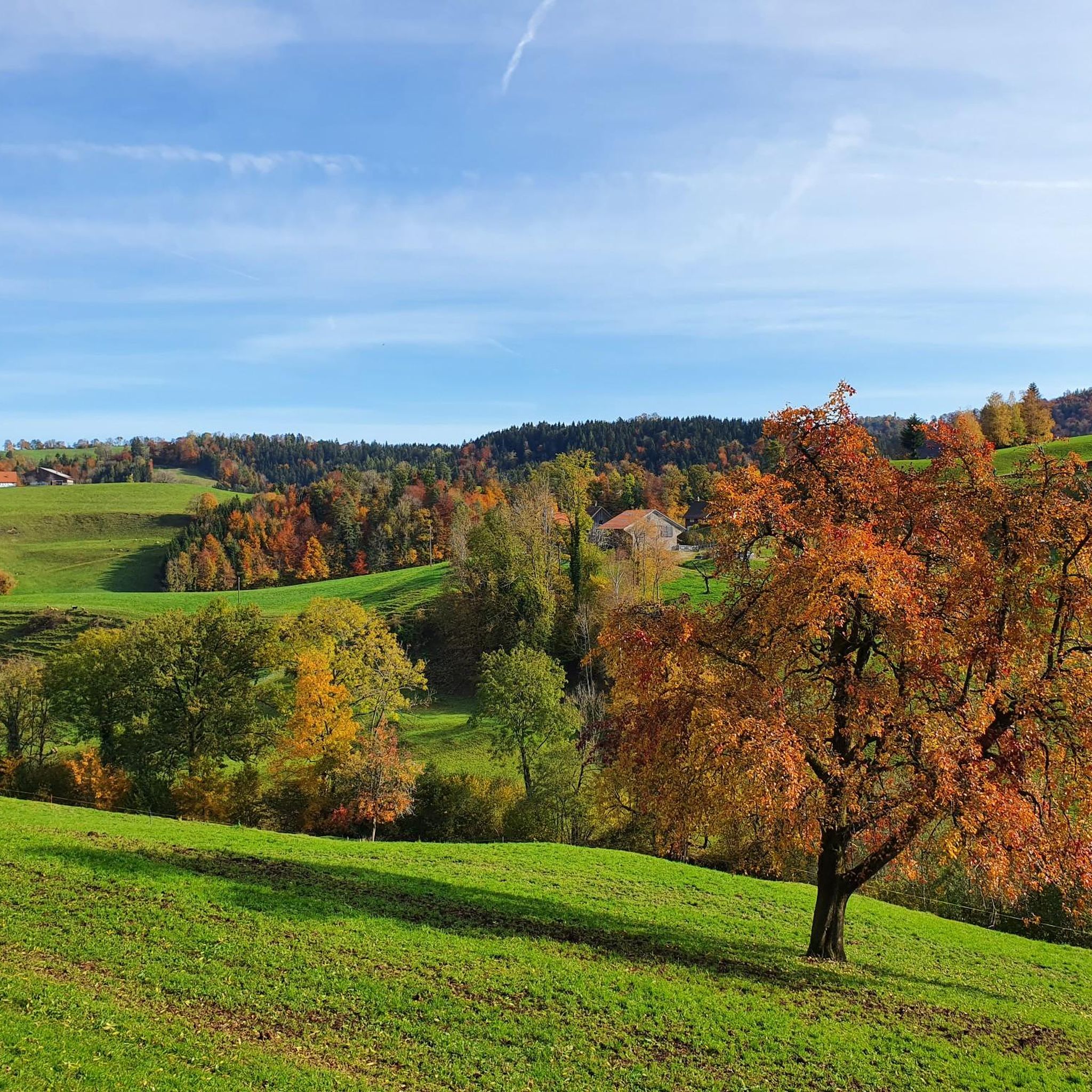
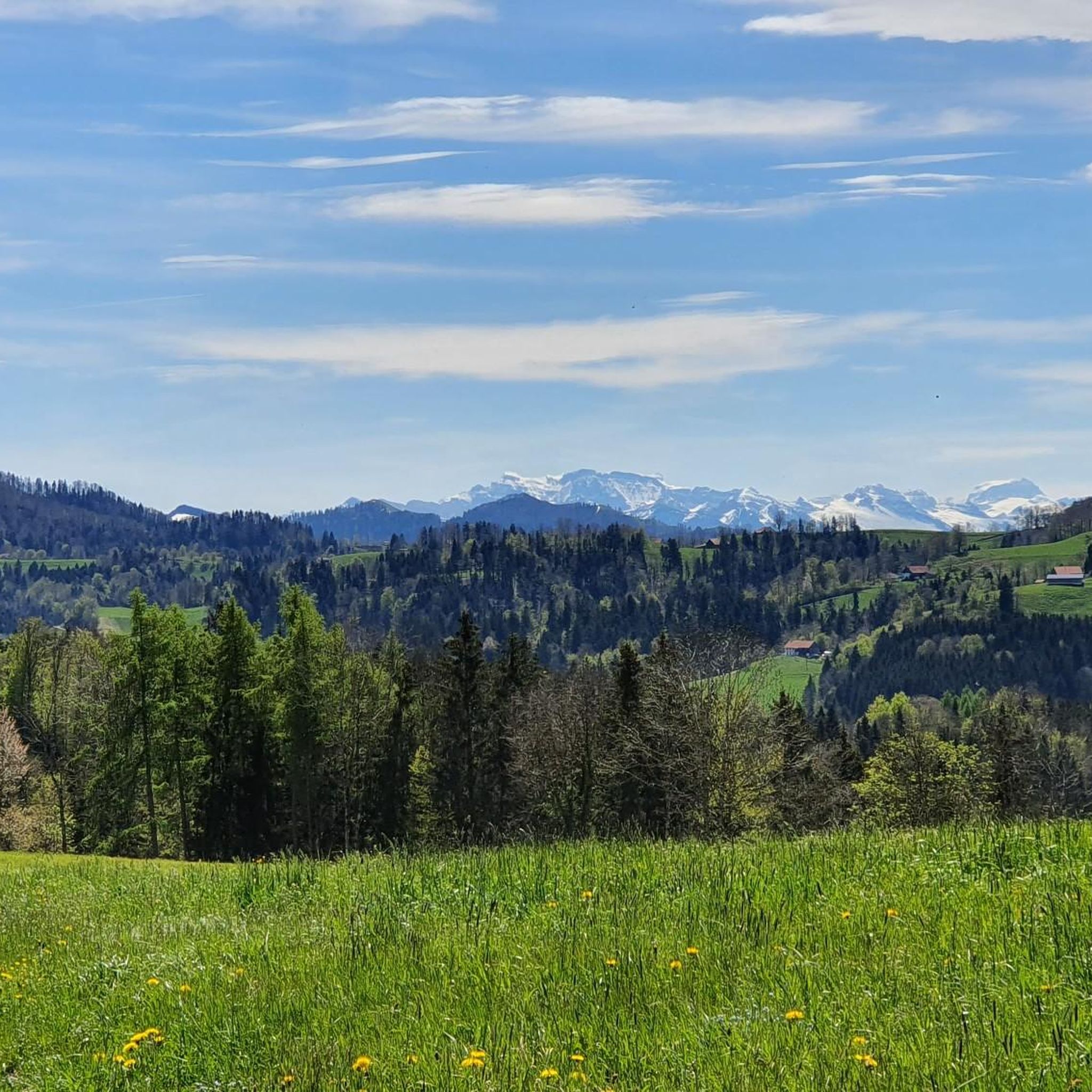
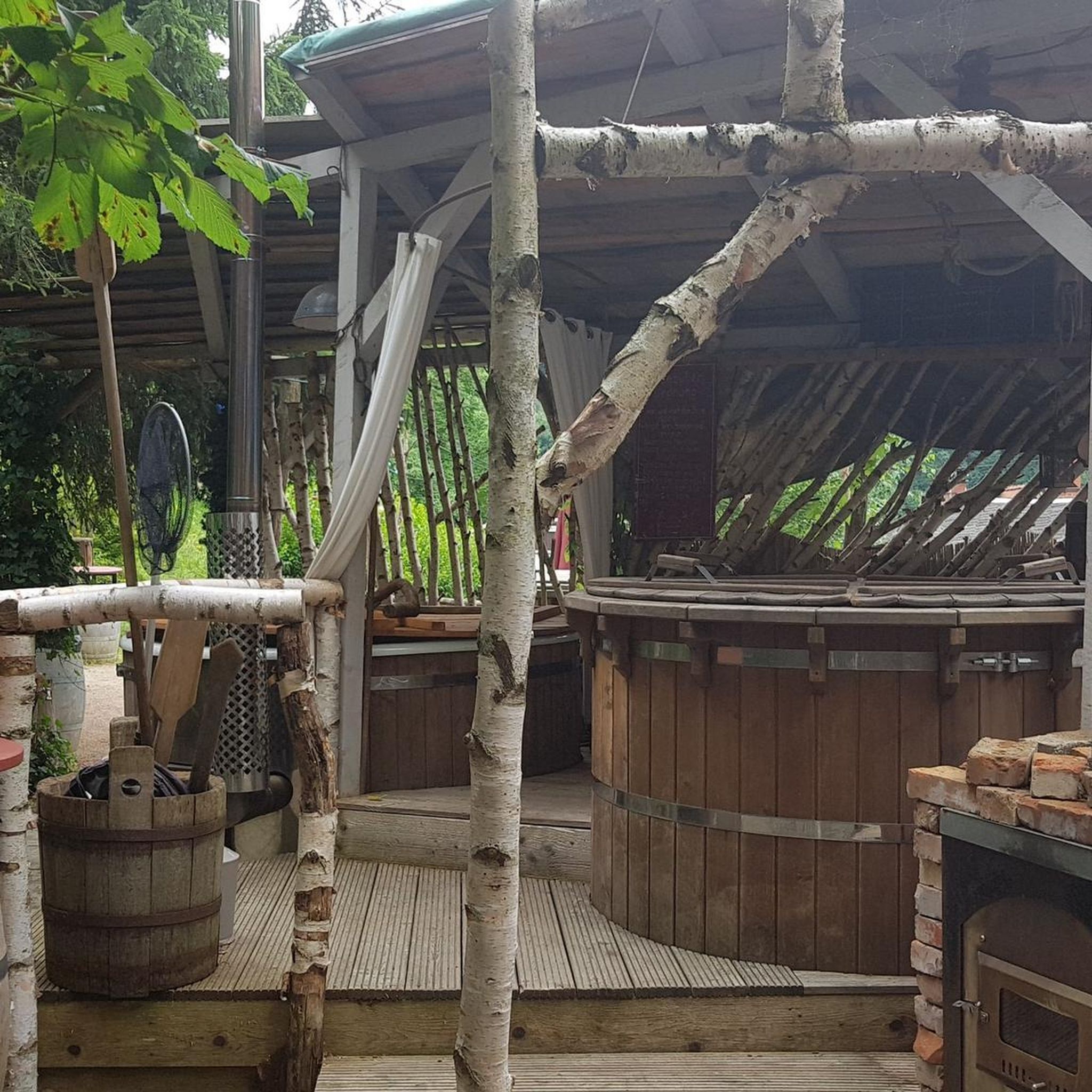
Other adventures around Fischingen

Tips from the Community

On Wednesdays, the restaurant Stierenberg is closed. Please also note the bus timetable. It is not very frequent.
0
0


The old town of Wil is one of the best-preserved in Eastern Switzerland and impresses with its striking silhouette on the town pond. Via historic alleys, you reach the Hof zu Wil, which was once the residence of the Prince-Abbots of St. Gallen.
1
0

Long cycle path, often separated from the main road, up the entire Tösstal from Sennhof to Gibswil. Quite busy.
1
0

If you are cycling along the Thur river on gravel, you will have to drive under this bridge.
1
0

Be sure to follow the bike sign; this will make for a more pleasant ride into the heart of the old town, which is well worth it for history buffs.
1
0

Baroque Church of St. John the Baptist & St. John the Evangelist - Fischingen Monastery History and Architecture According to sources from around 1200, Abbot Waltram had the first church and monastery complex built between 1138 and 1144. This Romanesque church was followed by the Gothic church, probably after a monastery fire dated 1440. Before the convent chapter decided to begin construction of a new church in 1685, Abbot Joachim summoned the Einsiedeln architect Brother Kaspar Moosbrugger, whose contribution to the planning, however, is difficult to estimate. The northern nave underwent its first alteration in connection with the Idda Chapel, built from 1704 onwards. The arcades opening onto the chapel were decorated with stucco. The extension of the church to the east and the construction of the cheerful organ choir in 1753 onwards had a more dramatic effect. which forms the transition to the spacious Baroque convent buildings from the same period. Somewhat later, the chancel was remodeled in the emerging style of early classicism. The Fischingen monastery church underwent extensive renovations between 2000 and 2008. The parish could not possibly cover the high costs of this renovation, approximately CHF 8 million, alone. Text / Source: Catholic Parish of St. Idda Fischingen, Kurhausstr. 29a, 8374 Dussnang https://www.kath-fischingen.ch/de/unser-pastoralraum-0/unsere-kirchen/st-johannes-der-taeufer-st-johannes-der-evangelist
15
0
Kloster Fischingen / A foray through history In 1138, Bishop Ulrich II of Constance founded a private episcopal monastery in his territory on the upper reaches of the Murg river and settled it with Benedictine monks from the Petershausen monastery in Constance. After an initial period of prosperity, the Fischingen convent numbered barely more than 10 monks until the 17th century. In addition to tending to monastic life, they were responsible for pastoral care in the incorporated parishes of Dussnang (with Au), Bichelsee, Sirnach, and Bettwiesen, as well as in Fischingen. The Reformation led to the extinction of monastic life in Fischingen for several years. Abbot Heinrich Stoll from Zurich converted to the new doctrine in 1526 and married; the remaining four monks soon followed his example. It was the Catholic cantons of the Imperial Diet who brought about the re-establishment of the monastery by postulating P. Markus Schenkli, the vicar of the Abbot of St. Gallen, as the new Abbot of Fischingen in July 1540 at the Diet in Baden. After initial personnel and financial difficulties, the spirit of reform prevailed in Fischingen, and the monastery experienced its long flourishing period throughout the Baroque era with an average of 30 monks. Under the pious Abbot Joachim Seiler of Wil (1672–1688), a prolific spiritual writer and sought-after preacher, monastic spirituality reached such a peak that it was praised in a visitation report with the words "more to be recommended than to be improved". The construction of the new monastery church (1685–1687) also falls within Abbot Joachim's time. Abbot Nikolaus Degen of Lachen (1747–1776) is considered Fischingen's great Baroque building abbot. He extended the church with the Upper Choir in the ornate Rococo style and had the symmetrically designed, beautifully shaped monastery buildings erected to the east and south of the quadrangle. To the west, due to the monastery's high debt burden, the earlier buildings from 1577 and 1635 remained. Abbot Augustin Bloch of Oberbuchsiten (1776–1815) skillfully guided the monastery through the turmoil of the French Revolution and had the Lower Choir of the church remodeled in the early Classical style. Text / Source: Verein Kloster Fischingen, old website https://www.benediktiner-fischingen.ch/unsere-geschichte/
15
0
Frequently Asked Questions
How many gravel bike trails are available around Fischingen?
There are over 110 gravel bike routes in the Fischingen area, offering a wide range of options for different skill levels and preferences. You'll find everything from easy riverside paths to more challenging routes with significant climbs.
Are there any beginner-friendly gravel bike routes in Fischingen?
Yes, Fischingen offers several routes suitable for beginners. For an easier ride, consider the View of the River Thur – Thur River Trail loop from Wil SG, which is an easy 12.6-mile (20.3 km) path with minimal elevation gain, perfect for a relaxed outing.
What kind of challenges can advanced gravel bikers expect near Fischingen?
Advanced riders will find plenty of challenging routes with significant elevation. For example, the Töss River Bike Path – Töss River Cycle Path loop from Eschlikon is a difficult 26.8-mile (43.1 km) trail that includes over 500 meters of ascent, navigating through varied terrain in the Töss River valley.
Are there many circular gravel bike routes around Fischingen?
Yes, many of the gravel bike routes in Fischingen are designed as loops, making it convenient to start and end your ride in the same location. This allows for diverse exploration without needing to retrace your steps.
Can I find family-friendly gravel biking options in Fischingen?
Absolutely. The region features easy riverside paths along the Thur and Töss rivers that are generally suitable for families. These routes often have gentler gradients and offer pleasant scenery for all ages.
When is the best time of year for gravel biking in Fischingen?
The best time for gravel biking in Fischingen is typically from spring through autumn (April to October). During these months, the weather is generally mild, and the trails are in good condition. Summer offers lush green landscapes, while autumn provides beautiful fall colors.
What are the typical gravel bike trail conditions like in Fischingen, especially in winter?
Fischingen's gravel trails feature a mix of surfaces, including compacted gravel, forest paths, and some paved sections, often along river valleys and through rolling hills. In winter, conditions can vary significantly; lower elevation paths might be rideable, but higher sections or forested areas could be muddy, icy, or covered in snow, so it's always best to check local conditions before heading out.
Are there places to stop for refreshments along the gravel bike trails in Fischingen?
Yes, many routes pass through or near small villages and towns where you can find local cafes, restaurants, or bakeries to refuel. It's always a good idea to plan your route and check for available stops beforehand, especially on longer rides.
What kind of views or viewpoints can I expect on gravel bike routes in Fischingen?
Gravel biking in Fischingen offers diverse scenic views, including expansive vistas over river valleys like the Thur and Töss, rolling hills, and dense forested sections. Some routes provide panoramic views from higher points, such as those near the Schauenberg Ruins and Panoramic Viewpoint.
What do other gravel bikers enjoy the most about gravel biking in Fischingen?
The komoot community highly rates the gravel biking experience in Fischingen, with an average score of 4.4 stars from over 40 reviews. Riders often praise the varied terrain, the beautiful river scenery, and the well-maintained paths that offer a good mix of challenge and enjoyment.
Are there any notable landmarks or attractions to see along the gravel bike trails?
Yes, the Fischingen area is rich in historical and natural attractions. You might encounter historical sites like the Tannegg Castle Ruins or natural highlights such as Lake Bichel and the Thur Suspension Bridge near Thurau, which can be incorporated into your ride.
Where can I find parking for gravel biking in Fischingen?
Many of the gravel bike routes around Fischingen start from towns like Wil SG or Eschlikon, where public parking facilities are typically available. It's advisable to check specific starting points for designated parking areas or public transport connections.
Are there any routes that explore nature reserves or protected areas?
Yes, some gravel bike routes in Fischingen lead through or near natural reserves. For instance, the Roosetaaler Pond – Webereiweiher Nature Reserve loop from Wil SG offers a chance to cycle through a protected area, providing a serene natural experience.
Most popular routes around Fischingen
Most popular attractions around Fischingen

Get inspired with the komoot mobile app


Explore more
Browse the best Gravel rides in other regions.
