The best gravel rides around Fels am Wagram
4.6
(35)
177
riders
28
rides
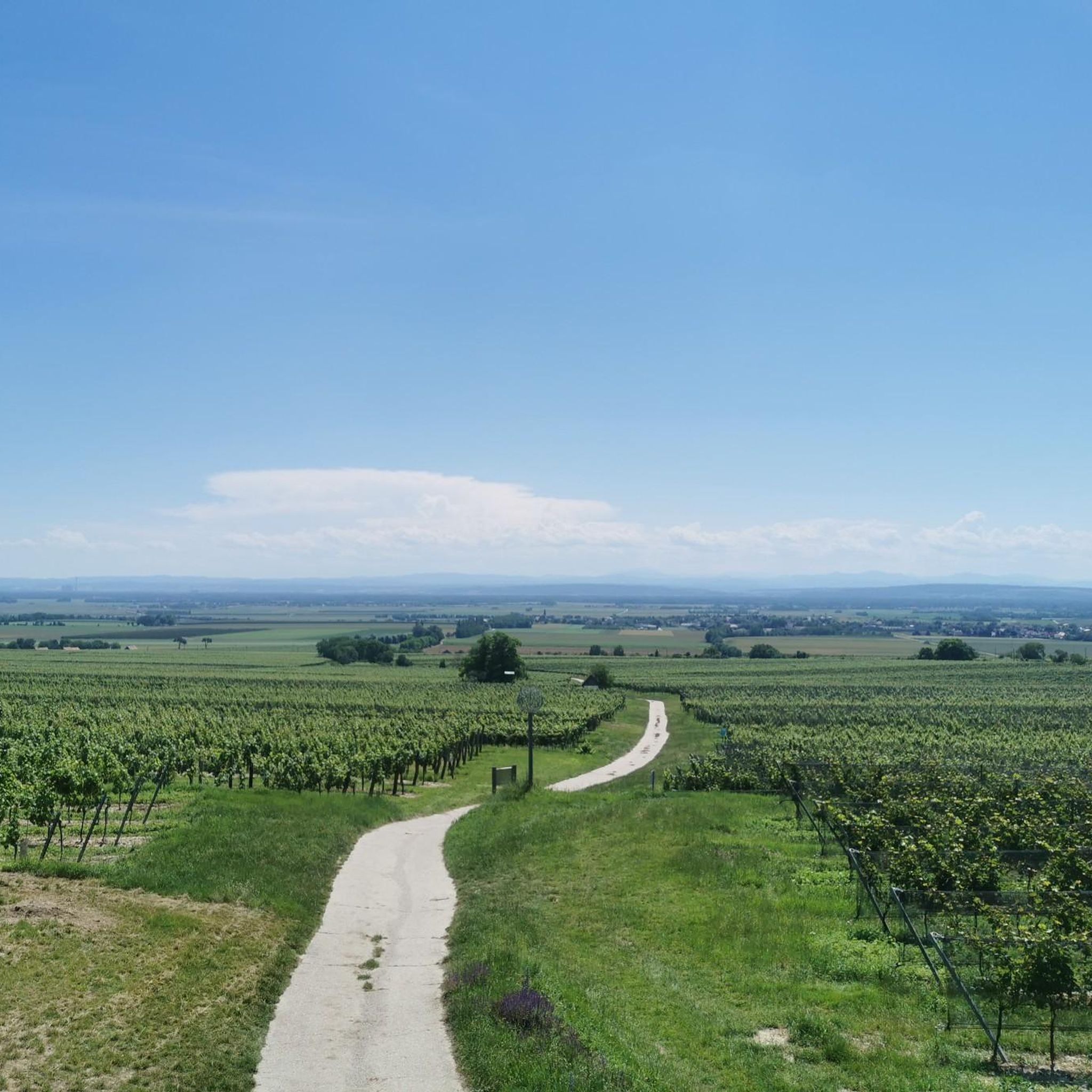
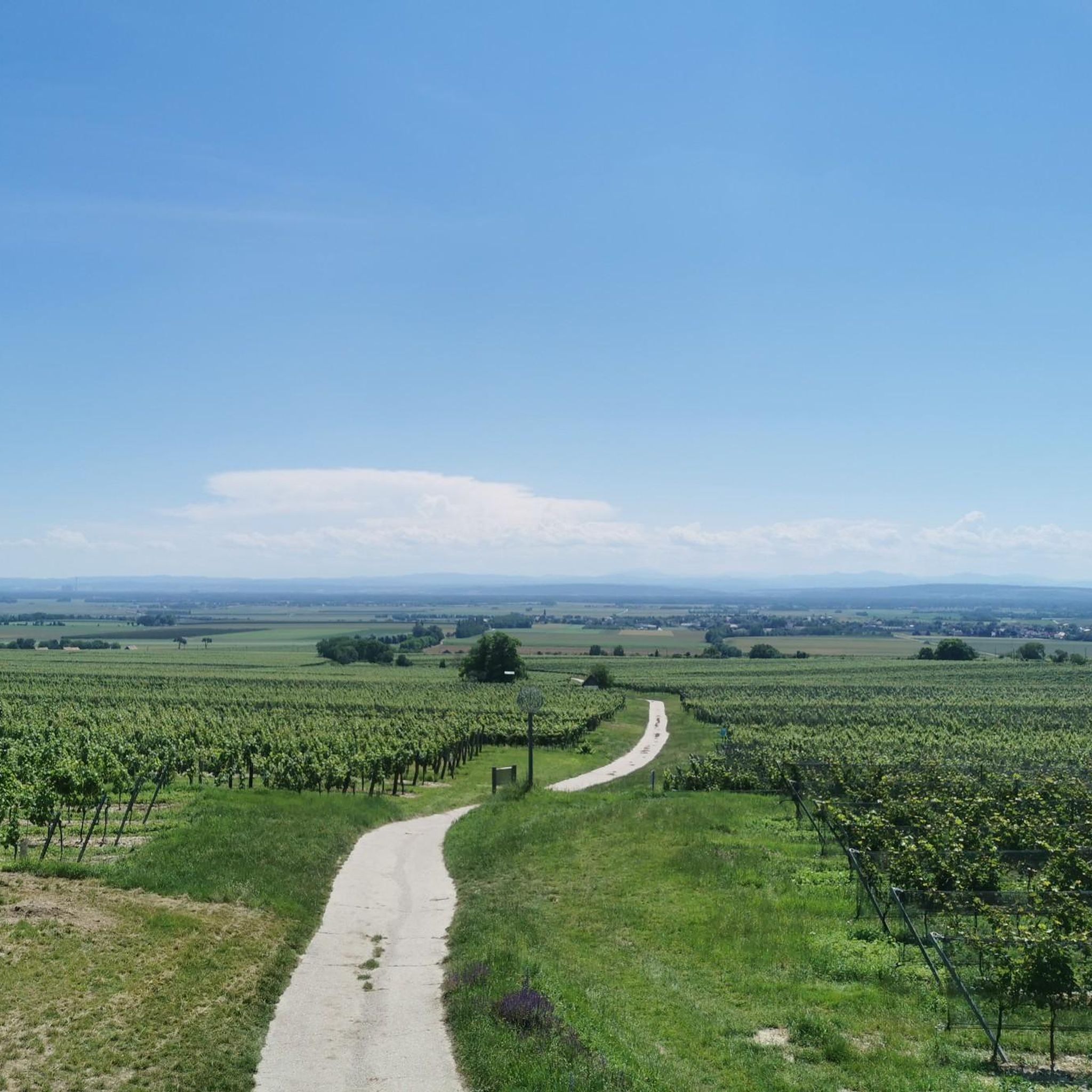
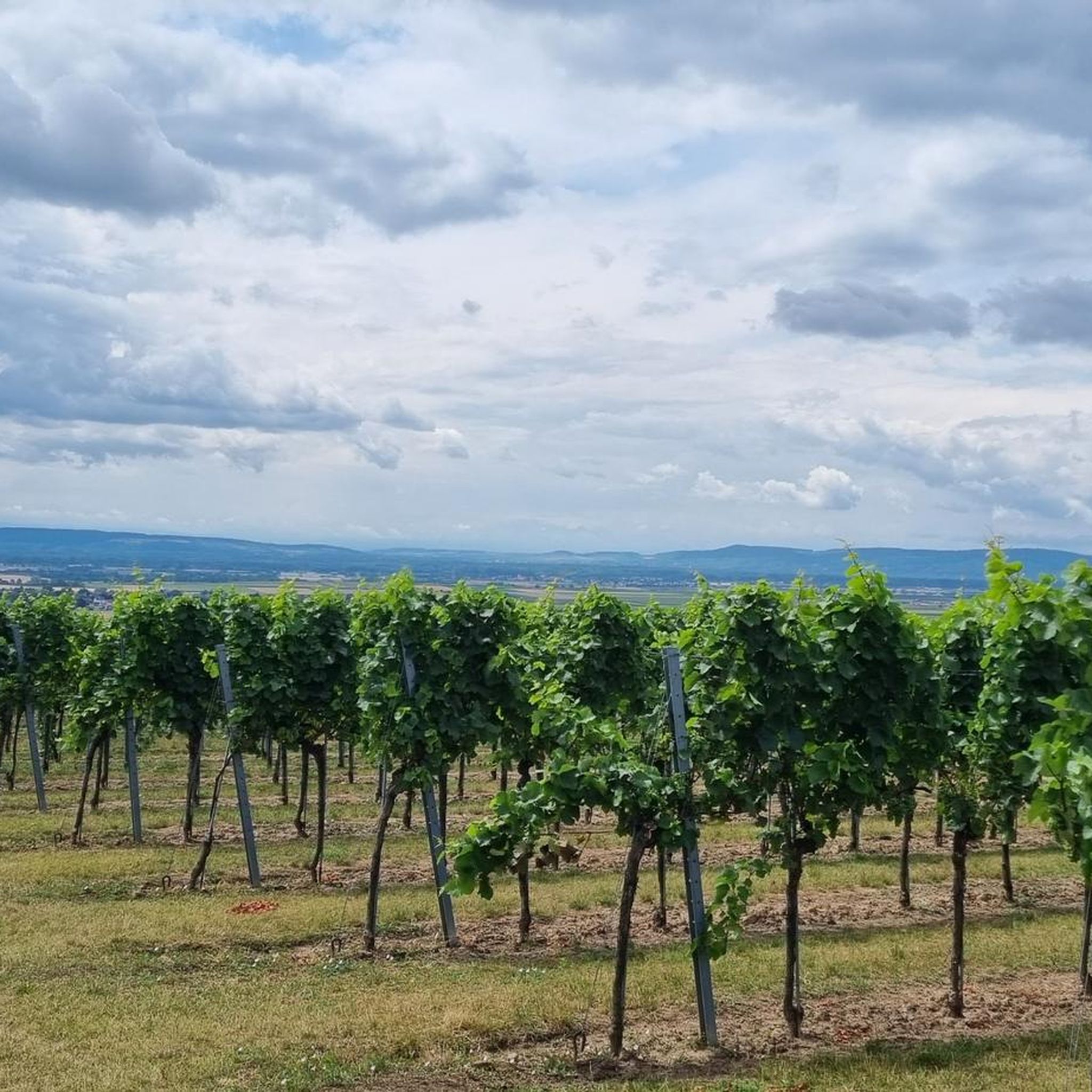
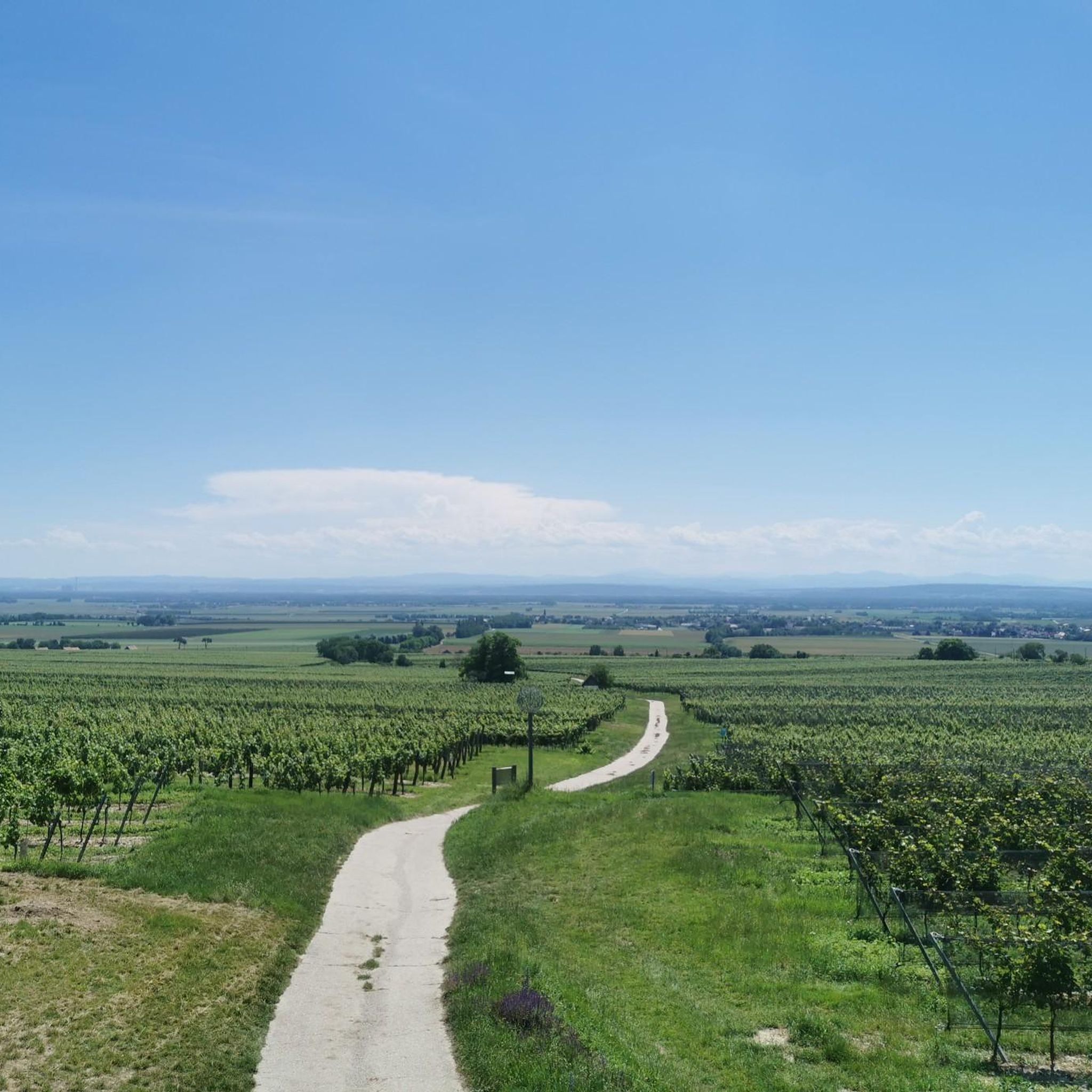
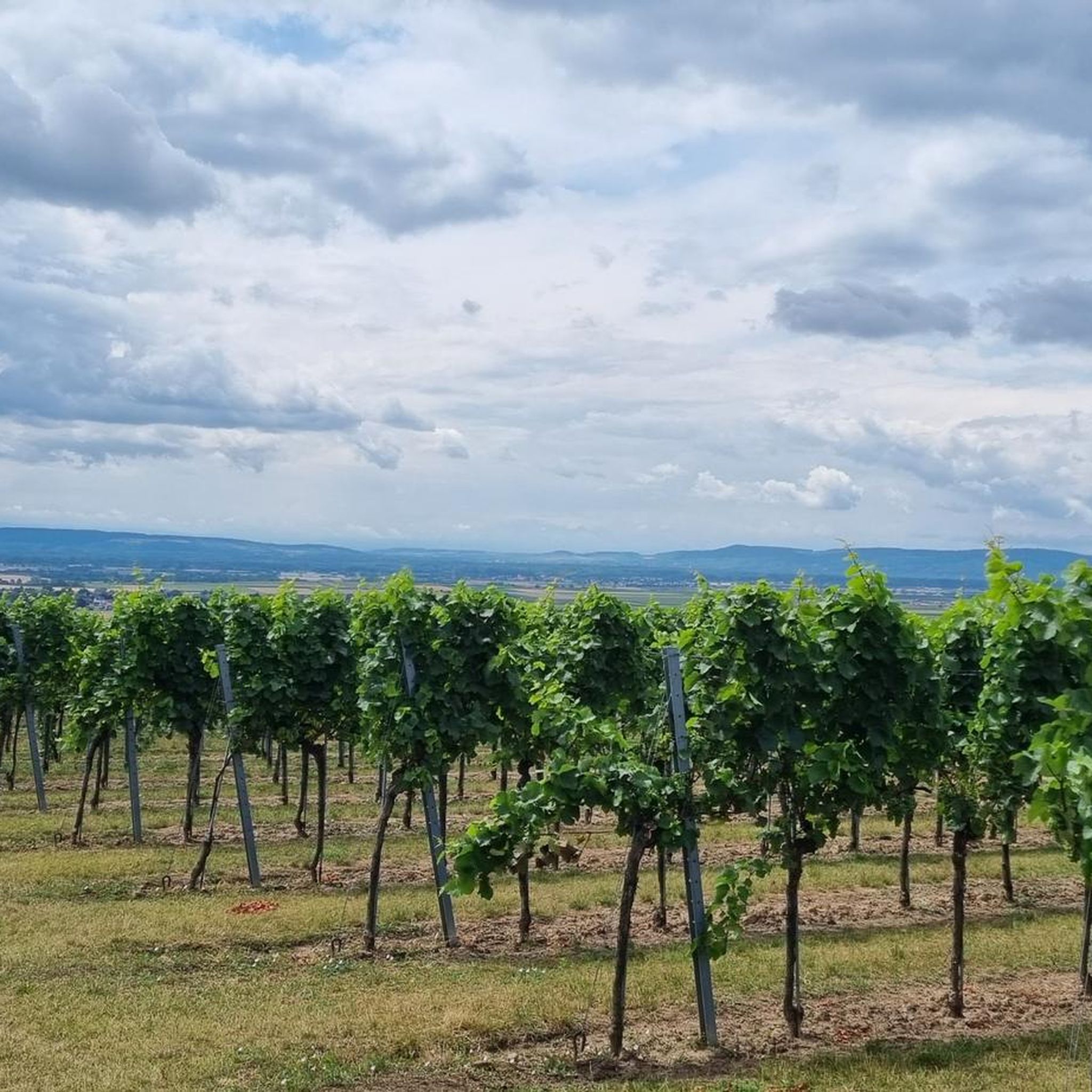
Gravel biking around Fels am Wagram offers diverse terrain, characterized by the rolling hills of the Wagram region and the Danube valley in Lower Austria. The landscape features extensive vineyards, loess hollow paths, and views over the wide Tullnerfeld plain. This area provides a mix of paved and unpaved surfaces, suitable for various gravel biking experiences.
Best gravel bike trails around Fels am Wagram
- The most popular gravel bike trail is Langenlois and Gföhl Gravel Tour, a 27.5 miles…
Last updated: November 16, 2026
5.0
(3)
27
riders
44.3km
03:53
650m
650m
Hard gravel ride. Very good fitness required. Mostly paved surfaces.
4.8
(10)
47
riders
34.3km
02:02
280m
280m
Moderate gravel ride. Good fitness required. Mostly paved surfaces.

5.0
(1)
10
riders
59.8km
04:03
980m
980m
Hard gravel ride. Very good fitness required. Mostly paved surfaces.
4.8
(11)
51
riders
40.0km
02:20
280m
280m
Moderate gravel ride. Good fitness required. Mostly paved surfaces.
3.0
(2)
15
riders
40.0km
02:12
70m
70m
Moderate gravel ride. Good fitness required. Mostly paved surfaces.
Get access to more routes and recommendations from other explorers.
Already have an account?
Our route recommendations are based on thousands of hikes, rides, and runs completed by other people on komoot.
Start today with a free account
Your next adventure awaits.
Other adventures around Fels am Wagram

Tips from the Community

Gars am Kamp is first mentioned in documents as a market town in 1279, and the market rights were confirmed in 1403. Gars Castle was expanded by the Kuenringers; later lords of the castle included the Maissauers and the Counts of Lamberg. The large Renaissance castle built in the 16th century fell into ruin in the 19th century due to the burden of the roof tax.
0
0

Cool loop of water, fun to watch!
2
0
A historic castle next to a futuristic open-air stage in a landscape park, a 19th-century riding school next to a modern concert hall and much more await you in Grafenegg. The slender courtyard-facing turret of Schloss Grafenegg represents the late Gothic construction phase. The Renaissance era also lastingly shaped the development of the castle, which in the first half of the 17th century already presented a four-wing complex with two towering structures. A moat and four wall houses provided impressive protection. A chapel was erected on the east side. Grafenegg thus acquired the form that is still partially preserved today. The garden pavilion, where festivities were celebrated and theatre was performed, is reminiscent of the Baroque period. Following the example of English castles, a complex in the style of romantic historicism was to be erected. This is how Schloss Grafenegg, as we know it today as a landmark, came into being.
0
0
Beautiful view of the unfortunately very unknown castle Kronsegg.
1
0
The well-known Trinity Column (Pestsäule) in Langenlois stands as a striking centerpiece on the Kornplatz. It was erected in 1713 by the citizenry as thanks for being spared from the plague and consecrated on October 14th of the same year. The baroque monument was created by the renowned Krems sculptor Andreas Krimmer.
0
0
A beautiful view of the Kamp, the Kamptal-Thaya cycle path leads over it.
0
0
A very beautiful castle in Tullnerfeld, a cycle path passes by on every corner, in the east the Wagram-Radtour and in the west the Manhartsberg-Radweg.
0
0
From the farmstead to the castle Who would have thought that a small farmstead would become a "castle of the future"? The farmstead, founded in the 10th century by the lords of Schiltarn, is primarily used by various lords of Kronsegg Castle. It was not until the 16th century that the medieval structure was expanded into a castle and a new seat of power. After a varied succession of owners, Count Aichelberg-Ruhmerskirch sold the castle in 1929 to the municipality of Langenlois. Just one year later, it was acquired by the Order of the English Maidens, who have since operated various educational institutions for children here. This teaching activity was interrupted during World War II – the castle came into the possession of the SA. In 1987, Psychosoziale Zentrum Schiltern GmbH had the building complex renovated with the help of the state of Lower Austria and has since offered the ideal environment for psychotherapeutic rehabilitation on site.
2
0
Frequently Asked Questions
How many gravel bike trails are available around Fels am Wagram?
There are over 50 gravel bike trails available around Fels am Wagram, offering a diverse range of experiences. These include routes through vineyards, along the Danube valley, and across the Tullnerfeld plain.
What kind of terrain can I expect on gravel bike trails in Fels am Wagram?
The terrain around Fels am Wagram is quite varied. You'll encounter rolling hills covered in vineyards, picturesque loess hollow paths, and scenic sections along the Danube valley. The region offers a mix of paved and unpaved surfaces, providing a classic gravel biking experience.
Are there gravel routes suitable for beginners or families in Fels am Wagram?
Yes, Fels am Wagram offers routes suitable for various skill levels. While many routes are moderate to difficult, there is at least one easy route available. The region's gentle ascents and descents through vineyards can be enjoyable for families or those new to gravel biking, especially on less challenging paths.
What are the difficulty levels of gravel biking routes in Fels am Wagram?
The gravel biking routes in Fels am Wagram cater to different abilities. You'll find 1 easy route, 22 moderate routes, and 33 difficult routes. This variety ensures that both casual riders and experienced gravel bikers can find suitable challenges.
What do other gravel bikers enjoy most about the routes in Fels am Wagram?
The gravel biking routes in Fels am Wagram are highly rated by the komoot community, with an average score of 4.6 stars from over 40 reviews. Riders often praise the scenic vineyard landscapes, the panoramic views over the Tullnerfeld, and the varied terrain that makes for an engaging ride.
Are there any scenic viewpoints or landmarks to discover along the gravel trails?
Absolutely. The region is rich in scenic spots and landmarks. You can visit the Aussichtswarte Fels am Wagram observation tower for magnificent panoramic views. Many routes also pass by historic sites like Grafenegg Castle or offer views of the Danube. Additionally, you might encounter charming cellar lanes and various castles and lakes in the wider area.
Can I combine gravel biking with exploring local culture or wine in the Fels am Wagram region?
Yes, Fels am Wagram is Austria's third-largest wine-growing community, making it perfect for combining cycling with wine culture. Many trails wind through vineyards and past traditional cellar lanes. You can visit local wine taverns (Heurigen) or explore nearby wine towns like Langenlois for tastings and relaxation.
Where can I find parking for gravel biking trails in Fels am Wagram?
Fels am Wagram is well-equipped for cyclists. Parking is generally available in the town center and at various starting points for popular trails. Look for designated parking areas near trailheads or in village centers, especially those catering to outdoor enthusiasts.
Is Fels am Wagram accessible by public transport for cyclists?
Yes, Fels am Wagram has public transport connections that can be utilized by cyclists. The region is integrated into Lower Austria's transport network, making it possible to reach starting points for tours via train or bus, often with options for bicycle transport. It's advisable to check specific schedules and bike carriage policies beforehand.
Are there any loop gravel bike routes available?
Many of the gravel bike routes in Fels am Wagram are designed as loops, allowing you to start and end at the same point. For example, the Bicycle Bridge Over the Kamp – Kamp Valley Riverside Trail loop from Etsdorf-Straß and the Wagram Peace Stupa – Grafenegg Castle loop from Langenlois are popular circular options.
What is the best time of year for gravel biking in Fels am Wagram?
The best time for gravel biking in Fels am Wagram is typically from spring to autumn. During these seasons, the weather is generally pleasant, and the vineyards are lush, offering beautiful scenery. Spring brings blooming landscapes, while autumn provides vibrant colors and the opportunity to experience the wine harvest season.
Are there any dog-friendly gravel trails in Fels am Wagram?
Many of the natural trails and vineyard paths around Fels am Wagram are suitable for cycling with dogs, provided they are well-behaved and kept on a leash where necessary. Always be mindful of local regulations, especially when passing through vineyards or near livestock, and ensure your dog has access to water.
Are there options for longer, more challenging gravel bike tours?
Yes, for those seeking a greater challenge, Fels am Wagram offers several longer and more difficult routes. The region has 33 routes classified as difficult, such as the Langenlois and Gföhl Gravel Tour, which covers over 44 km with significant elevation gain, providing a demanding and rewarding experience.
Most popular routes around Fels am Wagram
Most popular attractions around Fels am Wagram

Get inspired with the komoot mobile app


Explore more
Browse the best Gravel rides in other regions.
