The best gravel rides around Schweiggers
4.8
(9)
51
riders
15
rides
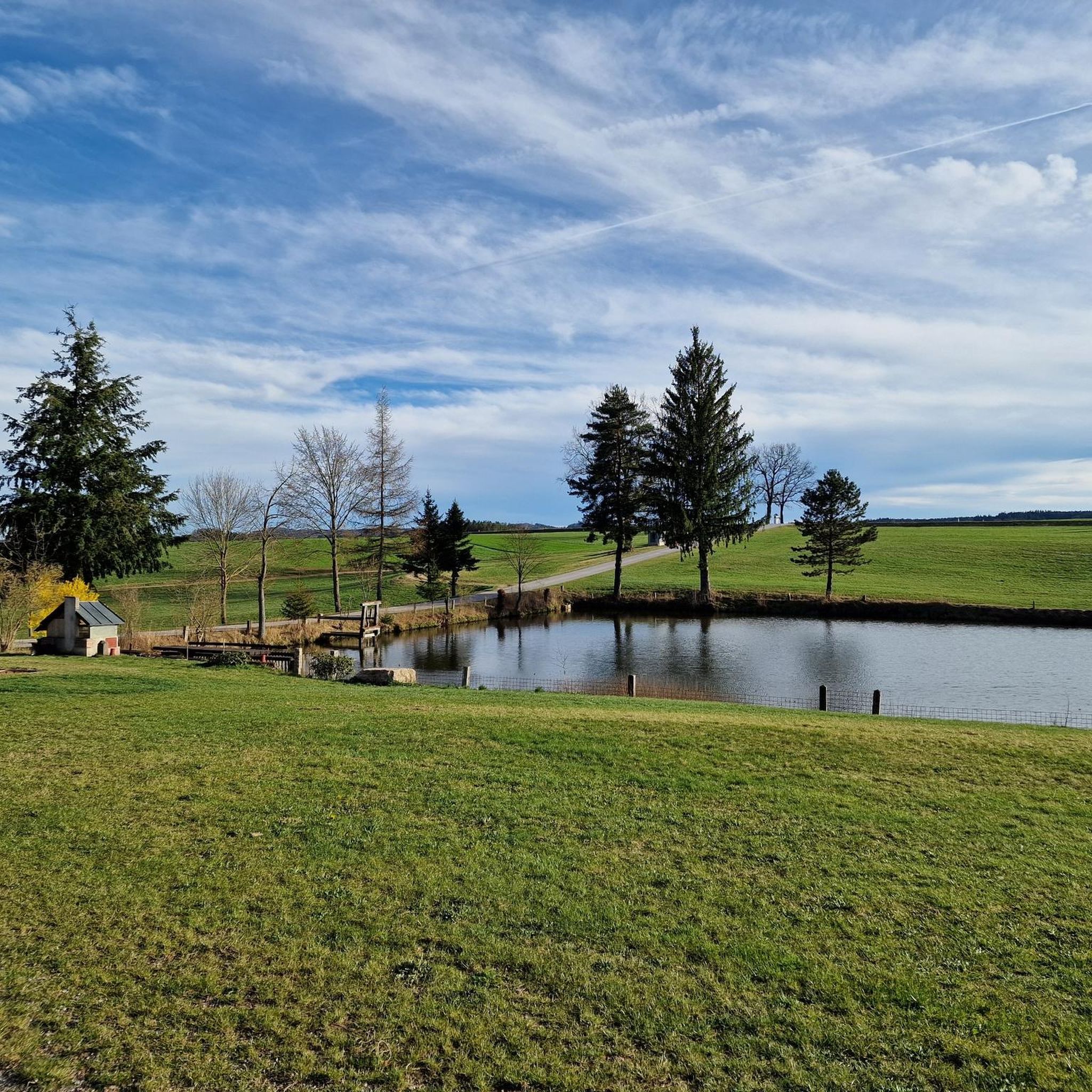
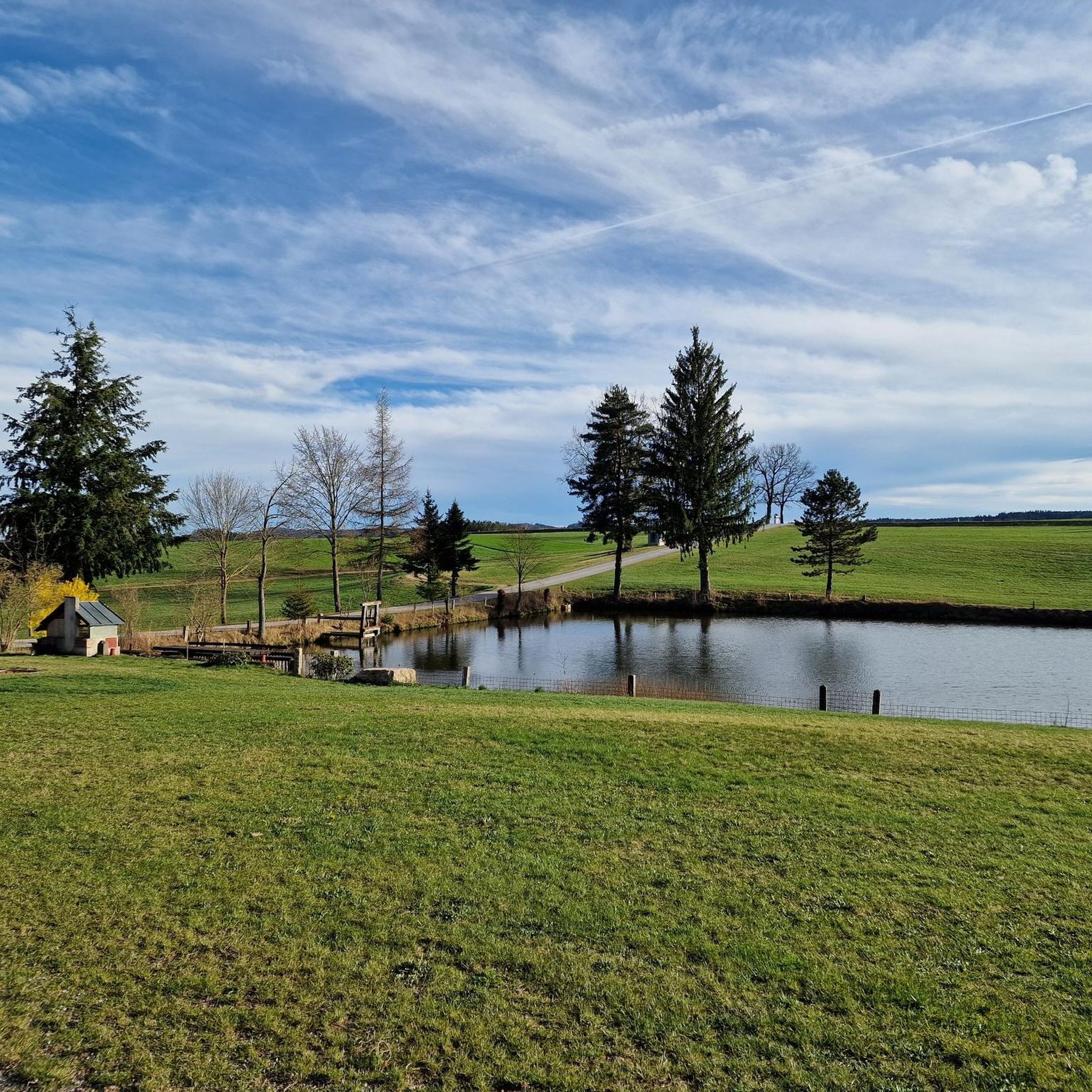
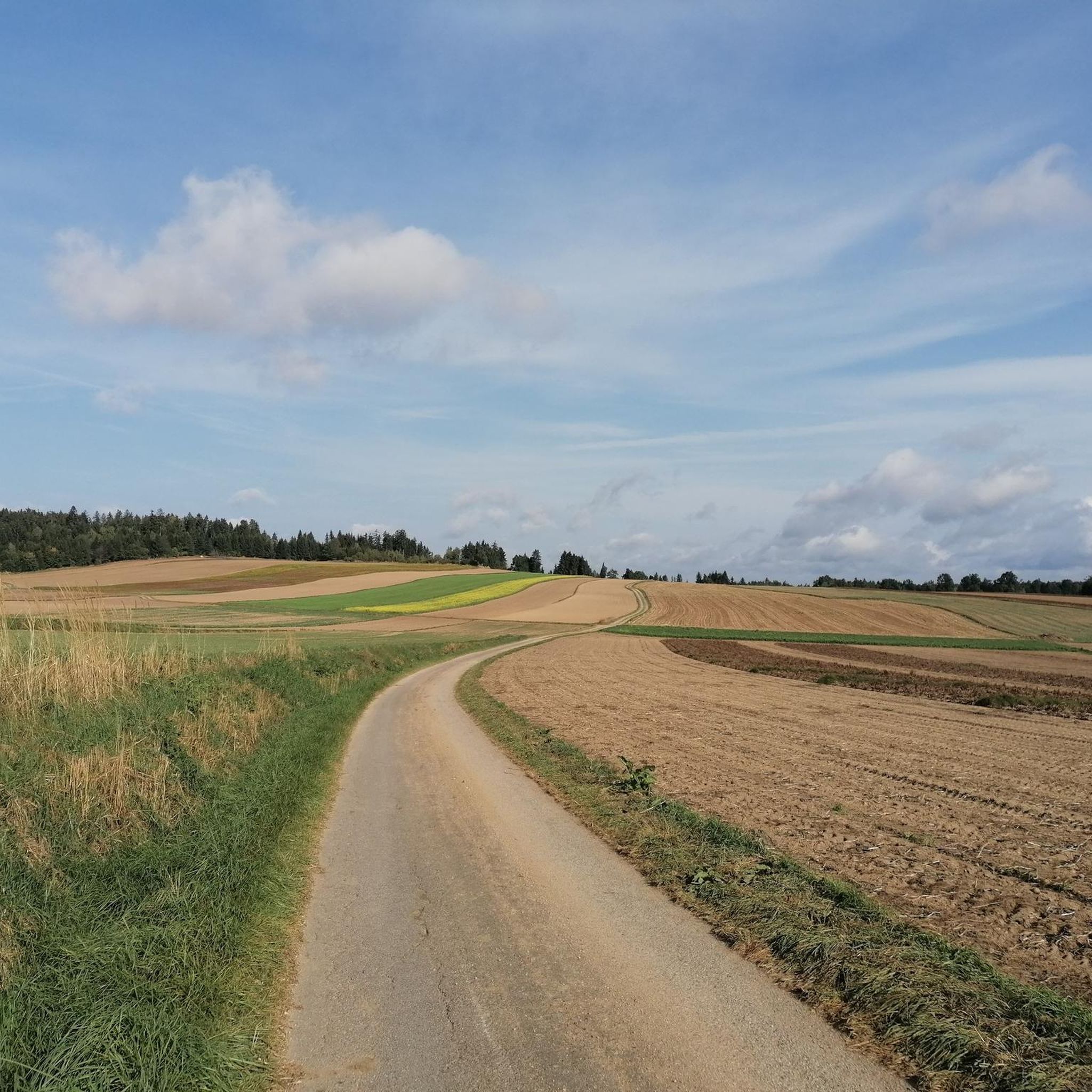
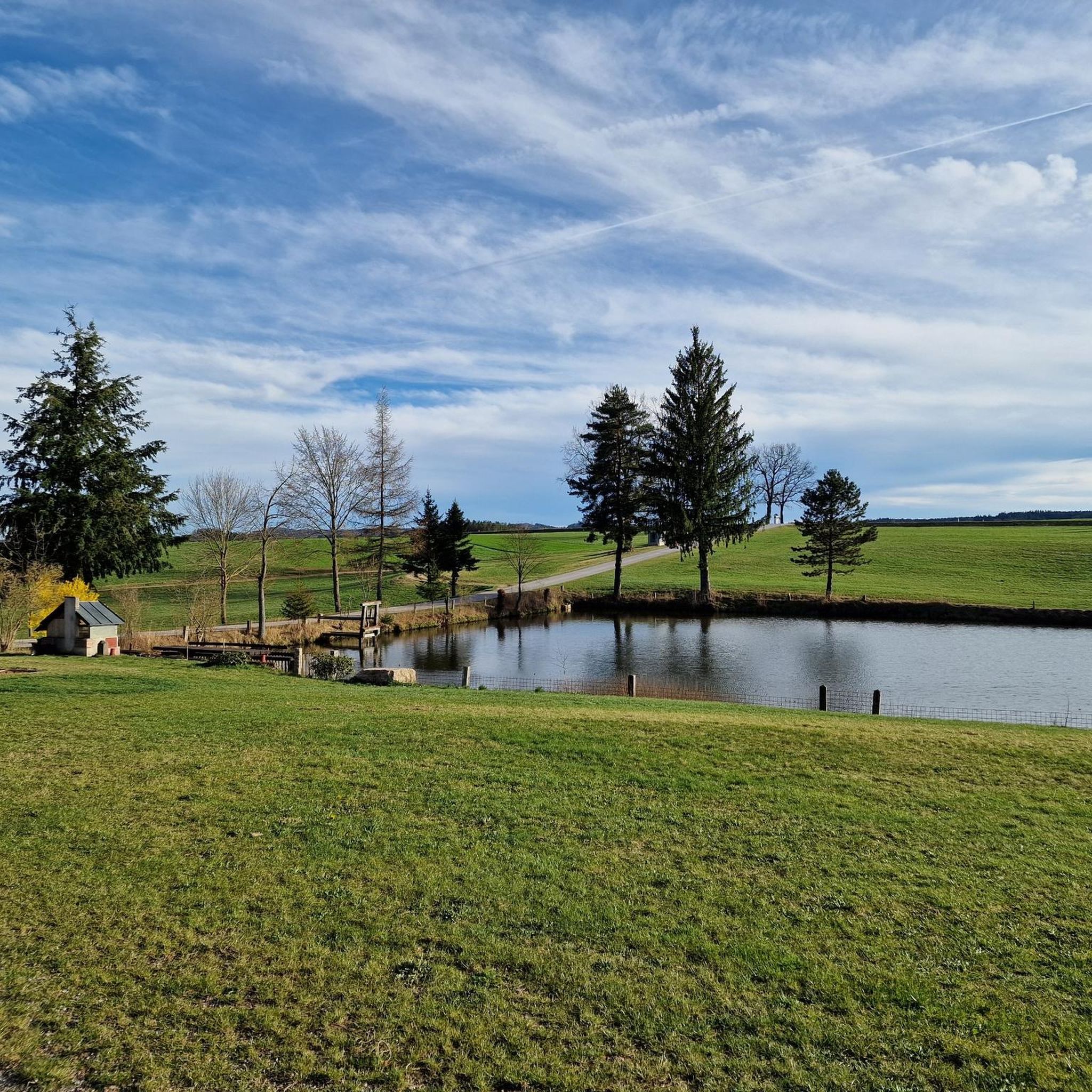
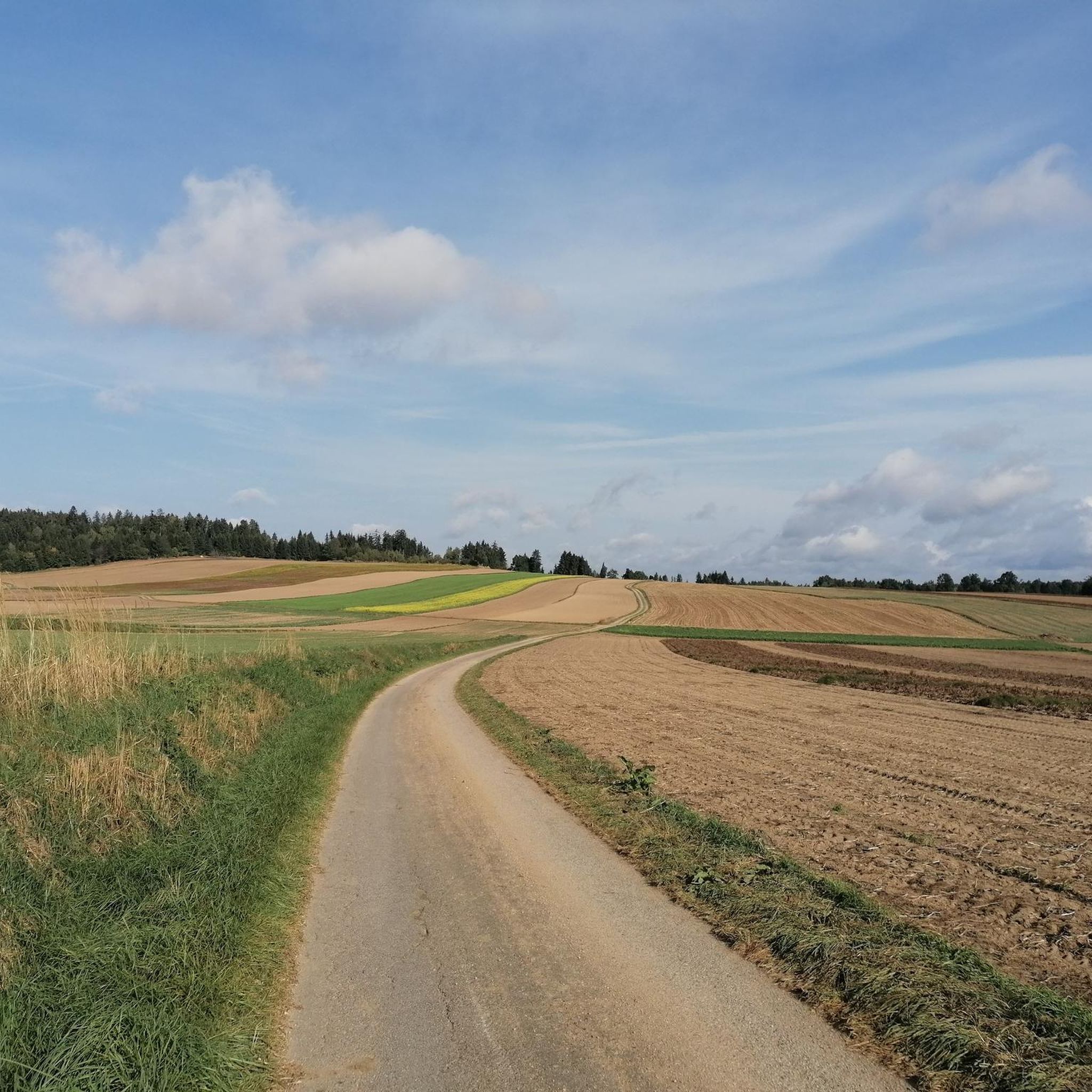
Gravel biking around Schweiggers offers diverse landscapes within Austria's Waldviertel region, characterized by varied terrain suitable for two wheels. The area features a mix of gravel paths, extensive forests, and idyllic river valleys, providing a range of surfaces for gravel cyclists. Significant natural features include the origin of the Thaya River and the European watershed, where waters diverge. The region's topography includes rolling hills and moderate elevation gains, making it accessible for different fitness levels.
Best gravel bike trails around…
Last updated: September 27, 2026
5.0
(2)
15
riders
Hard gravel ride. Good fitness required. You may need to push your bike for some segments of this route.
4.0
(1)
4
riders
14.3km
01:06
250m
250m
Hard gravel ride. Good fitness required. You may need to push your bike for some segments of this route.

2
riders
12.4km
00:52
150m
150m
Easy gravel ride. Great for any fitness level. Mostly paved surfaces. Suitable for all skill levels.
2
riders
Moderate gravel ride. Good fitness required. Mostly paved surfaces. Suitable for all skill levels.
2
riders
21.1km
01:37
340m
340m
Hard gravel ride. Good fitness required. You may need to push your bike for some segments of this route.
Get access to more routes and recommendations from other explorers.
Already have an account?
Our route recommendations are based on thousands of hikes, rides, and runs completed by other people on komoot.
Start today with a free account
Your next adventure awaits.
Tips from the Community

Beautiful resting place on the banks of the Kamp near Zwettl.
0
0
Interesting small church next to the Kamp in Zwettl.
0
0
Beautiful path with information boards along the Kamp river.
0
0

The historic old town of Zwettl in the Waldviertel captivates with medieval city walls, colorful baroque facades, and the colorful Hundertwasser fountain on the main square. Highlights include the Old Town Hall with its city museum, the striking Antonturm, and the nearby Zwettl Abbey (Cistercian monastery).
0
0
The Mühlbach-Promenade in Zwettl is a picturesque green space right in the historic old town. It nestles against the Zwettl riverbank and the old city wall, combining nature with recreational activities.
0
0
The "Natur-Erlebnis-Weg" (Kamp and forest) leads from the Bründlkirche, along the Kamp through the forest, towards Gschwendmühle.
0
0
At the Kamp, above Zwettl, a weir with a mill race and a power station were to be built, in which two turbines with a total of 100 HP would generate enough electricity to operate at least 950 light bulbs in Zwettl, each with a luminous intensity of 16 standard candles. [The "standard candle" was an old unit of measurement for luminous intensity = the light of a paraffin candle with a diameter of 20 mm, whose wick was trimmed so that the flame burned 50 mm high.] Initially, it was planned to generate high-voltage direct current, which was to be transported to Zwettl via an approximately 2.8 km long overhead line to a transformer. The costs for all preparatory work (including land and usage rights acquired as early as April 1892) were borne in equal parts by Wichtl, Göschl, and Löscher out of their own pockets.
0
0
In 1892, when the use of electrical energy was still in its infancy worldwide, three Zwettl businessmen made the bold decision to build an "electrical power and light central" (= a power plant) in this city. They were the 40-year-old master miller Alois Wichtl (Kuenringerstraße 3), the innkeeper Karl Löscher (Ottenschlager Straße 2), then just 38 years old, and the 43-year-old master cabinetmaker Friedrich Göschl (Kamptalstraße 22). They consulted the Viennese electrical engineer Franz Kröttlinger and became convinced that they had found the ideal location for their power plant in the Kamptal, near the Gschwendtmühle. Here, both the drop, water level, and water volume seemed suitable for the project to the technician.
0
0
Frequently Asked Questions
What kind of terrain can I expect on the gravel bike trails around Schweiggers?
The region around Schweiggers offers a diverse mix of terrain, ideal for gravel biking. You'll encounter gravel paths, forest trails, and some paved sections. This variety provides a dynamic riding experience, moving beyond traditional road cycling and mountain biking. Some segments can be unpaved and challenging, so a gravel bike with tires of at least 33mm is recommended for optimal performance.
Are there gravel bike routes suitable for beginners or families in Schweiggers?
Yes, while many routes are rated difficult, there are options for various fitness levels. For an easier ride, consider the Kaiser Franz Joseph Memorial – Center of Zwettl loop from Moidrams, which is classified as easy. This route offers a more gentle introduction to gravel biking in the area.
What natural features and landmarks can I discover along the gravel bike routes?
Schweiggers is rich in natural and cultural attractions. You can explore the origin of the Thaya River at the Thaya Spring, or visit the European Watershed, where waters diverge to flow into different seas. Other notable spots include the unique Rasenlabyrinth, the Meridianstein near Siebenlinden, and the Felsengruppe "Frauenbichl" (rock formation), both considered "Places of Power." You might also pass by the distinctive Jahrtausendlebensturm (Millennium Life Tower) or the pilgrimage site Wallfahrtsstätte "Moata" near Siebenlinden. For specific highlights, consider visiting the Blockheide Observation Tower or the Himmelsleiter Observation Tower.
How challenging are the gravel bike trails in the Schweiggers region?
The trails around Schweiggers cater to a range of abilities. While there is one easy route, the majority of the 26 available tours are rated as moderate (8 routes) or difficult (17 routes). Many routes feature significant elevation gains, with some reaching over 3,000 feet, requiring good to very good fitness. For example, the Lainsitz Cycle Path – Historic Town Center of Weitra loop from Weitra involves over 730 meters of ascent.
What do other gravel bikers say about the trails in Schweiggers?
The gravel biking routes in Schweiggers are highly regarded by the komoot community, holding an average rating of 4.5 stars from over 7 reviews. More than 33 gravel bikers have already used komoot to explore the varied terrain, often praising the diverse landscapes and the mix of gravel and forest paths.
Are there any circular gravel bike routes around Schweiggers?
Yes, many of the gravel bike routes in the area are designed as loops, allowing you to start and end in the same location. Examples include the Plague Column at the main square in Zwettl – Center of Zwettl loop from Kleinotten, which is a 42.3 km circular trail, and the Weitra Castle – Weitra City Gate loop from Weitra, a shorter 14.7 km option.
What is the best time of year to go gravel biking in Schweiggers?
While specific seasonal recommendations aren't provided, the diverse terrain of the Waldviertel region, with its mix of forest trails and gravel paths, generally makes it enjoyable from spring through autumn. These seasons typically offer pleasant temperatures and drier conditions, ideal for exploring the routes. Winter riding might be possible but could involve snow or ice on some sections.
Are there places to eat or stay that are bike-friendly in Schweiggers?
The market town of Schweiggers and the surrounding Waldviertel region are known for their hospitality. While specific bike-friendly establishments aren't listed in the guide data, the area is generally welcoming to outdoor enthusiasts. You can expect to find local cafes, pubs, and accommodation options in Schweiggers and nearby towns that cater to visitors, often with refreshment stops integrated into longer routes.
Where can I park my car when starting a gravel bike tour in Schweiggers?
Specific parking locations are not detailed in the guide, but as a hub for outdoor activities, Schweiggers typically offers public parking options within the town or at common starting points for trails. It's advisable to check local signage upon arrival or consult a local tourist information center for designated cyclist parking areas.
Can I reach Schweiggers by public transport to start a gravel bike tour?
Schweiggers is situated in the Waldviertel region of Austria. While specific public transport links for cyclists are not provided, regional bus services often connect smaller towns. It's recommended to check the local public transport schedules for connections to Schweiggers from larger regional hubs if you plan to arrive without a car.
Are there any specific permits required for gravel biking in the Waldviertel region?
Generally, no specific permits are required for gravel biking on public trails and roads in the Waldviertel region of Austria. However, it's always good practice to respect private property, follow local regulations, and stay on marked paths, especially when passing through nature reserves or protected areas.
Most popular routes around Schweiggers
Most popular attractions around Schweiggers

Get inspired with the komoot mobile app


Explore more
Browse the best Gravel rides in other regions.
