The best gravel rides around Rothenbuch
4.6
(29)
133
riders
20
rides
Gravel biking around Rothenbuch offers a diverse landscape within Germany's largest continuous broadleaf woodland, the Spessart. The region is characterized by extensive forest paths, rolling hills, and the scenic Hafenlohr Valley, providing varied terrain for gravel cyclists. Routes often feature mixed-surface paths, including unpaved sections, suitable for gravel bikes. This area presents a network of trails that traverse dense woodlands and open cultural landscapes.
Best gravel bike trails around Rothenbuch
- The most popular gravel bike trail is View of Lohr…
Last updated: October 30, 2026
5.0
(1)
8
riders
32.5km
02:14
550m
550m
Hard gravel ride. Very good fitness required. Mostly paved surfaces.
4
riders
59.3km
04:10
980m
980m
Hard gravel ride. Very good fitness required. Mostly paved surfaces.

4.3
(3)
6
riders
41.9km
02:48
500m
510m
Hard gravel ride. Very good fitness required. You may need to push your bike for some segments of this route.
5
riders
24.3km
01:49
470m
470m
Hard gravel ride. Very good fitness required. Mostly paved surfaces.
4.4
(5)
10
riders
Hard gravel ride. Very good fitness required. You may need to push your bike for some segments of this route.
Get access to more routes and recommendations from other explorers.
Already have an account?
Our route recommendations are based on thousands of hikes, rides, and runs completed by other people on komoot.
Start today with a free account
Your next adventure awaits.

Tips from the Community

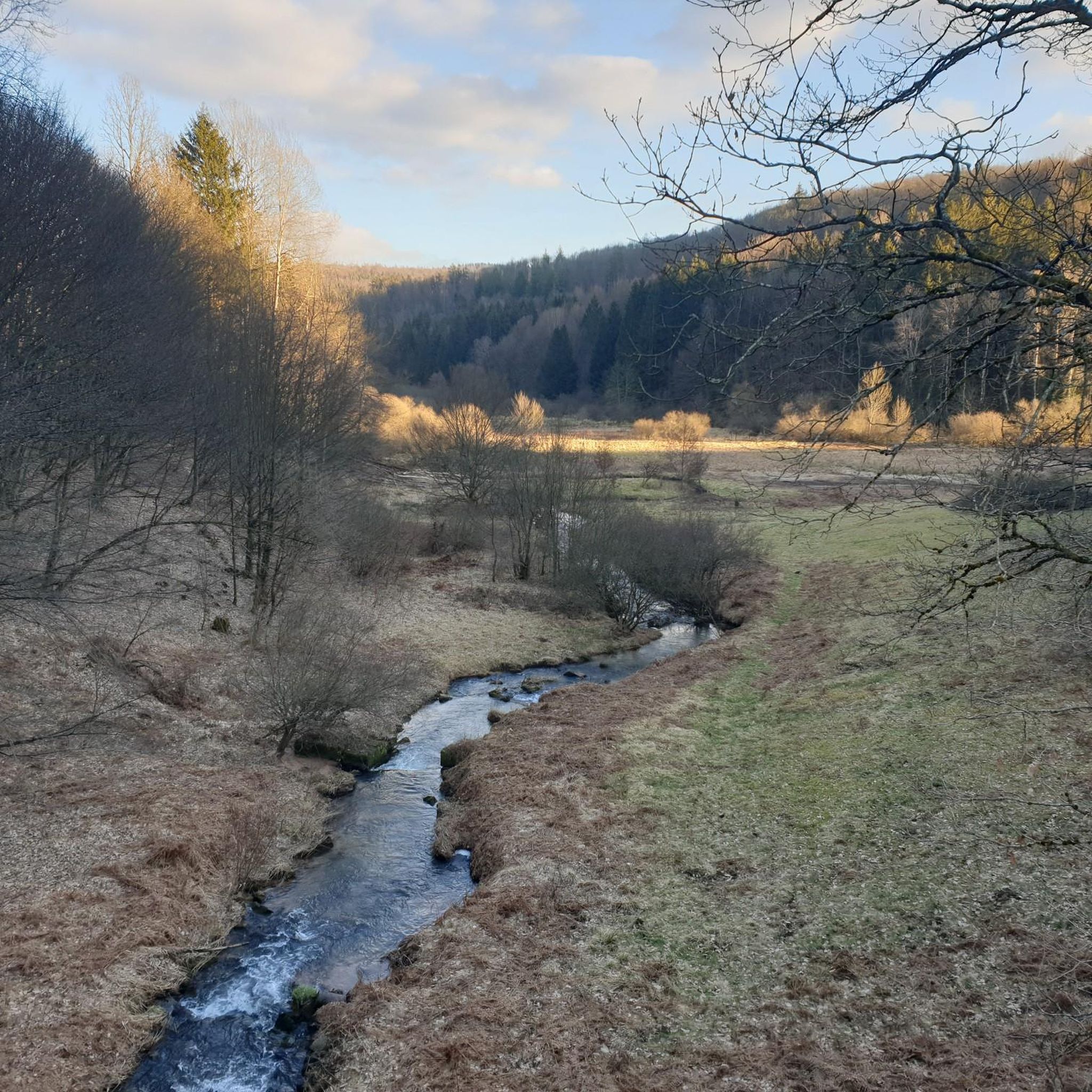
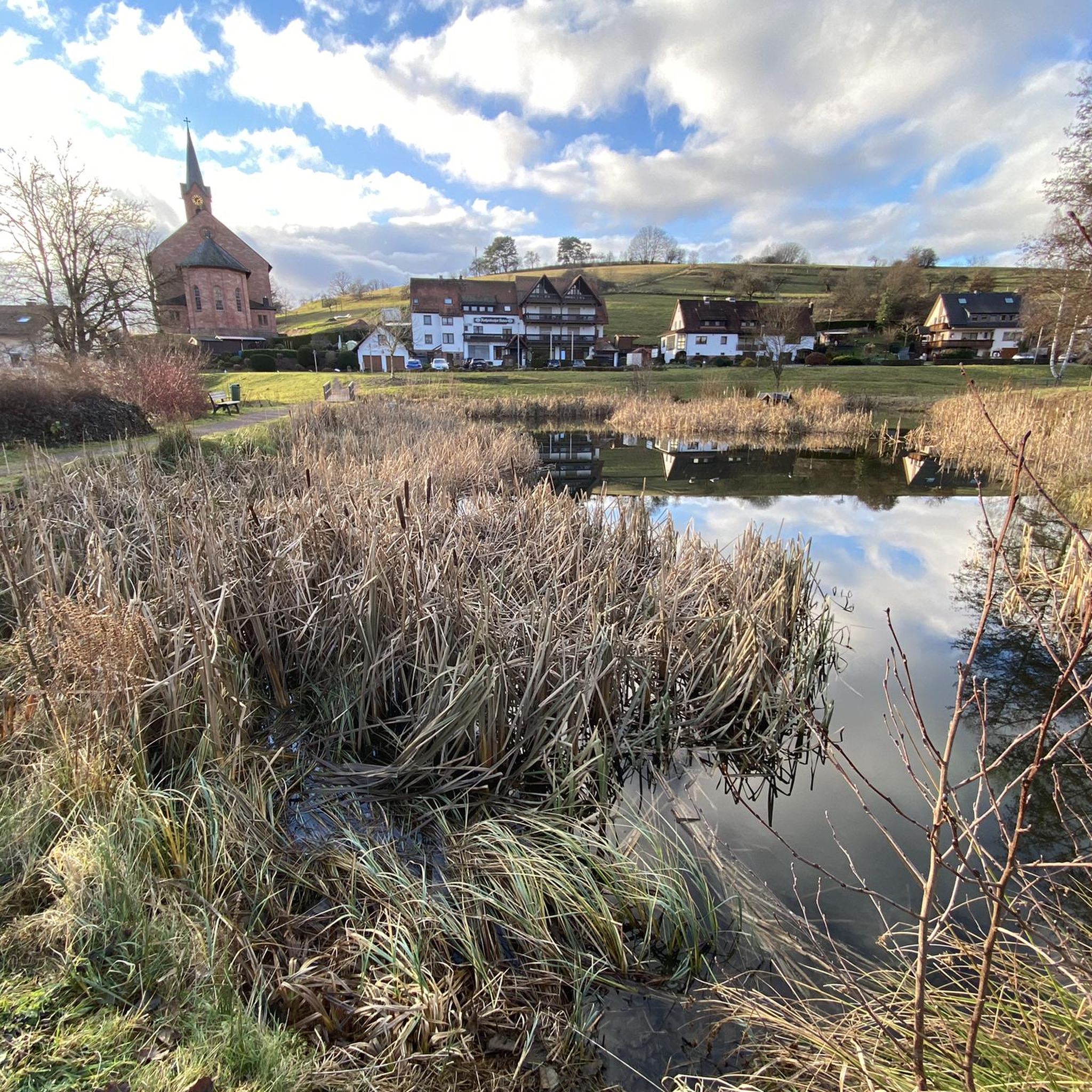
The Hafenlohr is a 26.5 km (27.7 km with Tiergartenbach) long, right tributary of the Main in the districts of Aschaffenburg and Main-Spessart in the Bavarian Spessart. The Hafenlohr originates from two springs in the municipality of Rothenbuch. The longer and at times more water-rich source is the Tiergartenbach, which often dries up on dry days. Officially, it is considered the upper course of the main water body of the Hafenlohr. The origin named Hafenlohrquelle in the middle of the village provides water almost all year round. The Hafenlohrquelle is located at Schloss Rothenbuch. It was channeled in sandstone during the widening of the road St 2317. Its water flows through the castle moat northwestward and flows into the bed of the Tiergartenbach about a hundred meters later from the left side, which flows from the Tiergartengrund on the northern edge of the village and is already 1.3 km long. It does not supply water all year round, but at times more than the also perennial spring at the castle. The spring at the castle was probably a meeting point for hunting in the eastern Spessart in the past, which is why the construction of a hunting lodge began here in 1342. The castle moat and some surrounding trout lakes, which no longer exist today, were fed with the emerging spring water. Source and further information: https://de.wikipedia.org/wiki/Hafenlohr_(Fluss)
1
0

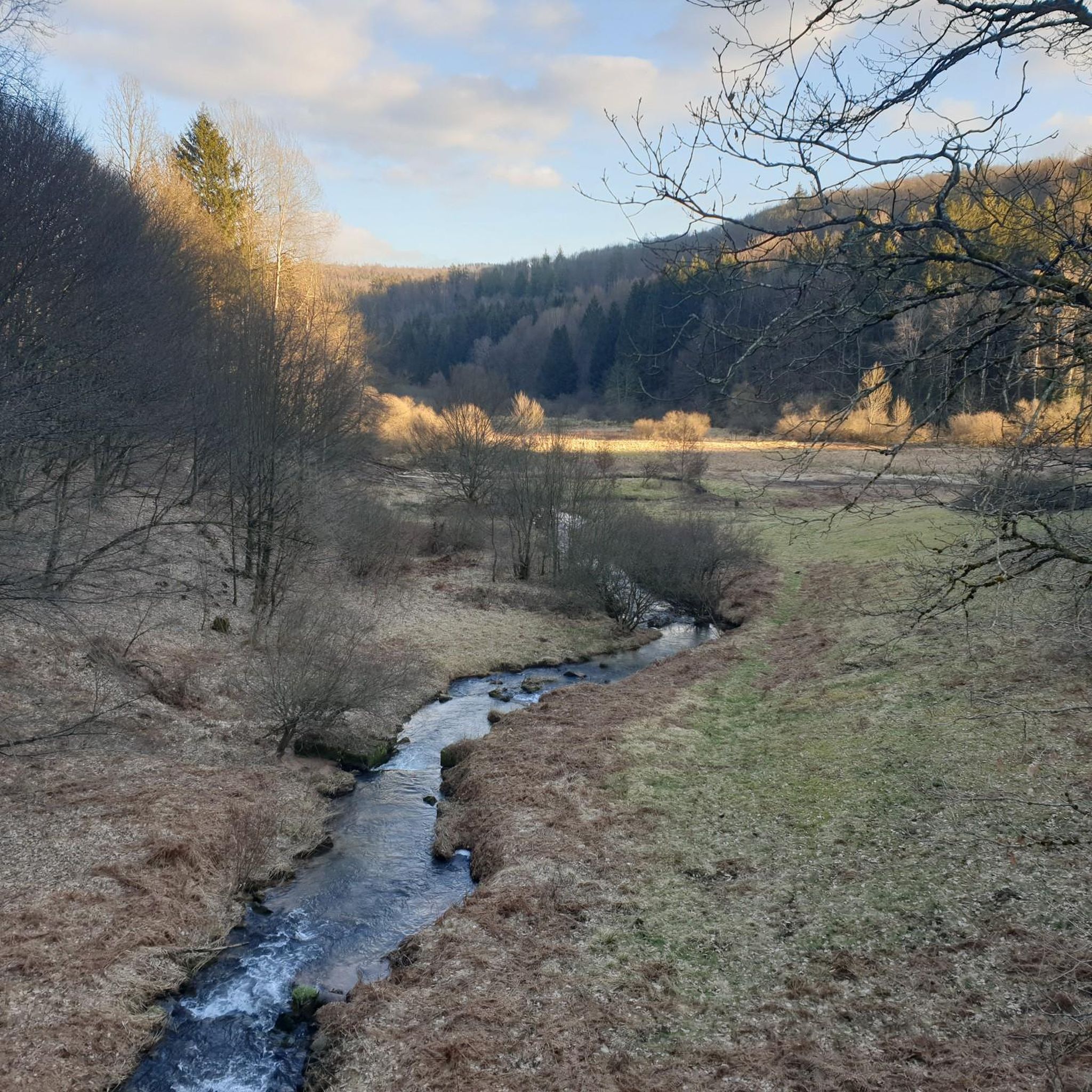
The Aubach is a small stream/river that meanders gently through the idyllic Aubach valley in its upper reaches. After more than 20 km, the Aubach flows into the Lohr,
2
0
The beautiful wayside shrine is a bit off the path.
2
0

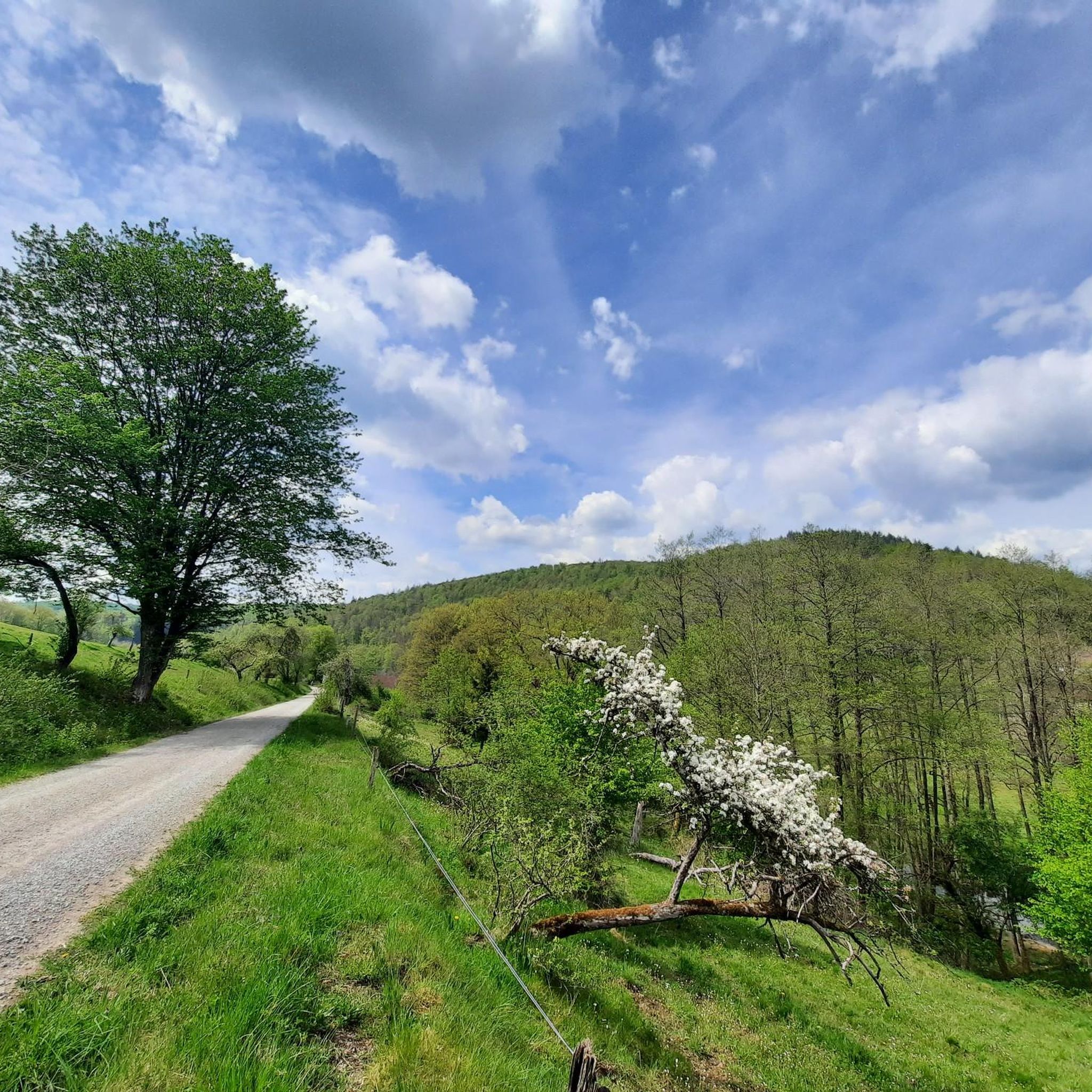
The Hafenlohrtal is wonderfully quiet. And so beautiful.
0
0

The Hafenlohr is a 26.5 km long (27.7 km including the Tiergartenbach) right tributary of the Main River in the districts of Aschaffenburg and Main-Spessart in the Bavarian Spessart region. The Hafenlohr rises from two springs in the municipality of Rothenbuch. The longer and occasionally more water-rich branch is the Tiergartenbach, which often dries up on dry days. Officially, it is considered the upper course of the Hafenlohr main watercourse. The source, known as the Hafenlohr Spring, in the center of the village provides water almost year-round. The Hafenlohr Spring is located at Rothenbuch Castle. It was encased in sandstone during the road widening of the St 2317. Its water flows northwest through the castle moat and, after about 100 meters, flows from the left bank into the bed of the Tiergartenbach, which flows from the Tiergartengrund on the northern edge of the village and is already 1.3 km[7] long. It doesn't provide water year-round, but at times it provides more than the perennial spring at the castle. The spring at the castle was probably once a meeting place for hunters in the eastern Spessart, which is why construction of a hunting lodge began here in 1342. The spring water fed the castle moat and several surrounding trout lakes, which no longer exist. Source and further information: https://de.wikipedia.org/wiki/Hafenlohr_(Fluss)
1
0
The Hafenlohr is a 26.5 km (27.7 km with Tiergartenbach) long, right-hand tributary of the Main in the districts of Aschaffenburg and Main-Spessart in the Bavarian Spessart. The Hafenlohr originates from two springs in the municipality of Rothenbuch. The longer and at times more water-rich spring branch is the Tiergartenbach, which often dries up on dry days. Officially, it is considered the upper course of the main Hafenlohr water body. The origin named Hafenlohrquelle in the middle of the village provides water almost all year round. The Hafenlohrquelle is located at Rothenbuch Castle. It was channeled in sandstone in the course of the widening of the St 2317 road. Its water flows through the castle moat north-westwards and, after about a hundred meters, flows in from the left into the bed of the Tiergartenbach, which approaches from the Tiergartengrund on the northern edge of the village and is already 1.3 km long. It does not supply water all year round, but at times more than the also perennial spring at the castle. The spring at the castle was probably once a meeting point for hunting in the eastern Spessart, which is why the construction of a hunting lodge began here in 1342. The spring water that welled up was used to supply the castle moat and some surrounding trout lakes, which no longer exist today. Source and further information: https://de.wikipedia.org/wiki/Hafenlohr_(Fluss)
1
0
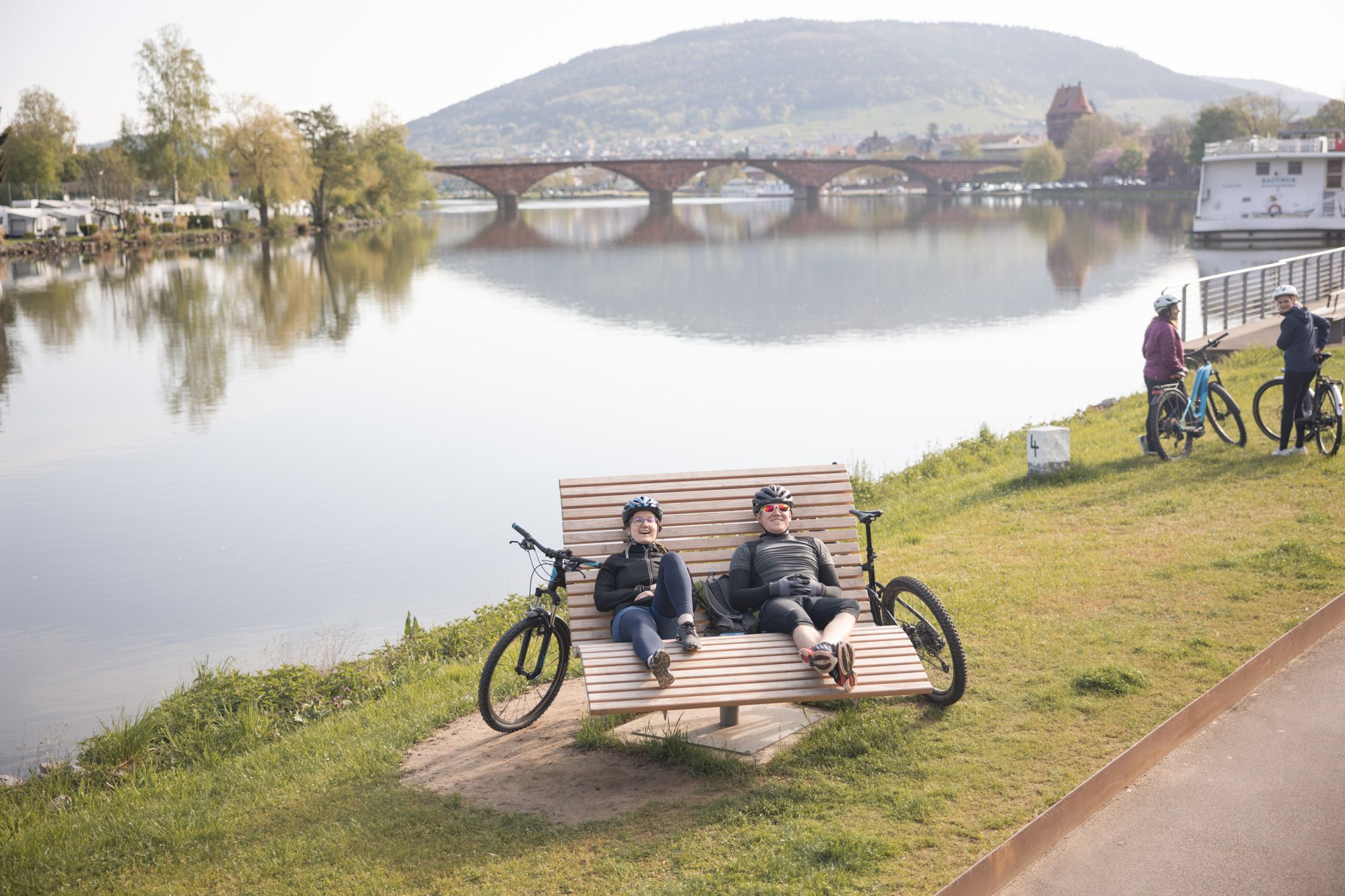
There are some great highlights in Lohr.
1
0
Frequently Asked Questions
How many gravel bike trails are available around Rothenbuch?
Rothenbuch offers a wide selection of gravel biking routes, with over 30 trails available on komoot. These routes traverse the diverse landscapes of the Spessart, providing options for various skill levels.
What is the general difficulty of gravel biking routes in Rothenbuch?
The gravel biking routes around Rothenbuch cater to a range of abilities. While there is one easy route, the majority are classified as moderate (6 routes) or difficult (23 routes), often featuring mixed-surface paths and significant elevation changes suitable for experienced gravel cyclists.
Are there any scenic landmarks or attractions to see along the gravel trails?
Yes, many gravel routes in Rothenbuch pass by notable landmarks and natural features. You can encounter historical sites like Mespelbrunn Castle or Rothenbuch Castle. The trails also lead through the picturesque Hafenlohr Valley, past tranquil lakes such as Waldsee Heimbuchenthal, and offer views from mountains like Hohenwang.
What do other gravel bikers enjoy most about the routes in Rothenbuch?
The komoot community highly rates the gravel biking experience in Rothenbuch, with an average score of 4.4 stars from over 30 reviews. Riders often praise the extensive network of forest paths, the varied terrain, and the serene atmosphere of Germany's largest continuous broadleaf woodland, the Spessart.
Are there any circular gravel bike routes in the area?
Yes, many of the gravel bike routes around Rothenbuch are designed as loops. For example, the challenging Mespelbrunn Castle – Sylvan Forest Lodge loop from Weibersbrunn is a popular circular option that takes you through forested areas and past the historic castle.
Can I find family-friendly gravel biking options near Rothenbuch?
While many routes are classified as moderate to difficult, the region does offer some easier sections suitable for families. The extensive network of forest paths provides varied terrain, and with careful planning, shorter, less challenging segments can be found. It's advisable to check the route details for elevation and surface type to ensure it matches your family's ability.
Is Rothenbuch accessible by public transport for cyclists?
Rothenbuch is a village in the Spessart region. While specific public transport options for bikes can vary, regional bus services often connect smaller towns. It's recommended to check local transport schedules and bike carriage policies in advance, especially for trains or buses that might serve the broader Spessart area.
Where can I park my car when starting a gravel bike tour in Rothenbuch?
As a popular starting point for outdoor activities, Rothenbuch and surrounding villages typically offer designated parking areas for visitors. Look for public parking lots in the village center or near trailheads. The Hohewart-Haus, a rustic forest house, is also noted as a popular starting and finishing point for tours, likely offering parking facilities.
What is the best time of year for gravel biking in Rothenbuch?
The Spessart region, with its broadleaf woodlands, is particularly beautiful in spring and autumn when the foliage is vibrant. Summer offers shaded routes through the dense forests, providing relief from the heat. Winter conditions can vary, with potential for snow or ice, so checking local weather and trail conditions is essential during colder months.
Are there any cafes or places to stop for refreshments along the gravel routes?
The region around Rothenbuch, including the Hafenlohr Valley and nearby villages, features traditional farmhouses and local establishments. While specific cafes directly on every trail might be limited, villages like Rothenbuch itself and Lohr am Main offer options for refreshments. The Hohewart-Haus is also a known stop for many tours in the Spessart.
Are there any routes that follow the Hafenlohr Valley?
Yes, the Hafenlohr Valley is a particularly attractive landscape for cyclists. You can explore routes like the Hafenlohrtal Valley – Hafenlohr River loop from Rohrberg, which highlights the narrow, winding roads and unspoiled forests along the fish-rich Hafenlohr river, originating in Rothenbuch.
Most popular routes around Rothenbuch
Most popular attractions around Rothenbuch

Get inspired with the komoot mobile app


Explore more
Browse the best Gravel rides in other regions.
