The best gravel rides around Gründau
4.7
(34)
219
riders
111
rides
Gravel biking around Gründau offers diverse terrain within the German state of Hessen, characterized by a network of cycling routes that include unpaved and compacted gravel sections. The region is situated near the Vogelsberg Mountains, a landscape of volcanic origin, and the picturesque Kinzig Valley, providing a mix of rolling hills, forests, and riverside paths. Nearly half of Gründau's territory is covered by forests, providing a natural setting conducive to various forms of cycling. Many routes follow disused railway lines,…
Last updated: October 6, 2026
5.0
(1)
16
riders
31.2km
01:53
360m
360m
Moderate gravel ride. Good fitness required. Mostly paved surfaces. Suitable for all skill levels.
4.8
(6)
16
riders
Hard gravel ride. Very good fitness required. You may need to push your bike for some segments of this route.

10
riders
24.8km
01:32
320m
320m
Moderate gravel ride. Good fitness required. Mostly paved surfaces. Suitable for all skill levels.
3.0
(1)
8
riders
75.4km
04:15
810m
810m
Hard gravel ride. Very good fitness required. Mostly paved surfaces. Suitable for all skill levels.
5.0
(2)
6
riders
21.1km
01:19
330m
330m
Moderate gravel ride. Good fitness required. Mostly paved surfaces. Suitable for all skill levels.
Get access to more routes and recommendations from other explorers.
Already have an account?
Our route recommendations are based on thousands of hikes, rides, and runs completed by other people on komoot.
Start today with a free account
Your next adventure awaits.
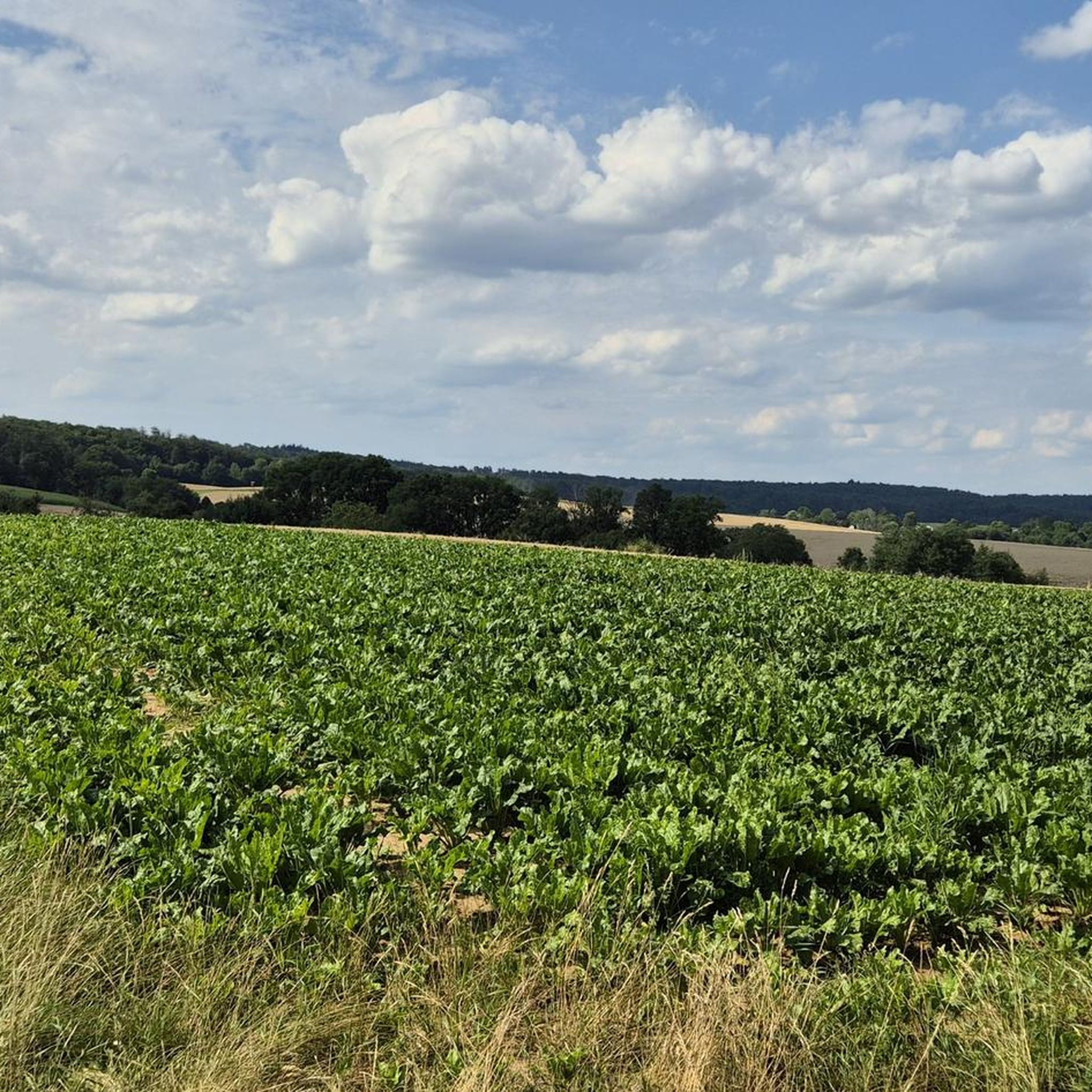
Tips from the Community

Simply beautiful, even in the rain
0
0

Even invites you to swim on hot days ;)
1
0

Storks can often be observed!
2
0

Here, "feeling good" is the order of the day in many areas.
1
0
There is an interesting museum here.
2
0

The Imperial Palace is seamlessly integrated into the cityscape. 🏰✨ #ImperialPalace #Cityscape #Integration
2
0

The Kinzig is a river approximately 86 kilometers long. It rises in Sterbfritz, flows southwest through the Main-Kinzig district of Hesse, and flows into the Main from the right in Hanau. The Kinzig is a second-order river in low mountain ranges. It overcomes an elevation of 301 meters and has a bed gradient of 3.5 per thousand. The Kinzig's catchment area covers 1,058 square kilometers, and the calculated mean discharge (MQ) at the mouth of the Kinzig is 10.97 cubic meters per second. The Kinzig was first documented in 796 as "iuxta fluvium Kincihen." In 815, the name was written as "Chinzicha," around 900 as "Kincicha"/"Kinzicham," in 1364 as "Kinzige," in 1584 as "Kintzig," in 1607 as "Bintz," in 1681 as "Kintz," in 1716 as "Kins," in 1769 as "Kinzing," and in 1802 as "Kinzig." In the river's headwaters, there was the now-defunct village of Kinzig, mentioned in 815 as "Chirizichheimero." The village and river were often confused by monastery scribes at that time with "Chizzicha" (now Bad Kissingen), both of which were described as being located in the Saalegau. The name presumably derives from the ancient Celtic *ku̯anti̯o- meaning "flat hill, valley." The name was therefore derived from the mountainous region from which the Kinzig flows. Source: Wikipedia
2
0
The Kinzig is a river approximately 86 kilometers long. It rises in Sterbfritz, flows southwest through the Main-Kinzig district of Hesse, and flows into the Main from the right in Hanau. The Kinzig is a second-order river in low mountain ranges. It overcomes an elevation of 301 meters and has a bed gradient of 3.5 per thousand. The Kinzig's catchment area covers 1,058 square kilometers, and the calculated mean discharge (MQ) at the mouth of the Kinzig is 10.97 cubic meters per second. The Kinzig was first documented in 796 as "iuxta fluvium Kincihen." In 815, the name was written as "Chinzicha," around 900 as "Kincicha"/"Kinzicham," in 1364 as "Kinzige," in 1584 as "Kintzig," in 1607 as "Bintz," in 1681 as "Kintz," in 1716 as "Kins," in 1769 as "Kinzing," and in 1802 as "Kinzig." In the river's headwaters, there was the now-defunct village of Kinzig, mentioned in 815 as "Chirizichheimero." The village and river were often confused by monastery scribes at that time with "Chizzicha" (now Bad Kissingen), both of which were described as being located in the Saalegau. The name presumably derives from the ancient Celtic *ku̯anti̯o- meaning "flat hill, valley." The name was therefore derived from the mountainous region from which the Kinzig flows. Source: Wikipedia
2
0
Frequently Asked Questions
How many gravel bike trails are available around Gründau?
Gründau offers a rich network of over 160 gravel bike trails. These routes traverse diverse landscapes, including unpaved and compacted gravel sections, catering to a variety of riding preferences and skill levels.
What kind of terrain can I expect on gravel bike trails in Gründau?
The terrain around Gründau is quite varied, reflecting its location near the Vogelsberg mountains and the Kinzig Valley. You can expect a mix of rolling hills, extensive forests, and picturesque riverside paths. Many routes follow disused railway lines, which typically feature manageable gradients, making for pleasant rides through scenic areas away from heavy traffic.
Are there options for beginners or less experienced gravel bikers?
Yes, Gründau has options suitable for beginners. While many routes are moderate to difficult, there are 8 easier trails available. For example, the Kinzig River at Haitz – Kinzig Floodplains loop from Wächtersbach is a moderate 15.5-mile (25.0 km) trail that takes about 1 hour 33 minutes to complete, offering a gentler introduction to the region's gravel paths.
Are there challenging routes for experienced gravel bikers?
Absolutely. For experienced gravel bikers seeking a challenge, Gründau offers 89 difficult routes. A notable option is the Rückinger Mill – Philippsruhe Palace and Park loop from Wittgenborn, a demanding 59.6-mile (96.0 km) path that provides extensive riding and scenic views of historical sites and expansive parklands.
Can I find circular gravel bike routes in Gründau?
Yes, many of the gravel bike routes in Gründau are designed as loops, allowing you to start and end at the same point. Examples include the Kinzigmühle Gründau-Lieblos – Antsanvia (Old Trade Route) loop from Hailer-Meerholz, which covers 25.0 miles (40.3 km), and the Gettenbach Pond – Great Twin Oak loop from Lieblos, a moderate 22.2-mile (35.7 km) ride.
What natural attractions or landmarks can I see along the gravel routes?
The region around Gründau is rich in natural beauty. You can encounter various natural monuments and scenic spots. For instance, you might pass by the Barbarossa Spring or cycle near tranquil bodies of water like Kinzigsee and Ruhlsee. The Vogelsberg region, with its volcanic landscape, also offers diverse natural beauty to explore.
Are there any historical sites or points of interest accessible by gravel bike?
Yes, the gravel routes often lead through or near charming towns and historical points of interest. For example, the View of Ronneburg Castle – Hohe Straße loop from Hailer-Meerholz offers views of historical architecture. You might also encounter traditional half-timbered buildings in towns along paths like the Vogelsberg Southern Railway Cycle Path, or pass by palaces such as those in Ortenberg, Gedern, and Eisenbach.
Is Gründau suitable for family gravel biking trips?
Gründau can be suitable for family gravel biking, especially on routes that follow disused railway lines, which are known for their manageable gradients. Look for the easier and moderate rated trails, which often provide a more relaxed experience through scenic areas away from heavy traffic. Always check the specific route details for difficulty and terrain to ensure it matches your family's abilities.
What is the best time of year for gravel biking in Gründau?
The region's diverse landscapes, including forests and river valleys, make it enjoyable for gravel biking across multiple seasons. Spring and autumn offer pleasant temperatures and beautiful scenery with changing foliage. Summer is also great, though it's advisable to start earlier in the day to avoid the midday heat. Winter conditions can vary, so checking local weather and trail conditions is recommended if planning a ride during colder months.
Where can I park my car when starting a gravel bike tour in Gründau?
While specific parking locations vary by trailhead, Gründau and its surrounding towns generally offer public parking facilities. Many popular starting points for cycling routes, especially those near towns or major trail access points, will have designated parking areas. It's always a good idea to check the starting point of your chosen route on komoot for specific parking recommendations.
Are there cafes or places to stop for refreshments along the routes?
Yes, many gravel routes in Gründau pass through or near charming towns and villages where you can find cafes, bakeries, or local eateries. The Kinzigtal Cycle Path, for instance, often leads through areas with amenities. Planning your route with komoot allows you to identify potential stops for refreshments or breaks along the way.
What makes the gravel biking experience in Gründau unique according to other riders?
The gravel biking experience in Gründau is highly rated by the komoot community, with an average score of 4.6 stars from over 79 reviews. Riders often praise the diverse terrain, which includes volcanic landscapes, river valleys, and extensive forests, offering a mix of challenging and scenic paths. The well-maintained routes and the opportunity to explore both natural beauty and historical sites are frequently highlighted.
Most popular attractions around Gründau

Get inspired with the komoot mobile app


Explore more
Browse the best Gravel rides in other regions.
