The best gravel rides around Biebergemünd
4.7
(45)
354
riders
121
rides
Gravel biking around Biebergemünd offers diverse terrain within the Hessian Spessart region, characterized by extensive wooded hills and picturesque valleys. The municipality spans the Bieber and Kinzig valleys, providing a network of forest roads and unpaved tracks suitable for gravel bikes. This area, part of the Spessart Nature Park, features varied landscapes from river courses to elevated forest sections. Riders can expect a mix of surfaces and elevation changes across the region's paths.
Best gravel bike trails around Biebergemünd
- The…
Last updated: May 5, 2026
5.0
(4)
16
riders
48.5km
03:04
530m
520m
Hard gravel ride. Very good fitness required. Mostly paved surfaces. Suitable for all skill levels.
4.8
(4)
59
riders
39.8km
02:09
350m
350m
Moderate gravel ride. Good fitness required. Mostly paved surfaces. Suitable for all skill levels.

Sign up for free
14
riders
32.9km
02:36
630m
630m
Hard gravel ride. Very good fitness required. Mostly paved surfaces. Suitable for all skill levels.
8
riders
36.6km
02:31
590m
590m
Hard gravel ride. Very good fitness required. You may need to push your bike for some segments of this route.
4.0
(1)
10
riders
35.2km
02:06
400m
400m
Hard gravel ride. Good fitness required. You may need to push your bike for some segments of this route.
Get access to more routes and recommendations from other explorers.
Sign up for free
Already have an account?
Our route recommendations are based on thousands of hikes, rides, and runs completed by other people on komoot.
Start today with a free account
Your next adventure awaits.
Login or Signup
Popular around Biebergemünd
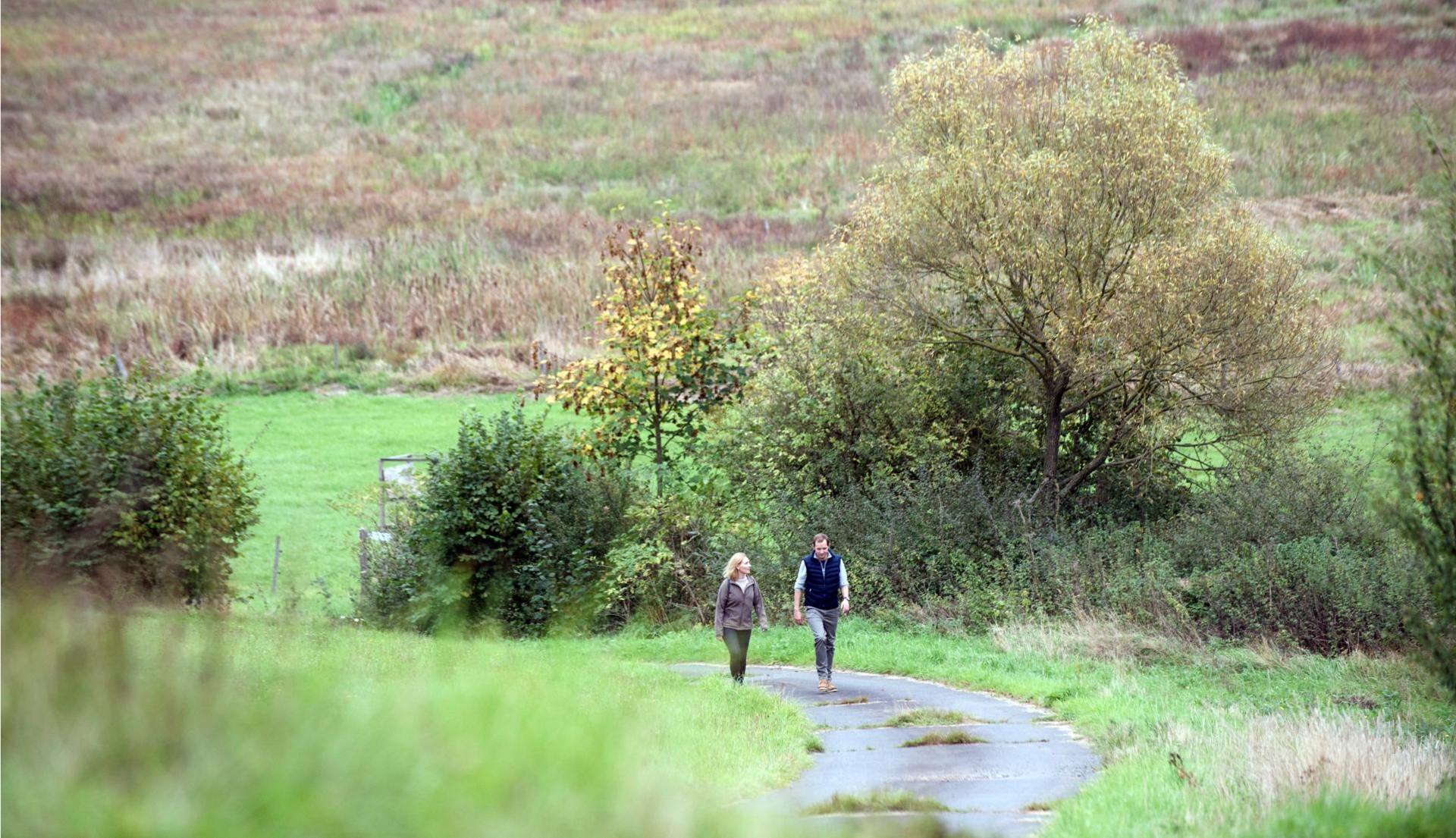
Pleasure hiking in the Spessart: trails that taste as good as they look
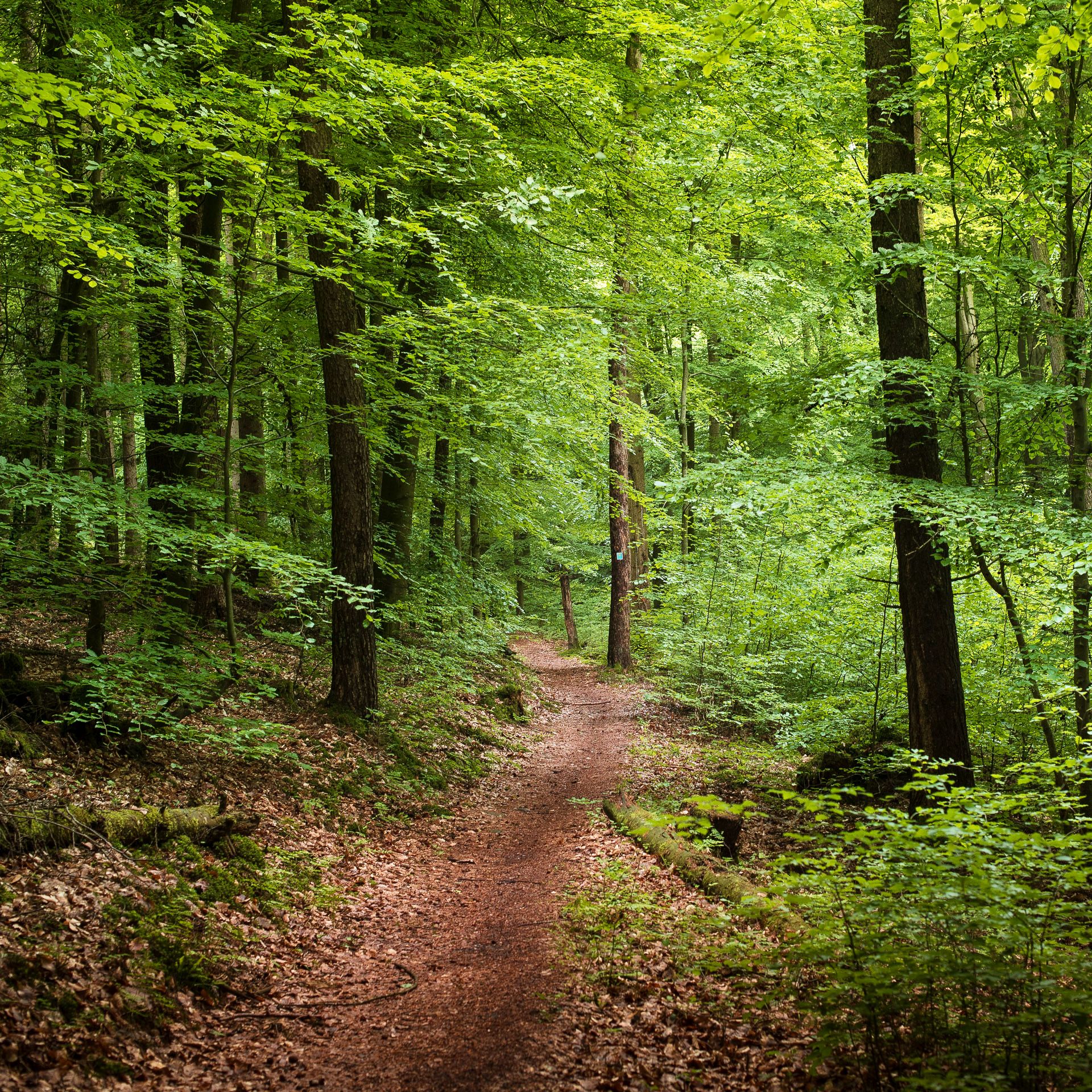
Endless forests, flowing trails – MTB in Germany’s Spessart region
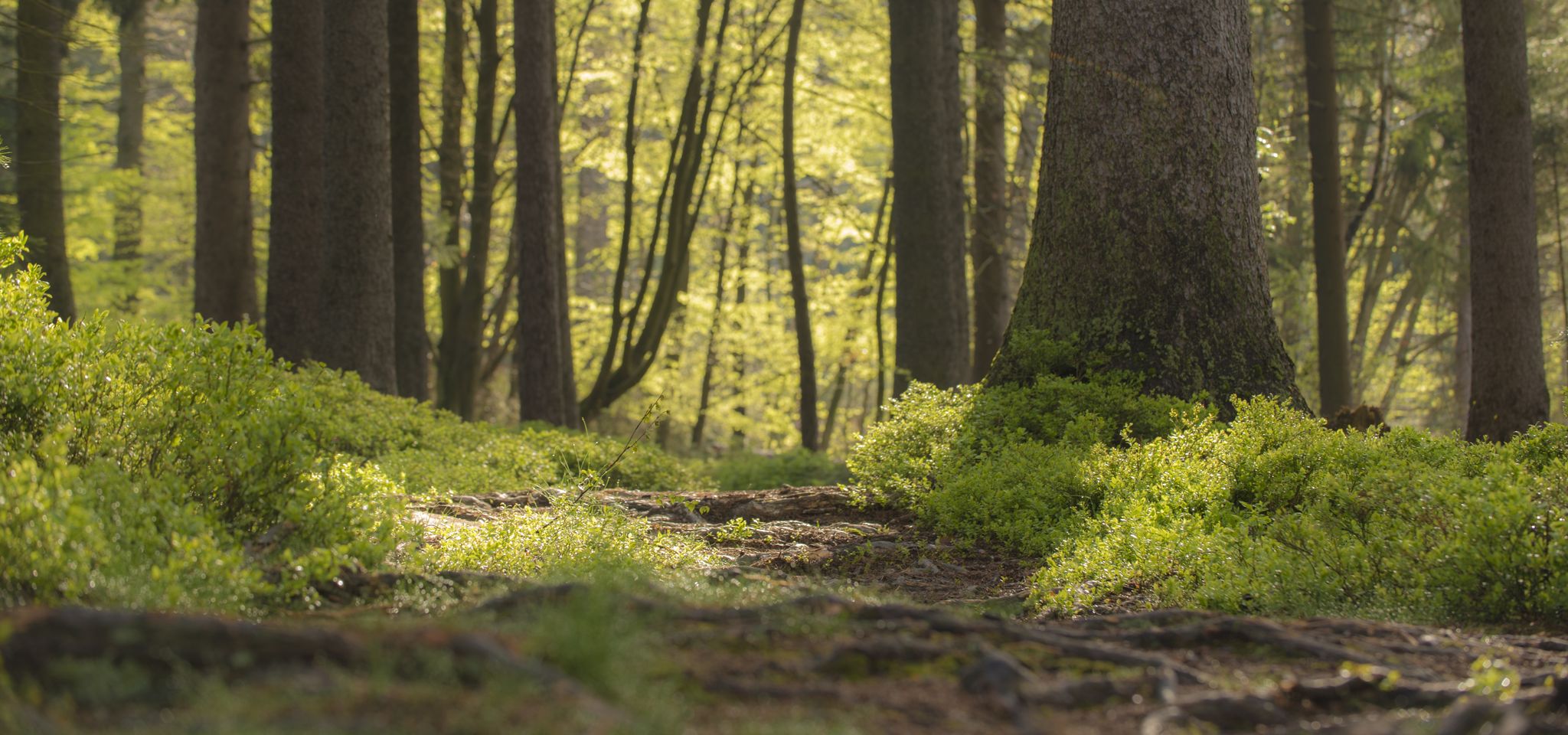
Mountain biking in the Spessart – Awesome trails in Germany
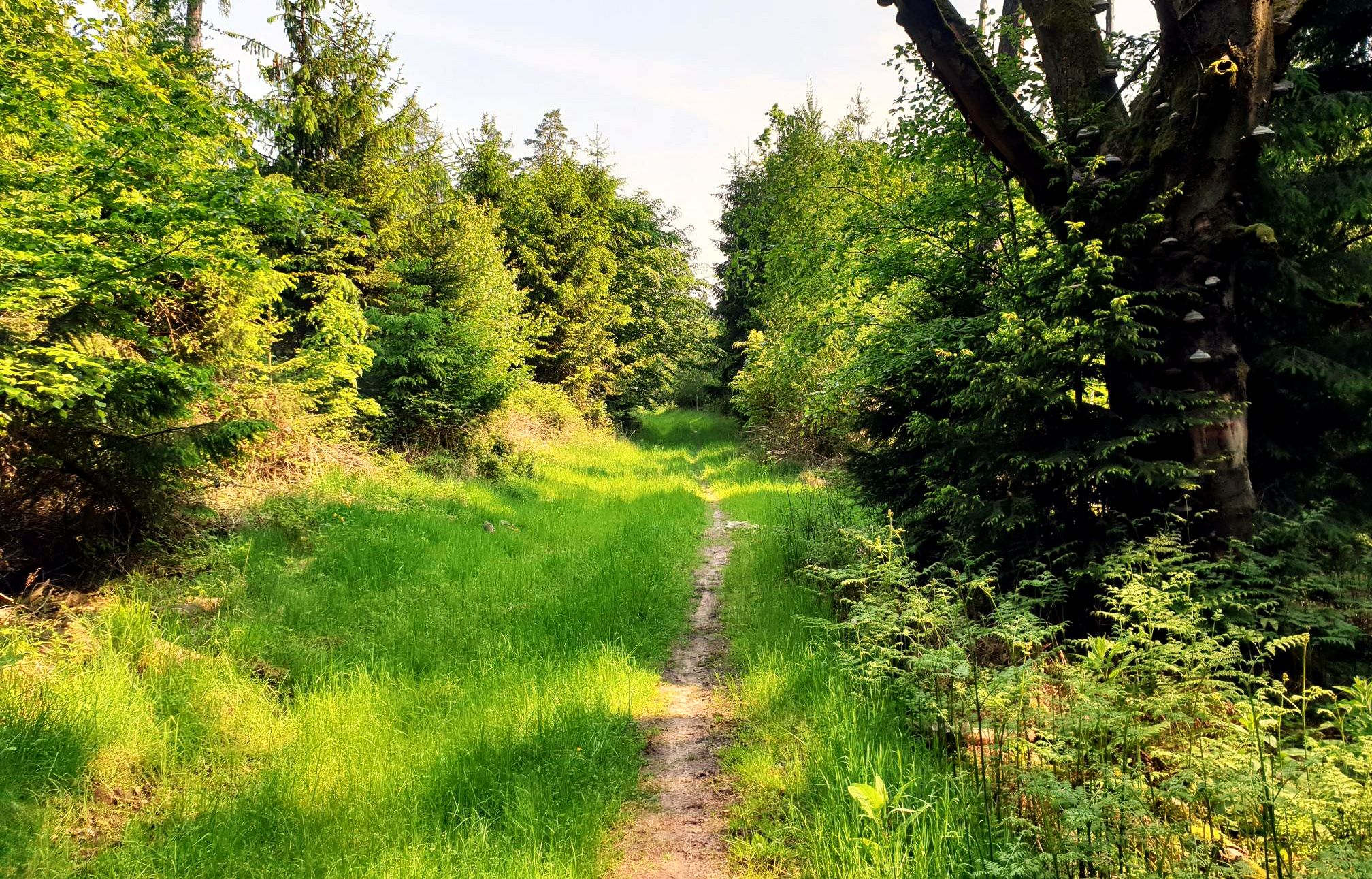
Mountain biking in the Spessart – Awesome trails in Germany
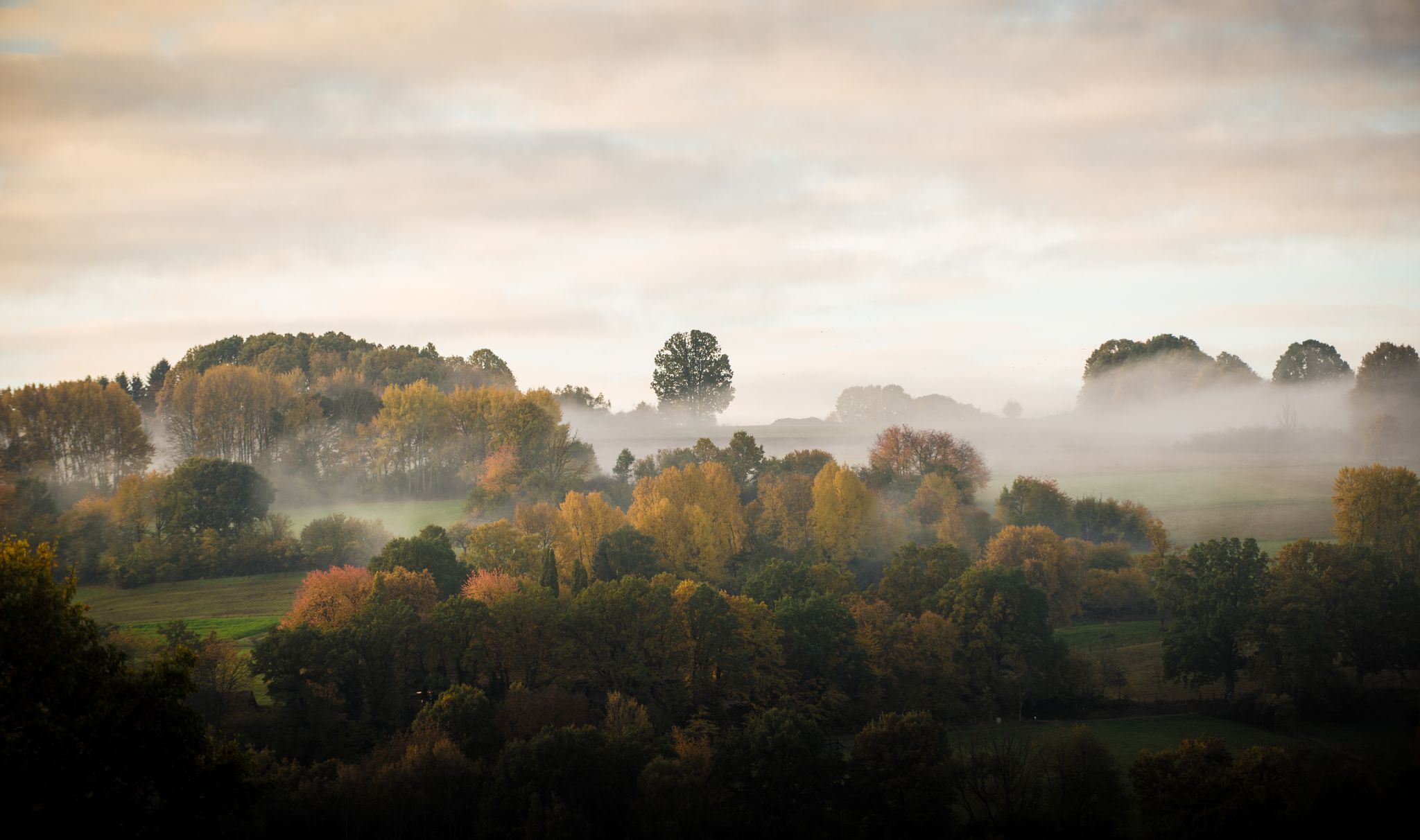
Die schönsten Herbstwanderungen im Spessart
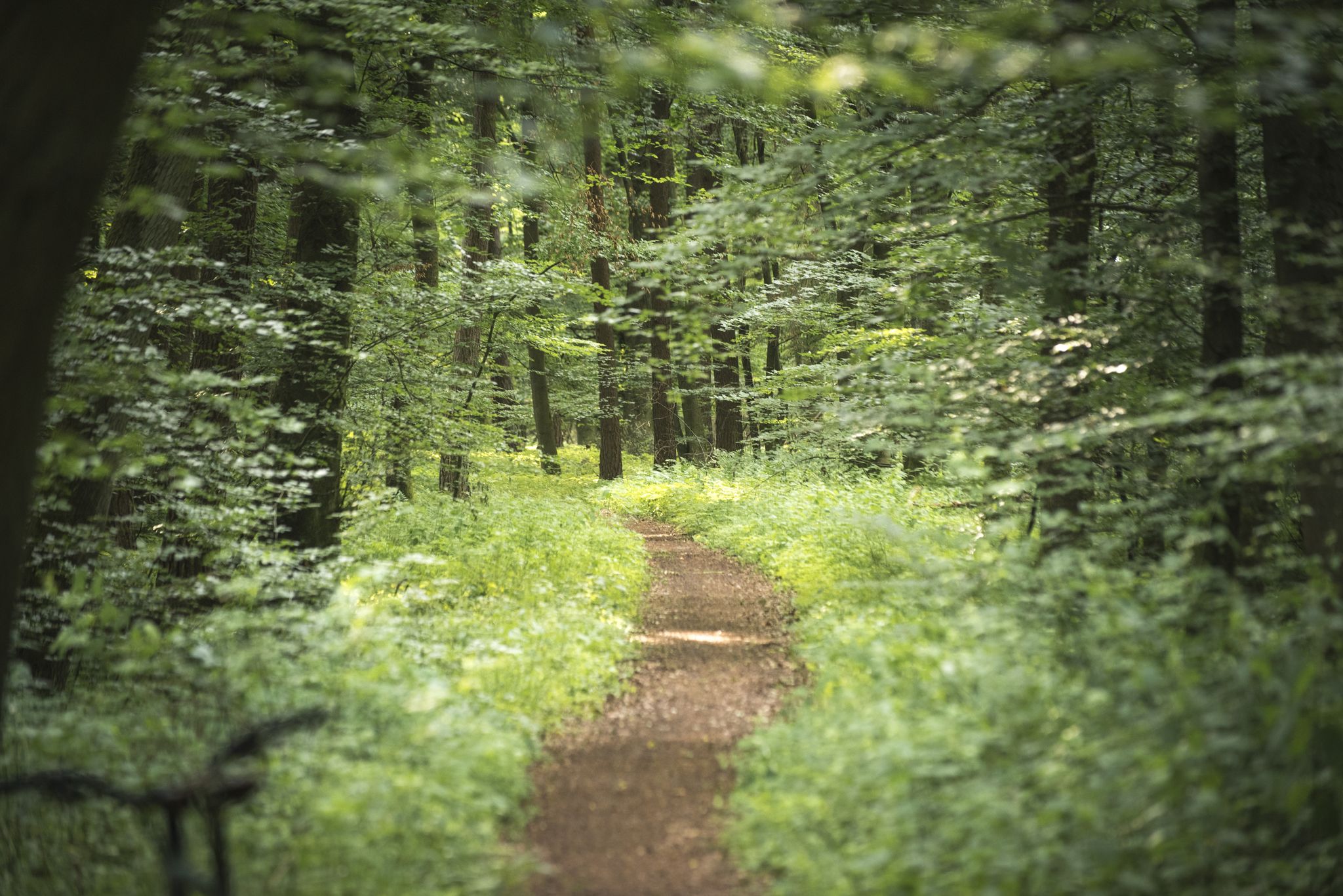
Die schönsten Premium-Spazierwanderwege im Hessischen Spessart
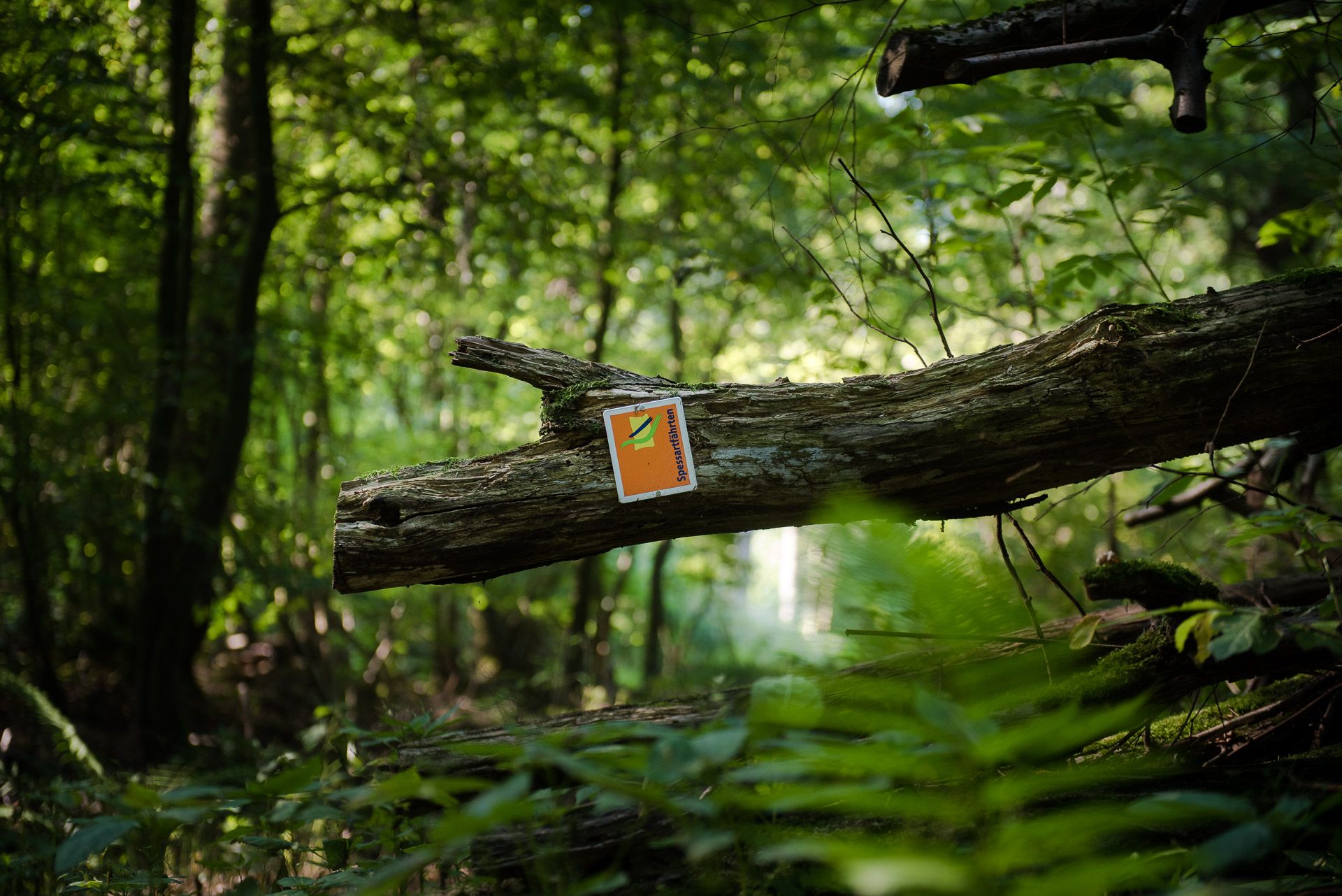
Die Spessartfährten: Sanfte Tageswanderungen durch den hessischen Spessart
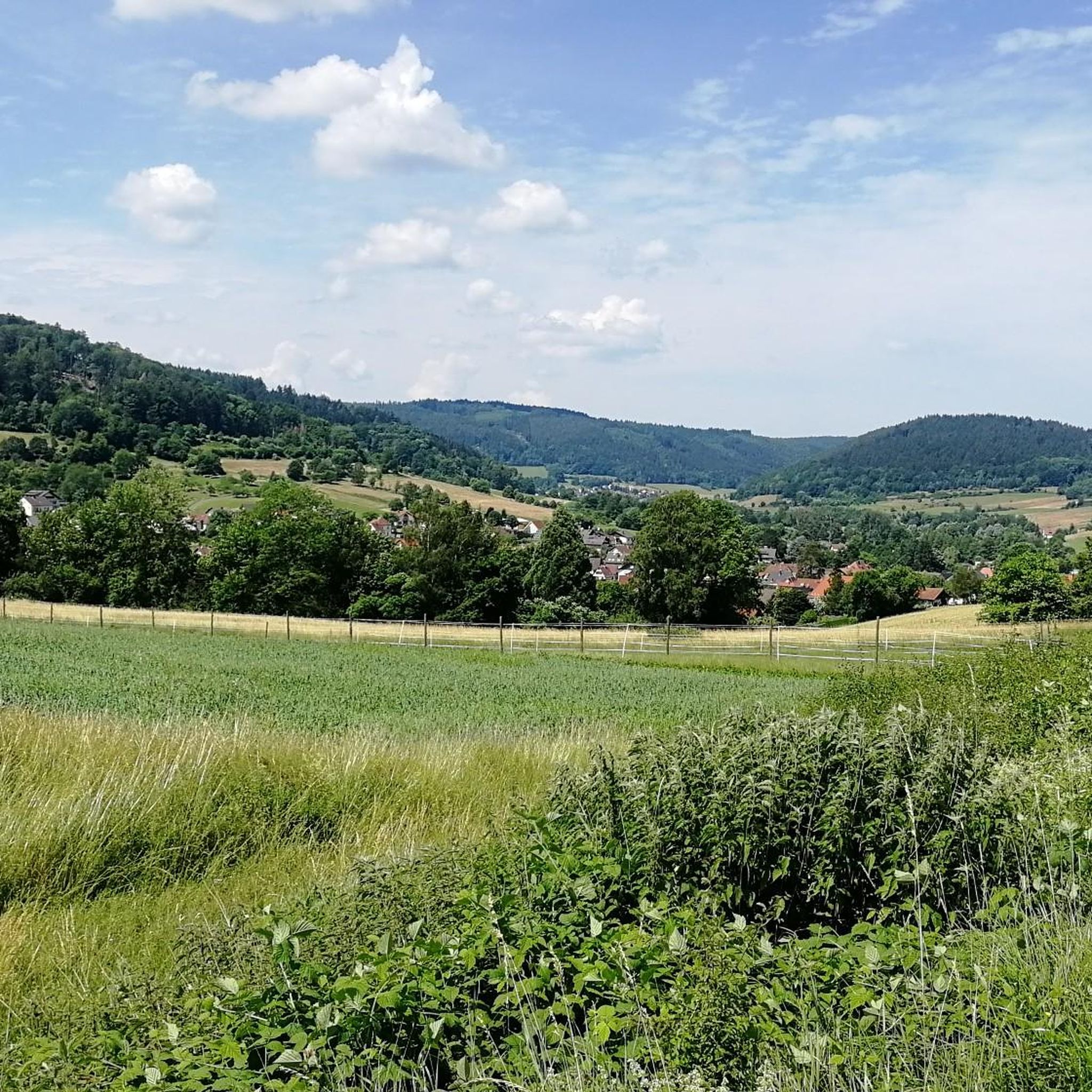
Hiking around Biebergemünd
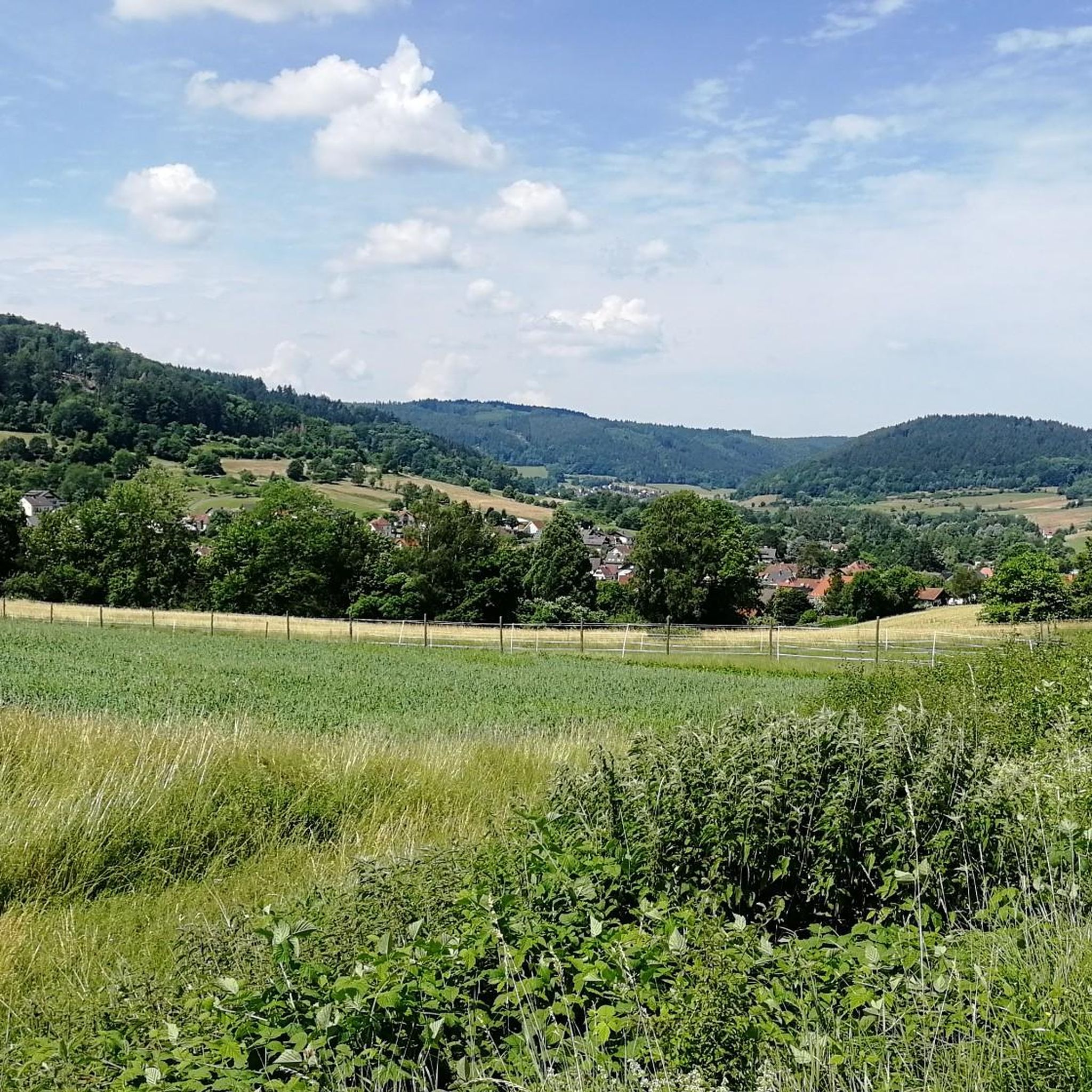
MTB Trails around Biebergemünd
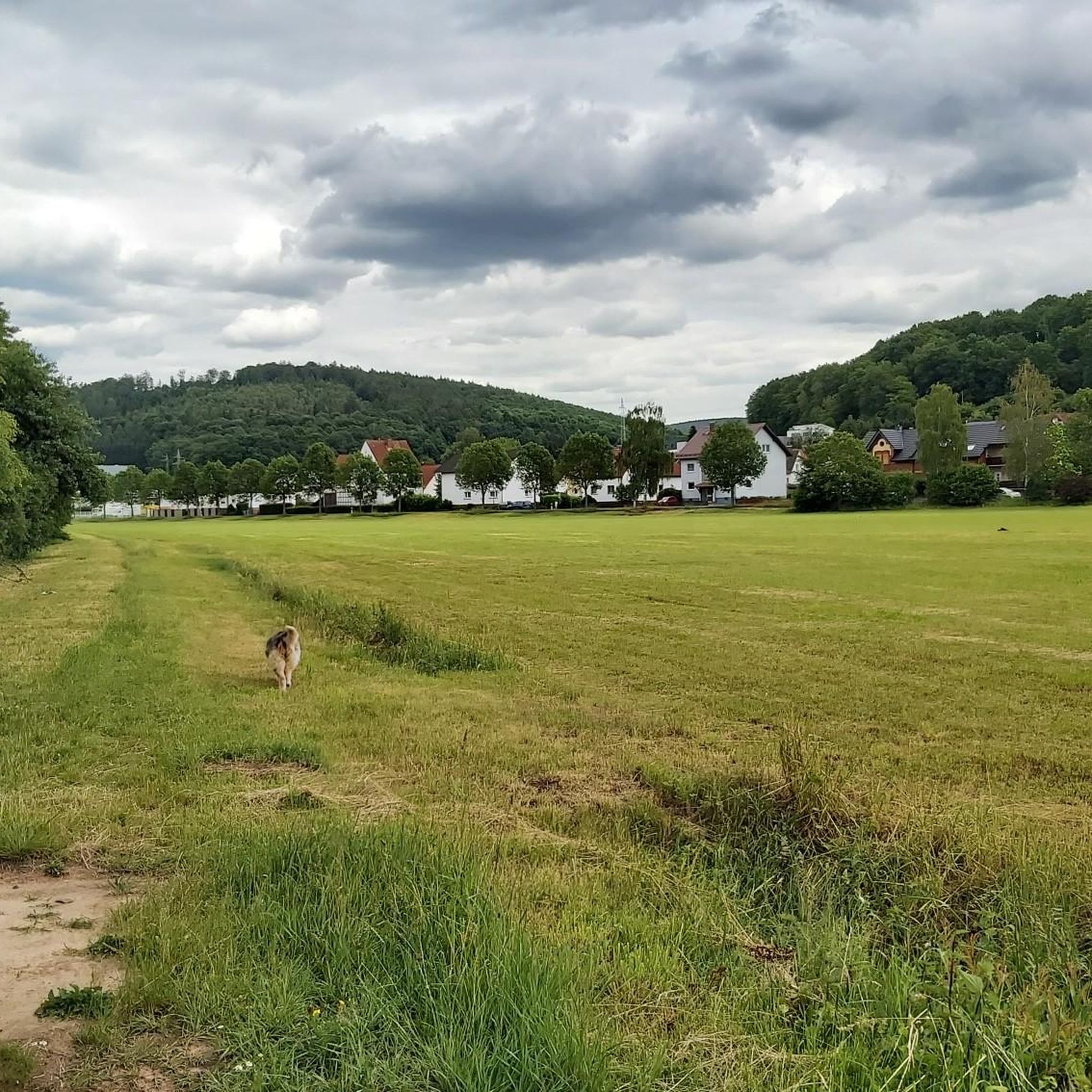
Cycling around Biebergemünd
Other adventures around Biebergemünd

Tips from the Community

This is a nice place to take a break.
1
0

Storks can often be observed!
0
0
Here you can still enjoy nature. The narrow-gauge railway only runs infrequently on the route to Bad Orb.
1
0

The Kinzig is a river approximately 86 kilometers long. It rises in Sterbfritz, flows southwest through the Main-Kinzig district of Hesse, and flows into the Main from the right in Hanau. The Kinzig is a second-order river in low mountain ranges. It overcomes an elevation of 301 meters and has a bed gradient of 3.5 per thousand. The Kinzig's catchment area covers 1,058 square kilometers, and the calculated mean discharge (MQ) at the mouth of the Kinzig is 10.97 cubic meters per second. The Kinzig was first documented in 796 as "iuxta fluvium Kincihen." In 815, the name was written as "Chinzicha," around 900 as "Kincicha"/"Kinzicham," in 1364 as "Kinzige," in 1584 as "Kintzig," in 1607 as "Bintz," in 1681 as "Kintz," in 1716 as "Kins," in 1769 as "Kinzing," and in 1802 as "Kinzig." In the river's headwaters, there was the now-defunct village of Kinzig, mentioned in 815 as "Chirizichheimero." The village and river were often confused by monastery scribes at that time with "Chizzicha" (now Bad Kissingen), both of which were described as being located in the Saalegau. The name presumably derives from the ancient Celtic *ku̯anti̯o- meaning "flat hill, valley." The name was therefore derived from the mountainous region from which the Kinzig flows. Source: Wikipedia
1
0
The Kinzig is a river approximately 86 kilometers long. It rises in Sterbfritz, flows southwest through the Main-Kinzig district of Hesse, and flows into the Main from the right in Hanau. The Kinzig is a second-order river in low mountain ranges. It overcomes an elevation of 301 meters and has a bed gradient of 3.5 per thousand. The Kinzig's catchment area covers 1,058 square kilometers, and the calculated mean discharge (MQ) at the mouth of the Kinzig is 10.97 cubic meters per second. The Kinzig was first documented in 796 as "iuxta fluvium Kincihen." In 815, the name was written as "Chinzicha," around 900 as "Kincicha"/"Kinzicham," in 1364 as "Kinzige," in 1584 as "Kintzig," in 1607 as "Bintz," in 1681 as "Kintz," in 1716 as "Kins," in 1769 as "Kinzing," and in 1802 as "Kinzig." In the river's headwaters, there was the now-defunct village of Kinzig, mentioned in 815 as "Chirizichheimero." The village and river were often confused by monastery scribes at that time with "Chizzicha" (now Bad Kissingen), both of which were described as being located in the Saalegau. The name presumably derives from the ancient Celtic *ku̯anti̯o- meaning "flat hill, valley." The name was therefore derived from the mountainous region from which the Kinzig flows. Source: Wikipedia
1
0
The Kinzig is a river approximately 86 kilometers long. It rises in Sterbfritz, flows southwest through the Main-Kinzig district of Hesse, and flows into the Main from the right in Hanau. The Kinzig is a second-order river in low mountain ranges. It overcomes an elevation of 301 meters and has a bed gradient of 3.5 per thousand. The Kinzig's catchment area covers 1,058 square kilometers, and the calculated mean discharge (MQ) at the mouth of the Kinzig is 10.97 cubic meters per second. The Kinzig was first documented in 796 as "iuxta fluvium Kincihen." In 815, the name was written as "Chinzicha," around 900 as "Kincicha"/"Kinzicham," in 1364 as "Kinzige," in 1584 as "Kintzig," in 1607 as "Bintz," in 1681 as "Kintz," in 1716 as "Kins," in 1769 as "Kinzing," and in 1802 as "Kinzig." In the river's headwaters, there was the now-defunct village of Kinzig, mentioned in 815 as "Chirizichheimero." The village and river were often confused by monastery scribes at that time with "Chizzicha" (now Bad Kissingen), both of which were described as being located in the Saalegau. The name presumably derives from the ancient Celtic *ku̯anti̯o- meaning "flat hill, valley." The name was therefore derived from the mountainous region from which the Kinzig flows. Source: Wikipedia
2
0

The Eselsweg is a must-do for every mountain biker. It's simply fantastic to ride there! 🚵♀️🌳☀️ #MTBRoute #BikeTour #NatureExperience
0
0
The Beilstein is a large basalt rock. Remains of a former hilltop castle can still be seen on the summit plateau.
1
0
Frequently Asked Questions
How many gravel bike trails are available in Biebergemünd?
Biebergemünd offers a wide selection of gravel biking routes, with over 170 trails recorded on komoot. These routes cater to various skill levels, from moderate to challenging, allowing you to explore the diverse landscapes of the Hessian Spessart region.
Are there easy gravel bike trails suitable for beginners in Biebergemünd?
Yes, Biebergemünd has several routes suitable for beginners or those looking for an easier ride. There are 4 easy and 60 moderate gravel bike tours available. These routes typically feature less elevation gain and smoother surfaces, making them ideal for a relaxed introduction to gravel biking in the Spessart.
What kind of terrain can I expect on gravel bike routes in Biebergemünd?
Gravel bike routes in Biebergemünd traverse a varied landscape, primarily characterized by extensive wooded hills, the picturesque Bieber and Kinzig valleys, and a network of forest roads and unpaved tracks. You can expect a mix of surfaces, from compacted gravel to more natural, loose sections, with varying elevation changes as you explore the Spessart Nature Park.
Are there any circular gravel bike routes in Biebergemünd?
Many of the gravel bike routes in Biebergemünd are designed as circular tours, allowing you to start and end at the same point. An example is the View of Gelnhausen – Kinzigtal Cycle Path loop from Eidengesäß, which offers scenic views and follows part of the Kinzigtal Cycle Path.
What are some notable natural attractions or viewpoints along the gravel trails?
The region offers several natural highlights. You can find scenic views towards Gelnhausen on routes like the View of Gelnhausen – Kinzigtal Cycle Path loop from Eidengesäß. The Rodfeldturm Observation Tower provides panoramic vistas. To the south, you can explore the unique Wiesbüttmoor nature preserve and the Wiesbüttsee, an artificial lake with historical mining connections.
Are there any historical or cultural landmarks to see while gravel biking?
Yes, Biebergemünd and its surroundings offer several points of interest. You might pass by the medieval Mauritius-Kapelle on the Burberg or explore routes that lead past historical points, such as the Haselruhe Hunting Lodge – Beilstein Trail loop from Bad Orb. The Biebergrund Museum also provides insights into the region's mining history.
What is the best season for gravel biking in Biebergemünd?
The Spessart region, including Biebergemünd, is enjoyable for gravel biking across multiple seasons. Spring and autumn offer pleasant temperatures and vibrant natural colors, while summer provides longer daylight hours. Even winter can be suitable, though some trails might be affected by snow or ice, especially in higher elevations. Always check local conditions before heading out.
Are there options for more challenging or advanced gravel bike trails?
Absolutely. For experienced gravel bikers seeking a challenge, Biebergemünd offers 109 difficult routes. These trails often feature significant elevation changes and more technical sections. An example is the Cycle Path Along the Flörsbach – Aubach Lakes loop from Flörsbachtal, which is a demanding 48.5 km ride with over 500 meters of elevation gain.
What do other gravel bikers say about the trails in Biebergemünd?
The gravel biking routes in Biebergemünd are highly regarded by the komoot community, holding an average rating of 4.6 stars from over 90 reviews. Riders often praise the diverse terrain, the extensive network of forest roads, and the scenic beauty of the Spessart Nature Park, making it a popular destination for gravel enthusiasts.
Can I find gravel bike routes that are suitable for families?
While many routes in Biebergemünd involve varied terrain and elevation, there are easier options that families with older children might enjoy. Look for routes categorized as 'easy' or 'moderate' with less significant climbs and smoother paths, often found along the valley floors like the Kinzig. Always review the route details, including distance and elevation, to ensure it matches your family's capabilities.
Are there any specific areas for parking near the gravel bike trails?
Given the region's popularity for outdoor activities, you can typically find parking options in and around the starting points of many trails, particularly in the villages and towns within Biebergemünd and the surrounding Spessart Nature Park. It's advisable to check specific route descriptions or local signage for designated parking areas.
What are the typical distances and elevation gains for gravel routes in Biebergemünd?
Gravel routes in Biebergemünd vary significantly. You can find shorter, easier rides, but many popular routes range from 35 to 50 kilometers in length. Elevation gains can also vary widely, from around 300-400 meters for moderate tours to over 500-600 meters for more difficult trails, reflecting the hilly nature of the Spessart.
Most popular routes around Biebergemünd
Most popular attractions around Biebergemünd

Get inspired with the komoot mobile app


Explore more
Browse the best Gravel rides in other regions.
