The best gravel rides around Birstein
4.3
(11)
79
riders
44
rides
Gravel biking around Birstein offers diverse terrain shaped by its location near the Volcanic Region Vogelsberg and Naturpark Spessart. The landscape features varied surfaces, from former railway lines providing consistent gradients to paths through temperate valleys and dense forests. This region is characterized by its volcanic geology, river floodplains, and a network of established cycling paths suitable for off-road exploration. The area provides a range of routes for different skill levels.
Best gravel bike trails around Birstein
- The most popular…
Last updated: July 17, 2026
12
riders
52.1km
03:23
890m
890m
Hard gravel ride. Very good fitness required. Mostly paved surfaces. Suitable for all skill levels.
8
riders
24.8km
01:33
320m
320m
Moderate gravel ride. Good fitness required. Mostly paved surfaces. Suitable for all skill levels.

Sign up for free
5.0
(3)
9
riders
61.4km
03:22
630m
630m
Hard gravel ride. Very good fitness required. Mostly paved surfaces. Suitable for all skill levels.
4.0
(3)
12
riders
47.8km
02:53
720m
720m
Hard gravel ride. Very good fitness required. You may need to push your bike for some segments of this route.
2
riders
Hard gravel ride. Very good fitness required. You may need to push your bike for some segments of this route.
Get access to more routes and recommendations from other explorers.
Sign up for free
Already have an account?
Our route recommendations are based on thousands of hikes, rides, and runs completed by other people on komoot.
Start today with a free account
Your next adventure awaits.
Login or Signup
Other adventures around Birstein

Tips from the Community

Very well-maintained Kneipp facility, highly recommended. A MUST-STOP for every biker or hiker! My thanks to the voluntary and dedicated helpers of this facility.
0
0

In the Nidderauen nature reserve near Stockheim, your gaze quickly wanders upwards. The white stork breeds in the crowns of the deadwood. Numerous stork families find their home here. Their impressive nests can be easily observed from the roadside. But lapwings, snipes, and tree frogs also share this species-rich area, which was placed under special protection as early as 1981. The course of the Nidder was partially renatured in 2005, and in the process, a wide network of still waters was created, serving as a retreat for resting birds.
1
0
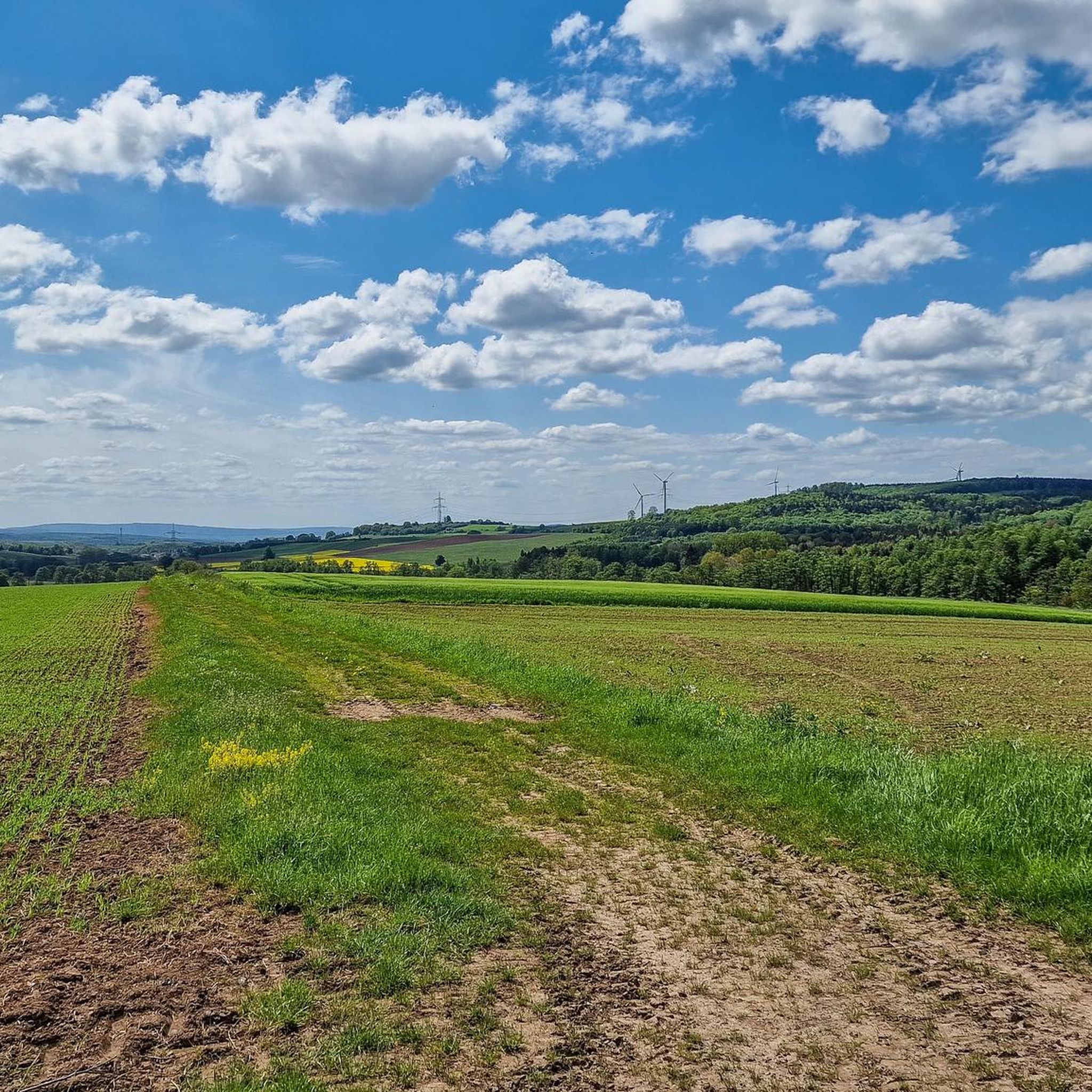
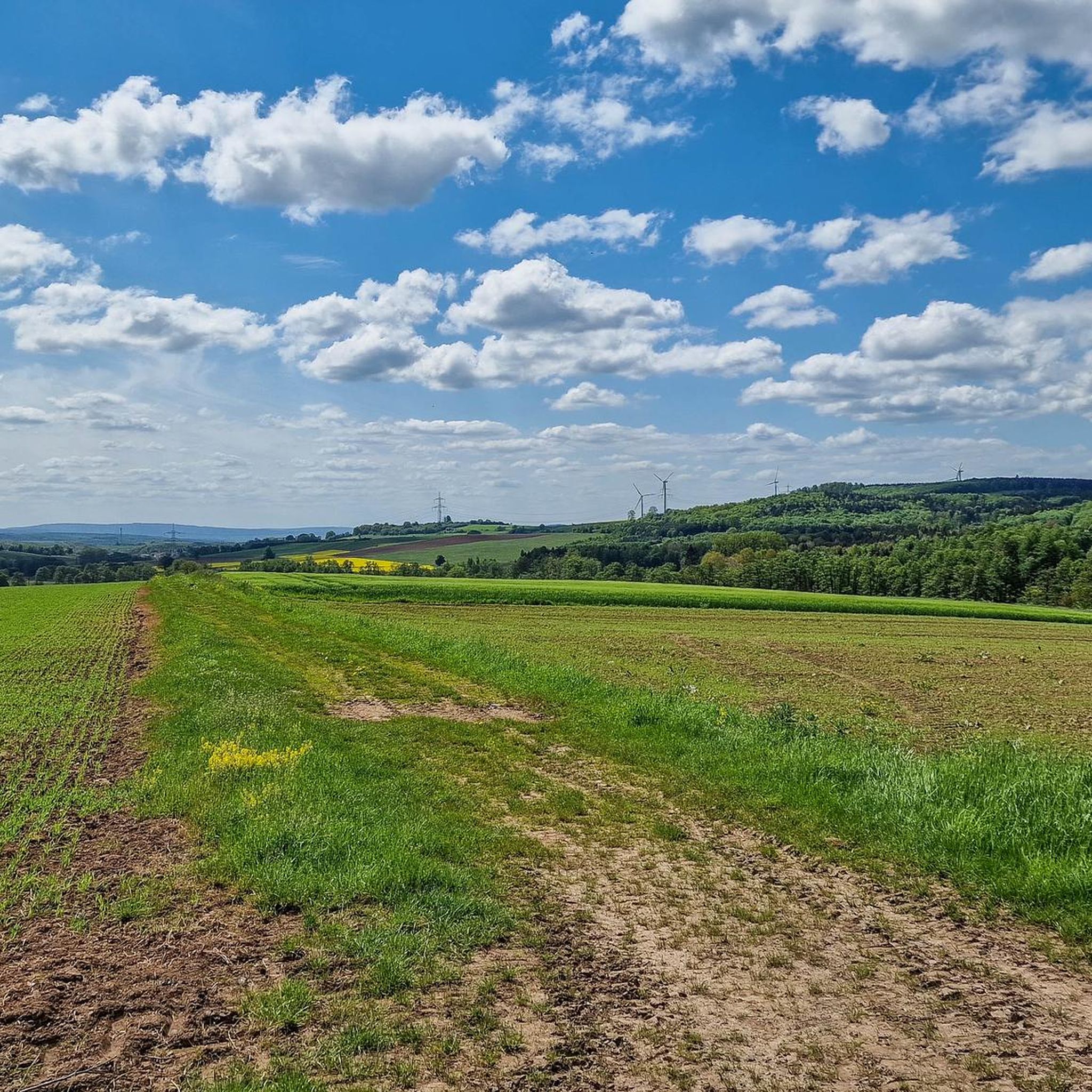
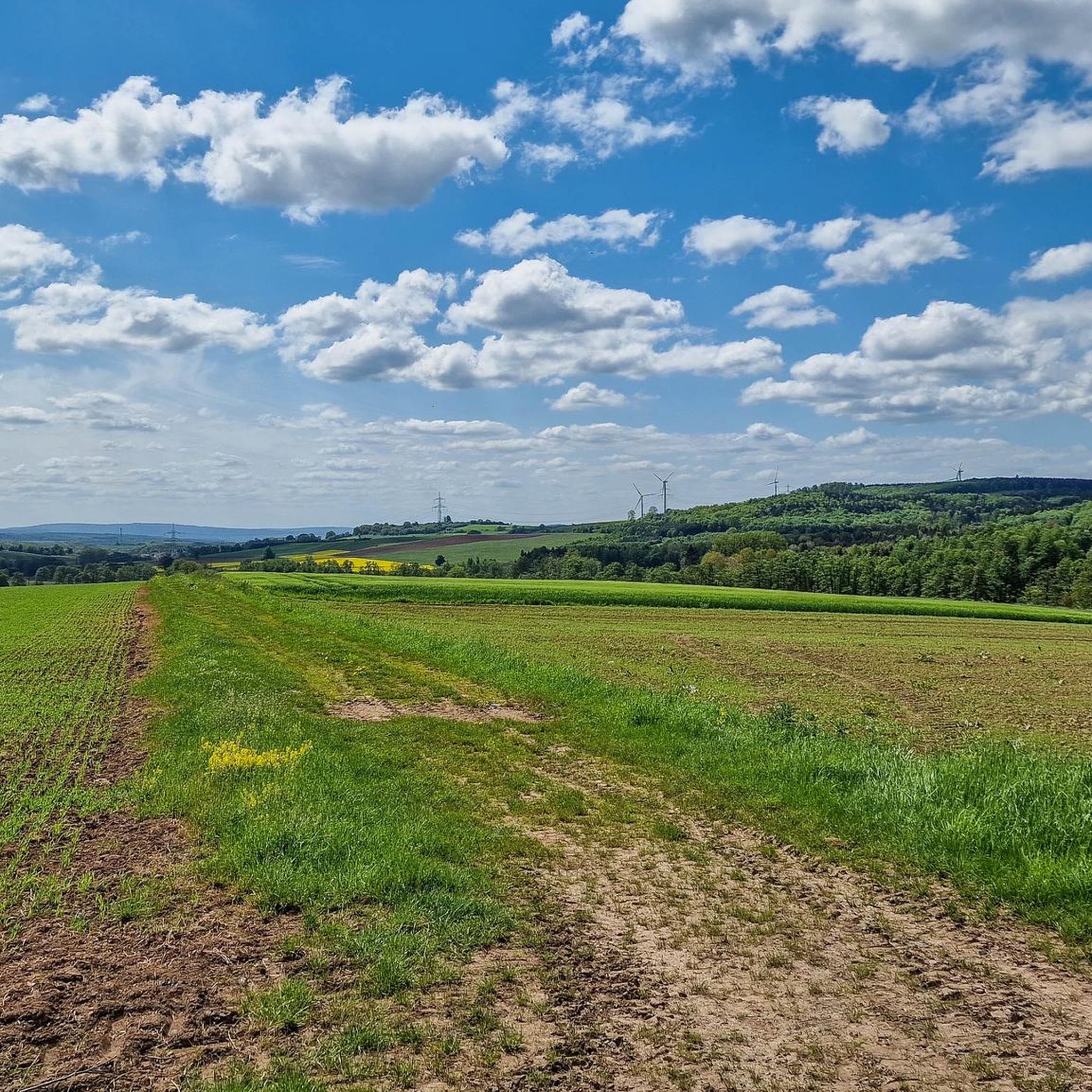
Between the Kernberg and Kaffberg, not far from Schönhausen, a magnificent view opens up over the surrounding landscape. From the Bettenradweg cycle path, the view extends far across the valley basin, where the wind makes the blades of lush meadows dance.
0
0


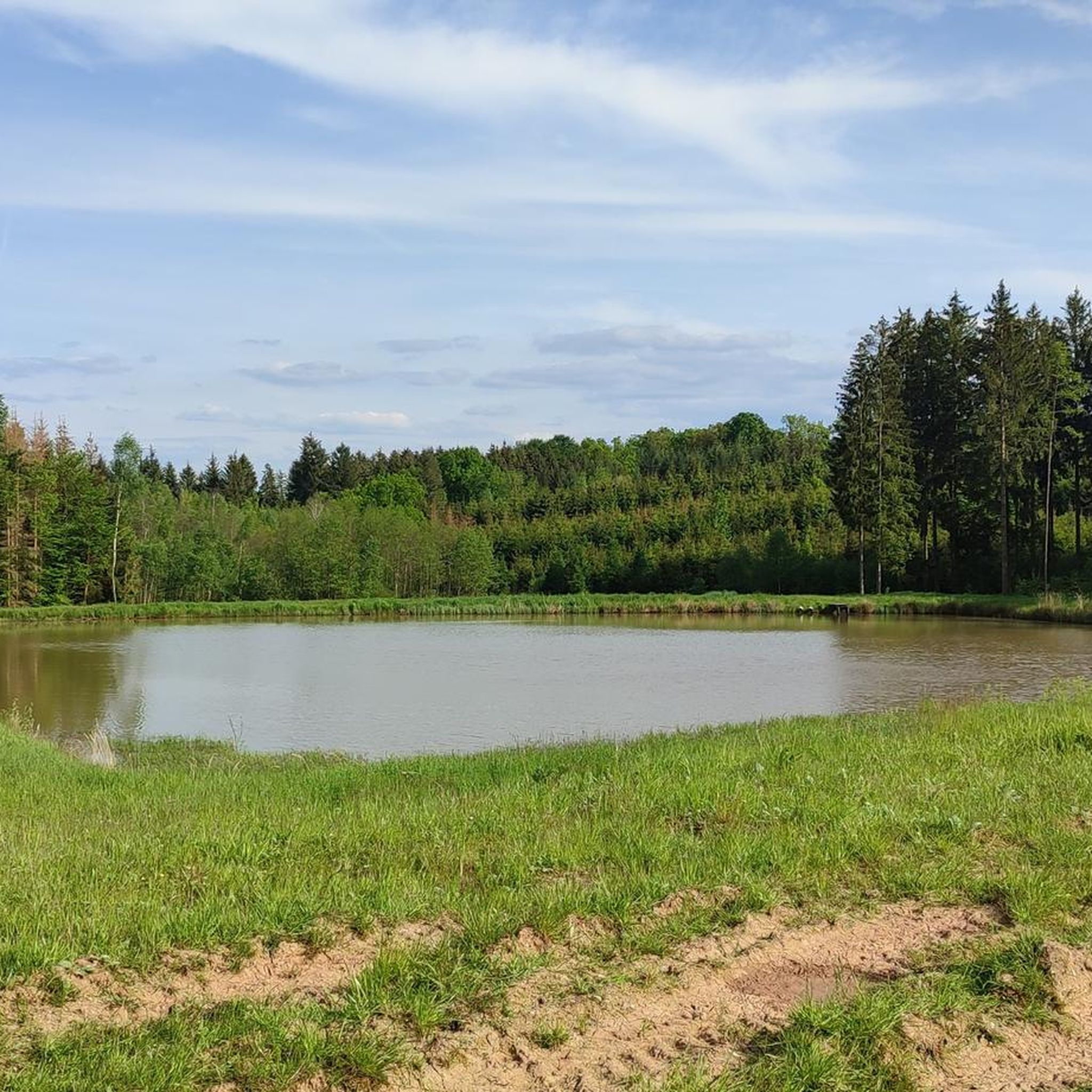
Even invites you to swim on hot days ;)
1
0

When it's dry, it's no problem to cycle the path.
1
0

Storks can often be observed!
2
0
There is a good cycle path here. I personally prefer the southern cycle path along the reservoir.
2
0
Frequently Asked Questions
How many gravel bike trails are available around Birstein?
Birstein offers a wide selection of gravel biking opportunities, with over 60 routes available. These range from easy, leisurely rides to challenging, difficult trails, ensuring there's something for every skill level.
What kind of terrain can I expect on gravel bike trails in Birstein?
The terrain around Birstein is incredibly diverse, influenced by its location near the Volcanic Region Vogelsberg and Naturpark Spessart. You'll encounter varied surfaces, from smooth paths along former railway lines like the Vogelsberger Südbahnradweg to more rugged routes through temperate valleys and dense forests. The volcanic geology also adds dynamic climbs and descents.
Are there any easy gravel bike trails suitable for beginners in Birstein?
Yes, Birstein has several easy gravel bike trails perfect for beginners or those looking for a relaxed ride. For instance, the View of the Kinzig Reservoir – Kinzigsee loop from Romsthal is a moderate 27.3 km route with manageable elevation, offering scenic views without being overly strenuous.
Are there challenging gravel routes for experienced riders?
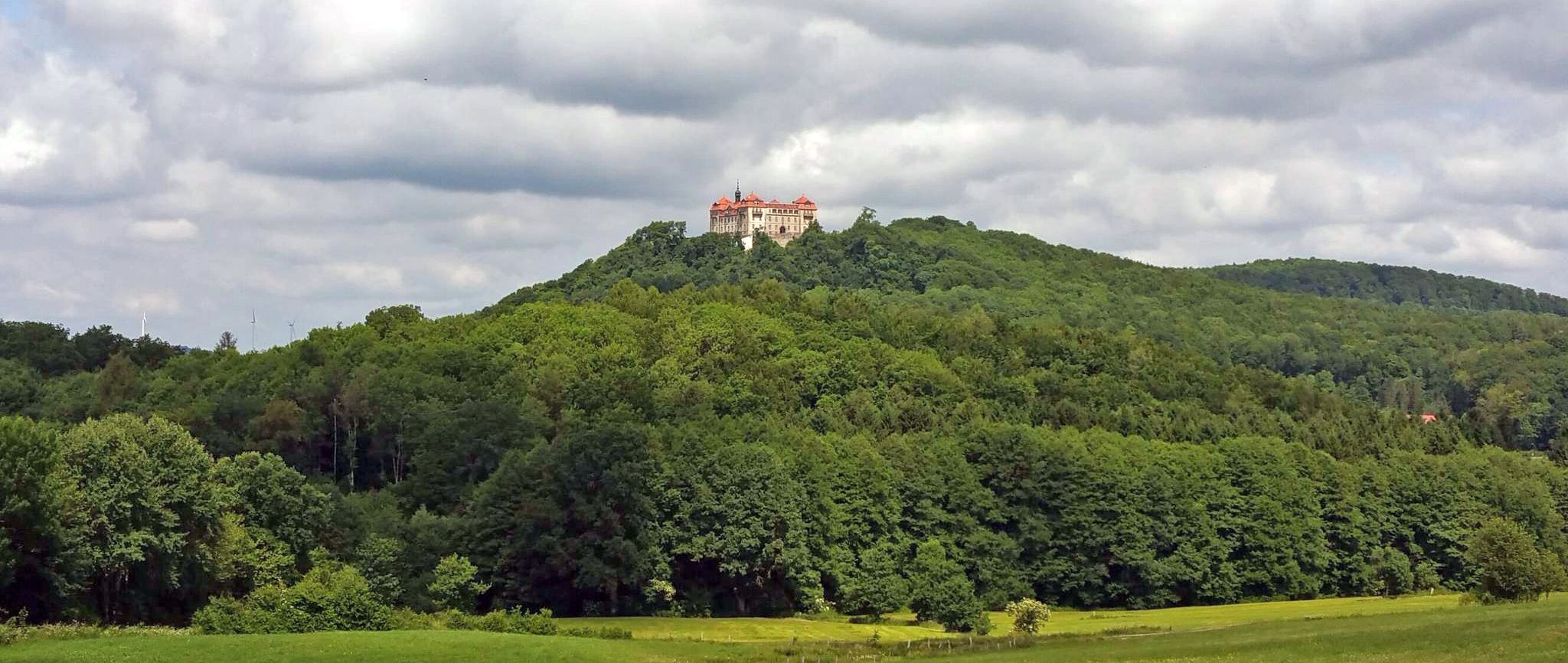
Absolutely. For experienced gravel bikers seeking a challenge, Birstein's volcanic landscape provides plenty of difficult routes. Consider the View of Lißberg Castle – Vulkan Spring Kneipp Pool loop from Gedern, a demanding 61.4 km trail with significant elevation changes, exploring the more rugged aspects of the region.
Are there any circular gravel bike routes in the Birstein area?
Many of the gravel bike routes around Birstein are designed as loops, allowing you to start and end at the same point. An excellent example is the Kinzig Reservoir at Ahl – Kinzig Reservoir loop from Brachttal, which circles the beautiful Kinzig Reservoir.
What natural attractions or scenic viewpoints can I discover along the gravel trails?
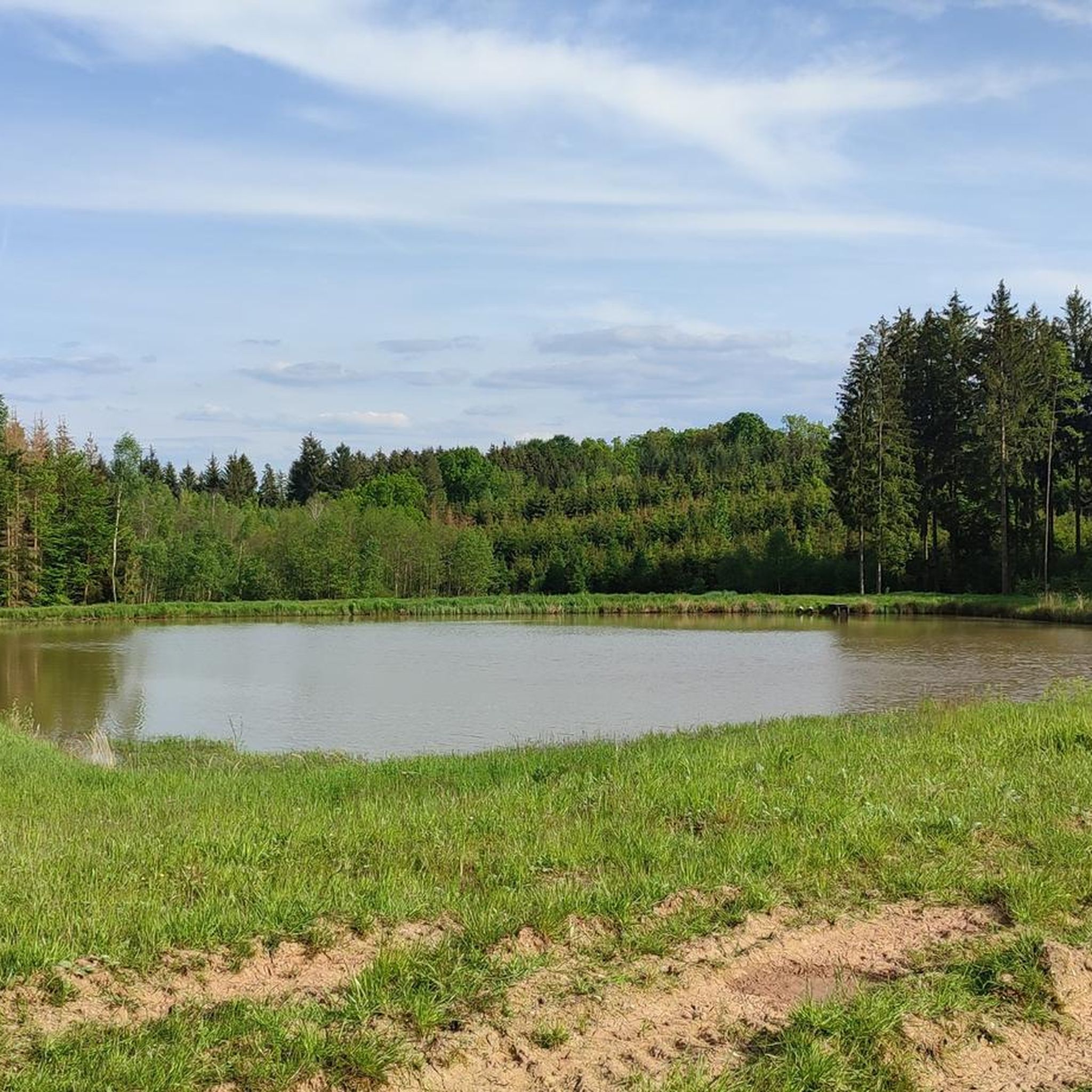
Birstein's trails offer access to several natural highlights. You can cycle past the tranquil Kinzig Reservoir, or explore the Upper Trout Pond. The Graf-Dietrichs-Weiher Nature Reserve, with its picturesque pond and diverse wildlife, is also a beautiful spot to visit. Keep an eye out for scenic bridges in the forests, which make for great photo opportunities.
Is Birstein suitable for family-friendly gravel biking?
Yes, Birstein can be very family-friendly. The region features dedicated cycle paths, often on former railway lines, which provide smooth surfaces and consistent, gentle gradients. These are ideal for families. Additionally, the Graf-Dietrichs-Weiher Nature Reserve offers a nature trail suitable for cyclists, providing a peaceful and engaging experience for all ages.
Are there facilities for e-bikers, like charging stations?
Yes, Birstein is accommodating for e-bikers. Near the Graf-Dietrichs-Weiher, along 'Der Weg des Wassers' educational trail, you can find free charging stations for e-bikes, making it convenient to extend your ride.
What is the best time of year to go gravel biking in Birstein?
The spring and autumn months generally offer the most pleasant conditions for gravel biking in Birstein, with mild temperatures and beautiful scenery. Summer can also be great, especially for rides through the dense forests which provide shade. While winter biking is possible, conditions can vary, so checking local weather and trail reports is advisable.
What do other gravel bikers enjoy most about the trails in Birstein?
The gravel biking routes in Birstein are highly rated by the komoot community, with an average score of 4.4 stars from over 30 reviews. Many of the more than 200 visitors praise the varied terrain, from the unique volcanic landscapes to the serene river floodplains and well-maintained former railway lines, offering a diverse and engaging riding experience.
Where can I find parking for gravel biking near Birstein?
While specific parking areas aren't detailed for every route, Birstein, as a state-recognized recreation area, generally offers public parking options in and around the main town and at popular trailheads. Look for designated parking near major attractions or starting points of well-known cycle paths like the Vogelsberger Südbahnradweg.
Most popular attractions around Birstein

Get inspired with the komoot mobile app


Explore more
Browse the best Gravel rides in other regions.
