The best gravel rides around Mönchsdeggingen
4.8
(21)
105
riders
18
rides
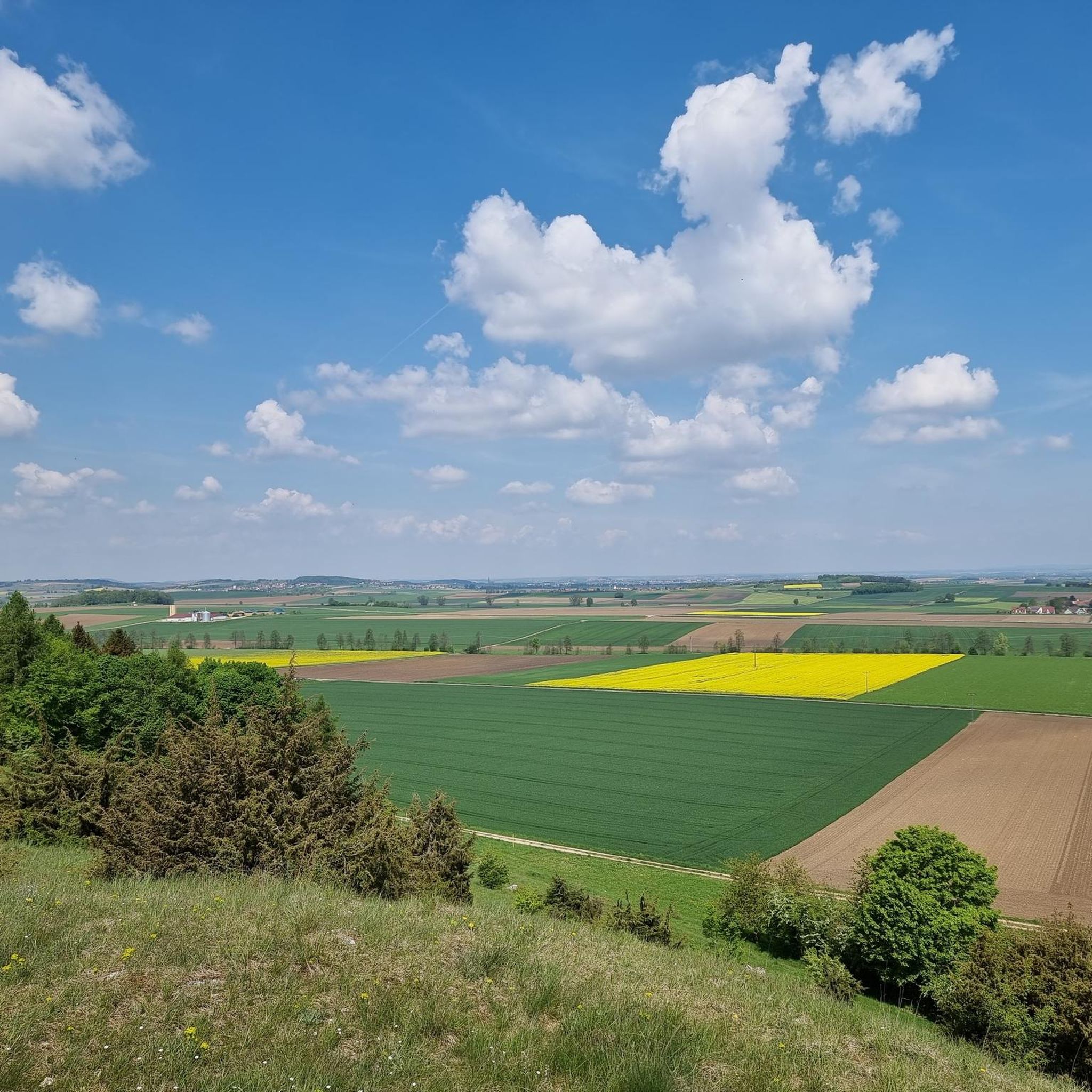
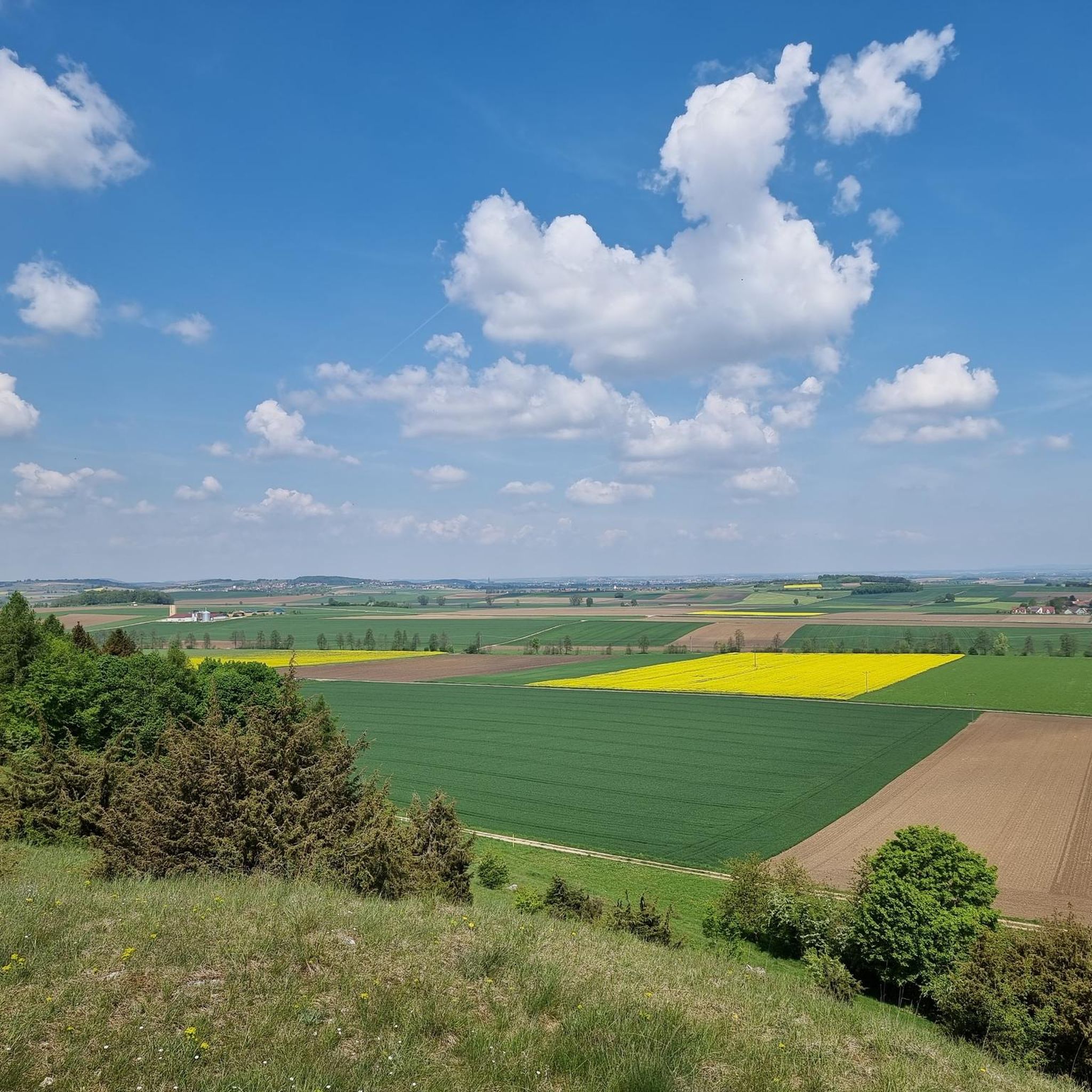
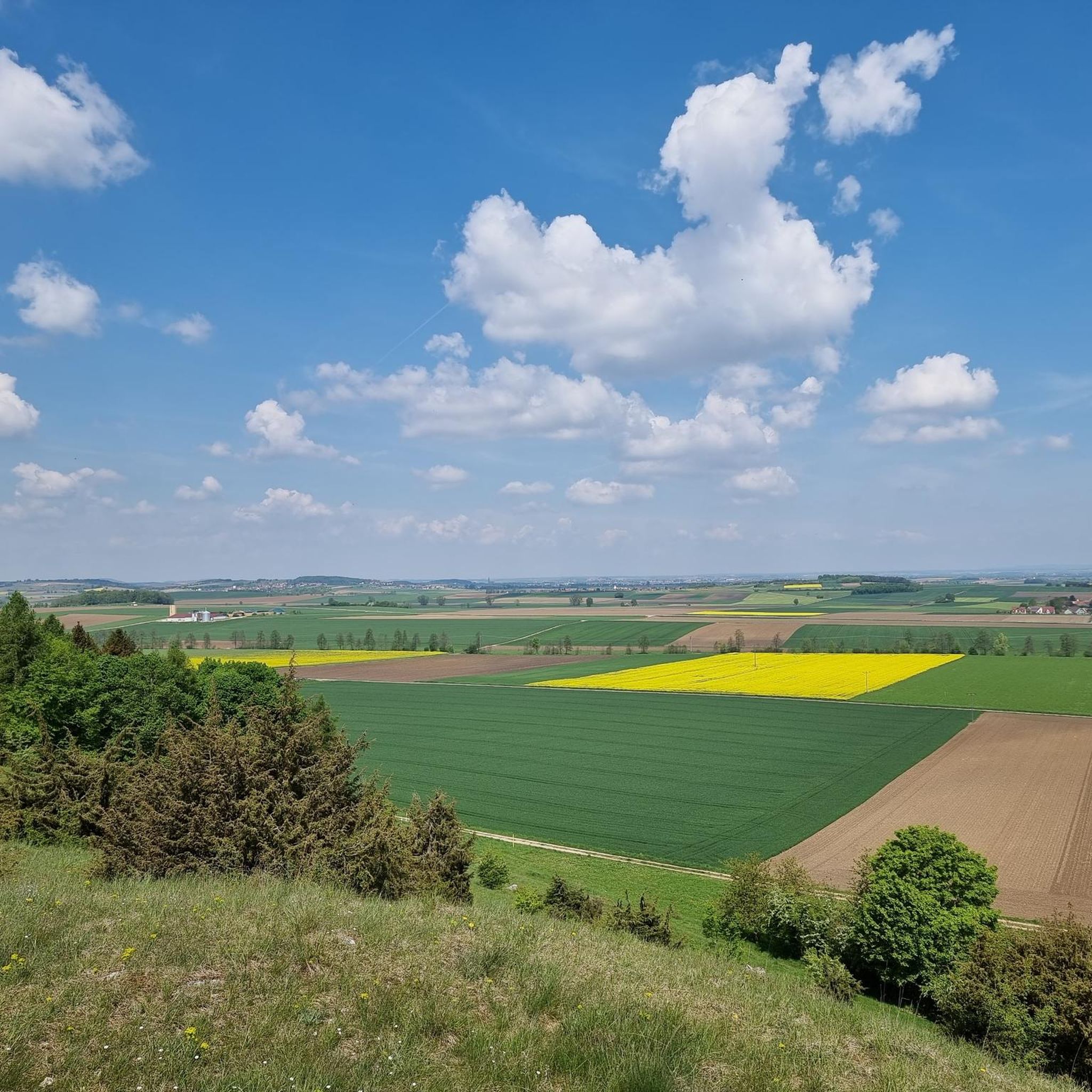
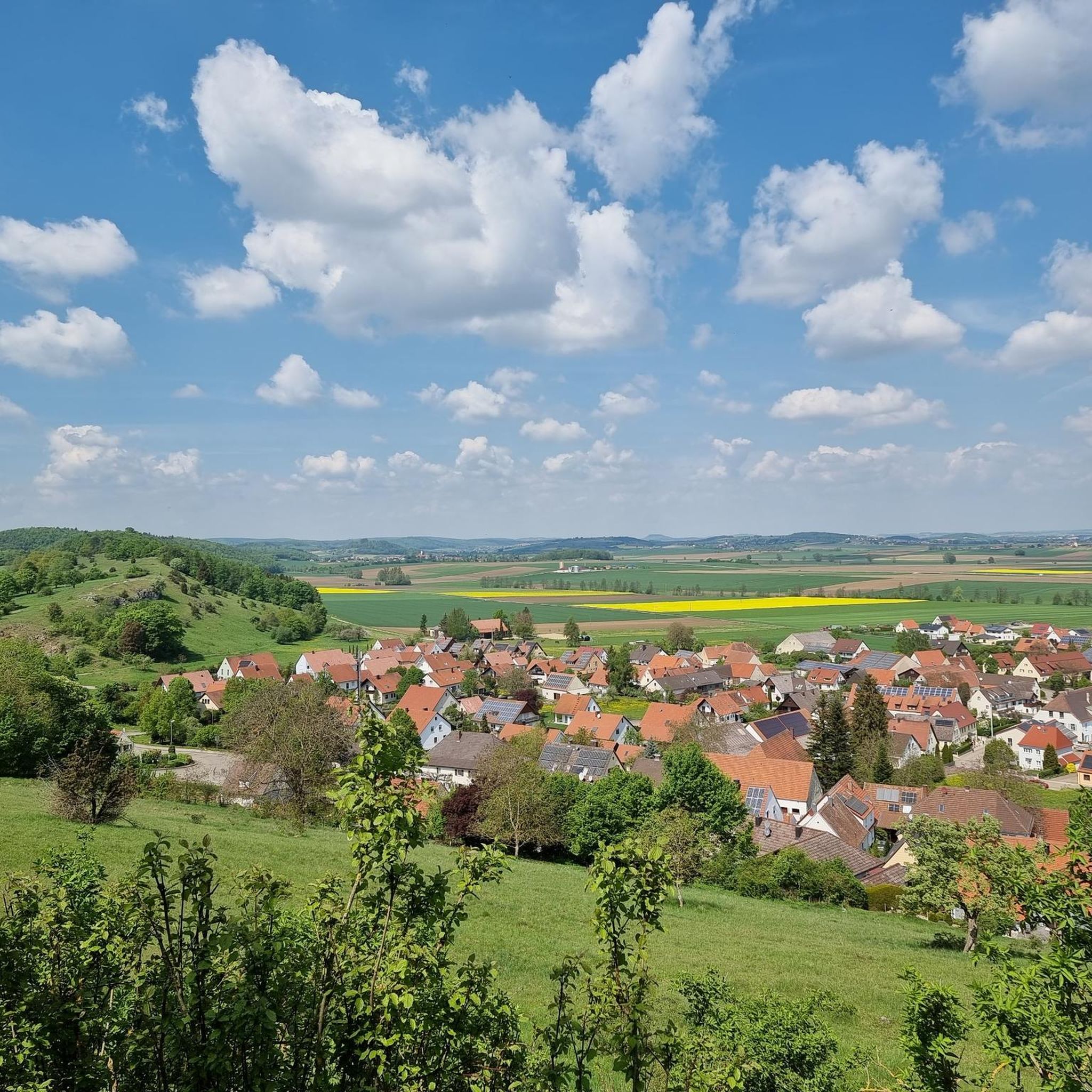
Gravel biking around Mönchsdeggingen offers routes through the unique Nördlinger Ries, a meteorite impact crater characterized by wide fields, meadows, and rolling hills. This geological feature provides varied terrain with both paved and unpaved surfaces. The region also extends into the forested plateaus of the Swabian Alb and features river valleys, bordering the Altmühltal Nature Park. The landscape provides diverse riding experiences suitable for gravel bikes.
Best gravel bike trails around Mönchsdeggingen
- The most popular gravel bike trail is Dillingen…
Last updated: May 5, 2026
4.7
(3)
22
riders
62.8km
04:01
120m
120m
Moderate gravel ride. Good fitness required. Mostly paved surfaces. Suitable for all skill levels.
5.0
(2)
7
riders
Hard gravel ride. Very good fitness required. You may need to push your bike for some segments of this route.

Sign up for free
4.3
(9)
48
riders
Moderate gravel ride. Good fitness required. Mostly paved surfaces. Suitable for all skill levels.
5.0
(1)
6
riders
32.6km
01:58
370m
370m
Moderate gravel ride. Good fitness required. Mostly paved surfaces. Suitable for all skill levels.
5.0
(2)
9
riders
Easy gravel ride. Great for any fitness level. Mostly paved surfaces. Suitable for all skill levels.
Get access to more routes and recommendations from other explorers.
Sign up for free
Already have an account?
Our route recommendations are based on thousands of hikes, rides, and runs completed by other people on komoot.
Start today with a free account
Your next adventure awaits.
Login or Signup
Popular around Mönchsdeggingen


Tips from the Community

Very good trip, the Danube is really beautiful!
0
0

The "Daniel" church tower of St. George's Church in Nördlingen is the town's most visible landmark and a masterpiece of late Gothic architecture. At 90 meters high, the tower rises above the town's rooftops and offers a spectacular panoramic view of the Nördlinger Ries region – on a clear day, up to 99 church towers can be seen. Construction began in 1454 and was completed in 1490 with a temporary roof. After a lightning strike in 1537, the tower received its characteristic Italian dome. Originally known as the "Wendelstein," it was renamed "Daniel" in the 19th century – an allusion to the biblical figure Daniel, who was elevated to the rank of prince. The Daniel tower is particularly vividly brought to life by a centuries-old tradition: Every evening between 10 p.m. and midnight, the watchman calls out "So G'sell, so!" from the tower room. – a greeting that dates back to a legend from 1440 in which a runaway sow helped uncover a treason and save the city from an attack. Those who climb the more than 350 steps to the viewing platform will be rewarded not only with an impressive panorama but also with a sense of the history and soul of this unique city.
9
1
The Berger Gate in Nördlingen is one of the five remaining city gates and once secured the road toward Ulm. It was built between 1435 and 1436 by the master builder Hans Rews. The upper tower floors were later expanded between 1574 and 1575 by Wolfgang and Caspar Waldberger, giving the gate its present appearance. Particularly noteworthy is the coffered barrel vault of the gate passage – an architectural detail that gives the gate its distinctive character. A cannonball from the Thirty Years' War remains embedded in the masonry, commemorating the siege of Nördlingen in 1634.
7
1

The Lech is a right tributary of the Danube. The 256 km long river originates in Vorarlberg in the Hochtannberg region at the confluence of the Spullerbach and Formarinbach streams in the Tannläger valley. It flows through Tyrol and southern Bavaria, where it empties into the Danube. Shortly before the Austrian-German border, it joins the Vils river, forms the artificial Lechfall near Füssen, and crosses Swabia and Upper Bavaria on its way. The largest cities on the Lech are Landsberg and Augsburg; in this city, it receives its largest tributary, the Wertach. The river empties into the Danube near Marxheim. Source: Wikipedia
1
0
The Lech is a right tributary of the Danube. The 256 km long river originates in Vorarlberg in the Hochtannberg region at the confluence of the Spullerbach and Formarinbach streams in the Tannläger valley. It flows through Tyrol and southern Bavaria, where it empties into the Danube. Shortly before the Austrian-German border, it joins the Vils river, forms the artificial Lechfall near Füssen, and crosses Swabia and Upper Bavaria on its way. The largest cities on the Lech are Landsberg and Augsburg; in this city, it receives its largest tributary, the Wertach. The river empties into the Danube near Marxheim. Source: Wikipedia
2
0

Teachers and personnel management courses take place here
1
0


Beautiful gravel banks. Almost like Canada.
0
0
Frequently Asked Questions
How many gravel bike trails are available around Mönchsdeggingen?
There are over 30 gravel bike trails around Mönchsdeggingen, offering a diverse range of experiences. This includes 2 easy, 15 moderate, and 16 difficult routes, ensuring options for various skill levels.
What are the typical difficulty levels for gravel biking in this region?
The gravel bike routes around Mönchsdeggingen cater to a wide range of abilities. You'll find easy, moderate, and difficult trails. For instance, the Danube Bridge at Kesseldamm – Tapfheim Danube Bridge loop from Donauwörth is an easy option, while the Nördlingen Market Square – View of the Nördlinger Ries loop from Nördlingen presents a more difficult challenge through the crater landscape.
What kind of landscapes can I expect to see while gravel biking near Mönchsdeggingen?
You'll primarily experience the unique Nördlinger Ries, a vast meteorite impact crater with wide fields, meadows, and rolling hills. The region also features forested plateaus of the Swabian Alb and inviting river valleys, bordering the Altmühltal Nature Park. This geological diversity provides a mix of paved and unpaved surfaces.
Are there any family-friendly gravel bike routes in the area?
Yes, there are easy routes suitable for families. For example, the Danube Bridge at Kesseldamm – Tapfheim Danube Bridge loop from Donauwörth is an easy 17.3 km trail with minimal elevation gain, perfect for a relaxed family outing.
What interesting landmarks or attractions can I visit along the gravel bike trails?
The region is rich in history and natural beauty. You can explore historical sites like the Rieder Gate in Donauwörth or the Nördlingen Old Town. Geological wonders include the Nördlinger Ries crater itself, and you might even encounter fascinating caves such as the Great and Small Ofnet Caves.
What do other gravel bikers enjoy most about the trails in Mönchsdeggingen?
The area is highly rated by the komoot community, with an average score of 4.6 stars from over 20 reviews. Riders often praise the varied terrain, from the unique Nördlinger Ries crater landscape to the peaceful river valleys and forested sections, offering diverse and engaging experiences.
Are there any circular gravel bike routes available?
Yes, many routes are designed as loops. An example is the Rieder Gate, Donauwörth – DAV Trail No. 3 loop from Donauwörth, which offers a moderate 32.6 km circular ride.
What is the best time of year for gravel biking in Mönchsdeggingen?
Spring and autumn generally offer the most pleasant conditions for gravel biking, with milder temperatures and beautiful scenery. Summer can also be great, but be prepared for warmer weather. Winter riding is possible, but some trails might be affected by snow or ice, especially in higher elevations or forested areas.
Where can I find parking for gravel biking near Mönchsdeggingen?
Parking is generally available in and around the towns that serve as starting points for many routes, such as Donauwörth or Nördlingen. Specific parking information can often be found on individual route pages or local tourism websites.
Are there any cafes or pubs along the gravel bike routes for a break?
Yes, the region features quaint villages and historic towns like Nördlingen, which offer opportunities for breaks. You'll find cafes, pubs, and restaurants in these settlements, perfect for refreshments and meals during your ride.
Can I access gravel bike trails using public transport?
Public transport options, including regional trains and buses, connect many towns in the Nördlinger Ries area. It's advisable to check local public transport schedules and policies regarding bicycle transport to plan your access to trailheads.
Are there any longer, more challenging gravel routes for experienced riders?
Absolutely. For experienced riders seeking a challenge, routes like the Between the Lech and the Lech Canal – Lech River near Augsburg loop from Donauwörth offer a difficult 81.1 km journey with significant elevation changes, exploring the area between the Lech River and its canal.
Most popular routes around Mönchsdeggingen
Most popular attractions around Mönchsdeggingen

Get inspired with the komoot mobile app


Explore more
Browse the best Gravel rides in other regions.
