The best gravel rides around Kropp
4.2
(23)
154
riders
7
rides
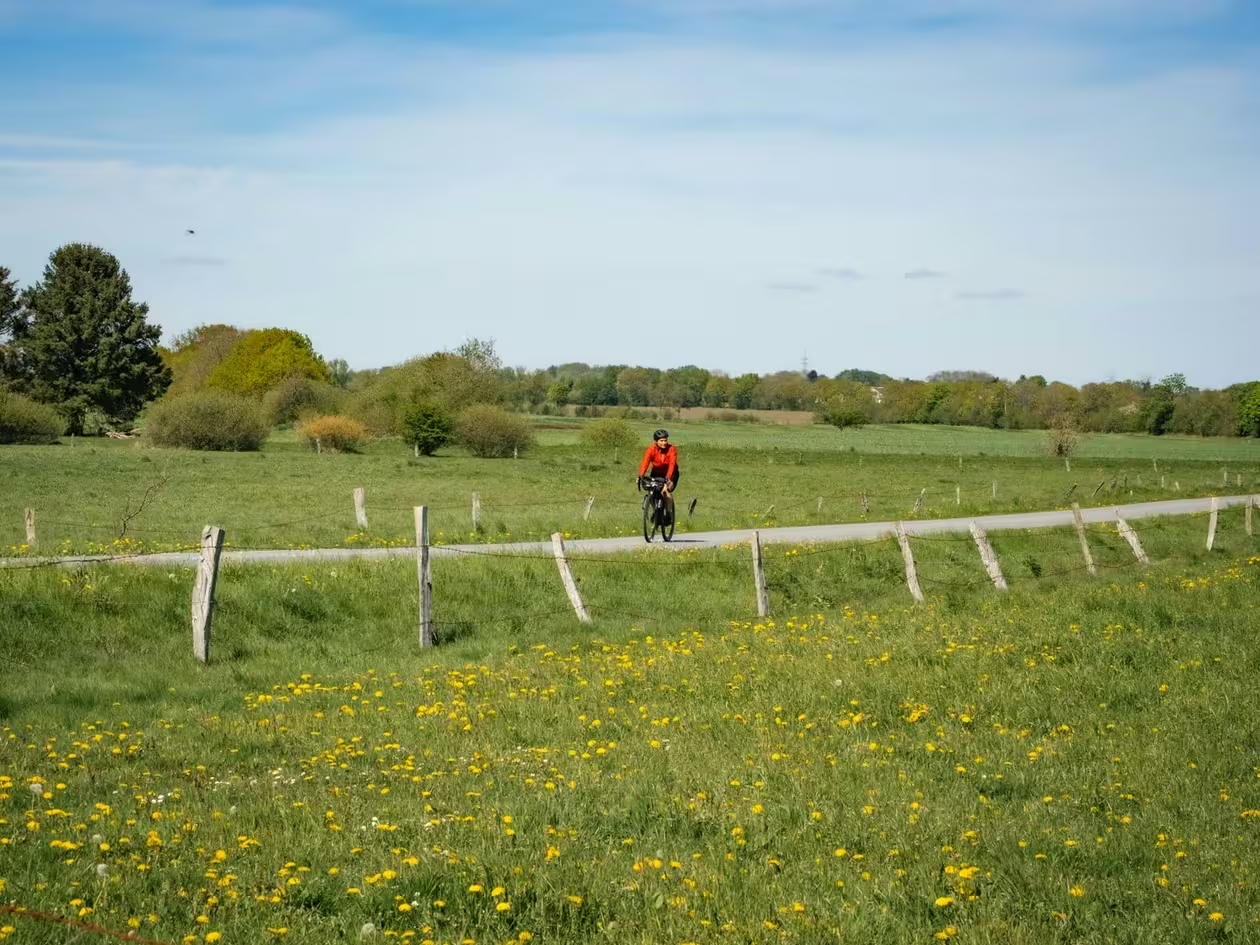
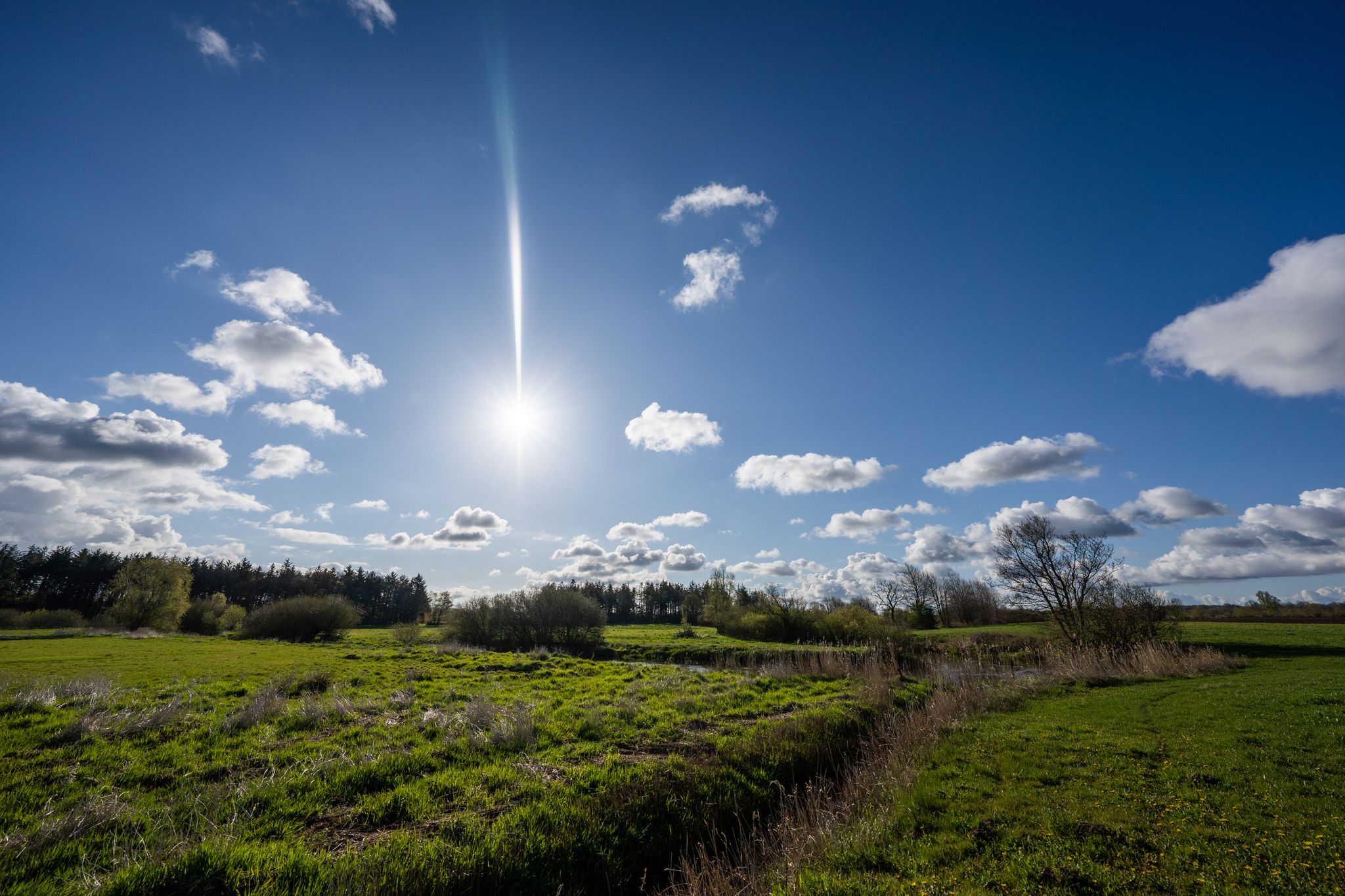
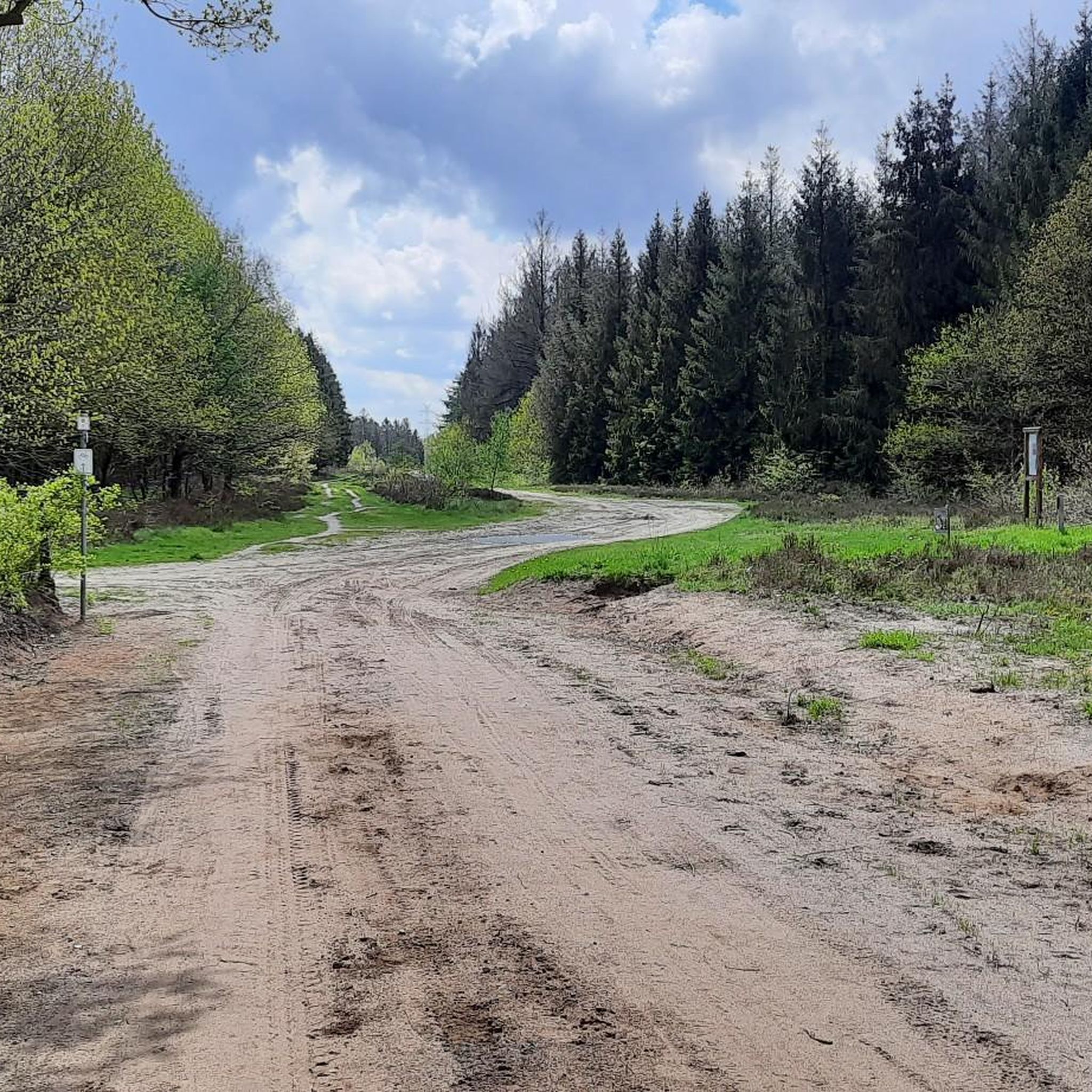
Gravel biking around Kropp offers a network of routes through northern German landscapes. The region features a mix of rural paths, open fields, and areas near water bodies like the Schlei. The landscape is characterized by picturesque rolling hills, lush green forests, and serene idyllic lakes, built upon a moraine with a distinctive hedgerow landscape. Riders can anticipate a mix of surfaces, including gravel paths, paved sections, and forest tracks, with generally moderate elevation gains.
Best gravel bike trails around…
Last updated: October 6, 2026
4.5
(10)
44
riders
43.9km
03:12
190m
190m
Moderate gravel ride. Good fitness required. Some segments of this route may be unpaved and difficult to ride.
4.5
(2)
49
riders
62.7km
03:40
350m
350m
Moderate gravel ride. Good fitness required. Mostly paved surfaces. Suitable for all skill levels.

5.0
(1)
14
riders
37.7km
02:12
210m
210m
Moderate gravel ride. Good fitness required. Mostly paved surfaces. Suitable for all skill levels.
1.0
(1)
9
riders
53.5km
03:11
80m
80m
Moderate gravel ride. Good fitness required. Mostly paved surfaces. Suitable for all skill levels.
8
riders
58.3km
03:57
470m
470m
Hard gravel ride. Very good fitness required. You may need to push your bike for some segments of this route.
Get access to more routes and recommendations from other explorers.
Already have an account?
Our route recommendations are based on thousands of hikes, rides, and runs completed by other people on komoot.
Start today with a free account
Your next adventure awaits.


Tips from the Community

beautiful wide rail trail, all should be like this.
1
0
Beautiful paved railway path.
0
0

The narrow path along the Schlei leads past reeds and small sandy beaches. Throughout the walk, there are beautiful views of Schleswig and St. Peter's Cathedral.
1
0

The trail has now become a remarkable cycling route. The new asphalt on the former railway line makes for excellent cycling and is therefore highly recommended.
1
0

The castle houses Schleswig-Holstein's most important museums and is integrated into a variety of cultural events. In addition to changing exhibitions (including contemporary artists), theater performances are held in the courtyard at irregular intervals, as are concerts. The entire area and a large number of the interior rooms are accessible to visitors. Part of the castle's original furnishings have been preserved and can be viewed as part of the museum tours. Particularly noteworthy are the festive Hirschsaal (Deer Hall) from 1591 and the two-story Renaissance chapel. The castle is considered the most important secular building in the state of Schleswig-Holstein.
15
2
At the beginning of 1945, more and more refugees from the eastern territories of the German Reich arrived in Schleswig, their number rising to almost 18,000 by the summer. Gottorf, like many of the country's residences, was used as a temporary reception camp, and several hundred refugees were housed in the castle.[31] In the post-war period, the entire complex was made available to the Schleswig-Holstein State Museums from 1948 onwards.
15
2
After the war of 1848, the Danes first set up a hospital and then a barracks in the castle,[22] in order to be able to operate more effectively against the insurgents in Schleswig-Holstein. The building was adapted to the new needs, and the interior lost much of its once significant furnishings. The former state rooms and ducal apartments were converted into dormitories and dining rooms. The outbuildings were demolished and replaced by extensive stables, and the defensive structures were demolished. Gottorf remained a barracks[22] when it fell to Prussia in 1867 as a result of the Second Schleswig War, and it retained this function until 1945.
15
2
Subsequently, Gottorf became the center of power of the Dukes of Schleswig and was repeatedly at the center of political conflicts. In 1283, the young Duke Waldemar IV of Schleswig was imprisoned in the castle for a time by the Danish King Eric V. In 1329, Gottorf was besieged for the first time (unsuccessfully) by a coalition of Jutland nobles in their fight against Count Gerhard III of Holstein, who had served as Duke for several years.[6] In June 1340, the castle was transferred as a pledge into the permanent possession of the Counts of Holstein from the House of Schauenburg,[7] who resided in Gottorf until their extinction in 1459. Initially as counts, after Count Gerhard VI was invested with the duchy by the Danish regent Margaret I in 1386[8], then formally again as dukes.[9]
15
2
Frequently Asked Questions
What are the typical difficulty levels for gravel bike trails around Kropp?
Gravel biking around Kropp primarily offers routes of
easy and moderate difficulty. There are 5 easy routes and 16 moderate routes available, making the area accessible for a wide range of riders. You won't find any technically difficult trails here, but the moderate options provide a good workout.
What kind of scenery can I expect on gravel bike trails around Kropp?
The trails around Kropp showcase the diverse northern German landscape. You'll experience a mix of rural paths, open fields, and picturesque sections near water bodies like the Schlei. Many routes feature waterside views and forested sections, offering varied and scenic rides.
Are there any interesting sights or landmarks along the gravel bike trails near Kropp?
Yes, several routes pass by notable attractions. For instance, you could explore the Baroque Garden of Gottorf Castle or the historical Haithabu Ramparts. The Swimming Area at Idstedter See – Gottorf Castle loop from Schleswig is a great option to combine cycling with sightseeing.
What is the typical length and duration of gravel bike trails in Kropp?
The gravel bike trails around Kropp vary in length and duration. You can find shorter routes like the Tiroler Sause Trail – Förster-Mertens Trail loop from Brekendorf, which is about 19.6 km (12.2 miles) and takes around 1 hour 44 minutes. Longer rides, such as the Swimming Area at Idstedter See – Gottorf Castle loop from Schleswig, can be up to 46.45 km (28.9 miles) and take over 3 hours.
Are there family-friendly gravel biking options around Kropp?
Yes, Kropp offers several family-friendly gravel biking options. With 5 routes classified as easy and the overall terrain being generally moderate with rolling hills rather than steep climbs, it's suitable for various skill levels. Look for the shorter, easy-rated routes for a comfortable family outing.
Are there any loop gravel bike trails in Kropp?
Absolutely. Many of the gravel bike trails around Kropp are designed as loops, allowing you to start and end at the same point. Examples include the Missunde Ferry – View over the Schlei loop from Schleswig and the Gottorf Castle – View of Idstedter See loop from Schleswig, which offer convenient circular routes.
What do other gravel bikers enjoy the most about gravel biking in Kropp?
The area is highly rated by the komoot community, with an average score of 4.5 stars from over 40 reviews. Reviewers often praise the varied terrain, including rural paths, waterside views along the Schlei, and forested sections, which offer a diverse and enjoyable gravel biking experience.
What is the best time of year for gravel biking around Kropp?
The region around Kropp is generally pleasant for gravel biking from spring through autumn. The mild climate and varied landscapes are enjoyable, though specific weather conditions can vary. Always check the local forecast before heading out.
Are there options for cafe stops or refreshments along the gravel bike trails?
While specific cafe stops are not always directly on every trail, the routes often pass through or near towns and villages where you can find opportunities for refreshments. Planning your route with komoot allows you to identify potential stops along the way.
Can I access gravel bike trails near Kropp using public transport?
Kropp itself has some public transport connections. For accessing specific trailheads, it's advisable to check local bus schedules or regional train services that allow bikes. Many routes are accessible from larger towns like Schleswig, which have better public transport links.
Where can I find parking for gravel bike trails near Kropp?
Parking is generally available in and around the towns and villages that serve as starting points for these trails. For routes originating from Schleswig, you'll find various public parking options. Always look for designated parking areas to ensure convenience and compliance with local regulations.
Are there any advanced gravel bike routes for experienced riders in Kropp?
While there are no routes specifically classified as 'difficult' in Kropp, the 16 moderate routes offer a good challenge for experienced riders. These routes feature longer distances and more varied terrain, providing a satisfying ride without extreme technical demands. The Schleswiger shortcuts via Idstedt, for example, is a moderate 43.9 km (27.3 miles) route that will test your endurance.
Most popular attractions around Kropp

Get inspired with the komoot mobile app


Explore more
Browse the best Gravel rides in other regions.
