The best gravel rides in Trnava
4.3
(3)
54
riders
18
rides
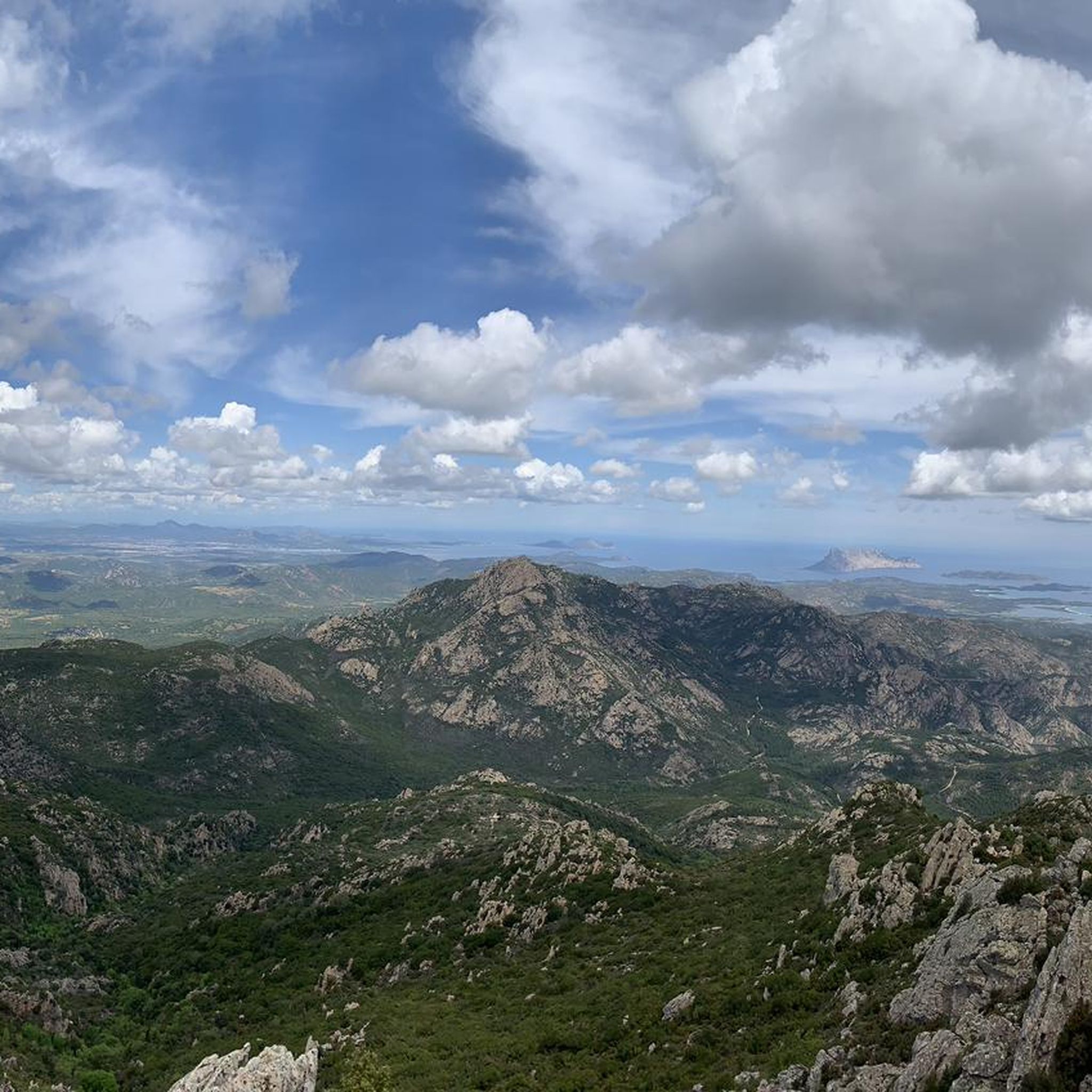
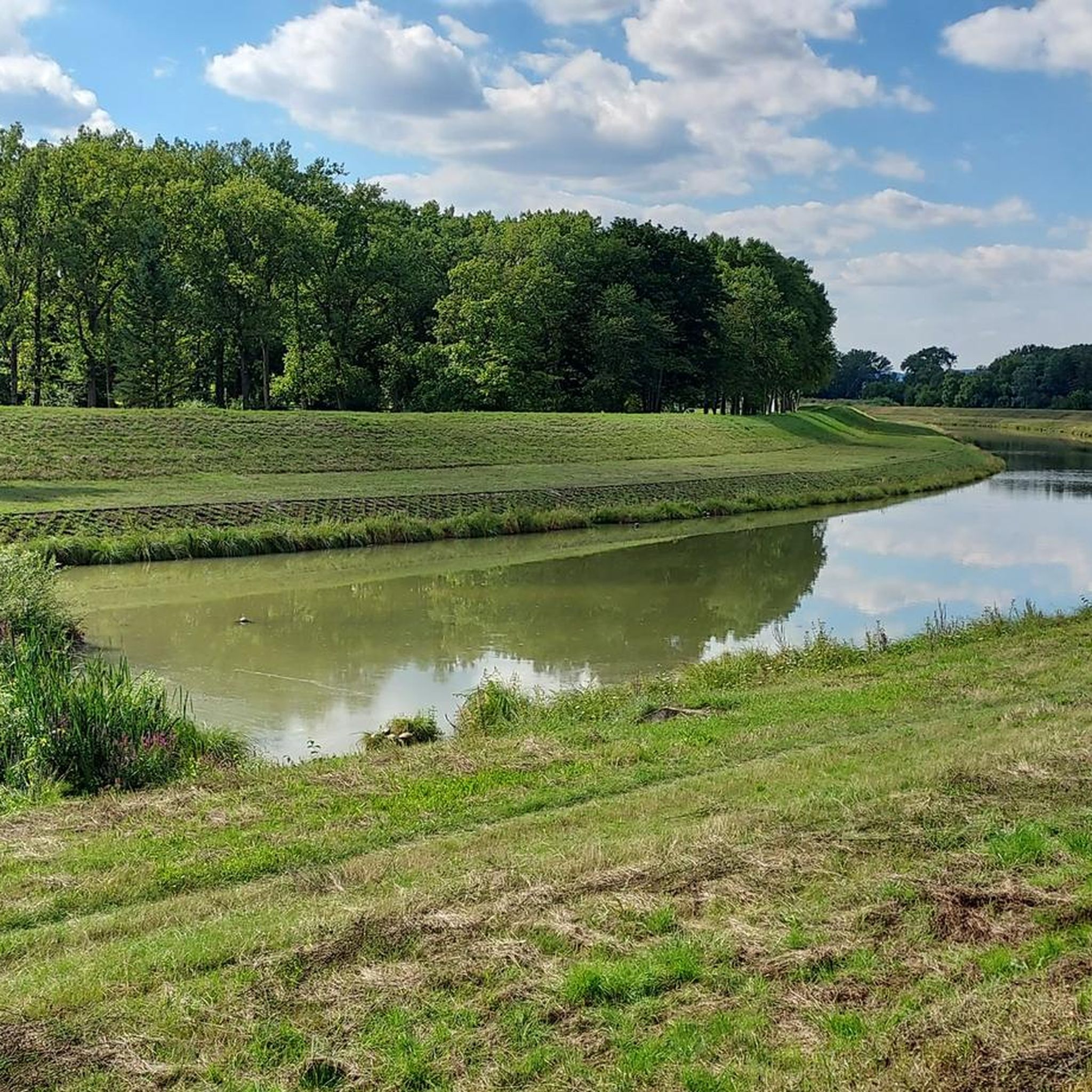
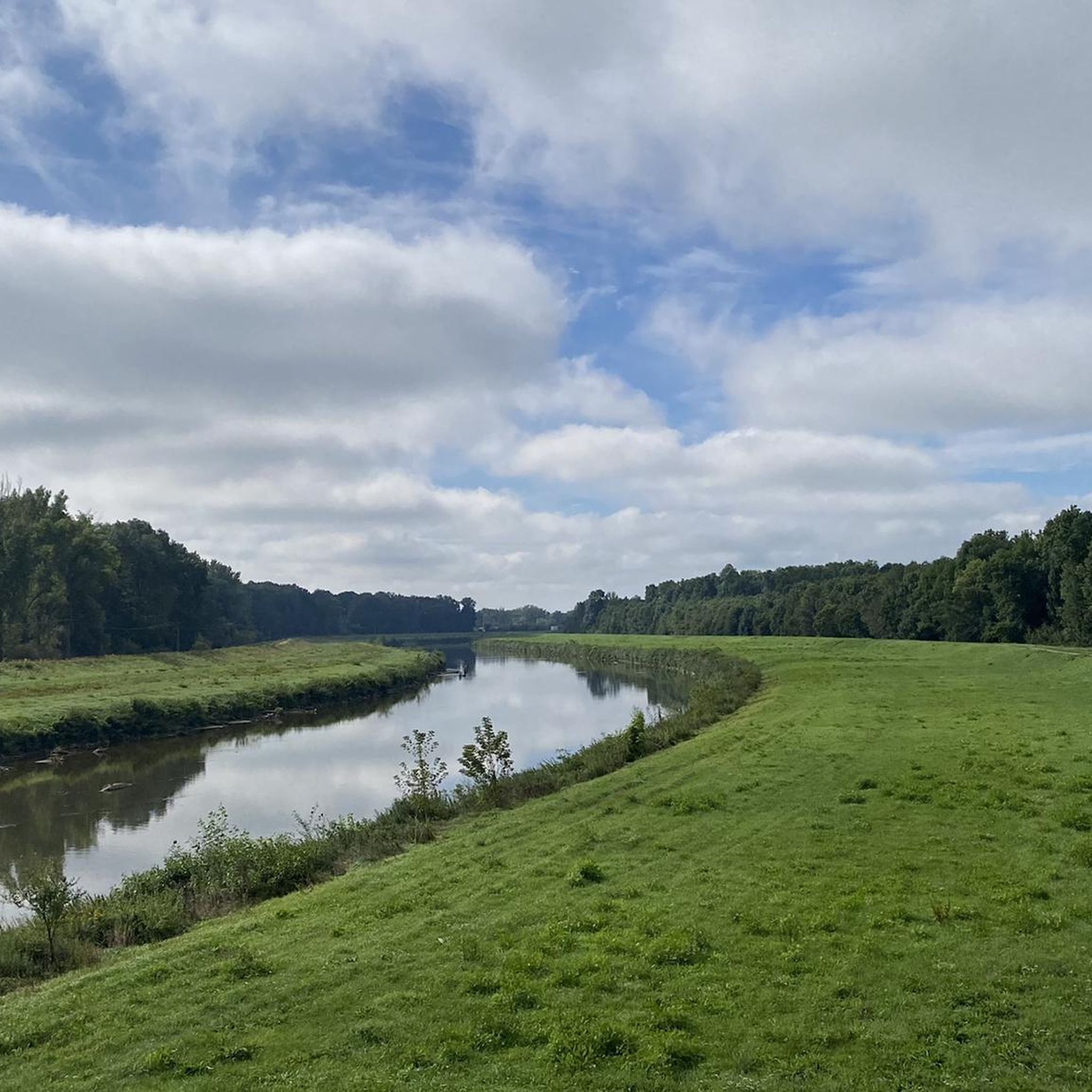
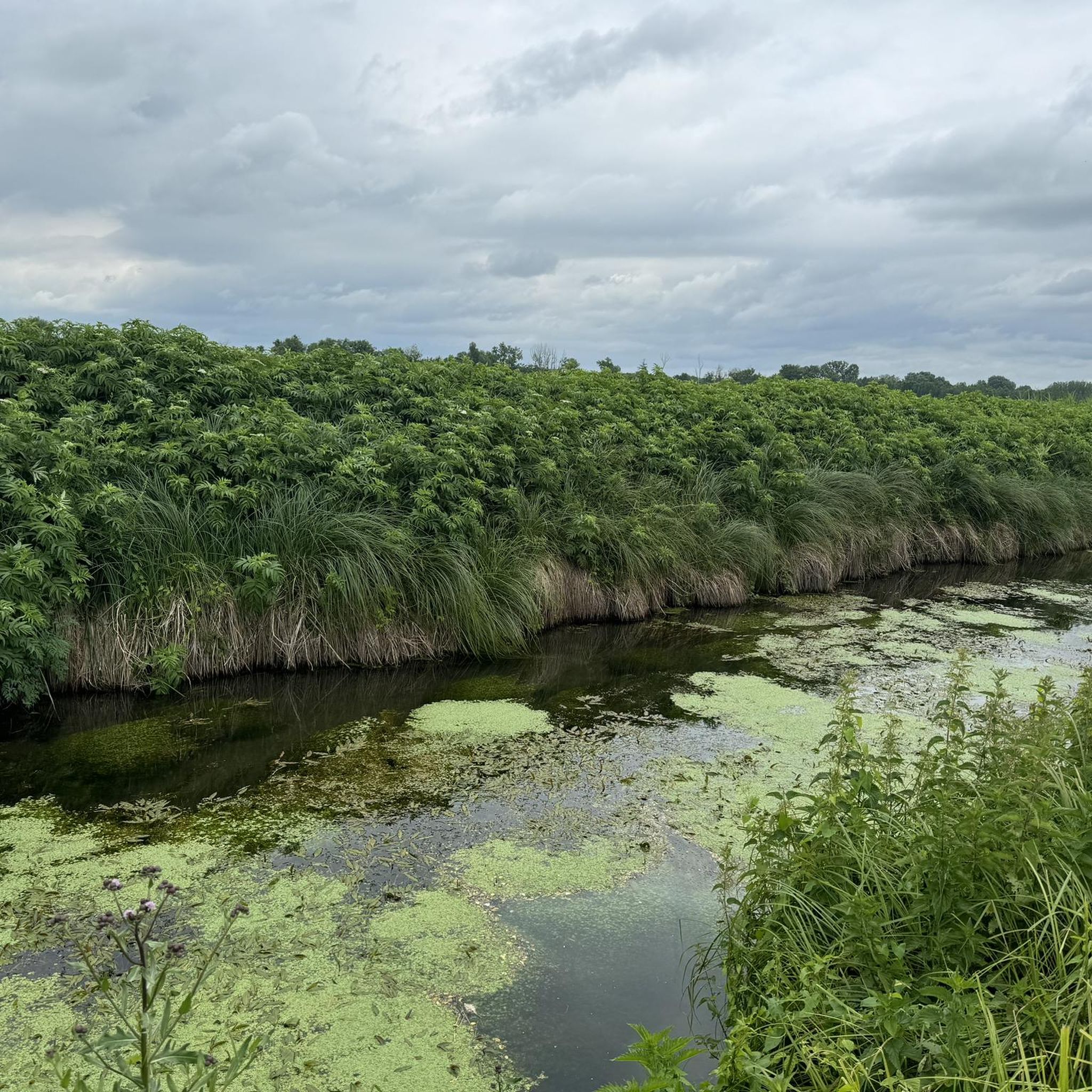
Gravel biking in Trnava offers diverse terrain, transitioning from the flat Danubian Lowland to the rolling foothills of the Little Carpathians. The region features a network of routes traversing fields, vineyards, and forests, providing varied surfaces for cyclists. These paths often include reinforced forest roads and unpaved sections, allowing for exploration away from asphalt roads. The landscape provides options ranging from gentle rides to more challenging climbs.
Best gravel bike trails in Trnava
- The most popular gravel bike trail is…
Last updated: November 2, 2026
12
riders
137km
08:57
1,080m
1,080m
Hard gravel ride. Very good fitness required. You may need to push your bike for some segments of this route.
5.0
(1)
10
riders
Easy gravel ride. Mostly paved surfaces.

3.0
(1)
6
riders
36.5km
02:32
40m
40m
Hard gravel ride. Good fitness required. You may need to push your bike for some segments of this route.
7
riders
Moderate gravel ride. Good fitness required. Mostly paved surfaces.
7
riders
29.4km
02:14
610m
610m
Hard gravel ride. Very good fitness required. Mostly paved surfaces.
Get access to more routes and recommendations from other explorers.
Already have an account?
Our route recommendations are based on thousands of hikes, rides, and runs completed by other people on komoot.
Start today with a free account
Your next adventure awaits.



Tips from the Community

Seems they have restarted the works on finishing the bridge. 🤞 hope now it will be soon finalized till connected.
1
0

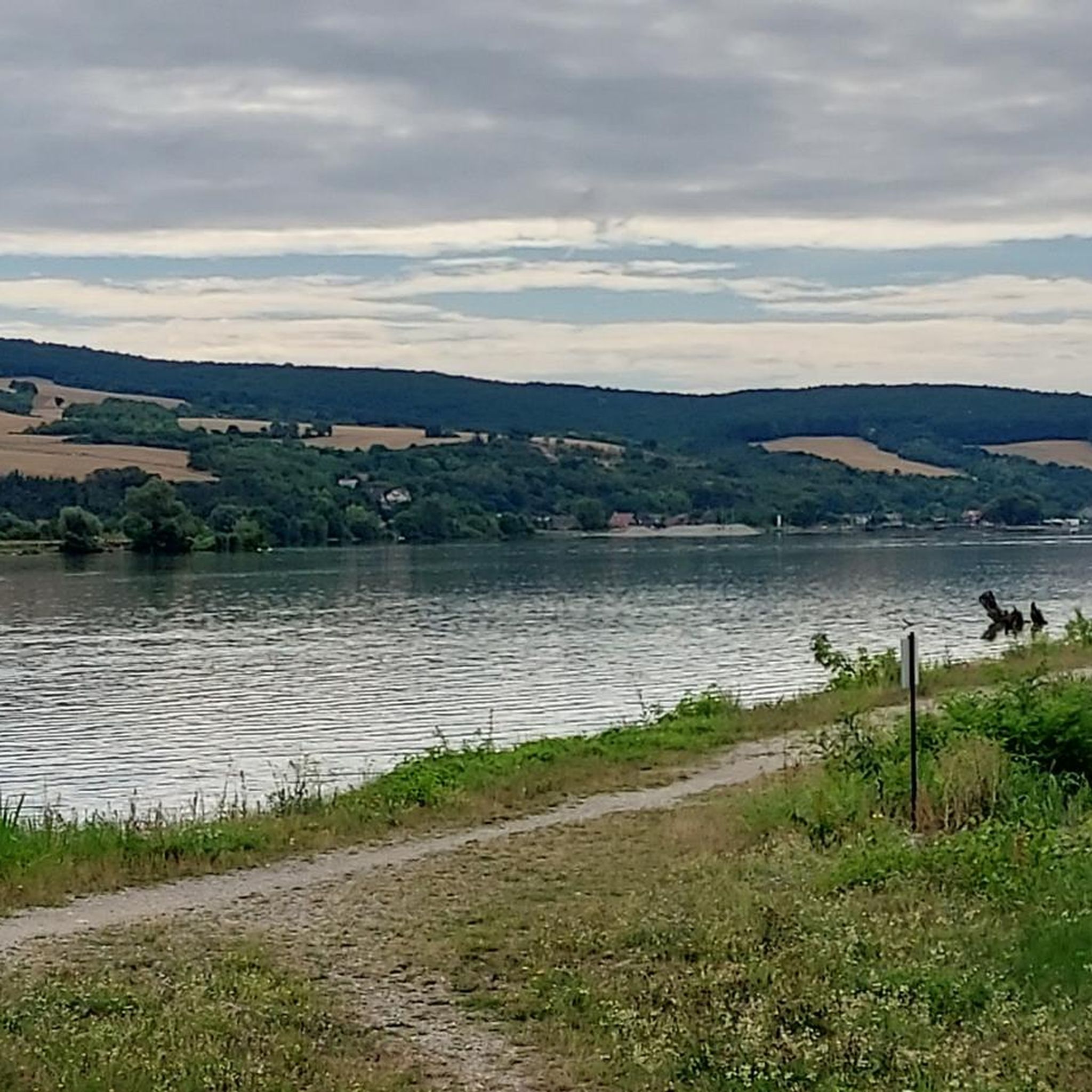
We had no water here. According to the website of the Danube shipping company, we were just above the low water alarm...
0
0
Unfinished cycling bridge over the streams of Danube. Would connect Slovakia with Hungary, if.....
1
1

A nice place for a break
0
0

The chapel is free to visit - see the sign at the gate to get the key. The church was probably built between 1296 and 1303. It was at the same time a parish church, a Marian shrine and the burial chapel of the Héderváry family. In the 19th century, the chapel was rebuilt in neo-Gothic style by Károly Khuen-Héderváry. Next to the chapel stands the oldest tree in Hungary, the Árpád oak.
1
0
The Baroque-style church was built in 1755. The stone baptismal font has survived since 1308. "Whatever is the shell of the Church of St. Michael, let it be made from my income," Katalin Héderváry left in her will dated 1681. Her last will was fulfilled, and one of the most beautiful Baroque churches in Szigetköz was built, by expanding the church built in the middle of the 14th century. In 1785, as a result of the fourth reconstruction, it acquired its present form. The tower, rich in details, standing in front of the facade is decorated with statues of St. Wendelin and St. Florian in Swiss folk costumes. Inside, the Baroque surrounds the smaller but valuable medieval monument, the baptismal font made of red marble. The octagonal, Gothic font is a valuable work of art. Three years and a coat of arms can be seen on the surrounding strip. The cross growing out of the triple mound tells us that it was made by the palatine of the country, because only they could use this coat of arms element. Of the years, only 1439 can be associated with the person of Héderváry - Lőrinc. On the rich altar, between the gilded statues of Saint Stephen and Saint Ladislaus, Saint Michael fights evil. On the altar of Saint John of Nepomuk, the statues are symbols of faith, hope and love. On the right side altar, the image of the Weeping Mary from the Győr Cathedral was copied by János Héderváry.
0
0

Tip: You can find travel guides (free shipping) for the Czech Republic at: https://www.reise-karhu.de/reisebuecher.html
0
0
Tip: You can find travel guides (free shipping) for the Czech Republic at: https://www.reise-karhu.de/reisebuecher.html
0
0
Frequently Asked Questions
How many gravel bike trails are available in Trnava?
Trnava offers a network of over 35 gravel bike trails, providing a variety of options for cyclists. These routes are rated by the komoot community with an average score of 4.2 stars.
What types of terrain can I expect on gravel bike routes around Trnava?
The region around Trnava offers a diverse mix of terrain. You can expect routes that traverse flat fields and vineyards in the Danubian Lowland, as well as more challenging climbs and descents through forests and hills in the foothills of the Little Carpathians. Many routes feature reinforced forest roads and unpaved sections, perfect for gravel biking.
Are there gravel routes suitable for beginners or families in Trnava?
Yes, Trnava has gravel routes suitable for various skill levels, including easier options. While some routes feature significant elevation gain, others offer gentler rides through pleasant terrain. For example, the Sári Csárda – Denkpál Fish Pass and Bridge loop from Dunasziget is a moderate route that provides a scenic experience without extreme difficulty.
What are some scenic highlights or landmarks I can see along the gravel trails?
Many gravel routes in Trnava pass by interesting natural features and historical sites. You might encounter views of the Little Carpathians, the tranquil Gabčíkovo Reservoir, or the ornithologically important ponds of Trnava. Historic castles like Smolenice Castle and Red Stone Castle are also accessible via cycling trips, offering breathtaking views and cultural enrichment.
Are there any circular gravel bike routes in the Trnava area?
Yes, many gravel routes in Trnava are designed as loops, allowing you to start and finish at the same point. Examples include the Lány Chateau – Lány Hunting Lodge loop from Lanžhot, which takes you through rural landscapes, or the Sári Csárda – Denkpál Fish Pass and Bridge loop from Dunasziget, offering a mix of terrain near water features.
What is the best time of year for gravel biking in Trnava?
The diverse terrain of Trnava makes it suitable for gravel biking across multiple seasons. Spring and autumn offer pleasant temperatures and vibrant scenery, ideal for exploring the fields, vineyards, and forests. Summer is also great, especially for routes near water bodies like Sĺňava Lake or the River Váh. Winter conditions can vary, with some routes potentially being less accessible due to snow or ice, particularly in the Little Carpathians.
Are there any challenging gravel routes for experienced riders?
Absolutely. For experienced gravel bikers seeking a challenge, Trnava offers routes with significant elevation gain and longer distances. The Baťův Kanál Cycle Path – Milotice Castle loop from Sudoměřice nad Moravou, for instance, is a demanding 85.7-mile (137.9 km) trail with over 1000 meters of elevation gain, offering extensive riding through varied landscapes.
Can I find parking or public transport access near the gravel trails?
While specific parking details for every trailhead are not provided, Trnava is well-connected. Many routes start from towns or villages where parking facilities are generally available. For public transport, Trnava is a regional hub, and local buses or trains can often get you close to various starting points, especially for routes in the Danubian Lowland or near larger settlements.
What kind of natural monuments can I discover while gravel biking in Trnava?
The region boasts several natural monuments. You might encounter the Záruby Summit Cross in the Little Carpathians, offering panoramic views, or the unique Havrania Skala. The Confluence of the Thaya and Morava rivers is another notable natural feature that can be part of a scenic ride.
Are there any places to stop for refreshments or accommodation along the routes?
Yes, many routes pass through or near villages and towns where you can find cafes, pubs, and local eateries. Larger towns like Trnava itself, or even smaller settlements along the Danubian Lowland, offer various amenities. For example, Medolandia near Smolenice Castle offers workshops and a rosarium, providing a unique stop during your ride.
What do other gravel bikers enjoy most about Trnava's trails?
The komoot community highly rates the gravel biking experience in Trnava, with an average score of 4.2 stars. Reviewers often praise the region's diverse terrain, which allows for a mix of flat, scenic rides and more adventurous climbs. The opportunity to explore quiet fields, vineyards, and forests away from traffic, often encountering wildlife, is also a frequently highlighted aspect.
Are there any routes that offer views of the Danube River?
Yes, some routes in the Trnava region extend towards the Danube River, particularly in the flatter Danubian Lowland. The Wide Danube View – View of the Danube loop from Hamuliakovo is an easy route that provides scenic views of the river, perfect for a relaxed ride.
Most popular routes in Trnava
Most popular attractions in Trnava

Get inspired with the komoot mobile app


Didn’t find what you were looking for?
Check out more Gravel rides throughout Trnava below and find the perfect route in your destination.
Explore more
Browse the best Gravel rides in other regions.
