The best gravel rides around Gletterens
4.7
(40)
294
riders
14
rides
Gravel biking around Gletterens offers diverse terrain along the southern shore of Lake Neuchâtel in Fribourg, Switzerland. The region features a mix of landscapes, including the extensive wetlands of La Grande Cariçaie Nature Reserve and significant agricultural areas. Riders will encounter rolling hills, forests, and open fields, providing varied gradients and surfaces suitable for gravel bikes. The routes often incorporate both paved and unpaved sections, allowing for exploration of the natural environment and historical sites.
Best gravel bike trails around…
Last updated: November 2, 2026
4.2
(10)
35
riders
41.5km
03:05
250m
250m
Moderate gravel ride. Good fitness required. Mostly paved surfaces.
5.0
(3)
34
riders
48.6km
03:21
770m
760m
Hard gravel ride. Very good fitness required. Mostly paved surfaces.

4.6
(7)
53
riders
34.7km
02:10
250m
250m
Moderate gravel ride. Good fitness required. Mostly paved surfaces.
4.6
(10)
21
riders
34.9km
02:24
100m
100m
Moderate gravel ride. Good fitness required. Mostly paved surfaces.
13
riders
46.2km
03:26
1,090m
1,090m
Hard gravel ride. Very good fitness required. Mostly paved surfaces.
Get access to more routes and recommendations from other explorers.
Already have an account?
Our route recommendations are based on thousands of hikes, rides, and runs completed by other people on komoot.
Start today with a free account
Your next adventure awaits.
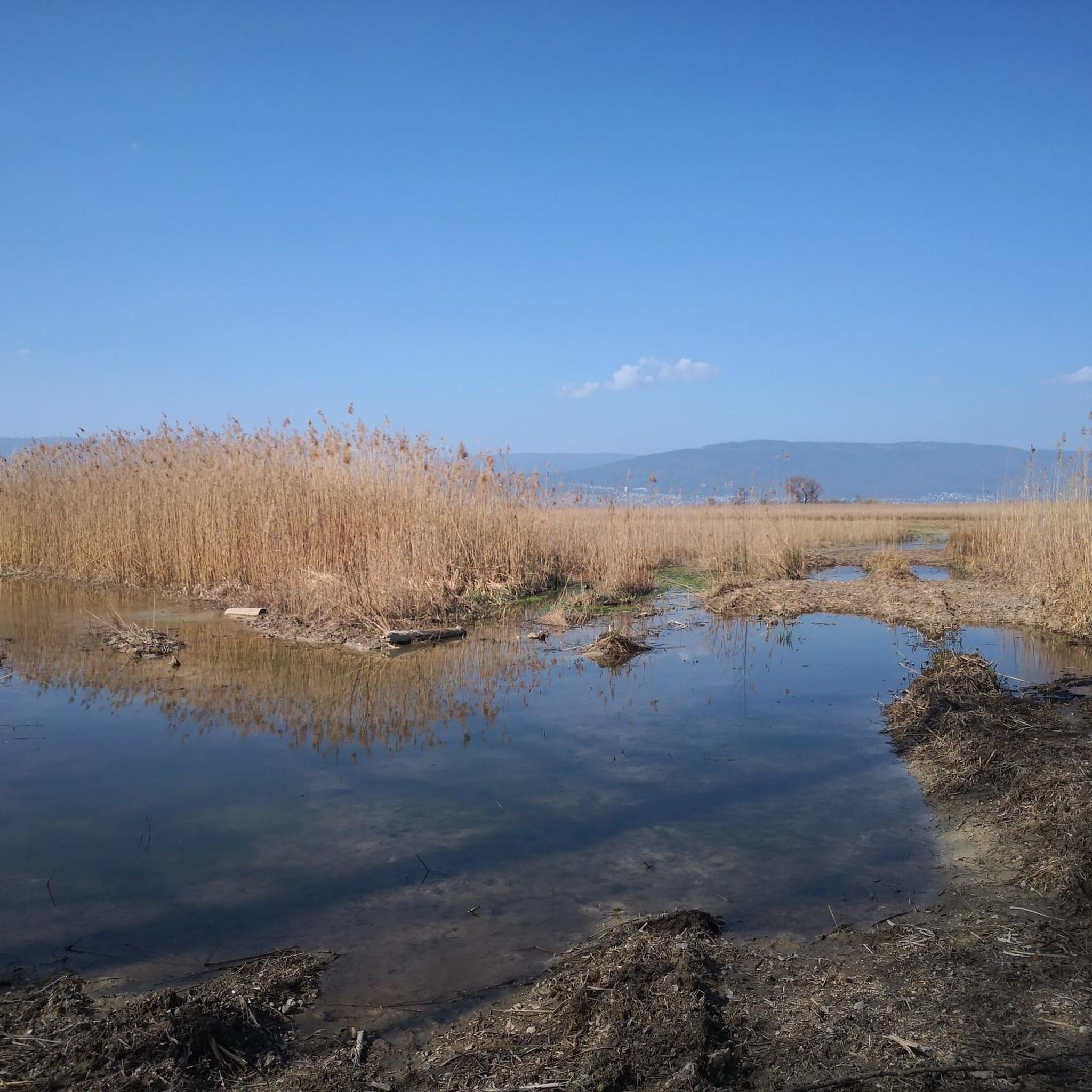
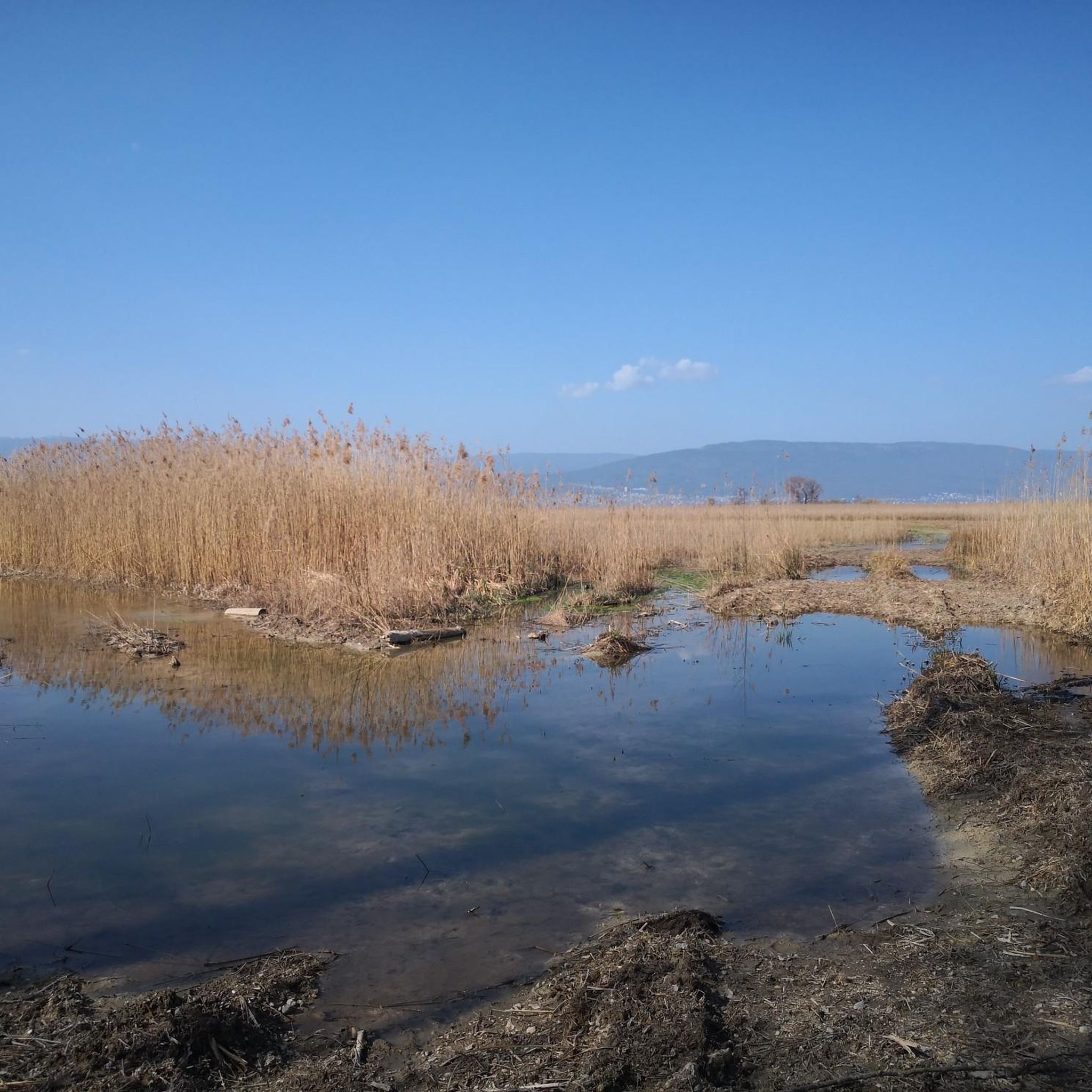
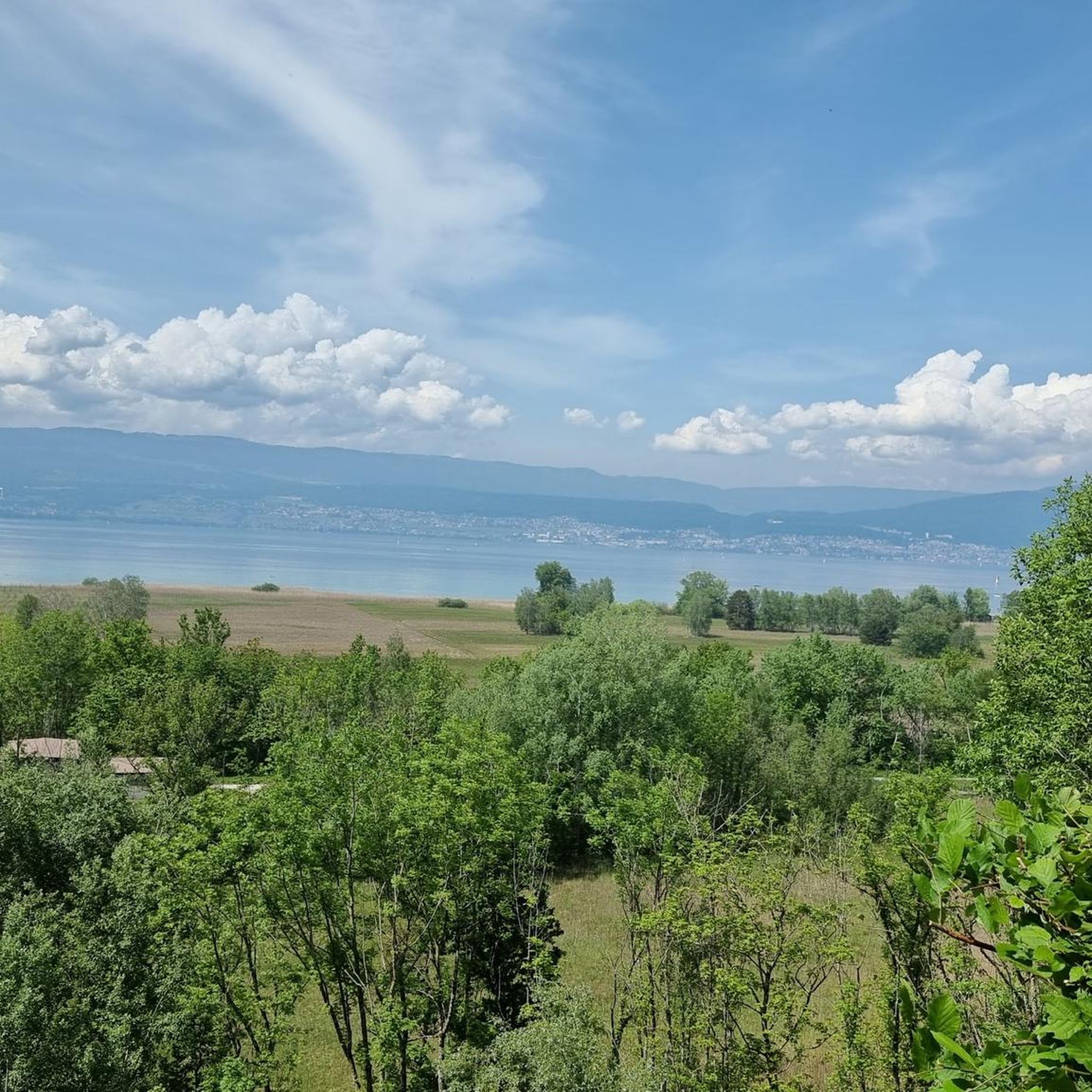
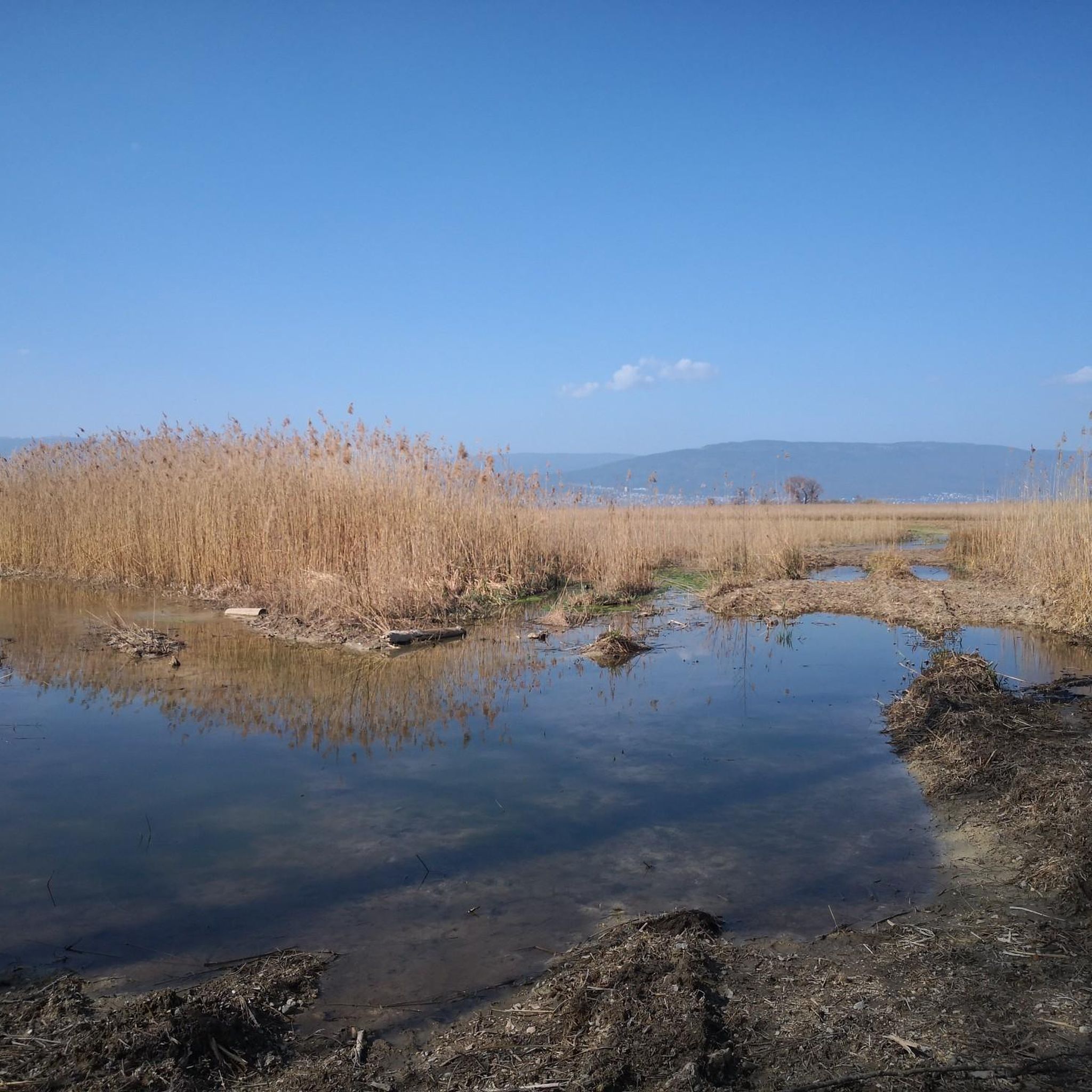
Tips from the Community

Payerne VD There is nothing more impressive: The medieval center of Payerne is dominated by the monumental former abbey church from the 11th century. Payerne at a glance It is the largest Romanesque building in Switzerland, a prime example of Cluniac architecture and the most important sight in a town blessed with history. The abbey and its museum host important painting exhibitions and high-quality concerts throughout the year. Thanks to its location on Lake Neuchâtel and not far from the Grande Cariçaie nature reserve, those who prefer nature will also find a thousand and one possibilities. And for those whose stomachs are rumbling after a day outdoors, you will be delighted by the sausages, which are known far beyond the remains of the former city walls. Text / Source: Switzerland Tourism https://www.myswitzerland.com/de-ch/reiseziele/payerne/
2
0
Payerne - Between a thousand-year-old abbey church and modern leisure activities Payerne, built around its majestic abbey church, the largest Romanesque church in Switzerland dating back to the 11th century, captivates with its rich cultural heritage and lively atmosphere. The town, full of history and culture, attracts pilgrims and architecture lovers, but also surprises with its dynamism. Karting, indoor and outdoor golf, climbing parks, diverse museums, and events enliven this Vaud town, where medieval heritage and modern amusements meet in harmony. Text / Source: Estavayer-le-Lac Region, Place des Bastians 1, Estavayer-le-Lac https://fribourg.ch/de/estavayer-payerne/payerne-v1/
2
0
Abbey Church of Payerne, Payerne The Abbey Church of Payerne, also known as the Abbey Church of Payerne, is a significant masterpiece of Romanesque architecture in Switzerland. It was likely founded around 962 by Empress Adelaide as a memorial site at the burial place of her mother, Queen Bertha of Burgundy. The church is the largest surviving Romanesque place of worship in Switzerland and was once one of the first daughter monasteries of the reform abbey of Cluny. The history of the Payerne monastery is closely linked to the history of the Burgundian Wars and the Reformation. The Abbey Church and the monastery of Payerne are unique historical sites that enchant visitors with their impressive architecture and fascinating history. Text / Source: wikipedia.org https://de.wikipedia.org/wiki/Kloster_Peterlingen
2
0
Abbey Church / Monastery Peterlingen, Payerne The Abbey of Payerne, a jewel of Romanesque art in Switzerland, has been built since the first third of the 11th century on the same site where churches had already stood before. A Cluniac priory since the 10th century, Payerne benefited from the donations of the Kingdom of Upper Burgundy. The current church of Payerne adopted various characteristics of Cluniac architecture, in particular the end with a stepped choir and the two-story westwork, which features remarkable wall paintings. Text / Source: Estavayer-le-Lac Région, Place des Bastians 1, Estavayer-le-Lac https://visite-estavayer-payerne.ch/payerne/?Language=DE
2
0


Frequently Asked Questions
How many gravel bike trails are available around Gletterens?
There are over 25 gravel bike trails around Gletterens, offering a wide range of options for different skill levels. You'll find everything from moderate rides to more challenging routes.
What is the best time of year for gravel biking in Gletterens?
The region around Gletterens is generally pleasant for gravel biking from spring through autumn. During these seasons, you can best enjoy the scenic Lake Neuchâtel shoreline, the wetlands of La Grande Cariçaie, and the surrounding agricultural lands. Winter conditions might include snow or ice, making some trails less accessible.
What kind of terrain can I expect on gravel bike trails near Gletterens?
Gravel biking in Gletterens offers diverse terrain, including paths along the southern shore of Lake Neuchâtel, routes through the extensive wetlands of La Grande Cariçaie Nature Reserve, and trails across agricultural land and rolling hills. You'll encounter a mix of paved and unpaved sections, providing varied gradients suitable for gravel bikes.
Are there any historical sites or natural landmarks to see along the gravel bike routes?
Yes, the region is rich in both. You can explore the UNESCO World Heritage prehistoric pile-dwelling settlements in Gletterens, or visit nearby historic towns like Estavayer-le-Lac with its medieval charm, and Avenches, known for its Roman amphitheater. For natural beauty, routes often pass through the Grèves de la Motte Nature Reserve, part of La Grande Cariçaie, and offer views of Lake Neuchâtel.
Can I find scenic viewpoints or natural monuments on the trails?
Absolutely. Many routes offer picturesque views of Lake Neuchâtel. You can also discover natural monuments like the Ermitage Botanical Garden or explore the Ancient Mills Along the Seyon Gorge, which are accessible from some of the wider regional routes.
What do other gravel bikers enjoy most about the trails in Gletterens?
The trails in Gletterens are highly rated by the komoot community, with an average score of 4.6 stars from over 40 reviews. Riders often praise the varied terrain, the beautiful lakeside views, and the opportunity to explore both natural reserves and charming historical areas.
Are there family-friendly gravel biking options in Gletterens?
While many routes involve rolling hills, there are options suitable for families, especially those with some cycling experience. Look for routes that stick closer to the lake shore or through less elevated agricultural areas for a gentler ride. Always check the route's difficulty and elevation profile before heading out.
Can I bring my dog on the gravel bike trails?
Generally, dogs are welcome on many public trails in Switzerland, but it's crucial to keep them on a leash, especially in nature reserves like La Grande Cariçaie, to protect wildlife. Always check local signage for specific restrictions in certain areas or on private land.
What are the typical surface types on the gravel bike trails around Gletterens?
The gravel bike trails around Gletterens feature a mix of surfaces. You'll encounter unpaved gravel paths, dirt tracks through forests and agricultural fields, and some paved sections connecting different areas. This variety is what makes the region ideal for gravel biking.
How can I access the gravel bike trails using public transport?
Gletterens is accessible by public transport, primarily bus services connecting to larger towns with train stations. You can plan your journey to Gletterens and check for bus stops near trail access points. Many Swiss public transport options allow bikes, often for an additional fee or during off-peak hours.
Is parking available for cyclists near the trailheads in Gletterens?
Yes, parking is generally available in Gletterens, particularly near the port or in designated public parking areas within the village. From these points, you can easily access various gravel biking routes that explore the lake shore and surrounding areas.
Are there any cafes or restaurants along the gravel bike routes for a break?
Gletterens itself has local establishments, and routes often pass through or near other villages and towns like Estavayer-le-Lac or Murten, where you'll find cafes and restaurants. It's a good idea to plan your route with potential refreshment stops in mind, especially for longer rides.
Are there challenging routes for experienced gravel bikers?
Yes, Gletterens offers several challenging routes for experienced gravel bikers. For instance, the extensive Zihl Bridge – Canal view near La Tène loop from Dompierre is a difficult 70.2-mile (113.0 km) path with significant elevation gain, offering panoramic views along the canal and Lake Neuchâtel.
Are there any loop trails for gravel biking in Gletterens?
Many of the gravel bike routes in Gletterens are designed as loops, allowing you to start and finish at the same point. An example is the Estavayer-le-Lac – Brit Suspension Bridge loop from District de la Broye, a 30.0-mile (48.3 km) trail that explores the area around Estavayer-le-Lac.
Most popular routes around Gletterens
Most popular attractions around Gletterens

Get inspired with the komoot mobile app


Explore more
Browse the best Gravel rides in other regions.
