The best gravel rides around Santa Maria in Calanca
4.7
(4)
75
riders
5
rides
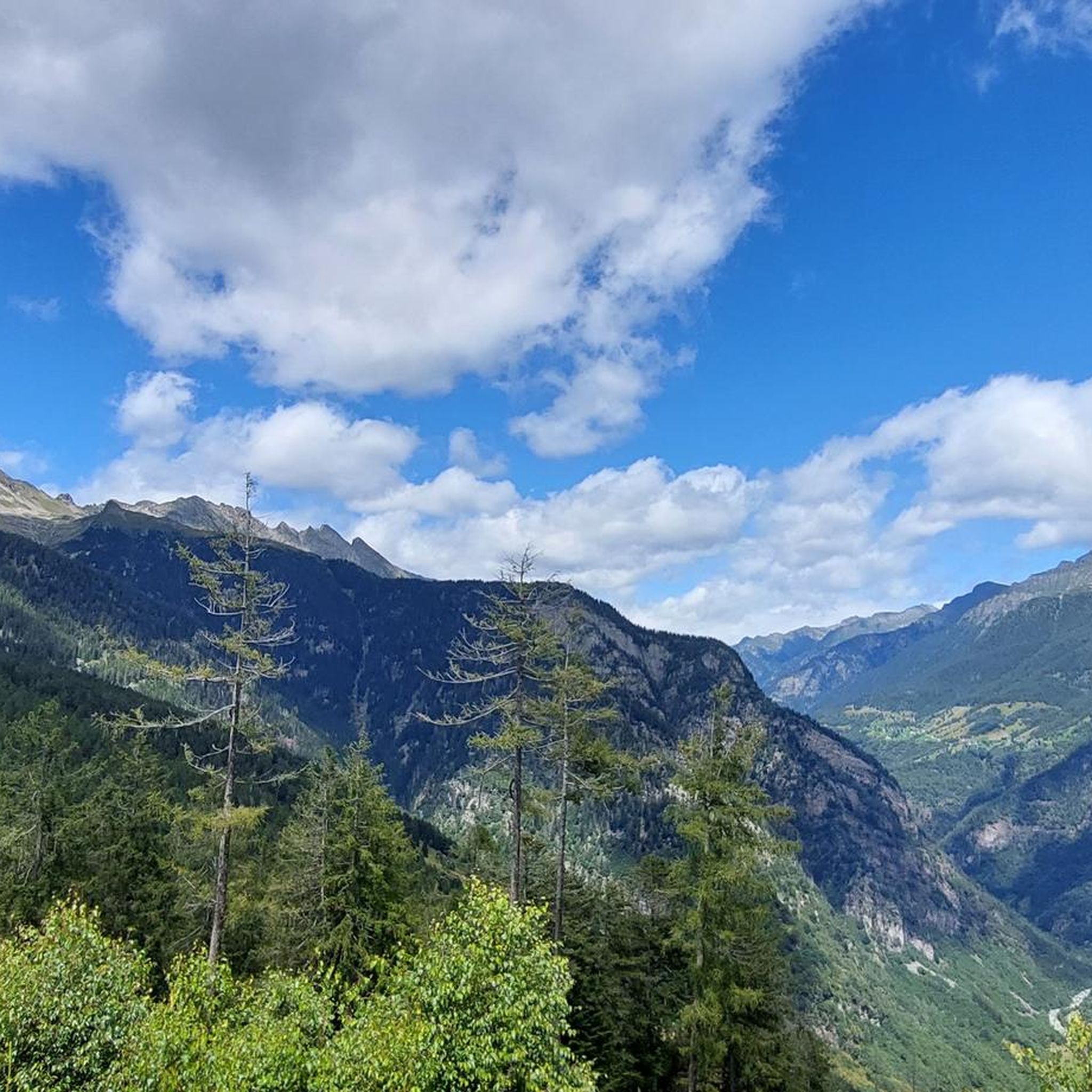
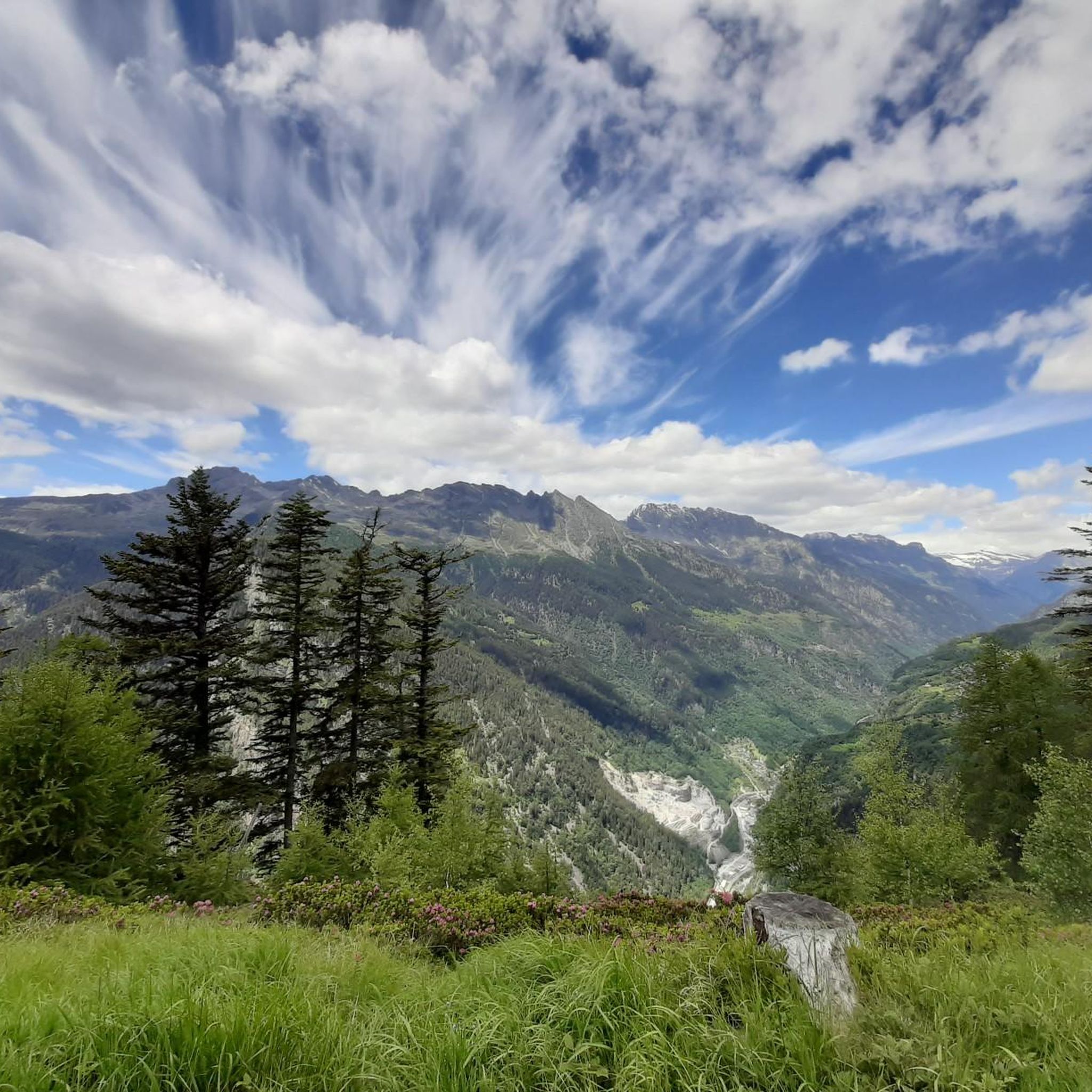
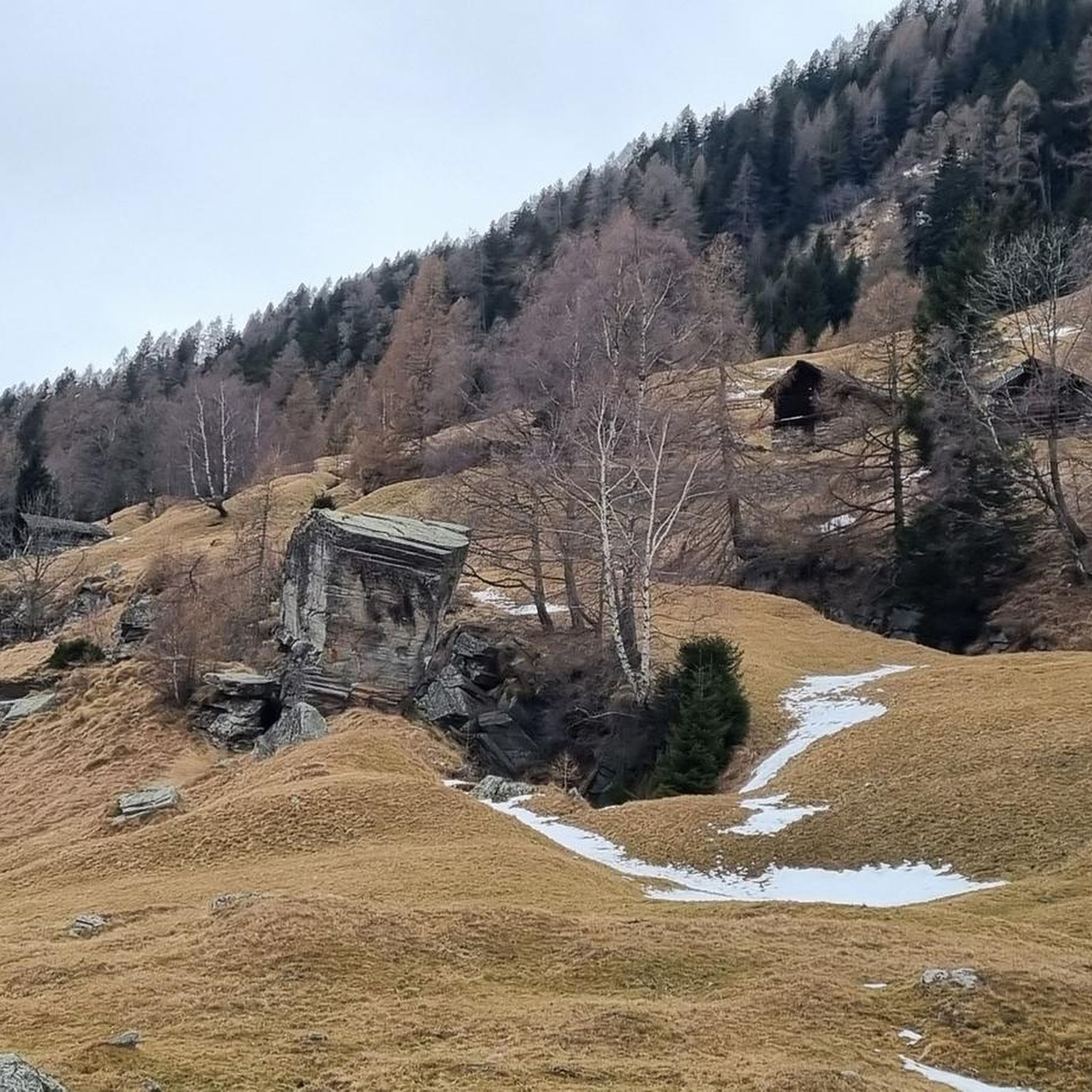
Gravel biking around Santa Maria in Calanca offers diverse landscapes within an alpine setting, characterized by the Calanca Valley and the Calancasca river. The region features varying elevations, from the village at 955 meters to routes along the Moësa River, providing panoramic views. Terrain includes dirt roads, rocky cliffs, and areas with Mediterranean flora like chestnut trees, ensuring a varied gravel experience. These routes prioritize authentic gravel sections over extensive asphalt, catering to riders seeking natural and engaging paths.
Best…
Last updated: May 7, 2026
5.0
(2)
35
riders
59.2km
03:24
350m
350m
Moderate gravel ride. Good fitness required. Mostly paved surfaces. Suitable for all skill levels.
4.0
(1)
14
riders
31.0km
01:52
260m
260m
Moderate gravel ride. Good fitness required. Mostly paved surfaces. Suitable for all skill levels.

Sign up for free
15
riders
60.1km
03:38
230m
230m
Moderate gravel ride. Good fitness required. Mostly paved surfaces. Suitable for all skill levels.
5.0
(1)
7
riders
54.0km
03:42
1,030m
1,030m
Hard gravel ride. Very good fitness required. Mostly paved surfaces. Suitable for all skill levels.
4
riders
23.9km
02:16
1,050m
1,050m
Hard gravel ride. Very good fitness required. Mostly paved surfaces. Suitable for all skill levels.
Our route recommendations are based on thousands of hikes, rides, and runs completed by other people on komoot.
Start today with a free account
Your next adventure awaits.
Login or Signup
Tips from the Community

Cycle path bridge over the Brenno river. From here, head up into the Valle di Blenio and discover all the best MTB trails at www.komoot.com/it-it/collection/3576744/-blenio-bike-28-tour-mtb-in-valle-di-blenio-la-valle-del-sole or on the official association website www.bleniobike.ch
0
0

splendid trails, amidst the woods and fields of the Magadino plain, passing by farms where you can see animals and buy local products
0
0

In Bellinzona's Old Town From the train station, the bus takes us to the stop at the end of Via Lugano. To the east is the Church of Santa Maria delle Grazie. On the other side of the railway line, we pass the Villa dei Cedri, nestled in a magnificent park and home to the municipal art collection. We head north along Via Pedotti to Piazza San Biagio, where the 13th-century church of the same name can be admired. The church, one of the most interesting in the region, has been restored and stripped of its Baroque additions. The remarkable frescoes date from the late Middle Ages. We return and follow Via Lugano north to Piazza Indipendenza, where we find the Church of San Rocco, a building dating back to 1330 and enlarged in 1478. This is where the actual old town begins. The town hall, with its elegant courtyard, was completely rebuilt in 1924, using materials from the previous 15th-century building. At Piazza Nosetto, with its beautiful porticoes, we turn left onto Via Teatro, passing the restored theater building from the previous century and reaching the government building. The oldest part consists of the former Ursuline convent, dating back to the 13th century and rebuilt in the previous century. Returning to Piazza Nosetto, we approach Piazza Collegiata, passing the Casa Rossa, a brick-clad building inspired by the Lombard style of the 15th century. The massive church of SS. Pietro e Stefano reflects the Renaissance style with Baroque elements. A lively market is held every Saturday in Piazza Collegiata. On Viale Stazione, we find ourselves in the city's commercial district. The post office building is noteworthy, a prime example of contemporary Ticino architecture. Text / Source: Agenzia turistica ticinese SA., Via C. Ghiringhelli 7, Bellinzona https://www.ticino.ch/de/commons/details/In-Bellinzonas-Altstadt/3156.html
14
0
The Fortress of Bellinzona and its Castles Once upon a time, there were knights and drawbridges. Where? In Bellinzona, of course! Take a journey back in time and visit the castles, which were declared UNESCO World Heritage Sites in 2000. Arm yourself with a camera and discover Castel Grande, Montebello, and Sasso Corbaro. Tin-reinforced walls, towers, and enormous gates: you'll be catapulted straight into the Middle Ages! Dream of the knights' heroic deeds and immerse yourself in life back then. The Fortress of Bellinzona offers visitors a hands-on experience of medieval history. You can purchase the Fortress Pass online, at the InfoPoint in Bellinzona, or at the ticket offices of the three castles. It allows you to visit the fortress and its walls, the Castel Grande Museum, the Archeologia Montebello exhibition trail, and the temporary exhibitions. Are you primarily interested in visiting the exhibitions? Then buy the new Expo Pass: a combined ticket that grants access to the temporary exhibitions at Castel Grande, Sasso Corbaro, and the Museo Villa dei Cedri! Text / Source: Bellinzona e Valli Tourism https://www.bellinzonaevalli.ch/de/discover/castles.html
14
0
In Bellinzona's Old Town From the train station, the bus takes us to the stop at the end of Via Lugano. To the east is the Church of Santa Maria delle Grazie. On the other side of the railway line, we pass the Villa dei Cedri, nestled in a magnificent park and home to the municipal art collection. We head north along Via Pedotti to Piazza San Biagio, where the 13th-century church of the same name can be admired. The church, one of the most interesting in the region, has been restored and stripped of its Baroque additions. The remarkable frescoes date from the late Middle Ages. We return and follow Via Lugano north to Piazza Indipendenza, where we find the Church of San Rocco, a building dating back to 1330 and enlarged in 1478. This is where the actual old town begins. The town hall, with its elegant courtyard, was completely rebuilt in 1924, using materials from the previous 15th-century building. At Piazza Nosetto, with its beautiful porticoes, we turn left onto Via Teatro, passing the restored theater building from the previous century and reaching the government building. The oldest part consists of the former Ursuline convent, dating back to the 13th century and rebuilt in the previous century. Returning to Piazza Nosetto, we approach Piazza Collegiata, passing the Casa Rossa, a brick-clad building inspired by the Lombard style of the 15th century. The massive church of SS. Pietro e Stefano reflects the Renaissance style with Baroque elements. A lively market is held every Saturday in Piazza Collegiata. On Viale Stazione, we find ourselves in the city's commercial district. The post office building is noteworthy, a prime example of contemporary Ticino architecture. Text / Source: Agenzia turistica ticinese SA., Via C. Ghiringhelli 7, Bellinzona https://www.ticino.ch/de/commons/details/In-Bellinzonas-Altstadt/3156.html
14
0
Bellinzona Old Town With elegant churches, magnificent parks, and squares, Bellinzona's old town offers a fascinating insight into the region's history and culture. The remarkable post office building also reflects contemporary Ticino architecture. Bellinzona undoubtedly deserves its reputation as the most authentic old town in Ticino. The popular "Viale Stazione" street, which leads directly from the train station and into the old town, makes access particularly easy and convenient. An absolute highlight that shouldn't be missed is the 15th-century Church of Santa Maria delle Grazie. It impresses with its elegance and houses a stunning Renaissance fresco that transports visitors back to a bygone era. Bellinzona's old town also offers a variety of charming shops, cafés, and restaurants where you can enjoy local cuisine and the Ticino ambiance. The picturesque alleyways invite you to stroll and continually offer new discoveries. Not to be forgotten are the well-preserved city walls and castles that surround the old town, offering an interesting insight into medieval defensive architecture. Text / Source: Bellinzona e Valli Turismo, Piazza Collegiata 12, Bellinzona https://www.myswitzerland.com/de/erlebnisse/old-town-of-bellinzona/
14
0

Giornico's geographical position, at the foot of the Biaschina gorge and at the beginning of the Ticino valley's alluvial plain, has made this location a fundamental place for centuries for activities related to transit along the Saint Gotthard route. In front of you, below, are the two arched or donkey-back bridges that give access to the island on the Ticino river. On the right side of the Valley stand out: the Parish Church of San Michele, the Church of San Nicola (or San Nicolao) and, on the hill, the Church of Santa Maria del Castello.
0
0

The new cycle path follows the route of the former Bellinzona - Mesocco railway line, which was closed in 2013.
1
0
Frequently Asked Questions
How many gravel bike trails are available in Santa Maria in Calanca?
There are several gravel bike trails around Santa Maria in Calanca, with 5 routes currently listed on komoot. These routes offer a mix of moderate and difficult options, providing diverse experiences for gravel bikers.
What kind of terrain can I expect on gravel bike trails in the Calanca Valley?
The Calanca Valley offers a varied gravel biking experience, from well-maintained paved sections to authentic gravel and dirt roads, and even historic mule trails. You'll encounter dramatic mountain slopes, narrow stretches along the Calancasca river, and routes through forests and past rocky outcrops. The region is known for its 'unpaved roads' experience, focusing on natural and engaging paths rather than extensive asphalt.
Are there any challenging gravel bike routes for experienced riders?
Yes, for experienced riders seeking a challenge, there are 2 difficult gravel bike routes available. One such route is the Ponte della Maggia – Monti di Medeglia loop from Castione-Arbedo, which features significant elevation gain and offers a demanding ride.
What is the best time of year for gravel biking in the Calanca Valley?
Santa Maria in Calanca enjoys a remarkably mild, almost Mediterranean climate despite its alpine location, which extends the cycling season. Spring and autumn are generally excellent, offering pleasant temperatures and beautiful scenery. Even in summer, the forests provide shaded routes, and the region's unique flora makes for a pleasant environment.
Where can I park my car when gravel biking in Santa Maria in Calanca?
While specific parking locations for cyclists are not detailed in the guide, Santa Maria in Calanca is a small village within the regional nature park. Public parking is generally available in such areas. It's advisable to look for designated parking spots within the village or at the start points of specific trails.
Can I reach Santa Maria in Calanca by public transport with my bike?
The Calanca Valley is known for its remote nature. Public transport, such as PostBus services, often operates in the region and may offer bike transport options, especially to larger hubs like Roveredo GR or Lostallo, from which you can start your rides. It's recommended to check the current PostBus schedules and bike transport policies for the Graubünden canton in advance.
Are there any family-friendly gravel biking options in the area?
While the listed routes include moderate and difficult options, the region's network of quiet side roads and wooded areas can offer segments suitable for families. The presence of well-maintained mule trails and less technical dirt roads provides opportunities for easier rides, though specific family-friendly routes are not explicitly highlighted in the current selection.
What historical landmarks or attractions can I see along the gravel bike trails?
The Calanca Valley is rich in history. You can explore well-preserved mule tracks and traditional stone villages. Notable historical sites include the medieval Castello (tower house) and the Church of S. Maria Assunta in Santa Maria in Calanca. Further afield, routes like The Castles of Bellinzona – Old Town of Bellinzona loop from Roveredo GR pass by historical castles. You might also encounter highlights such as Torre di Pala, San Vittore or Torre Fiorenzana, Grono.
Are there any circular gravel bike routes in Santa Maria in Calanca?
Yes, all the gravel bike routes listed for Santa Maria in Calanca are designed as loops. For example, you can enjoy the OpenArt Sculpture Park – Ponte della Maggia loop from Lostallo or the Brenno Bridge – Giornico Village loop from Castione-Arbedo, allowing you to start and finish at the same point.
What do other gravel bikers enjoy most about the trails in Santa Maria in Calanca?
The gravel biking routes around Santa Maria in Calanca are highly rated by the komoot community, with an average score of 4.9 stars. Riders often praise the diverse landscapes, the mix of alpine and Mediterranean influences, and the authentic gravel sections that provide a truly engaging experience away from heavy traffic.
Are there any cafes or restaurants along the gravel bike routes for a break?
The Calanca Valley features traditional stone villages and is part of a regional nature park, suggesting opportunities for local food experiences. While specific cafes or restaurants directly on the trails are not detailed, you can often find grottoes or small eateries in the villages you pass through, offering a chance to refuel and experience local cuisine.
Can I bring my dog on the gravel bike trails in the Calanca Valley?
Many outdoor trails in Switzerland, especially in natural park areas like Parco Val Calanca, are generally dog-friendly, provided dogs are kept on a leash and owners adhere to local regulations regarding waste disposal. Given the varied terrain including historic mule trails and quiet dirt roads, many sections would be suitable for biking with a well-behaved, leashed dog.
Most popular routes around Santa Maria in Calanca
Most popular attractions around Santa Maria in Calanca

Get inspired with the komoot mobile app


Explore more
Browse the best Gravel rides in other regions.
