The best gravel rides around National Park Vale Guadiana
17
riders
6
rides
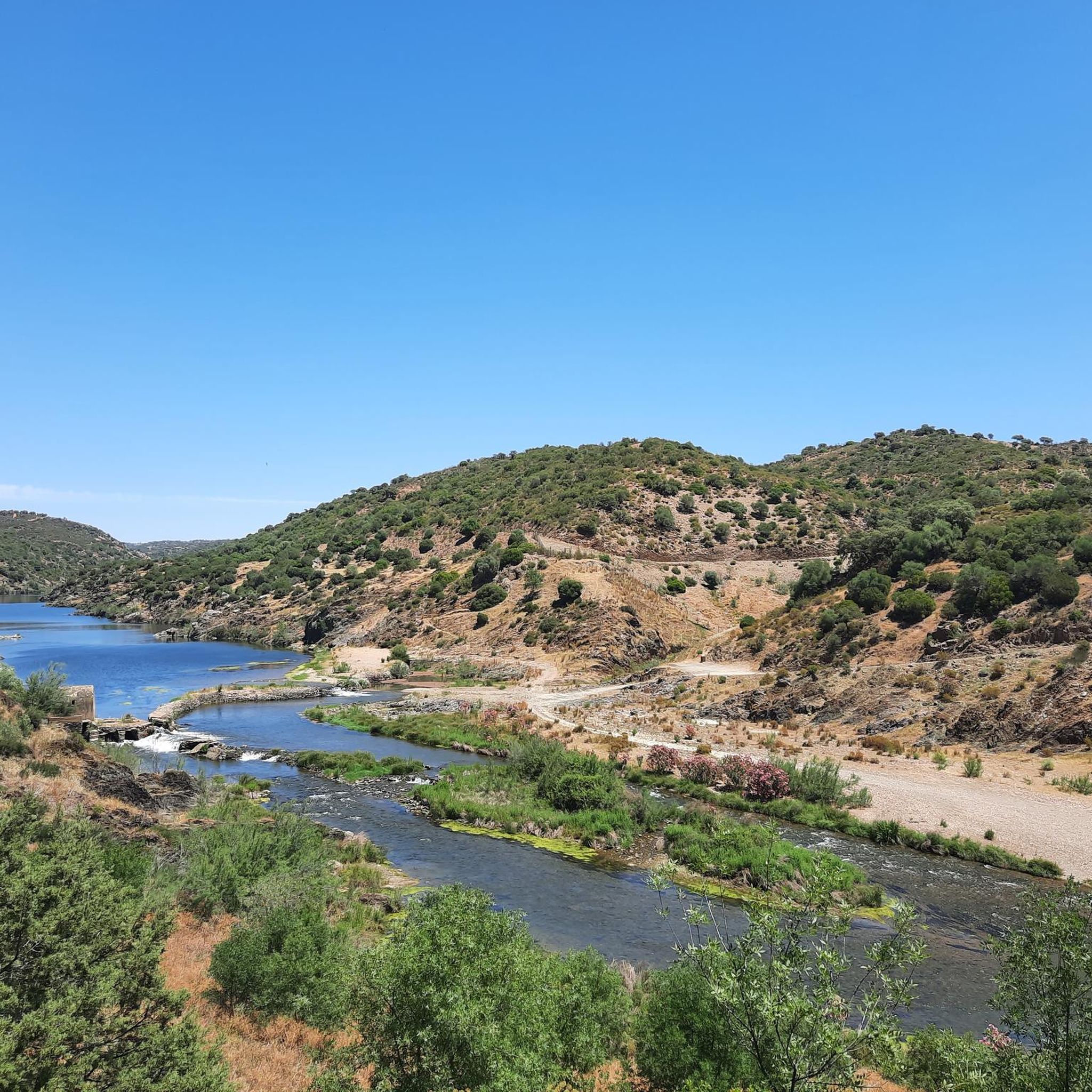
Gravel biking around National Park Vale Guadiana offers diverse landscapes shaped by the Guadiana River, which carves through narrow riverbanks, deep valleys, and ravines. The park's terrain includes rugged hills, expansive plains, and cork oak forests, providing varied surfaces for gravel cyclists. Unpaved roads and trails wind through Mediterranean undergrowth and open cereal crop fields. This varied topography makes the region well-suited for gravel biking, with routes traversing both river valleys and elevated areas.
Best gravel bike trails around National…
Last updated: May 4, 2026
4
riders
Hard gravel ride. Very good fitness required. Mostly paved surfaces. Suitable for all skill levels.
4
riders
64.3km
04:27
710m
710m
Hard gravel ride. Very good fitness required. Mostly paved surfaces. Suitable for all skill levels.

Sign up for free
2
riders
29.3km
02:11
280m
280m
Moderate gravel ride. Good fitness required. Mostly paved surfaces. Suitable for all skill levels.
2
riders
41.7km
02:38
470m
470m
Hard gravel ride. Very good fitness required. Mostly paved surfaces. Suitable for all skill levels.
4
riders
30.1km
02:34
500m
500m
Hard gravel ride. Very good fitness required. Mostly paved surfaces. Suitable for all skill levels.
Our route recommendations are based on thousands of hikes, rides, and runs completed by other people on komoot.
Start today with a free account
Your next adventure awaits.
Login or Signup
Popular around National Park Vale Guadiana
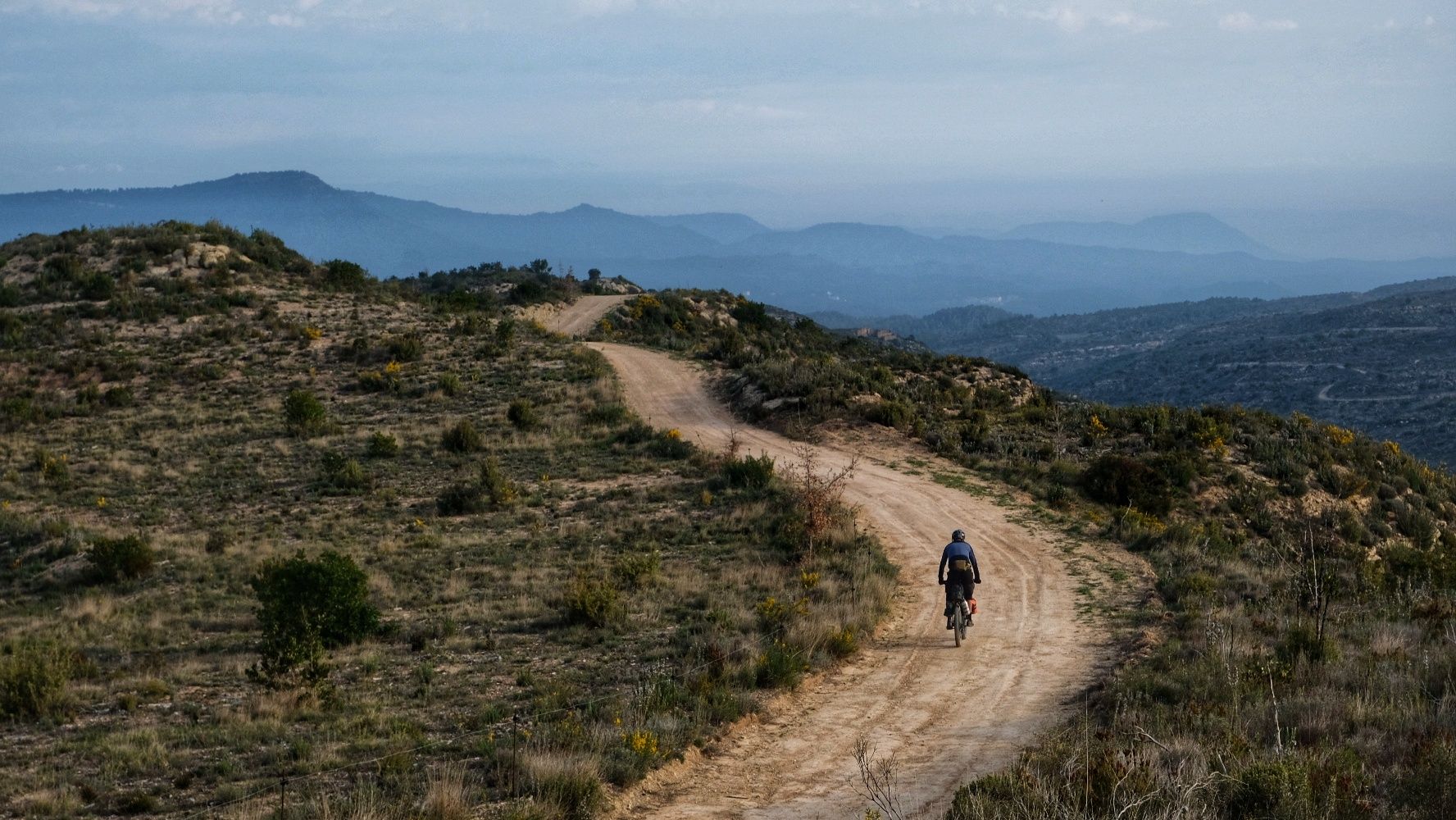
European Divide Trail — 7,600 km across the continent
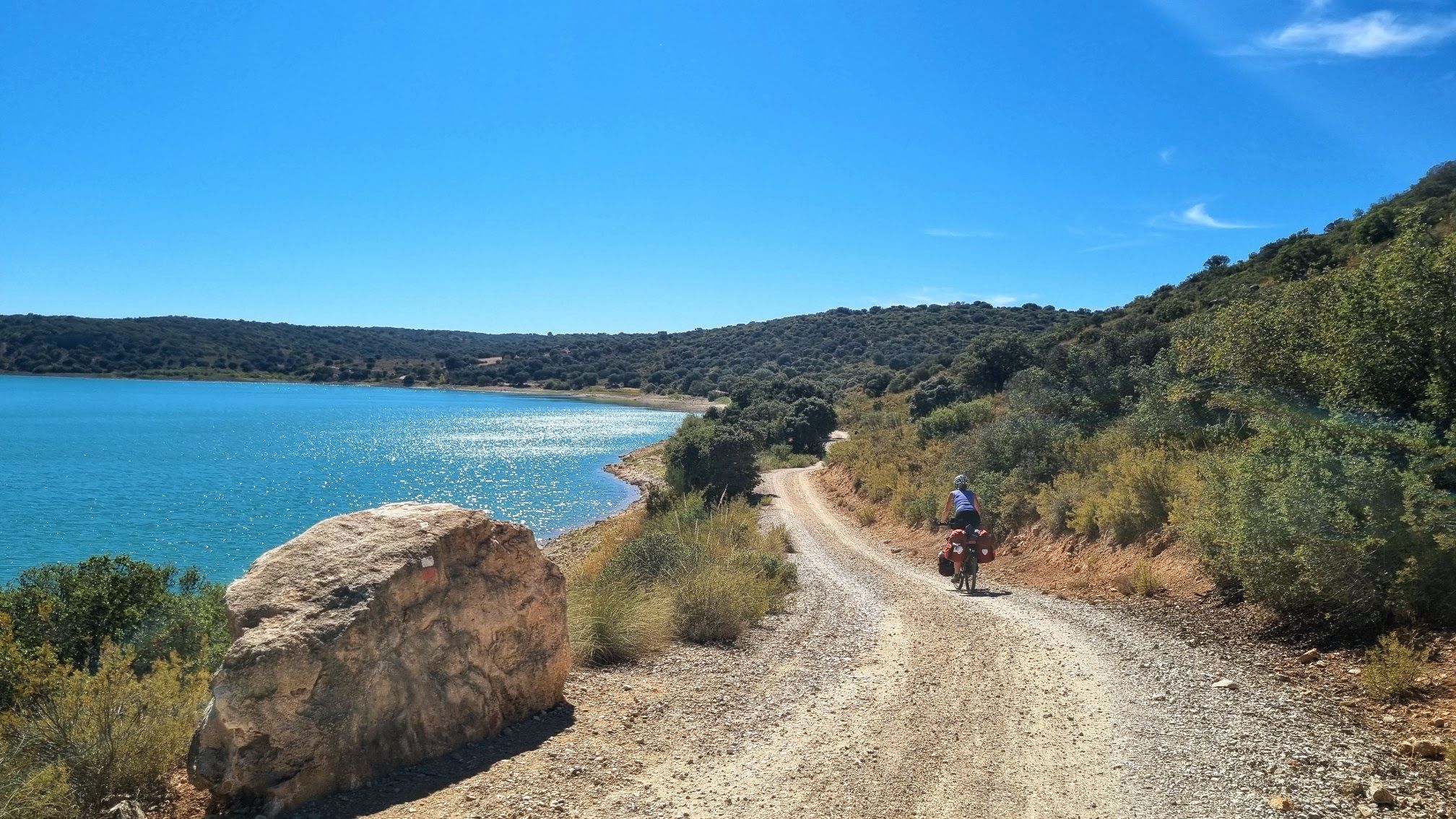
Pedalea junto al gran río — Camino Natural del Guadiana
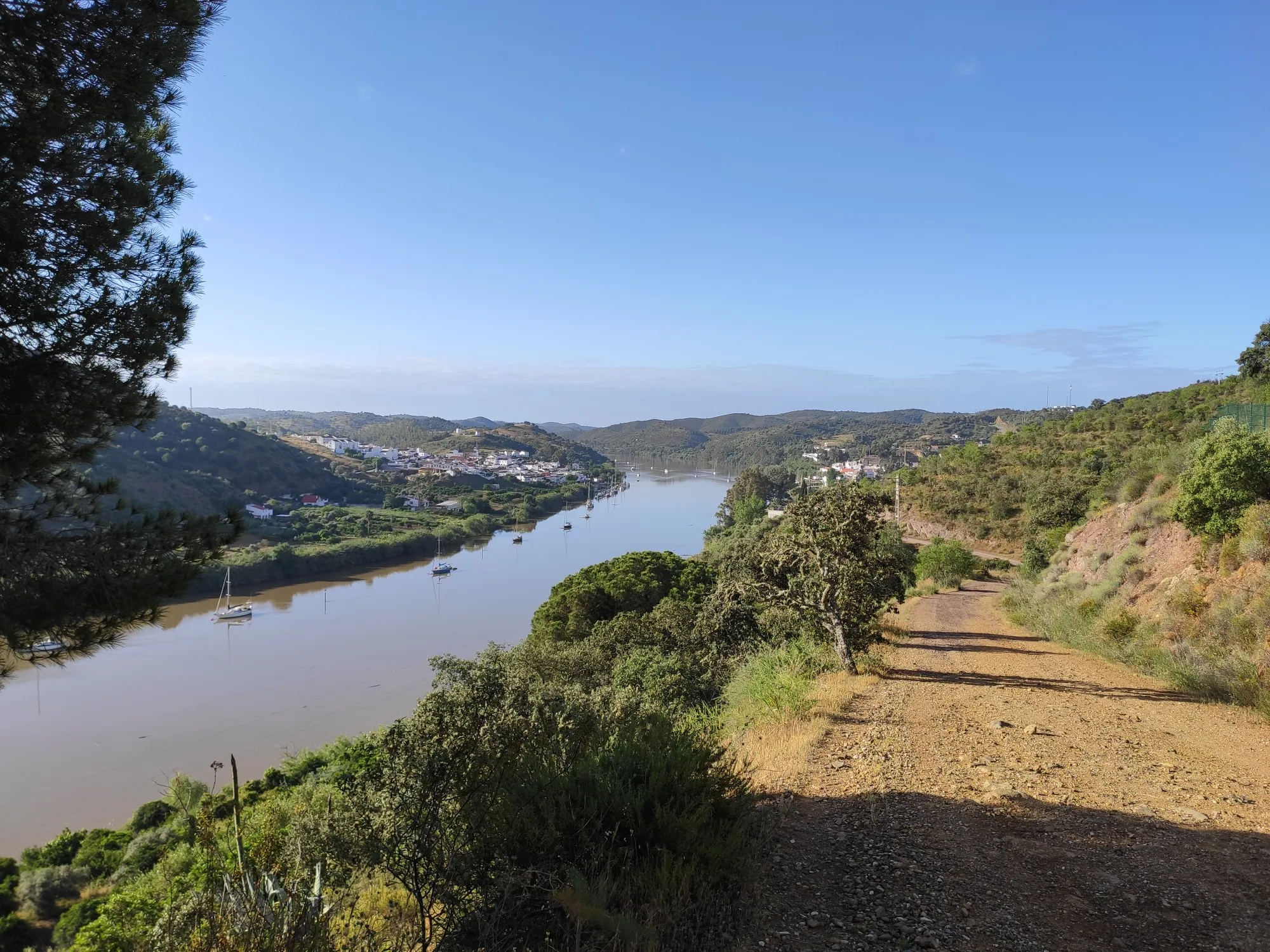
Stories of a river - Great Guadiana Route (GR 15)
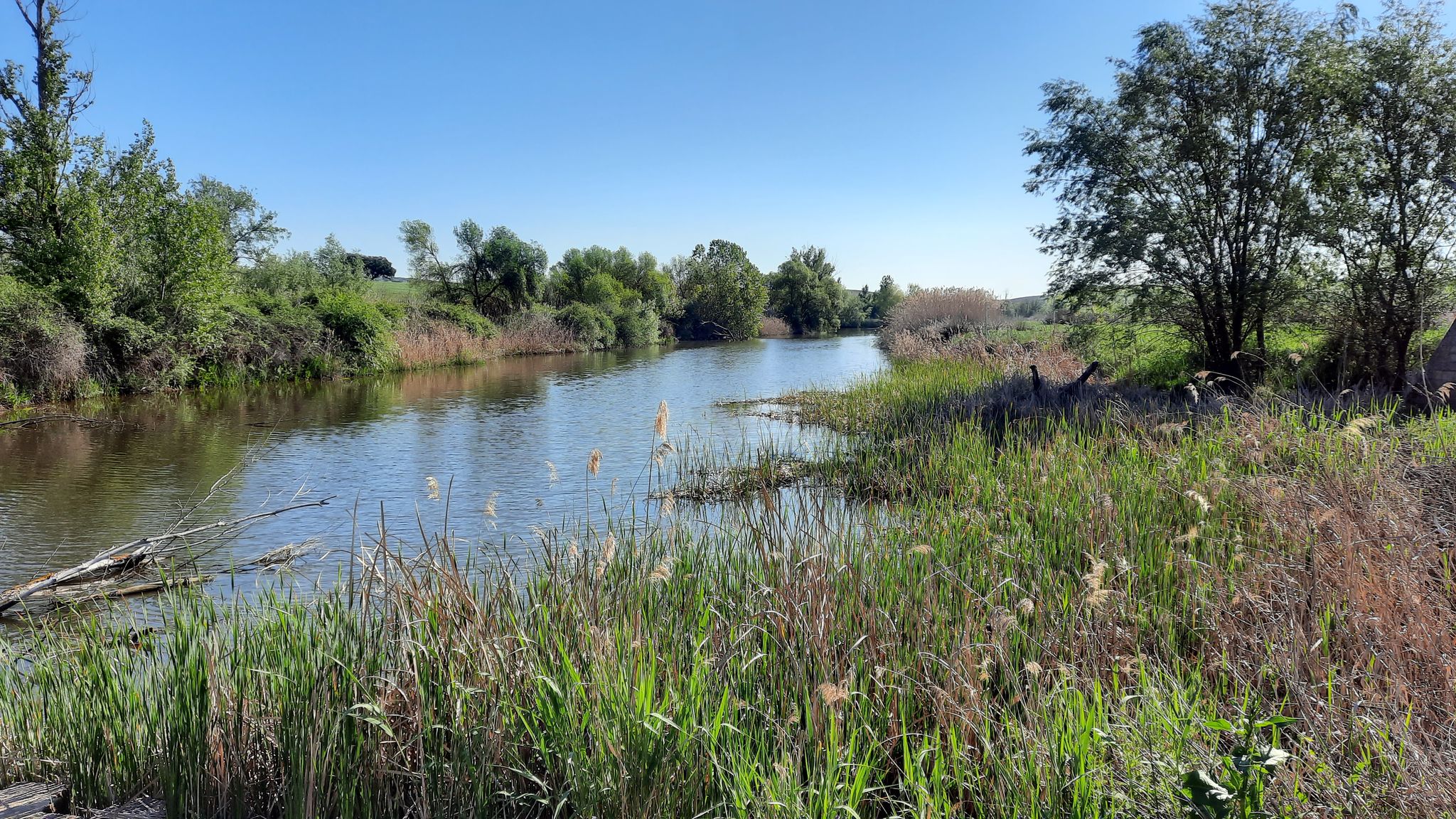
The magic of an endless river – Spain's Guadiana Natural Trail (GR 114)
Hiking around National Park Vale Guadiana
Running Trails around National Park Vale Guadiana
Road Cycling Routes around National Park Vale Guadiana
Cycling around National Park Vale Guadiana
MTB Trails around National Park Vale Guadiana
Other adventures around National Park Vale Guadiana


Tips from the Community

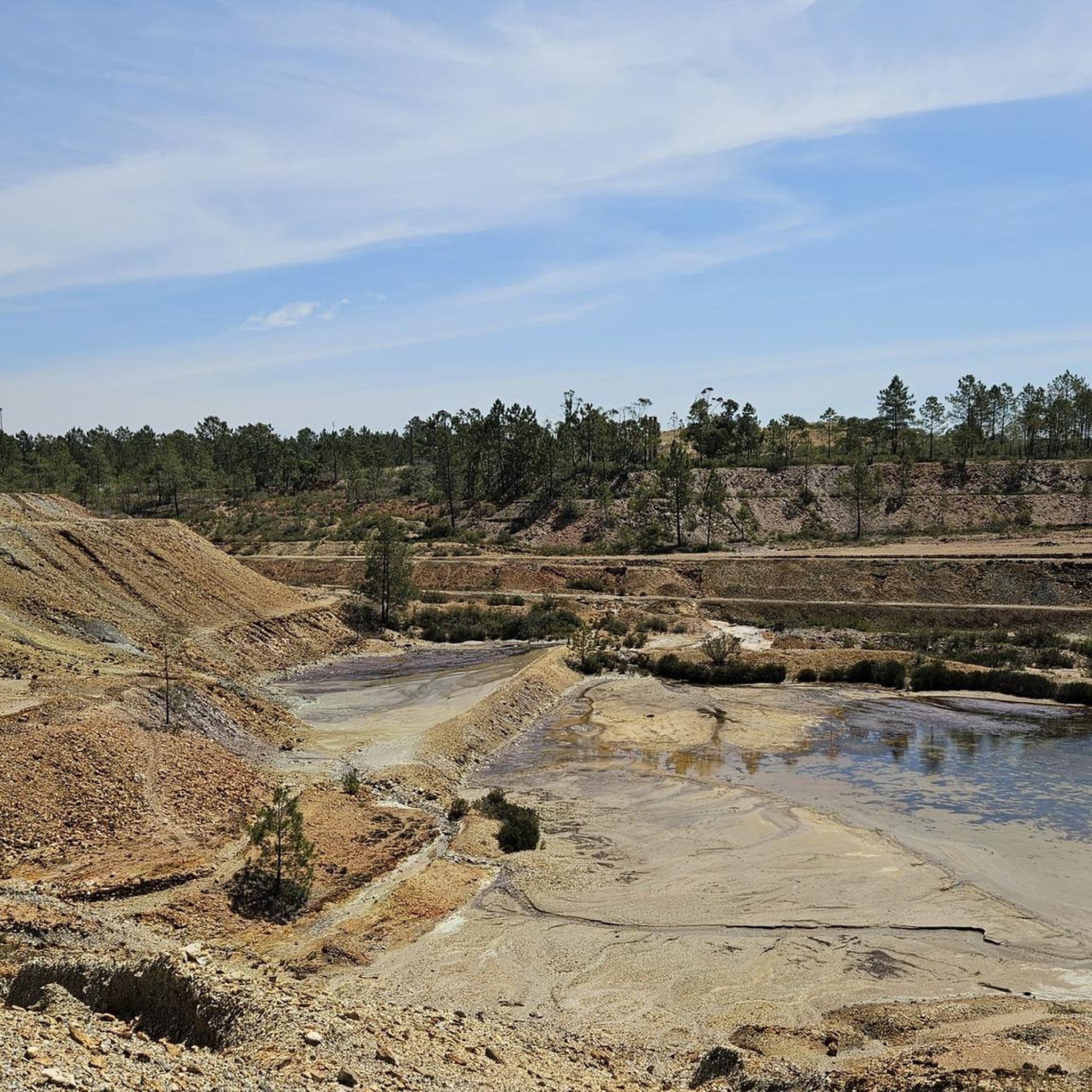
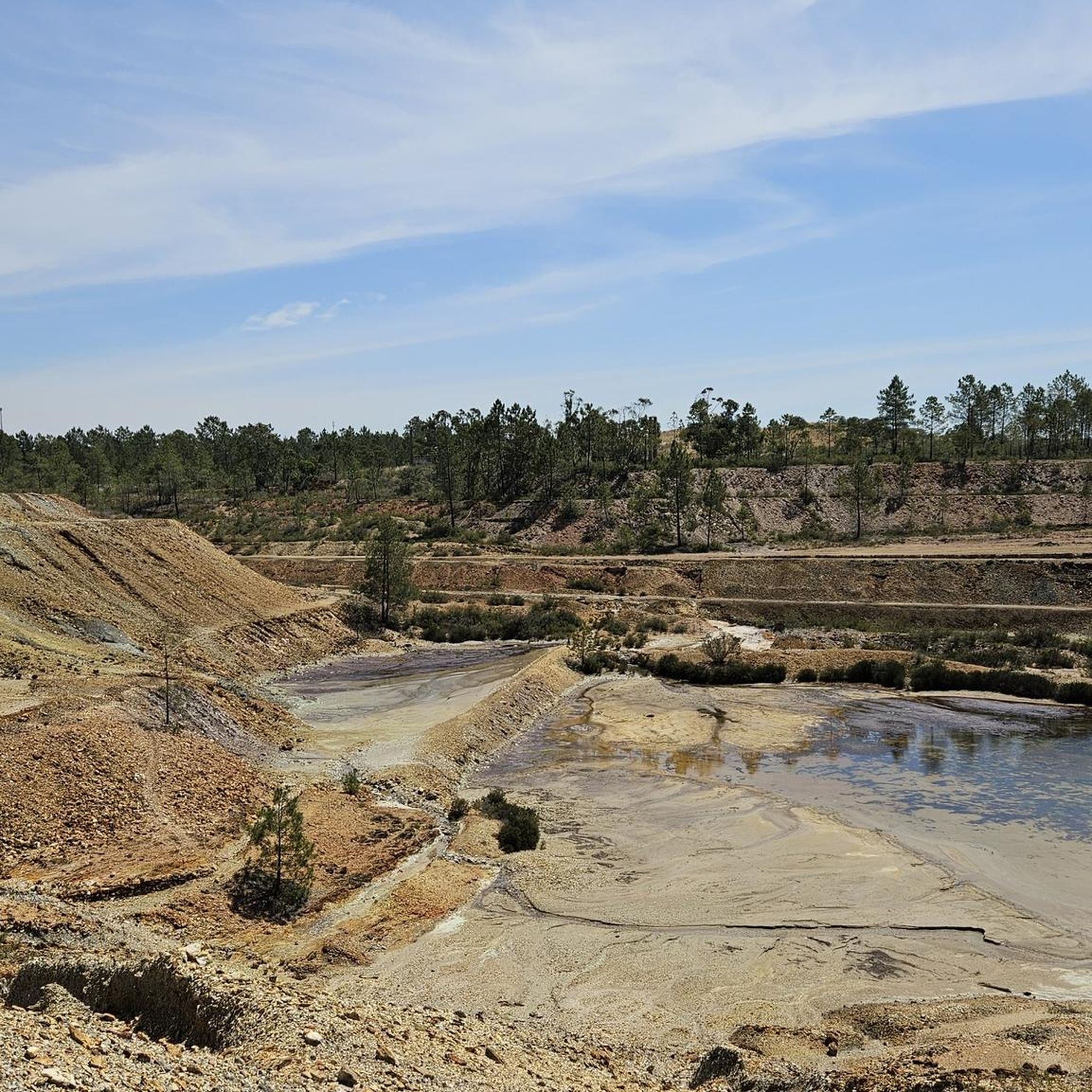
The ruins of the Minas de São Domingos, located in the municipality of Mértola, Alentejo, constitute one of the most impressive and enigmatic abandoned industrial settings on the Iberian Peninsula. With origins dating back to Roman times, the complex experienced its peak under British management by the company Mason & Barry from 1854 onwards, becoming a true industrial enclave focused on the massive extraction of copper pyrite and sulfur until its closure in 1966. The abandonment gave way to an almost apocalyptic landscape, where reddish soils, acidic waters, and old degraded masonry structures attract photographers, the curious, and industrial tourism enthusiasts.👍🥾🚲
0
0
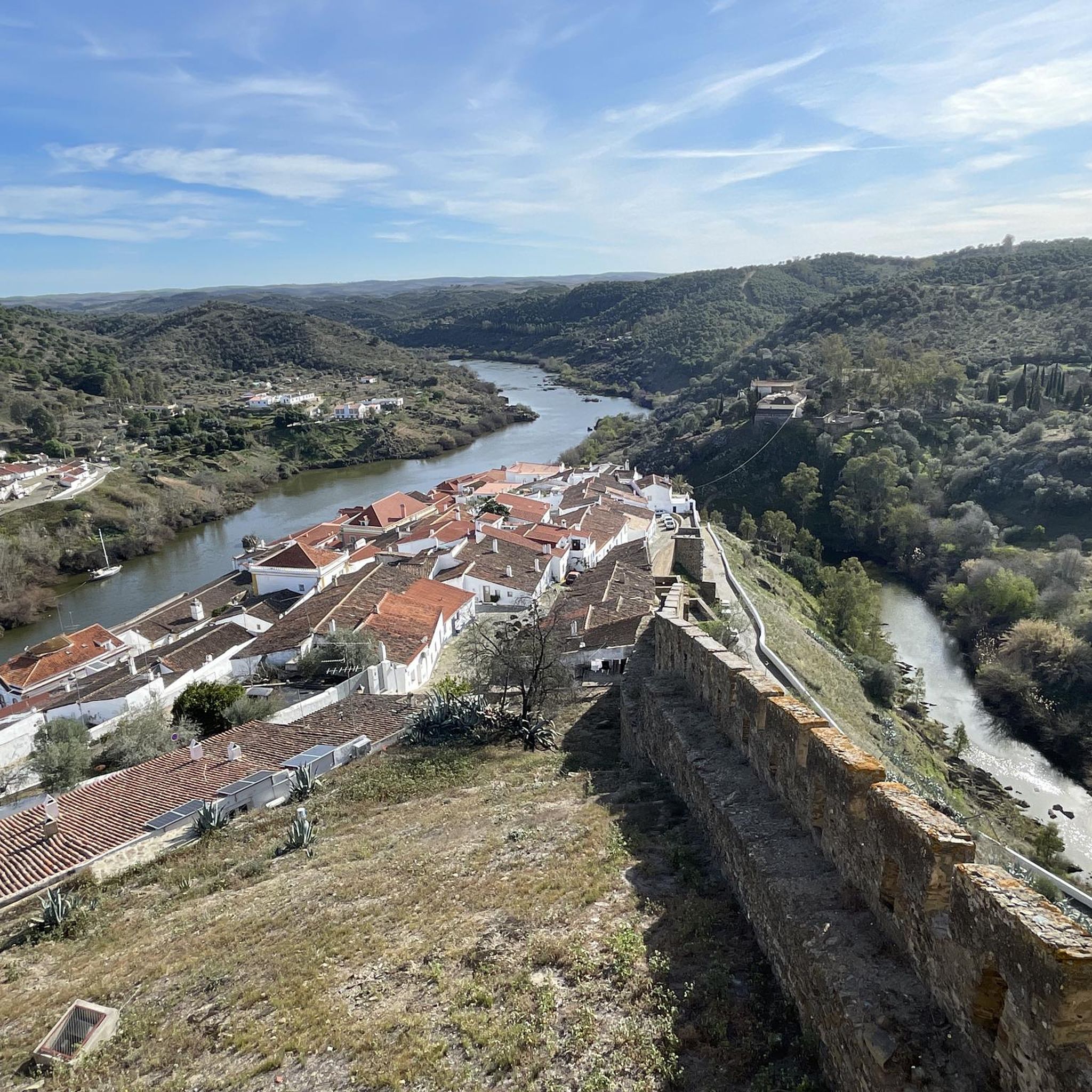
Mértola is a historic Portuguese border village located in the district of Beja, in the Baixo Alentejo sub-region. Popularly known as a "Museum Village", the settlement rises strategically on a rocky outcrop at the confluence of the Oeiras stream with the Guadiana River. As this is the last navigable post of the river, the village has played a crucial commercial and military role for various civilizations over the centuries.👍🥾🚲
0
0
Mértola is a beautiful Alentejo village, bathed by the Guadiana River. It has a walking trail that I did and really enjoyed. 👍🥾
1
0

The Hermitage of Our Lady of La Peña in Puebla de Guzmán (Huelva) is one of the most emblematic sanctuaries in the Andévalo region of Huelva province, with a deep spiritual, artistic, and cultural tradition. Location: On Cerro del Águila (Eagle Hill), about 4 km from the town center. Origin: Probably built in the 16th century, with significant renovations in the 17th century, 1960, and 1992. Founding legend: According to tradition, the Virgin Mary appeared to the shepherd Alonso Gómez in the 15th century, who was instructed to build a hermitage on that site.
4
0

The castle sits atop a hill overlooking the Guadiana River. The river forms the natural border between Portugal and Spain.
1
0


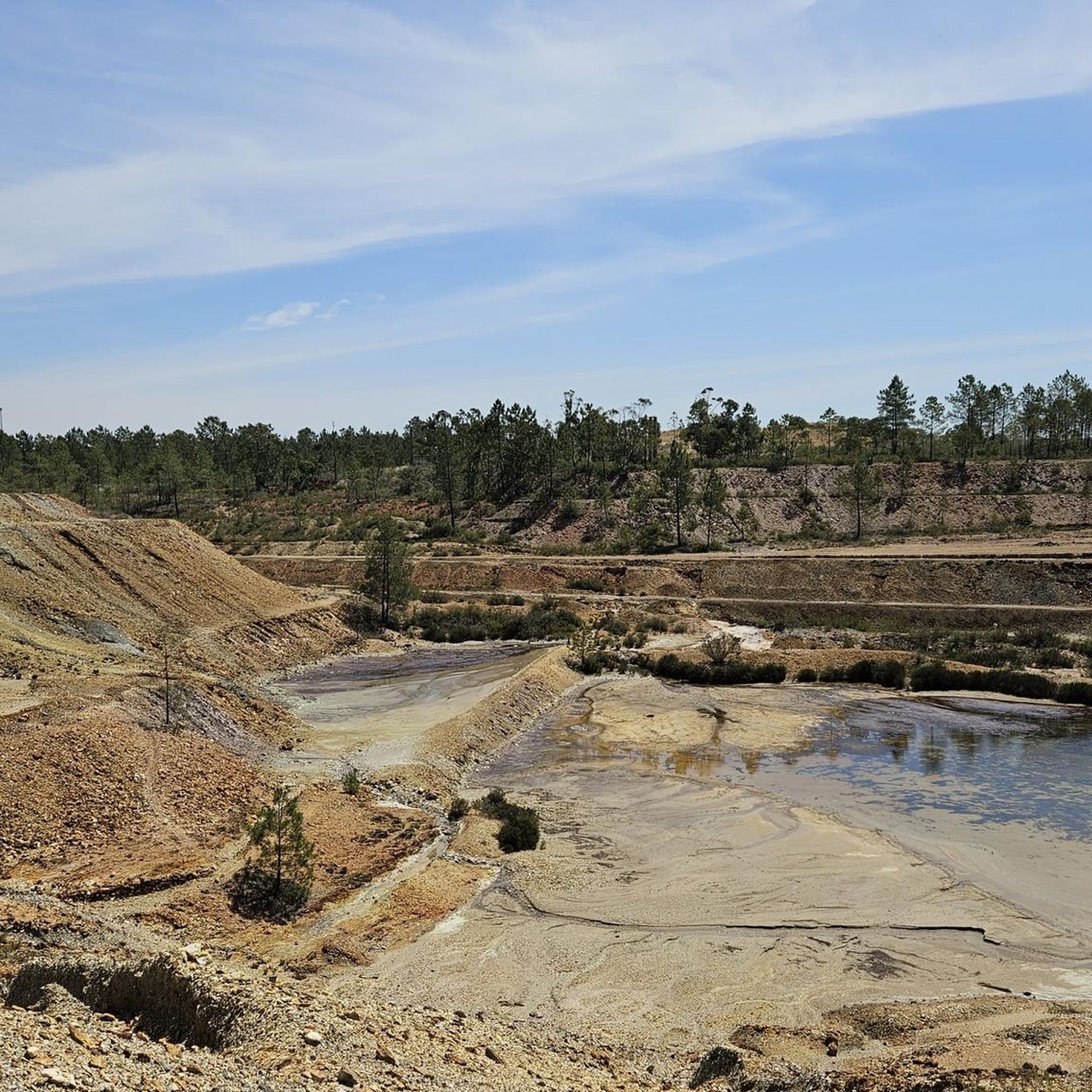
The old, abandoned copper mines resemble a lunar landscape: a strange and fascinating stage, illuminated by the reflections of copper-hued lakes. A road cuts through the landscape, guiding you along dirt roads. Streams and wells glow in unlikely colors, from copper to green to deep black. Signs warn of the dangers of the water, but nothing prevents your gaze from losing itself in the dramatic and unsettling beauty of the place.
2
0

Located in the tranquil setting of the Barragem da Tapada Grande reservoir, this river beach of the same name is a very pleasant recreational area with a sandy beach, lawns, and comprehensive infrastructure. Nearby is the village of Minas de São Domingos, which was developed in connection with the now-defunct mining operations.
4
1
Frequently Asked Questions
How many gravel bike trails are available in National Park Vale Guadiana?
Komoot features 6 gravel bike trails in National Park Vale Guadiana. These routes offer a variety of experiences, from moderate loops to challenging long-distance rides through diverse landscapes.
What kind of terrain can I expect on gravel bike trails in National Park Vale Guadiana?
The terrain in National Park Vale Guadiana is highly varied, shaped by the Guadiana River. You'll encounter narrow riverbanks, deep valleys, and sharp ravines, alongside rugged hills, expansive plains, and cork oak forests. Many routes feature unpaved roads and trails winding through Mediterranean undergrowth and open cereal crop fields, providing a classic gravel biking experience.
Are there any easy or moderate gravel bike trails for beginners or less experienced riders?
While many routes in the park are challenging, there is a moderate option suitable for those looking for a less strenuous ride. Consider the Rest area by the lake – Dirt road through the mines loop from Moreanes, which is 29.3 km long and typically takes around 2 hours 10 minutes to complete. This route leads through varied landscapes without the extreme elevation changes of some other trails.
What natural features or viewpoints can I see along the gravel bike routes?
The park is rich in natural beauty. You can visit the dramatic Pulo do Lobo Waterfall, where the Guadiana River has its steepest natural decline. Other notable spots include the Guadiana Riverside at Bombeira and the View of the Guadiana River from Anta das Pias. For a unique landscape, explore the area around the Copper lakes of the mine, remnants of the region's industrial past.
Are there any historical or cultural attractions accessible by gravel bike?
Absolutely. The park is dotted with charming towns and historical sites. Mértola, often called a 'town museum,' features well-preserved architecture and significant historical layers, including its impressive Mértola Castle and the Church of Our Lady of the Annunciation. The former mining complex in Mina de São Domingos is also worth a visit for those interested in industrial history. You can explore routes like the View of Mértola – Mertola loop from Mértola to combine cycling with cultural exploration.
What is the best time of year for gravel biking in National Park Vale Guadiana?
While summers can be intensely hot, the park's sunny climate during cooler months ensures many dry and enjoyable riding days. Spring and autumn are generally ideal, offering pleasant temperatures and vibrant landscapes. Winter can also be suitable, but be prepared for potentially cooler and wetter conditions, especially along the river.
Are there any long-distance or challenging gravel routes for experienced riders?
Yes, experienced riders will find several challenging options. The longest route is the Rest area by the lake – Dirt road through the mines loop from Parque Estacionamento da Praia fluvial da Tapada Grande, a difficult 121.5 km trail that takes nearly 10 hours to complete, exploring former mining areas. Another demanding option is the Mina de Sabores Restaurant – Corte do Pinto Church loop from Mina de São Domingos, covering 43.7 km with significant elevation changes.
Can I find circular gravel bike routes in the park?
Yes, all the gravel bike routes listed in this guide are circular, allowing you to start and end at the same point. This makes planning your ride and logistics, such as parking, much simpler. Examples include the Castelo de Alcoutim – Alcoutim loop from Sanlúcar de Guadiana and the View of Mértola – Mertola loop from Mértola.
What wildlife might I encounter while cycling in the park?
National Park Vale Guadiana is a Special Protection Area (SPA) and a haven for birdwatchers. You might spot rare and endangered species such as the black stork, lesser kestrel, Bonelli's eagle, and Great Bustard. Other birds like Eagle Owls, Azure-winged Magpies, and Bee Eaters are also common. The park's rich biodiversity offers captivating sights for cyclists, so keep an eye out!
What do other gravel bikers enjoy most about cycling in National Park Vale Guadiana?
Komoot users appreciate the diverse landscapes, from river valleys to rugged hills and cork oak forests, that define gravel biking in National Park Vale Guadiana. The extensive network of trails allows for long-distance rides through varied natural settings, offering both challenging climbs and scenic descents. Many enjoy the sense of exploration through unpaved roads and the opportunity to discover the region's natural and historical gems.
Are there any specific areas to be aware of for wildlife, such as lynxes?
The park is home to diverse wildlife. While sightings are rare, the Iberian Lynx, an endangered species, is present in the region. There's even a highlight marked as Caution: Lynxes, indicating areas where they might be found. Always respect wildlife and maintain a safe distance.
Most popular routes around National Park Vale Guadiana
Most popular attractions around National Park Vale Guadiana

Get inspired with the komoot mobile app


Explore more
Browse the best Gravel rides in other regions.
