The best gravel rides around Øjesø
4.7
(13)
232
riders
30
rides
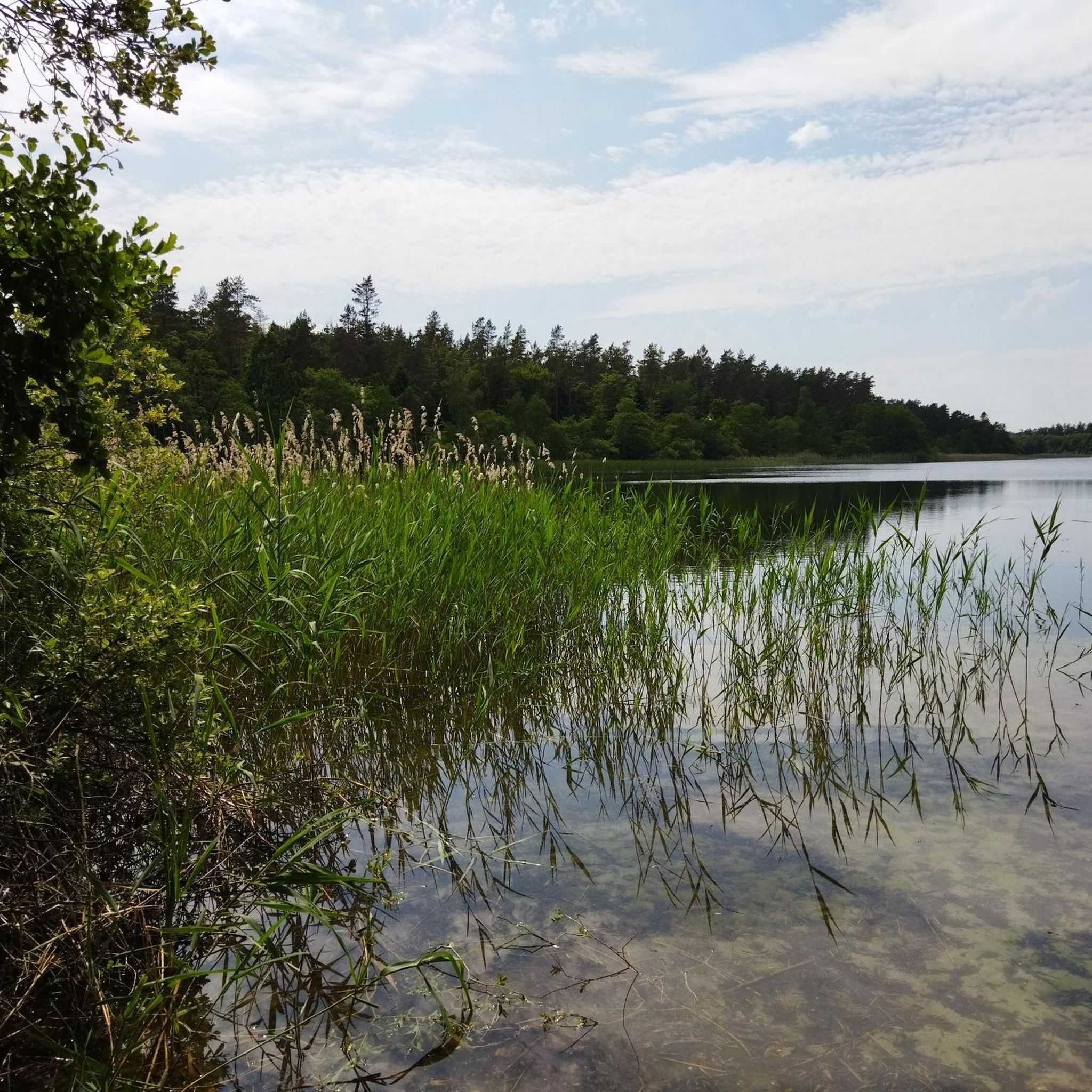
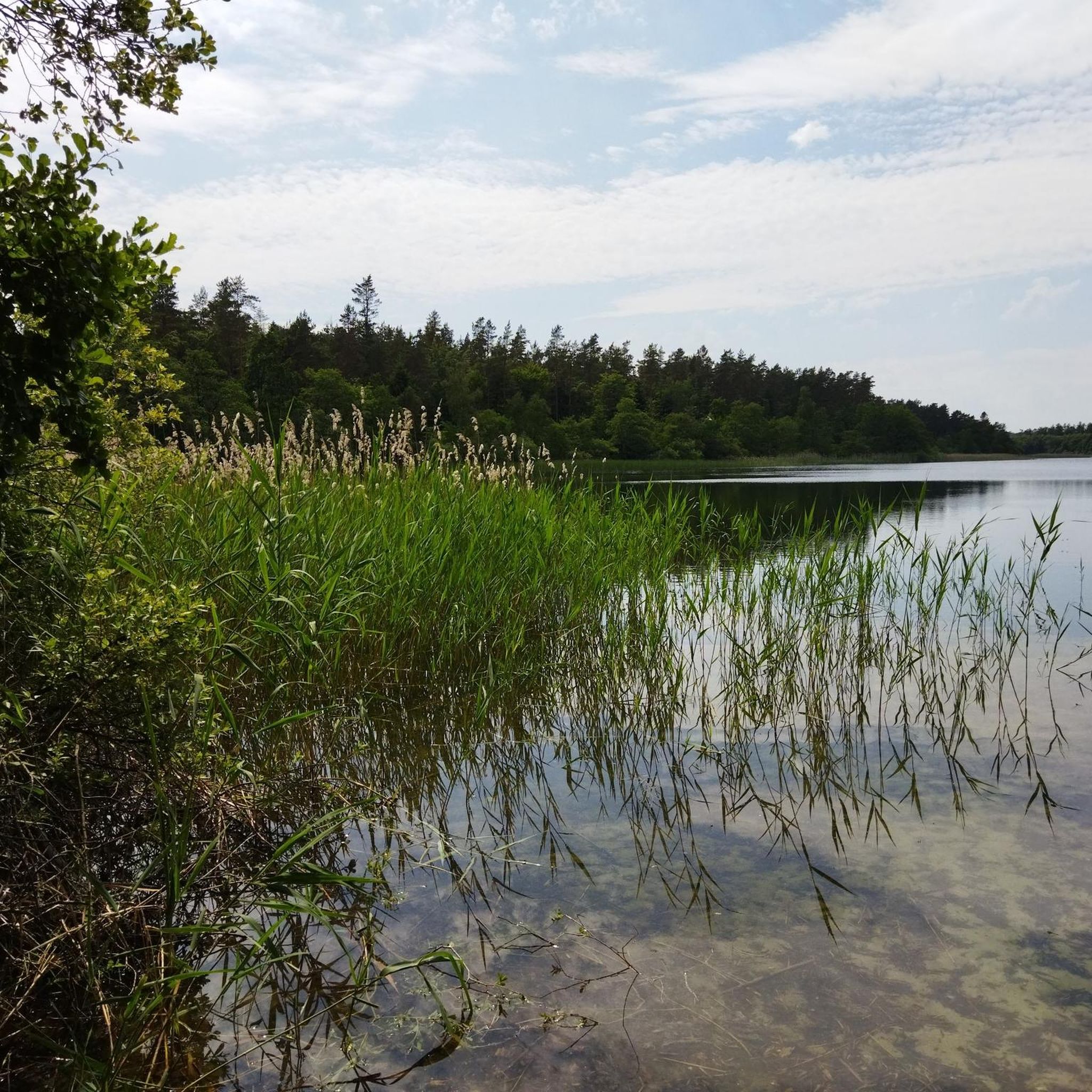
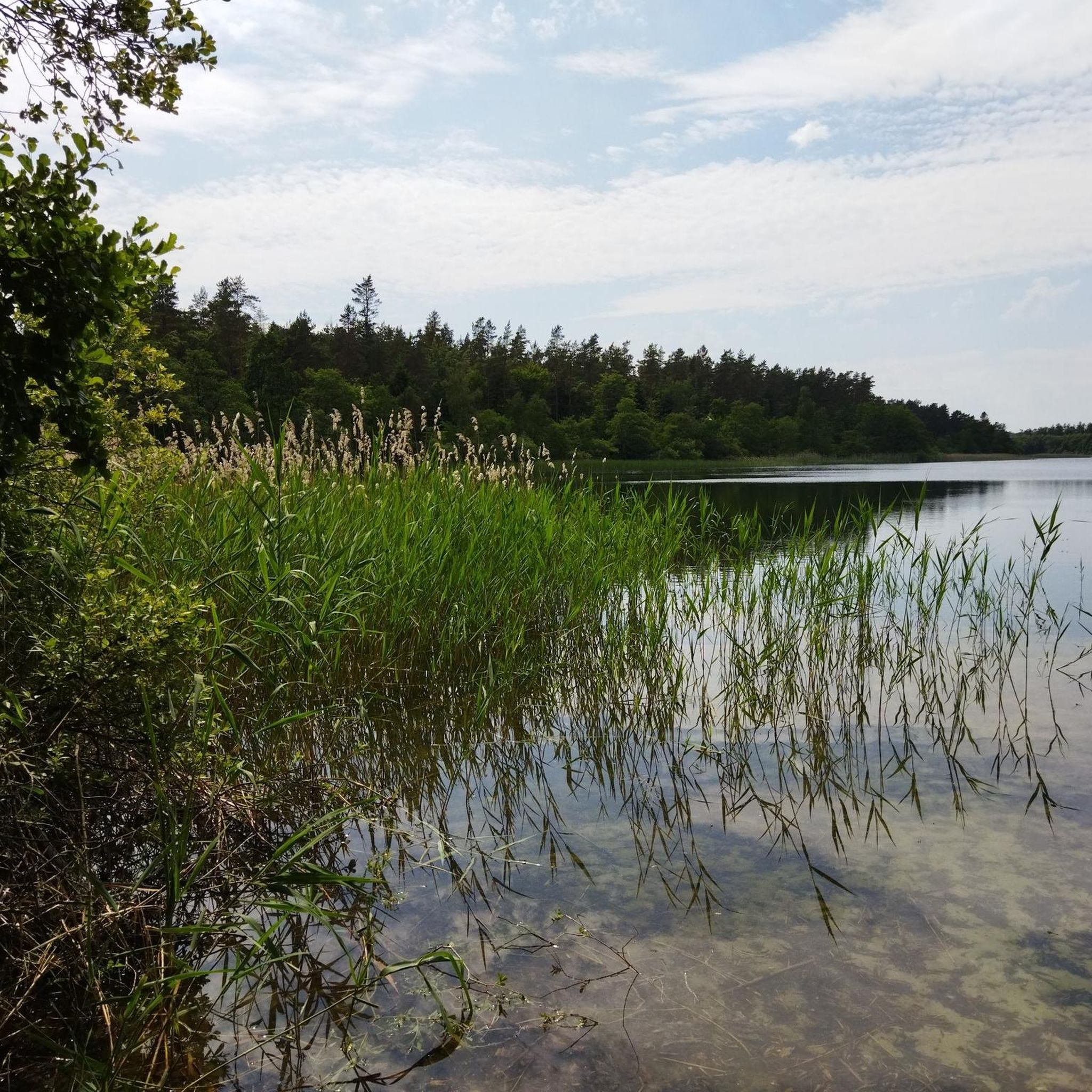
Gravel bike trails around Øjesø are situated within the Mols Bjerge National Park, an area shaped by the Ice Age, featuring rolling hills, valleys, and diverse terrain. The region is characterized by clear freshwater forest lakes, including Øjesø itself, and surrounding heathland with nutrient-poor sandy soil. Gravel routes often combine paved sections with gravel paths, allowing exploration of forests, lakes, and hilltops. This landscape offers varied conditions for gravel biking, from gentle paths to more challenging ascents.
Best gravel bike trails around Øjesø
- The most popular gravel bike trail is Rundt i bjergene – Nationalpark Mols Bjerge, an 11.2 miles (18.0 km) trail that takes 1 hour 20 minutes to complete. This moderate route explores the diverse Ice Age landscapes of Mols Bjerge National Park.
- Another top favourite among local gravel bikers is View of Begtrup Bay – Sletterhage Lighthouse loop from Femmøller, a difficult 41.1 miles (66.1 km) path. This route offers extensive coastal views and varied terrain.
- Local gravel bikers also love the View of Lake Langsø – View of Øjesø loop from FDO Lager J-1, a 13.7 miles (22.1 km) trail leading through forest areas and past clear freshwater lakes, often completed in about 2 hours 1 minute.
- Gravel biking around Øjesø is defined by its clear freshwater lakes, heathland ecosystems, and glacially carved landscapes. The network offers options for different ability levels, from moderate forest paths to more difficult, longer routes.
- The routes in Øjesø are highly rated by the komoot community with an average score of 4.6 stars from over 10 reviews. More than 240 gravel bikers have used komoot to explore Øjesø's varied terrain.
Last updated: July 17, 2026
5.0
(1)
8
riders
18.0km
01:20
180m
180m
Moderate gravel ride. Good fitness required. Mostly paved surfaces. Suitable for all skill levels.
4.8
(4)
77
riders
Moderate gravel ride. Good fitness required. Mostly paved surfaces. Suitable for all skill levels.

Sign up for free
5.0
(1)
15
riders
Moderate gravel ride. Good fitness required. Mostly paved surfaces. Suitable for all skill levels.
5.0
(1)
10
riders
34.2km
01:53
210m
210m
Moderate gravel ride. Good fitness required. Mostly paved surfaces. Suitable for all skill levels.
4.0
(1)
13
riders
Moderate gravel ride. Good fitness required. Mostly paved surfaces. Suitable for all skill levels.
Get access to more routes and recommendations from other explorers.
Sign up for free
Already have an account?
Our route recommendations are based on thousands of hikes, rides, and runs completed by other people on komoot.
Start today with a free account
Your next adventure awaits.
Login or Signup
Tips from the Community

The Ørnbjerg Mølle is the only fully functioning watermill still in Denmark. It is located nestled in a forest area southeast of Feldballe on the Ulstrup Å river in the idyllic Mols Bjerge National Park on the Djursland peninsula. The roots of the mill date back to the mid-16th century. The current thatched building dates from 1833 and is a protected monument. The site now functions as a museum mill. A freely accessible plank exhibition in the old pigsty (Svinehuset) documents the historical life and work at the mill. A dedicated association of volunteers (Ørnbjerg Møllelaug) maintains the mill. On special occasions (such as the annual Mill Day), the large water wheel is put into operation to grind grain. The surroundings offer picnic areas, two shelter sites for free overnight stays, and two camping sites. Hiking trails start from here, including a beautiful path to the nearby Stubbe Sø. https://www.visitaarhus.dk/aarhusregionen/planlaeg-ferien/oernbjerg-moelle-gdk605940
2
0
The Feldballe Church and its surroundings have a long and fascinating history, reflecting the unique character of the place. A few years ago, a 13th-century brick kiln was excavated near Langesø in the parish of Feldballe. The brick remains were compared with the monks' stones in Feldballe Church, and clay samples from an area known as "Red Graves" proved that the stones of Feldballe Church were fired and shaped both in the parish and from the parish's raw materials. The clay pits and the brick kiln also supplied monks' stones for Møllerup, which was built by Margrave Stig Andersen. As the builder of the church, he must have built the nave and the choir before he was outlawed in 1286 after the murder of King Erik Klipping in Finderup Lade. https://www.visitaarhus.de/region-aarhus/reiseplanung/feldballe-kirche-gdk606148
2
0
Ebeltoft Church is first mentioned in 1458 and referred to as a chapel. However, during an archaeological investigation carried out in connection with the restoration in 1983, coins from the 13th century and foundation remains were found under the eastern part of the church, which show that it was built even before the town received its market town rights in 1301, there was a smaller church. Around the year 1500, the church was extended to the current nave with the addition of five vaults and the tower with crenellated gables. In the 16th century, the church had a women's door on the north and a men's door on the south. There was once a porch on the south side connected to the entrance. However, the porch was demolished at the end of the 18th century. In 2015, the church interior was restored, giving the church a different color scheme that makes the present-day church appear brighter, more harmonious and more striking. https://www.visitaarhus.de/region-aarhus/reiseplanung/ebeltoft-kirche-gdk1078955
2
0


The last few meters to the viewpoint must be walked; however, you can park your bike a few meters before the summit.
1
0
The cycle path runs directly along the water and offers spectacular views of the sea along a long stretch.
1
0

As usual, a rather simple but warm interior .. nice to look at
3
0

Thatched watermill with outbuildings and pond. A lovely spot for a picnic!
0
0
Frequently Asked Questions
What kind of terrain can I expect on gravel bike trails around Øjesø?
The gravel bike trails around Øjesø are primarily located within the Mols Bjerge National Park, an area shaped by the Ice Age. You'll encounter a diverse landscape featuring rolling hills, valleys, and a mix of terrain. Routes often combine paved sections with gravel paths, leading through forests, past clear freshwater lakes like Øjesø itself, and over hilltops. The region's unique heathland with nutrient-poor sandy soil contributes to its distinct natural character.
How many gravel bike routes are available in the Øjesø area, and what are their difficulty levels?
There are over 35 gravel bike routes available around Øjesø. The trails cater to various skill levels: you'll find 7 easy routes, 26 moderate routes, and 4 more challenging routes for experienced riders. This variety ensures there's something for everyone, from leisurely rides to more demanding adventures.
Are there any family-friendly gravel biking options near Øjesø?
Yes, the Øjesø area offers several family-friendly gravel biking options, particularly among the 7 easy routes available. These trails often feature gentler paths through forests and along lakes, providing a pleasant experience for families. The Mols Bjerge National Park itself is known for its accessible natural beauty, making it suitable for various outdoor activities with children.
What are some notable natural features or landmarks I can see while gravel biking around Øjesø?
While gravel biking around Øjesø, you'll encounter several significant natural features and landmarks. Øjesø itself is a clear freshwater forest lake. The routes often pass by Stubbe Sø, Djursland's largest lake, known for its diverse wildlife. You can also explore Ice Age landscapes, rolling hills, and potentially spot historic sites like the Kalø Castle Ruins. For panoramic views, consider routes that pass by Trehøje, Bronze Age mounds offering expansive vistas, or Jernhatten, a 49-meter high preserve with sea views.
What do other gravel bikers say about the trails in Øjesø?
The gravel biking trails around Øjesø are highly regarded by the komoot community, holding an average rating of 4.7 stars from over 14 reviews. Many riders praise the diverse terrain, the beautiful Ice Age landscapes of Mols Bjerge National Park, and the serene experience of cycling past clear freshwater lakes and through forests. Over 290 gravel bikers have used komoot to explore this varied region.
Are there any circular gravel bike routes that allow me to explore the area comprehensively?
Yes, many of the gravel bike routes around Øjesø are designed as loops, allowing for comprehensive exploration. For example, the Rundt i bjergene – Nationalpark Mols Bjerge is a moderate 18 km loop. Another popular option is the View of Lake Langsø – View of Øjesø loop from FDO Lager J-1, which takes you through forest areas and past lakes. These circular routes are excellent for experiencing the region's diverse scenery without retracing your steps.
What is the best time of year for gravel biking around Øjesø?
The Mols Bjerge National Park area, including Øjesø, is generally suitable for gravel biking through much of the year. Spring and autumn offer pleasant temperatures and beautiful scenery with changing foliage or blooming nature. Summer provides longer daylight hours, while winter can be ridden if conditions are dry and not too icy. Always check local weather conditions before heading out.
Are dogs allowed on the gravel bike trails in Mols Bjerge National Park?
Generally, dogs are welcome in Mols Bjerge National Park, but they must be kept on a leash to protect wildlife and ensure the safety of other visitors. It's always a good idea to check specific trail regulations or local signage, as some sensitive areas might have stricter rules. Many gravel paths are suitable for biking with a leashed dog.
Where can I find parking for gravel biking near Øjesø?
While specific parking directly at Øjesø might be limited, the Mols Bjerge National Park area has various designated parking spots that serve as good starting points for gravel bike routes. For instance, routes like the View of Lake Langsø – View of Øjesø loop start from locations such as FDO Lager J-1, which likely has parking facilities. It's advisable to check the starting points of individual routes for specific parking information.
Are there any cafes or pubs along the gravel bike routes near Øjesø?
The Øjesø area, being part of Mols Bjerge National Park, is more focused on natural experiences. While there might not be cafes or pubs directly on every trail, nearby towns and villages within the national park, such as Ebeltoft or Femmøller, offer various dining and refreshment options. It's a good idea to plan your route to pass through these areas if you're looking for a break or a meal.
What is the longest gravel bike route available in the Øjesø region?
The longest gravel bike route in the Øjesø region is the View of Begtrup Bay – Sletterhage Lighthouse loop from Femmøller. This challenging path spans 66.1 km (41.1 miles) and offers extensive coastal views and varied terrain, making it a significant ride for those looking for a longer adventure.
Can I reach the gravel biking areas around Øjesø using public transport?
While direct public transport to the immediate shores of Øjesø might be limited, the broader Mols Bjerge National Park area is accessible by public transport to its surrounding towns and villages. From these points, you can often cycle to the trailheads. It's recommended to check local bus schedules for routes connecting to towns like Ebeltoft or Femmøller, which serve as gateways to the park's cycling network.
Are there any specific permits required for gravel biking in Mols Bjerge National Park?
Generally, no specific permits are required for recreational cycling on designated trails within Mols Bjerge National Park. However, it's always good practice to respect local regulations, stay on marked paths, and be mindful of nature and other visitors. For any specific or large-group activities, it's advisable to consult the National Park's official guidelines.
Most popular routes around Øjesø

Get inspired with the komoot mobile app


Explore more
Browse the best Gravel rides in other regions.
