The best gravel rides in Oyambre
4.5
(2)
45
riders
7
rides
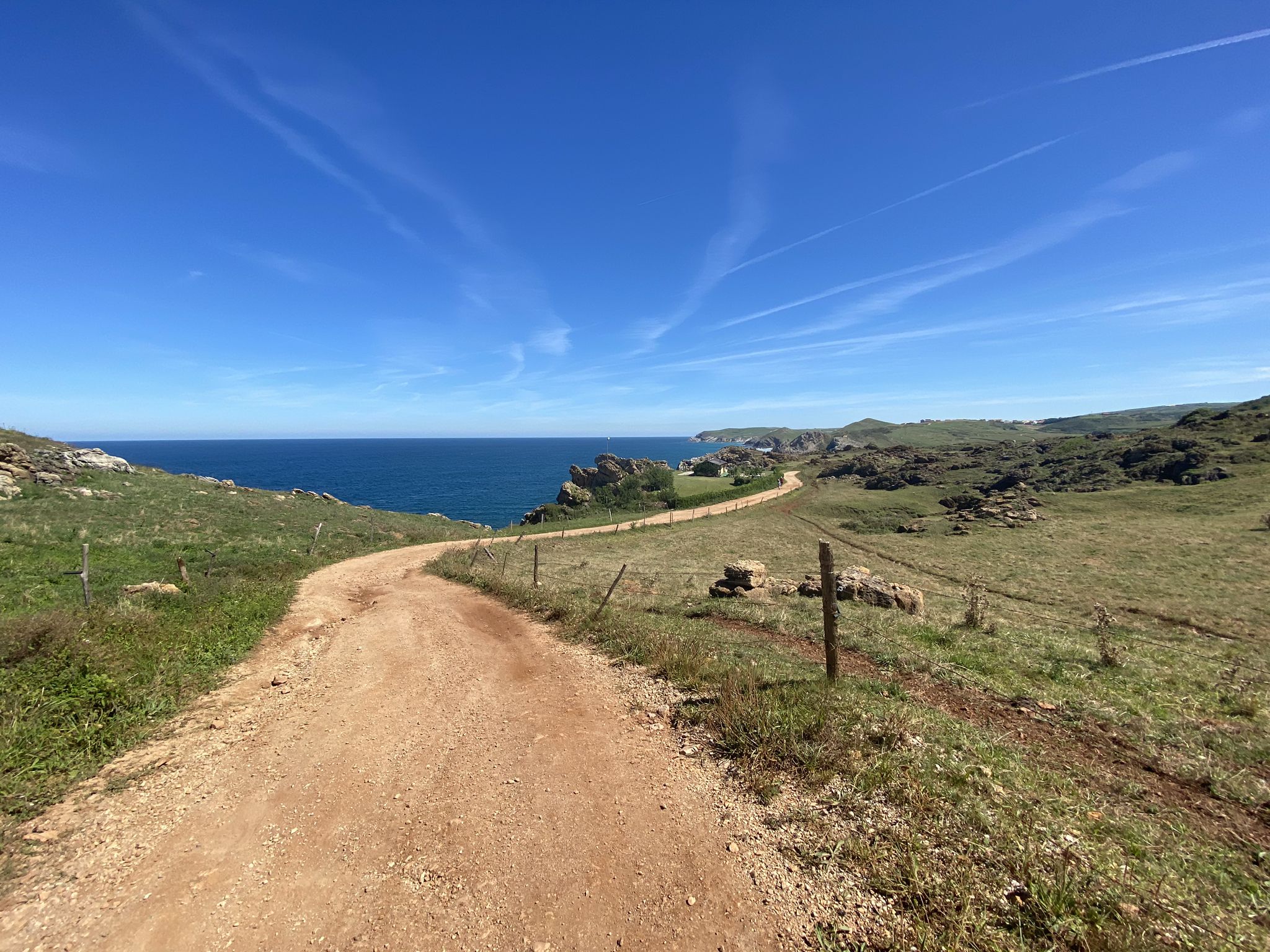
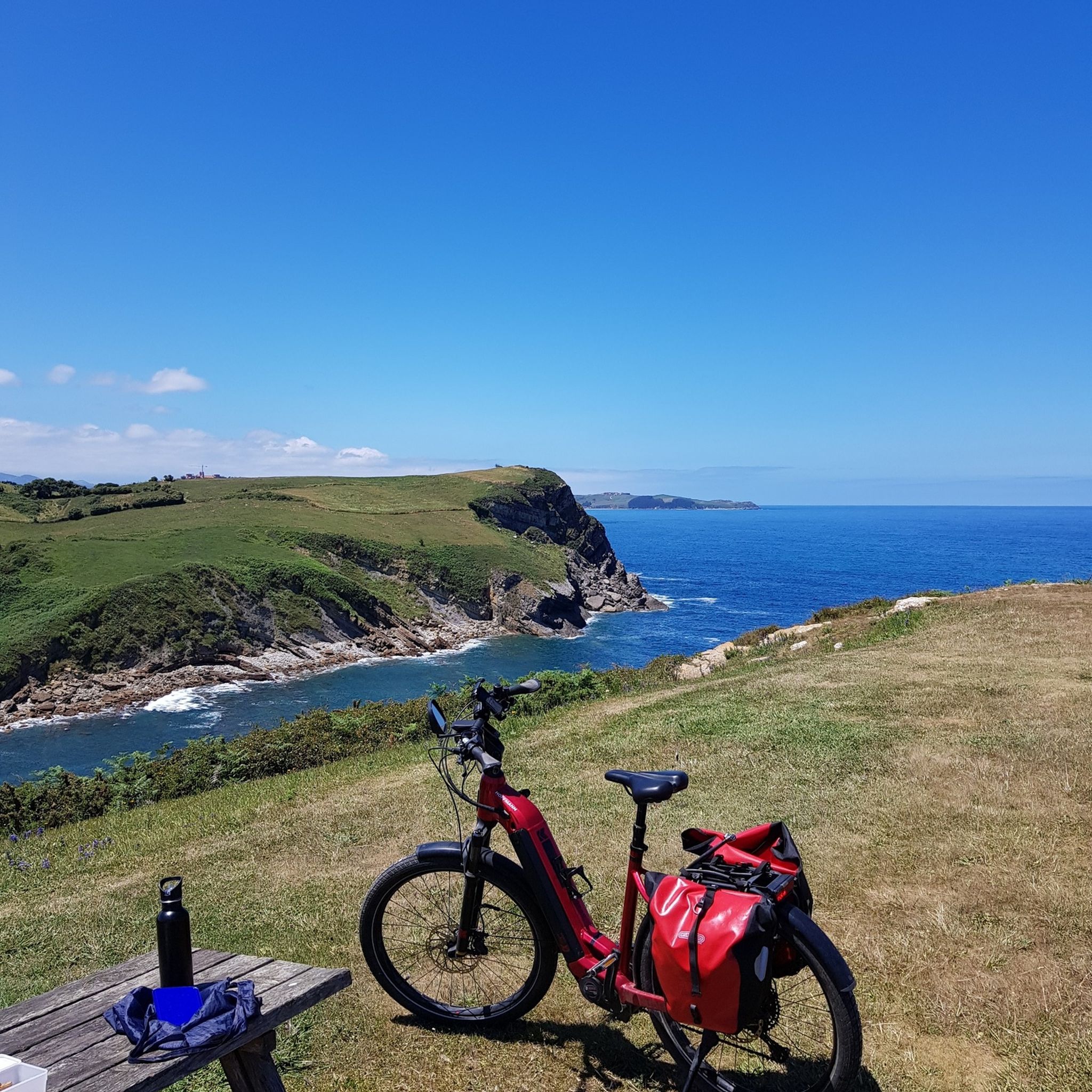
Gravel biking in Oyambre offers diverse landscapes across Cantabria's "green coast" in northern Spain. The region is characterized by a varied coastal environment with cliffs, expansive beaches, and biologically rich estuaries. Inland, the terrain transitions to rolling hills, lush meadows, and extensive woodlands like Monte Corona, providing a dynamic backdrop for gravel cycling. These natural features create a network of trails suitable for exploring both the coast and the interior, offering varied Oyambre gravel cycling terrain.
Best gravel bike trails in Oyambre
- The most popular gravel bike trail is San Vicente de la Barquera – Oyambre Natural Park loop from San Vicente de la Barquera, a 32.5 miles (52.3 km) trail that takes 4 hours 44 minutes to complete. This difficult route explores the diverse landscapes of Oyambre Natural Park.
- Another top favourite among local gravel bikers is View of Comillas – Viewpoint overlooking Comillas Beach loop from Comillas, a difficult 31.0 miles (49.9 km) path. This route offers coastal views and leads through scenic viewpoints.
- Local gravel bikers also love the View of Comillas – View of the Cantabrian Sea loop from Cóbreces, a 26.9 miles (43.4 km) trail leading through coastal areas and offering views of the Cantabrian Sea, often completed in about 3 hours 30 minutes.
- Gravel biking in Oyambre is defined by coastal paths, rolling inland hills, and woodlands. The existing network of trails provides options for challenging rides across varied terrain.
- The routes in Oyambre are highly rated by the komoot community with an average score of 4.5 stars from over 2 reviews. More than 40 gravel bikers have used komoot to explore Oyambre's varied terrain.
Last updated: July 16, 2026
3
riders
51.3km
04:01
1,040m
1,050m
Hard gravel ride. Very good fitness required. Mostly paved surfaces. Suitable for all skill levels.
3
riders
Hard gravel ride. Very good fitness required. Mostly paved surfaces. Suitable for all skill levels.

Sign up for free
2
riders
Hard gravel ride. Very good fitness required. Mostly paved surfaces. Suitable for all skill levels.
7
riders
45.4km
03:35
950m
950m
Hard gravel ride. Very good fitness required. Mostly paved surfaces. Suitable for all skill levels.
4.0
(1)
4
riders
48.5km
03:29
960m
960m
Hard gravel ride. Very good fitness required. Mostly paved surfaces. Suitable for all skill levels.
Get access to more routes and recommendations from other explorers.
Sign up for free
Already have an account?
Our route recommendations are based on thousands of hikes, rides, and runs completed by other people on komoot.
Start today with a free account
Your next adventure awaits.
Login or Signup

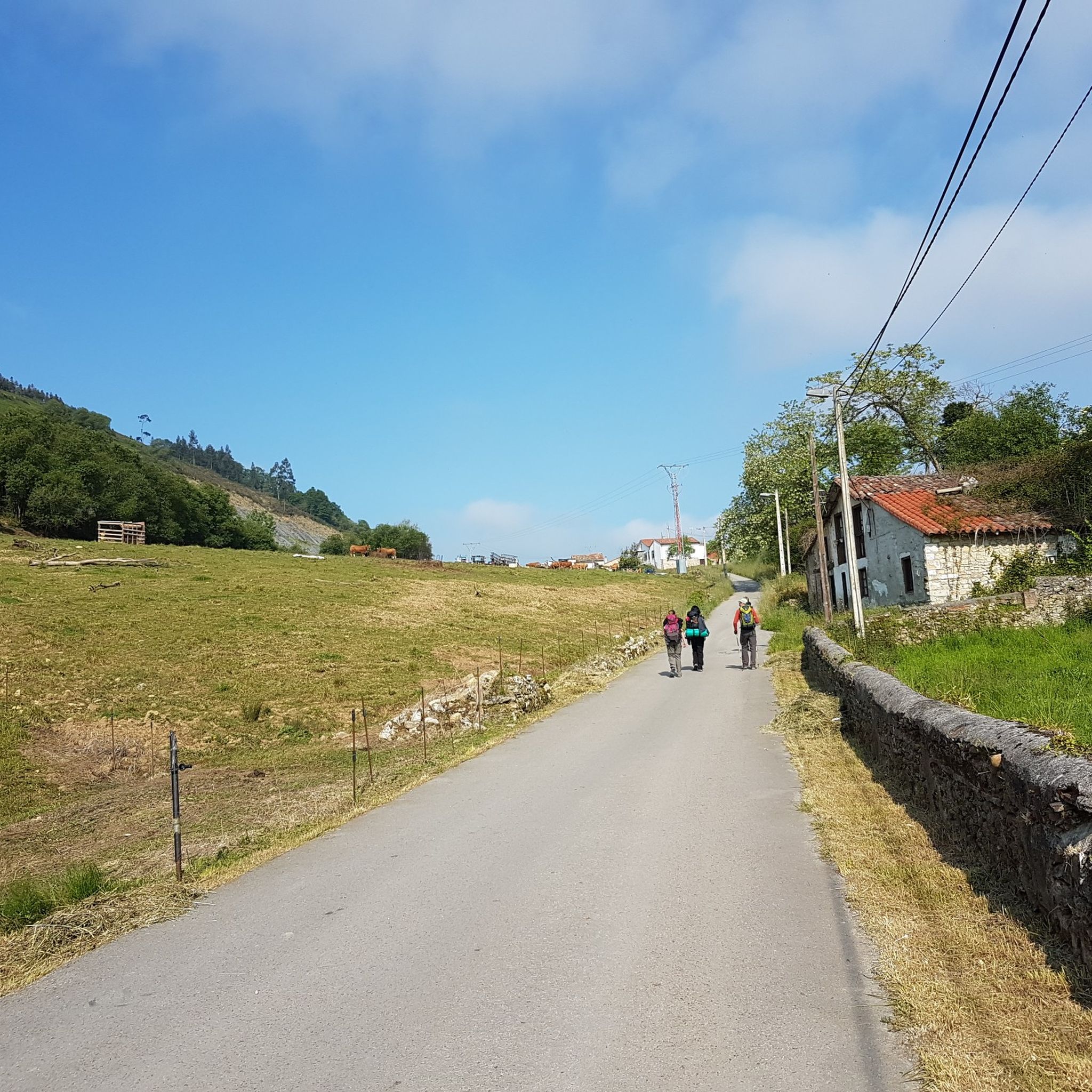
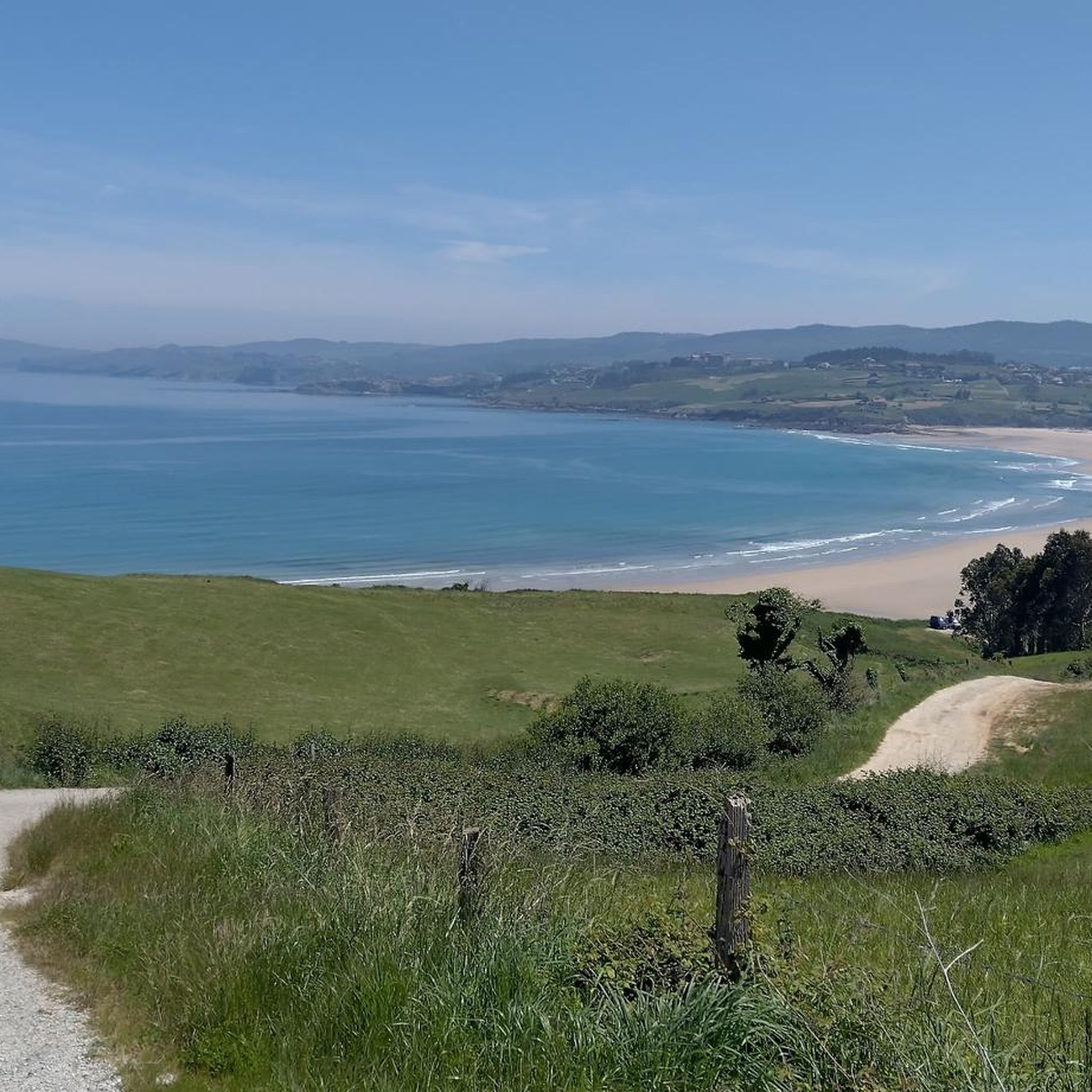
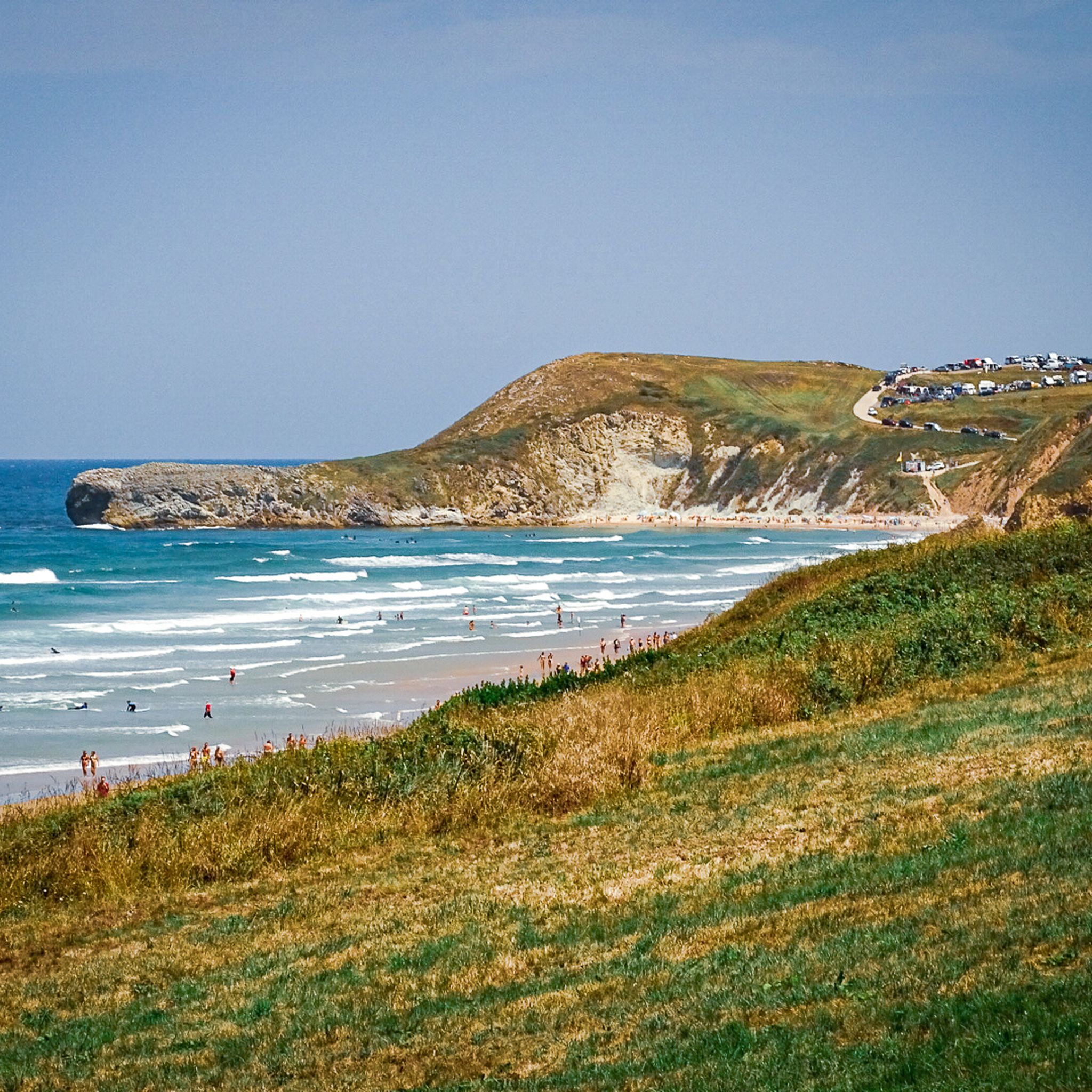

Tips from the Community

The Palacio de Sobrellano, also known as the Palacio del Marqués de Comillas, is one of the most important architectural jewels in Cantabria. It was built in the 19th century and stands out for its neo-Gothic style and its close connection with the Indian legacy and the Spanish aristocracy.
2
0

Precious stretch, with views of the coast
0
0

An area with a unique landscape and spectacular natural surroundings
0
0

Beautiful hermitage located on the slopes of Monte Corona
1
0

A good place to stop along the way
0
0
A good place to stop along the way
0
0

Particularly beautiful view of the bays and sandy beaches.
0
0

Unfortunately only accessible as a group tour
1
0
Frequently Asked Questions
How many gravel bike trails are available in Oyambre Natural Park?
Oyambre Natural Park offers a selection of 8 gravel bike trails. These routes are generally considered difficult, providing a challenging and rewarding experience across the park's diverse landscapes.
What is the best time of year for gravel biking in Oyambre?
The 'green coast' of Cantabria, where Oyambre is located, generally offers pleasant conditions for gravel biking for much of the year. Spring and autumn are ideal, with milder temperatures and lush scenery. While specific winter conditions aren't detailed, the coastal location suggests less extreme cold than inland areas, but always check local weather forecasts.
What are the typical difficulty levels for gravel biking routes in Oyambre?
The gravel biking routes in Oyambre are predominantly classified as difficult. They often feature significant elevation changes, with routes like the San Vicente de la Barquera – Oyambre Natural Park loop climbing over 1000 meters, making them suitable for experienced riders seeking a challenge.
Are there any circular gravel bike routes in Oyambre?
Yes, many of the gravel bike routes in Oyambre are designed as loops, allowing you to start and finish in the same location. For example, the View of Comillas – San Pedro Church of Oreña loop from Comillas is a popular circular option.
What natural features can I expect to see while gravel biking in Oyambre?
Gravel biking in Oyambre offers a stunning variety of natural features. You'll encounter dramatic coastal cliffs, expansive beaches like Merón and Oyambre, biologically rich estuaries, significant dune complexes, and lush inland meadows. Routes also traverse extensive woodlands such as Monte Corona.
Are there any historical landmarks or towns to explore near the gravel trails?
Absolutely. The fishing village of San Vicente de la Barquera, located within the park, boasts medieval architecture, including the impressive Church of Santa María de los Ángeles and castle remains. The nearby town of Comillas is also known for its viewpoints and monuments. You can even find the San Esteban Hermitage at the top of Monte Corona, offering panoramic views.
Where can I find panoramic views along the gravel bike routes?
Many routes offer spectacular views. The View of Comillas – Viewpoint overlooking Comillas Beach loop is specifically designed to showcase coastal vistas. Additionally, the San Esteban Hermitage on Monte Corona provides extensive panoramic views of both the sea and mountains.
Is there public transport access to the gravel biking areas in Oyambre?
Oyambre Natural Park is situated between the towns of Comillas and San Vicente de la Barquera, both of which have public transport connections. While specific bus routes directly to trailheads might be limited, these towns serve as good starting points for exploring the park by bike. It's advisable to check local bus schedules for the most current information.
Where can I park my car when starting a gravel bike ride in Oyambre?
Given the park's proximity to towns like San Vicente de la Barquera and Comillas, you can typically find parking in or near these settlements. Many routes, such as the View of Comillas – View of the Cantabrian Sea loop from Venta de Tramalón, start from specific locations that may offer parking facilities. Look for designated parking areas in the towns or at popular beach access points.
Are there any cafes or places to stop for refreshments along the gravel routes?
The gravel routes often pass through or near the charming towns and villages within and around Oyambre Natural Park, such as San Vicente de la Barquera and Comillas. These locations offer various cafes, restaurants, and shops where you can refuel and refresh during your ride. Planning your route with these stops in mind is recommended.
Are there family-friendly gravel biking options in Oyambre?
While many of the listed gravel routes are classified as difficult, Oyambre Natural Park's extensive network of trails and diverse landscapes means there are likely flatter, less technical paths suitable for families, especially along the estuaries or through meadows. However, for dedicated family-friendly gravel routes, it's best to look for shorter, less elevated sections or explore the general park paths.
Can I bring my dog on the gravel bike trails in Oyambre?
Oyambre Natural Park is generally welcoming to dogs, but it's crucial to keep them on a leash, especially in protected areas, near wildlife, or on shared paths. Always ensure you clean up after your pet. Specific trail regulations regarding dogs may vary, so check local signage.
What do other gravel bikers enjoy most about riding in Oyambre?
The komoot community highly rates gravel biking in Oyambre, with an average score of 4.75 stars from over 6 reviews. Riders frequently praise the diverse terrain, which transitions from coastal paths with stunning sea views to rolling inland hills and tranquil woodlands. The challenging nature of the routes and the opportunity to explore both natural beauty and historic towns are also highly valued.
Most popular routes in Oyambre
Most popular attractions in Oyambre

Get inspired with the komoot mobile app


Explore more
Browse the best Gravel rides in other regions.
