The best gravel rides around Castino
3.7
(10)
48
riders
7
rides
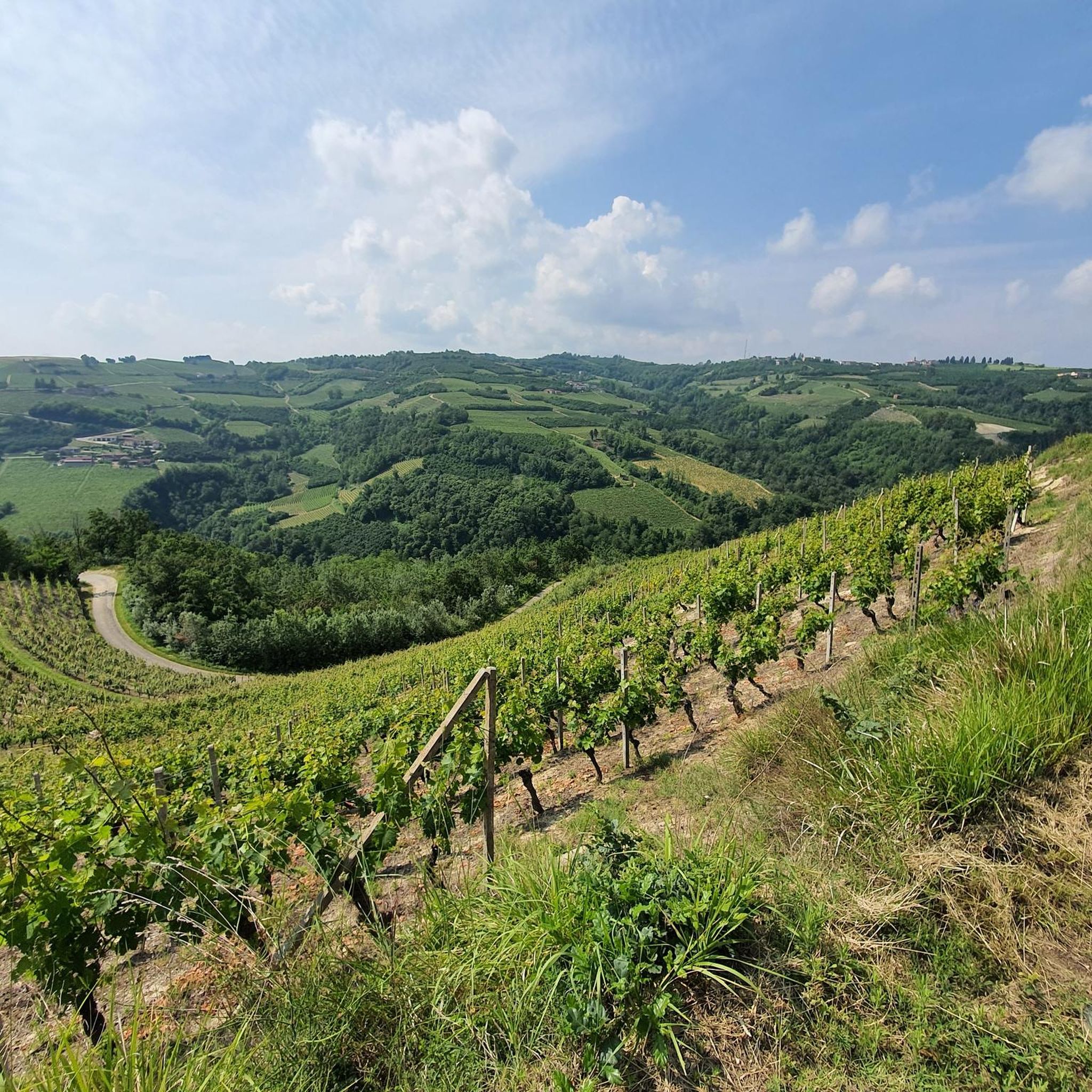
Gravel biking around Castino offers routes through the hilly landscape of Piedmont, characterized by rolling vineyards, rural villages, and forested sections. The terrain often includes significant elevation changes, providing challenging climbs and rewarding descents on unpaved roads and tracks. This region features diverse topography, including crests of valleys and narrow, steep ridges, with routes traversing stone mule tracks, asphalted roads, and paths through cool woods and clearings. The agricultural areas are interspersed with natural woodlands, creating varied gravel cycling experiences.
…Last updated: July 16, 2026
3
riders
36.7km
03:00
1,100m
1,100m
Hard gravel ride. Very good fitness required. Mostly paved surfaces. Suitable for all skill levels.
3.7
(3)
12
riders
50.9km
03:52
1,310m
1,310m
Hard gravel ride. Very good fitness required. Mostly paved surfaces. Suitable for all skill levels.

Sign up for free
4
riders
97.1km
07:22
2,470m
2,470m
Hard gravel ride. Very good fitness required. You may need to push your bike for some segments of this route.
6
riders
32.9km
02:29
760m
760m
Hard gravel ride. Very good fitness required. You may need to push your bike for some segments of this route.
4.5
(2)
3
riders
43.1km
03:43
1,270m
1,270m
Hard gravel ride. Very good fitness required. Mostly paved surfaces. Suitable for all skill levels.
Get access to more routes and recommendations from other explorers.
Sign up for free
Already have an account?
Our route recommendations are based on thousands of hikes, rides, and runs completed by other people on komoot.
Start today with a free account
Your next adventure awaits.
Login or Signup
Popular around Castino
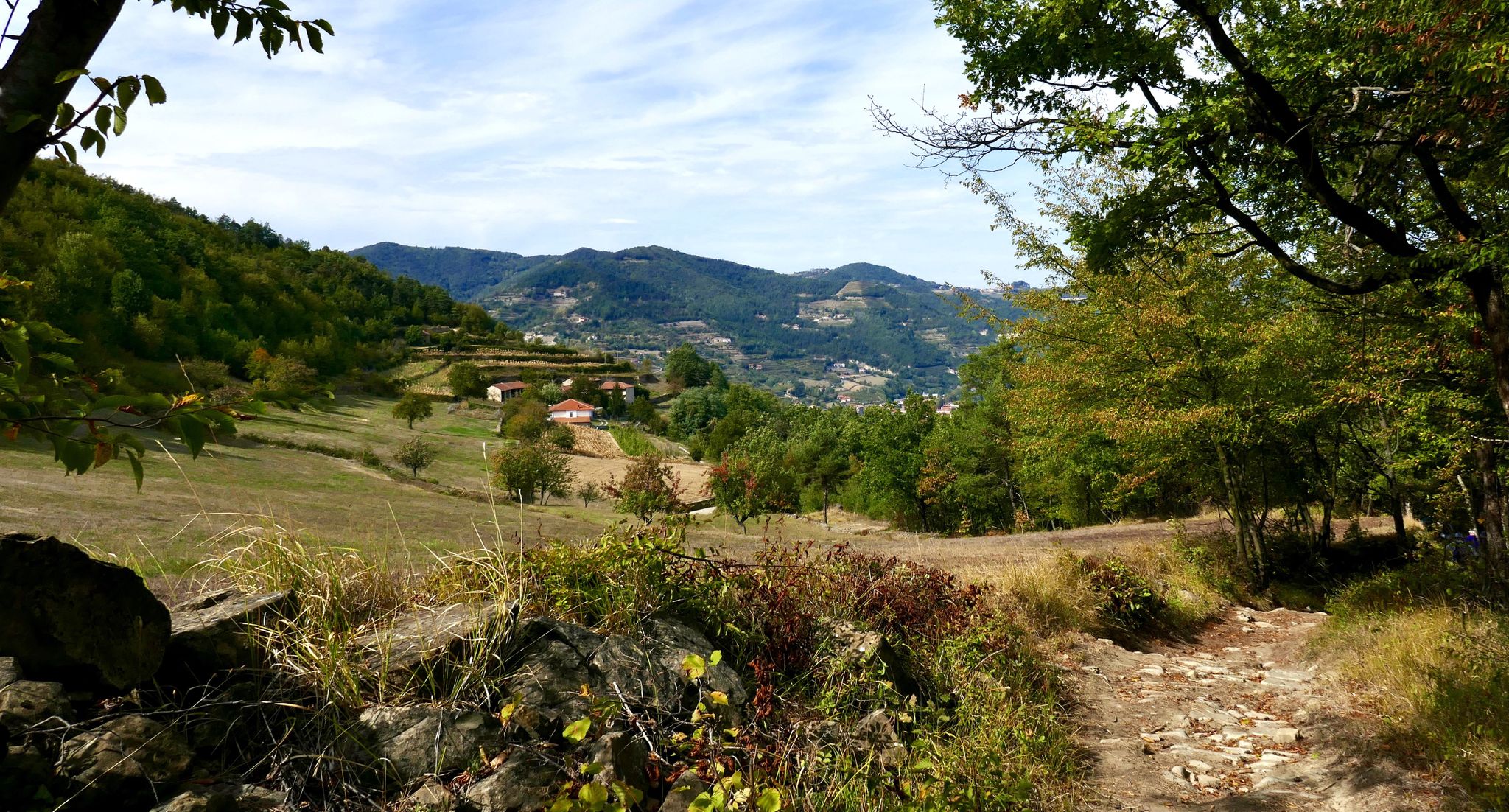
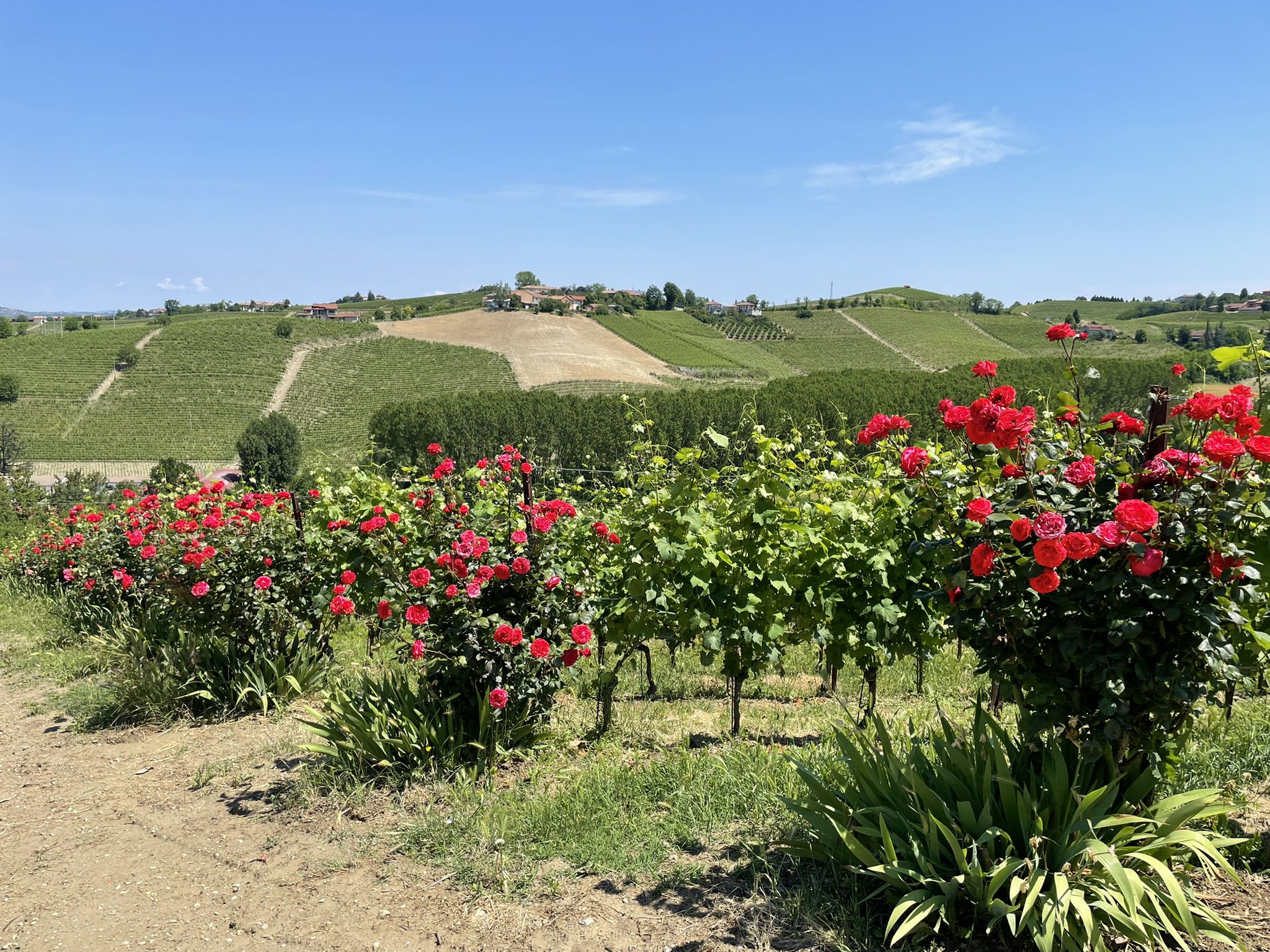
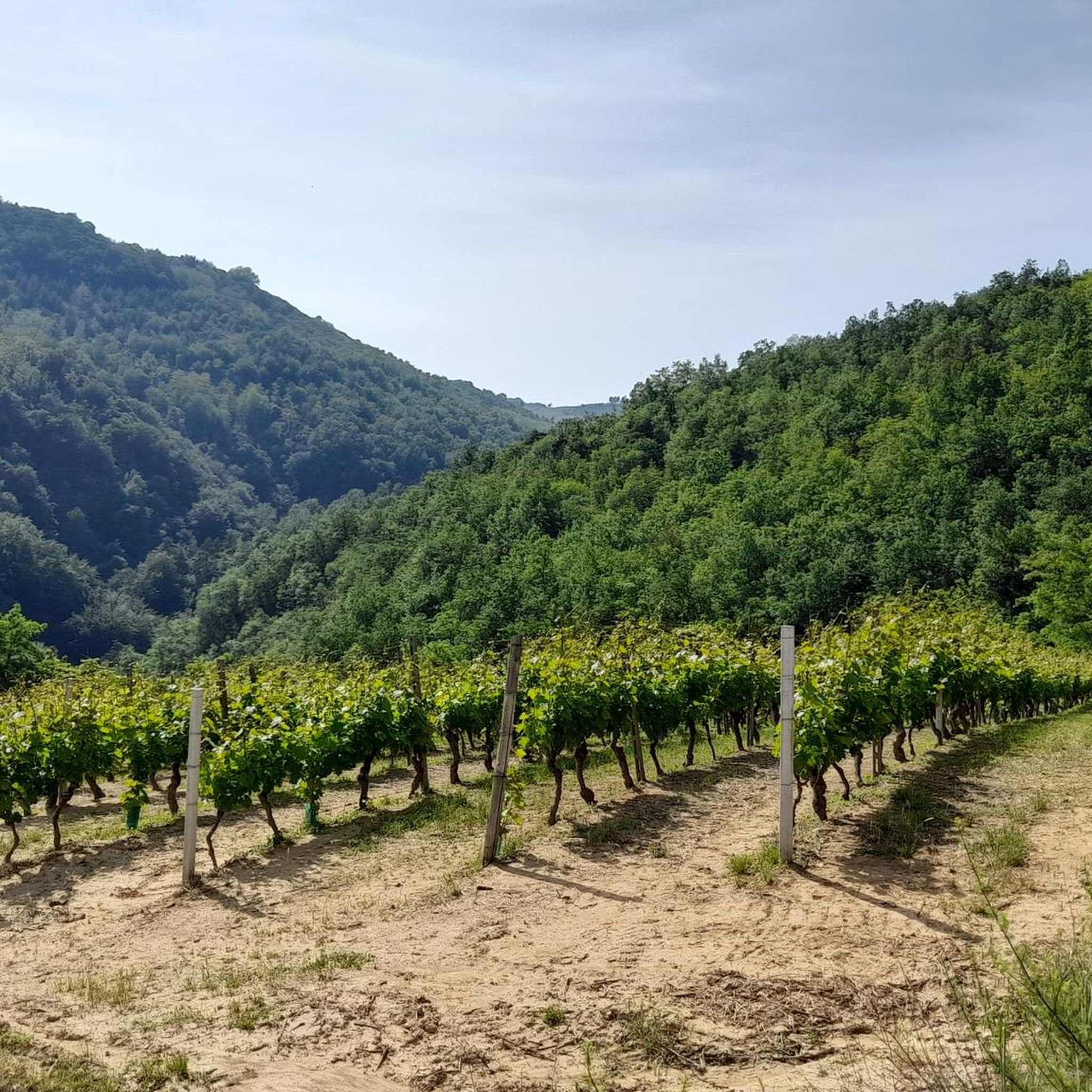
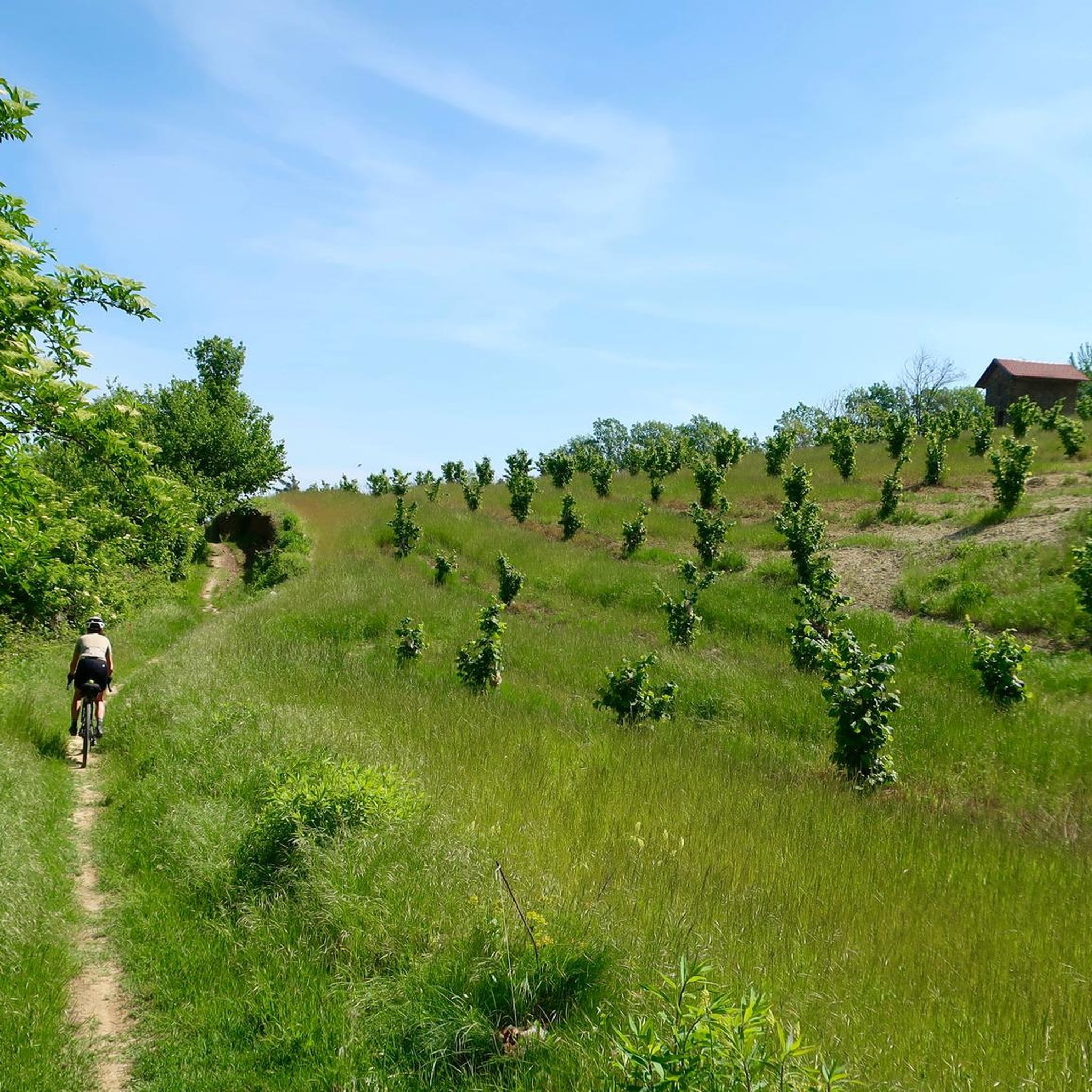

Tips from the Community

Monastero Bormida is a charming Italian medieval village located in the province of Asti, in Piedmont, nestled in the picturesque landscapes of the Langa Astigiana. The village was founded around the year 1050, when a group of Benedictine monks was called by Marquis Aleramo to clear and repopulate the lands devastated by Saracen raids.
0
0
Roccaverano is a charming and authentic Italian municipality located in the province of Asti, in Piedmont. With an altitude of about 800 meters, it rises on the hill that divides the Bormida valleys and is the highest inhabited center in the entire Asti area. This picturesque medieval village is internationally famous for two main reasons: its rich historical heritage and the production of the renowned Robiola di Roccaverano DOP.
0
0
Roccaverano is a charming and authentic Italian municipality located in the province of Asti, in Piedmont. At about 800 meters above sea level, it stands on the hill that divides the Bormida valleys and is the highest inhabited center in the entire Asti region. This picturesque medieval village is internationally famous for two main reasons: its rich historical heritage and the production of the renowned Robiola di Roccaverano DOP
0
0
Olmo Gentile is located in Piedmont, in the province of Asti. Location information It stands at an altitude of 615 meters on the hills of Alte Langhe (Langa Astigiana), an area famous for its landscapes and hazelnut groves, close to the border with Liguria.
0
0

The Castle of Monastero Bormida was not originally built as a defensive structure but as a Benedictine monastery, founded around 1050 by monks from the Abbey of Fruttuaria, called by the Aleramici Marquises to reclaim the lands devastated by Saracen raids. The 27-meter tower still visible today was originally the bell tower, and the river flowing a few meters from the southern tower confirms the non-military nature of the building. In 1393, the Benedictines abandoned the monastery, and its feudal history began: the fief passed to the Del Carretto marquises, who in the 15th century added the first defensive structures, transforming it into a castle. The building is a quadrangular structure with an internal courtyard, protected by towers on multiple sides and connected to the former bell tower by a small suspension bridge. On the south facade, there is a two-arched Renaissance loggia with a small stone column. Inside, the rooms on the main floor—transformed in the 17th century—feature mosaic floors and sail and cross vaults with frescoes of floral and geometric motifs. The castle later passed to the Della Rovere family and subsequently to the Genoese Polleri family, finally becoming the property of the Municipality starting in 1880. Today it is open to visitors and is part of the regional circuit "Castelli Aperti".
1
0

Ecclesiastical building kept in perfect condition
11
0
The ROMANESQUE BRIDGE dates back to the 14th century. Through the characteristic Vicolo del Droc—where one of the city gates once stood and where the entrance to an ancient oven can still be seen—you reach the Romanesque bridge over the Bormida River, still in use. It represents one of the most interesting works of medieval civil engineering in the valley, and its counterpart, in Spigno, is the similar bridge at the Abbey of San Quintino. Both were built by Benedictine monks. It is a massive humpbacked structure with four spans. The Monastero bridge was the only one passable year-round from the lower valley: Acqui did not have one.
17
0
Exceptional view of Roccaverano.
7
0
Frequently Asked Questions
How many gravel bike trails are available around Castino?
There are over 10 gravel bike routes in the Castino area, offering a variety of experiences through the hilly landscape of Piedmont. Most routes are considered difficult, with a couple of moderate options available.
What is the best season for gravel biking in Castino?
The spring and autumn months are generally ideal for gravel biking in Castino. The weather is typically mild, and the vineyards offer beautiful scenery. Summer can be quite warm, while winter might bring colder temperatures and potentially challenging conditions on unpaved tracks.
Are there any family-friendly gravel bike routes near Castino?
While many routes in Castino feature significant elevation changes and are rated as difficult, some shorter, less intense sections of the longer trails might be suitable for families with older, experienced children. For a moderate option, consider exploring parts of the routes that stick to flatter agricultural tracks. Always check the route profile for elevation and terrain before heading out with family.
What kind of terrain can I expect on Castino's gravel bike trails?
Castino's gravel bike trails are characterized by undulating hills, unpaved roads, agricultural tracks, and sections of natural woodland paths. You'll encounter rolling vineyards, rural villages, and forested areas, often with significant elevation changes that provide both challenging climbs and rewarding descents.
Are there any circular gravel biking routes in the Castino area?
Yes, many of the gravel routes around Castino are designed as loops. For example, the Roccaverano – Monastero Bormida loop from Perletto and the Roccaverano – Tower of Roccaverano loop from Castino are popular circular options that allow you to start and end in the same location.
What are some scenic highlights I can see while gravel biking around Castino?
The region is rich in scenic beauty and historical sites. You can expect views of rolling vineyards, rural villages, and historic towers. Notable attractions include the Barbaresco Tower, the charming settlement of Cortemilia, and various historic churches and castles like Roccaverano and the Cravanzana Village and Castle.
Are there any routes with opportunities for refreshment stops?
While specific pub stops are not detailed for every route, many trails pass through or near rural villages and settlements like Cortemilia or Roccaverano. These often provide opportunities for a coffee, a meal, or to refill water bottles. The route Drinking Fountain with Fresh Water – Lequio Berria loop from Manera even highlights a fresh water source.
What do other gravel bikers enjoy most about the Castino area?
The Castino area is highly rated by the komoot community, with an average score of 4.4 stars from over 15 reviews. Riders often praise the varied terrain, the challenging climbs, and the beautiful, quiet landscapes of the Piedmont region, particularly the rolling vineyards and historic villages.
What are some of the more challenging gravel bike routes in Castino?
Many of Castino's routes are considered difficult due to significant elevation changes. For a substantial challenge, consider the Bossolasco Bicycle Sculptures – Alta Langa loop from Benevello, which is over 80 km long and features considerable climbing through the Alta Langa area.
How long do gravel bike rides typically take in Castino?
The duration of gravel bike rides in Castino varies significantly depending on the route length and elevation. Shorter, more moderate routes like the Drinking Fountain with Fresh Water – Lequio Berria loop from Manera (21.9 km) can take around 2 hours. Longer, more difficult trails, such as the Barbaresco – Baracco Square, Treiso loop from Neive (32.8 km), can take 2.5 to 3 hours or more, especially with the hilly terrain.
Are there any less crowded gravel trails in the Castino region?
The Castino area, being part of the rural Piedmont region, generally offers a more tranquil gravel biking experience compared to more urbanized areas. Many routes traverse agricultural tracks and natural woodlands, providing a sense of solitude. To find even quieter options, consider exploring routes during off-peak hours or outside of major holiday seasons.
Most popular attractions around Castino

Get inspired with the komoot mobile app


Explore more
Browse the best Gravel rides in other regions.
