The best gravel rides around Montabone
4.0
(2)
30
riders
20
rides
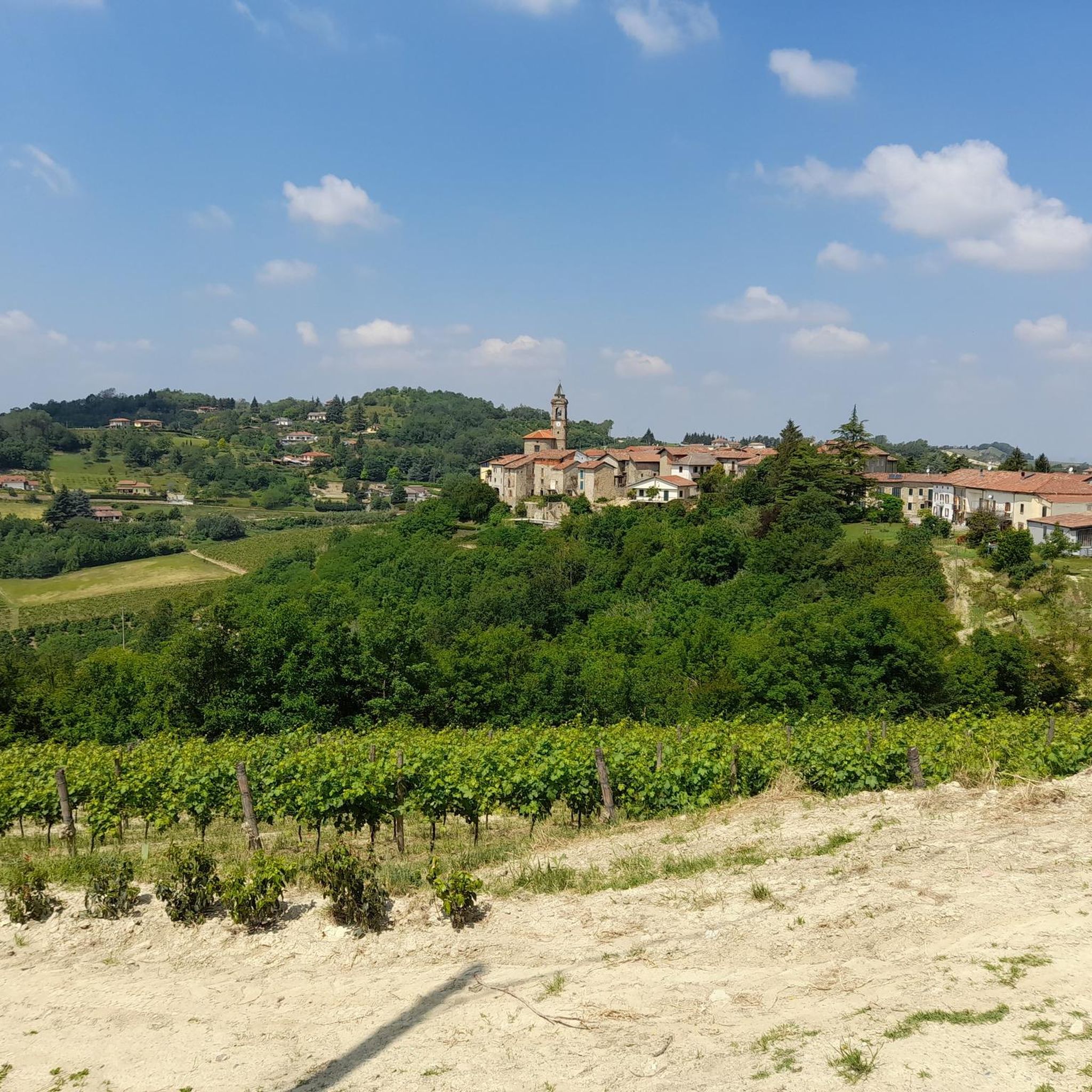
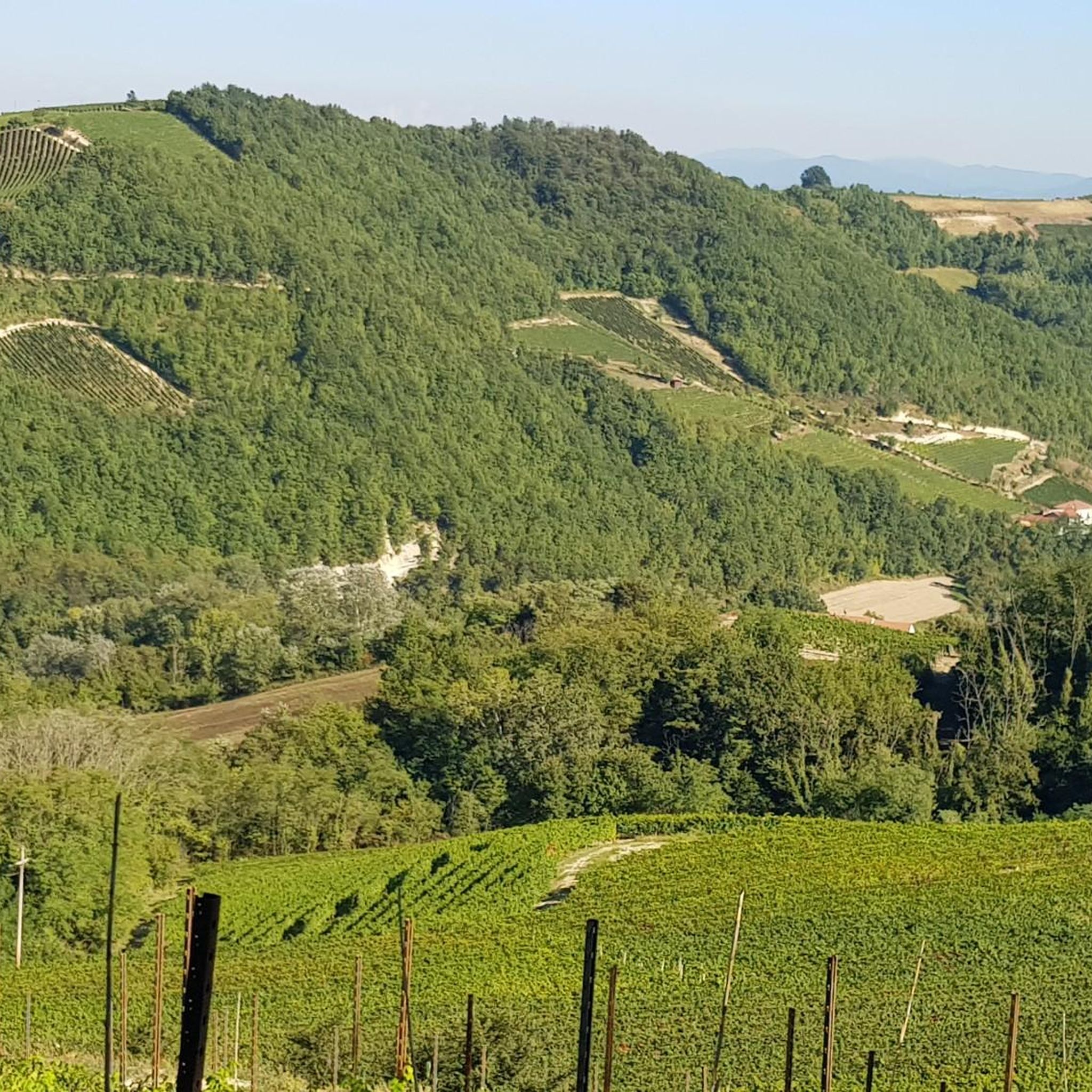
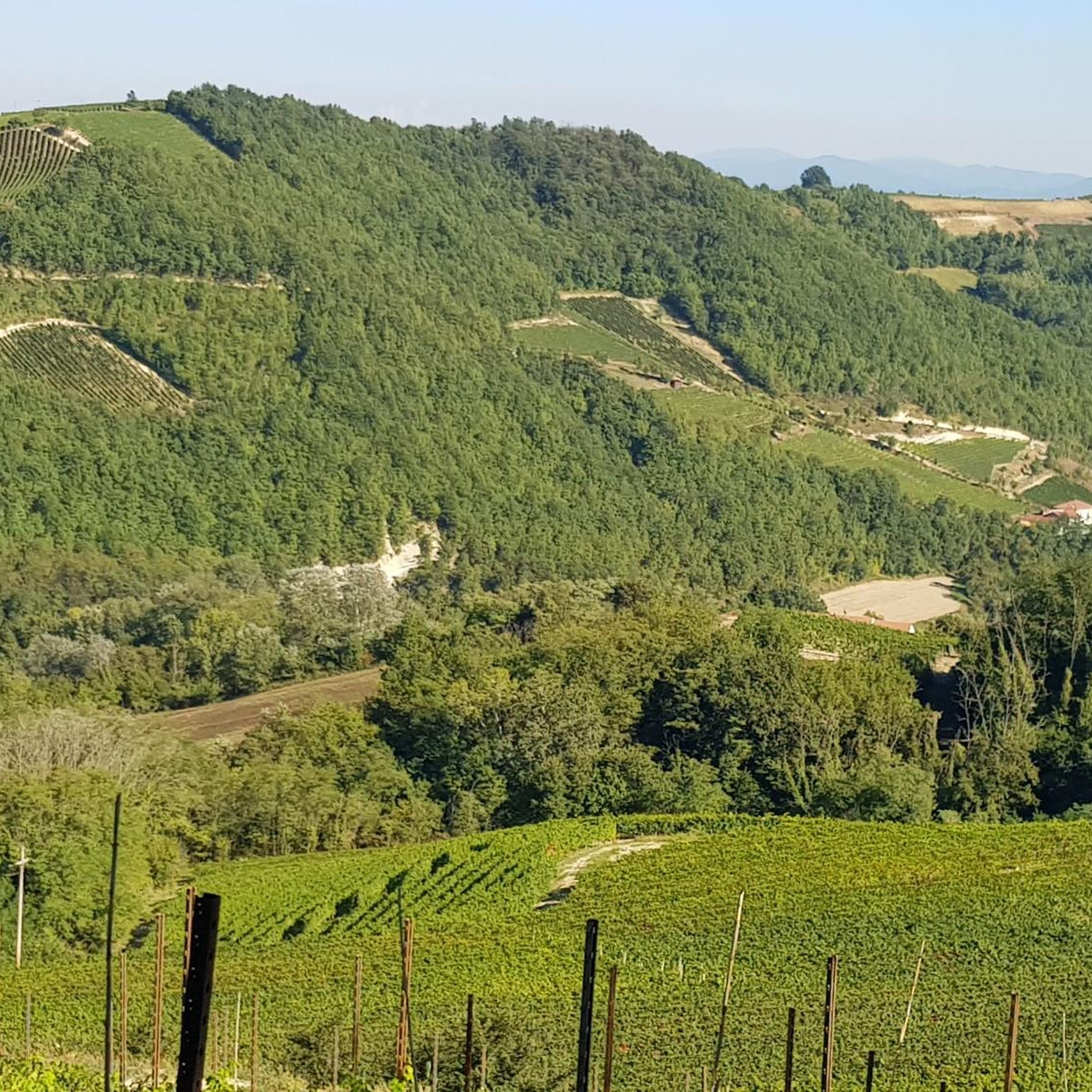
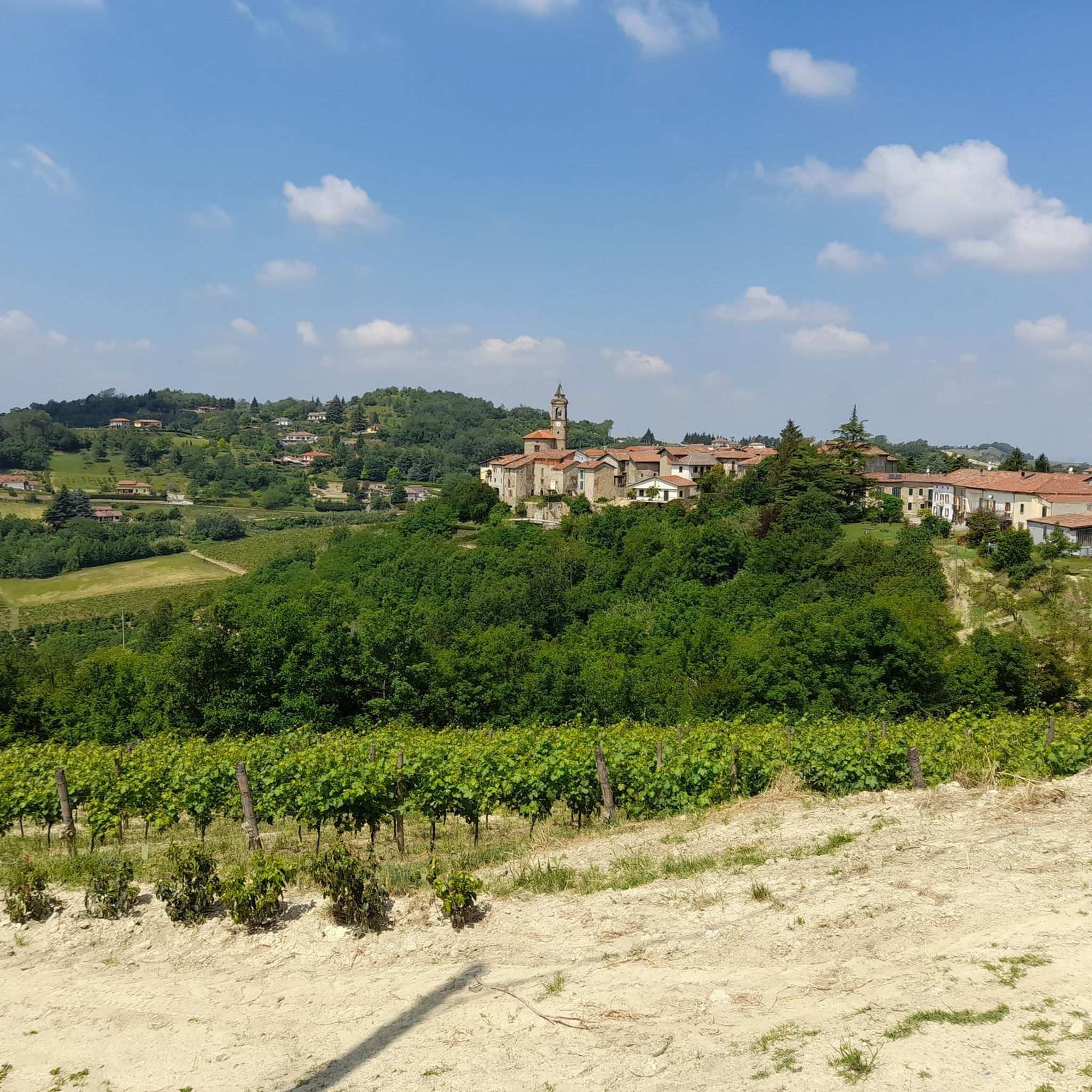
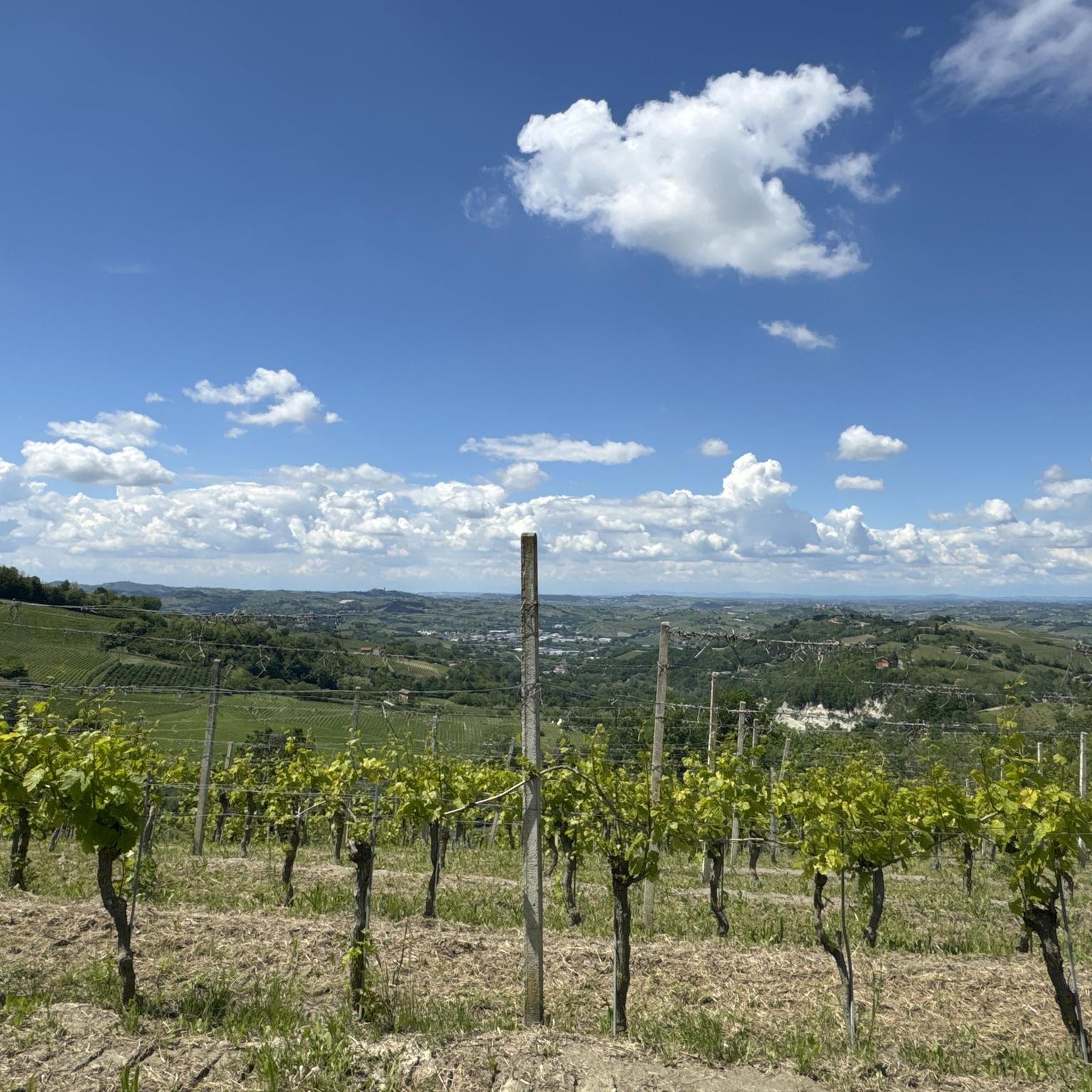
Gravel biking around Montabone offers varied terrain characterized by rolling hills and extensive vineyards, typical of the Piedmont region. The area features a network of "strade bianche" (white roads) and dirt paths that wind through the landscape. These routes provide diverse options for gravel cyclists, from gentle ascents to more challenging climbs. The region's geography combines natural beauty with cultural heritage, making it suitable for exploring on a gravel bike.
Best gravel bike trails around Montabone
- The most popular gravel…
Last updated: July 16, 2026
3
riders
29.1km
02:27
790m
790m
Hard gravel ride. Very good fitness required. Mostly paved surfaces. Suitable for all skill levels.
14
riders
105km
07:36
1,410m
1,410m
Hard gravel ride. Very good fitness required. Mostly paved surfaces. Suitable for all skill levels.

Sign up for free
5.0
(1)
4
riders
45.1km
03:24
950m
950m
Hard gravel ride. Very good fitness required. Mostly paved surfaces. Suitable for all skill levels.
3.0
(1)
3
riders
Hard gravel ride. Very good fitness required. Mostly paved surfaces. Suitable for all skill levels.
4
riders
39.7km
02:52
770m
770m
Hard gravel ride. Very good fitness required. Mostly paved surfaces. Suitable for all skill levels.
Get access to more routes and recommendations from other explorers.
Sign up for free
Already have an account?
Our route recommendations are based on thousands of hikes, rides, and runs completed by other people on komoot.
Start today with a free account
Your next adventure awaits.
Login or Signup
Tips from the Community

The Sanctuary of Santa Maria delle Grazie in Cassinasco is one of the main Marian places of worship in the town, often also referred to by variants such as Madonna delle Grazie or Sanctuary of the Madonna delle Grazie.
14
0

The Castle of Monastero Bormida was not originally built as a defensive structure but as a Benedictine monastery, founded around 1050 by monks from the Abbey of Fruttuaria, called by the Aleramici Marquises to reclaim the lands devastated by Saracen raids. The 27-meter tower still visible today was originally the bell tower, and the river flowing a few meters from the southern tower confirms the non-military nature of the building. In 1393, the Benedictines abandoned the monastery, and its feudal history began: the fief passed to the Del Carretto marquises, who in the 15th century added the first defensive structures, transforming it into a castle. The building is a quadrangular structure with an internal courtyard, protected by towers on multiple sides and connected to the former bell tower by a small suspension bridge. On the south facade, there is a two-arched Renaissance loggia with a small stone column. Inside, the rooms on the main floor—transformed in the 17th century—feature mosaic floors and sail and cross vaults with frescoes of floral and geometric motifs. The castle later passed to the Della Rovere family and subsequently to the Genoese Polleri family, finally becoming the property of the Municipality starting in 1880. Today it is open to visitors and is part of the regional circuit "Castelli Aperti".
0
0
+5 The cycle path between Canelli and Nizza Monferrato is an easy and scenic route of about 12-13 km, ideal for families, connecting the two towns in the Asti province via Calamandrana. The track, developed on a protected and asphalted surface, crosses the hills of Barbera and Moscato, offering an immersion into the UNESCO wine landscape.
17
0
Alice Bel Colle, located in Alto Monferrato, is a historic village of medieval origin, a fief of the counts of Acquesana and then the Gonzaga, finally subjected to the Savoy in 1708. Known for its vineyards and UNESCO wine landscapes, the town boasts a strong winemaking tradition, represented by the Cantina Sociale founded in 1955.
16
0
Rocchetta Palafea, in the province of Asti, is an ancient medieval village founded as a military garrison in the Belbo Valley, with documented origins dating back to around 960. Dominated by its characteristic quadrangular tower and surrounded by ancient walls, the town was an Aleramic fiefdom and then a Genoese one, preserving a historic atmosphere linked to its past as a fortress.
3
0
The Langhe-Roero and Monferrato wine landscapes in Piedmont are made up of five distinct wine-growing areas and a castle: the Langa of Barolo, the Barbaresco hills, Nizza Monferrato and Barbera, Canelli and Asti Spumante, the Monferrato of the Infernot, and the Castle of Grinzane Cavour.
0
0
Castelnuovo Calcea, located in the heart of the Monferrato Astigiano, has ancient origins linked to the Ligurian Statielli, Celts, and Gauls, before Roman colonization (Castrum Novum ad Calcea). The medieval village, known for its castle, destroyed several times starting in 1155, was a fiefdom of the Marquises of Incisa, the Trotti family, and finally the Savoy family in 1735.
0
0
Mombercelli, located in the Asti area in Val Tiglione.
0
0
Frequently Asked Questions
How many gravel bike trails are available around Montabone?
There are over 20 gravel bike trails around Montabone, offering a variety of experiences. These include 1 easy route, 8 moderate routes, and 14 difficult routes, catering to different skill levels.
What kind of terrain can I expect on gravel bike routes near Montabone?
The terrain around Montabone is characterized by rolling hills and extensive vineyards, typical of the Piedmont region. You'll encounter a network of 'strade bianche' (white roads) and dirt paths that wind through the landscape, offering both gentle ascents and more challenging climbs.
Are there any family-friendly gravel biking options in Montabone?
While many routes in the Montabone area are rated as difficult, there is at least one easy gravel bike route available. For families, it's best to look for routes with minimal elevation gain and shorter distances, focusing on the less technical 'strade bianche' sections. Always check the route details on komoot for specific difficulty and distance before heading out.
What are some scenic viewpoints or notable landmarks I can see while gravel biking in the region?
Many routes offer picturesque views of rolling hills and ancient vineyards. You can also explore historic villages and castles. For example, the Canelli – Costigliole d'Asti Castle loop from Nizza Monferrato offers views of historic castles like Costigliole d'Asti. Other notable landmarks include the Monastero Bormida and the Medieval Tower of Castelletto d'Erro.
Are there any circular gravel bike routes around Montabone?
Yes, many of the gravel bike routes around Montabone are designed as loops. For instance, the popular Roccaverano – Monastero Bormida loop from Monastero Bormida is a 28.9 km circular trail. Another option is the Murals of Fontanile – Nizza Monferrato Town Square loop from Calamandrana, which is 46.6 km long.
What is the best time of year for gravel biking in Montabone?
The Piedmont region, where Montabone is located, is known for its beautiful landscapes throughout much of the year. Spring and autumn generally offer pleasant temperatures and stunning scenery, with vineyards changing colors. Summers can be warm, while winters might be cooler, but the 'strade bianche' are often rideable. Always check local weather conditions before planning your trip.
What do other gravel bikers enjoy most about the trails in Montabone?
The gravel biking routes in Montabone are highly rated by the komoot community, with an average score of 3.5 stars. Riders often praise the varied terrain, the extensive network of 'strade bianche', and the beautiful scenery of rolling hills and vineyards that connect historic villages.
Are there any unique natural features to see near the gravel routes?
Yes, a unique natural feature nearby is the La Bollente Hot Spring Fountain in Acqui Terme. This octagonal-shaped shrine gushes sulphurous-salty-bromine-iodine water at a temperature of 74.5°C (166°F), offering a distinctive stop not far from some of the biking areas.
Can I find routes that pass through historic villages or offer cultural stops?
Absolutely. The region is rich in cultural heritage. Many gravel routes, like the Murals of Fontanile – Nizza Monferrato Town Square loop from Calamandrana, lead through rolling hills and historic villages. You can also find routes that pass near attractions such as the Monastero Bormida, known for its historic castle, or the Bubbio Village and Church of San Grato.
What is the longest gravel bike route available in the Montabone area?
One of the longest and most challenging routes is the Canelli – Costigliole d'Asti Castle loop from Nizza Monferrato. This difficult path covers 100.4 km (62.4 miles) and traverses extensive vineyards, offering views of historic castles.
Are there options for advanced gravel cyclists seeking a challenge?
Yes, Montabone offers plenty for advanced gravel cyclists. Out of the 23 available routes, 14 are rated as difficult, featuring significant elevation gain and longer distances. Routes like the Canelli – Costigliole d'Asti Castle loop from Nizza Monferrato, at over 100 km, provide a substantial challenge.
What kind of historical sites can I visit along the gravel trails?
The region is dotted with historical sites. You can find routes that pass by ancient castles, such as the Monastero Bormida or the Medieval Tower of Castelletto d'Erro. Additionally, the Roman Aqueduct of Acqui Terme is another significant historical landmark in the vicinity.
Most popular attractions around Montabone

Get inspired with the komoot mobile app


Explore more
Browse the best Gravel rides in other regions.
