The best gravel rides around San Colombano Belmonte
4.4
(6)
100
riders
18
rides
Gravel biking around San Colombano Belmonte offers routes through the varied terrain of the Piedmont region. The landscape is characterized by rolling hills, agricultural fields, and river valleys, providing a mix of surfaces suitable for gravel bikes. Riders can expect paths that wind through rural areas, occasionally passing by small villages and historical mills. The region's topography includes gentle ascents and descents, making it accessible for different skill levels.
Best gravel bike trails around San Colombano Belmonte
- The most popular…
Last updated: October 21, 2026
4.7
(3)
13
riders
46.7km
03:17
560m
560m
Hard gravel ride. Very good fitness required. Mostly paved surfaces.
7
riders
52.8km
03:24
260m
260m
Moderate gravel ride. Good fitness required. Mostly paved surfaces.

10
riders
62.9km
04:08
560m
560m
Hard gravel ride. Very good fitness required. You may need to push your bike for some segments of this route.
4.0
(1)
7
riders
30.1km
01:46
120m
120m
Easy gravel ride. Mostly paved surfaces.
5.0
(1)
5
riders
36.1km
02:27
360m
360m
Moderate gravel ride. Good fitness required. Mostly paved surfaces.
Get access to more routes and recommendations from other explorers.
Already have an account?
Our route recommendations are based on thousands of hikes, rides, and runs completed by other people on komoot.
Start today with a free account
Your next adventure awaits.
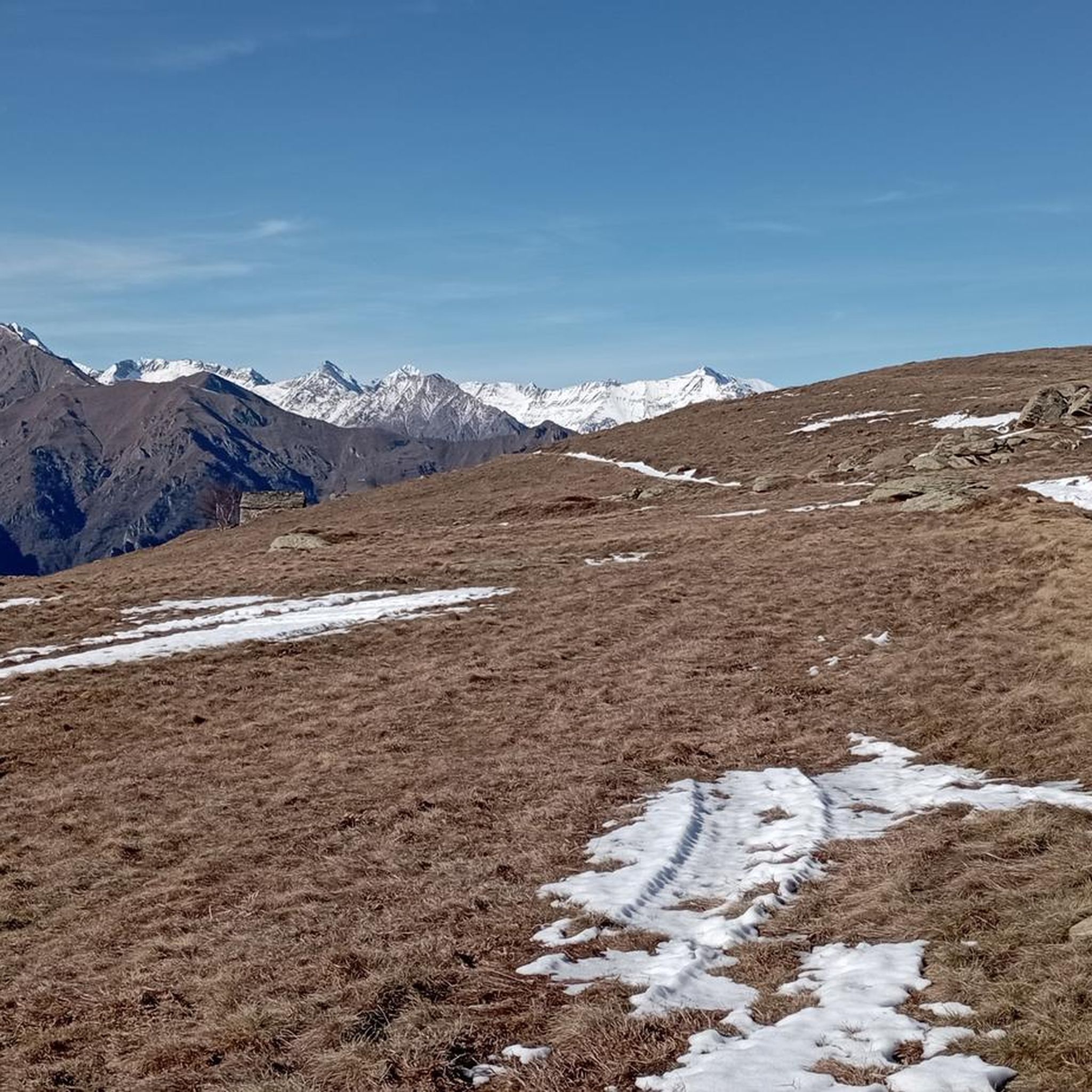
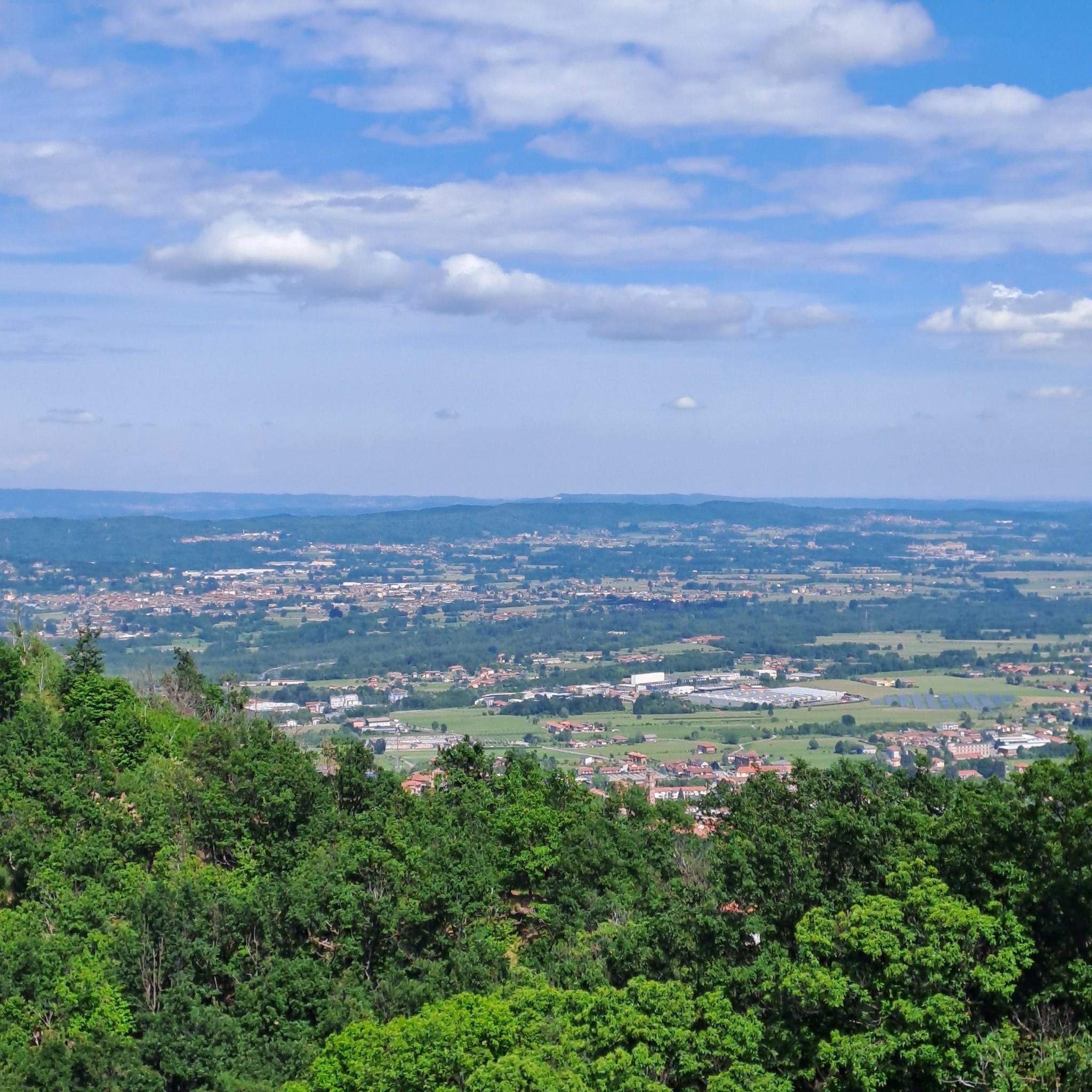
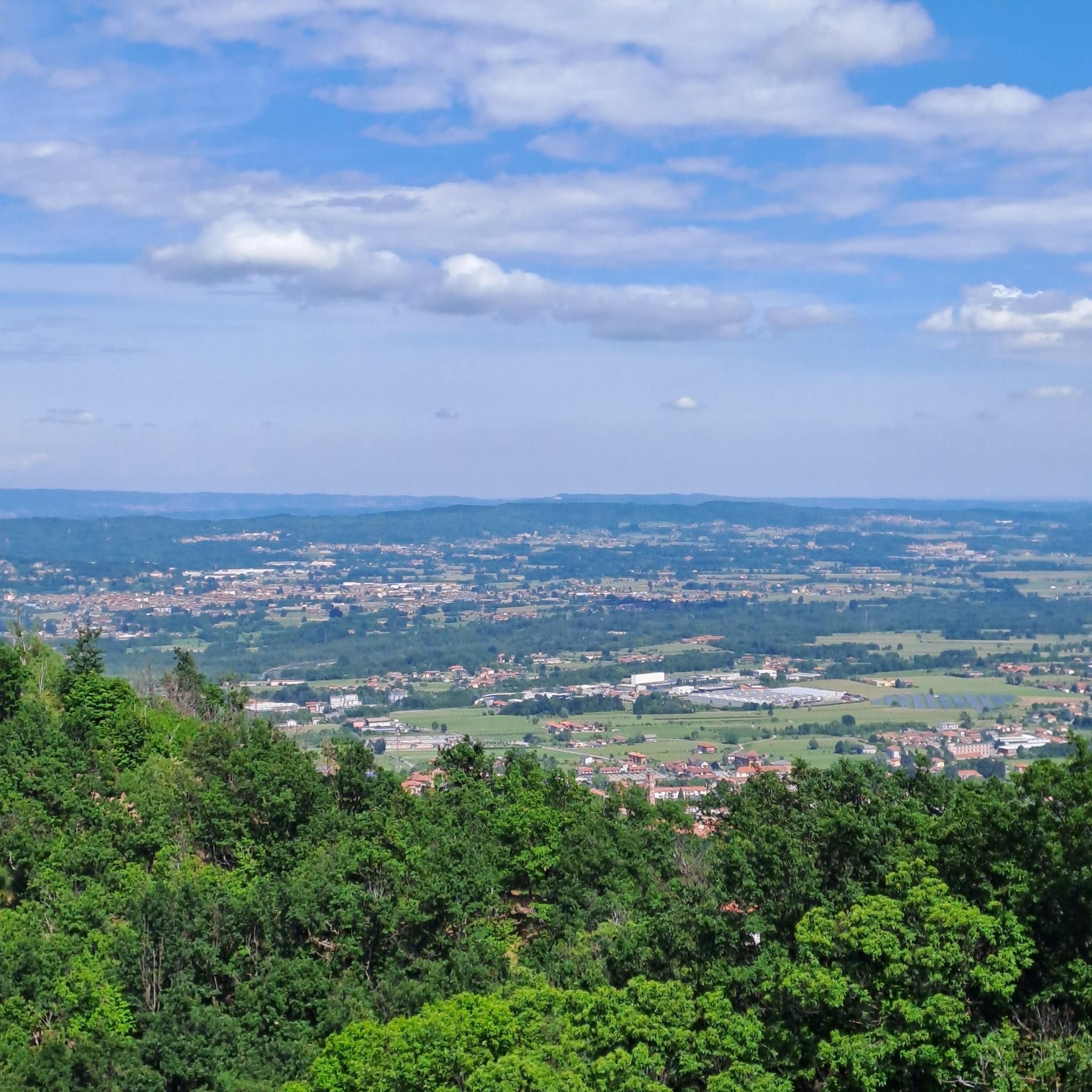
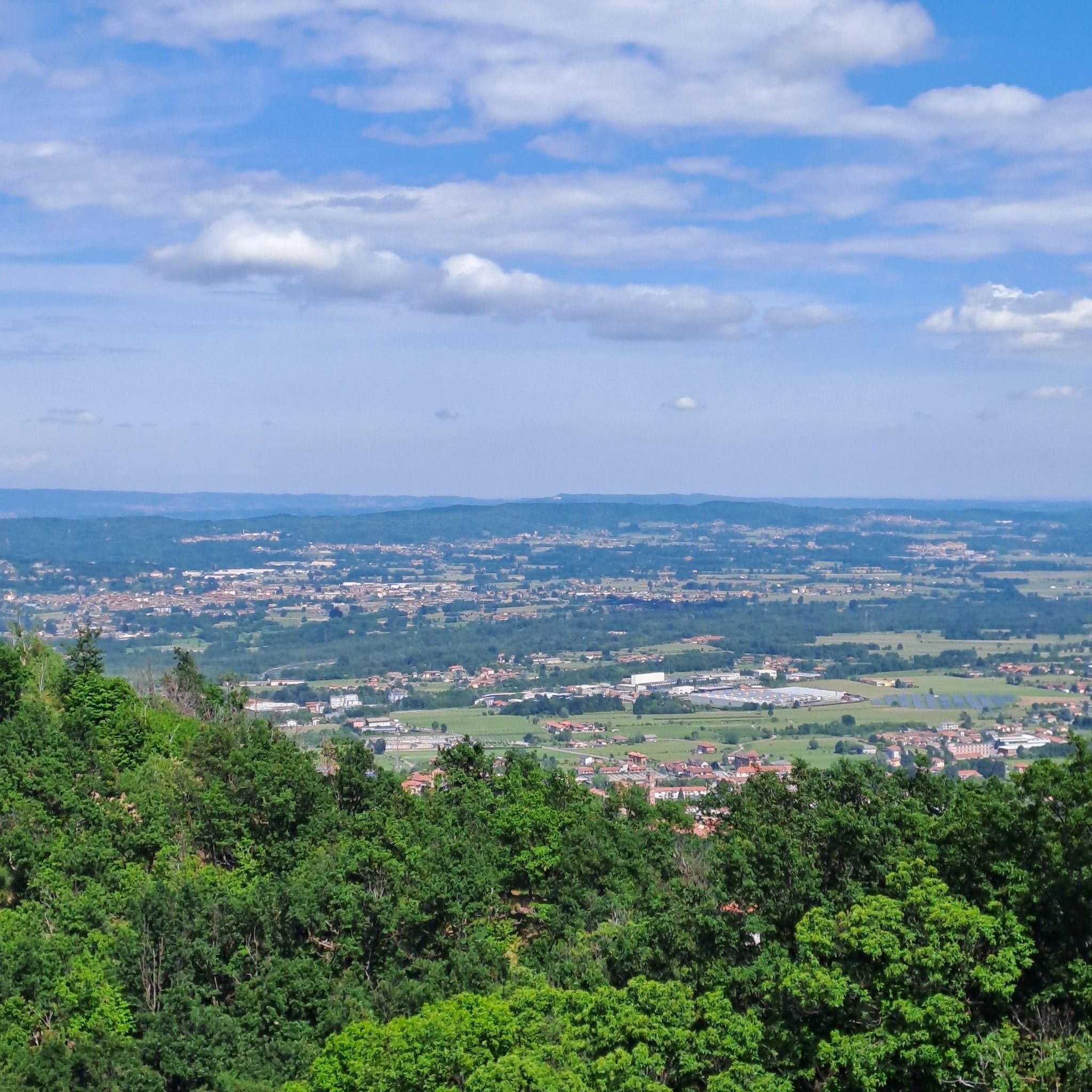

Tips from the Community


Beautiful old town with imposing buildings and views of the mountains.
0
0

Nice rooms and very good local dinner. Reasonably priced.
0
0

Leaving aside the chaos of the center, it is a pleasant city, rich in history and ideas for trekking and/or cycling.
0
0

Agliè, an enchanting village in the heart of Canavese, boasts a thousand-year history that has its roots in the Roman era. The original nucleus, probably located on the hills of the current hamlet of Santa Maria delle Grazie, was known as "Macunciacum" and depended on the Abbazia Fruttuaria di San Benigno. Agliè, as a fortified village, emerges in documents in 1141, when the feudal lords of Canavese divided the territory. The town became one of the lands of the San Martino di Rivarolo and Agliè, a family that would profoundly mark the history of the village. Despite the feudal struggles that raged in the region, Agliè maintained relative stability, even if it was not immune to looting and devastation. With the arrival of the Savoy, Agliè experienced a period of growth and development. In 1448, the village obtained municipal statutes, a sign of autonomy and recognition. The most emblematic figure of this period was Count Filippo San Martino di Agliè, a man of culture and prominent politician. Minister of Cristina of France, regent of the Duchy of Savoy, Filippo transformed the castle of Agliè into a sumptuous residence, enriching it with works of art and gardens. Today, Agliè is a village that preserves its historical and artistic charm intact. The Ducal Castle, with its gardens and richly decorated rooms, is an unmissable destination for visitors. The streets of the village, with their stone houses and noble palaces, tell the story of a place that has managed to preserve its identity over the centuries.
0
0
A UNESCO World Heritage Site since 1997, the Ducal Castle of Agliè is perhaps the most significant architectural work in the Canavese area. The current appearance of the majestic castle is the result of four major construction phases, which led it to change its shape over the centuries, transforming it from a fortified building from the Middle Ages to a true royal residence, as can still be admired today.
1
0
At this point you will find one of the many panels that along all the paths of Morena Ovest talk about the geology of the Morainic Amphitheater of Ivrea. This one in particular explains how the glacier, retreating, creates particular terraces in the form of steps, called “Terrazzi di Kame”. Next to the panel you can see a very particular plant, which in the local dialect is called “Trumpa” or “Sumpa”. It is one of the many chestnut trees that were pollarded when the forest was used extensively in a subsistence economy.
0
0
The car park is freely accessible at all hours, it is free and unattended.
0
0
Frequently Asked Questions
What is the general difficulty level of gravel biking trails around San Colombano Belmonte?
The gravel biking trails in San Colombano Belmonte offer a varied experience. While there is 1 easy route, the majority are moderate (10 routes) or difficult (8 routes), providing options for different skill levels. The region's topography includes gentle ascents and descents, with some routes featuring significant elevation gains.
What is the typical length and duration of gravel bike trails in the San Colombano Belmonte area?
Gravel bike trails in this region vary in length and duration. You can find routes ranging from about 18.7 miles (30.1 km) like the Bairo Mill – Bealera Brissacca loop from Salassa - San Ponso, which takes around 2 hours 15 minutes, up to 32.2 miles (51.7 km) such as the Bealera Brissacca – Bairo Mill loop from Cuorgnè, typically completed in about 3 hours 10 minutes.
Are there suitable gravel bike routes for beginners around San Colombano Belmonte?
Yes, there are routes suitable for beginners. The region's landscape of rolling hills and rural paths makes it accessible. While most routes are moderate to difficult, there is at least 1 easy route available. The general terrain is characterized by varied surfaces and gentle ascents and descents.
Are there family-friendly gravel biking options in San Colombano Belmonte?
For families, consider routes that are shorter and have less elevation gain. The general character of the region with its rural paths and riverine sections can be enjoyable. Look for routes classified as 'easy' or 'moderate' with lower elevation profiles, which are often more suitable for a family outing.
What is the best time of year for gravel biking in San Colombano Belmonte?
The Piedmont region, where San Colombano Belmonte is located, generally offers pleasant conditions for gravel biking from spring through autumn. These seasons provide mild temperatures and less chance of extreme weather, making for comfortable rides through the rural landscapes and river valleys.
What are some notable viewpoints or scenic spots along the gravel bike trails?
While specific viewpoints are best discovered on individual tour pages, the routes often traverse varied rural landscapes, open fields, and sections along water features, providing scenic vistas of the rolling hills and agricultural areas. Some routes pass by historical mills and small villages, offering picturesque stops.
Are there any interesting landmarks or attractions near the gravel bike trails?
Yes, the area around San Colombano Belmonte offers several interesting attractions. You can find mountain peaks like Cima Mares or Monte Calvo Summit. There are also huts and cabins such as Alpe Soglia Hut, and unique spots like the Bandit's Chapel and Fountain.
What do other gravel bikers enjoy the most about gravel biking in San Colombano Belmonte?
The area is highly rated by the komoot community, with an average score of 4.5 stars from a few reviews. Reviewers often praise the diverse terrain, which includes rural paths, riverine sections, and rolling hills, offering a varied and engaging riding experience for different ability levels.
Are there many loop gravel bike routes available in San Colombano Belmonte?
Yes, many of the gravel bike routes around San Colombano Belmonte are designed as loops, offering convenient starting and ending points. Examples include the Bealera Brissacca – Bairo Mill loop from Castellamonte and the Pian delle Nere – Bairo Mill loop from Ozegna, allowing you to return to your starting location without retracing your steps.
Are there any advanced gravel trails for experienced riders?
Yes, for experienced riders seeking a challenge, there are 8 difficult routes available. These trails often feature significant elevation gains and more demanding terrain. An example is the Pian delle Nere – Bairo Mill loop from Ozegna, which includes over 1100 meters of elevation gain.
What kind of terrain can I expect on gravel bike trails in San Colombano Belmonte?
The terrain around San Colombano Belmonte is diverse, characterized by rolling hills, agricultural fields, and river valleys. You can expect a mix of surfaces, including rural paths, gravel tracks, and some sections along water features. The routes often wind through natural areas and occasionally pass by small villages.
Are there any routes that pass by historical sites or points of interest?
Many routes in the region lead through agricultural areas and past historical sites, such as old mills. For instance, the Agliè Ducal Castle – Bairo Mill loop from Castellamonte suggests a route that incorporates a significant historical landmark, offering cultural points of interest alongside your ride.
Most popular routes around San Colombano Belmonte
Most popular attractions around San Colombano Belmonte

Get inspired with the komoot mobile app


Explore more
Browse the best Gravel rides in other regions.
