Top 15 Castles around Frohnsdorf
Best castles around Frohnsdorf are found in the broader vicinity, offering a range of historical sites. While Frohnsdorf itself is a location within Brandenburg, the prominent castles are situated in the surrounding region. These historical structures provide insights into the area's past and architectural heritage. Visitors can explore various types of castles, from well-preserved fortifications to ruins.
Best castles around Frohnsdorf
- The most popular castles is Gnandstein Castle, a castle considered the oldest surviving Romanesque fortification in Saxony. The…
Last updated: July 6, 2026
Gnandstein Castle
Highlight • Castle
Translated by Google •
Tip by

Wolkenburg Castle
Highlight • Castle
Translated by Google •
Tip by

Sign up now to discover places like this
Get recommendations on the best single tracks, peaks, & plenty of other exciting outdoor places.
Sign up for free
View of Wolkenburg Castle and St. Mauritius Church from Hauboldfelsen
Highlight • Viewpoint
Translated by Google •
Tip by
Kohren Castle Ruins
Highlight • Castle
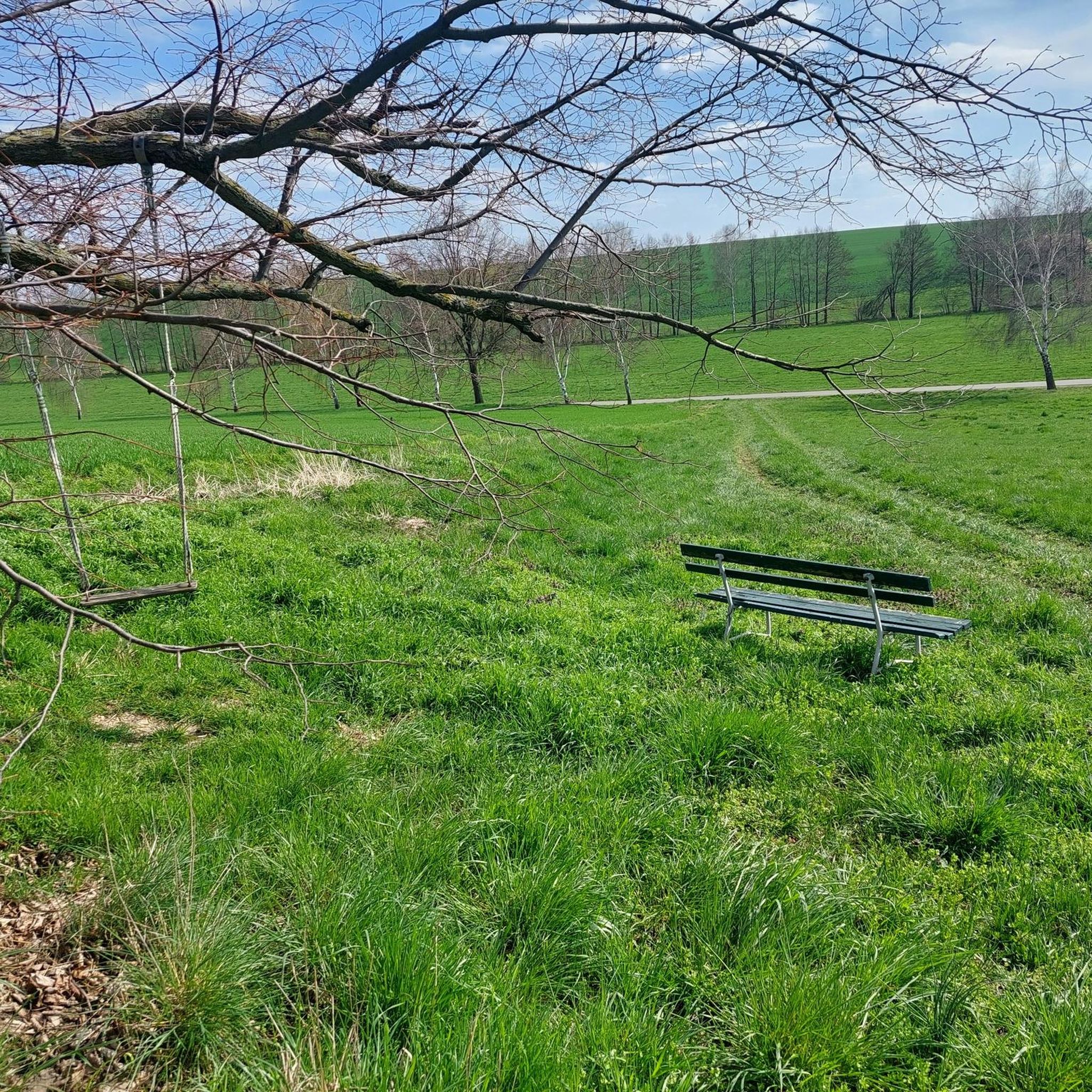
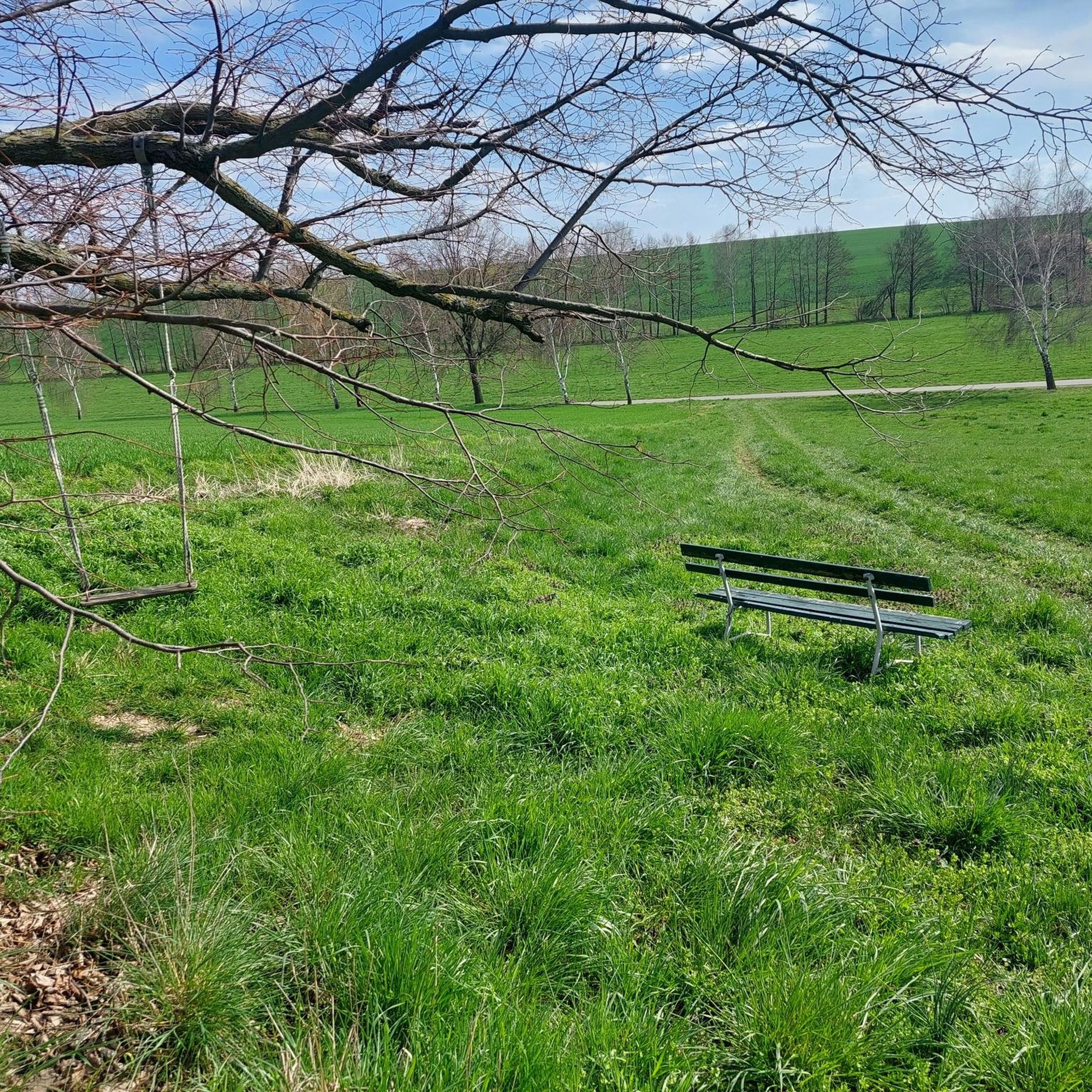
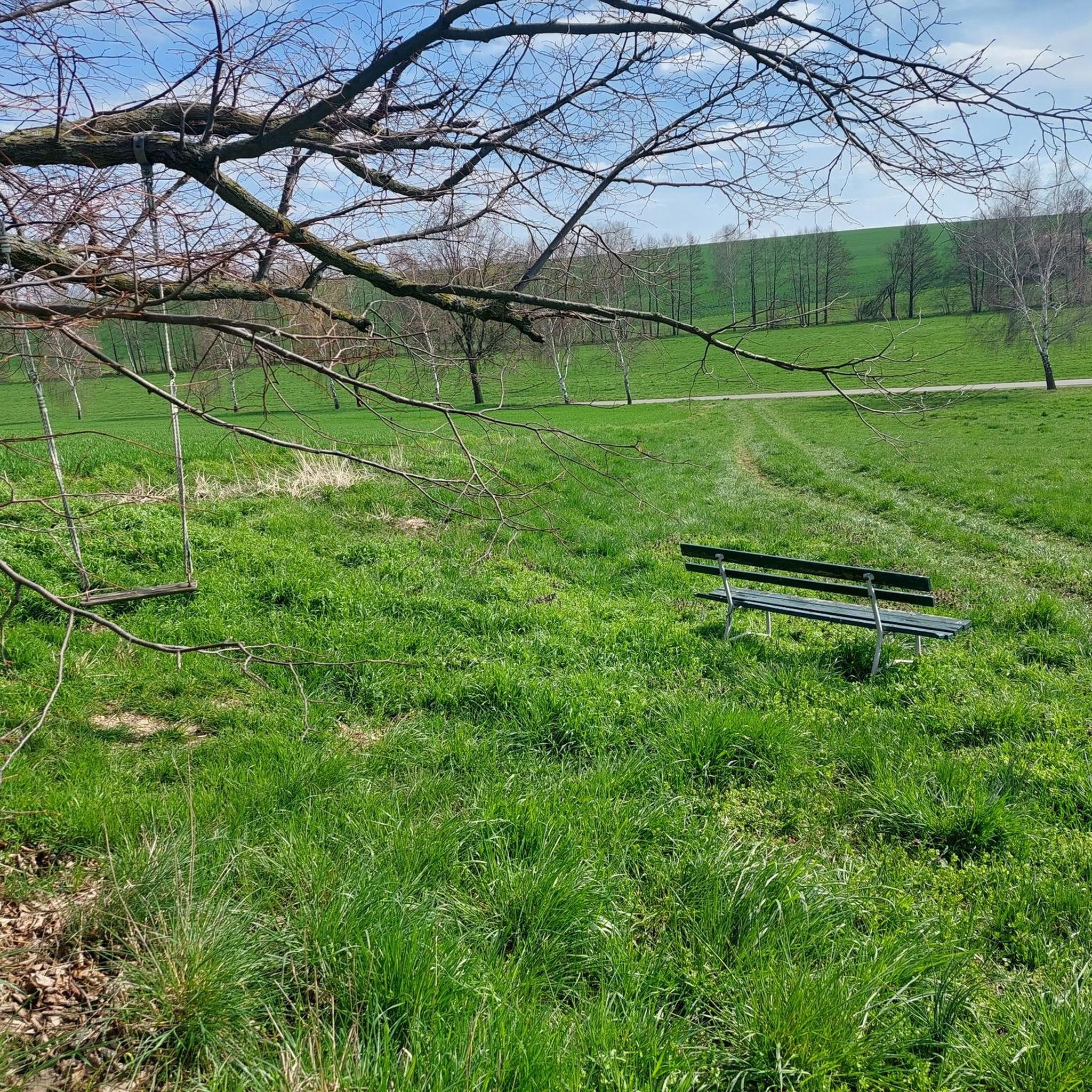
A bench at the viewpoint invites visitors to linger, and the view of the town is beautiful.
Translated by Google •
Tip by

Waldenburg Castle
Highlight • Castle
Translated by Google •
Tip by
Sign up for free to discover even more castles around Frohnsdorf.
Sign up for free
Already have an account?
Start today with a free account
Your next adventure awaits.
Login or Signup
Tips from the Community

Waldenburg Castle. Information: Built in the Historicist style, incorporating medieval architectural elements. It dates back to a castle built in the 12th century, presumably between 1165 and 1172.
3
0

You can get to the Hauboldfelsen either from Wolkenburg over the Mulde bridge, via a steep climb, or from Zinnberg across the fields, which is much easier. Once you get there, there are several places to sit and a great view of the Mulde, Wolkenburg with its castle and the church.
5
0

The two main towns of the rule Wolkenburg, Kaufungen and Wolkenburg were first mentioned in documents in the years 1226 and 1241 respectively. The area was settled in the 12th century by Wiprecht von Groitzsch.
8
0
Waldenburg Castle received its current appearance through an extensive renovation under Prince Otto Victor II of Schönburg-Waldenburg (1882–1914) between 1909 and 1912. Under the overall construction management of the Royal Saxon Court Building Councilor Gustav Frölich (1859–1933), parts of the building from the 19th century were gutted and all rooms and their functions were rearranged according to contemporary requirements. Technically, Gustav Frölich equipped the castle with the most modern achievements for the period around 1910, such as complete electrification, telephone, central steam heating, hot water system, complex ventilation, dumbwaiter, separate fire water pipe and central vacuum cleaner system.
4
1
The castle complex has its origins in a castle that was built as a base for the colonization of the Pleißenland between 1165 and 1172. From this founding phase, the lower part of the keep, made of dark humpback blocks, has been preserved to this day. In connection with the Civil Revolution, the Renaissance castle was looted and completely burned down by angry demonstrators on April 5, 1848.
9
1

The fortified hilltop castle was built to protect Franconian and Saxon settlements from the 12th to the 13th century. There was an outer bailey with a gate and a core castle. The rare double keep and parts of the ring wall are still there. The castle has not been inhabited since 1456. During the Thirty Years' War (1618-48) it was renovated by the lord of the Sahlis manor, Hans Löser I, to provide protection for the residents of Kohren and the surrounding area. The owner is now the town of Frohburg. Source:https://www.tourismusverein-borna-kohrenerland.de/fileadmin/user_upload/flyer-geschichtsverein_2020-05_web.pdf
7
0


If you like castles and ruins, you will like this one. From the top there is a magnificent view of the romantic pottery village.
2
0
Frequently Asked Questions
Which castles near Frohnsdorf offer a deep dive into history?
For a rich historical experience, consider visiting Gnandstein Castle, known as the oldest surviving Romanesque fortification in Saxony. Its museum features historically furnished rooms and a chapel with late medieval altars. Another significant site is Waldenburg Castle, which has origins in a 12th-century fortification and showcases a unique Classicist ensemble incorporating medieval elements.
Are there any Romanesque fortifications among the castles near Frohnsdorf?
Yes, Gnandstein Castle is a prime example, considered the oldest surviving Romanesque fortification in Saxony, with its keep built in the mid-13th century. The area around Frohnsdorf is noted for its Romanesque fortifications, offering a glimpse into early medieval architecture.
Can I combine a castle visit with outdoor activities like hiking or cycling near Frohnsdorf?
Absolutely! The region around Frohnsdorf offers numerous opportunities for outdoor activities. You can find various hiking trails, such as the moderate 'Fairy Tale Lake – Schömbach Reservoir loop', or explore road cycling routes like the 'Wiesebach Viaduct – Gnandstein Castle loop'. Many of these routes pass by or offer views of historical sites.
Are there scenic viewpoints near the castles around Frohnsdorf?
Yes, for breathtaking views, visit the View of Wolkenburg Castle and St. Mauritius Church from Hauboldfelsen. This viewpoint offers a spectacular panorama of the Mulde river, Wolkenburg, its castle, and the church. It's easily accessible and provides several spots to sit and enjoy the scenery.
Are there any castle ruins to explore near Frohnsdorf?
Yes, you can explore the Kohren Castle Ruins. While the keeps are inaccessible and little else remains, the preserved castle walls offer a beautiful view over the village of Kohren. It's a secured ruin, allowing visitors to access the grounds and appreciate its historical significance.
Are the castles around Frohnsdorf suitable for families with children?
Many castles in the vicinity are family-friendly. For instance, Gnandstein Castle and Waldenburg Castle are noted as suitable for families, offering historical insights and grounds to explore. Always check specific castle websites for current family programs or events.
Are there dog-friendly options for visiting castles near Frohnsdorf?
While specific indoor access for dogs varies by castle, many outdoor areas and surrounding trails are dog-friendly. For example, the circular walks and hiking trails near castles like Wolkenburg Castle often welcome leashed dogs, allowing you to enjoy the historical sites and nature together.
What is the best time of year to visit the castles near Frohnsdorf?
The best time to visit the castles around Frohnsdorf is generally from spring to autumn (March to October). During these months, the weather is usually pleasant for exploring castle grounds and nearby hiking trails. Some museums within castles, like Gnandstein, may have winter breaks, so it's advisable to check opening hours if planning a visit outside this period.
How long should I plan for a visit to a castle near Frohnsdorf?
The duration of a visit can vary. For a comprehensive experience including a museum tour at a site like Gnandstein Castle, plan for 2-3 hours. If you're combining a castle visit with a hike or exploring the surrounding village, a half-day or full-day trip might be more appropriate. For ruins like Kohren, a shorter visit of 1-2 hours might suffice.
Are there parking facilities available at the castles near Frohnsdorf?
Yes, many of the castles in the region, including Wolkenburg Castle, offer parking facilities for visitors. It's always recommended to check the specific castle's website or local signage upon arrival for the most accurate and up-to-date parking information.
Can I find cafes or restaurants near the castles?
Yes, several castles in the area, such as Gnandstein Castle, Wolkenburg Castle, and Waldenburg Castle, have cafes or restaurants on-site or nearby, allowing you to enjoy refreshments or a meal during your visit.
What do komoot users particularly enjoy about the castles near Frohnsdorf?
Komoot users appreciate the historical significance and architectural beauty of the castles. They particularly enjoy the well-preserved nature of sites like Gnandstein Castle, with its museum and chapel. The scenic views from places like the Hauboldfelsen, overlooking Wolkenburg Castle, are also highly rated, as are the opportunities for combining castle visits with walks in the surrounding nature.
Are there castles near Frohnsdorf with unique architectural styles?
Beyond the Romanesque style of Gnandstein, Waldenburg Castle stands out with its Classicist design, which uniquely incorporates medieval architectural elements. In the broader region, Zinzendorf Castle Berthelsdorf in Herrnhut (a UNESCO World Heritage Site) is recognized for its Herrnhut Baroque architecture, offering another distinct style.
Most popular attractions around Frohnsdorf

Get inspired with the komoot mobile app


Explore more
Looking for the best castles somewhere else? Discover other guides around Frohnsdorf:
