The best gravel rides around Froidchapelle
4.8
(5)
87
riders
25
rides
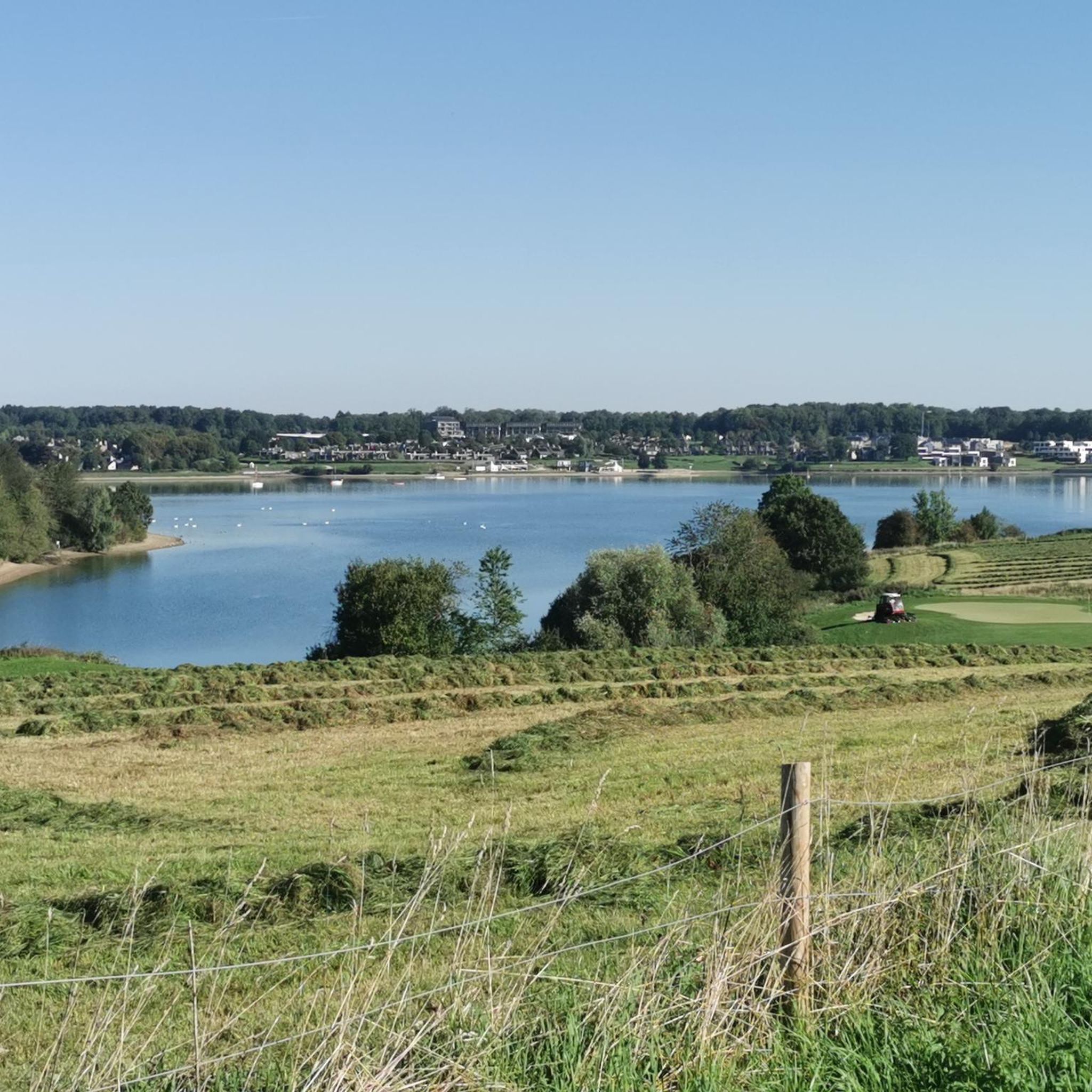
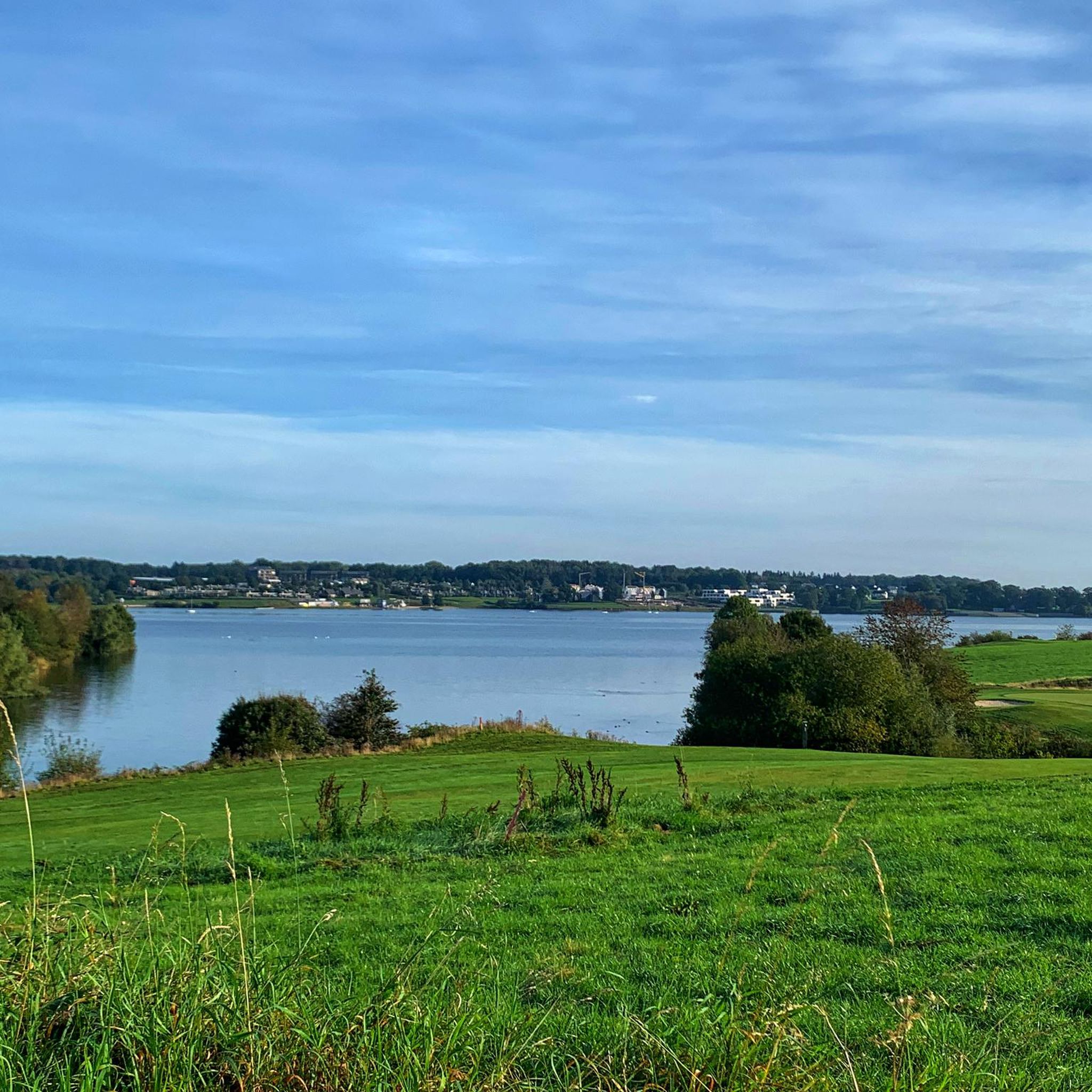
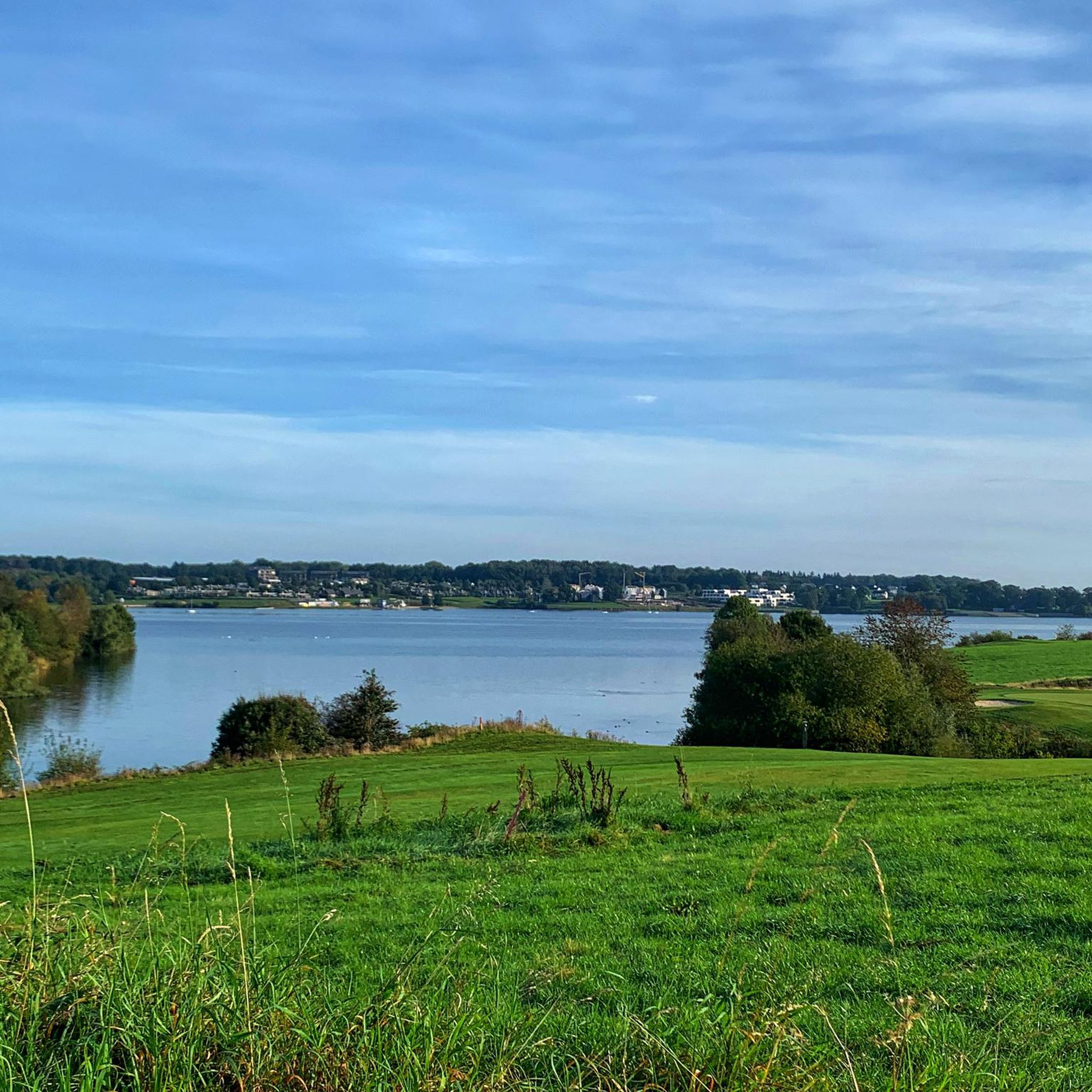
Gravel biking around Froidchapelle offers a network of routes primarily centered around the Lacs de l'Eau d'Heure, a significant water body in the region. The terrain features a mix of rolling hills, forested sections, and paths alongside the lakes and dams. These routes provide varied surfaces suitable for gravel bikes, ranging from compacted earth to gravel tracks. The area is characterized by its expansive lake views and surrounding natural landscapes.
Best gravel bike trails around Froidchapelle
- The most popular gravel…
Last updated: May 11, 2026
44
riders
69.8km
04:25
750m
750m
Hard gravel ride. Very good fitness required. Mostly paved surfaces. Suitable for all skill levels.
3
riders
Hard gravel ride. Very good fitness required. Mostly paved surfaces. Suitable for all skill levels.

Sign up for free
3
riders
Hard gravel ride. Very good fitness required. Mostly paved surfaces. Suitable for all skill levels.
4.0
(1)
5
riders
26.6km
01:42
240m
240m
Moderate gravel ride. Good fitness required. Mostly paved surfaces. Suitable for all skill levels.
4
riders
84.3km
05:16
900m
900m
Hard gravel ride. Very good fitness required. Mostly paved surfaces. Suitable for all skill levels.
Get access to more routes and recommendations from other explorers.
Sign up for free
Already have an account?
Our route recommendations are based on thousands of hikes, rides, and runs completed by other people on komoot.
Start today with a free account
Your next adventure awaits.
Login or Signup
Popular around Froidchapelle
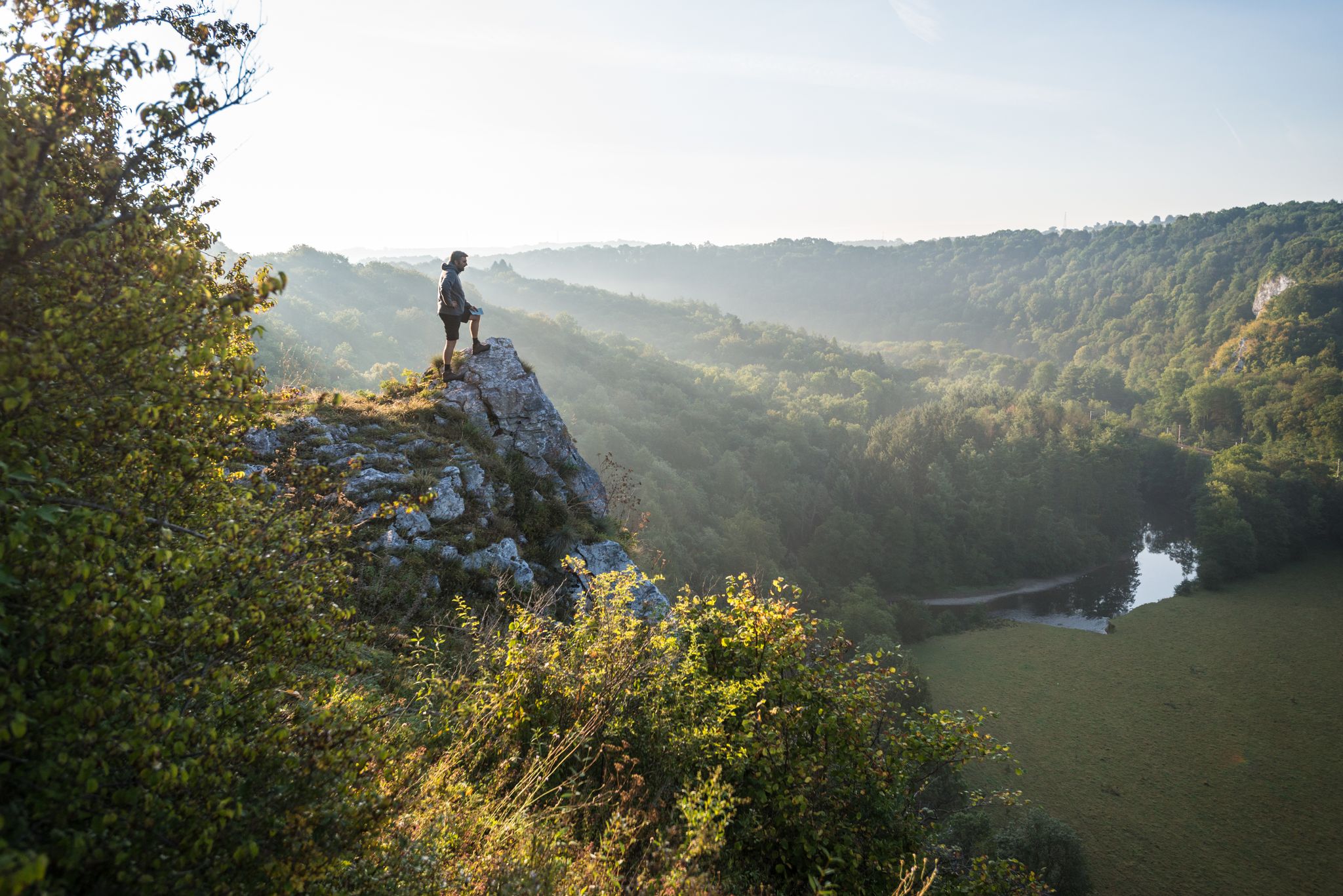
National Park between Sambre and Maas - Long distance hiking in Belgium on the GRP125
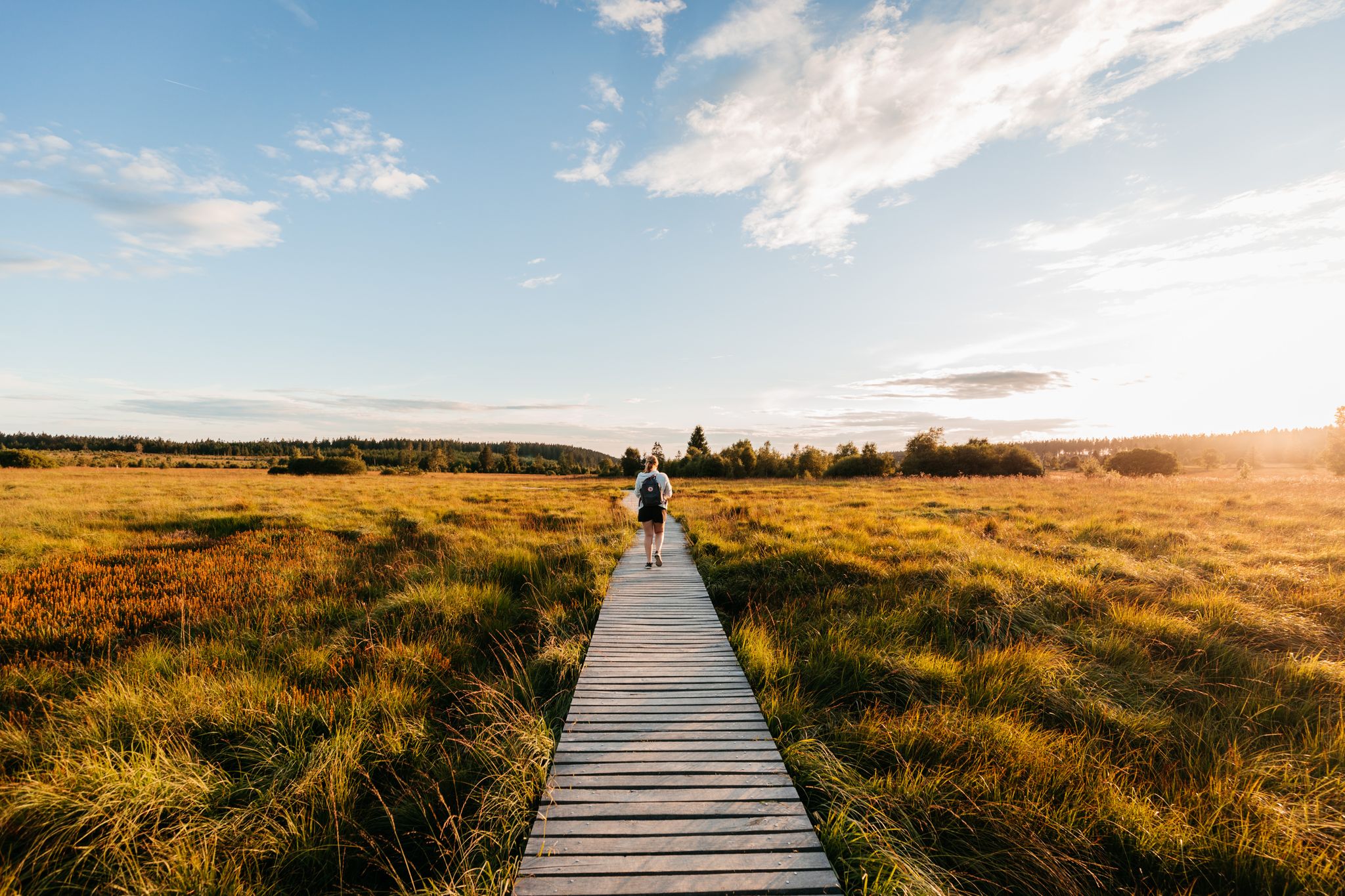
Unspoilt nature and wide views – hiking in Wallonia
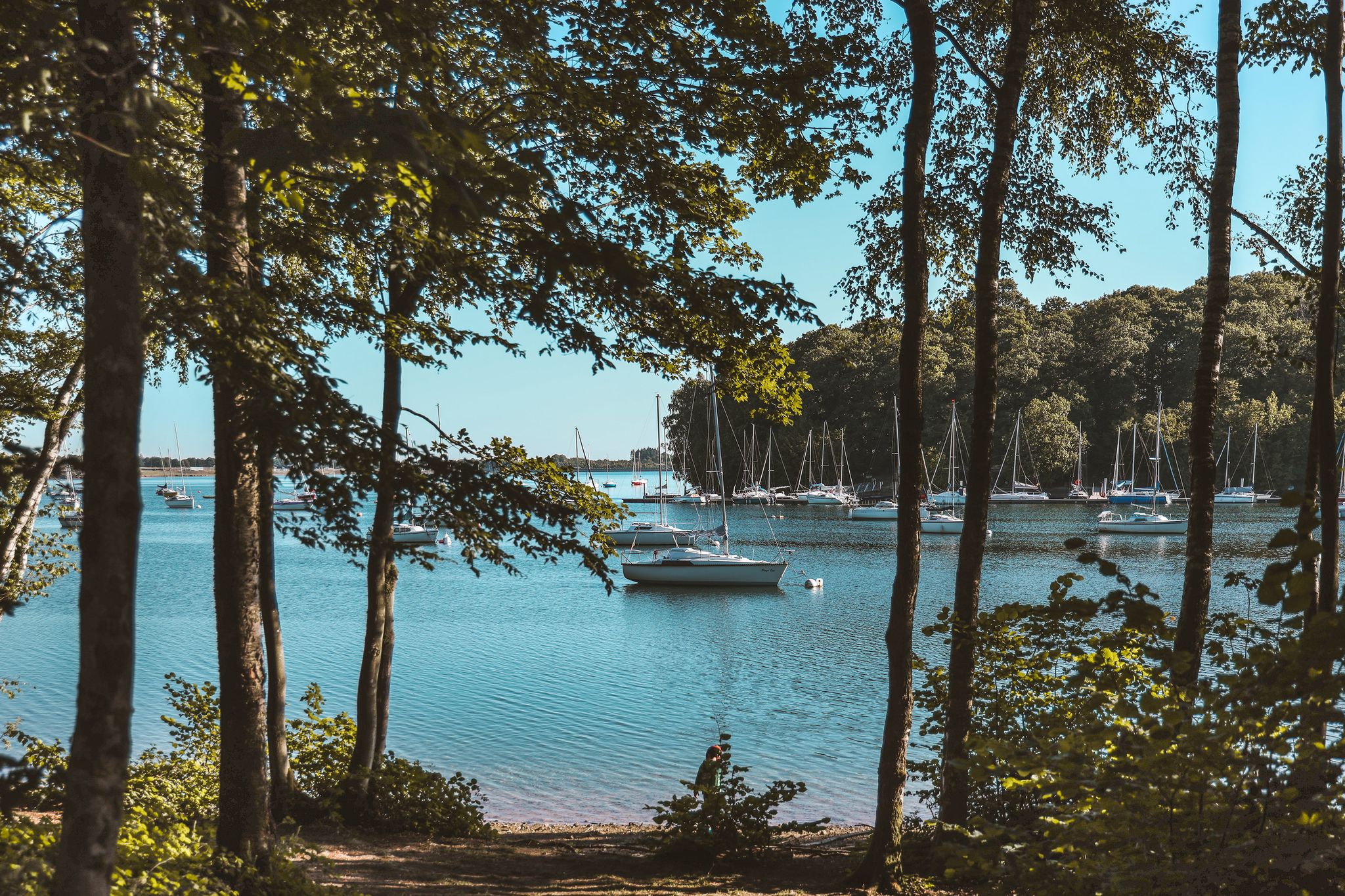
Waterside hikes – Belgium’s Eau d'Heure Lakes region
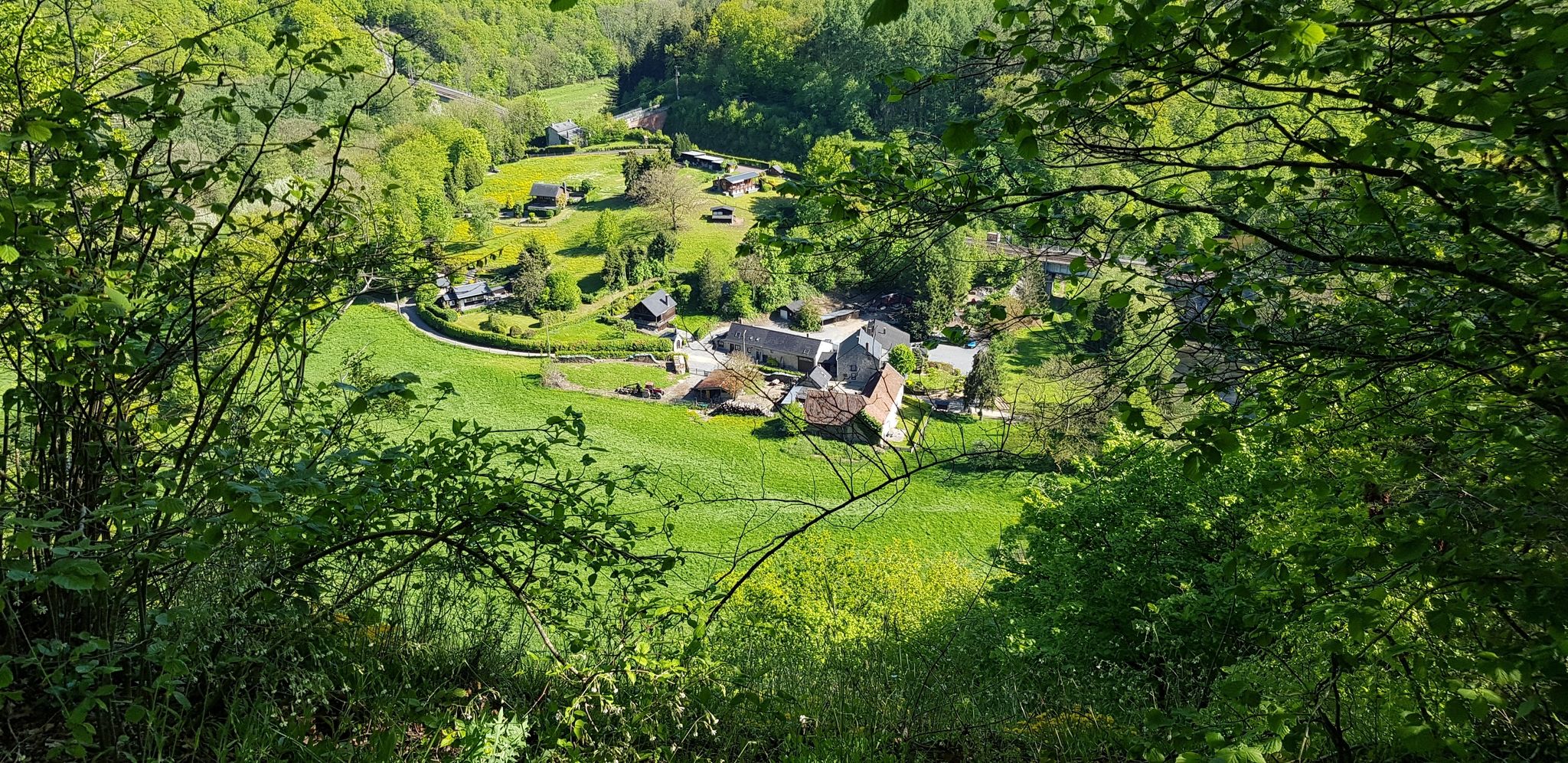
To the abbeys of Belgium — la Cyclotrappiste
Hiking around Froidchapelle
Cycling around Froidchapelle
Road Cycling Routes around Froidchapelle
Running Trails around Froidchapelle
MTB Trails around Froidchapelle
Other adventures around Froidchapelle


Tips from the Community

The lock, designated as the Sluis van La Plate Taille, was built as part of a large-scale water project developed in the second half of the 20th century. This project aimed to buffer water, prevent floods, create drinking water reserves, and provide a stable basis for energy production through hydropower. The lock allows water to be moved in a controlled manner between different levels and compartments of the lake system. Technically, the lock functions on the principle of water level regulation between two basins with different levels. Using sluice gates and lock doors, water can be slowly let in or drained, allowing ships (where applicable) or water masses to be moved safely without sudden pressure differences. In this specific case, the emphasis is less on shipping and more on hydrological control within the reservoir complex. Its location at La Plate Taille is hydrologically strategic. This lake serves as a central reservoir within the Lacs de l’Eau d’Heure and directly influences the water balance of the surrounding region. The lock helps regulate water levels, especially during heavy rainfall or dry periods, thus supporting the broader water management system. Ecologically, the lock indirectly contributes to the management of the ecosystem in and around the lakes. Controlled water movement affects the quality and distribution of water, which in turn impacts fish populations, aquatic plants, and bank vegetation. Managing the water level is therefore not only a technical but also an ecological responsibility.
0
0
The Plate-Taille Dam is located in southern Belgium in Wallonia, on the border of the provinces of Namur and Hainaut. The dam is situated near the villages of Froidchapelle and Cerfontaine and forms the central element of the Lacs de l’Eau d’Heure lake district, the largest artificial lake complex in the country. This area covers approximately 1800 hectares and consists of several interconnected lakes that together form a unique landscape of open water, wooded hills, and extensive recreational zones. Due to its location between the Ardennes and the Fagne, the area has a varied and gently rolling terrain. The origin of the dam dates back to the 1970s when Belgium faced water management problems. The Sambre River, an important waterway for industry and shipping, experienced highly fluctuating water levels. During dry periods, the water level dropped too low, which had economic consequences. To solve this problem, an ambitious project was launched, including the construction of a series of dams on the Eau d’Heure River and its tributaries. The construction of the Plate-Taille dam began around 1974 and was completed in 1981. As a result of its construction, five lakes were created: * Plate Taille (the largest and deepest) * Eau d’Heure * Falemprise * Ry Jaune * Féronval The construction brought about a major change for the region. Certain areas were submerged, and residents had to relocate. At the same time, this project laid the foundation for a new economic model based on tourism and recreation. The Plate-Taille dam is the largest dam in Belgium and an impressive example of modern hydraulic engineering. The Plate Taille lake itself has a surface area of approximately 350 hectares and is the largest and deepest lake in Belgium. The dam holds back an enormous mass of water and literally forms the heart of the entire lake district. One of the dam's main functions is energy generation through a pumped-storage power plant. * Capacity: ± 140 megawatts * Number of turbines: 4 (reversible) * Type: pumped-storage power plant System Operation The system operates on a clever principle: * During low energy demand, water is pumped to a higher reservoir. * During high energy demand, the water flows back down through turbines, generating electricity. This makes the plant particularly valuable for stabilizing the electricity grid, especially in combination with renewable energy sources such as wind and solar power. Around the dam lies a surprisingly rich nature reserve. The combination of water, forests, and open plains ensures great biodiversity. The landscape is characterized by: * Dense deciduous and coniferous forests * Open grasslands * Reed beds along the banks * Quiet bays and small islands Animals found here include: * Roe deer * Foxes * Waterfowl such as grebes and cormorants * Birds of prey The creation of the lakes has led to new ecosystems where flora and fauna have adapted to the water-rich environment. For someone who enjoys long and challenging hikes, like myself, this area is ideal, and you can easily create routes of several hours here without much crowds. 🚴♂️ Cycling and Recreation Besides hiking, the area is also popular with: * Road cyclists (hilly terrain) * Mountain bikers * Families (flat cycling paths around the lakes) There are well-maintained cycling routes that connect the entire lake district. 🚤 Water Sports and Activities The Lacs de l’Eau d’Heure are the center for water sports in Belgium. Possibilities: * Sailing * Kayaking * Windsurfing * Diving (in certain zones) * Swimming Motorized water sports are permitted to a limited extent, which contributes to a relatively calm and natural atmosphere. 🧭 Tourist Facilities The area is highly developed for visitors without losing its natural charm. Key attractions: * Skywalk Plate-Taille – a panoramic tower with views over the entire area * Natura Parc L’Eau d’Heure – adventure park with climbing routes and zipline * Marinas and beach areas * Holiday parks and campsites This makes the area suitable for both day trips and longer stays.
0
0


another nice trail
0
0

Plenty of water sports to enjoy all around. Several cycling trails for all levels and bikes.
2
0

@Nicolas Yes, it's generally quite flat along the water's edge. From the lake, it's possible to go back up towards Olloy-sur-Viroin. If you're looking for a bit of elevation gain, you should find what you're looking for there 😅
0
0


Frequently Asked Questions
How many gravel bike trails are available around Froidchapelle?
There are nearly 40 gravel bike routes available around Froidchapelle on komoot, offering a wide range of options for different skill levels and preferences. These routes primarily explore the area around the Lacs de l'Eau d'Heure.
Are there any easy gravel bike trails suitable for beginners in Froidchapelle?
Yes, Froidchapelle offers a few easier gravel bike trails. While many routes are moderate to difficult, you can find options that are less challenging. For example, the View of the Lagoon – Eau d'Heure Lakes loop from Froidchapelle Route d'Erpion is a moderate 25 km route that provides a good introduction to the area's terrain.
What are the options for long-distance gravel biking in Froidchapelle?
For those seeking longer rides, Froidchapelle has several extensive gravel bike routes. The Eau d'Heure Dam – View of the Eau d'Heure Dam loop from Froidchapelle is a challenging 85 km loop, while the Lac de l'Eau d'Heure – Plate-Taille Dam loop from L'Eau d'Heure covers 70 km, offering diverse lakeside and dam-side scenery.
Are there any circular gravel bike routes in the Froidchapelle area?
Most of the gravel bike routes around Froidchapelle are designed as loops, allowing you to start and end at the same point. Examples include the Lac de l'Eau d'Heure – View of the Lagoon loop from Vergnies Habitation n° 2, a 43 km loop with extensive lake views, and the View of the Lagoon – Eau d'Heure Lakes loop from Froidchapelle Route d'Erpion.
What kind of scenery can I expect on gravel bike trails around Froidchapelle?
Gravel biking in Froidchapelle is characterized by expansive lake views, particularly around the Lacs de l'Eau d'Heure. You'll ride through forested sections, along dams, and past lagoons, offering a mix of natural landscapes and impressive man-made structures.
What attractions or landmarks can I see along the gravel bike trails in Froidchapelle?
Many routes offer views of the region's highlights. You might pass by the impressive Plate-Taille Dam or the Eau d'Heure Dam. Other nearby attractions include the Natura Parc Adventure Park and the Blaimont Viaduct.
What do other gravel bikers enjoy most about Froidchapelle?
The komoot community rates the gravel biking in Froidchapelle highly, with an average score of 3.9 stars. Reviewers often praise the varied terrain, the beautiful lake views, and the well-maintained gravel tracks that make for an enjoyable riding experience.
Are there any family-friendly gravel biking options in Froidchapelle?
While many routes are rated moderate to difficult, families might find shorter, less technical sections around the Lacs de l'Eau d'Heure suitable. Look for routes marked as 'easy' or 'moderate' and check their descriptions for terrain details. The area around the lakes often has flatter, well-compacted paths.
What is the best time of year for gravel biking in Froidchapelle?
The spring and autumn months generally offer the most pleasant conditions for gravel biking in Froidchapelle, with milder temperatures and beautiful scenery. Summer can also be enjoyable, especially around the lakes, but be prepared for potentially warmer weather. Winter riding is possible but may involve colder temperatures and muddy sections.
Are there any routes that pass by the Lac du Ry-Jaune or Soumoy Castle?
Yes, the Lac du Ry-Jaune – Soumoy Castle loop from Walcourt is a challenging 48 km route that takes you past both the Lac du Ry-Jaune and offers views towards Soumoy Castle, providing a different perspective of the region's landscapes.
What are the typical surface conditions on gravel bike trails in Froidchapelle?
The gravel bike trails in Froidchapelle feature varied surfaces. You can expect a mix of compacted earth, dedicated gravel tracks, and some paved sections, particularly around the dams and lake infrastructure. This variety makes the area well-suited for gravel bikes.
Most popular routes around Froidchapelle
Most popular attractions around Froidchapelle

Get inspired with the komoot mobile app


Explore more
Browse the best Gravel rides in other regions.
