Top 7 Caves around Riederich
Caves around Riederich are primarily located in the surrounding Swabian Jura, a significant karst region in Baden-Württemberg, Germany. This area is characterized by extensive cave systems formed through the dissolution of limestone and dolomite. The geological features offer diverse underground landscapes for exploration.
Best caves around Riederich
- The most popular caves is Barnberg Cave, a cave that is a spacious, dry karst cave with stalactites and cave clay. This 46-meter-long cave historically served as a habitation for Stone Age…
Last updated: July 1, 2026
Barnberg Cave
Highlight • Cave
Translated by Google •
Tip by

Bauerloch Cave
Highlight • Cave
Showing Translation
Tip by

Sign up now to discover places like this
Get recommendations on the best single tracks, peaks, & plenty of other exciting outdoor places.
Sign up for free
Gönninger's Cave
Highlight • Cave
Translated by Google •
Tip by

Höllenloch Cave Entrance
Highlight • Cave
Showing Translation
Tip by
Bazlen Cave
Highlight • Cave
Translated by Google •
Tip by

Sign up for free to discover even more caves around Riederich.
Sign up for free
Already have an account?
Start today with a free account
Your next adventure awaits.
Login or Signup
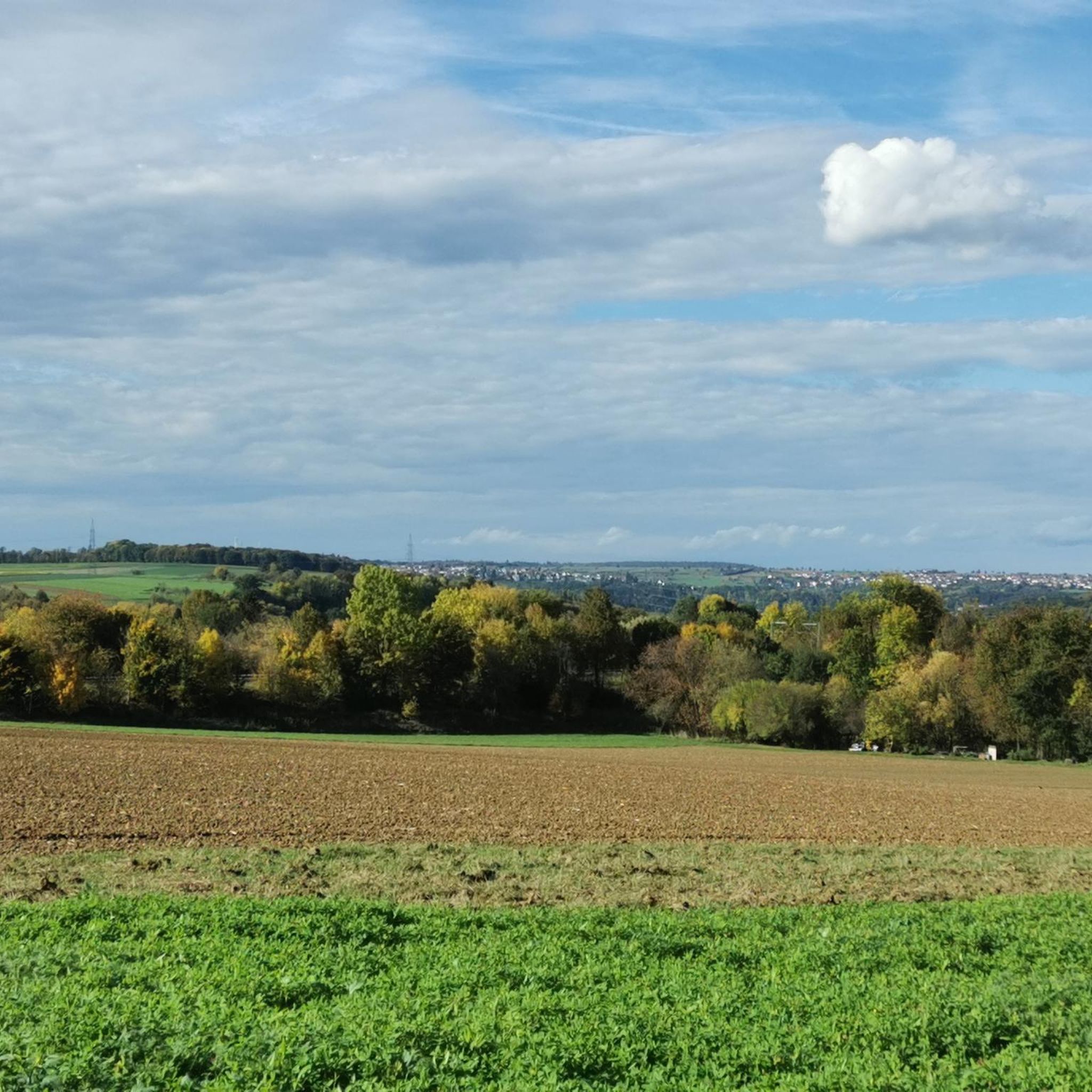
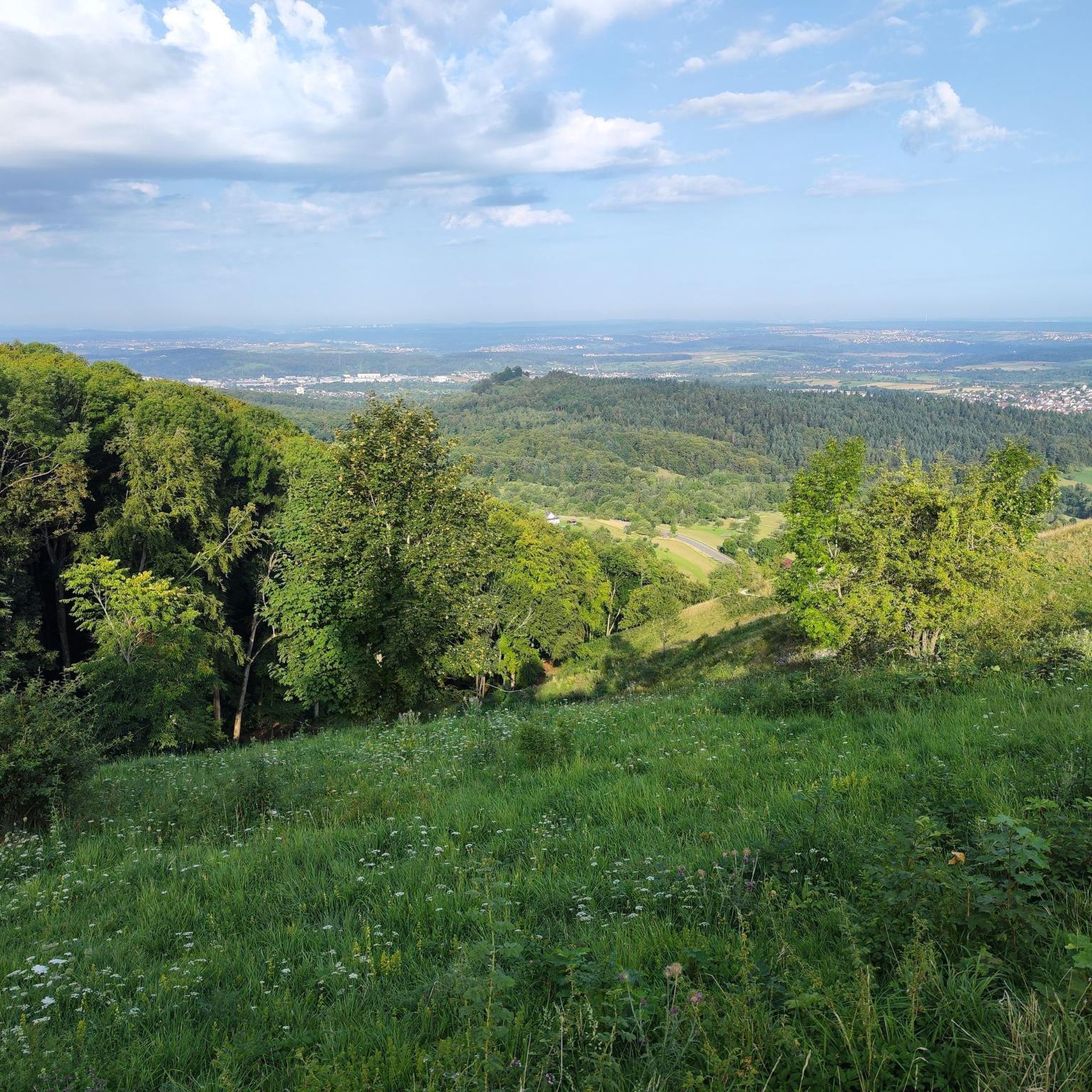
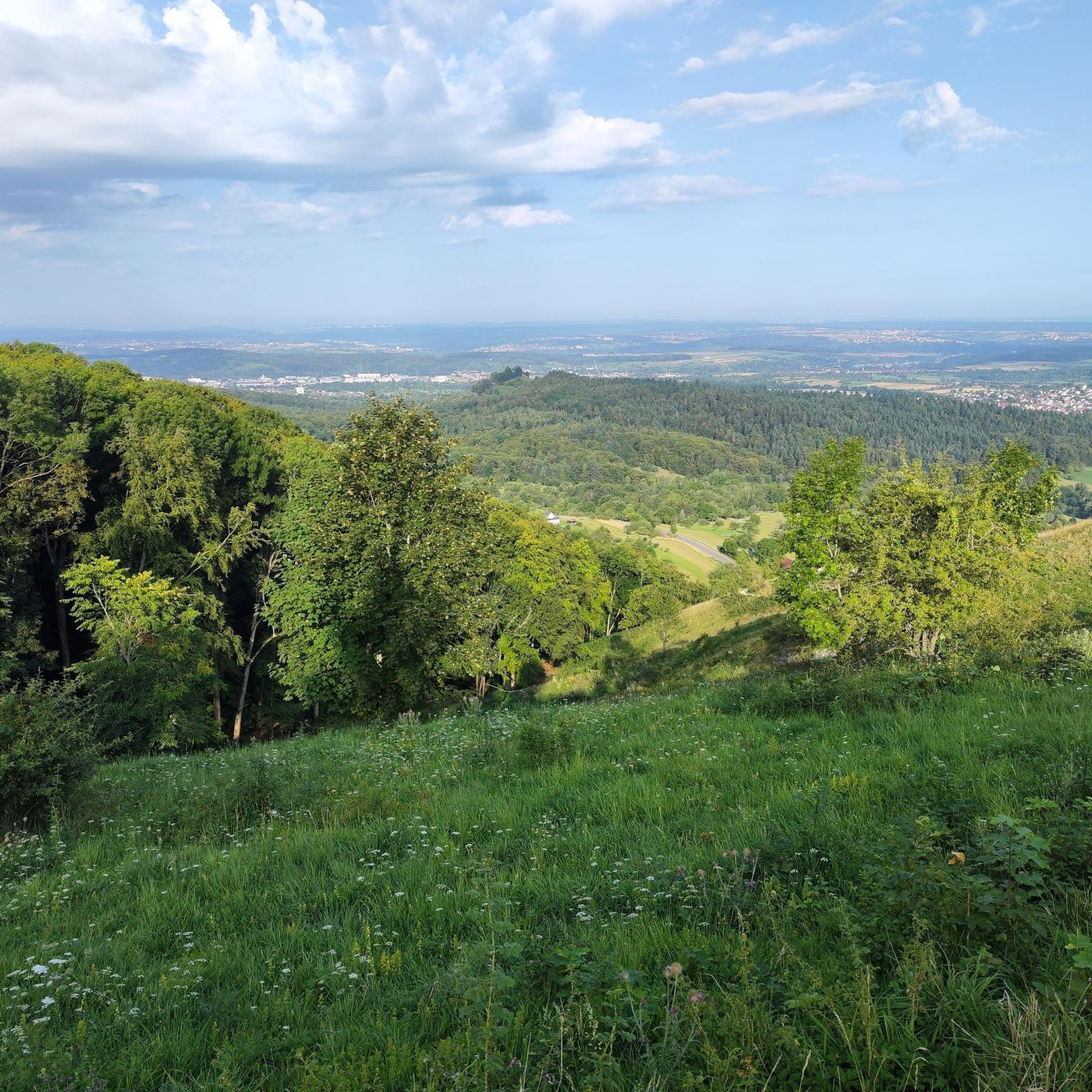
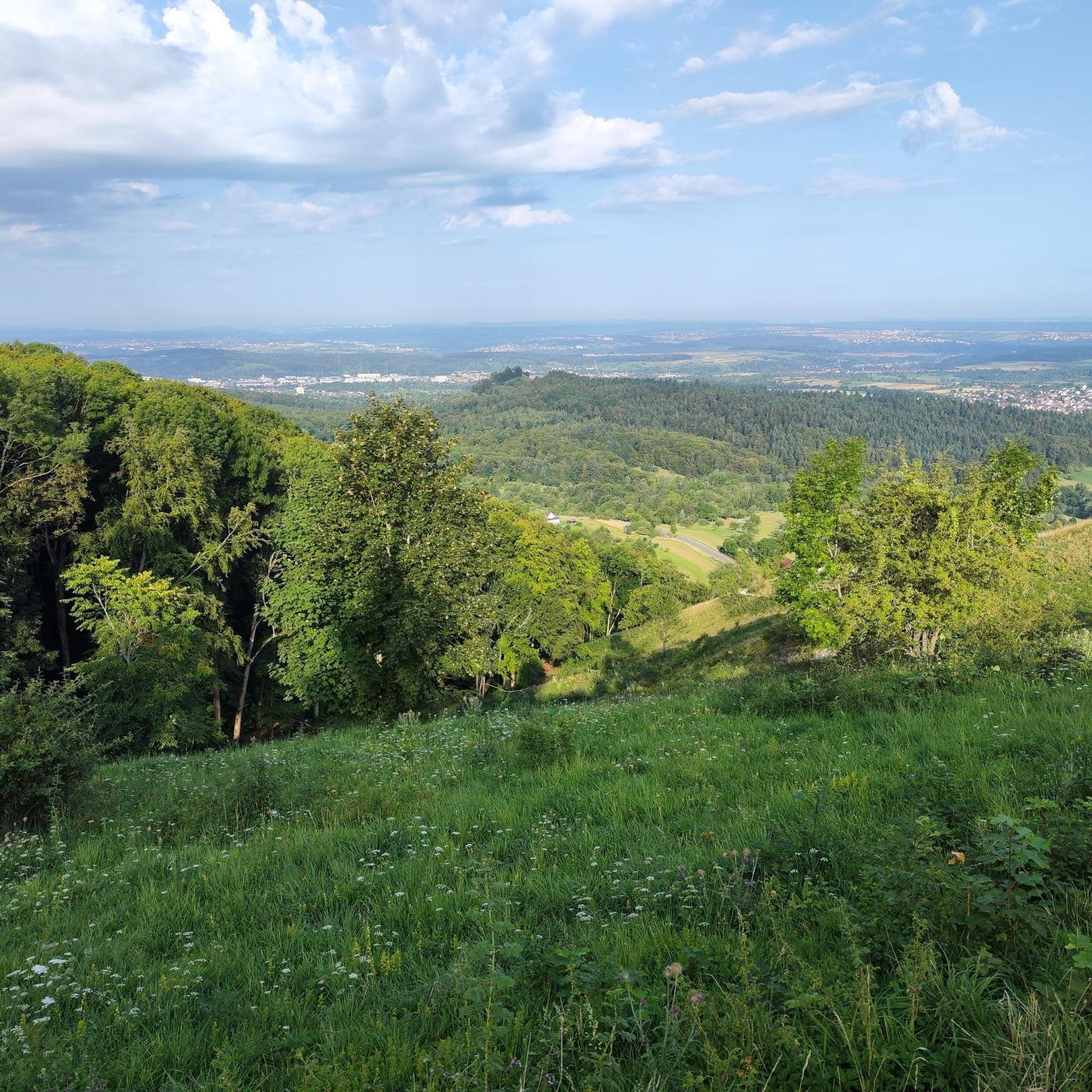

Tips from the Community

The Steinach normally flows out of this cave. But at the moment there is hardly any water in it. Further back, however, you need rubber boots to penetrate deeper into the cave. The entrance is closed with an iron gate during the cold season to avoid disturbing the bats.
11
0

View over a safety fence into one of the "Höllenlöcher" (hell holes) in this area. Those who like it a bit more adventurous can also descend to the entrance at their own risk.
7
0
To reach the cave, you have to walk a sloping, sometimes somewhat steep path, which is only relatively safe in good weather. The entrance to the cave is secured, but entering it would have been possible without any problems during the summer months.
5
0

You can't just walk past, you have to take a look down.
1
0

Gönninger's Cave (Gönningershöhle) - shaft cave - 68 m long and 21 m deep Gönninger's Cave - Dettingen an der Erms - LKR. Reutlingen
0
0

There's a sign inside saying it's closed from November 15th to April 15th. Whether it's true, but unfortunately we were too early
0
0

A popular attraction for all hikers in the area - you should therefore be considerate when riding your bike - especially on weekends with good weather. Small typical sight for the karst underground here on the Alb. Such “hellholes” can be found on the opposite Alb plateau near Roßfeld.
1
0

Currently in the winter months you should only go to the entrance, but not further in, as it is a quiet zone for bats. Beautiful little cave.
4
0
Frequently Asked Questions
What types of caves can I explore near Riederich?
The region around Riederich, particularly the Swabian Jura, is known for its diverse karst cave systems. You can find active water caves like Wimsener Cave and Falkensteiner Cave, dry karst caves such as Barnberg Cave, and even Germany's only developed vertical show cave, Tiefenhöhle Laichingen. These caves showcase fascinating rock formations, stalactites, and stalagmites.
Are there any family-friendly caves to visit near Riederich?
Yes, several caves in the wider region are suitable for families. Wimsener Cave offers unique boat tours, making it an engaging experience for all ages. Charlottenhöhle near Giengen-Hürben is another great option, featuring an adventure museum, playground, and water fun park alongside the cave itself. Nebelhöhle near Sonnenbühl is also easily accessible for visitors without a guide.
What are some unique geological features of the caves in the Swabian Jura?
The caves in the Swabian Jura are primarily karst caves, formed by the dissolution of limestone and dolomite. Unique features include active water flow, as seen in Falkensteiner Cave where the Elsach River runs through it, and the vertical shaft of Tiefenhöhle Laichingen. Many caves, like Barnberg Cave, also feature stalactites and cave clay, remnants of ancient geological processes.
What is the best time of year to visit caves around Riederich?
Most show caves are accessible year-round, but specific conditions can vary. For caves like Bauerloch Cave, visiting in winter when trees are bare allows for a better view of the rock wall, provided there is no snow. Active water caves like Falkensteiner Cave should not be entered during rain or thunderstorms due to safety concerns. Always check specific cave conditions before your visit.
Do I need special equipment or permits to explore caves near Riederich?
For most show caves like Wimsener Cave, Nebelhöhle, or Charlottenhöhle, no special permits are needed, but sturdy footwear is recommended due to potentially slippery paths. For active water caves like Falkensteiner Cave, special equipment and permits are required for tours beyond the initial 20 meters. For natural caves like Barnberg Cave or Bauerloch Cave, a good headlamp is essential. Some natural caves also have seasonal access restrictions to protect wildlife, typically from October 1st to March 31st.
Are there historical caves or sites near Riederich?
Yes, the region has caves with historical significance. Barnberg Cave, for instance, is a 46-meter-long karst cave that historically served as a habitation for Stone Age people, with tool finds confirming its ancient use. Schiller Cave is another natural monument on the Swabian Alb that historically functioned as an escape cave during various wars.
What outdoor activities can I combine with a cave visit near Riederich?
The area around Riederich offers various outdoor activities. You can find numerous hiking trails, including easy hikes like the 'Pond at Reichenecker Strässle' loop or the 'Animal Fountain at Entenklemmr' loop. For more challenging adventures, there are MTB trails such as the 'View of the Glems Reservoir' or 'Historic Old Town of Bad Urach' loops. You can explore more options on the Easy hikes around Riederich, Running Trails around Riederich, and MTB Trails around Riederich guide pages.
Are there any dog-friendly cave trails or areas around Riederich?
While dogs are generally not permitted inside show caves for safety and preservation reasons, many of the surrounding hiking trails that lead to cave entrances or viewpoints are dog-friendly. For example, the trails around Höllenloch Cave Entrance or Bauerloch Cave are popular for walks with pets, allowing you to enjoy the natural surroundings even if your dog can't enter the cave itself.
What should I wear when exploring caves in the Riederich area?
When exploring caves, it's advisable to wear sturdy, non-slip footwear, as paths can be wet and slippery. Even in summer, cave temperatures are consistently cool, so bring layers of clothing, including a jacket or sweater. For natural caves, a reliable headlamp is crucial, as mobile phone lights are often insufficient for deeper sections.
Where can I find viewpoints close to the caves around Riederich?
Many caves are nestled within scenic landscapes offering great viewpoints. For instance, Höllenloch Cave Entrance is a popular attraction for hikers, offering a glimpse into the karst underground and often situated along trails with good views. The rock wall of Bauerloch Cave is best viewed from the outside, especially in winter, providing a natural landmark within the landscape.
What do visitors enjoy most about the caves around Riederich?
Visitors appreciate the diverse experiences offered by the caves, from the unique boat tours at Wimsener Cave to the historical insights of Barnberg Cave. The natural beauty and geological formations are a major draw, with many enjoying the sense of discovery in less-developed caves. The komoot community has shared 387 photos and given 326 upvotes, highlighting the visual appeal and popularity of these sites.
Are there any cafes or accommodation options near the major caves?
Yes, the more popular show caves often have amenities nearby. Wimsener Cave, for example, is located near Zwiefalten, which offers dining and accommodation options. Similarly, Nebelhöhle near Sonnenbühl and Charlottenhöhle near Giengen-Hürben are in areas with tourist infrastructure, including cafes and guesthouses. For specific details, it's best to check local tourism information for each cave's vicinity.
Most popular routes around Riederich
Most popular attractions around Riederich

Get inspired with the komoot mobile app


Explore more
Extend your search for the best caves by checking out these guides of the top ones around Riederich:
