The best gravel rides around Jerez De La Frontera
5.0
(3)
216
riders
59
rides
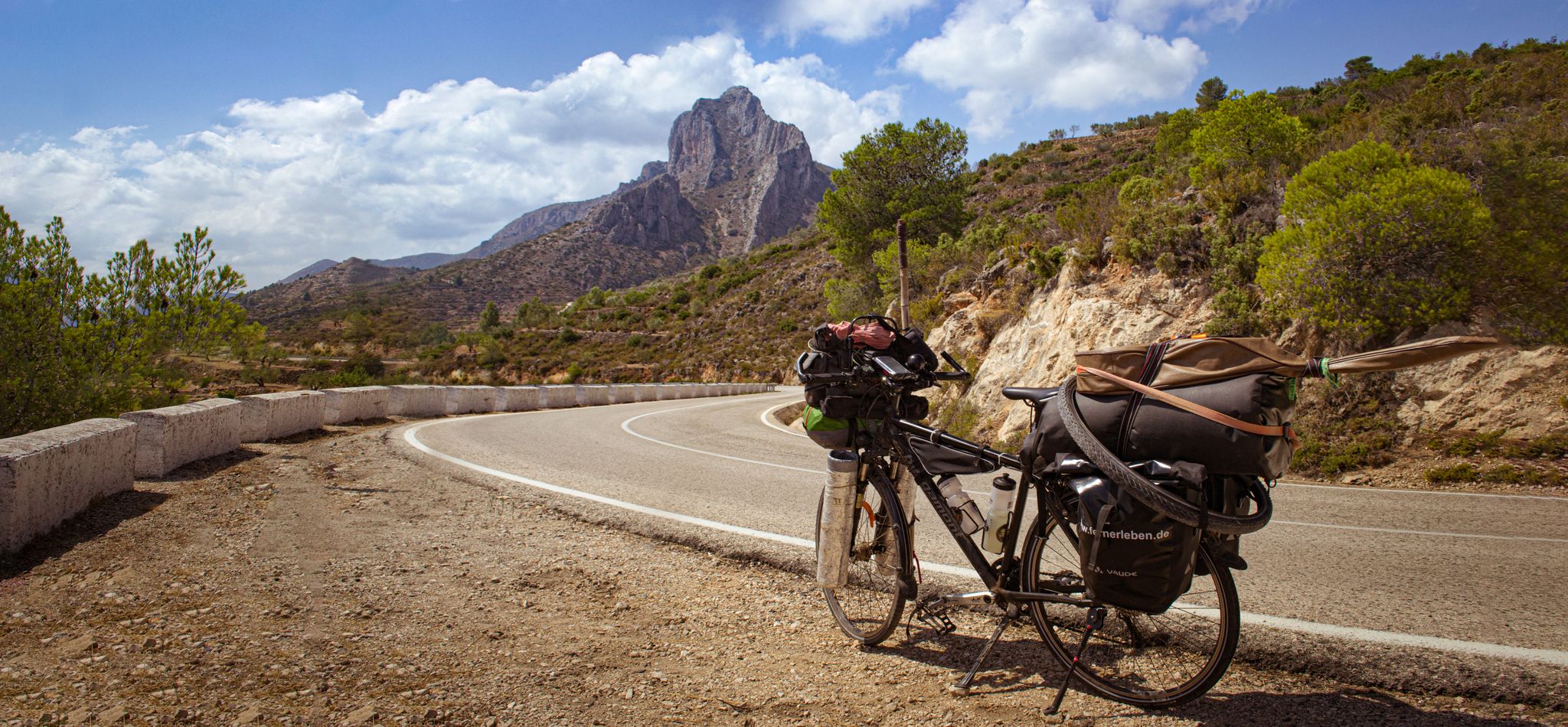
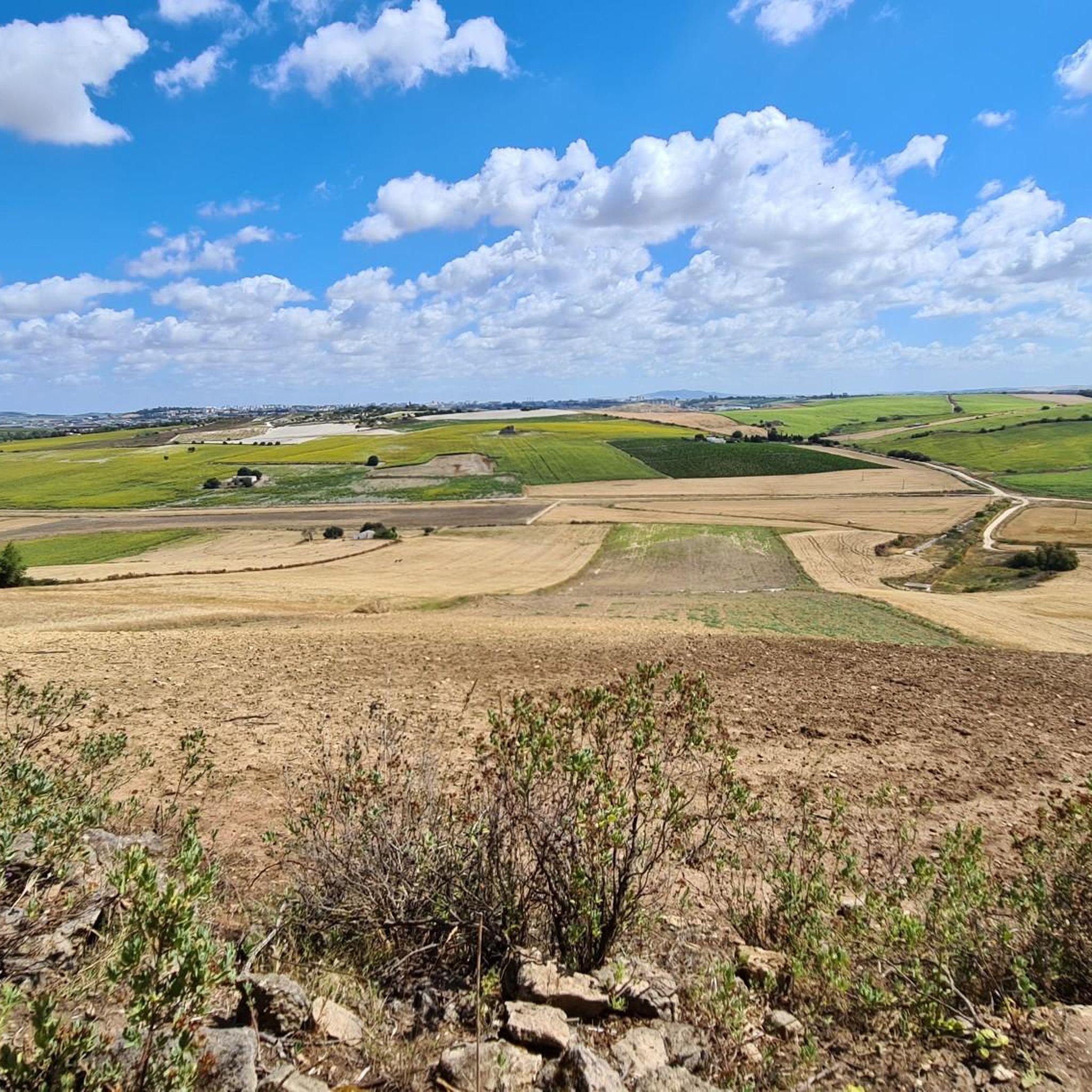
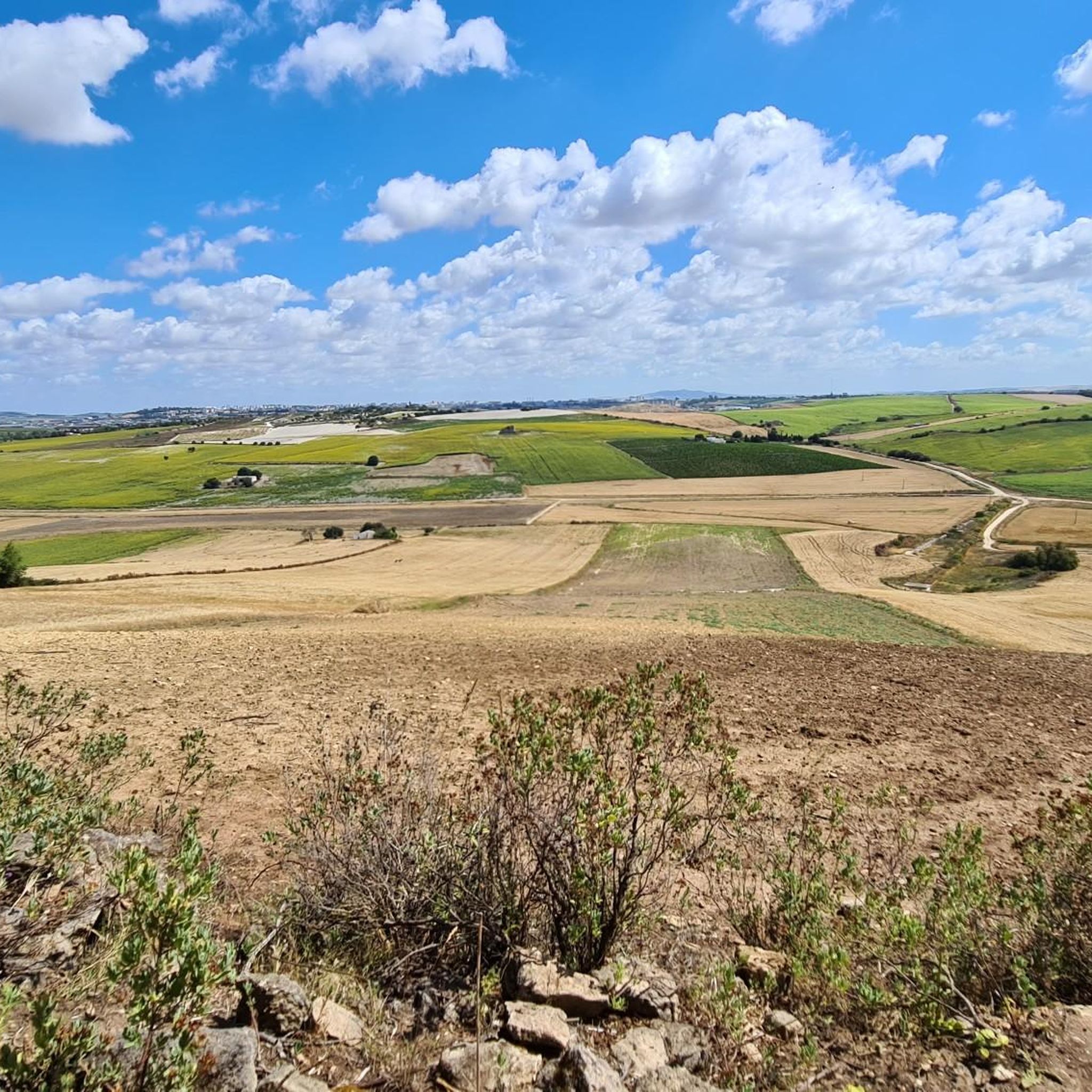
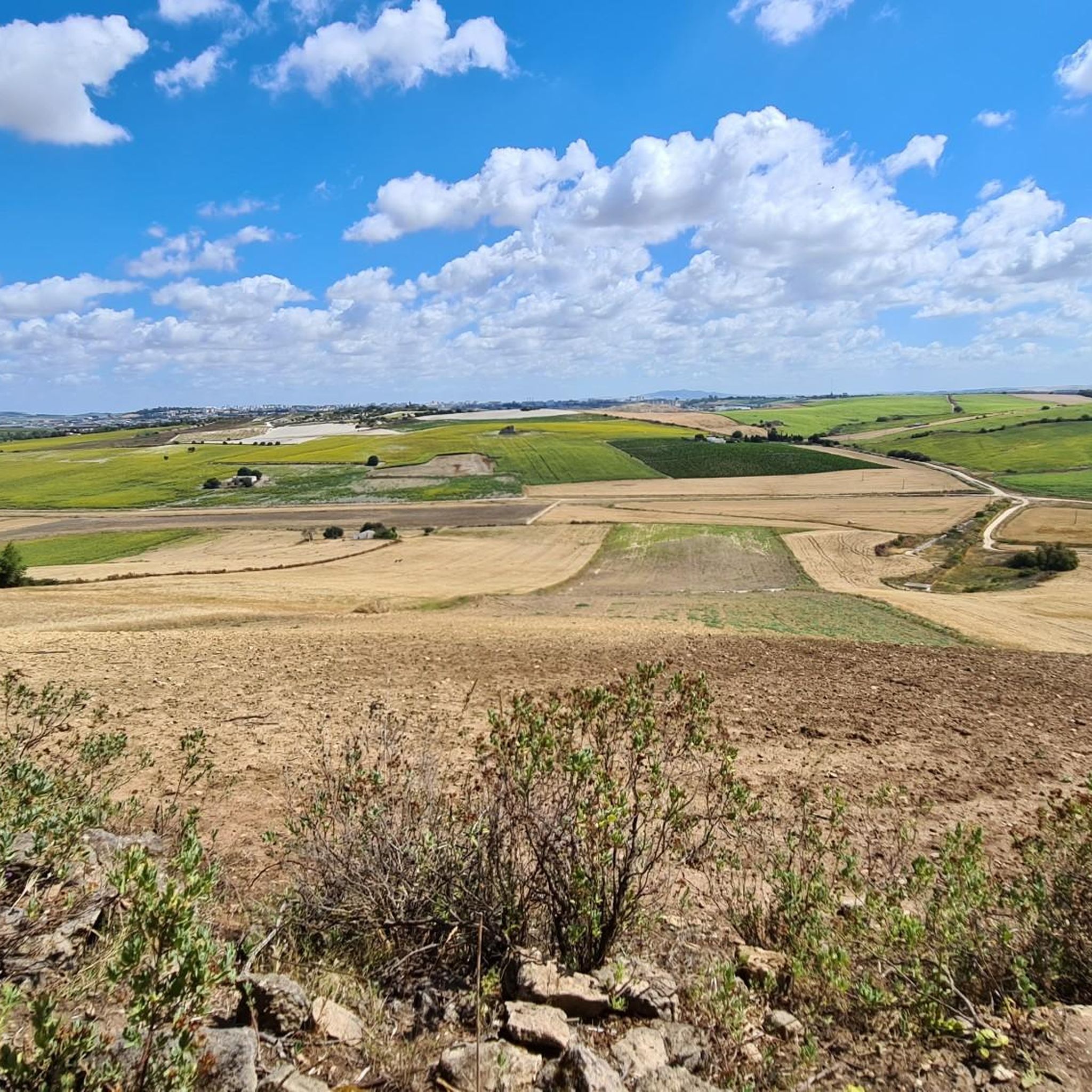
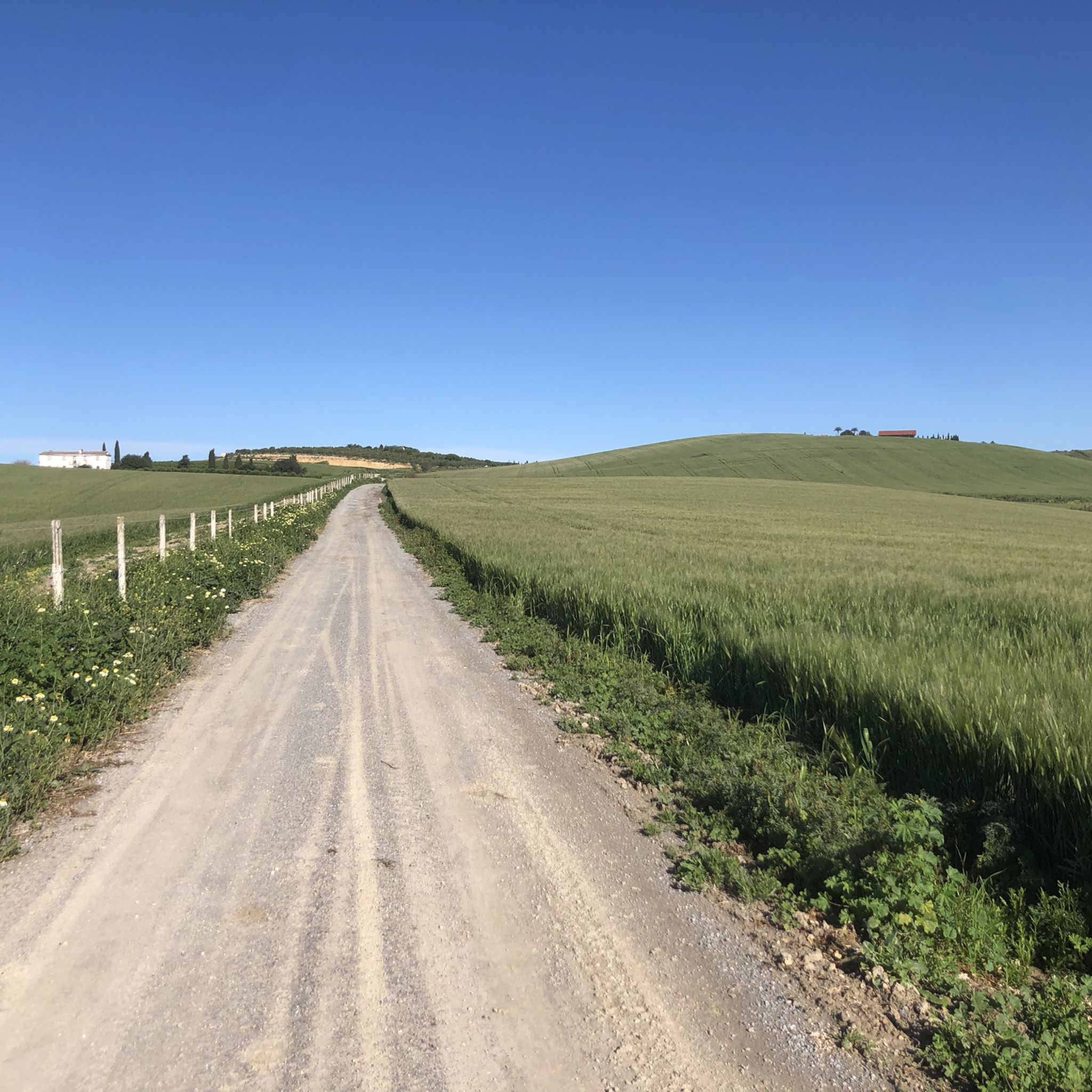
Gravel biking around Jerez de la Frontera offers diverse terrain across Andalusia, Spain. The region features quiet country roads and dedicated gravel tracks winding through vineyards, ancient settlements, and riverside towns along the River Guadalete. Cyclists encounter rolling hills, holm-oak woods, and agricultural areas, with routes extending towards the Sierra de Cadiz and coastal natural reserves. The landscape provides a mix of flat sections, challenging ascents to white villages, and varied surfaces suitable for gravel exploration.
Best gravel bike trails…
Last updated: May 11, 2026
16
riders
91.2km
06:36
1,380m
1,380m
Hard gravel ride. Very good fitness required. Mostly paved surfaces. Suitable for all skill levels.
20
riders
75.2km
05:59
830m
830m
Hard gravel ride. Very good fitness required. Mostly paved surfaces. Suitable for all skill levels.

Sign up for free
15
riders
Moderate gravel ride. Good fitness required. Mostly paved surfaces. Suitable for all skill levels.
12
riders
Easy gravel ride. Great for any fitness level. Mostly paved surfaces. Suitable for all skill levels.
5.0
(1)
6
riders
Moderate gravel ride. Good fitness required. Mostly paved surfaces. Suitable for all skill levels.
Get access to more routes and recommendations from other explorers.
Sign up for free
Already have an account?
Our route recommendations are based on thousands of hikes, rides, and runs completed by other people on komoot.
Start today with a free account
Your next adventure awaits.
Login or Signup
Other adventures around Jerez De La Frontera

Tips from the Community

Good views, very pleasant walk.
0
0


The roads are in very good condition for gravel riding and are also very pleasantly shaded.
0
0


Ideal place for a quiet bike ride discovering nature.
0
1

The Salinas Romanas de Iptuci are located in Prado del Rey, in the province of Cádiz and are one of the last inland salt production areas still in use in the province. These salt production areas have a rich history dating back to the Phoenicians, approximately 3,000 years ago, and were later developed during the Roman period. The salt production areas use hot underground springs that bring water with a high salt content to the surface. The water is gradually concentrated in different basins, where the salt crystals are finally isolated by evaporation under the sun.
8
0
The Puerta Matrera is the only remaining gate of the original city wall of Arcos de la Frontera. This gate connects the old town centre with the Barrio Bajo. It is a historically important building that was restored in the 17th and 18th centuries. From here you can still see remains of the city wall between the houses. The gate also has a small chapel with a statue of the Virgen del Pilar, which has been recently restored.
10
0
The town, situated on a rocky plateau, invites you to travel through time. From the 11th century it was the capital of a taifa, a small Berber kingdom. The fortified town was finally reconquered in 1264 by Alfonso X, who also took Seville, Jerez and Cádiz during the Reconquista. For two centuries Arcos was an outpost on the border of the kingdom and in the 15th century the village came into the hands of the Ponce de León family, who played a major role in the victory over the kingdom of Granada. During the 19th century, Arcos acquired its current appearance thanks to the rise of olive and grape cultivation and horse breeding.
9
0
Frequently Asked Questions
How many gravel bike trails are available around Jerez de la Frontera?
There are over 70 gravel biking routes in the Jerez de la Frontera area, offering a wide range of experiences. You'll find everything from moderate rides to more challenging tours with significant elevation gains.
What kind of terrain can I expect on gravel bike trails near Jerez de la Frontera?
The terrain is incredibly diverse. You'll encounter quiet country roads, dedicated gravel tracks through picturesque vineyards, ancient settlements, and riverside towns along the River Guadalete. Routes also extend through holm-oak woods, expansive agricultural areas, and the rolling hills of the Sierra de Cadiz, often featuring a mix of paved and unpaved surfaces.
Are there gravel biking routes suitable for beginners in the Jerez de la Frontera area?
Yes, while many routes are moderate or difficult, there are a few easier options available. For instance, the region offers routes with less elevation gain, such as the La Algaida Viewpoint – Bridge Over the Río San Pedro loop from Valdelagrana, which is a moderate 16.4-mile (26.4 km) ride with minimal climbing, perfect for those starting out or looking for a relaxed ride.
What is the best time of year for gravel biking in Jerez de la Frontera?
The cooler months, from autumn through spring (October to May), are generally ideal for gravel biking in Jerez de la Frontera. The weather is milder and more pleasant for longer rides, avoiding the intense heat of the Andalusian summer. The region also benefits from a cooling Atlantic breeze, making it enjoyable even on warmer days.
What cultural or natural attractions can I explore along gravel routes near Jerez de la Frontera?
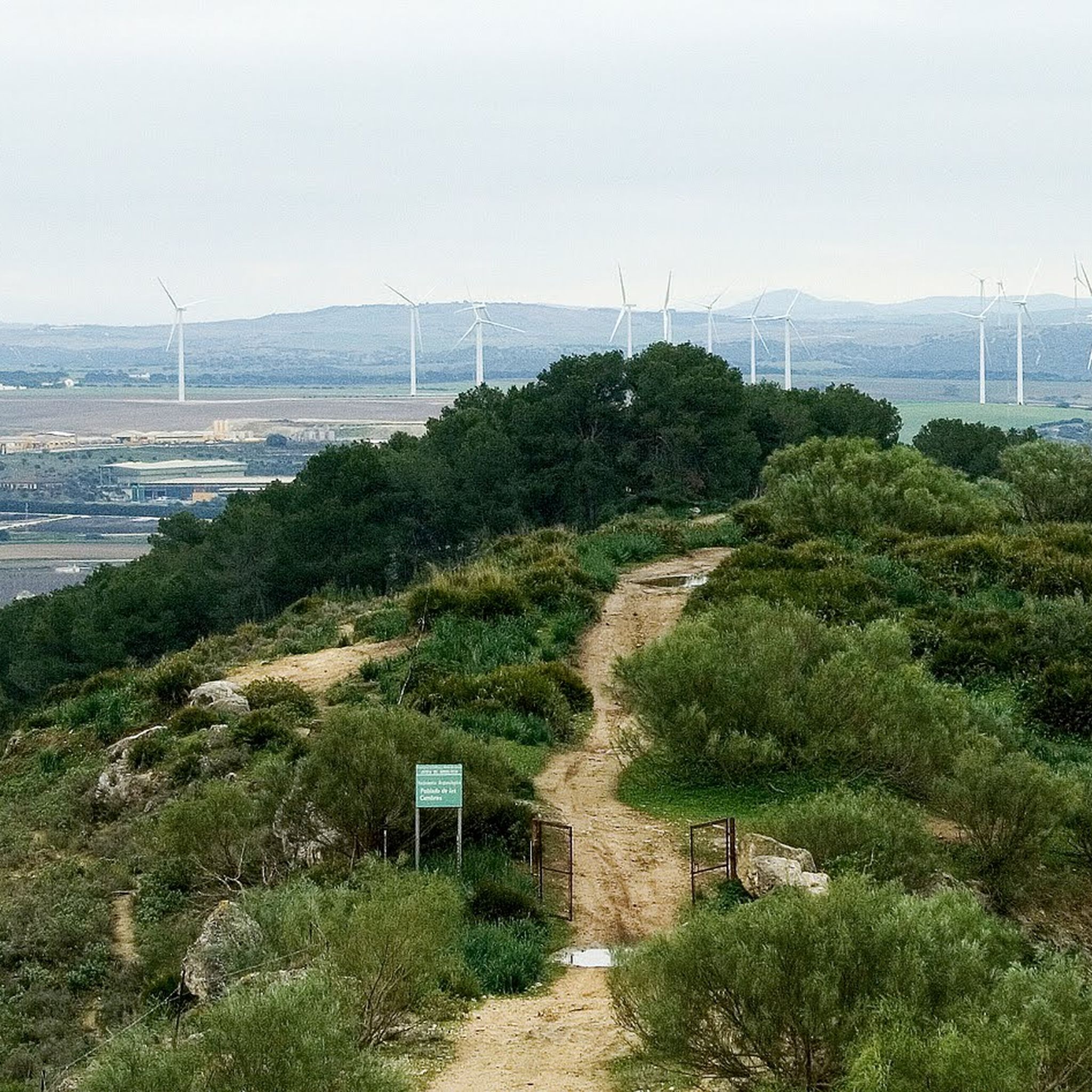
Many routes pass by significant cultural and natural landmarks. You can cycle past historic sites like the Alcázar of Jerez de la Frontera or the Poblado de las Cumbres Archaeological Site. Natural highlights include the serene Laguna de Medina and the expansive Los Toruños and La Algaida Metropolitan Park, offering diverse scenery.
Are there any scenic viewpoints on the gravel trails around Jerez de la Frontera?
Absolutely. The region is known for its stunning vistas. You can find viewpoints like the Mirador de Abades or the Guadalcacín Reservoir Viewpoint, offering panoramic views of the landscapes, reservoirs, and even the famous 'Pueblos Blancos' perched on hilltops.
Are there any circular gravel bike routes available?
Yes, many of the gravel routes in the area are designed as loops, allowing you to start and finish in the same location. An example is the Flamencos Junction – Pine Forest Trail loop from Jerez de la Frontera, a moderate 39.6-mile (63.8 km) ride that takes you through varied landscapes and returns to the city.
Is it possible to access gravel biking routes using public transport in Jerez de la Frontera?
Jerez de la Frontera is well-connected by public transport, including train and bus services, making it feasible to reach the city and some starting points for routes. For specific trailheads further afield, it's advisable to check local bus schedules or consider a short taxi ride if you're not starting directly from the city center.
Where can I find parking for gravel bike trails near Jerez de la Frontera?
Parking is generally available in and around Jerez de la Frontera, especially in urban areas or near popular starting points for trails. When venturing into more rural areas or natural parks, look for designated parking spots or small village car parks. Always ensure you park responsibly and legally.
Are there family-friendly gravel biking options around Jerez de la Frontera?
While many routes involve significant distances and elevation, there are options suitable for families or those seeking a more relaxed pace. Look for routes designated as 'easy' or 'moderate' with lower elevation gains, often found along greenways or flatter sections of the Sherry Triangle area, which offers gentle terrain through vineyards and agricultural lands.
Can I bring my dog on gravel biking routes in this region?
Many natural areas and rural paths in Andalusia are generally dog-friendly, especially if your dog is well-behaved and kept on a leash. However, specific regulations can vary in protected areas like Doñana National Park or other natural reserves. It's always best to check local guidelines for the specific trail you plan to ride to ensure dogs are permitted.
Are there places to stop for refreshments or cafes along the gravel routes?
Yes, many routes pass through or near charming 'Pueblos Blancos' (white villages) or smaller towns where you can find local cafes, bars, and restaurants. These are perfect for a refreshment stop, a traditional Andalusian meal, or to refill water bottles. Planning your route with these stops in mind can enhance your experience.
What is the overall rating for gravel biking in Jerez de la Frontera by the komoot community?
The gravel biking routes around Jerez de la Frontera are highly regarded by the komoot community, boasting an impressive average rating of 4.8 out of 5 stars from numerous reviews. Riders frequently praise the diverse landscapes, the mix of challenging climbs and scenic flat sections, and the opportunity to explore both cultural landmarks and natural beauty.
Most popular routes around Jerez De La Frontera
Most popular attractions around Jerez De La Frontera

Get inspired with the komoot mobile app


Explore more
Browse the best Gravel rides in other regions.
