The best gravel rides around Bigues i Riells del Fai
4.6
(36)
1,739
riders
138
rides
Gravel biking around Bigues i Riells del Fai offers a diverse landscape characterized by rolling hills, rural paths, and forested sections. The region features significant elevation changes, with routes often including climbs to viewpoints and historical sites. Riders can expect a mix of natural terrain and trails passing through agricultural areas and near river promenades.
Best gravel bike trails around Bigues i Riells del Fai
- The most popular gravel bike trail is Mirador del Puig del Castell loop from l'Ametlla…
Last updated: October 25, 2026
12
riders
Hard gravel ride. Very good fitness required. Mostly paved surfaces.
18
riders
70.9km
05:11
1,500m
1,500m
Hard gravel ride. Very good fitness required. Mostly paved surfaces.

10
riders
Moderate gravel ride. Good fitness required. Mostly paved surfaces.
4.0
(1)
11
riders
39.9km
03:00
650m
650m
Hard gravel ride. Very good fitness required. Mostly paved surfaces.
7
riders
58.8km
04:51
1,170m
1,170m
Hard gravel ride. Very good fitness required. Mostly paved surfaces.
Get access to more routes and recommendations from other explorers.
Already have an account?
Our route recommendations are based on thousands of hikes, rides, and runs completed by other people on komoot.
Start today with a free account
Your next adventure awaits.
Tips from the Community

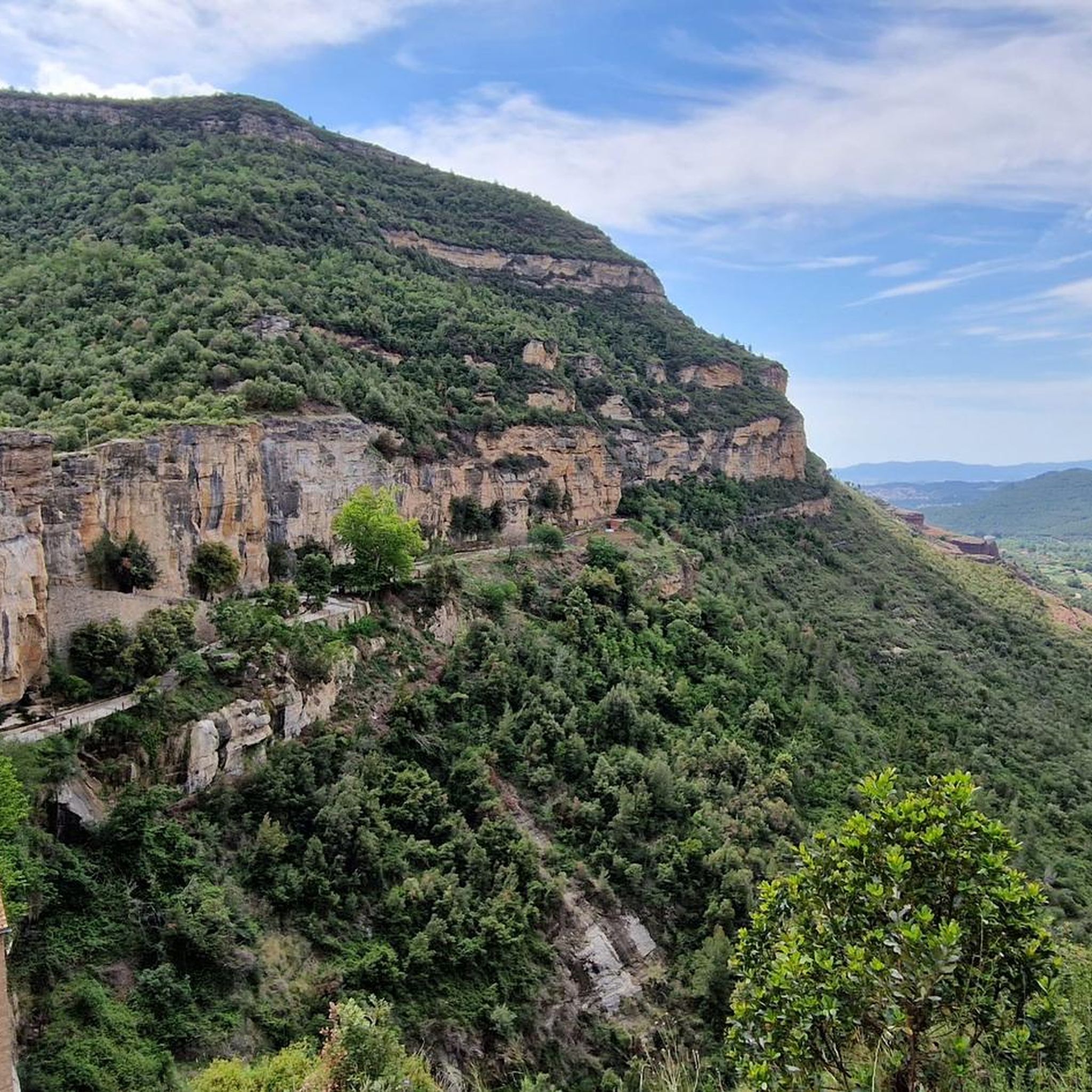
Sant Miquel del Fai is a monastery with a church that is integrated into a system of natural caves carved into limestone cliffs. The complex combines excavated chambers with built walls, creating interconnected spaces where the cave and the building blend. The monastery was founded in the early 11th century and functioned as a religious community for several centuries. Its use as a monastery declined in the 16th century, although the structures remained and retained their religious significance. The church was carved directly into the rock, creating a space where the building and the cave meet. This fusion between human structure and nature has defined how people have experienced this place.
0
0

The monastery of Santa Maria de l’Estany is one of the great ensembles of Catalan Romanesque architecture. The church, consecrated in 1133, stands out for its sobriety and for the elegant cimborio that crowns the transept. But the great treasure is in the cloister: its 72 capitals depict religious and profane scenes, among which the Last Supper and the triumphal entry of Jesus into Jerusalem stand out.
0
0

La Cova del Toll is a prehistoric cave located in Moià, in the Moianès region. Situated at an altitude of 745 meters, it has a total length of 1148 meters. The part open for visits is 180.55 meters long and is L-shaped. It is one of the richest prehistoric caves in Europe in terms of Quaternary fauna. The guided tour, very well conducted by the professional and geared towards younger visitors, explains in a very detailed and engaging manner part of the history of these caves, their formation, inhabitants, uses, discovery, and findings.
0
0

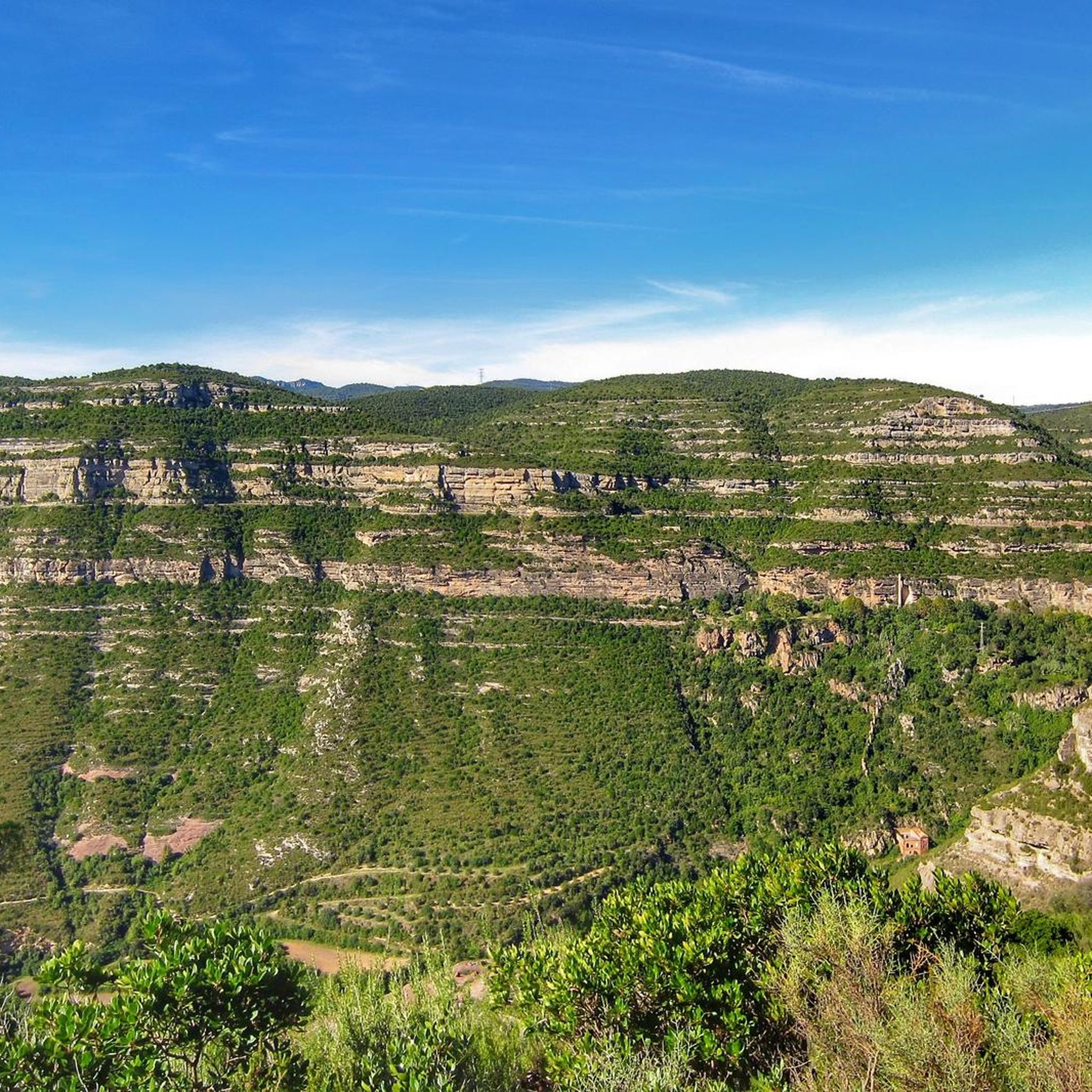
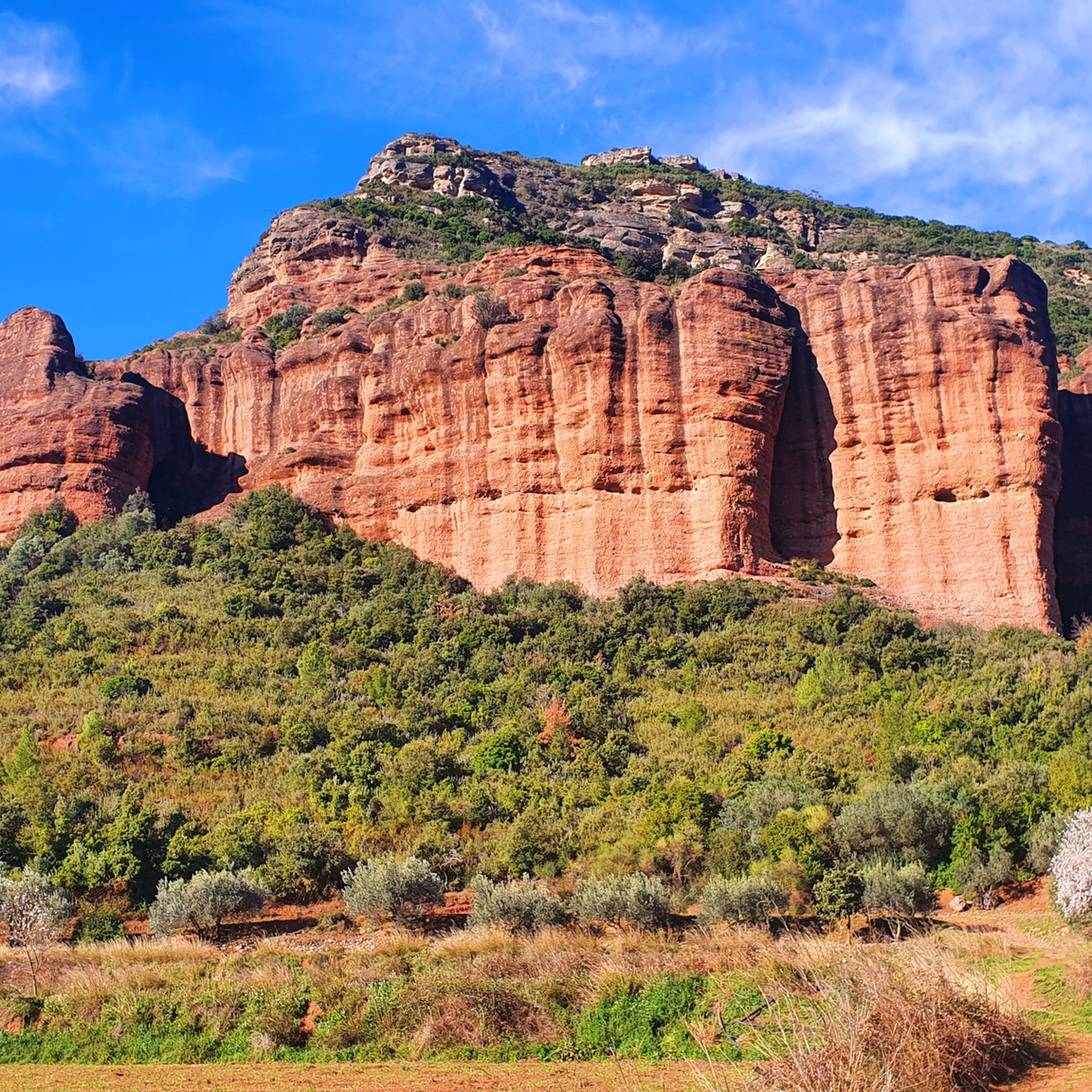
A real discovery! Superb views, decent asphalt and virtually no cars.
0
0

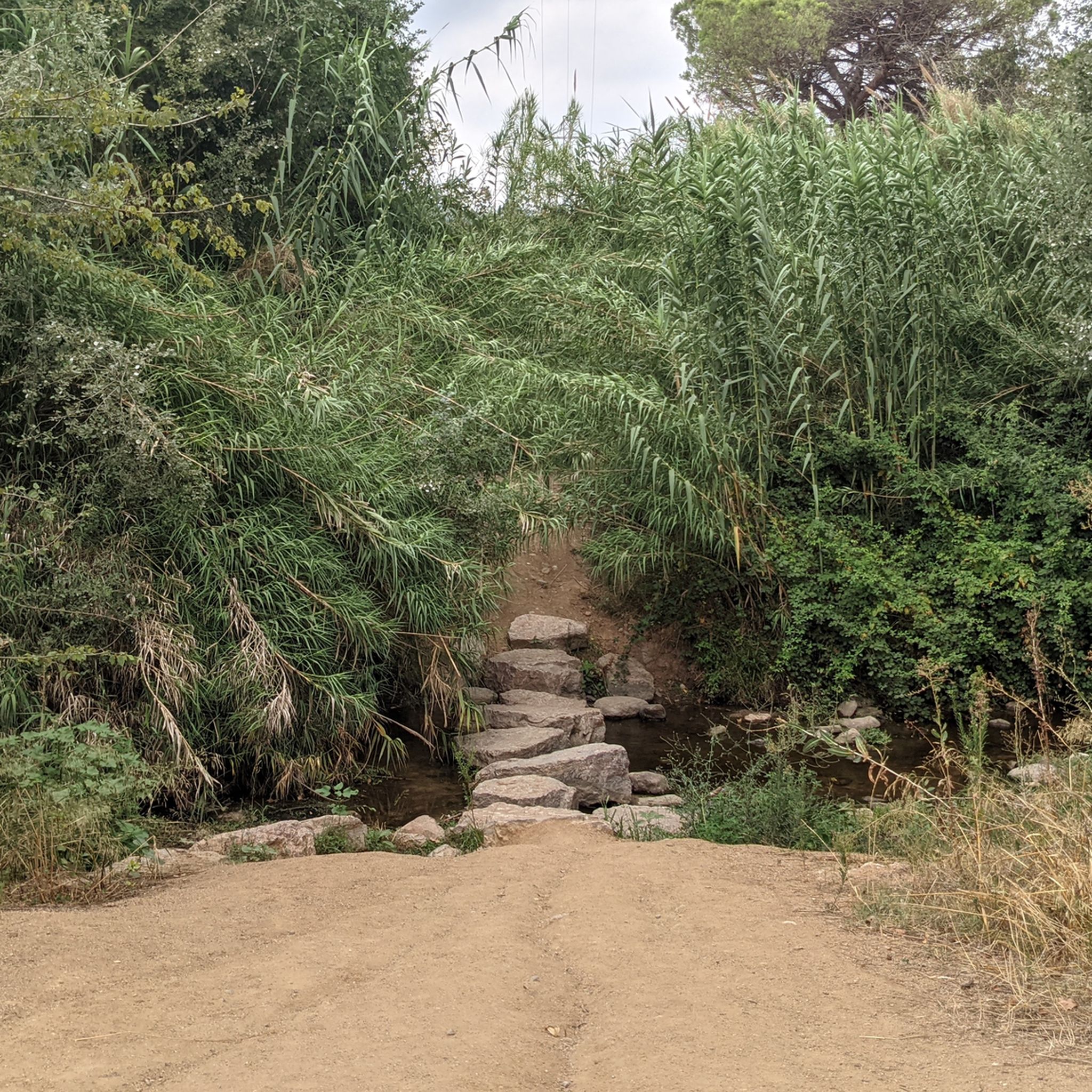
Very nice. It looks so much better than it did years ago.
1
0

It's tough climbing up here on a road bike, especially in winter... But an unforgettable and addictive experience... and then on beyond Ases there's still a good climb left, and then down (carefully) to Castellterçol
1
0


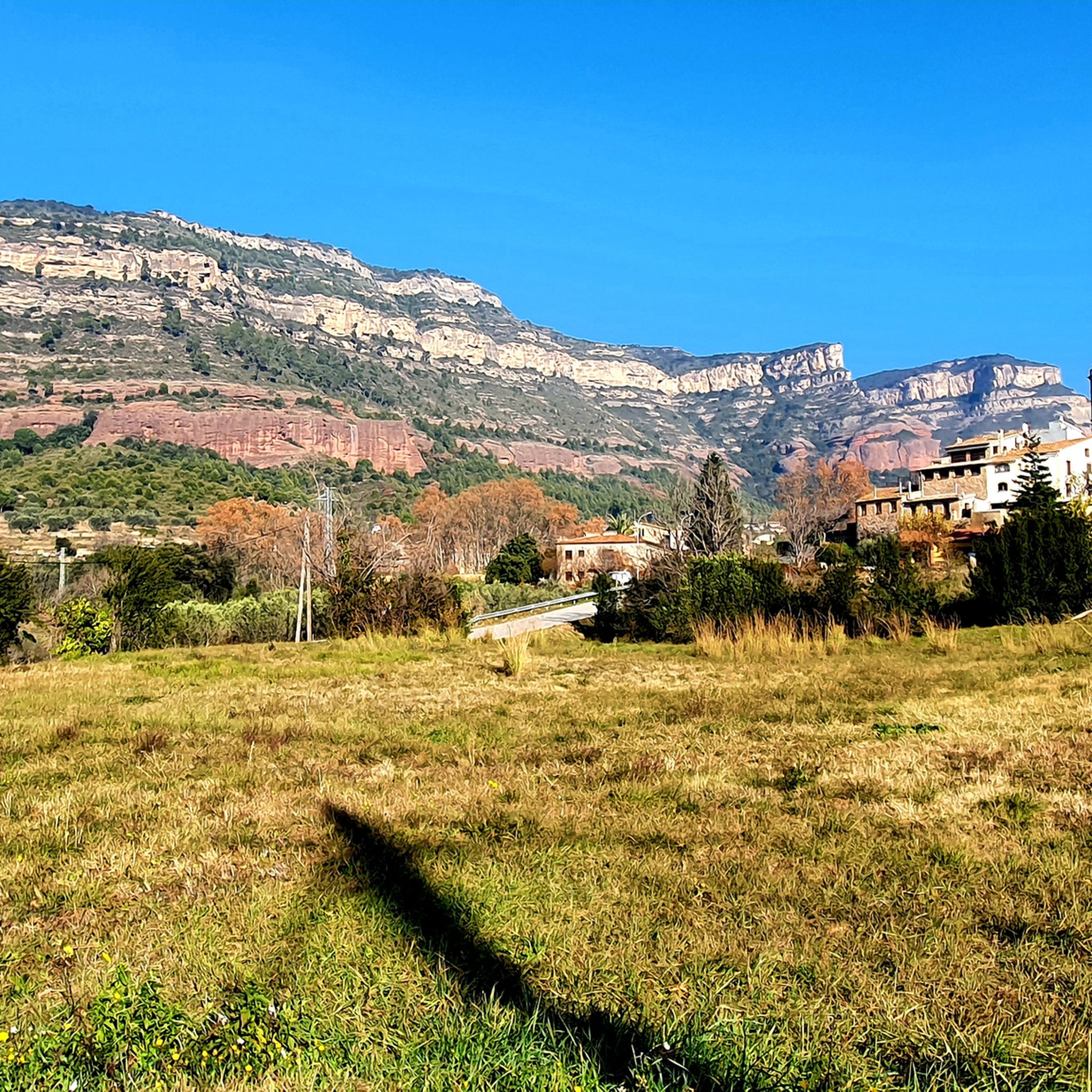
Collsuspina is a small village with fewer than 400 inhabitants. It belongs to the Moyanés region. Its name comes from the fact that it was established on the Espina pass, along the old royal road from Manresa to Vic. The pass was named after the important L'Espina farmhouse that once stood there.
0
0
Frequently Asked Questions
How many gravel bike trails are available in Bigues i Riells del Fai?
Bigues i Riells del Fai offers a wide selection of routes, with nearly 150 gravel bike trails to explore. These range from moderate to difficult, catering to various skill levels.
What is the best time of year for gravel biking in Bigues i Riells del Fai?
The region's Mediterranean climate generally makes spring and autumn ideal for gravel biking, offering pleasant temperatures and less extreme weather. Summers can be hot, while winters are mild but may have occasional rain.
Are there options for beginner gravel bikers in Bigues i Riells del Fai?
While many routes feature significant elevation changes and are rated moderate to difficult, there are a few easier options available. You can find around 2 routes specifically categorized as easy, providing a good starting point for beginners.
Are there challenging gravel bike trails with significant elevation gain?
Yes, Bigues i Riells del Fai is known for its challenging terrain. Over 100 routes are rated as difficult, often featuring substantial elevation gains as you traverse rolling hills and ascend to viewpoints. For example, the Torre Marimon – Guanta Castle loop from Ctra. de Caldes a Mataró - Vallespir includes nearly 1,000 meters of climbing.
Can I find circular gravel bike routes in the area?
Many of the gravel bike routes in Bigues i Riells del Fai are designed as loops, allowing you to start and finish at the same point. Examples include the popular Mirador del Puig del Castell loop from l'Ametlla del Vallès and the Collsuspina – Santa Coloma Sasserra loop from Sant Quirze Safaja.
What natural attractions or landmarks can I see along the gravel bike routes?
The region is rich in natural beauty and historical sites. You can encounter impressive geological formations like Balma la Miquelona or the Socau Mine. Many routes also pass by significant historical landmarks such as the Sant Miquel del Fai Monastery.
Are there any waterfalls accessible from the gravel bike trails?
Yes, the area features several beautiful waterfalls. The Sant Miquel del Fai Monastery and Waterfall is a prominent attraction. Other notable cascades include the Waterfall of Sot del Bac and the Purgatory Waterfall, often found along scenic river sections.
Is public transport available to access gravel bike trails in Bigues i Riells del Fai?
Public transport options to directly access trailheads within Bigues i Riells del Fai can be limited. It's advisable to research local bus services or consider driving to a suitable starting point, especially for routes deeper in the rural areas.
Where can I find parking for gravel biking in Bigues i Riells del Fai?
Parking is generally available in the main towns and villages, such as Bigues i Riells del Fai itself, or l'Ametlla del Vallès. Look for designated public parking areas, especially near popular starting points for routes. Always check local signage for any restrictions.
Are there family-friendly gravel biking options?
For families, it's best to look for the easier routes, which are typically shorter and have less elevation gain. While the region is characterized by rolling hills, some paths through agricultural areas or along river promenades, like sections of the Torre Marimon – Besòs River Promenade loop, might be suitable for older children or those with some biking experience.
Are there gravel bike routes with cafes or places to stop for refreshments?
Many routes pass through or near small villages and towns where you can find local cafes, restaurants, or shops to refuel. Planning your route to include stops in places like Sant Quirze Safaja or l'Ametlla del Vallès will ensure you have opportunities for refreshments.
What do other gravel bikers enjoy most about the trails in Bigues i Riells del Fai?
The area is highly rated by the komoot community, with an average score of 4.6 stars from over 40 reviews. Riders frequently praise the diverse landscape, which combines rolling hills, quiet rural paths, and forested sections, along with the challenging climbs and rewarding viewpoints.
Are there any hidden gem gravel bike trails or routes with great viewpoints?
The region is full of scenic spots. The Mirador del Puig del Castell loop is specifically highlighted for its views from Puig del Castell. Exploring the less-trafficked paths through the rural landscapes often reveals hidden gems and stunning vistas of the surrounding valleys and mountains.
Most popular routes around Bigues i Riells del Fai
Most popular attractions around Bigues i Riells del Fai

Get inspired with the komoot mobile app


Explore more
Browse the best Gravel rides in other regions.
