The best gravel rides around Villena
4.7
(9)
424
riders
51
rides
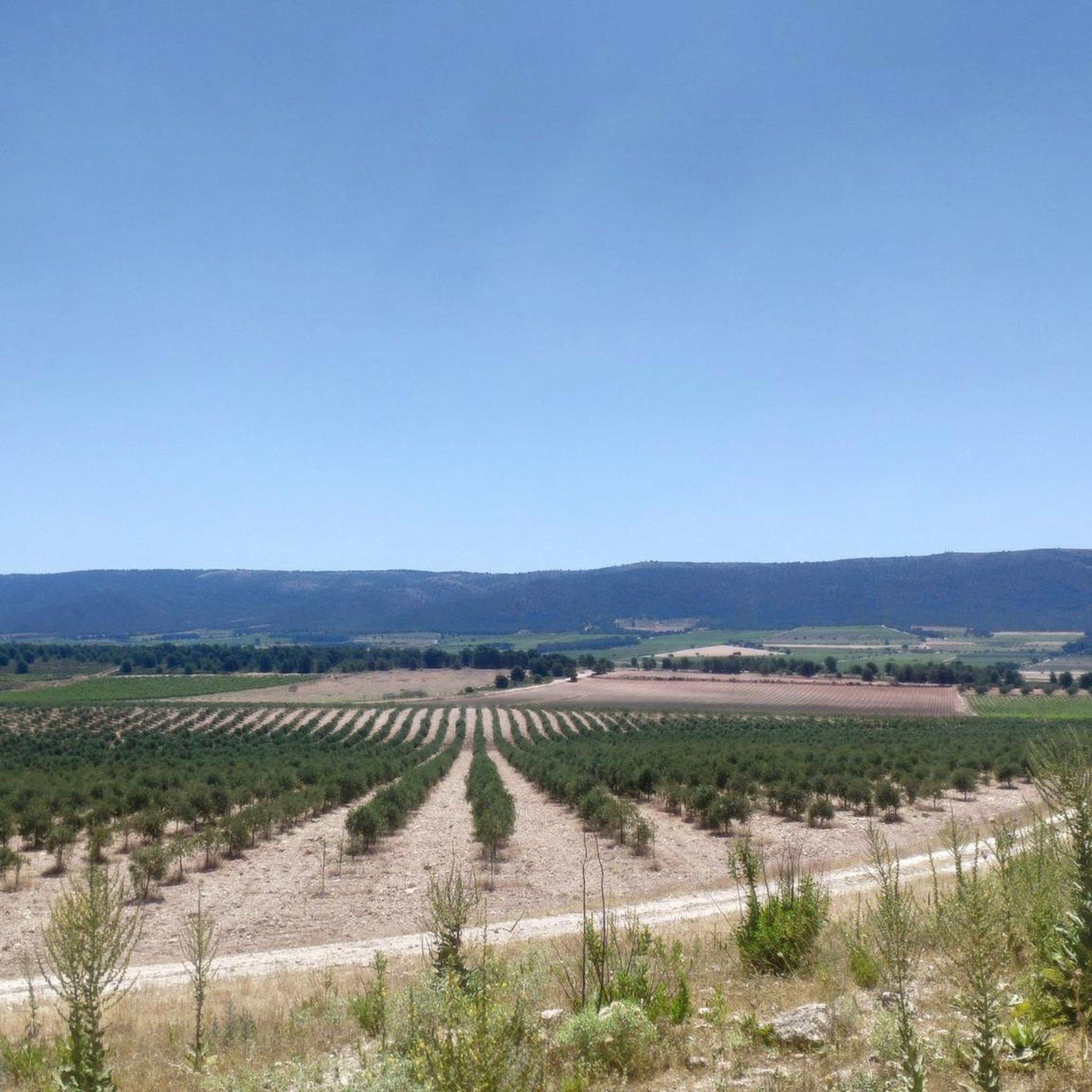
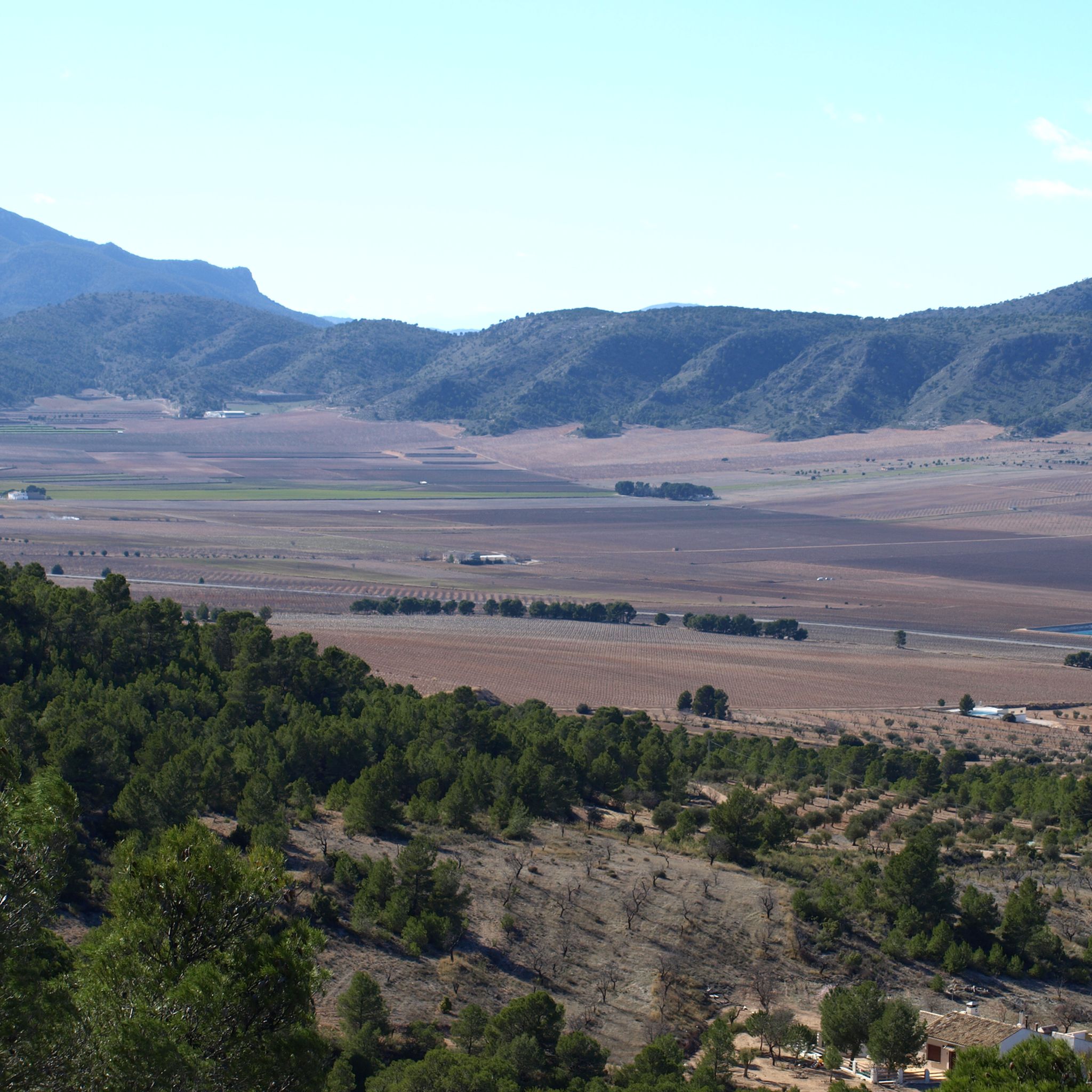
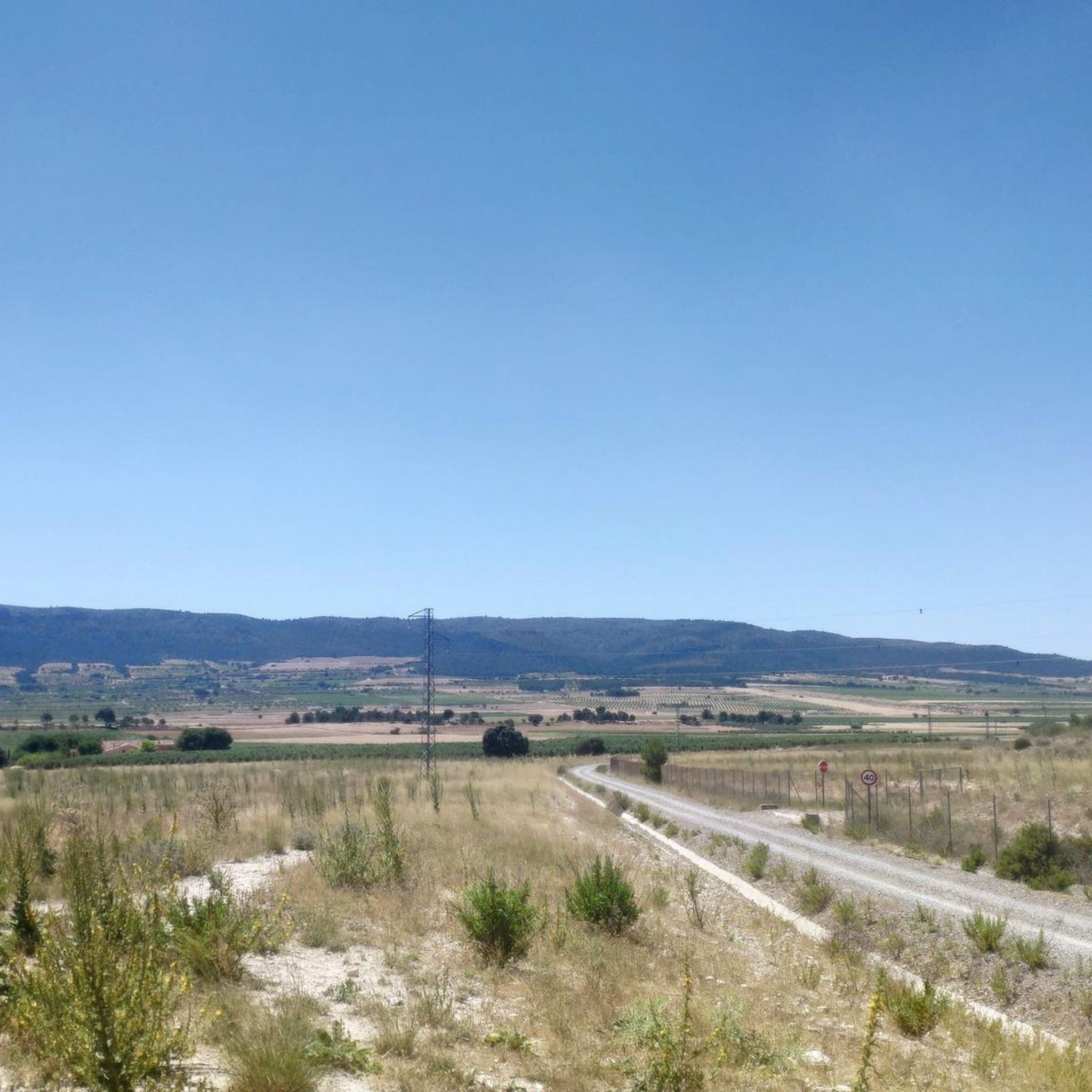
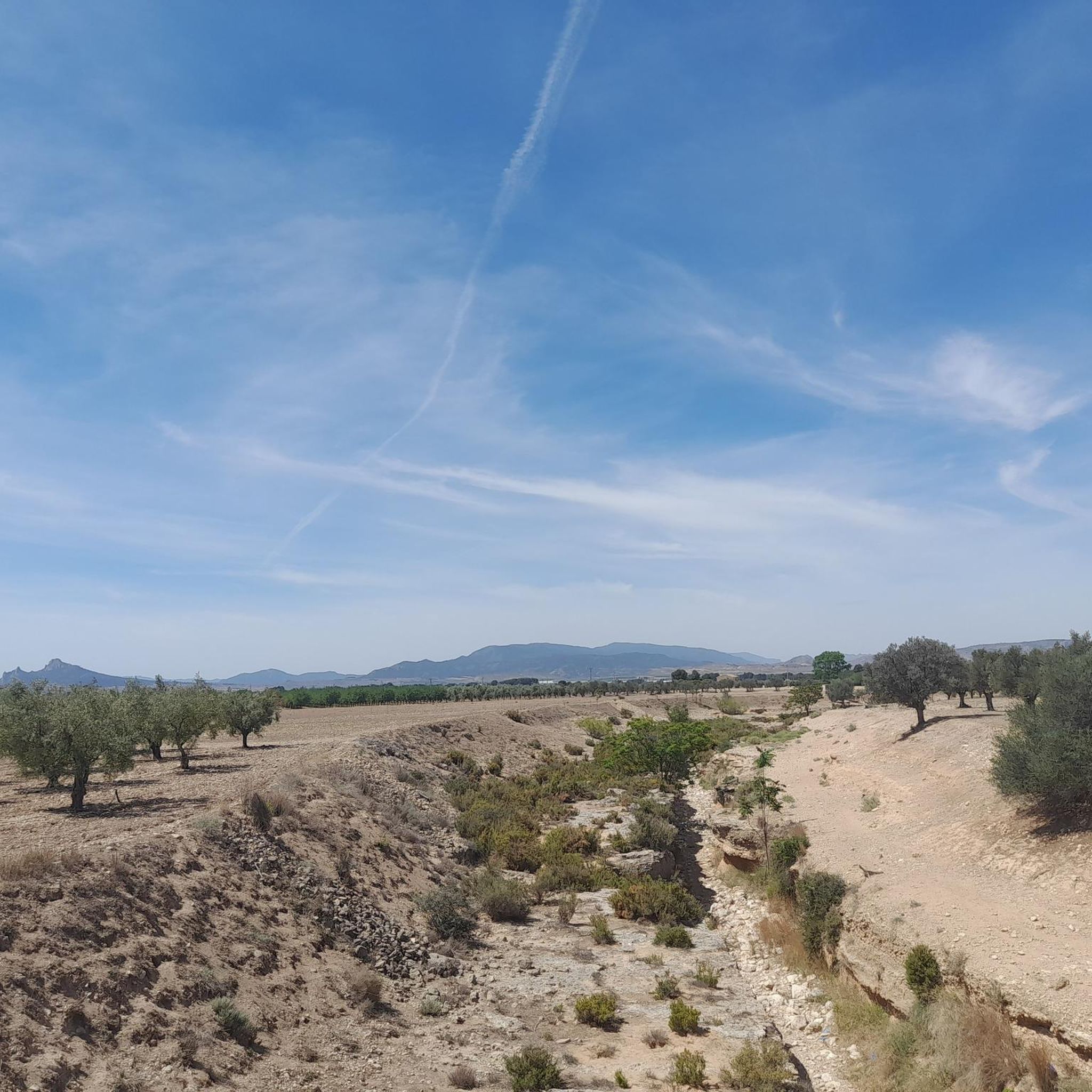
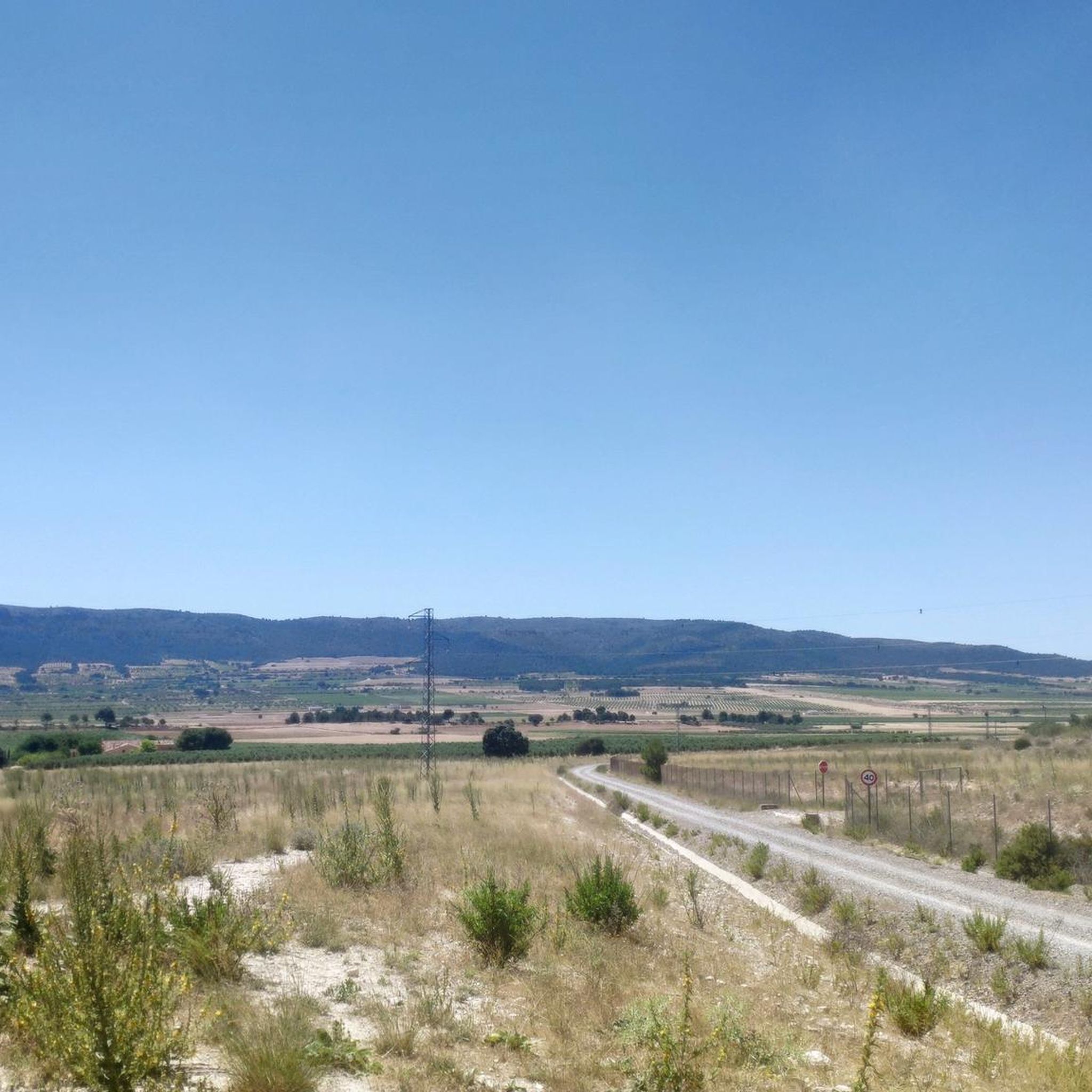
Gravel biking around Villena offers a diverse landscape characterized by rolling hills, agricultural plains, and areas with significant elevation changes. The region features a network of unpaved roads and tracks suitable for gravel cycling, connecting rural villages and natural areas. Terrain varies from smoother gravel paths to more challenging sections with steeper gradients. This provides a range of experiences for different skill levels.
Best gravel bike trails around Villena
- The most popular gravel bike trail is Biar – Font de…
Last updated: May 11, 2026
7
riders
24.4km
01:53
260m
260m
Moderate gravel ride. Good fitness required. Mostly paved surfaces. Suitable for all skill levels.
6
riders
56.5km
04:09
480m
480m
Hard gravel ride. Very good fitness required. Mostly paved surfaces. Suitable for all skill levels.

Sign up for free
5
riders
34.4km
02:21
630m
630m
Hard gravel ride. Very good fitness required. Mostly paved surfaces. Suitable for all skill levels.
14
riders
35.1km
02:13
360m
360m
Moderate gravel ride. Good fitness required. Mostly paved surfaces. Suitable for all skill levels.
9
riders
39.8km
02:58
620m
620m
Hard gravel ride. Very good fitness required. You may need to push your bike for some segments of this route.
Get access to more routes and recommendations from other explorers.
Sign up for free
Already have an account?
Our route recommendations are based on thousands of hikes, rides, and runs completed by other people on komoot.
Start today with a free account
Your next adventure awaits.
Login or Signup
Popular around Villena
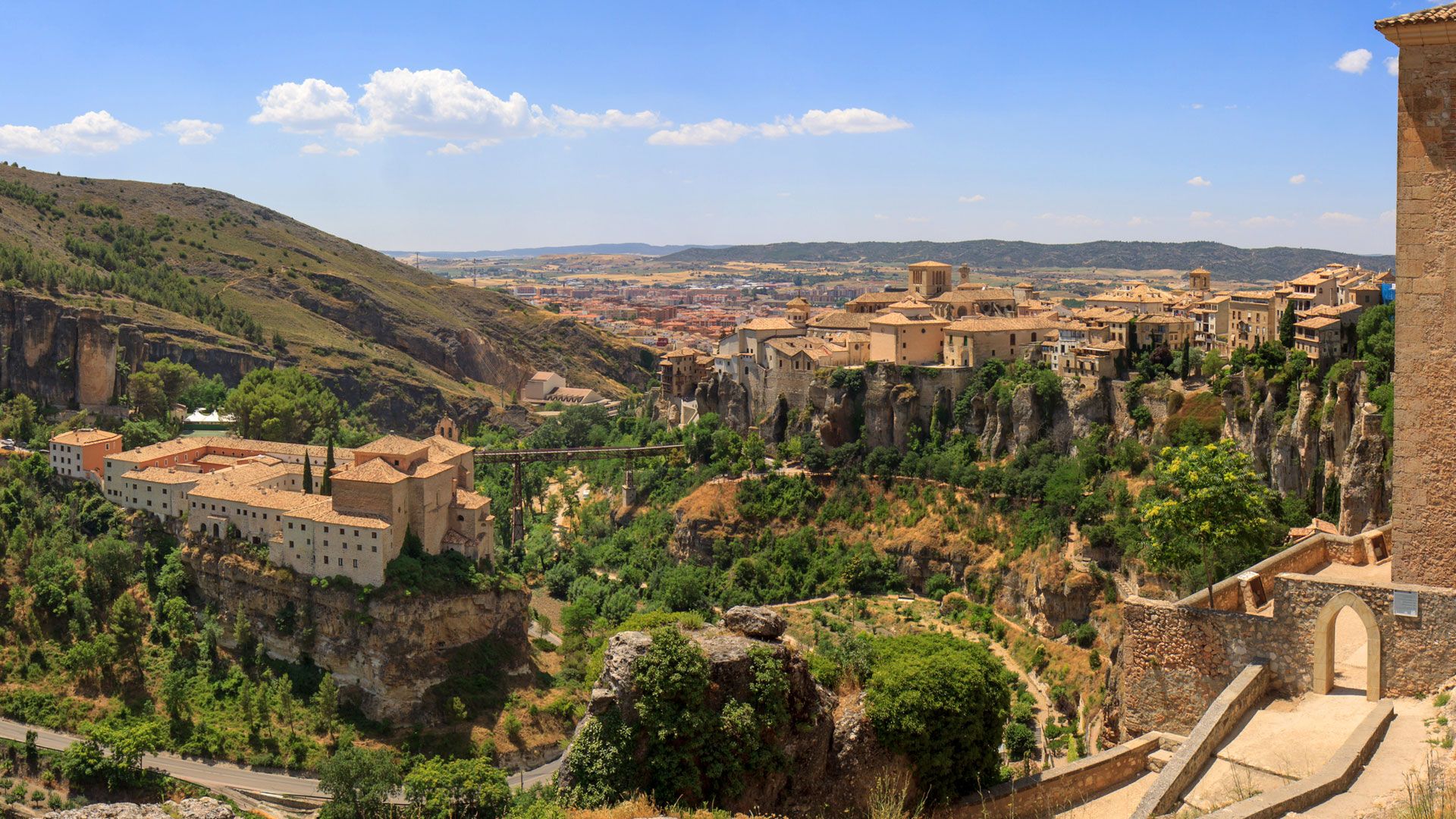
Levante to Castile – Ruta de la Lana Gravel Route
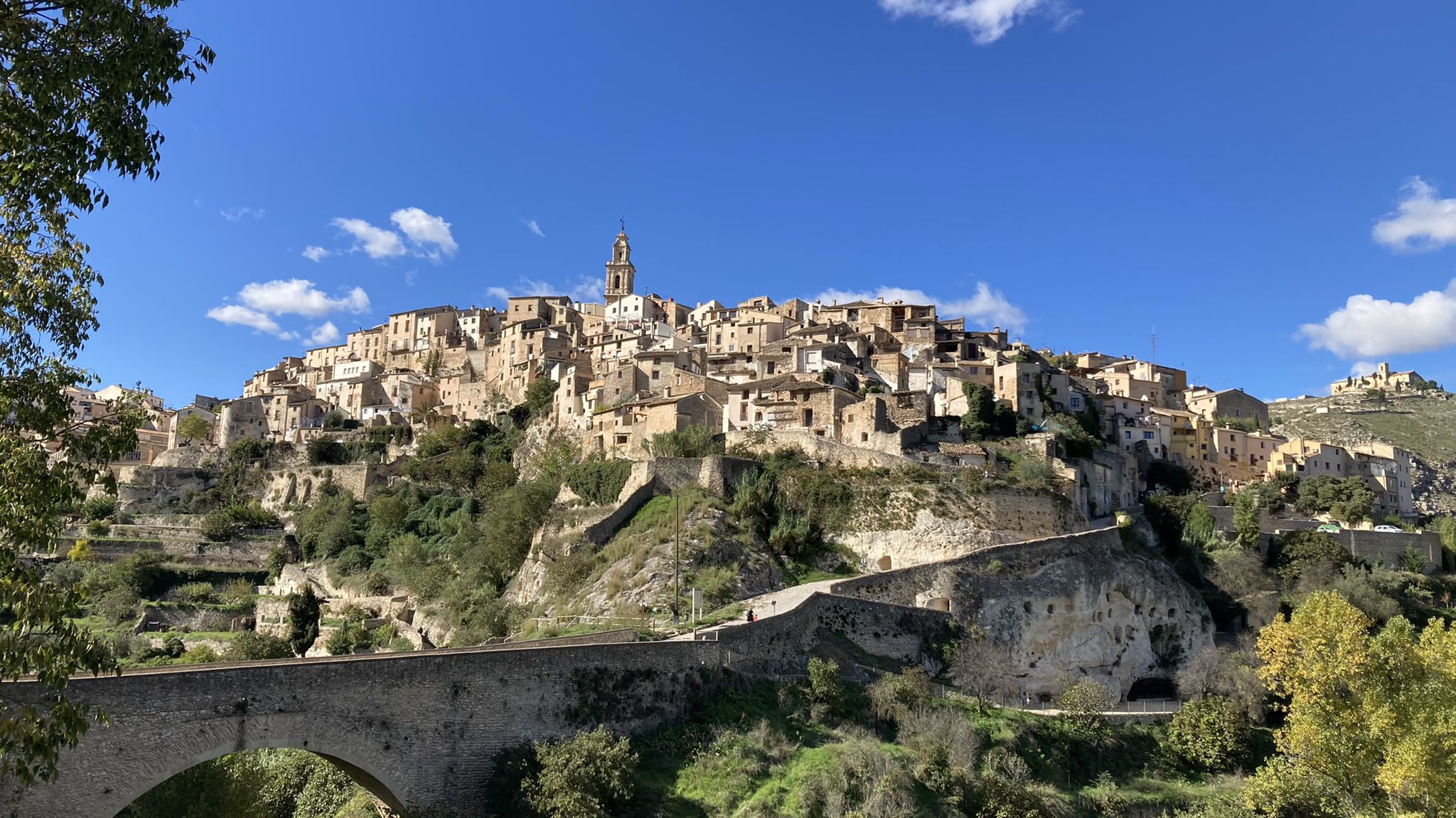
El Camino del Cid – defence of the south by gravel bike
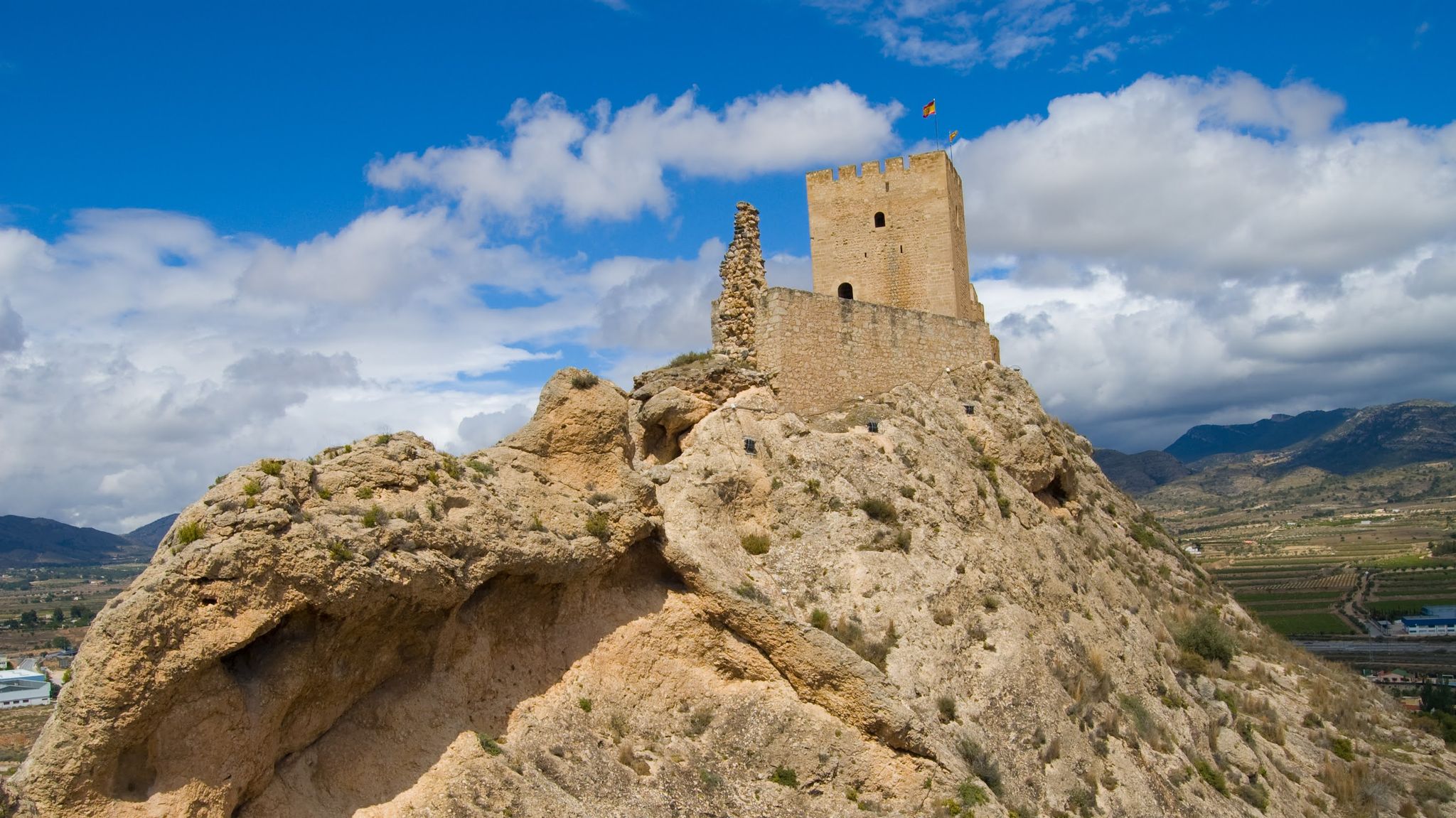
El Camino del Cid – defence of the south on MTB
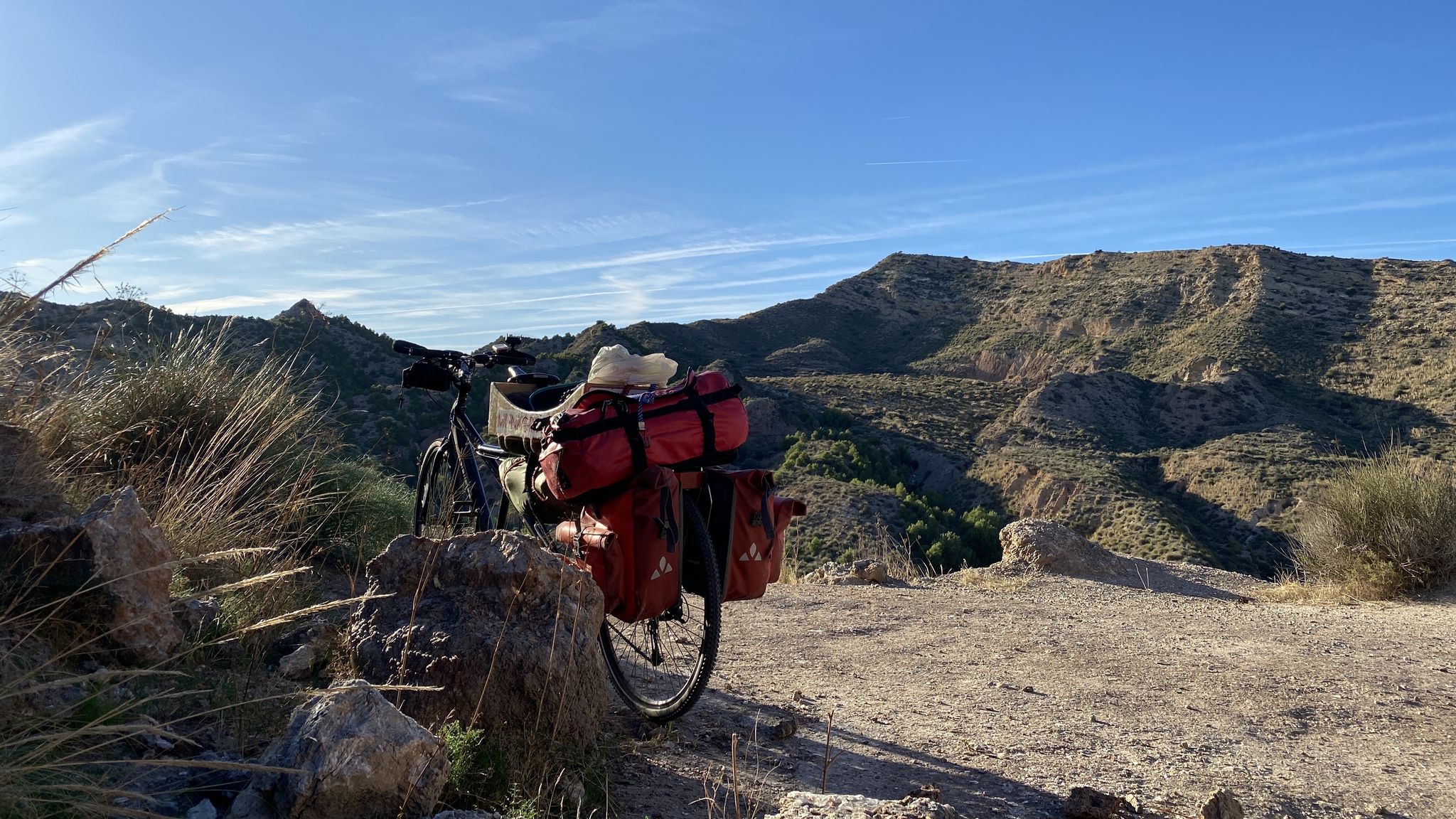
A desire for mountains – civilisation to nature in the province of Valencia
Road Cycling Routes around Villena
MTB Trails around Villena
Cycling around Villena
Running Trails around Villena
Hiking around Villena
Other adventures around Villena


Tips from the Community

The Church (Hermitage) of Santa Eulalia, located in the Santa Eulalia Colony, between Sax and Villena (Alicante, Alto Vinalopó). It forms part of an agricultural colony built in the late 19th century, declared a Site of Cultural Interest (ethnological) in 2016. It is situated in an area between Sax and Villena, near the Acequia del Rey irrigation canal and the Vinalopó River. The hermitage is located in one of the colony's two main squares, surrounded by houses, factories (flour and alcohol), a theater, a casino, and a train station. The current hermitage was built in 1891, on the site of an earlier medieval one, commissioned by the Count of Alcudia (Antonio de Padúa Saavedra). It is a simple rectangular building with a double-arched bell gable built around 1900; each arch housed bells on its lower level.
2
0
The hermitage is a prominent natural viewpoint, offering panoramic views of Caudete, the Vinalopó Valley, and on clear days, even the sea. It forms part of the official PR-AB-50 trail, a well-marked circular route of approximately 13.5 km and moderate difficulty (550 m to 1,153 m elevation gain), which allows hikers to enjoy panoramic views, Mediterranean vegetation, and a nearby historic snow well. The area is popular for hiking, mountain biking, and paragliding, with several notable routes.
4
0
The Hermitage of Santa Bárbara is located on the summit of the Sierra de la Oliva, also known as the Sierra Santa Bárbara, at an altitude of approximately 1,153 meters, about 5 kilometers southeast of Caudete. Built around 1580 at the initiative of the people of Caudete, following a period of severe storms with hail, the mountain peak was chosen as a place of spiritual protection, with the trust that Santa Bárbara would safeguard the crops and the population. Traditionally under the jurisdiction of the parish of Santa Catalina, the hermitage is visited every May 1st in a pilgrimage: pilgrims ascend steep paths in homage to the saint's martyrdom, reflecting sacrifice and devotion.
4
0

The Ermita de San Blas in Sax is a small, historic chapel located in the heart of the old town, directly below the castle. It was probably built in the 13th or 14th century and is one of the typical "Ermitas de Reconquista" (reconquest hermitages) built after the Christian reconquest. The building has a simple rectangular floor plan with a later addition of a semicircular chancel and a baroque bell tower above the entrance. The statue of Saint Blas, the patron saint of the town, is venerated inside. The chapel continues to play a central role in the religious and cultural life of Sax. Of particular importance is the annual "Cabildo de San Blas" on December 26th, a traditional gathering that marks the beginning of the patron saint's festivities. In addition, masses are regularly held in honor of the saint. With its historic architecture and picturesque location below the castle, the Ermita de San Blas is an important symbol of Sax's identity and a worthwhile destination for visitors interested in culture.
0
0
The Arenal de l'Almortxó is a municipal natural area located in the northwest of Petrer, in the province of Alicante. It is a truly unique site due to its geology and biodiversity, and stands out as the largest active inland sandbank in the Iberian Peninsula.
1
0

It is a natural water source, easily accessible from the road and ideal for cooling off on hot days. The source becomes a stream that runs through the natural landscape, creating life in its wake.
1
0

As a curiosity, it should be said that this is where the Valencian public television series "L'Alqueria Blanca" was recorded. https://www.elmundo.es/comunidad-valenciana/alicante/2019/02/25/5c70046a21efa0b72a8b4613.html
3
0
The Colonia de Santa Eulalia is an extraordinary historic settlement between Sax and Villena in the province of Alicante. Founded at the end of the 19th century by the noblemen Antonio de Padua Saavedra y Rodríguez de la Guerra and Mariano de Bertodano Roncalli, it is considered one of the first experiments in an agricultural-industrial community in Spain. The colonia was conceived as a self-sufficient village that combined work, living, and leisure. In addition to agricultural land for vineyards, olives, and almonds, factories, workshops, a palace, a theater, a casino, a church, and even its own train station were built. Architecturally, the complex combines influences from the industrial and modernist styles and follows a clear, planned urban layout with two central squares and a main road connecting the entire complex. However, over the course of the 20th century, the colonia lost its economic importance, many buildings fell into disrepair, and today the site is partially abandoned. Despite its deterioration, the Colonia de Santa Eulalia was recognized as a Cultural Property of Special Interest (Bien de Interés Cultural) in 2016 and is thus protected. It is considered a fascinating example of an idealistic vision of social and economic community in 19th-century Spain. An unreal place, time seems to have stood still a century ago. Half-ruined, yet very impressive buildings. Much to discover, arouses curiosity. In addition to the workers' houses, a large flour and alcohol factory were built, as well as a theater, a manager's house, a casino, an inn, a train station, various wineries, warehouses, and oil mills. The buildings were organized around two squares, with the main square centered around the hermitage of Santa Eulalia. Some buildings and their purposes can still be recognized.
7
0
Frequently Asked Questions
Are there beginner-friendly gravel bike trails in Villena?
Yes, Villena offers a few easier routes suitable for beginners. While many trails feature varied terrain and elevation, you can find options with less challenging gradients. For example, the La Colonia de Santa Eulalia – Colonia de Santa Eulalia loop from Sax is a moderate 24.4 km path that winds through agricultural areas with open views, making it a good choice for those starting out.
What kind of terrain can I expect on gravel bike trails around Villena?
The gravel bike trails around Villena feature a diverse landscape. You'll encounter rolling hills, expansive agricultural plains, and sections with notable elevation changes. The surfaces vary from smoother gravel paths to more rugged tracks, offering a range of experiences for different skill levels.
Are there challenging gravel bike routes for experienced riders in Villena?
Absolutely. Villena provides several challenging gravel bike routes with significant elevation gain and longer distances. For experienced riders, the Biar – Font de la Coveta loop from Beneixama is a demanding 45.5 km trail with nearly 600 meters of ascent. Another option is the Castillo de Caudete – Santa Bárbara loop from Caudete, which features over 630 meters of climbing over 34.4 km.
What are the best times of year for gravel biking in Villena?
The best times for gravel biking in Villena are typically spring (March to May) and autumn (September to November). During these seasons, temperatures are milder and more comfortable for cycling. Summers can be very hot, while winters are generally mild but can have cooler, wetter periods.
Are there any circular gravel bike routes around Villena?
Yes, many of the gravel bike trails in Villena are designed as circular routes, allowing you to start and end at the same point. Examples include the Biar – Font de la Coveta loop from Beneixama and the Castillo de Caudete – Fuente de la Mearrera loop from Caudete, both offering scenic loops through the region.
What interesting landmarks or natural features can I see along the gravel trails?
The Villena region offers several natural and historical highlights. You might encounter unique geological formations like the Almortxó Sand Dunes or the Arco de Cámara. For panoramic views, consider routes that pass near viewpoints such as the View of Reconco from Alt de la Replana or the View of Elda from El Bolón.
How many gravel bike routes are available in the Villena area?
There are over 60 gravel bike routes available in the Villena area on komoot, catering to various skill levels. This includes a mix of easy, moderate, and difficult trails, ensuring there's something for every gravel biker.
What do other gravel bikers say about the trails in Villena?
The gravel biking experience in Villena is highly rated by the komoot community, with an average score of 4.6 stars from 5 reviews. Over 300 gravel bikers have explored the region using komoot, often praising the varied terrain and the scenic rural landscapes.
Are there any routes that follow the Vinalopó River?
Yes, you can find gravel routes that incorporate sections along the Vinalopó River. The Vinalopó River – Port del Moro loop from Beneixama is a moderate 31.7 km route that allows you to experience the river's surroundings.
What should I wear for gravel biking in Villena during summer?
During summer in Villena, temperatures can be quite high. It's advisable to wear lightweight, breathable cycling apparel, such as moisture-wicking jerseys and shorts. Don't forget sun protection, including sunscreen, sunglasses, and a cap or helmet with good ventilation. Always carry plenty of water to stay hydrated.
Are there options for moderate-difficulty gravel rides in Villena?
Yes, Villena offers a good selection of moderate-difficulty gravel rides. These routes provide a balance of distance and elevation without being overly strenuous. The La Colonia de Santa Eulalia – Colonia de Santa Eulalia loop from Sax is a popular moderate option, as is the Vinalopó River – Port del Moro loop from Beneixama.
Most popular attractions around Villena

Get inspired with the komoot mobile app


Explore more
Browse the best Gravel rides in other regions.
