The best gravel rides around Knöringen
4.7
(32)
146
riders
19
rides
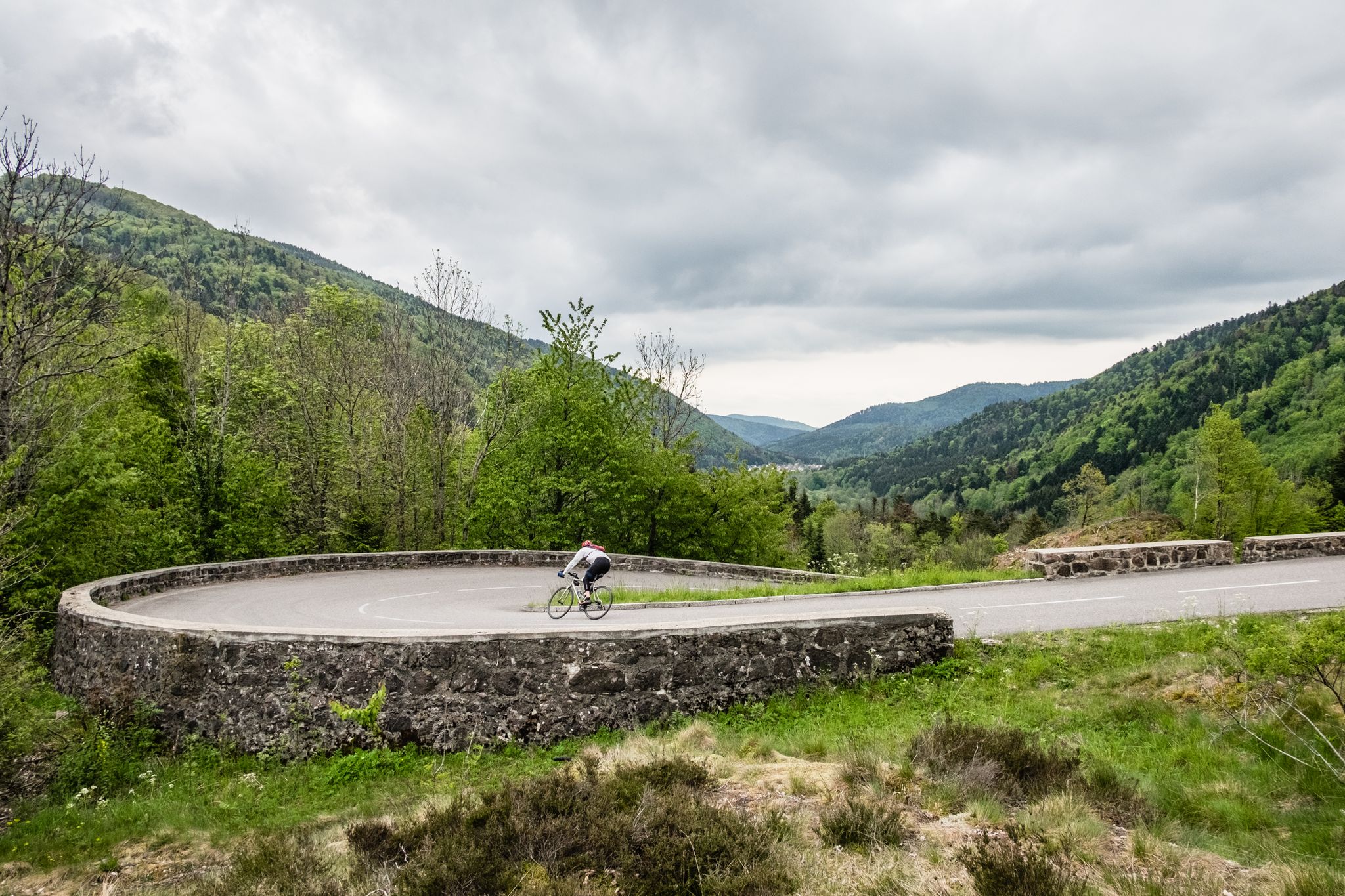
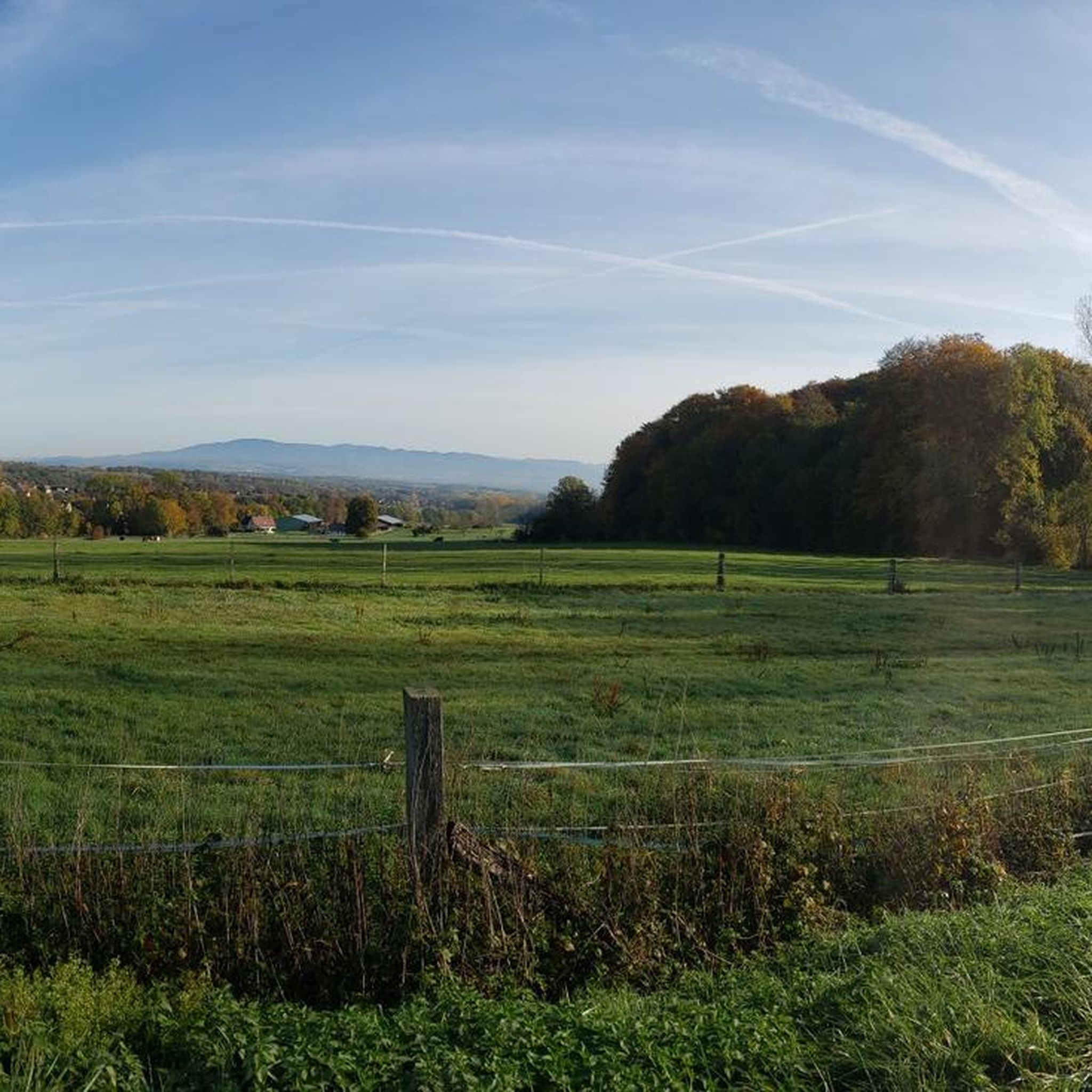
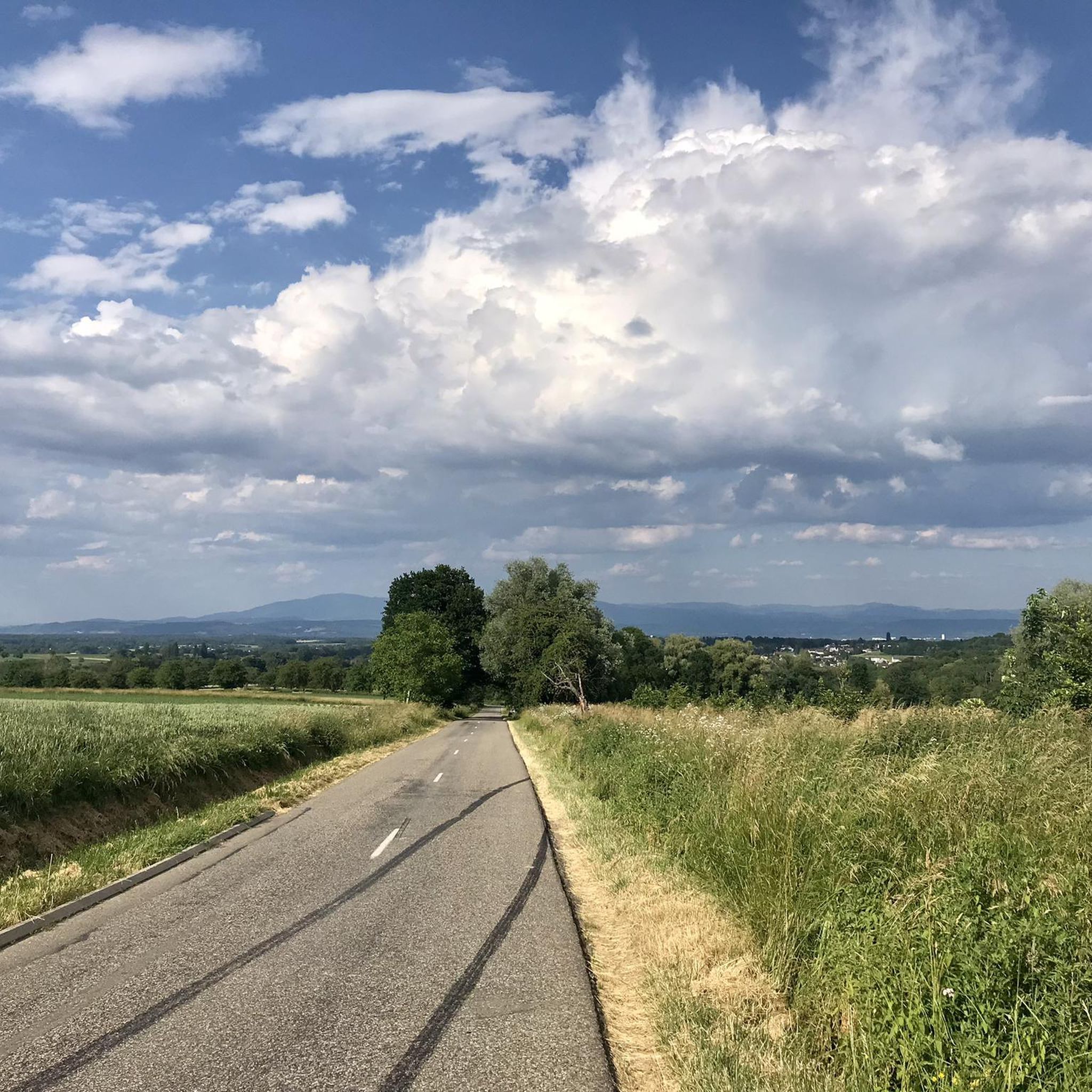
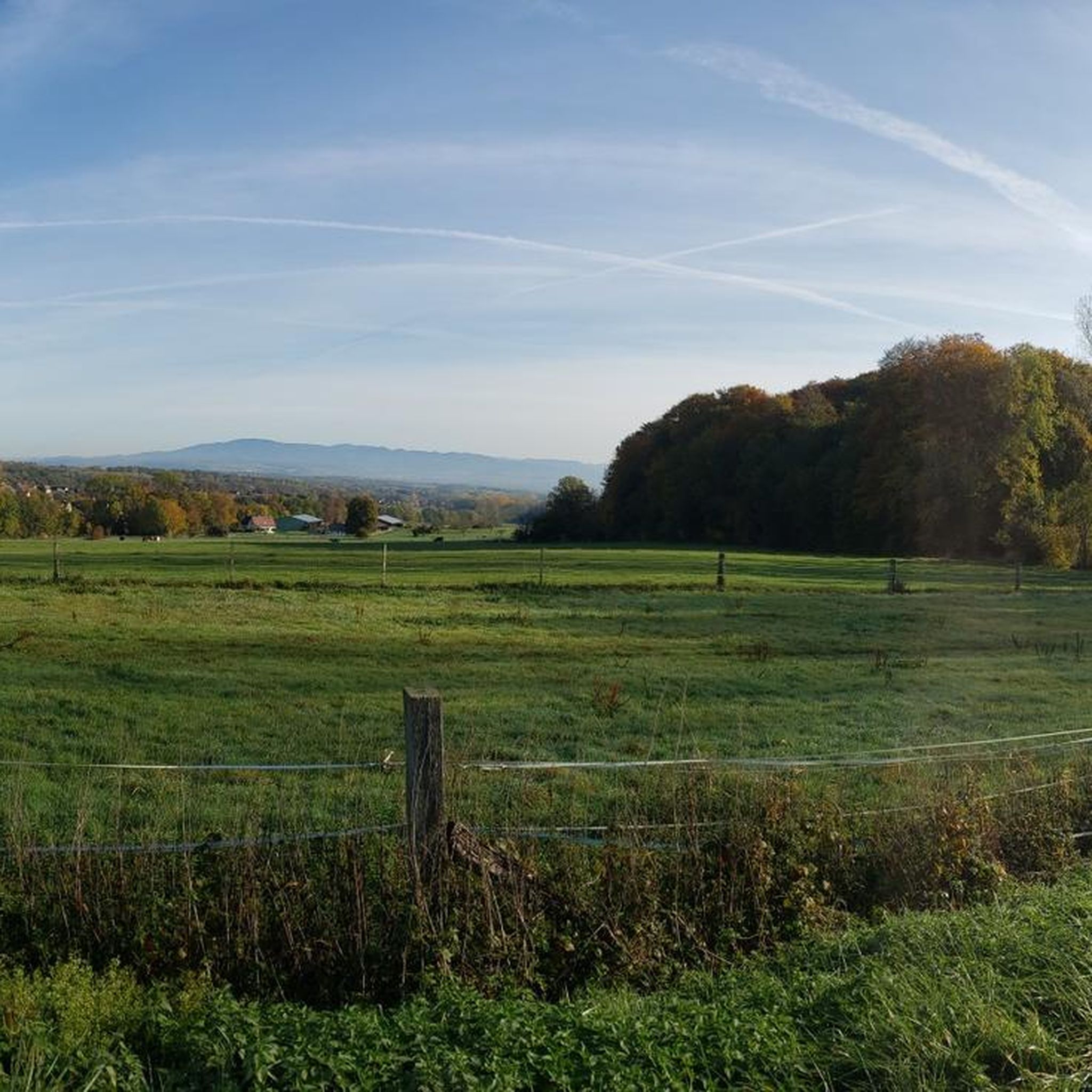
Gravel biking around Knöringen offers varied terrain at the foot of the Palatinate Forest. The region is characterized by picturesque vineyards and a network of trails that traverse rolling hills and forested areas. This landscape provides diverse options for off-road cycling, combining athletic challenge with scenic exploration.
Best gravel bike trails around Knöringen
- The most popular gravel bike trail is Franco-Swiss gravel outing in the Alsatian Jura, a 41.9 miles (67.5 km) trail that takes 5 hours 36 minutes…
Last updated: October 6, 2026
5.0
(3)
15
riders
67.5km
05:36
1,170m
1,180m
Hard gravel ride. Very good fitness required. Mostly paved surfaces. Suitable for all skill levels.
4.3
(3)
19
riders
42.4km
03:21
530m
530m
Hard gravel ride. Very good fitness required. Mostly paved surfaces. Suitable for all skill levels.

4.7
(3)
18
riders
55.3km
04:26
660m
670m
Hard gravel ride. Very good fitness required. Mostly paved surfaces. Suitable for all skill levels.
1
riders
20.2km
01:58
400m
400m
Hard gravel ride. Good fitness required. You may need to push your bike for some segments of this route.
4.8
(6)
16
riders
48.1km
03:43
650m
650m
Hard gravel ride. Very good fitness required. Mostly paved surfaces. Suitable for all skill levels.
Get access to more routes and recommendations from other explorers.
Already have an account?
Our route recommendations are based on thousands of hikes, rides, and runs completed by other people on komoot.
Start today with a free account
Your next adventure awaits.
Other adventures around Knöringen

Tips from the Community

Magnificent multi-stemmed, centuries-old lime tree
0
0

The inscription and history are interesting. The remains themselves are of a relatively ordinary appearance. They resemble classic house foundations. The notion of a bath or Roman style is not obvious to a novice.
0
0
Cyclists completely sheltered from cars. Bleak landscape.
0
0
Beautiful spot in the vast hills overlooking Habsheim
0
0

Beautiful surroundings on the canal.
0
0

In 1913 and 1914, following the ideas of Johann Knauth, architect of Strasbourg Cathedral and curator of the M.H., the nave, the side chapel of the Sacré-Coeur, the Saint-Joseph Chapel in the basement, and the sacristy were rebuilt in the Gothic style by the architect Alexandre Louvat from Mulhouse. The old Gothic nave, remodeled in the 18th century, was decorated with murals dating from 1491. To the south of the choir was a small chapel dating from the 14th and 15th centuries, with cross-ribbed vaults on consoles. To the north were the remains of the old priory cloister. On the site of the present Sacred Heart Chapel was the 18th-century Mount of Olives, the rood screen of which was removed in 1861.
0
0

Oltingue is a quiet village in the Sundgau with a late-classical village ensemble around the church of Saint-Martin (1827–1831), the rectory and the former school. The Callinet organ (1843), the double staircase of the rectory and the facade details are striking. There are several historic houses in the village, including half-timbered houses from 1695 and a farm from the 16th century. To the east lies the chapel of Saint-Brice, a former place of pilgrimage with a baroque altar and an outdoor pulpit.
10
0
This former mother church of Oltingue and three disappeared villages dates from the 13th and 14th centuries. The location is idyllic: surrounded by fields, an old cemetery and often with storks on the roof in the spring. Inside you will discover surprisingly well (?) preserved wall paintings, including a rare representation of the sacrifice of Melchisedech and a Last Supper from 1741. In the choir you will also find a wall tabernacle and a niche for liturgical objects, silent witnesses of medieval rituals. The Gothic arched windows and the neo-Gothic vault are reminders of later restorations, while archaeological excavations in 1989 revealed traces of older sanctuaries and tombs from the early Middle Ages. simple but full of character.
11
0
Frequently Asked Questions
How many gravel bike trails can I find around Knöringen?
Knöringen offers a diverse network of nearly 30 gravel bike trails. These routes cater to various skill levels, with options ranging from moderate to challenging, allowing you to explore the picturesque vineyards and forested hills of the region.
What kind of terrain can I expect on gravel bike trails near Knöringen?
The terrain around Knöringen is quite varied, characterized by picturesque vineyards, rolling hills, and forested areas at the foot of the Palatinate Forest. You'll encounter a mix of surfaces, from well-maintained gravel paths through vineyards to more rugged forest trails, providing a blend of athletic challenge and scenic exploration.
Are there any easy gravel bike routes for beginners in the Knöringen area?
While many routes around Knöringen are rated as moderate to difficult, there is at least one easy gravel bike trail available. The region's diverse network means you can often find less demanding sections, especially through the vineyards, which are suitable for those new to gravel biking or looking for a more relaxed ride.
What are some notable natural attractions or viewpoints along the gravel routes?
The region boasts several impressive natural features. You might encounter the Dwarves' Grotto, an impressive 25-meter-high gorge, or enjoy panoramic views from the Loechle Rock. The vast Allschwiler Wald also offers extensive forest trails and natural beauty.
Can I visit any historical sites or castles while gravel biking near Knöringen?
Absolutely! The area is rich in history. You can plan your ride to pass by impressive ruins like Landskron Castle or Ferrette Castle, both offering superb panoramic views. Knöringen's unique 350-year-old Earth Cellars are also a fascinating historical feature, though visits may require prior arrangement.
What do other gravel bikers say about the trails in Knöringen?
The gravel biking experience around Knöringen is highly regarded by the komoot community, with an average rating of 4.8 stars from over 20 reviews. Riders often praise the varied terrain, the beauty of the vineyards, and the opportunity for off-road exploration away from traffic.
Are there any long-distance gravel routes for experienced riders?
Yes, for experienced riders seeking a challenge, routes like the Franco-Swiss gravel outing in the Alsatian Jura offer significant distances and elevation gain. This particular route spans 67.5 km and takes over 5 hours to complete, traversing varied landscapes.
Are there any shorter, challenging routes for a quicker but intense ride?
If you're looking for a shorter but still demanding ride, consider Le tour du Rossberg. This route covers just over 20 km but features considerable elevation gain, making it a great option for a focused, intense gravel biking session.
Can I find routes that explore the lower elevations and valleys?
Certainly. The The foothills of the Alsatian Jura route is an excellent choice for exploring the lower elevations, offering a mix of forest and open terrain. Similarly, The upper Ill valley trail leads you through scenic valley landscapes.
What is the best time of year for gravel biking in Knöringen?
The region's climate, influenced by its position at the foot of the Palatinate Forest and its wine-growing heritage, generally makes spring and autumn ideal for gravel biking. During these seasons, temperatures are pleasant, and the landscapes, especially the vineyards, are particularly beautiful, whether in bloom or displaying autumn colors.
Are there any circular gravel bike routes available?
Yes, many of the gravel routes around Knöringen are designed as circular tours, allowing you to start and end at the same point. For example, the Nice trailhead – Small lake with island loop from Helfrantzkirch offers a substantial loop through varied scenery.
Is the Knöringen area suitable for family-friendly gravel biking?
While many routes are challenging, the extensive network of trails through vineyards and less steep forest paths can offer suitable sections for families. Look for routes or segments with gentler gradients and smoother surfaces if riding with children. The scenic beauty ensures an enjoyable outing for all.
Most popular attractions around Knöringen

Get inspired with the komoot mobile app


Explore more
Browse the best Gravel rides in other regions.
