The best gravel rides around La Bosse-De-Bretagne
4.4
(12)
64
riders
18
rides
Gravel biking around La Bosse-De-Bretagne offers diverse terrain across rural countryside, featuring a mix of small country roads, rural trails, and forests. The region includes bocage landscapes, characterized by hedgerows and fields, alongside greenways and paths along rivers and valleys. This environment provides varied surfaces suitable for gravel bikes, from unpaved tracks to converted railway lines. The Ille-et-Vilaine department, where La Bosse-De-Bretagne is located, is known for its extensive network of paths.
Best gravel bike trails around La Bosse-De-Bretagne
- The…
Last updated: May 5, 2026
3.0
(3)
13
riders
Moderate gravel ride. Good fitness required. Mostly paved surfaces. Suitable for all skill levels.
5.0
(3)
11
riders
60.8km
04:04
540m
540m
Hard gravel ride. Very good fitness required. Mostly paved surfaces. Suitable for all skill levels.

Sign up for free
4.5
(2)
11
riders
32.1km
02:04
160m
160m
Moderate gravel ride. Good fitness required. Mostly paved surfaces. Suitable for all skill levels.
4.5
(2)
10
riders
33.2km
02:06
160m
160m
Moderate gravel ride. Good fitness required. Mostly paved surfaces. Suitable for all skill levels.
5.0
(2)
11
riders
Moderate gravel ride. Good fitness required. Mostly paved surfaces. Suitable for all skill levels.
Get access to more routes and recommendations from other explorers.
Sign up for free
Already have an account?
Our route recommendations are based on thousands of hikes, rides, and runs completed by other people on komoot.
Start today with a free account
Your next adventure awaits.
Login or Signup


Tips from the Community

nighttime. A medieval fortress and Renaissance building, Châteaubriant Castle recounts ten centuries of history. In the Middle Ages, Châteaubriant Castle was at the heart of the Marches of Brittany. It served as a stronghold defending the duchy against the Kingdom of France. The keep, ramparts, seigneurial chapel, and the medieval courtyard lodgings still bear witness to the power of this fortress. In the 16th century, the bailey became a residence opening onto the gardens. The castle gardens are open to the public from February to December. Visit maps are available at the reception-shop for a better understanding of the site. A 3D space allows you to discover, with free access, the architectural evolution of the castle, from the 11th century to the present day. From February to December, heritage mediators will accompany you on an in-depth tour of the castle, its keep, and its gardens. During school holidays, family workshops allow parents and children to develop their creativity or spark their curiosity! Opening days: Gardens are open to the public, Wednesday to Sunday: 9am-6pm (February-March and October-December) or 9am-7:30pm (April-September). Prices: - Free entry for those over €0.00 (Free access to the château gardens) - Individual adult rate from €3.00 to €6.00 (Guided tours, free for those on minimum income and special cards) - Individual child rate from €0.00 (Guided tours free for those under 26) - Individual child rate from €0.00 (Guided tours free for those under 26) Child from €4.00 to €8.00 (Family activity) - Adult group rate from €5.00 (From 15 people) Payment methods: Credit cards - Bank and postal checks - Cash Tours Self-guided tours (individual): Yes Guided tours (individual): Yes Average visit duration (individual): 1 hour Self-guided tours (groups): Yes Guided tours on request (groups): Yes Guided tours (groups): Yes Average visit duration (groups): 1 hour Languages: Tour: French, English - Signs: French, English Services: Interactive kiosk - Shop - WiFi Additional information: Groups of 15 people or more are welcome - Pets allowed (Dogs on leashes are allowed in the park.) - Points of interest visible without a tour Access Location: SNCF train station: 0.5 km
0
0

The castle is a self-guided tour. A little tip: there are bike racks inside the castle, just beyond the entrance.
1
0

Saint-Sulpice-des-Landes Airfield. We were lucky enough to see the gliders take off!
0
0
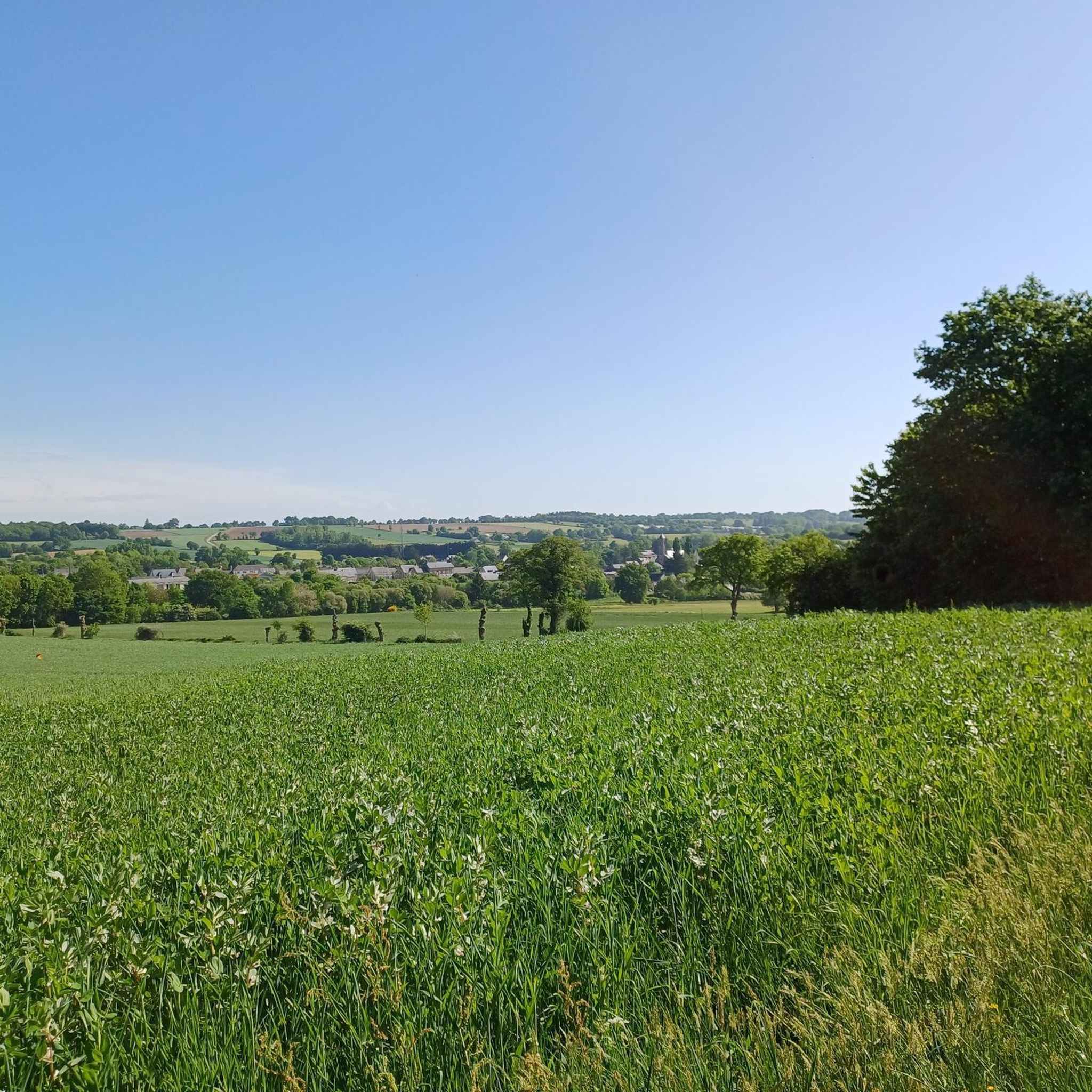
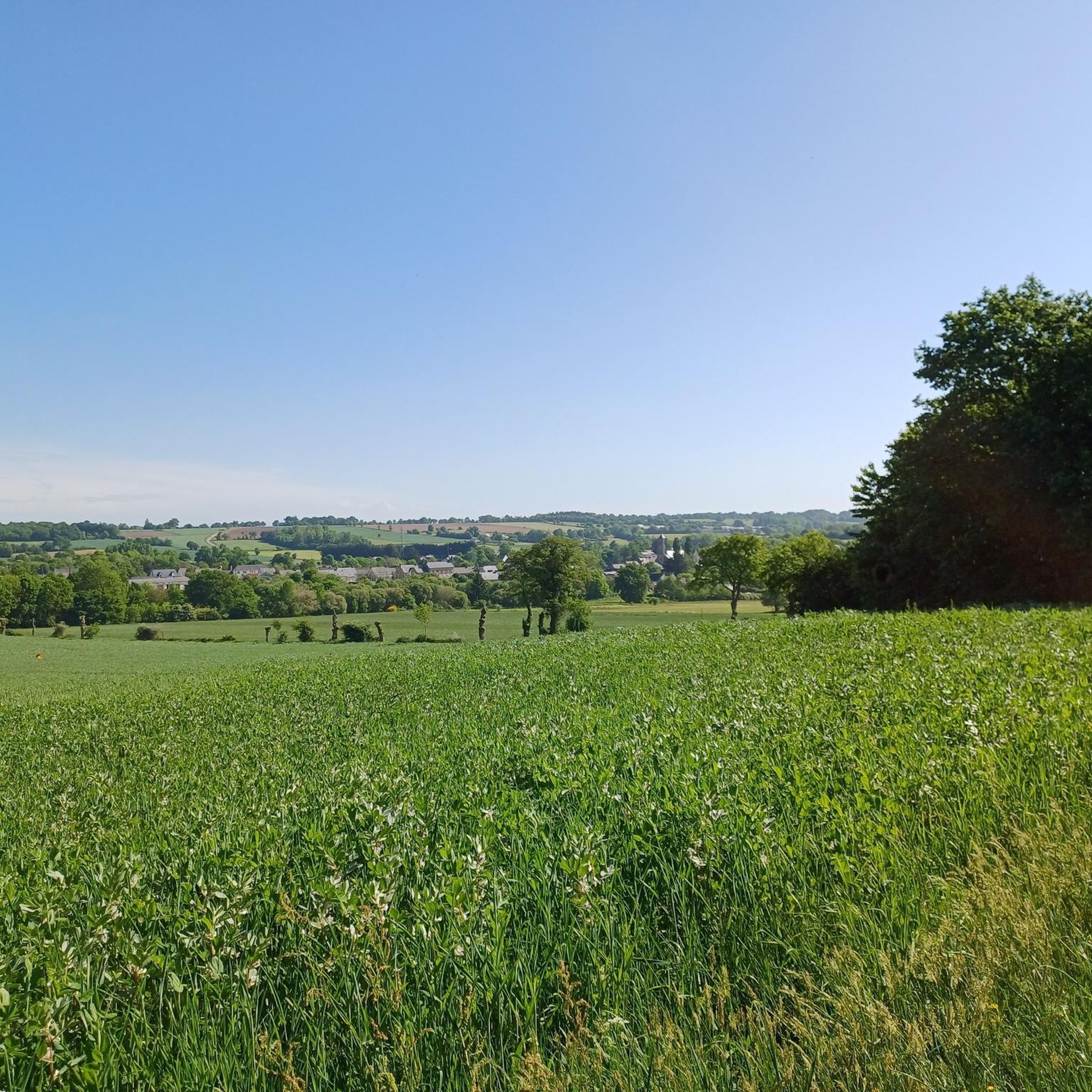
Beautiful view of the village
0
0
Private mill, accessible to the public (passed in May 2025)
0
0

A medieval fortress and Renaissance building, Chateaubriant Castle tells the story of ten centuries of history. In the Middle Ages, the castle was at the heart of the Marches of Brittany. It served as a stronghold that defended the duchy against the Kingdom of France. The keep, ramparts, seigneurial chapel, and medieval courtyard lodgings still bear witness to the power of this fortress. In the 16th century, the bailey became a residence opening onto the gardens.
1
0

A medieval fortress built around 1050 and a Renaissance building, Châteaubriant castle tells ten centuries of history. Guided tours are possible.
0
0

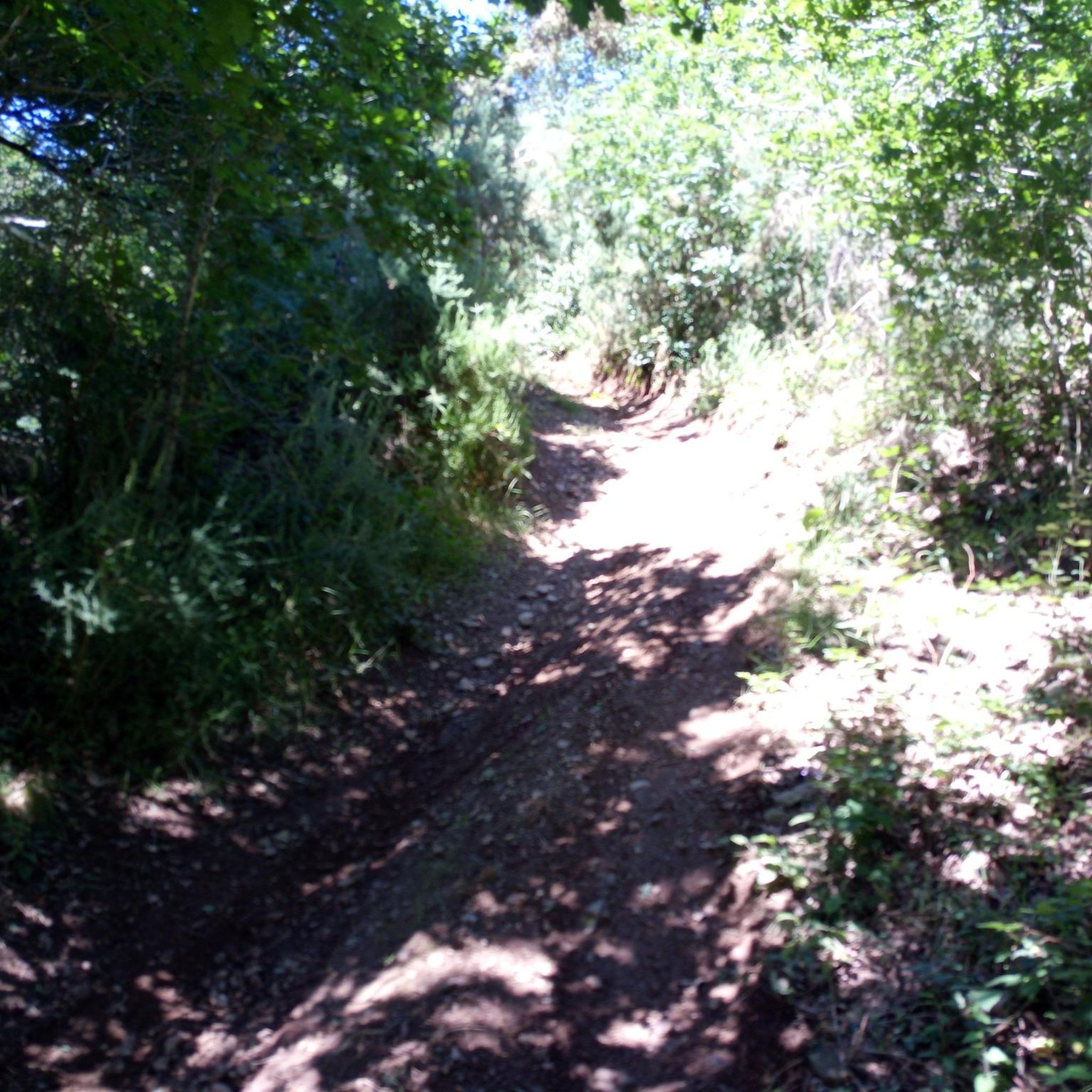
This greenway was built on the old railway line which linked Châteaubriant to Ploërmel. In its heyday at the start of the last century, trains were essentially freight trains that transported iron mined in the region.
0
0
Frequently Asked Questions
How many gravel bike trails are there around La Bosse-De-Bretagne?
There are over 20 gravel bike trails available around La Bosse-De-Bretagne. These routes offer a mix of rural country roads, greenways, and forested areas, providing diverse terrain for gravel cyclists.
What kind of terrain can I expect on gravel bike trails in La Bosse-De-Bretagne?
You can expect a varied terrain, including small country roads, rural trails, and paths through forests. The region features a 'bocage' landscape with hedgerows and fields, as well as greenways and routes along rivers and valleys. This mix offers both paved and unpaved surfaces, ideal for gravel bikes.
Are there gravel biking options for different skill levels?
Yes, the routes in La Bosse-De-Bretagne cater to various abilities. You'll find options ranging from moderate trails, often utilizing greenways, to more difficult paths that feature varied terrain and greater elevation changes.
What landmarks or points of interest can I see along the gravel bike trails?
While exploring the gravel trails, you might encounter interesting spots like the Railway station, the historic Musée des Mines de la Brutz, or the natural monument of Chêne de Breslon. The region's rural charm and natural beauty are highlights in themselves.
Are there any circular gravel routes available?
Yes, many gravel routes in the area are designed as loops. For example, the Voie Verte Gravel Path – Bain-Châteaubriant greenway loop from Bain-de-Bretagne offers a 50.4 km circular ride, and the Voie Verte Gravel Path – Railway station loop from Teillay is another excellent circular option.
Where can I find parking for gravel biking in La Bosse-De-Bretagne?
Parking is generally available in the towns and villages where many routes begin, such as Bain-de-Bretagne or Teillay. Look for public parking areas near the start points of the trails, often close to former railway stations or town centers.
What is the best time of year for gravel biking in La Bosse-De-Bretagne?
The spring and autumn months typically offer the most pleasant conditions for gravel biking in Brittany, with milder temperatures and beautiful scenery. Summer can also be enjoyable, though it may be warmer. Winter riding is possible, but trails might be muddier, especially on unpaved sections.
Are the gravel trails suitable for families?
Yes, some trails are suitable for families, particularly those that utilize greenways or former railway lines, which tend to have more consistent and traffic-free surfaces. Look for routes described as 'moderate' or with lower elevation gains for a more family-friendly experience.
Are dogs allowed on the gravel routes?
Generally, dogs are welcome on many public paths and trails in rural Brittany, provided they are kept under control, especially around livestock or in nature reserves. It's always advisable to check local signage or specific route descriptions for any restrictions.
What do other gravel bikers say about the trails in La Bosse-De-Bretagne?
The gravel biking routes around La Bosse-De-Bretagne are highly rated by the komoot community, with an average score of 4.4 stars from over 12 reviews. Riders often praise the diverse terrain, the peaceful rural landscapes, and the blend of challenging and scenic sections.
Can I reach the gravel trails by public transport?
While public transport options directly to every trailhead might be limited in this rural area, major towns like Bain-de-Bretagne, which serve as starting points for several routes, may have bus connections. Planning your route in advance and checking local transport schedules is recommended.
Are permits required for gravel biking in the Ille-et-Vilaine region?
Generally, no specific permits are required for gravel biking on public roads, greenways, or marked trails in the Ille-et-Vilaine department. However, always respect private property and any specific local regulations or signage you may encounter, especially in sensitive natural areas.
Most popular routes around La Bosse-De-Bretagne
Most popular attractions around La Bosse-De-Bretagne

Get inspired with the komoot mobile app


Explore more
Browse the best Gravel rides in other regions.
