The best gravel rides around Marseillan
4.1
(80)
466
riders
58
rides
Gravel biking around Marseillan is characterized by flat to gently rolling terrain, offering routes along the Canal du Midi and around the Étang de Thau lagoon. The region features coastal paths, nature reserves like Bagnas, and vineyard landscapes. Elevation gains are generally low, making many routes accessible for various skill levels. The extensive cycling infrastructure, including dedicated cycle paths, supports diverse gravel biking experiences.
Best gravel bike trails around Marseillan
- The most popular gravel bike trail is Bagnas Nature Reserve…
Last updated: May 5, 2026
4.4
(16)
69
riders
Moderate gravel ride. Good fitness required. Mostly paved surfaces. Suitable for all skill levels.
4.5
(2)
16
riders
Moderate gravel ride. Good fitness required. Mostly paved surfaces. Suitable for all skill levels.

Sign up for free
3.0
(1)
17
riders
40.0km
02:23
150m
150m
Hard gravel ride. Good fitness required. You may need to push your bike for some segments of this route.
4.5
(2)
8
riders
Moderate gravel ride. Good fitness required. Mostly paved surfaces. Suitable for all skill levels.
5.0
(3)
9
riders
Moderate gravel ride. Good fitness required. Mostly paved surfaces. Suitable for all skill levels.
Get access to more routes and recommendations from other explorers.
Sign up for free
Already have an account?
Our route recommendations are based on thousands of hikes, rides, and runs completed by other people on komoot.
Start today with a free account
Your next adventure awaits.
Login or Signup


Tips from the Community

The dinosaur egg-laying sites, the red lands, the white rocks, and the Étendoir des fées are among the most remarkable geological sites in the municipality. The Étendoir des fées is worth the detour as it is an original formation of limestone rocks, deposited at the beginning of the Tertiary era, during the folding of the Pyrenean-Provençal chain, on a continental plain episodically crossed by rivers.
0
0
A small lighthouse, a jetty, and blue as far as the eye can see. The Pointe des Onglous, where the Canal du Midi flows into the Thau lagoon, is an ode to contemplation. The pond reveals itself in 360°, as does its oyster farming vocation, with the azure sky and the silhouette of Mont Saint-Clair in the background. A picture that also features the town and port of Marseillan, the wild expanses of the Maldormir district, the tip of the lido, and old salt pans.
0
0
The Bagnas lock is the last single-chamber lock on the Canal du Midi before Sète, at the end of the canal. Built around 1676, it is located 235.2 km from Toulouse at an altitude of 2 m, between the Étang de Thau to the east and the Hérault river then the Prades lock to the west. It is located in the commune of Agde in the Hérault department in the Occitanie region.
0
0
The round lock of Agde is the most original on the canal. Built in 1675-1676. It was put into operation in 1678 when the canal from Béziers to the Étang de Thau was opened to navigation. A particular situation, an original response: it was decided to build a round lock with three gates. The first opens towards the city of Sète and the Étang de Thau via a short passage on the Hérault; the second opens onto the canal coming from Béziers; the third opens onto the small canal which allows small boats to reach the city of Agde and its maritime port and then Grau d'Agde. The round lock was commissioned in 1678 when navigation opened between the Étang de Thau and Béziers. It originally measured 30 meters in diameter with a depth of 5.20 meters in the center. Thanks to this round lock and the low canal, small maritime boats can come onto the canal!
0
0
It is the « Pont Saint-Joseph », but for a long time everyone has called it « The Three Eyes Bridge ». It sounds more poetic. The Three Eyes Bridge is a very pleasant structure: a main arch to let boats pass, and two smaller ones, one of which lets water through, and the other the towpath. It must not have been easy in the time of bargemen (towing by horses) because it was necessary to detach, then reattach when the obstacle had been passed. Here it is obvious, but it is the case for almost all the bridges on the Canal du Midi. It must be said that most of the time, the boat continued on its momentum and was reattached on the other side. Another peculiarity of this place is that there are two spillways on either side of the bridge.
0
0
The spillways are 17th-century dressed stone structures located along the Canal du Midi, which allow the canal's water to be discharged during heavy rainfall or to be emptied for dredging work. Unlike the Canal du Midi, which is a UNESCO World Heritage site, these structures benefit from no protection measures. In order to protect them, the Agglo Hérault Méditerranée has been undertaking significant restoration work on these hydraulic structures in the municipalities of Agde, Vias, and Portiragnes for about twenty years.
0
0

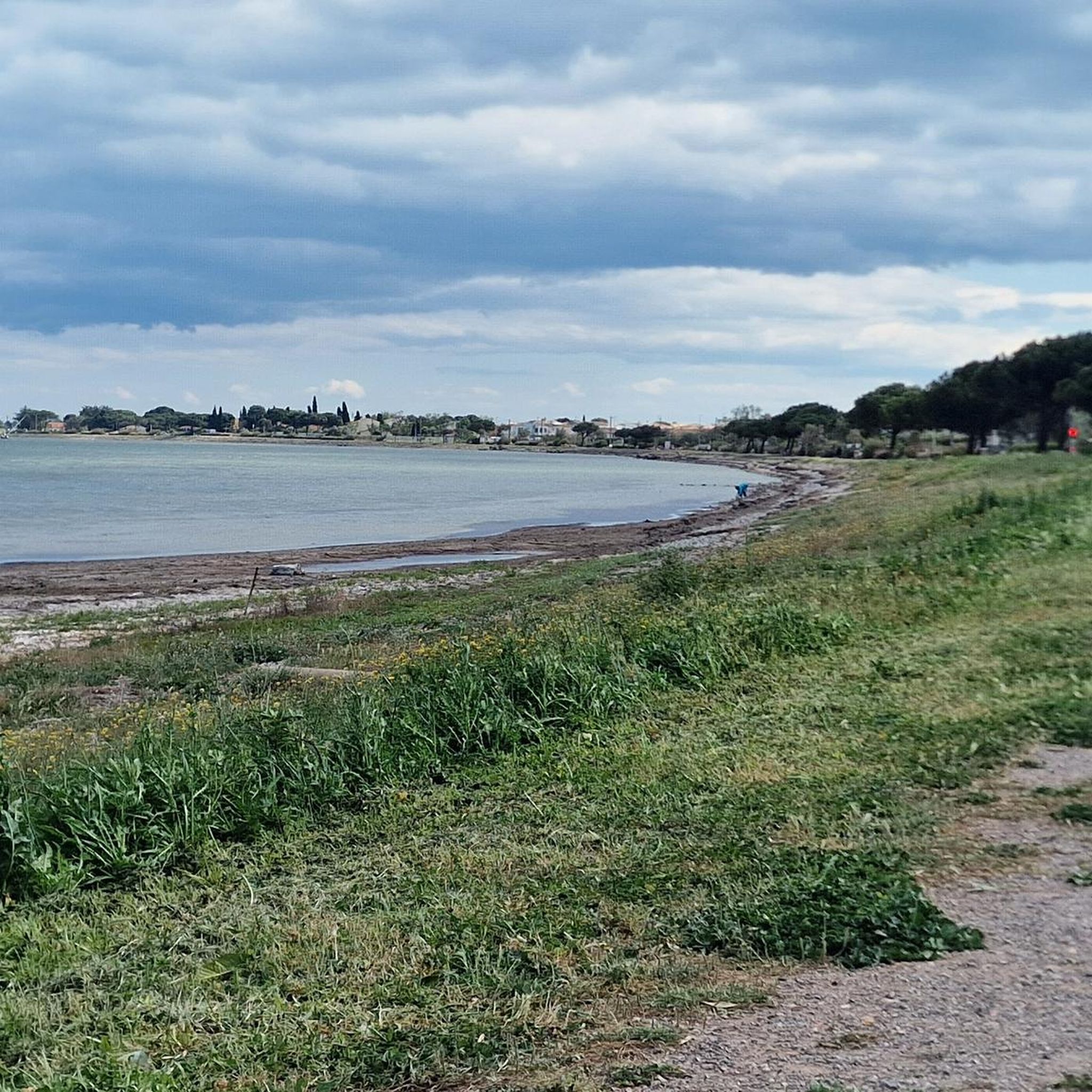
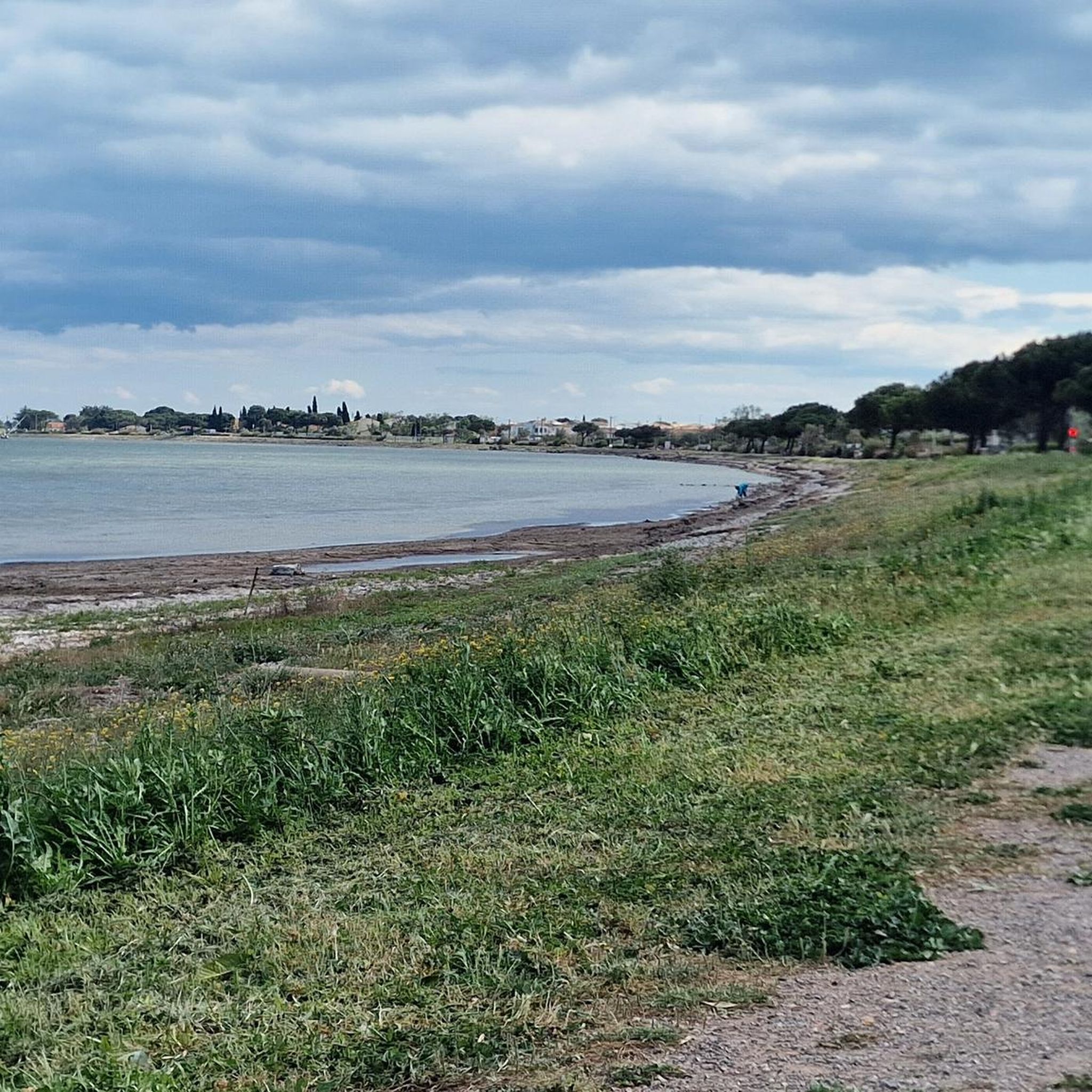
Beautiful view of the pond, there are benches to enjoy the view and even picnic tables: a great spot for a meal break!
0
0
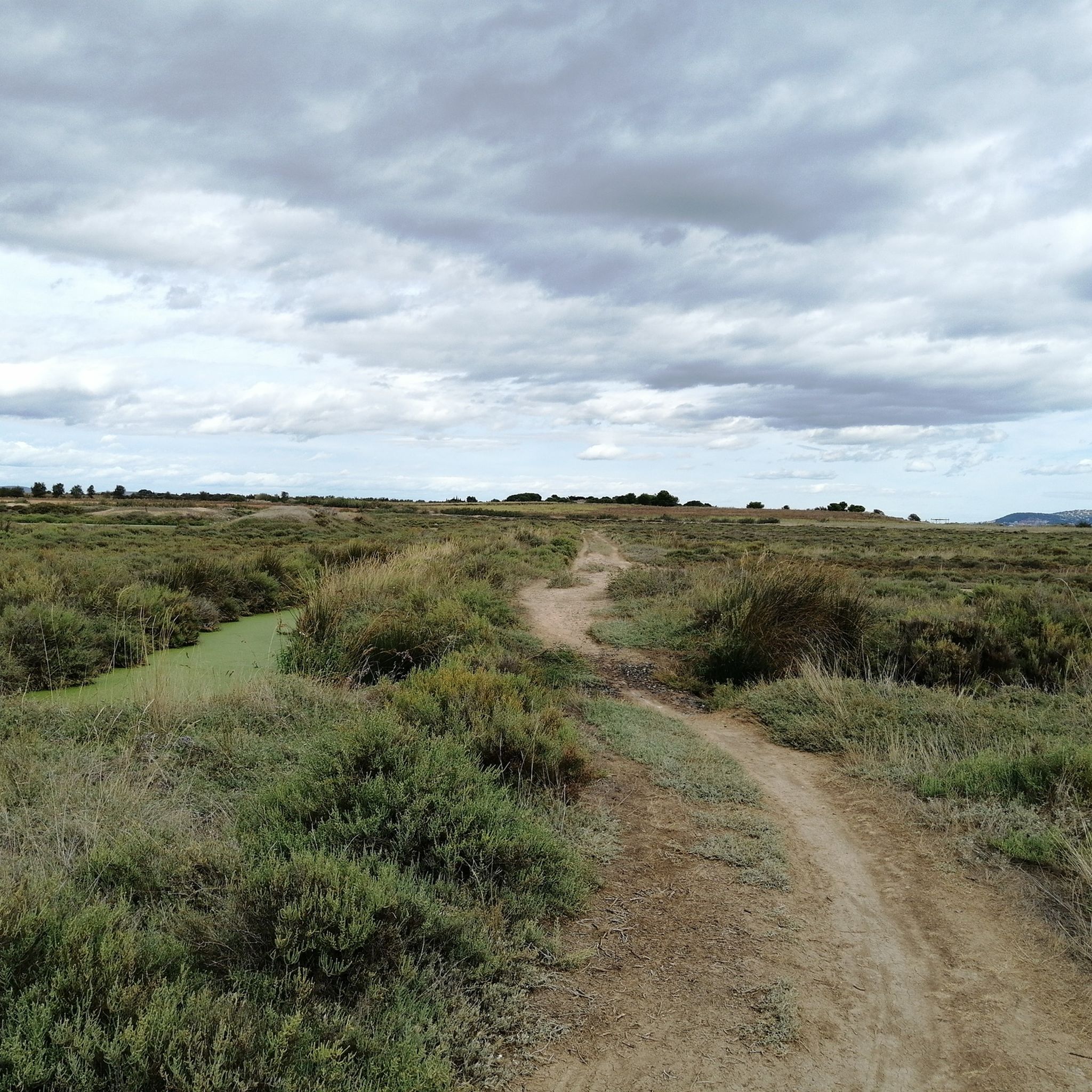
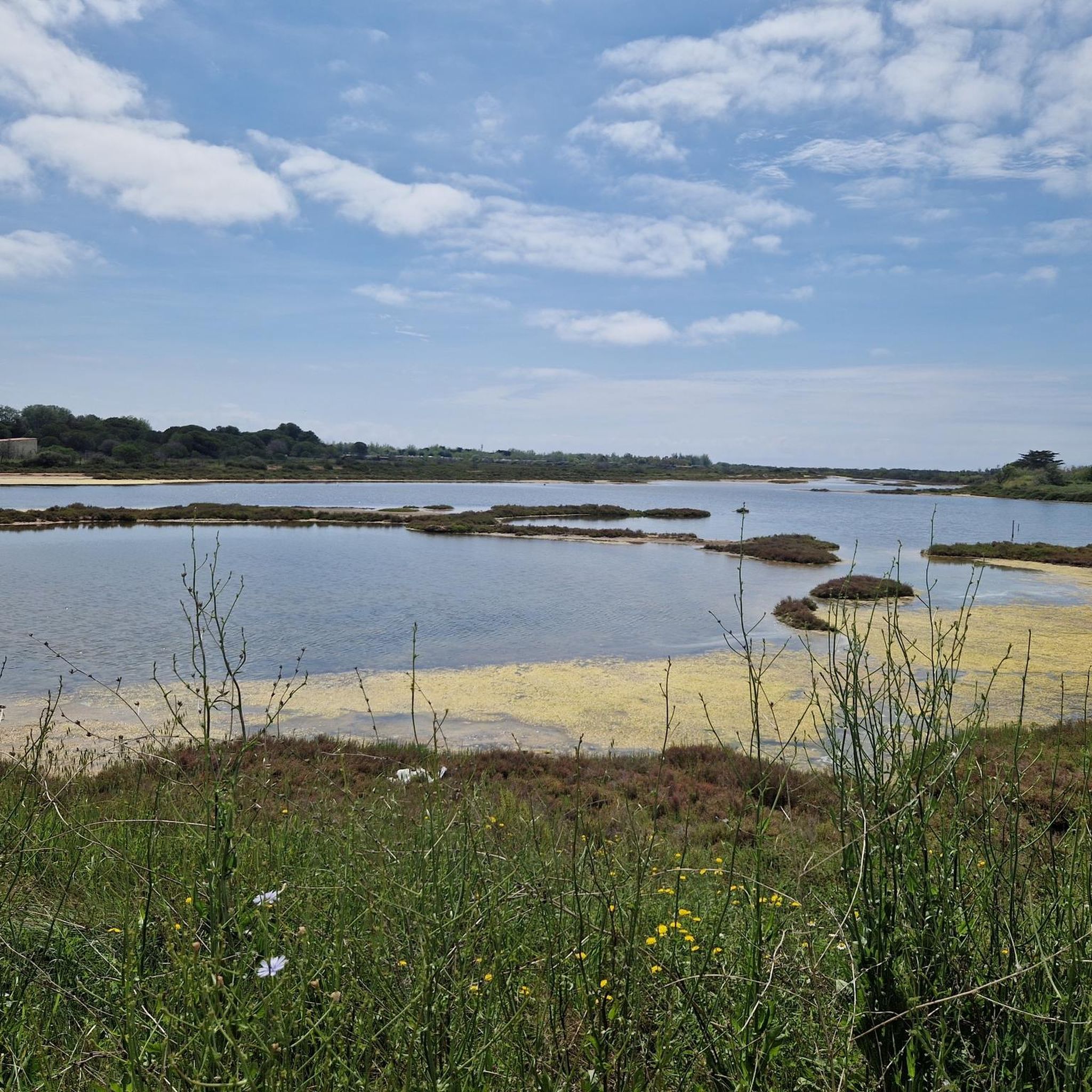
This path is magnificent, with this wooden footbridge, it's really fun, the view over the marshes is magnificent!!
0
0
Frequently Asked Questions
How many gravel bike trails are available around Marseillan?
Marseillan offers a wide selection of gravel bike trails, with nearly 100 routes available on komoot. This includes 22 easy, 51 moderate, and 23 difficult options, ensuring there's a path for every skill level.
Are there beginner-friendly gravel bike trails in Marseillan?
Yes, Marseillan is excellent for beginners. The region is characterized by flat to gently rolling terrain, particularly along the Canal du Midi and around the Étang de Thau lagoon. Many of the 22 easy routes are perfect for those new to gravel biking, offering smooth paths and minimal elevation.
What kind of challenge can I expect on advanced gravel bike routes in Marseillan?
While Marseillan is generally flat, some of the 23 difficult routes offer longer distances and slightly more varied terrain. For instance, the View of the Étang de Thau – The Fairy Stretcher loop from Marseillan-Plage covers over 66 km with around 400 meters of elevation gain, providing a more extended challenge.
Are there family-friendly gravel biking options near Marseillan?
Absolutely. The flat coastal paths, canal-side routes, and trails through nature reserves like Bagnas are ideal for families. These routes often avoid significant climbs and offer safe, scenic environments for all ages to enjoy. Look for routes marked as 'easy' for the best family experience.
What are the best times of year for gravel biking in Marseillan?
Spring (April-May) and Autumn (September-October) are generally the most pleasant times for gravel biking in Marseillan. The weather is mild, and the landscapes are vibrant. Summer can be hot, but early mornings or late afternoons offer cooler temperatures for riding. Winters are typically mild, making year-round biking possible, though some paths might be wetter.
Can I find circular gravel bike routes around Marseillan?
Yes, many of the gravel bike trails in Marseillan are designed as loops, allowing you to start and finish at the same point. A popular example is the View of the Étang de Thau – Bagnas Nature Reserve loop from Marseillan, which offers a scenic circular journey around the lagoon and through the nature reserve.
What can I see along the gravel bike trails in Marseillan?
The trails often lead through diverse landscapes. You'll encounter the historic Canal du Midi, the expansive Étang de Thau lagoon, and the protected Bagnas Nature Reserve. Coastal paths, vineyards, and views of Sète are also common. Highlights like the Lido Cycle Path from Sète to Marseillan offer stunning seaside vistas.
Are there any interesting landmarks or points of interest around Marseillan to explore by bike?
Beyond the natural beauty, you can cycle past the Royal Canal of Sète, explore charming coastal towns, and discover viewpoints offering panoramic views of the Étang de Thau, such as the View of the Étang de Thau. The region is also known for its oyster farms, which you might spot along the lagoon.
What do other gravel bikers enjoy the most about gravel biking in Marseillan?
The area is highly rated by the komoot community, with an average score of 4.4 stars from over 160 reviews. Reviewers often praise the region's flat and accessible terrain, the beautiful views of the Étang de Thau, and the peaceful rides along the Canal du Midi and through nature reserves like Bagnas.
Are there gravel bike routes that include cafes or places to stop for refreshments?
Many routes in Marseillan pass through or near towns and villages where you can find cafes, restaurants, and shops. The popular Voie Verte Canal du Midi – Bagnas Nature Reserve loop from Marseillan-Plage, for example, starts and ends in Marseillan-Plage, offering plenty of options for refreshments before or after your ride.
Where can I park my car for gravel biking in Marseillan?
Marseillan and its surrounding areas offer various parking options. You can often find public parking in the towns and villages that serve as starting points for many routes, such as Marseillan-Plage or Marseillan itself. Always check local signage for parking regulations and fees.
Is it possible to access gravel bike trails in Marseillan using public transport?
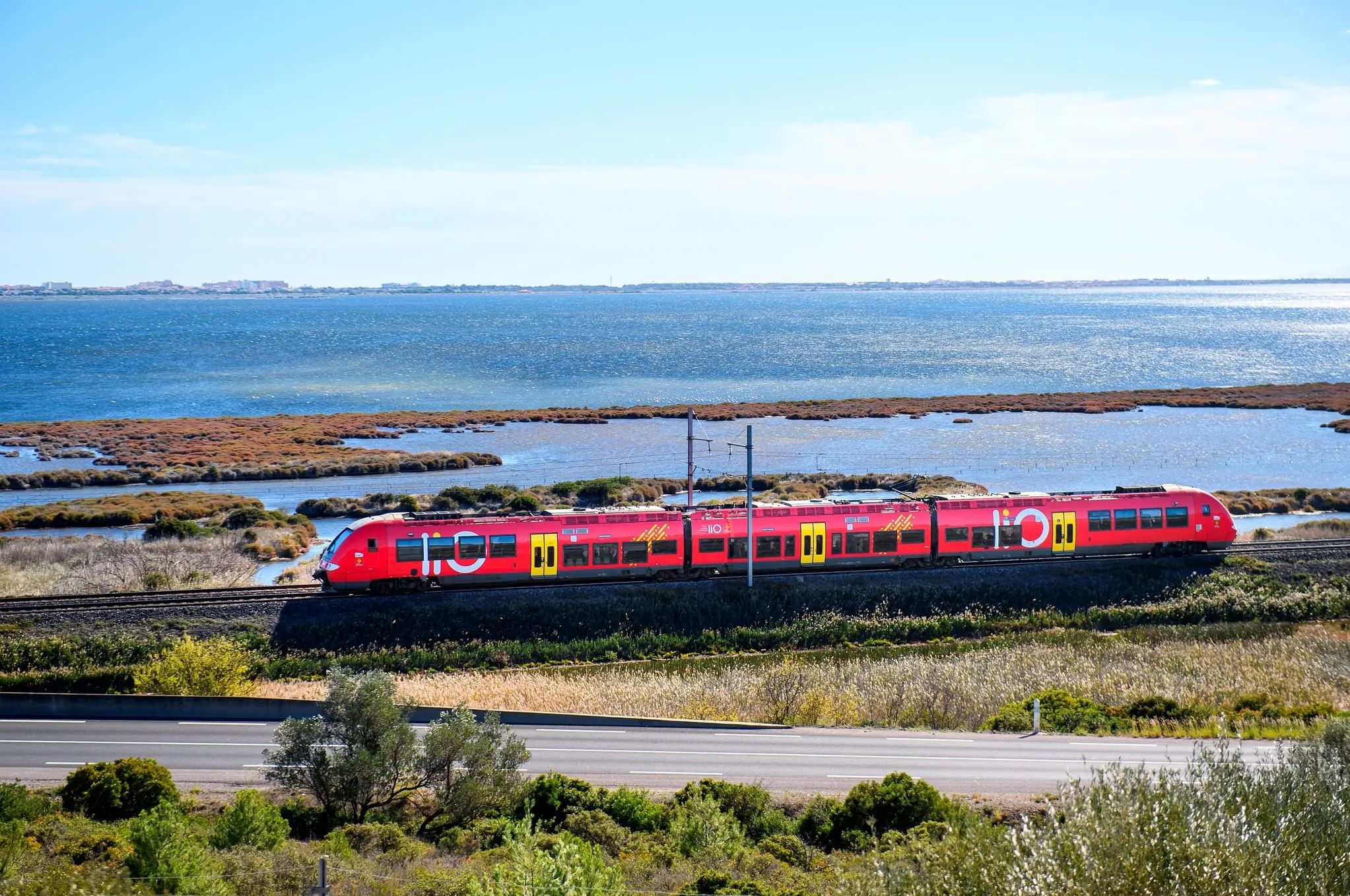
Marseillan is reasonably well-connected by public transport, particularly during peak seasons. Regional buses often serve Marseillan and nearby towns, which can help you reach trailheads. Some train stations in the wider region might also be accessible, though you'd need to check if bikes are permitted on board and if there are suitable connections to Marseillan.
Most popular routes around Marseillan
Most popular attractions around Marseillan

Get inspired with the komoot mobile app


Explore more
Browse the best Gravel rides in other regions.
